


Monday

Monday 19th January
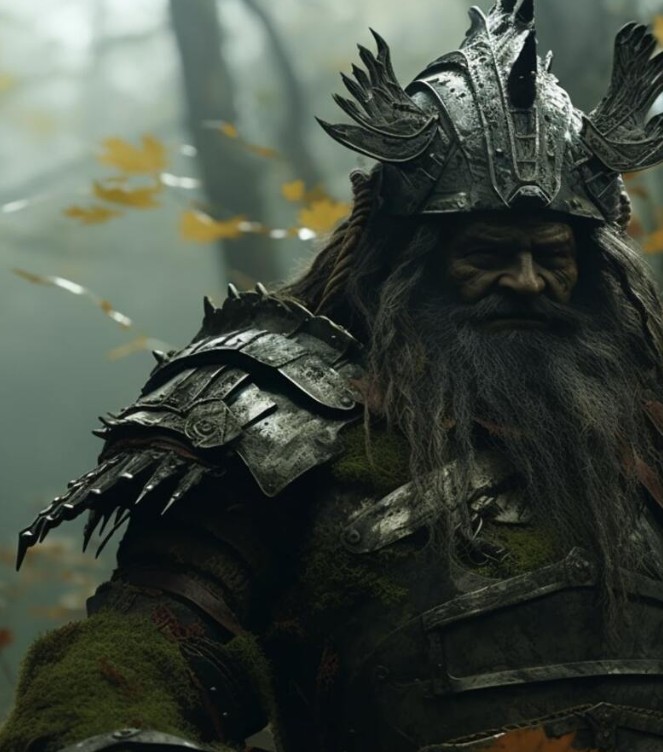
Story starter
Deep within the heart of the woodland, a secret kingdom thrived, hidden from the prying eyes of humans. At its forefront stood the mighty guardian, a samurai warrior adorned in armour created from the ancient bark of the sacred trees. Known as Hiroshi, his role was to protect the forests at all costs.
One fateful day, a cruel darkness began to seep into the forest, threatening to engulf its beauty. The once-lush foliage began to wither and eerie silence replaced the joyful symphony of nature...
Continue the story (one paragraph).
19.01.26
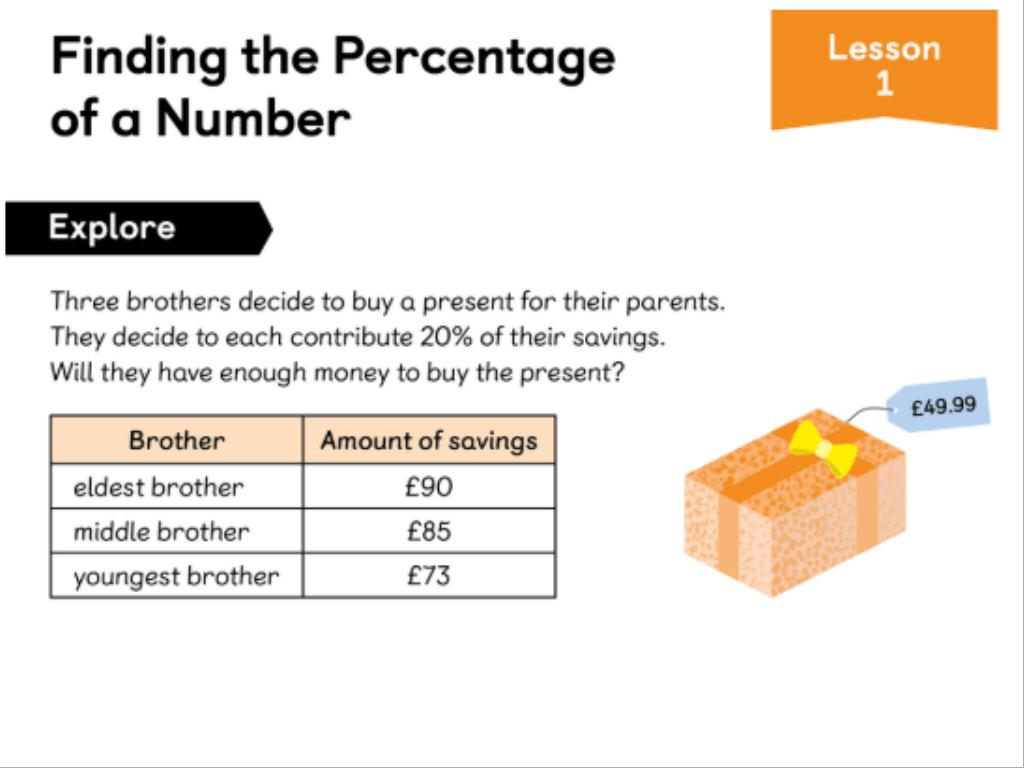
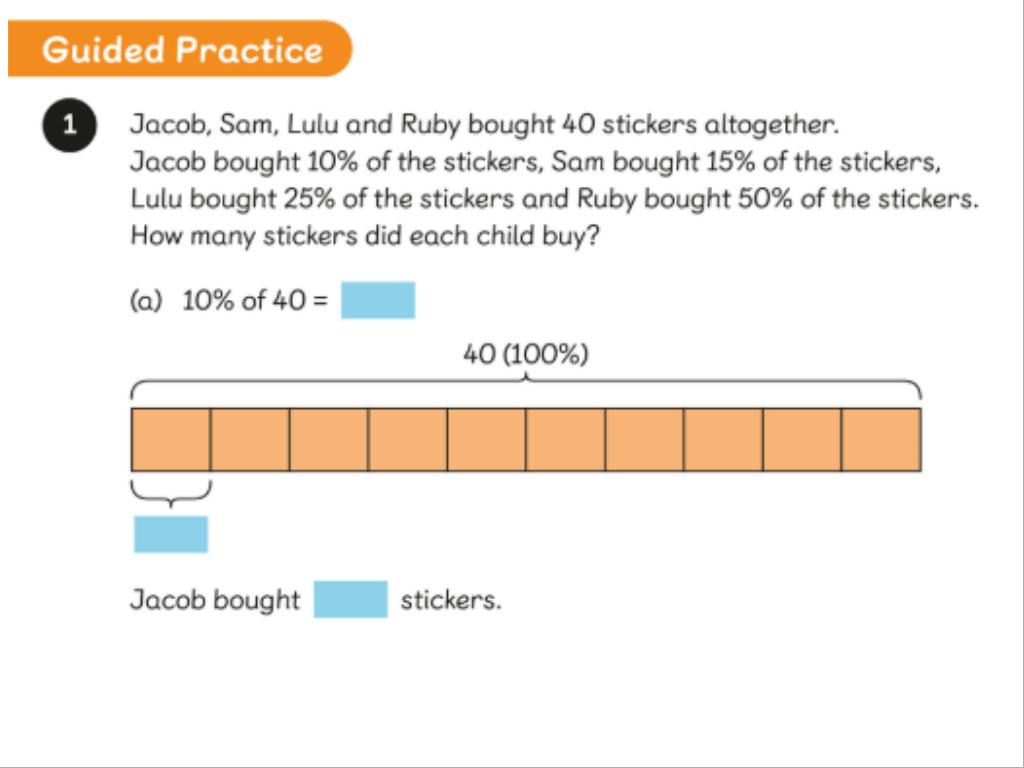
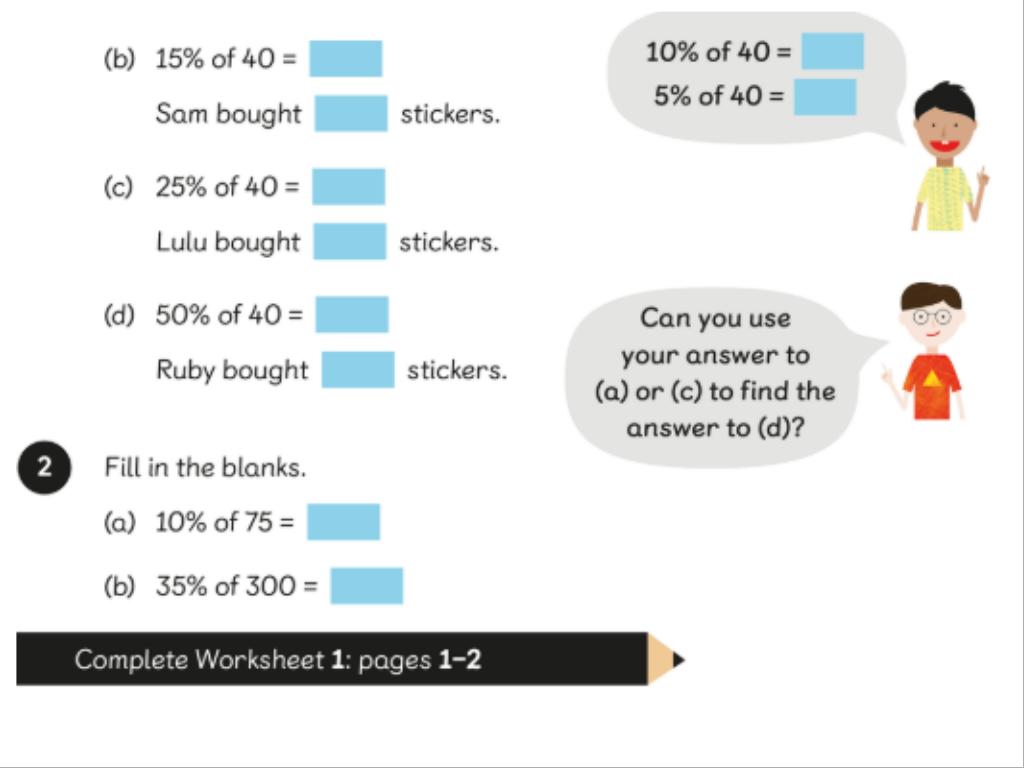
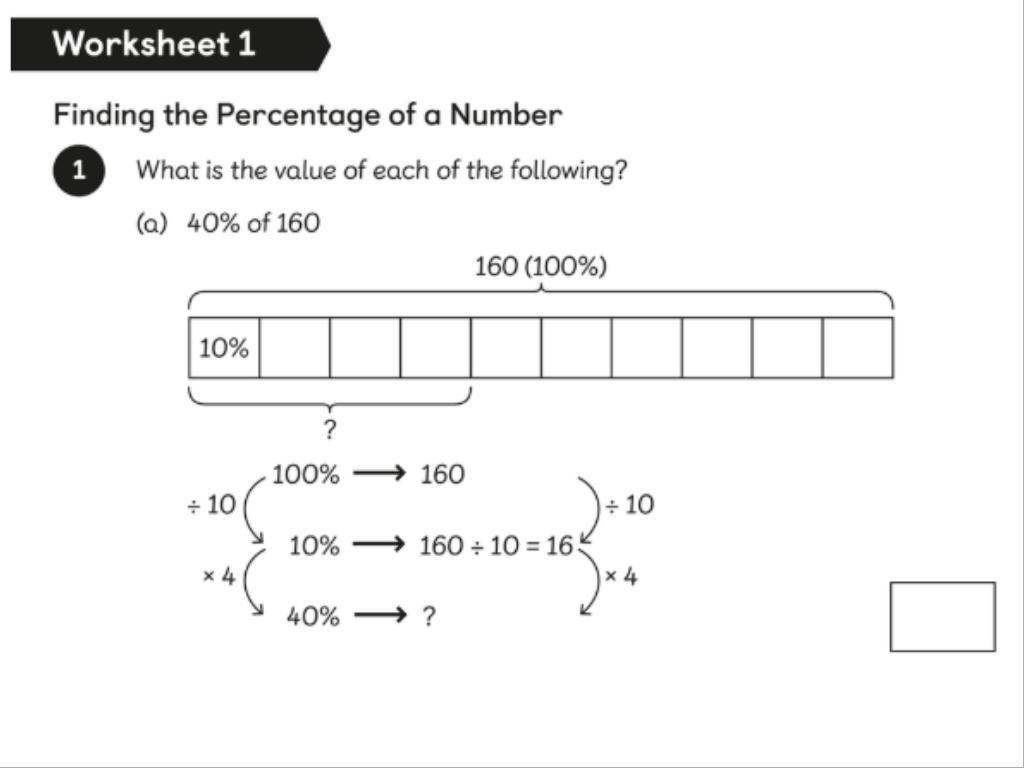
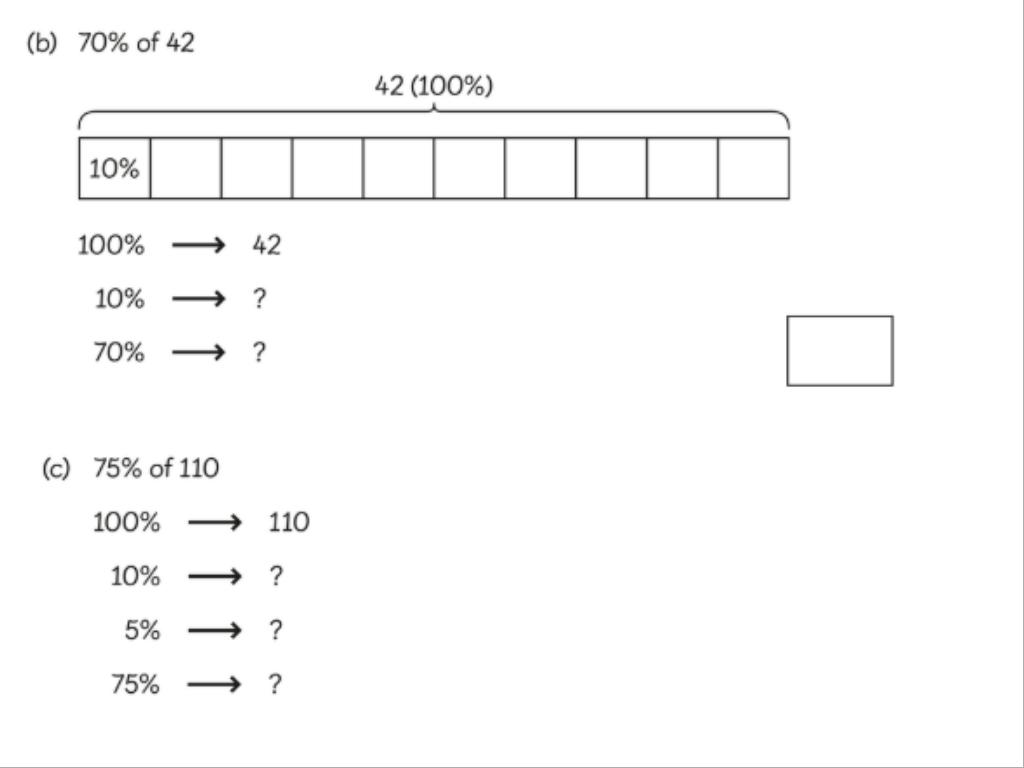
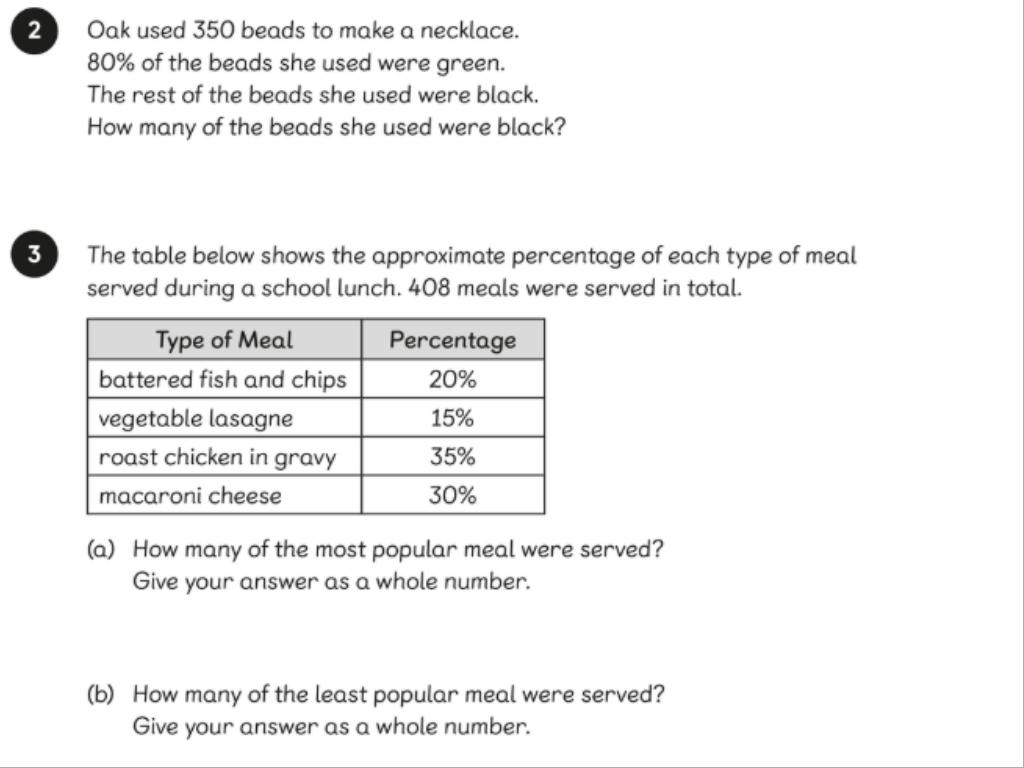
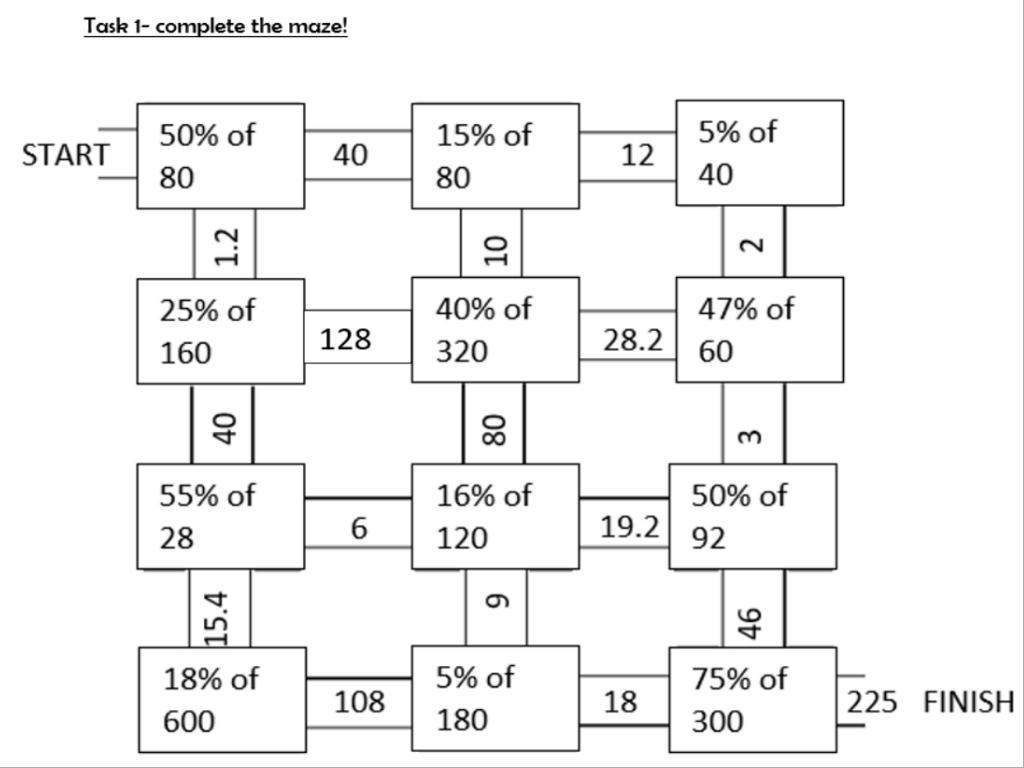
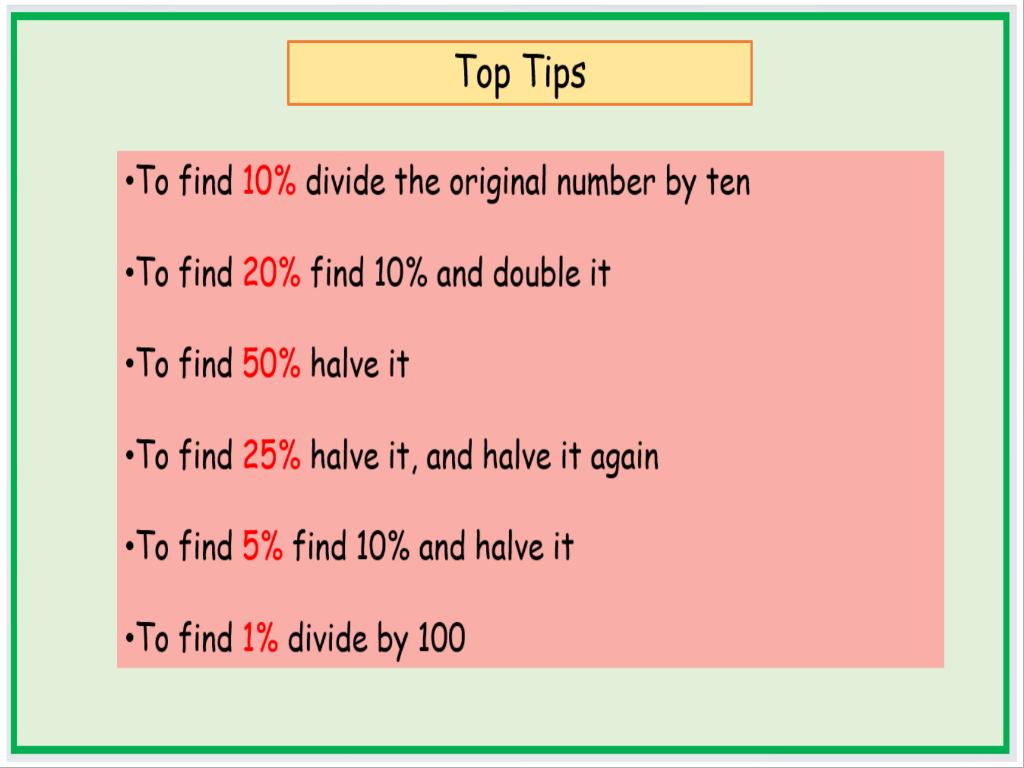
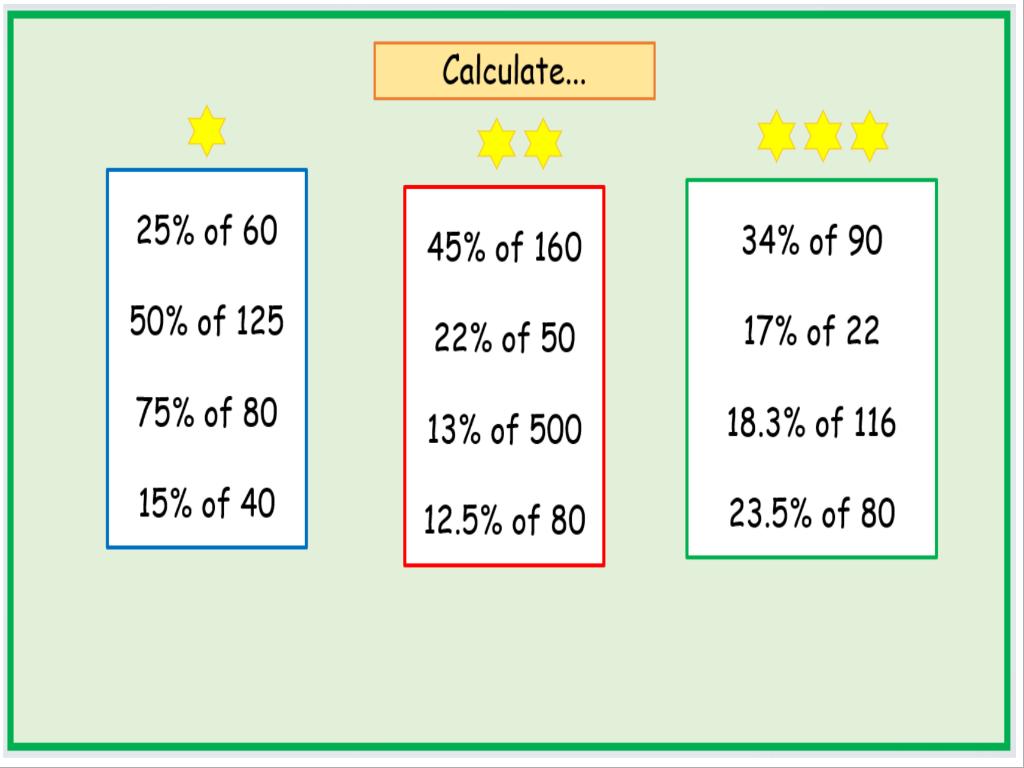
LC: To calculate percentage of an amount

Using Action, Dialogue and Description
Good stories use a balance of action, dialogue, and description to make writing exciting and easy to imagine.
Action
Action shows what characters are doing. It helps the story move forward and keeps the reader interested.
How to use it well:
-
Use strong verbs (ran, slammed, grabbed).
-
Show quick movements during exciting moments.
Example:
He dashed across the playground, clutching the note in his hand.
Dialogue
Dialogue is what characters say. It helps reveal feelings, relationships, and personality.
How to use it well:
-
Use speech to show emotion, not just give information.
-
Break up speech with actions.
Example:
"I’m not going back," she whispered, stepping away from the door.
Description
Description helps the reader picture the scene and understand how things feel.
How to use it well:
-
Describe using the five senses.
-
Choose details that matter, not too many.
Example:
The room smelled of dust and old paper, and the light flickered above them.
Using Them Together
The best writing mixes all three so the story flows smoothly.
Example:
He slammed the door shut and spun around. "Did you hear that?" he asked, his heart racing as shadows crept along the walls.
Top Tips
-
Don’t overuse dialogue or description—balance is key.
-
Use action to show, not tell, emotions.
-
Let dialogue sound natural, like real speech.
Example Paragraph
August paused outside the classroom door, his backpack straps tight in his hands. The corridor buzzed with noise, but it felt strangely quiet to him.
“Are you ready?” Mum asked gently, crouching beside him.
He nodded, even though his stomach twisted. Taking a deep breath, he pushed the door open and stepped inside. A few heads turned. August kept his eyes on the floor, reminding himself that he had faced harder days than this one.
My writing should:
☐ Use action to show what the character is doing (not just telling feelings).
☐ Include dialogue that sounds realistic and helps reveal feelings or relationships.
☐ Use description to help the reader imagine the scene.
☐ Show emotions through body language or thoughts rather than stating them.
☐ Be written in clear, complete sentences.
☐ Use correct punctuation for speech (capital letters and speech marks).
☐ Choose vocabulary carefully to match the mood of the scene.
Monday 19th January
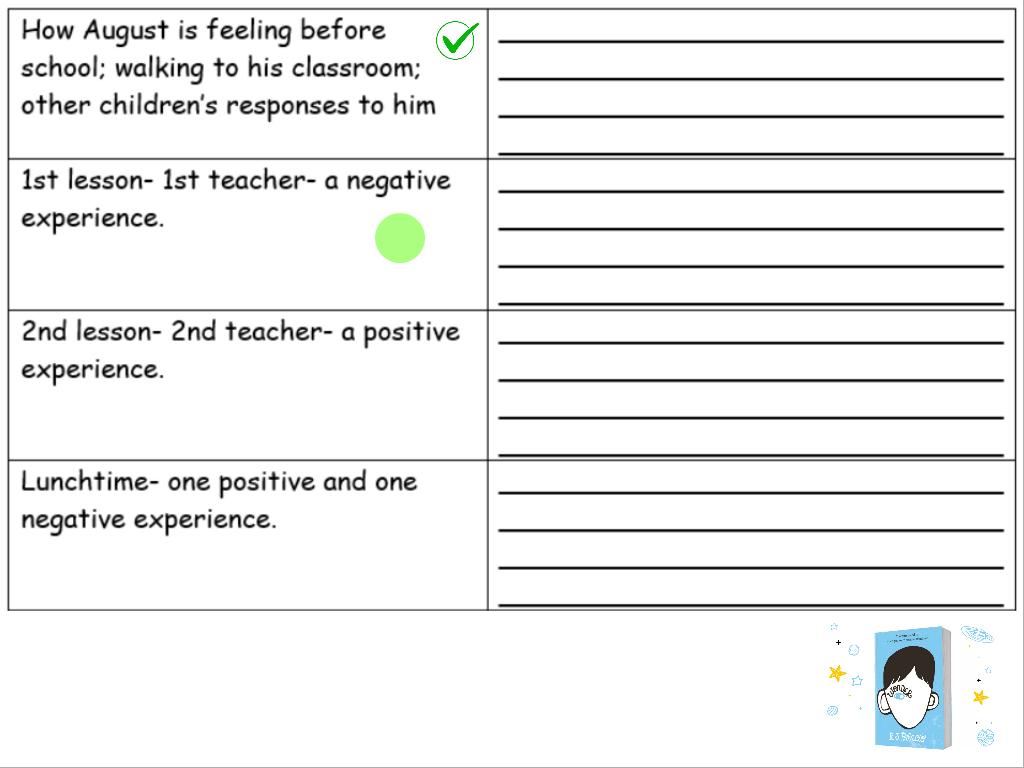
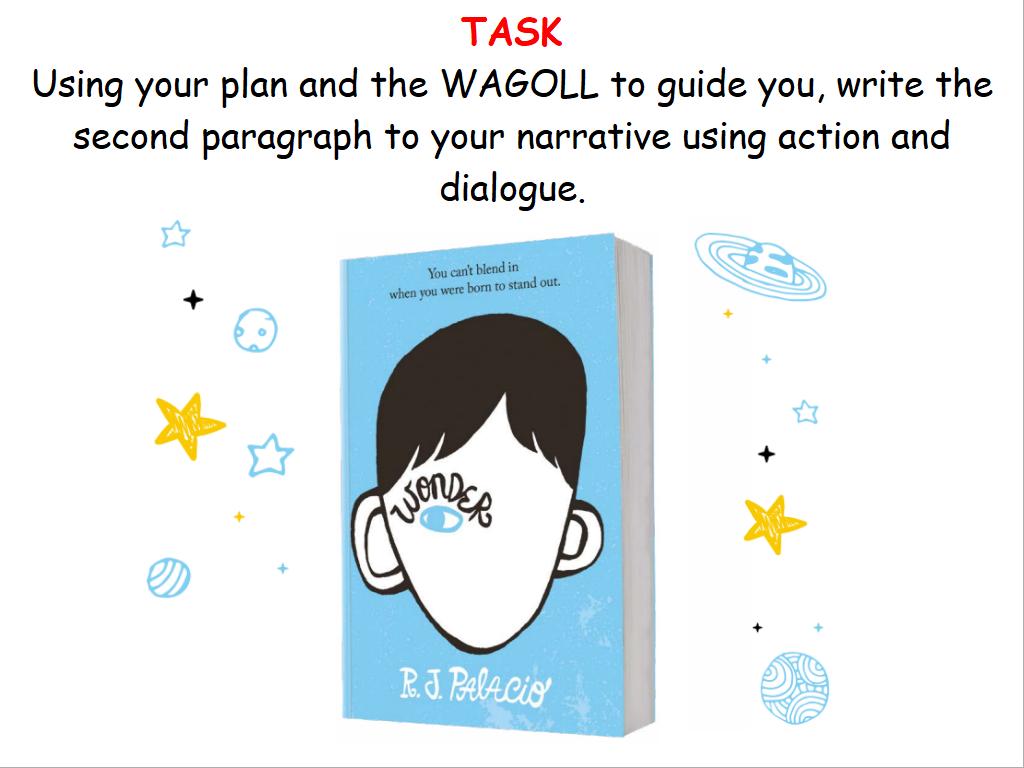
LC: To write paragraph two using action, dialogue and
description.

Reading Extract
The playground lay deserted, drained of its usual lunchtime chaos. Leo lingered beside the ancient oak, its gnarled branches clawing at the grey sky. In his pocket, the note felt heavier than paper had any right to be. He unfolded it once more, the sharp words etched into his thoughts. A chill crept up his spine as the wind hissed through the leaves, almost mocking him for hesitating. Taking a slow breath, Leo tightened his grip and stepped forward.
Questions
1. Retrieval
Which object is Leo holding in his pocket?
2. Inference
What does the text suggest about why Leo is hesitating? Use two pieces of evidence from the extract to support your answer.
3. Author’s Choice of Language
The author describes the oak tree’s branches as “gnarled” and “clawing at the grey sky.”
What effect do these word choices have on the mood of the extract, and why might the author have chosen them?
Reading Comprehension
sta177731e 2017 key stage 2 english reading prompt booklet.pdf
sta177730e 2017 key stage 2 english reading answer booklet.pdf

Monday 19th January
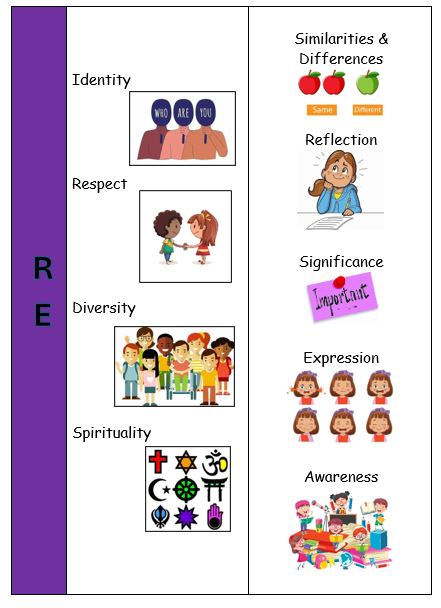
LC: To understand what Hajj is and explain why it is so important.
hajj lesson 3 19 01 26 website.pdf