

Important messages
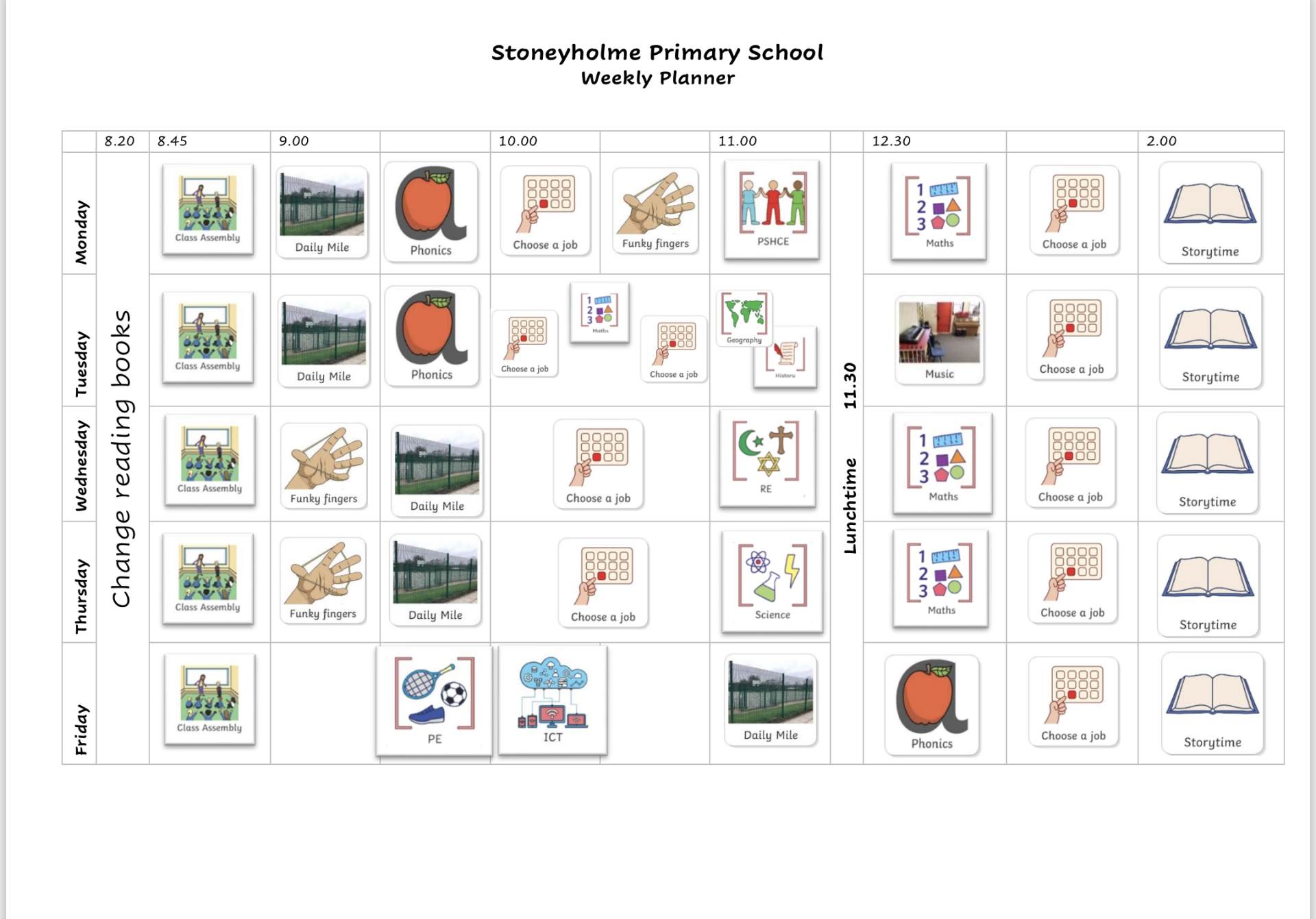
Our weekly PE lesson is every Friday. Please remember to come in your PE uniform. As we do 15 minutes of daily PE children must wear plain black trainers every day.
* Remember to bring your water bottles back to school every Monday
*Remember to bring your reading book inside your Book Bag every day
Class timetable
EYFS Stoneyholme Curriculum
| Stoneyholme EYFS Curricular Goals | ||
| Our goal is to support children in becoming confident, independent and active learners who leave the EYFS ready for their next stage in learning. We want them to become safe and respectful members of their own and the wider community. | ||
|
Communication and Language *Someone who is a confident and articulate speaker gaining an extensive functional vocabulary and able to speak clearly in full sentences. *Someone who uses talk to further their understanding and explain their thinking. *Someone who can listen attentively, understand and respond appropriately. *Someone who can ask and answer questions and hold conversations with others. |
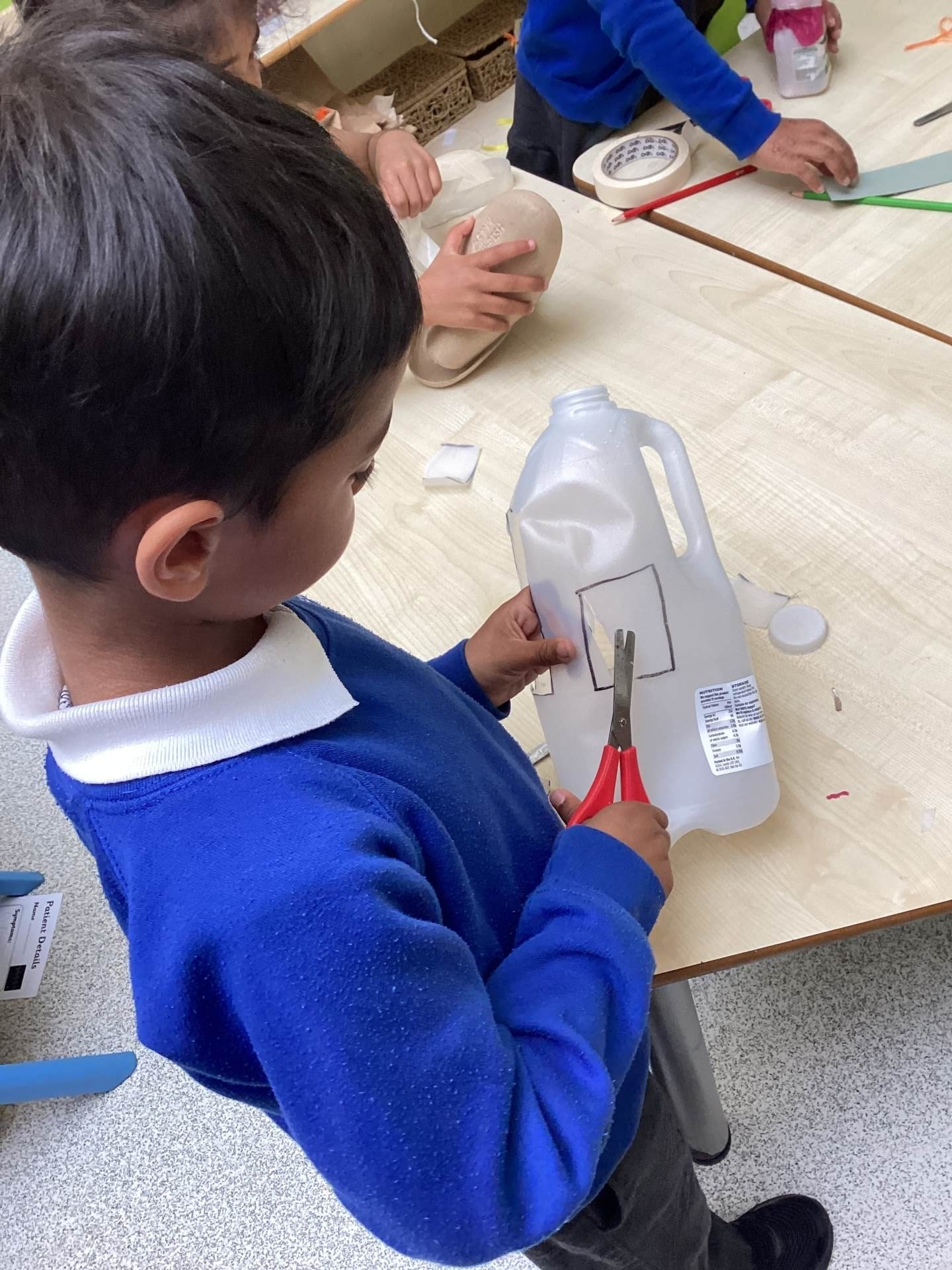
Physical Development *Someone who can move safely, negotiating objects and others, using a range of movements. *Someone who has good core strength, stability, balance and coordination. *Someone who moves with energy showing proficiency in the Lancashire 5 fundamental movement skills *Someone who can use equipment safely and with control including scissors, paintbrushes and cutlery. *Someone who demonstrates the body strength and movements needed for good writing skills. Who can hold mark-making tools with a mature grip and use them to form clear letters. |
Personal, Social and Emotional Development *Someone who has an understanding of what it means to be a global citizen with an awareness of belonging to a community and the responsibilities involved. *Someone who knows how to keep themselves safe in the classroom, at home and in the community. *Someone who shows the skills of being an active learner, who can concentrate, persevere and be resilient. *Someone who knows the difference between right and wrong and behaves accordingly. *Someone who shows confidence, curiosity and the motivation to try new activities and experiences *Someone who expresses, talks about and responds to different feelings, showing empathy and understanding how others are feeling and why. *Someone who is aspirational setting their own goals and thinking about the steps needed to achieve them. *Someone who can manage their own personal hygiene, maintain good oral hygiene and understand the importance of good health and ways to achieve this. *Someone who builds good relationships with familiar adults and peers, who can work and play cooperatively taking turns and share. |
| Literacy | Mathematics | Understanding the World | Expressive Arts and Design |
|
*Someone who loves reading. *Someone who enjoys joining in with familiar stories, recalling and retelling stories and making appropriate suggestions/predictions about them. *Someone who understands how stories work, identifying characters, settings, problems and resolutions and answering questions about what has been read. *Someone who can adapt and invent stories based on familiar ones and use new vocabulary encountered through reading. *Someone who can use their phonics to decode simple words (including phase 3 phonemes) and sentences and read them with fluency. *Someone who can use their phonics to write simple words (including phase 3) and sentences containing spaces between words, full stops and capital letters that can be read by others. *Someone who can read and write the phase 2 and some phase 3 common exception (tricky) words individually and when in sentences. *Someone who can hold a pencil in a comfortable, mature grip and form most letters correctly. |
*Someone who has a deep understanding of numbers to 10, who can count accurately, sequence numbers, subitise and understand the composition of different numbers. *Someone who knows one more and one less from a given number and uses the vocabulary ‘part-part-whole’ when calculating. *Someone with accurate recall of doubles, halves and number bonds to 5 and 10 including related subtraction facts. *Someone who can count verbally beyond 20 identifying number patterns such as counting in 2’s, 10’s, odd and even numbers. *Someone who is a problem solver. *Someone who understand and uses the language of measures to compare and sequence objects and pictures (length, height, width, weight, capacity and time) *Someone who recognises and names 2D and 3D shapes, manipulate them and talks about their properties. *Someone with an awareness of money, identifying coins and using them to pay and receive change. |
*Someone with an understanding of the world around them, the people and communities around them and the importance of their actions on their communities and the wider world. *Someone who can identify a variety of natural features, plants and animals, show respect, care for them, observe and record them. *Someone who understands and respects the similarities and differences between different places, cultures and religions *Someone who explores and experiments with processes and changes that happen in the natural world. *Someone who knows some significant people from the past and the similarities and differences between past and present objects. *Someone who can read and create simple maps of journeys and places. |
*Someone who uses their imagination and creativity to explore a variety of media and materials. *Someone who knows how to look closely, create realistic representations adding detail and colour. *Someone who explores tools, materials and techniques to create (such as mix colours, fasten and assemble) *Someone who engages with the arts learning about artists and cultures recreating and exploring the effects used. *Someone who can explain their creations and the processes used to make it. *Someone who uses their imagination and creativity to develop storylines in their play, use props to pretend and work collaboratively to share ideas. *Someone who has a bank of favourite nursery rhymes and songs, uses their body or instruments to keep the beat and enjoys performing songs, rhymes and stories to others. |
|
Rights Respecting Agenda *Someone who understands their rights and the rights of all children, respecting their rights and the responsibilities that come with this. *Someone who knows that it is the job of the duty bearers to ensure all children access their rights and the ways duty bearers can do this. |
ICT *Someone who understands how to keep themselves safe when online and the importance of passwords and their privacy. *Someone who technologically literate and is kept up to date with and taught through the latest developments in technology. *Someone who is able to access their learning independently through the school website. *Someone who can record objects and events by taking photographs and videos. *Someone who can interact with age appropriate apps and code using programmable toys. * Someone who has experienced green screen technology. |
Enriching experiences *Someone who has the opportunity to visit places and meet people from outside their community. *Someone who can ride a balance bike. *Someone who can create clay tiles and fire in the kiln. *Someone who experiences yoga, mindfulness and ways to keep calm *Someone who predicts, explores and finds out about processes from the natural world - Crest award *Someone who can plan, design, create and adapt - STEMterprise |
Area of Learning and Development - Communication and Language
| Education Programme for Communication and Language | |
| The development of children’s spoken language underpins all seven areas of learning and development. Children’s back-and-forth interactions from an early age form the foundations for language and cognitive development. The number and quality of the conversations they have with adults and peers throughout the day in a language-rich environment is crucial. By commenting on what children are interested in or doing, and echoing back what they say with new vocabulary added, practitioners will build children's language effectively. Reading frequently to children, and engaging them actively in stories, non-fiction, rhymes and poems, and then providing them with extensive opportunities to use and embed new words in a range of contexts, will give children the opportunity to thrive. Through conversation, story-telling and role play, where children share their ideas with support and modelling from their teacher, and sensitive questioning that invites them to elaborate, children become comfortable using a rich range of vocabulary and language structures. | |
| Listening Attention and Understanding - ELG | Speaking - ELG |
|
Children at the expected level of development will:
|
Children at the expected level of development will:
|
| Key Learning Linked to Communication and Language | |
| Listening Attention and Understanding | Speaking |
|
|
Area of Learning and Development - Physical Development
| Educational Programme for Physical Development | |
| Physical activity is vital in children’s all-round development, enabling them to pursue happy, healthy and active lives. Gross and fine motor experiences develop incrementally throughout early childhood, starting with sensory explorations and the development of a child’s strength, co-ordination and positional awareness through tummy time, crawling and play movement with both objects and adults. By creating games and providing opportunities for play both indoors and outdoors, adults can support children to develop their core strength, stability, balance, spatial awareness, co-ordination and agility. Gross motor skills provide the foundation for developing healthy bodies and social and emotional well-being. Fine motor control and precision helps with hand-eye co- ordination which is later linked to early literacy. Repeated and varied opportunities to explore and play with small world activities, puzzles, arts and crafts and the practice of using small tools, with feedback and support from adults, allow children to develop proficiency, control and confidence. | |
| Gross Motor Skills ELG | Fine Motor Skills ELG |
|
Children at the expected level of development will:
|
Children at the expected level of development will:
|
| Key Learning Linked to Physical Development | |
| Gross Motor Skills | Gross Motor Skills |
|
Linked to Handwriting/Drawing
|
Area of Learning and Development PSED
| Education Programme for PSED | ||
| Children’s personal, social and emotional development (PSED) is crucial for children to lead healthy and happy lives, and is fundamental to their cognitive development. Underpinning their personal development are the important attachments that shape their social world. Strong, warm and supportive relationships with adults enable children to learn how to understand their own feelings and those of others. Children should be supported to manage emotions, develop a positive sense of self, set themselves simple goals, have confidence in their own abilities, to persist and wait for what they want and direct attention as necessary. Through adult modelling and guidance, they will learn how to look after their bodies, including healthy eating, and manage personal needs independently. Through supported interaction with other children they learn how to make good friendships, co-operate and resolve conflicts peaceably. These attributes will provide a secure platform from which children can achieve at school and in later life. | ||
| Self-Regulation ELG | Managing Self ELG | Building Relationships ELG |
|
Children at the expected level of development will:
|
Children at the expected level of development will:
|
Children at the expected level of development will:
|
| Key Learning Linked to PSED - Self-Regulation | Key Learning Linked to PSED - Building Relationships |
|
|
| Key Learning Linked to PSED - Managing Self | |
|
|
Area of Learning and Development - Literacy
|
Area of Learning and Development - Literacy |
||
| It is crucial for children to develop a life-long love of reading. Reading consists of two dimensions: language comprehension and word reading. Language comprehension (necessary for both reading and writing) starts from birth. It only develops when adults talk with children about the world around them and the books (stories and non-fiction) they read with them, and enjoy rhymes, poems and songs together. Skilled word reading, taught later, involves both the speedy working out of the pronunciation of unfamiliar printed words (decoding) and the speedy recognition of familiar printed words. Writing involves transcription (spelling and handwriting) and composition (articulating ideas and structuring them in speech, before writing). | ||
| Comprehension ELG | Word Reading ELG | Writing ELG |
|
Children at the expected level of development will:
|
Children at the expected level of development will:
|
Children at the expected level of development will:
|
| Key Learning Linked to Reading | ||
| Comprehension | Phonics | Word Reading |
|
GPC recognition (hear, say, read letters), oral blending, blending for reading
|
HFW both decodable and common exception words (tricky)
|
| Key Learning Linked to Writing | ||
| Emergent Writing | Composition | Transcription |
|
Composition:
Vocabulary, grammar, punctuation
|
Spelling: GPC recognition, Oral segmenting, segmenting for spelling
Handwriting: (also see Physical Development - Fine Motor Skills)
|
Area of Learning and Development - Mathematics
| Educational Programme for Mathematics | |
| Developing a strong grounding in number is essential so that all children develop the necessary building blocks to excel mathematically. Children should be able to count confidently, develop a deep understanding of the numbers to 10, the relationships between them and the patterns within those numbers. By providing frequent and varied opportunities to build and apply this understanding - such as using manipulatives, including small pebbles and tens frames for organising counting - children will develop a secure base of knowledge and vocabulary from which mastery of mathematics is built. In addition, it is important that the curriculum includes rich opportunities for children to develop their spatial reasoning skills across all areas of mathematics including shape, space and measures. It is important that children develop positive attitudes and interests in mathematics, look for patterns and relationships, spot connections, ‘have a go’, talk to adults and peers about what they notice and not be afraid to make mistakes. | |
| Number ELG | Numerical Patterns ELG |
|
Children at the expected level of development will:
|
Children at the expected level of development will:
|
| Key Learning Linked to Number and Numerical Patterns | ||
|
Rote Counting
Recognition
Counting Items
|
Sense
Ordinal Numbers
Fractions
Graphics
|
Calculating
Vocabulary
|
|
Key Learning Linked to Space, Shape and Measure |
||
| Shape and Space | Measurement | |
|
Shape
Space
|
Distance
Weight
|
Volume/Capacity
Money
Time
|
Area of Learning and Development Understanding the World
|
Educational Programme for Understanding the World |
||
|
Understanding the world involves guiding children to make sense of their physical world and their community. The frequency and range of children’s personal experiences increases their knowledge and sense of the world around them - from visiting parks, libraries and museums to meeting important members of society such as police officers, nurses and firefighters. In addition, listening to a broad selection of stories, non-fiction, rhymes and poems will foster their understanding of our culturally, socially, technologically and ecologically diverse world. As well as building important knowledge, this extends their familiarity with words that support understanding across domains. Enriching and widening children’s vocabulary will support later reading comprehension. |
||
|
Past and Present ELG |
People Culture and Communities ELG |
The Natural World ELG |
|
Children at the expected level of development will:
|
Children at the expected level of development will:
|
Children at the expected level of development will:
|
| Key Learning Linked to People Culture and Communities | |
| Cultures and Beliefs | Geographical Development |
|
|
| Key Learning Linked to Past and Present Past and Present - Historical Development | |
|
|
| Key Learning Linked to The Natural World - Working Scientifically | |
|
|
Area of Learning and Development - Expressive Arts and Design
| Educational Programme for EAD | |
| The development of children’s artistic and cultural awareness supports their imagination and creativity. It is important that children have regular opportunities to engage with the arts, enabling them to explore and play with a wide range of media and materials. The quality and variety of what children see, hear and participate in is crucial for developing their understanding, self-expression, vocabulary and ability to communicate through the arts. The frequency, repetition and depth of their experiences are fundamental to their progress in interpreting and appreciating what they hear, respond to and observe. | |
| Creating with Materials - ELG | Being Imaginative and Expressive - ELG |
|
Children at the expected level of development will:
|
Children at the expected level of development will:
|
| Key Learning Linked to Creating with Materials | |
| Key Learning Linked to Art | Key Learning Linked to Designing and Making |
|
|
| Key Learning linked to Being Imaginative and Expressive | |
| Key learning linked to Being Imaginative | Key learning linked to Music |
|
|
|
Key Learning linked to the Stoneyholme Curriculum |
||
| Key Learning linked to the Rights Respecting Agenda |
Key Learning linked to key concepts/British Values |
Key Learning linked to ICT |
|
Can you be the same and different at the same time? Is it OK to be different? Community – What makes a community?, How do you know you belong to a community?, Who helps/supports our communities? How do we welcome people into our communities? Do we always have to be the same in our community? How do we help people to understand our communities? Equality – Does it matter if we are different? How can we help people feel like they belong? What can we do to make sure everyone succeeds? What to do if we have a worry, How different situations can make us feel, How do we help people understand us? Should you do the right thing even if others don’t? Citizenship – What are the right and wrong behaviours in our society? How can we be a good citizen? Who are the heroes in our society? Do you need a superpower to be a hero? Who are significant people from the past and present and what can we learn from them? Power – What is power? Who has power? Do people with power always do the right thing? Who does the world belong to? Trade – What does trade mean? How can we trade without money? What is the impact of environmental change on trade? How can we make sure that trade is fair? Is it OK to treat workers badly to get cheap items? Change – What are the problems with our environment? What is causing these problems? What can we do about these problems? How can we do our bit? Who should help to sort out these problems? |
World Wide Web – finding new information, being aware that not everything can be trusted, being safe Apps – interacting with age appropriate apps, using Seesaw as a platform for completing online activities and homework Recording – using different technology to record pictures, sounds and videos, using green screen technology to change backgrounds Coding – using apps and programmable toys Marking up – using paint tools and drawing packages to mark up/change pictures |
| Enriching the Stoneyholme Curriculum | ||
|
STEMterprise – Developing the design and make process Crest Award – Developing working scientifically Kew Endeavour – Developing working scientifically Balance Bikes – Developing physical skills and health Daily PE – Developing good health |
||
Autumn 1
Our key concept for this half term is...
Can you be the same and different at the same time? Does it matter if we are different?
Communication and Language:
We will know what makes a good listener and what makes a good speaker.
Physical Development:
We will know how to control our bodies and develop hand and finger strength.
Personal, Social and Emotional Development:
We will know about different feelings, what they are called and when we might feel them. We will know some strategies for calming down. We will know the class rules and routines and start to follow them. We will answer the question 'What makes a good friend?' and know how to keep ourselves safe on Bonfire Night.
Literacy:
We will know some nursery rhymes, enjoy listening to stories and start our phonics learning. We will know how to read and write our names.
Mathematics:
We will know how to orally count forwards and backwards to 10. We will know how to count accurately 5 objects and know how many we have counted. We will know how to sequence three objects by size. We will know how to subitise to 5. We will know how to read and write the numerals to 5 and explore different ways to represent sets with up to 5 objects.
Understanding the World:
As scientists we will know the names of parts of the face and body.
As historians we will know what 'the past' means and identify clues in pictorial sources.
As geographers we will know what a map is and some human and physical features of Stoneyholme.
Expressive Art and Design:
As artists we will know how to use different media to create lines and patterns. We will know who Frida Kahlo is and will use different media to create representations of faces.
Autumn 2
Our key concept for this half term is...
Can you be the same and different at the same time? Does it matter if we are different?
Communication and Language:
We will know how to retell the story of The Gingerbread Man, other traditional tales and an innovated version of the story. We will orally compare and describe. We will perform innovated versions of The Gingerbread Man and record them using IPads.
Physical Development:
We will know how to control equipment such as pencils and scissors. In PE we will start to learn the fundamental movement skills.
Personal, Social and Emotional Development:
We will know some ways to keep ourselves clean and healthy including hand hygiene. We will know how to share and explore UNCRC Article 15: The right to choose your own friends.
Literacy:
We will know the story of The Gingerbread Man. We will know how to make a wanted poster describing the Gingerbread Man and know what a character is. We will use our learning as scientists to innovate the story giving it new characters and a new setting.
Mathematics:
We will know how to orally count in 2s. We will know how to count objects accurately from a larger group. We will know how to read and write the numerals to 10 and explore different ways to represent sets with up to 10 objects. We will know that the number of objects stays the same even when the objects are moved around and how to match numerals to sets of objects. We will know how to compare quantities, number bonds to 5 and use the part-part-whole method to add and subtract. We will know 2Dshapes and use them to make repeating patterns. We will know how to sequence three objects by length.
Understanding the World:
As scientists we will know how to predict and be fair when working scientifically to answer the question 'What will happen to the Gingerbread Man the longer he is in the river?'. We will know the names of some common animals and where they live. We will know what our senses are and use them to describe. We will know that some things change when they are heated (making bread) and some things change according to the seasons (Autumn). We will know what happens when objects float or sink.
As historians we will know what 'the past' means and identify clues in pictorial sources.
As geographers we will know some human and physical features of Stoneyholme and make journey maps linked to the Gingerbread Man's journey.
Expressive Art and Design:
As artists we will know how to mix colours to make new colours. We will know how to make a variety of lines, patterns and shapes using different media and materials. We will know who Piet Mondrian and Wassily Kandinsky are and use them as inspiration for our own art.
As engineers we will know how to design, make and evaluate something to help the Gingerbread Man cross the river.
RE:
We will know how and why people celebrate. We will know about some holy books and the stories/messages in them.
Spring 1
Our Key Concept for this half term is...
Who does the world belong to?
Communication and Language:
We know how to ask questions to find out more and check our understanding. We will be able to use talk to clarify our thinking and express our ideas. We will know how to retell the story 'An Elephant in my Kitchen' and innovate sentences from the story to create new ones. We will orally compare and express our opinions.
Physical Development:
We will refine our use of equipment, including pencils for writing. We will know how to form the letters i, l, t, r, n and m correctly. In PE we will be able to jump, travel over, under and through climbing equipment, catch a ball with some accuracy and roll in a variety of ways.
Personal Social and Emotional Development:
We will know the importance of oral hygiene and visiting the dentist. We will know how to self regulate, solve conflicts appropriately and consider the perspectives of others. We will be able to set our own goals and challenges and show perseverance and resilience to complete them.
We will explore the following UNCRC children's Rights:
Article 12 You have the right to an opinion and for it to be listened to and taken seriously.
Article 13 You have the right to find out things and say what you think, through making art, speaking and writing, unless it breaks the rights of others.
Article 15 You have the right to be with friends and join or set up clubs, unless this breaks the rights of others
We will use these Rights to share our thoughts and feelings about looking after the planet.
We will learn about the importance of these Global Goals and what we can do to support them:
Global Goal 14: Life below water - To ensure action to slow down the impact of global warming and to ensure action to protect oceans and seas
Goal 15: Life on land - To ensure action to protect the environment and endangered animals
Literacy:
We will know the story 'An Elephant in my Kitchen'. We will use our learning as scientists to innovate sentences from the story to create new ones. We will be applying the knowledge we have from our Phonics learning so that others can read our writing.
Mathematics:
We will know how to count to 20 and backwards from 10 .We will know how to read numerals to 20 and write numerals to 10 . We will know how to subitise to 10 using number patterns, such as dice, doubles and number bonds. We will know how to represent sets to 20 using 10 frames, Numicon and objects and to identify 1 more/1 less using sets. We will know our number bonds to 5 and show these using 10 frames and Numicon. We will know how to add and subtract with numbers to 10 and start to explore double facts.
We will be able to name and describe 3D shapes , compare objects by weight and use units to compare weight .
Understanding the World:
As scientists we will know how to predict and be fair when working scientifically to answer the question 'Where is the cleanest air round school?' . We will explore different materials and how these can be recycled. We will use our observation skills to identify and record natural freezing and melting. We will know the names of some common animals and where they live.
As historians we will know some significant people who support the planet. We will know what 'the past' means and look at how vehicles have changed over time and how this impacts on the planet.
As geographers we will know some of the effects of our actions on places around the world and what we can do about this.
Expressive Art and Design:
As artists we will know about the technique of collage. We will use collage to create pictures and explore shades of colour. We will know about the technique of mosaic and use all the Art knowledge we have to create our own mosaic fish.
As musicians we will be listening to music from a range of genres, learning to sing new songs, moving to music and exploring instruments.
RE:
We will know about some of the stories in holy books relating to looking after our world and what we can do to act on these messages.
Spring 2
Our Key Concept for this half term is...
Who does the world belong to?
Communication and Language:
We will be using the conjunctions 'and' and 'because' to join our ideas together. We will be able to use the past tense when we talk about things from the past. We will know how to retell the story 'Dinosaurs and all that Rubbish' and innovate sentences from the story to create new ones. We will orally compare and express our opinions. We will be able to use talk to help us solve problems and organise our thinking and ideas.
Physical Development:
We will refine our use of equipment, including pencils for writing. We will know how to form the letters c, o, a, d, g and q correctly. In PE we will be introduced to orienteering. We will know some basic directions and take part in simple mapwork. We will know that a map has symbols which represent real world features and which real world feature each symbol represents. We will be developing our spatial awareness through orienteering.
Personal Social and Emotional Development:
We will be revisiting how to self regulate and consider what makes a good person. We will know how to solve conflicts appropriately and consider the perspectives of others. We will be able to set our own goals and challenges and show perseverance and resilience to complete them.
We will explore the following UNCRC children's Rights:
Article 12 You have the right to an opinion and for it to be listened to and taken seriously.
Article 13 You have the right to find out things and say what you think, through making art, speaking and writing, unless it breaks the rights of others.
Article 15 You have the right to be with friends and join or set up clubs, unless this breaks the rights of others.
We will use these Rights to share our thoughts and feelings about looking after the planet.
We will learn about the importance of these Global Goals and what we can do to support them:
Global Goal 13: Climate action
Literacy:
We will know the story 'Dinosaurs and all that Rubbish'. We will use our learning as scientists to innovate sentences from the story to create new ones. We will be applying the knowledge we have from our Phonics learning so that others can read our writing.
Mathematics:
We will know how to count beyond 20. We will know how to read and write numerals to 20 . We will know how to subitise to 10 using number patterns, such as dice, doubles and number bonds. We will know how to represent sets to 20 using 10 frames, Numicon and objects and to identify 1 more/1 less using numberlines. We will know the subtraction facts related to the number bonds to 5. We will know how to add and subtract with numbers to 20 and know double facts up to double 10.
We will be able to compare objects by height and use units to compare height .
Understanding the World:
As scientists we will know how to predict and be fair when working scientifically to answer the question 'how to clean the air?'. We will be hatching our own eggs to learn about about life cycles and use our observing skills. We will continue to refine our observing skills on our visit to Thompson Park to look at signs of Spring.
As historians we will know about Mary Anning, how she helped people find out about dinosaurs through her fossil hunting. We will know what 'the past' means and, through finding out about dinosaurs, what the word 'extinct' means. We will look at how packaging and bags have changed over time and how this impacts on the planet.
As geographers we will know some of the effects of our actions on places around the world and what we can do about this. We will find out about how we grow food in other countries and the significance of the fair trade symbol. We will be visiting the local supermarket to look for these symbols.
Expressive Art and Design:
As artists we will know about the technique of printing. We will use printing to create pictures. We will also know about tones of colour exploring adding white to see what happens. We will be visiting the STEAM Hub to use what we have learnt to create a dinosaur silhouette sunset.
As musicians we will be listening to music from a range of genres, learning to sing new songs, moving to music and exploring instruments.
RE:
We will know about some of the stories in holy books relating to looking after our world and what we can do to act on these messages.
/i/video/EYFS/Science/eggs_hatching/Eggs_hatching_EYFS_2025-540p30.mov
/i/video/EYFS/Class_page_25_26/Spring_2/RB_story_telling.m4a
Summer 1
Our Key Concept for this half term is...
Should you do the right thing even when others don't?
Communication and Language:
We will be using the conjunctions 'and' and 'because' to join our ideas together. We will be able to use the sentence starts that help us to describe. We will be learning simple sentences by heart and innovating them to create new sentences.
Physical Development:
We will refine our use of equipment, including pencils for writing. We will know how to form the letters c, o, a, d, g and q correctly. In PE we will be introduced to orienteering. We will know some basic directions and take part in simple mapwork. We will know that a map has symbols which represent real world features and which real world feature each symbol represents. We will be developing our spatial awareness through orienteering.
Personal Social and Emotional Development:
We will be considering what makes a good person. We will know some of the qualities a Community Hero has, such as kindness and bravery. We will explore what makes people choose the jobs they do and different ways people can help the community.
We will explore the following UNCRC children's Rights:
Article 29 Education must develop every child’s personality, talents and abilities to the full. It must encourage the child’s respect for human rights, as well as respect for their parents, their own and other cultures, and the environment.
Literacy:
We will know the story 'A superhero like you'. We will use our learning from PSED to innovate sentences from the story to create new ones. We will be applying the knowledge we have from our Phonics learning so that others can read our writing.
Mathematics:
We will know how to orally count to 50. We will know how to read and write numerals to 20 . We will know the composition of numbers to 10 and begin to know the number bonds to 10. We will be able to count in 2's, 10's and identify odd and even numbers. We will be able to share fairly and know how this relates to halving. We will be able to complete addition calculations which include number bonds and doubles.
We will be able to identify times of the day and sequence familiar events. We will know the words 'fast' and 'slow' and some positional language.
Understanding the World:
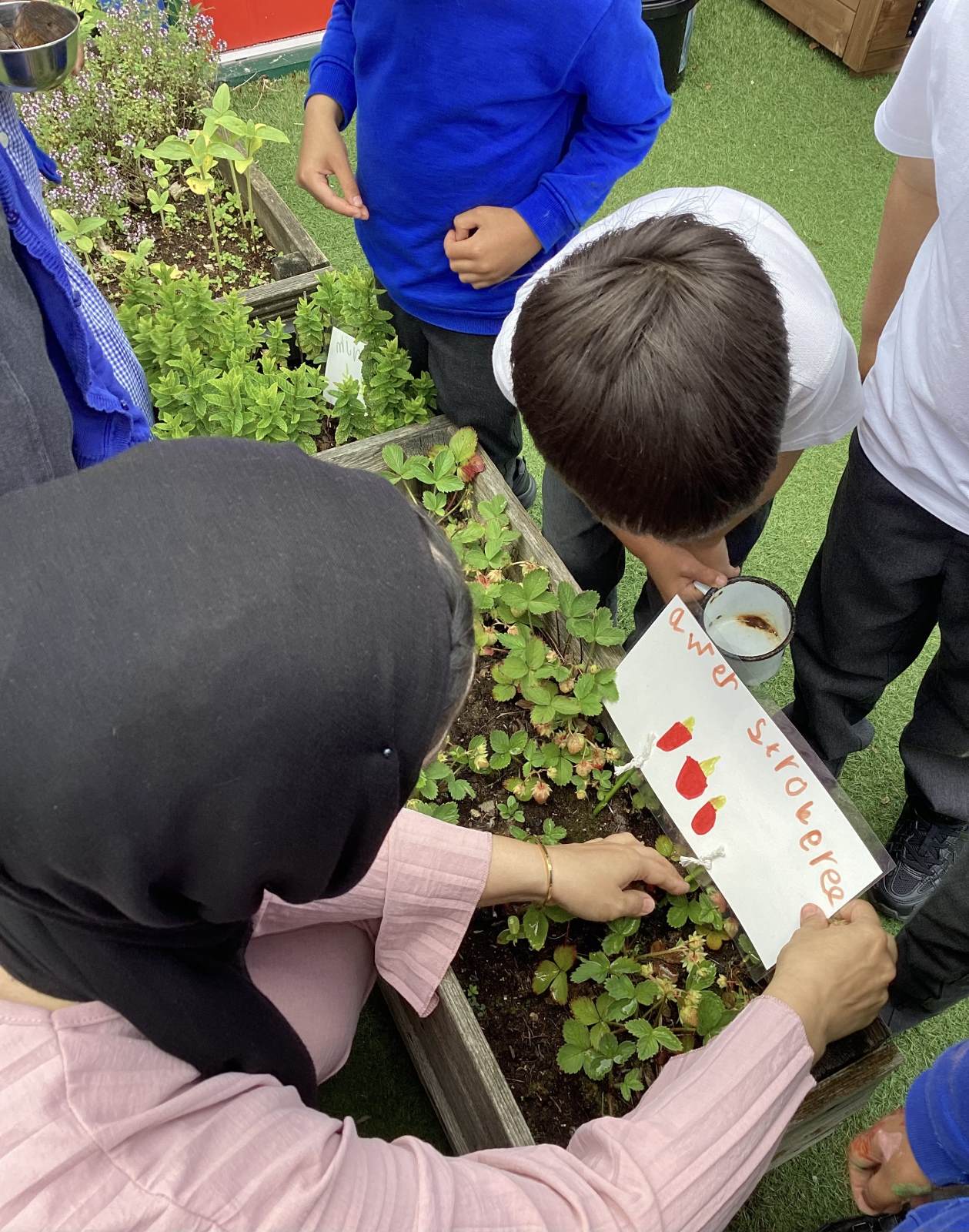
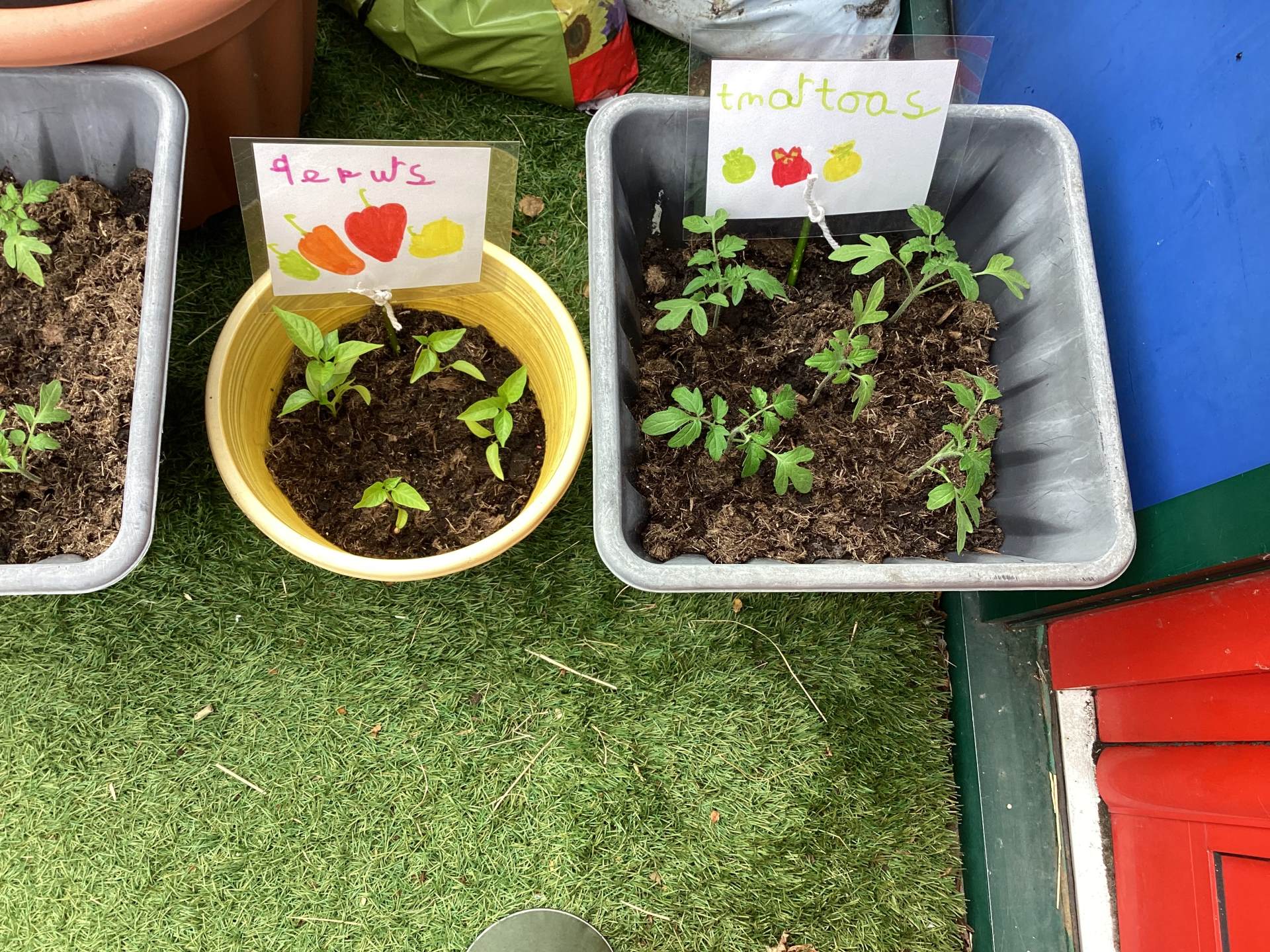
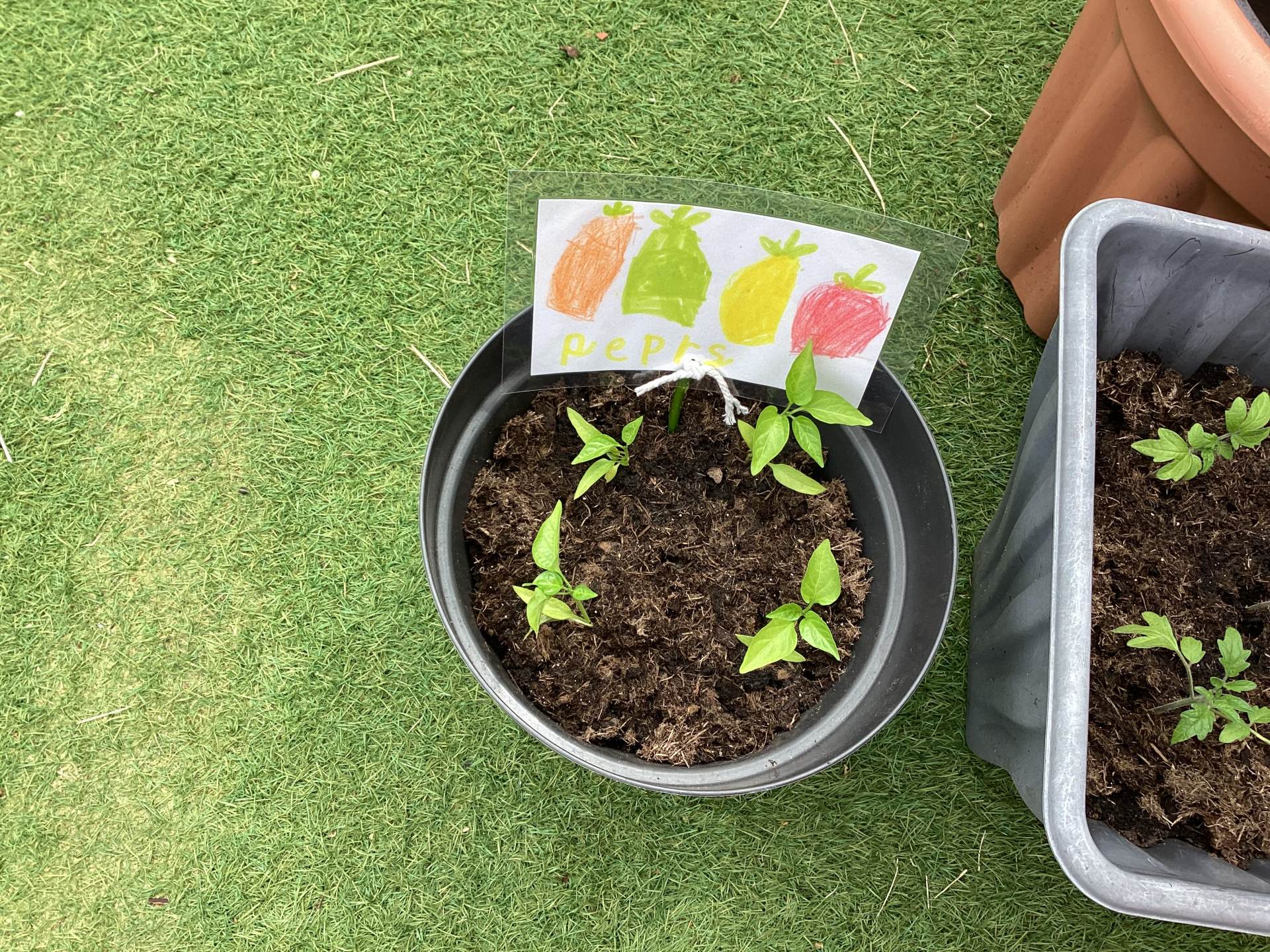
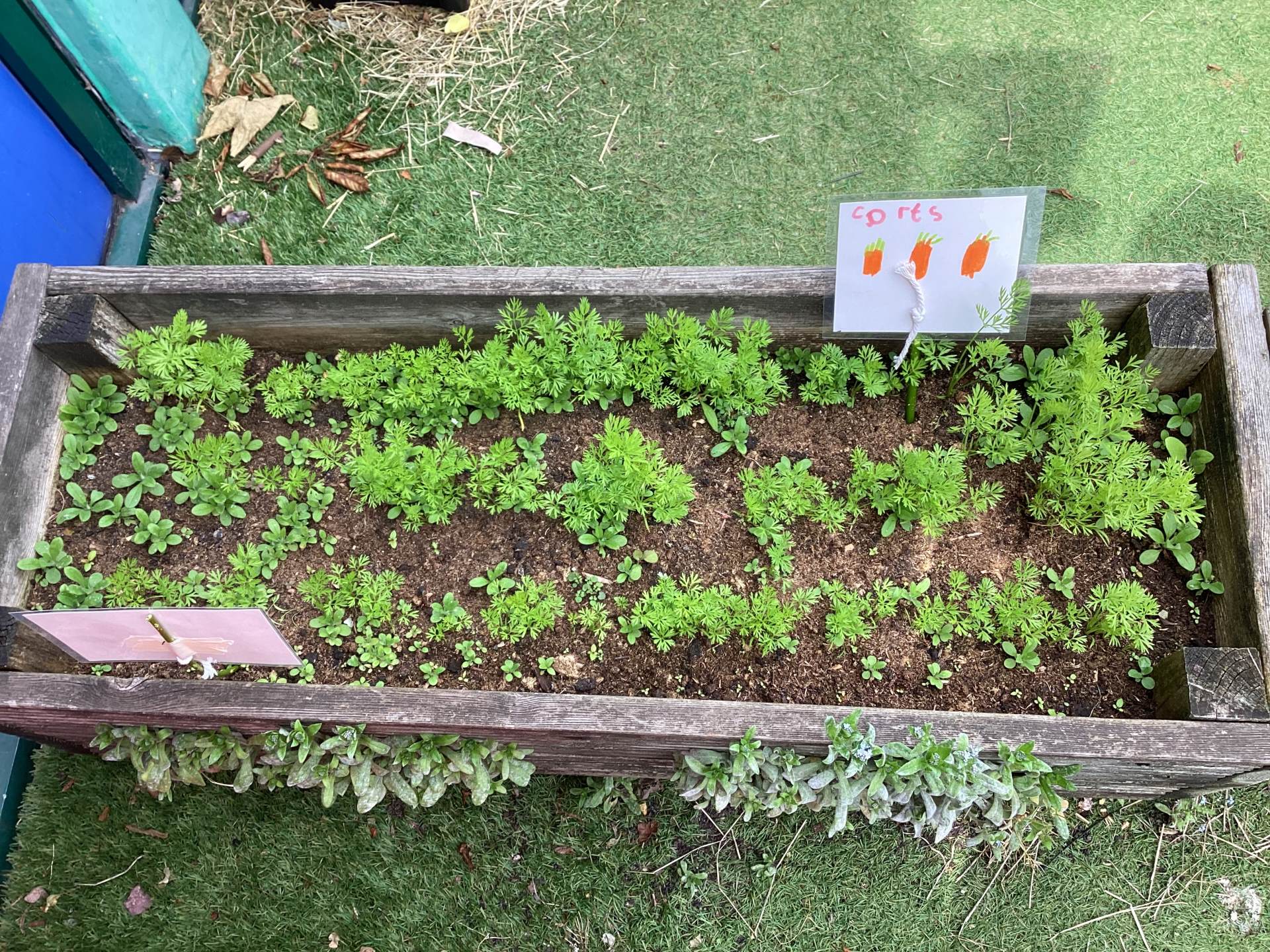
As scientists we will continue to look after our plants. We will know how to grow our own food and why we should. We will also know a variety of ways to keep ourselves healthy. We will be able to identify the signs of summer.
As historians we will know about Florence Nightingale and how her actions influenced todays nursing.
As geographers we will know some community heroes and the impact that has on our society.
Expressive Art and Design:
As artists we will know about the texture. We will explore using different materials to create different textures and using different tools to apply texture. We will know about the artist Van Gogh and his work. We will be visiting the STEAM Hub to use what we have learnt to create a sunflower which will be part of a class picture based on Van Gogh's 'sunflowers'.
As musicians we will be listening to music from a range of genres, learning to sing new songs, moving to music and exploring instruments.
RE:
We will know about how our actions can impact on our communities and make the world a better place.
Oral storytelling using Tales Toolkit
/i/video/EYFS/Class_page_25_26/Summer_1/Tales_toolkit_story_telling.mov
Summer 2
Our Key Concept for this half term is...
Should you do the right thing even when others don't?
Communication and Language:
We will be using the conjunctions 'and' and 'because' to join our ideas together. We will be able to use the sentence starts that help us to describe. We will be learning simple sentences by heart and innovating them to create new sentences.
Physical Development:
We will refine our use of equipment, including pencils for writing. We will know how to form the letters r, v, w, j, y, f and k correctly. In PE we will be revising our fundamental movement skills including jumping, hopping and skipping. We will be learning to catch using small equipment and travelling under, over and through balancing and climbing equipment.
Personal Social and Emotional Development:
We will be considering what makes a good person. We will know some of the qualities that make a good citizen, such as kindness and bravery. We will explore how our actions have consequences and preparing to transition into Year One.
We will explore the following UNCRC children's Rights:
Article 29 Education must develop every child’s personality, talents and abilities to the full. It must encourage the child’s respect for human rights, as well as respect for their parents, their own and other cultures, and the environment.
Article 24 Every child has the right to the best possible health.
 Literacy:
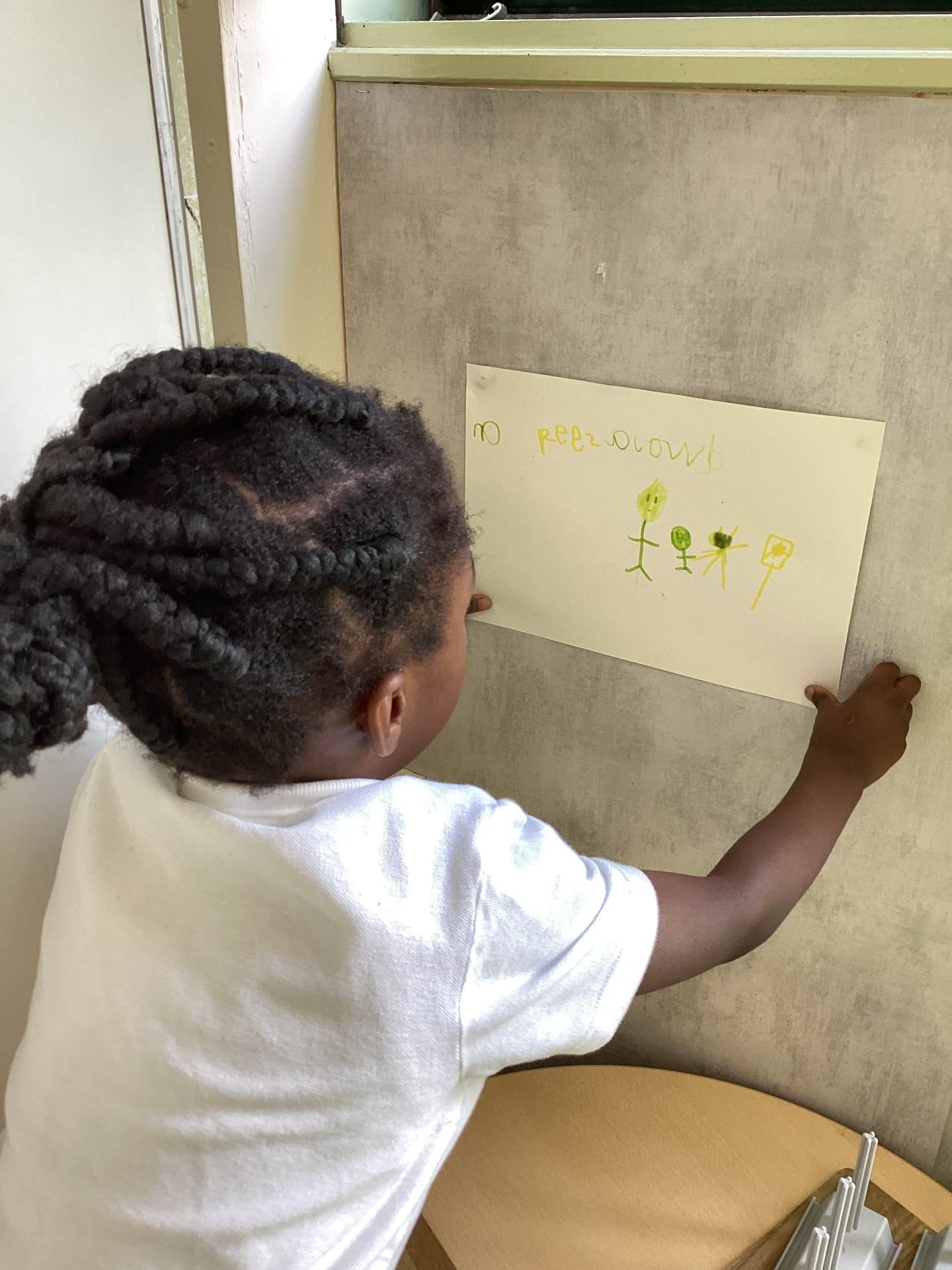
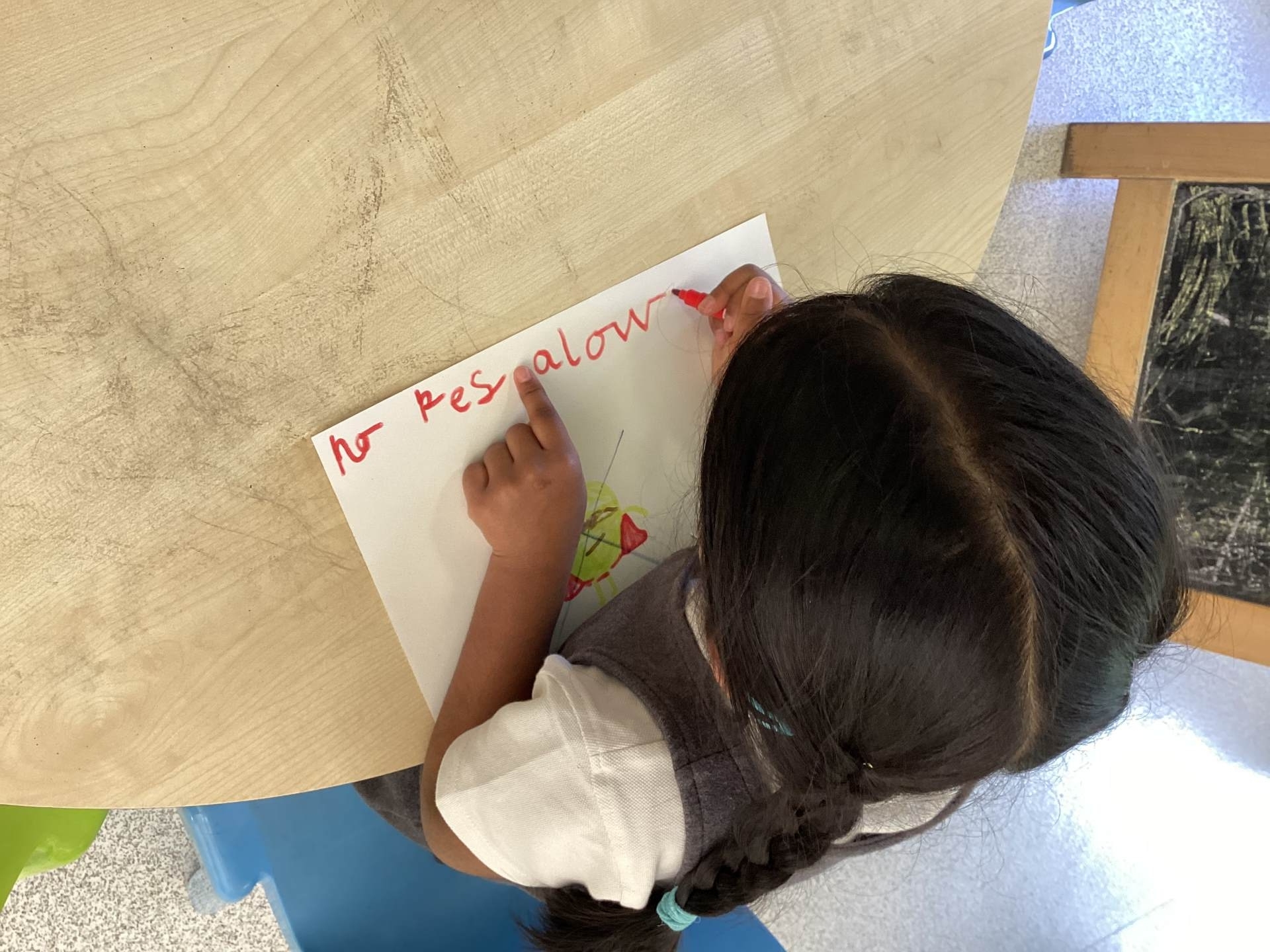
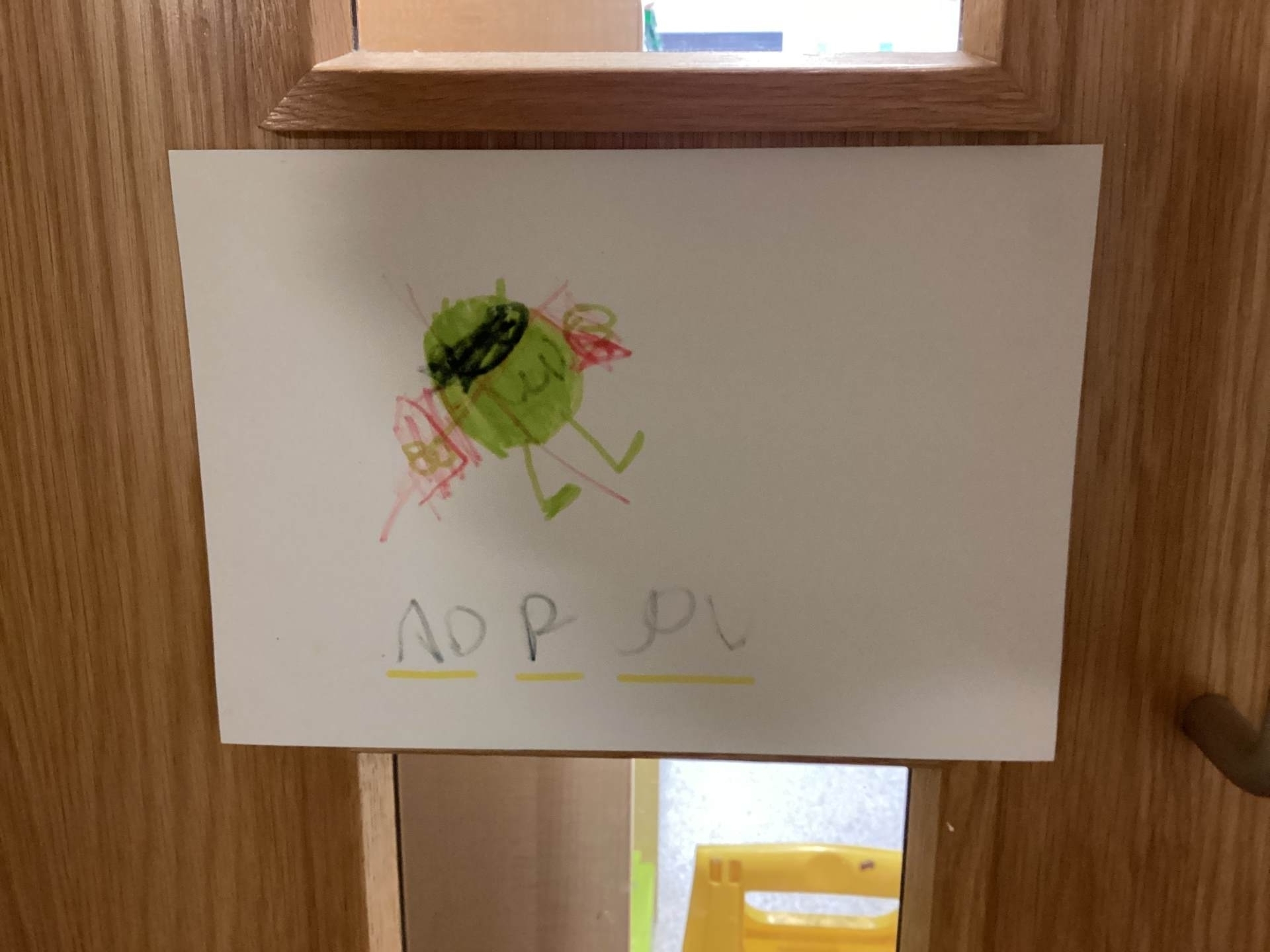
We will know the story 'Supertato'. We will be learning the story and creating new characters and crimes to create new stories.. We will be applying the knowledge we have from our Phonics learning so that others can read our writing.
Mathematics:
We will know how to orally count to 100. We will be able to count in 2's and 10's and revisiting our number bonds to 5 and 10. We will be revising one more and less and comparing quantities to 10. We will know how to order numerals to 20. We will be applying our addition and subtractions skill in stories and we will be using units to compare length, height and capacity. We will know some positional language to describe where things are.
Understanding the World:
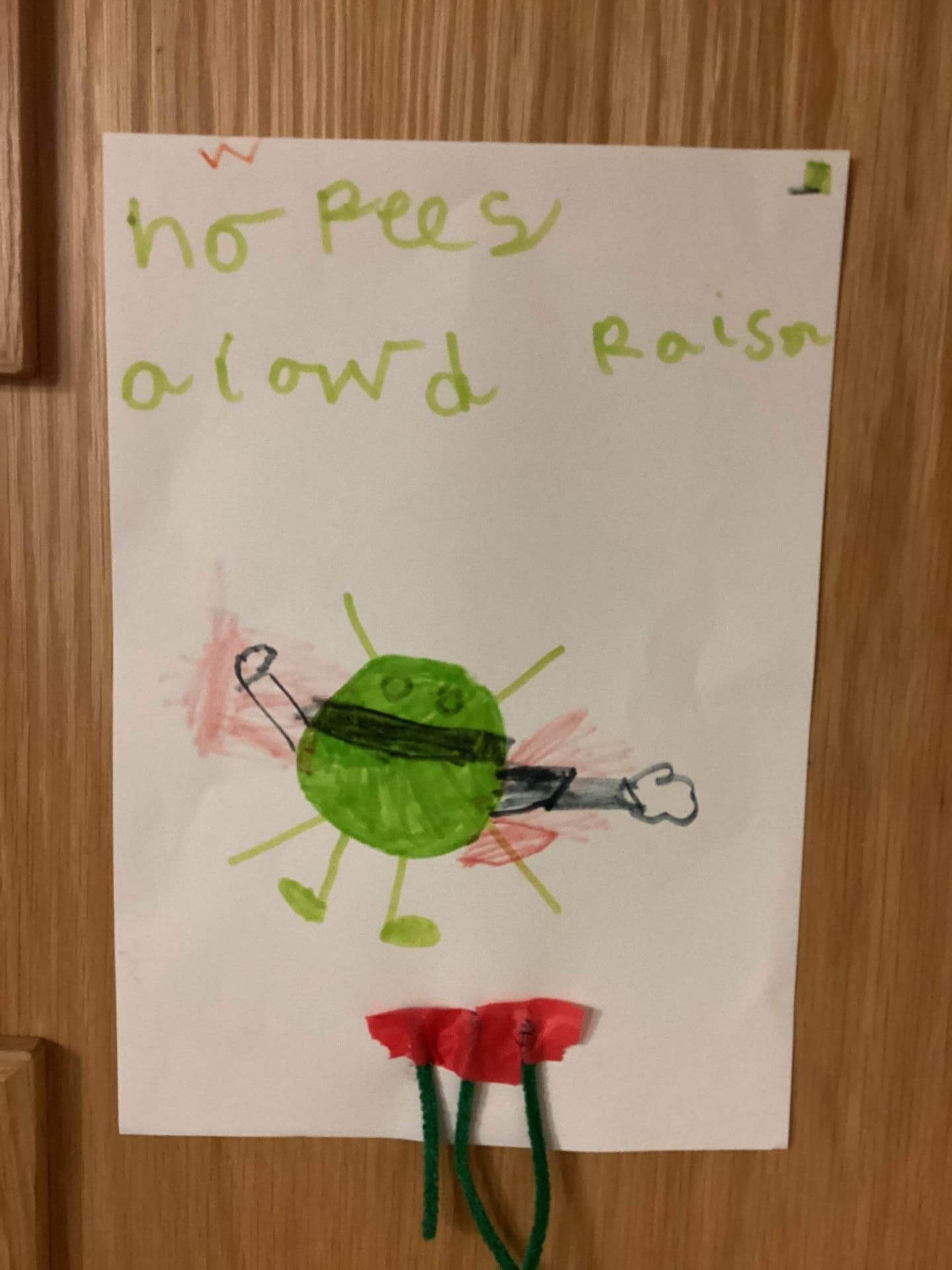
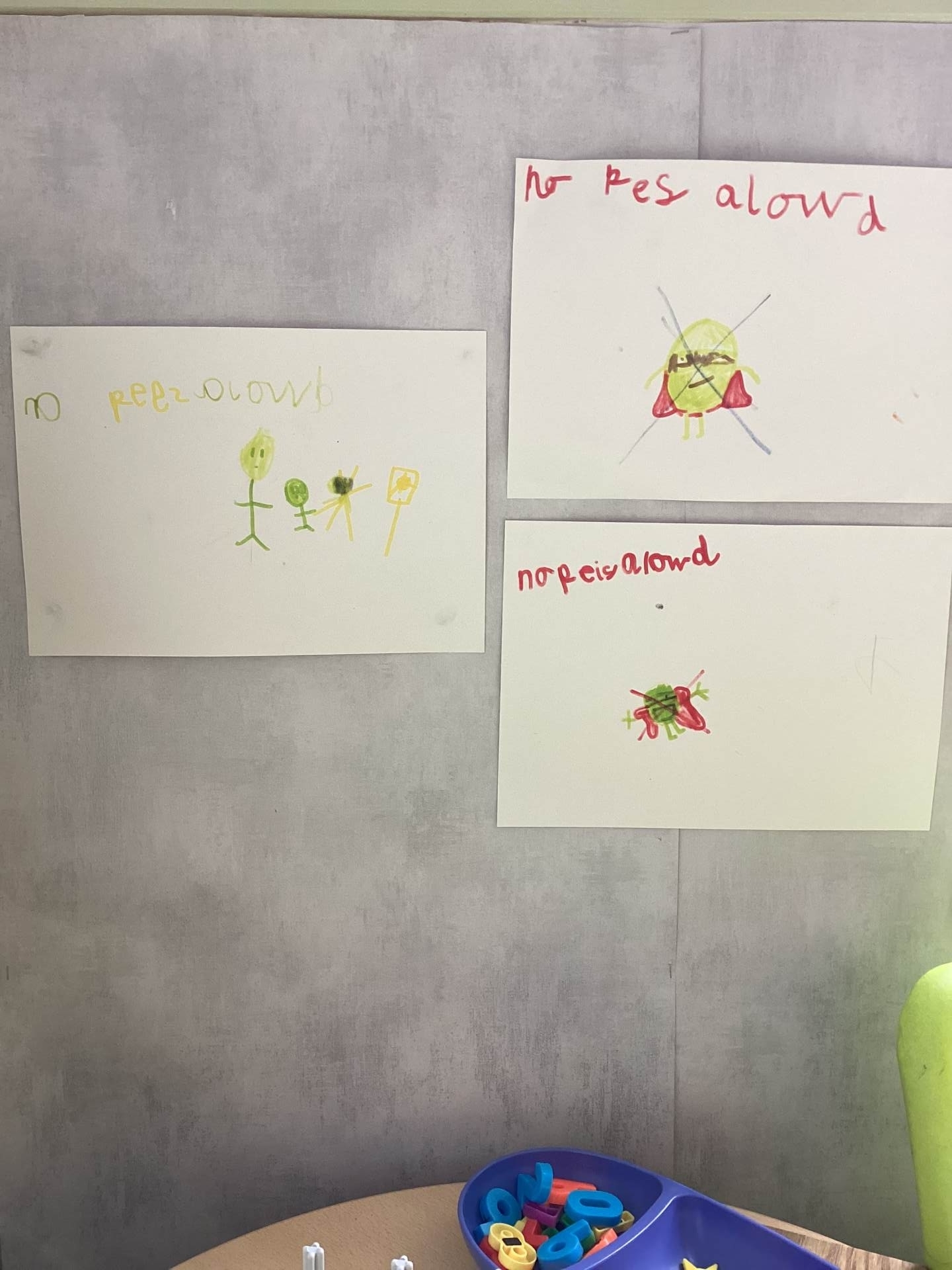
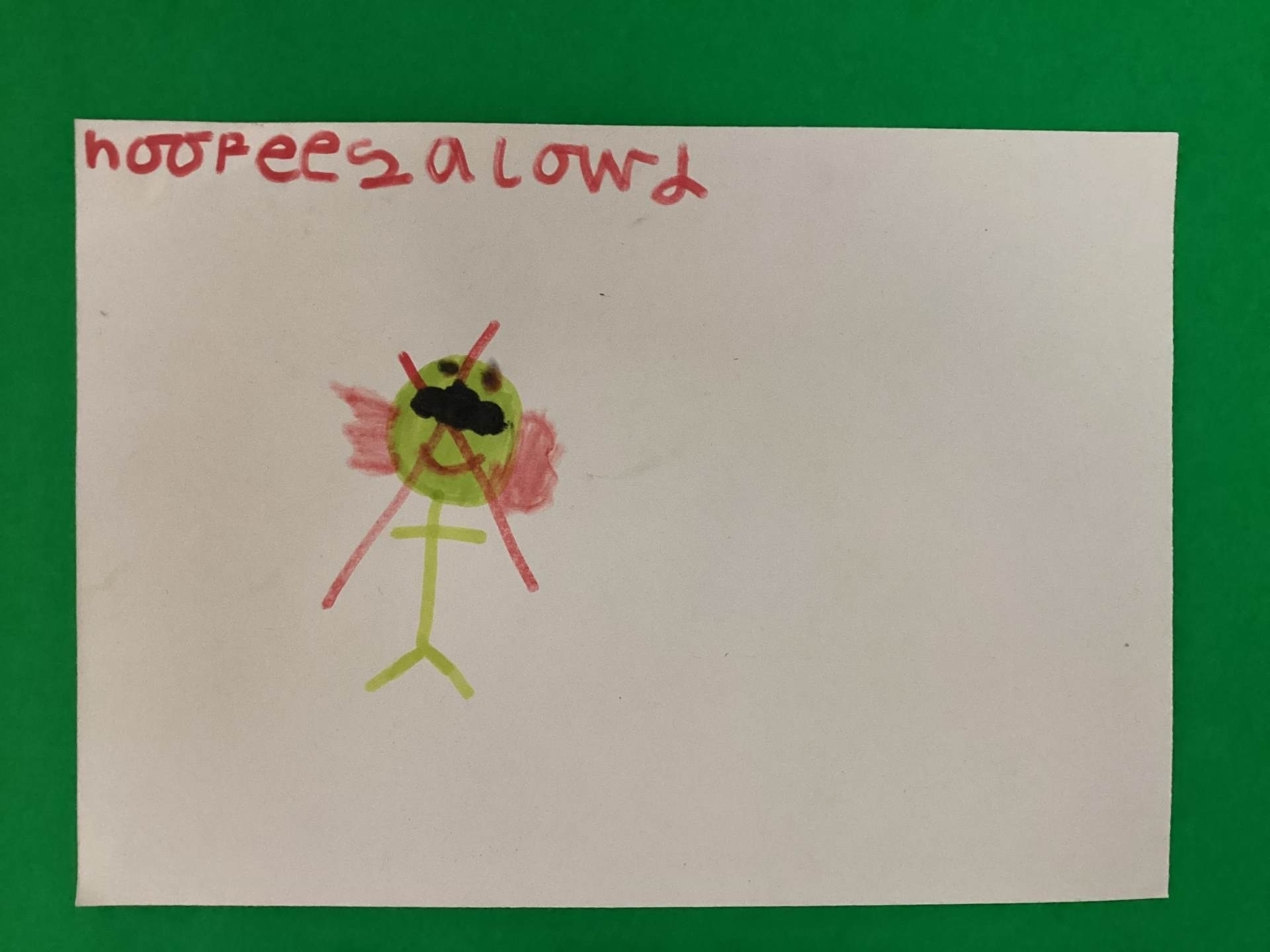
As scientists we will be exploring shadows, creating superhero poses. As part of our Stemterprise we will be revisiting freezing and melting. We will be exploring how things change when we make jelly traps to catch the Evil Pea.
As geographers we will identifying India on a map and comparing what it is live to live in India with Burnley.
Expressive Art and Design:
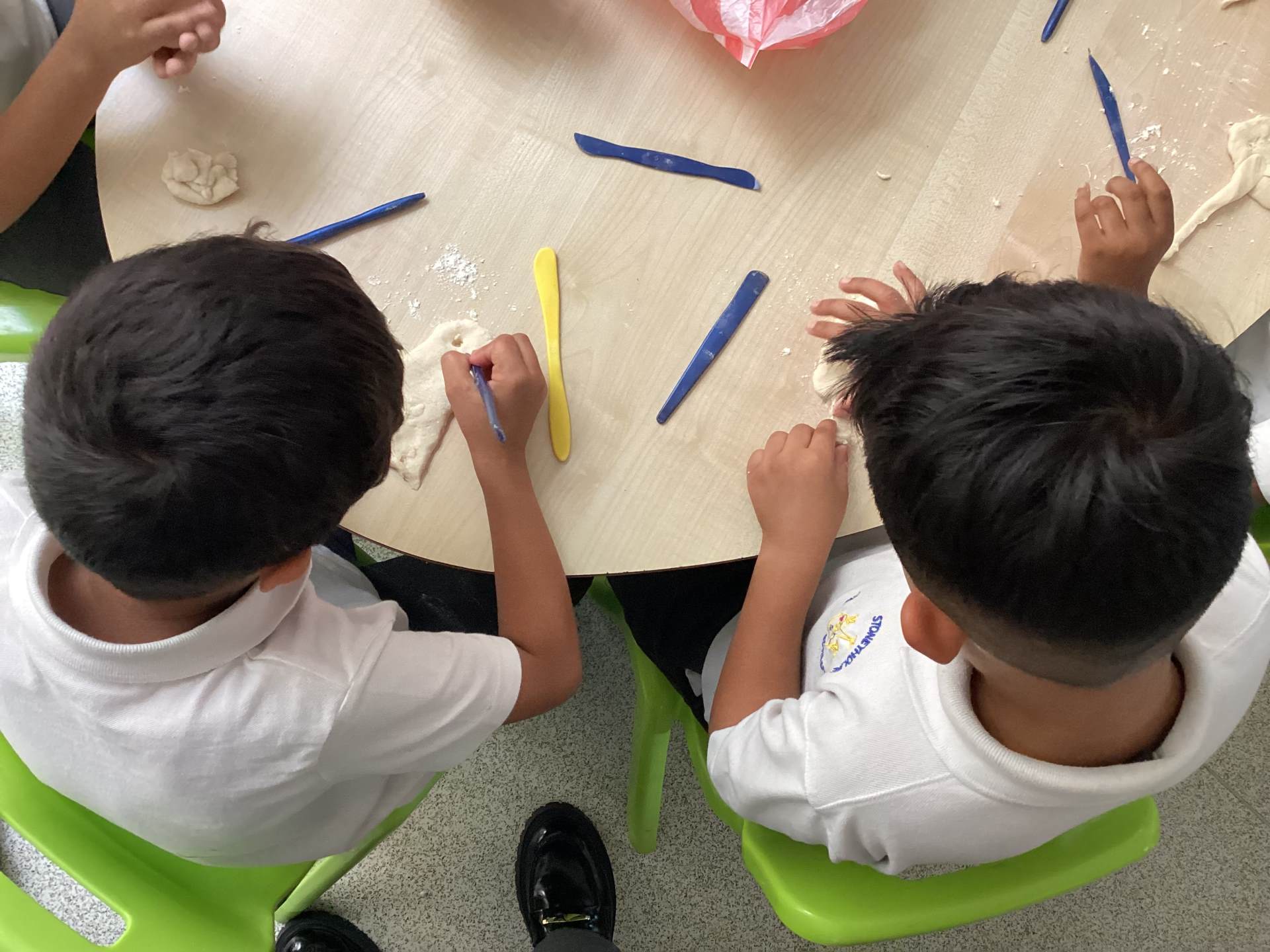
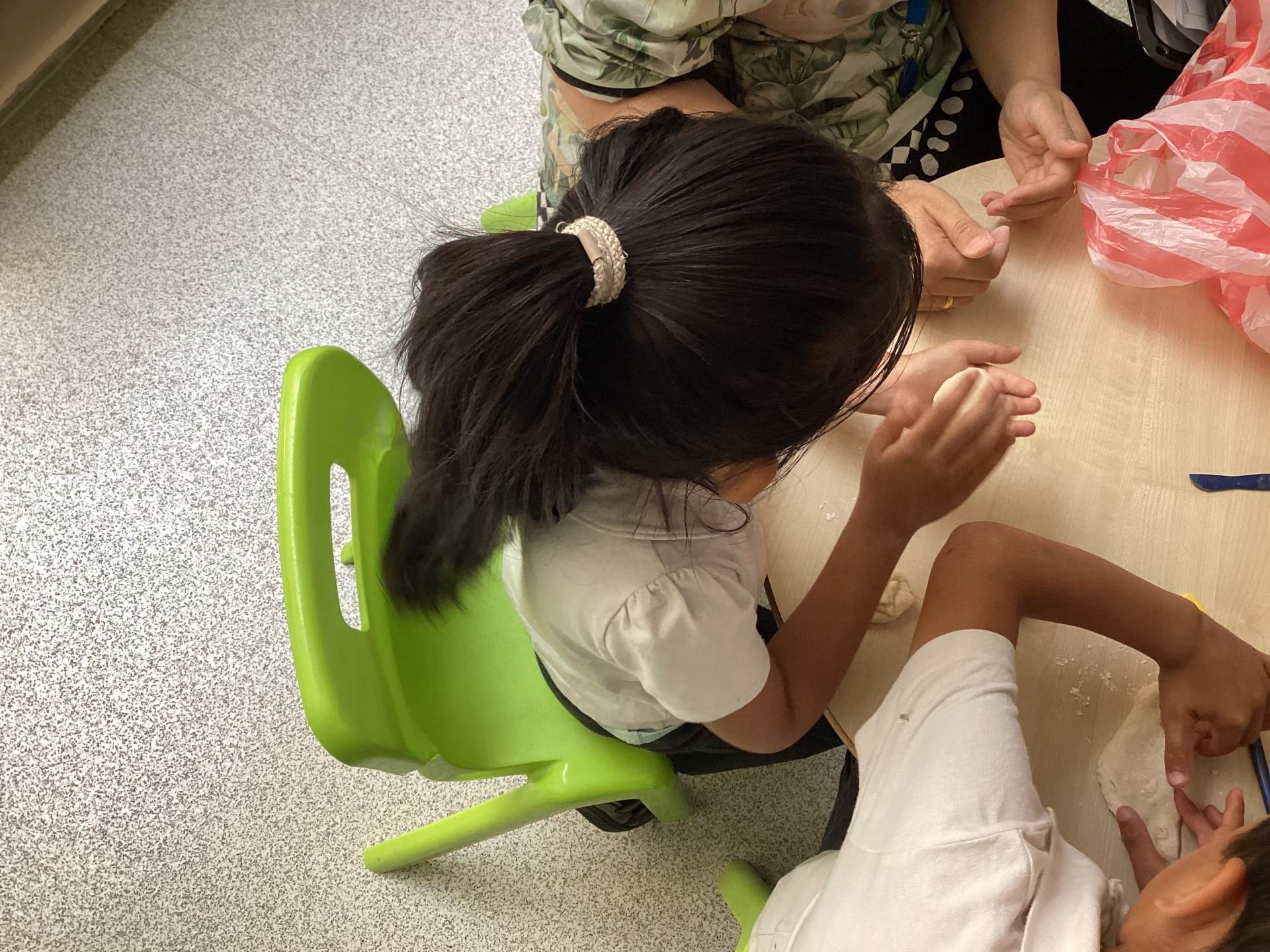
As artists we will be exploring making sculptures using different kinds of dough. We will be using different types of tools to make marks and patterns and then using what we have learned to make clay tiles with an Indian design. We will be using the mark up tool to change our photographs into superheroes.
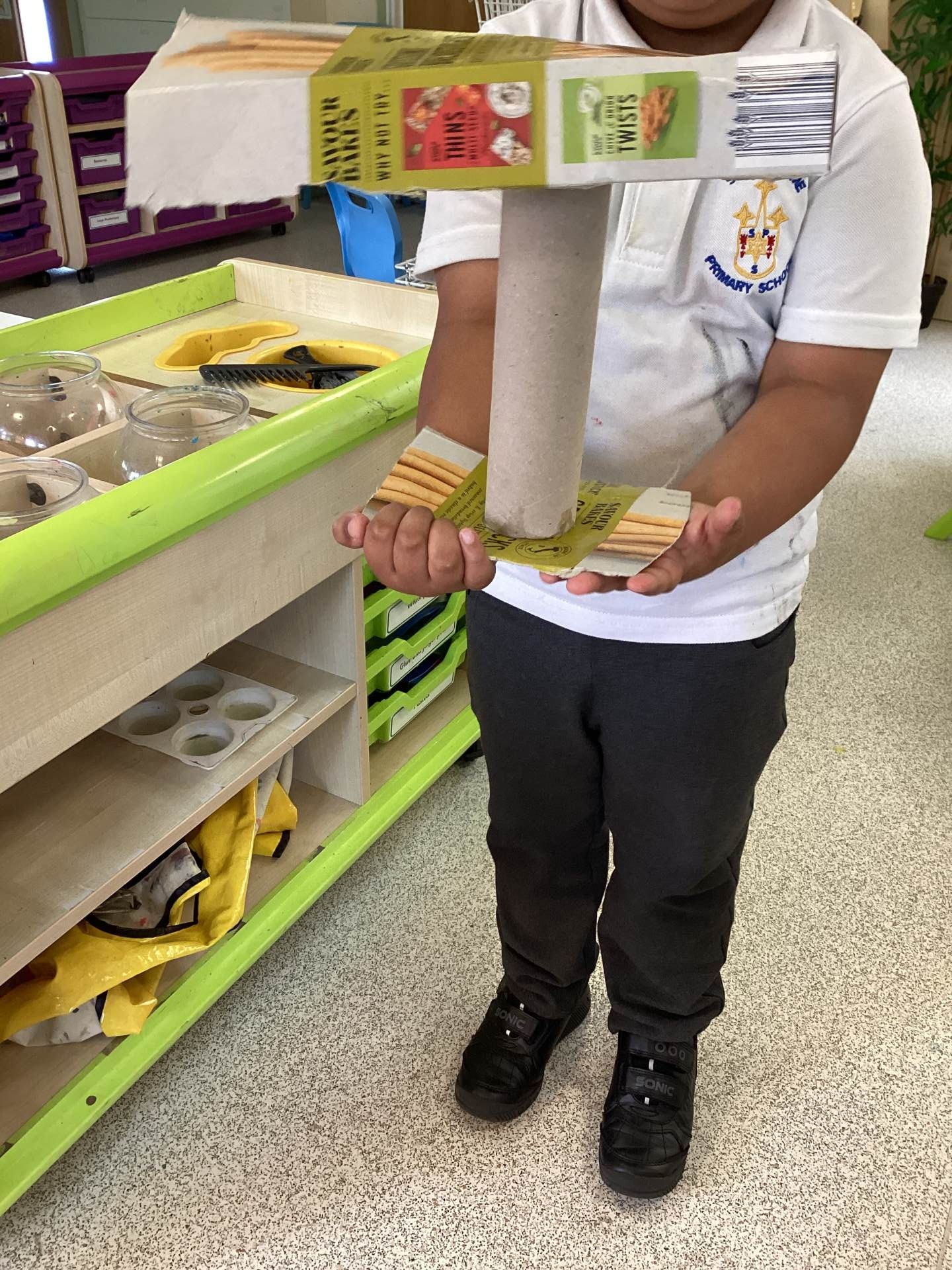
As engineers we will be designing and making traps to catch the Evil Pea. During Stemterprise we will be researching, designing and making a healthy lollipop.
As musicians we will be listening to music from a range of genres, learning to sing new songs, moving to music and exploring instruments.
RE:
We will know about how our actions can impact on our communities and make the world a better place. We will be exploring similarities and difference between cultures.
EYFS Summer 2 2026