

Wednesday

Wednesday 14th January

Story starter
It was that time again… Our annual trip. While my parents packed up the suitcases and loaded up the car for the long journey ahead, we chatted excitedly about what an incredible holiday this was going to be!
Not too long into the journey, the beautifully clear, blue sky became dark and ominous. All of a sudden, crashing towards our car, was a colossal wave – not the kind you’d want to catch on a board either…
Continue the story (one paragraph).
What is an independent clause?
An independent clause is a group of words that:
-
makes sense on its own
-
could be a full sentence
Example:
The storm grew stronger.
When do we use a semicolon?
We use a semicolon ( ; ) to join two related independent clauses instead of using a full stop.
The ideas should be closely linked.
How does it work?
-
The semicolon goes between the two clauses.
-
Both sides must be able to stand alone as sentences.
-
The letter after the semicolon is not capitalised (unless it’s a proper noun).
Example:
The storm grew stronger; the wind howled through the trees.
Why use a semicolon?
-
To show a strong link between two ideas
-
To avoid short, choppy sentences
-
To make writing sound more mature and fluent
Common Mistake to Avoid
❌ I was tired; because I stayed up late.
✔ I was tired because I stayed up late.
✔ I stayed up late; I was tired the next day.
Wednesday 14th January
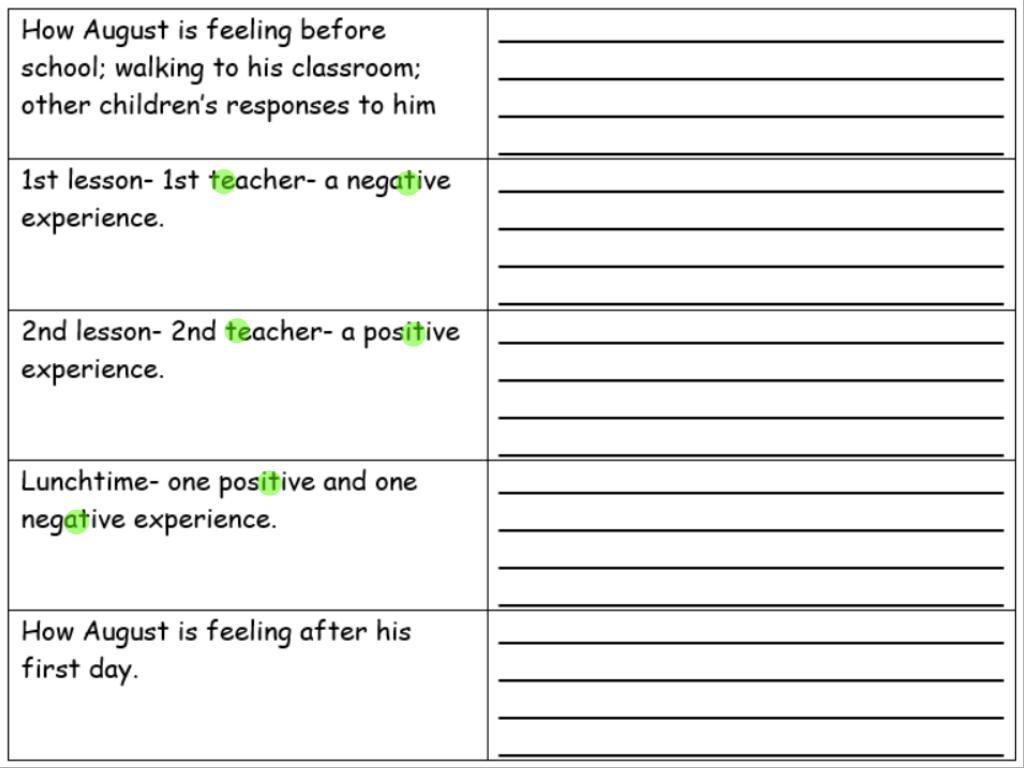
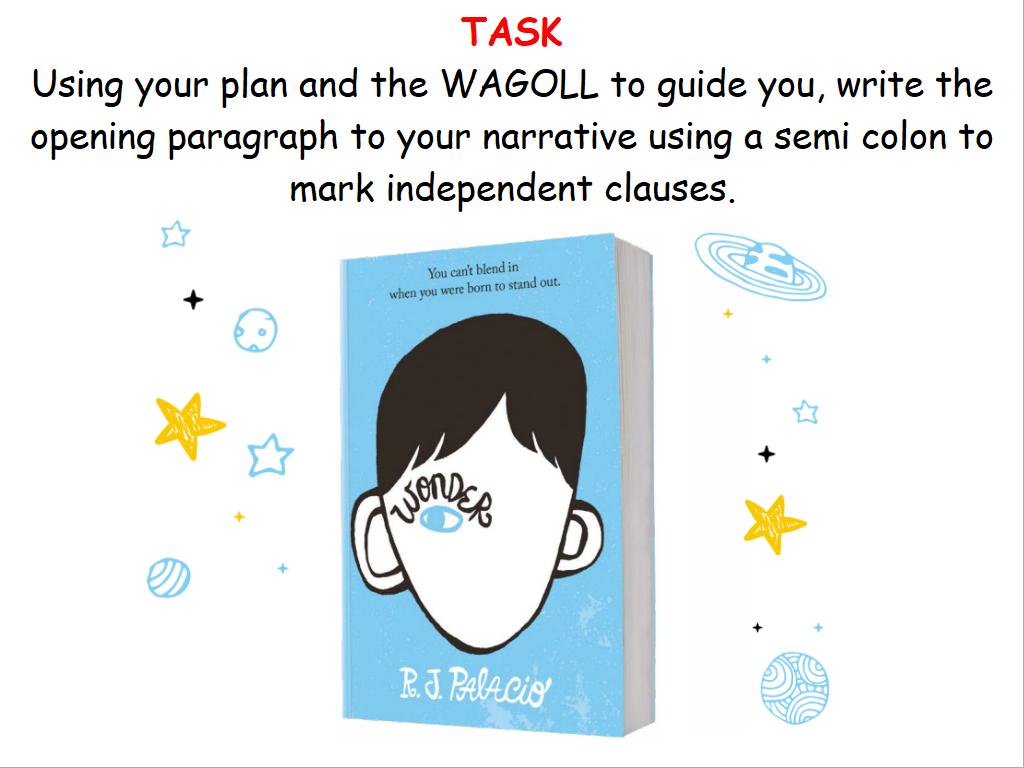
LC: To write the opening paragraph using a semi colon to mark an independent clauses.
14.01.26
sample ks2 mathematics paper3 reasoning.pdf

Wednesday 14th January
LC: To develop strategies for keeping safe around water.
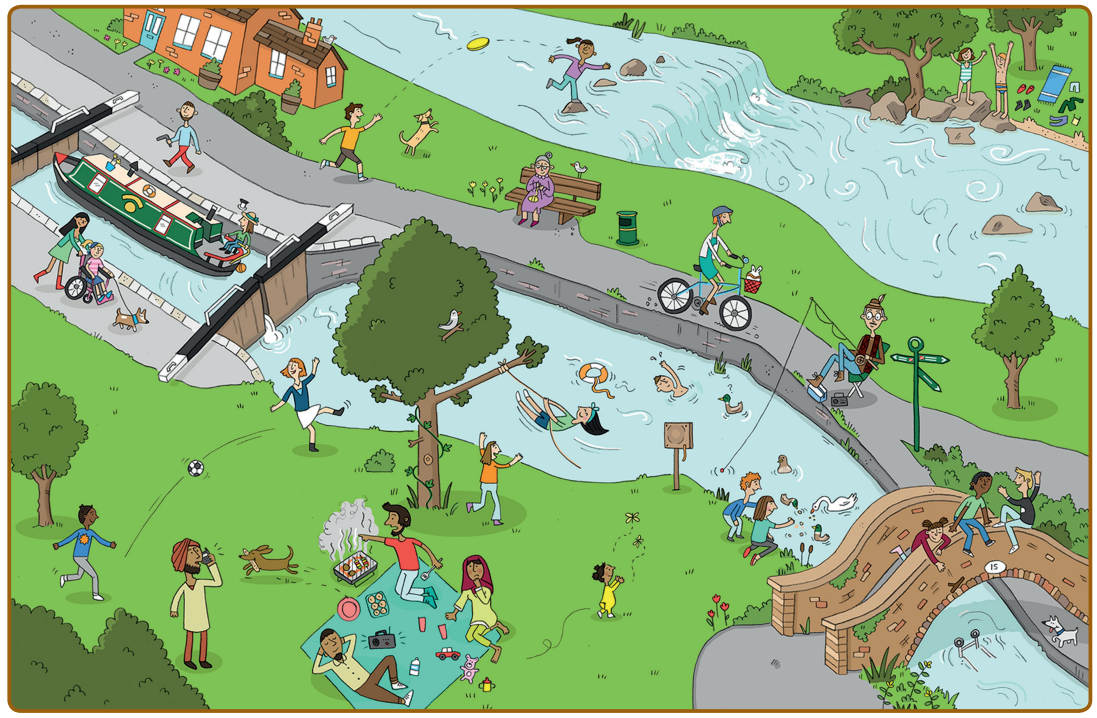
SPOT THE HAZARDS
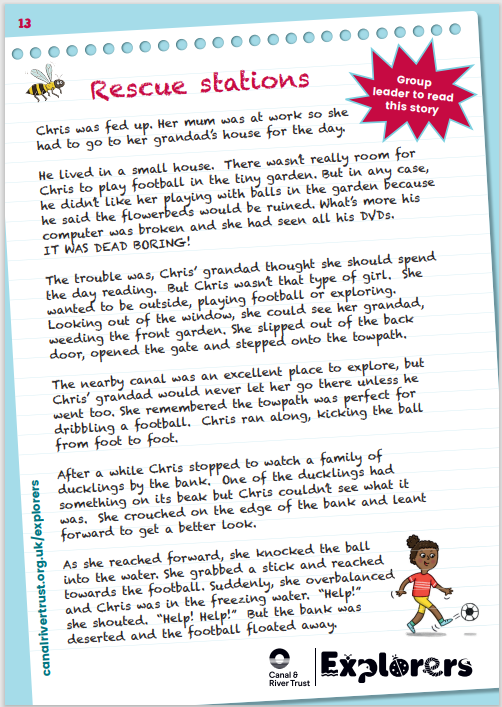
What has Chris done wrong?
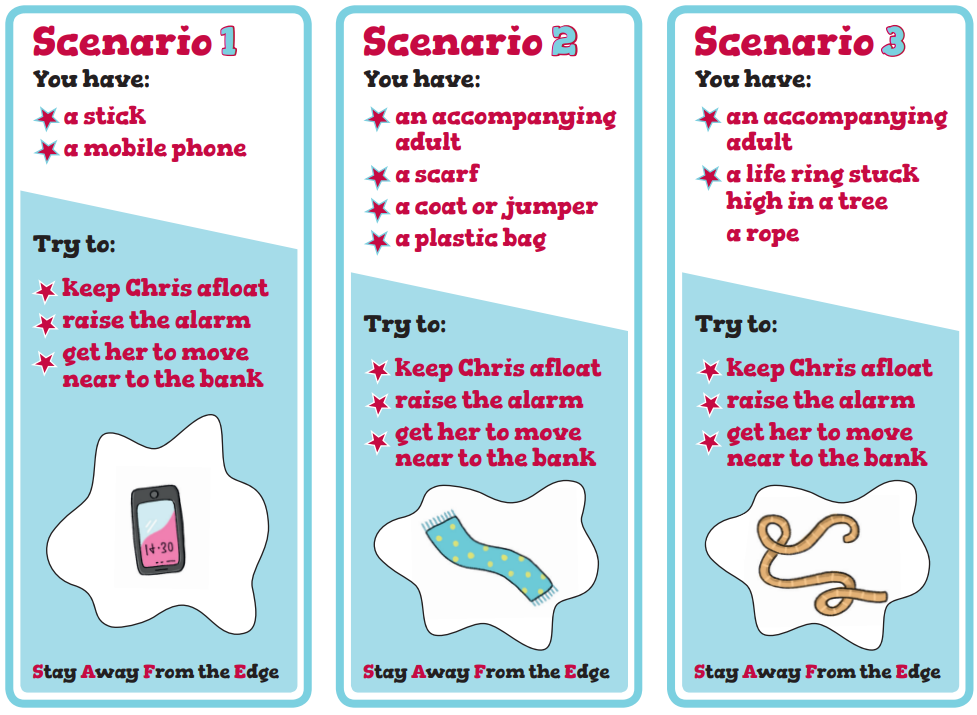
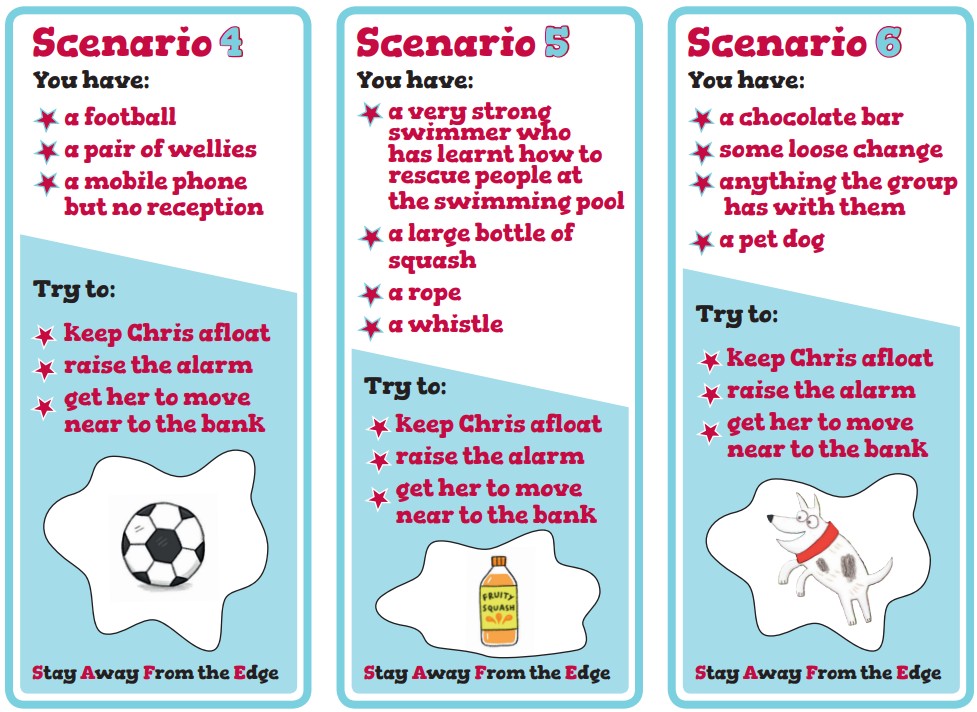
Solutions
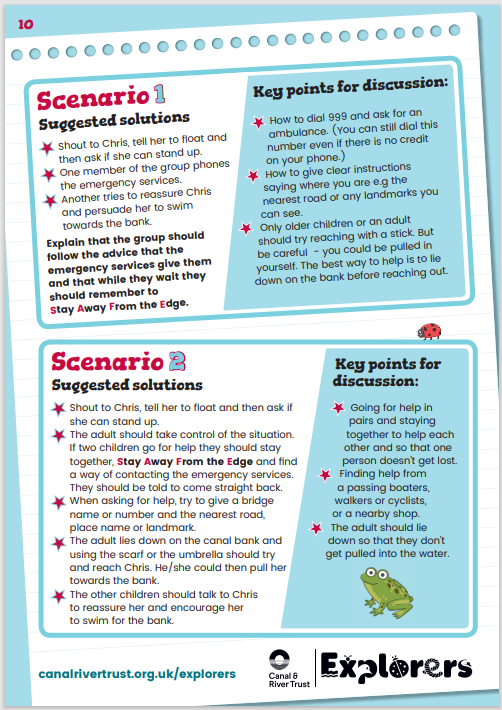
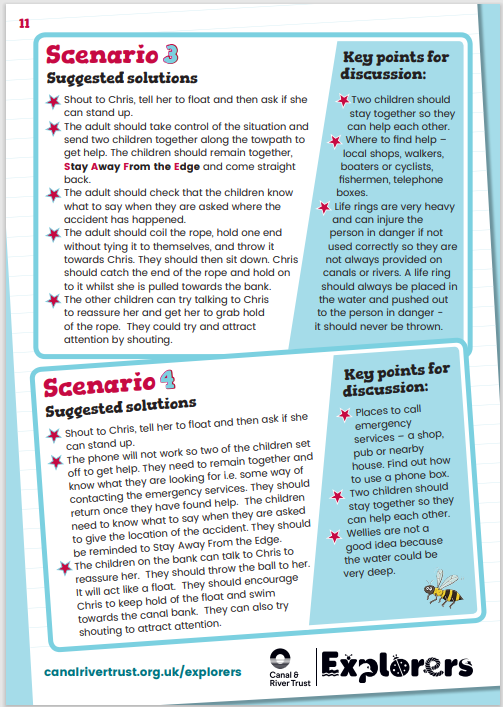
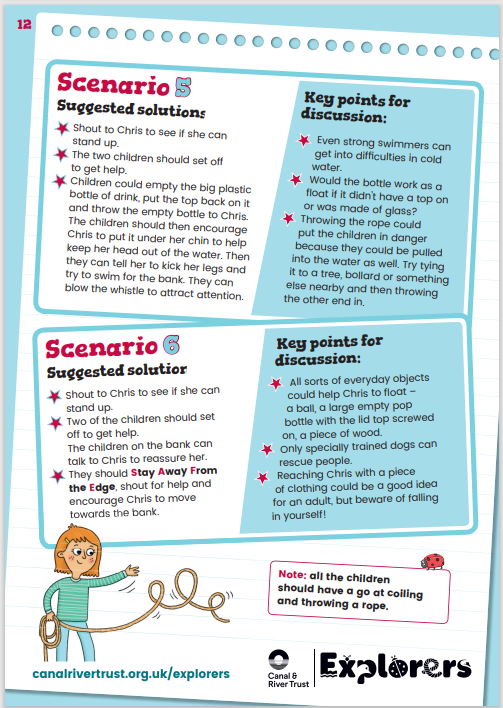
Wednesday 14th January
Words ending in –able and –ible
–able
-
–able is the most common ending.
-
It is usually added to a root word that can stand on its own.
-
If the root word ends in e, drop the e before adding –able.
Examples:
-
comfort → comfortable
-
enjoy → enjoyable
-
value → valuable
-
like → likeable
–ible
-
–ible is less common.
-
It is usually added to a root word that cannot stand alone.
-
You often just have to learn these words.
Examples:
-
sense → sensible
-
access → accessible
-
possible → possible
-
terrible → terrible
Words ending in –ably and –ibly
These are adverbs and are formed from –able and –ible adjectives.
The Rule:
-
If the adjective ends in –able, the adverb ends in –ably.
-
If the adjective ends in –ible, the adverb ends in –ibly.
-
Remove the final e before adding –ly.
Examples:
-
comfortable → comfortably
-
probable → probably
-
sensible → sensibly
-
terrible → terribly
Helpful Tip for Year 6
- If you can hear a full word before –able, it’s probably –able (e.g. enjoy → enjoyable).
- If not, it’s often –ible, and needs to be learnt.