



Wednesday

Wednesday 3rd December
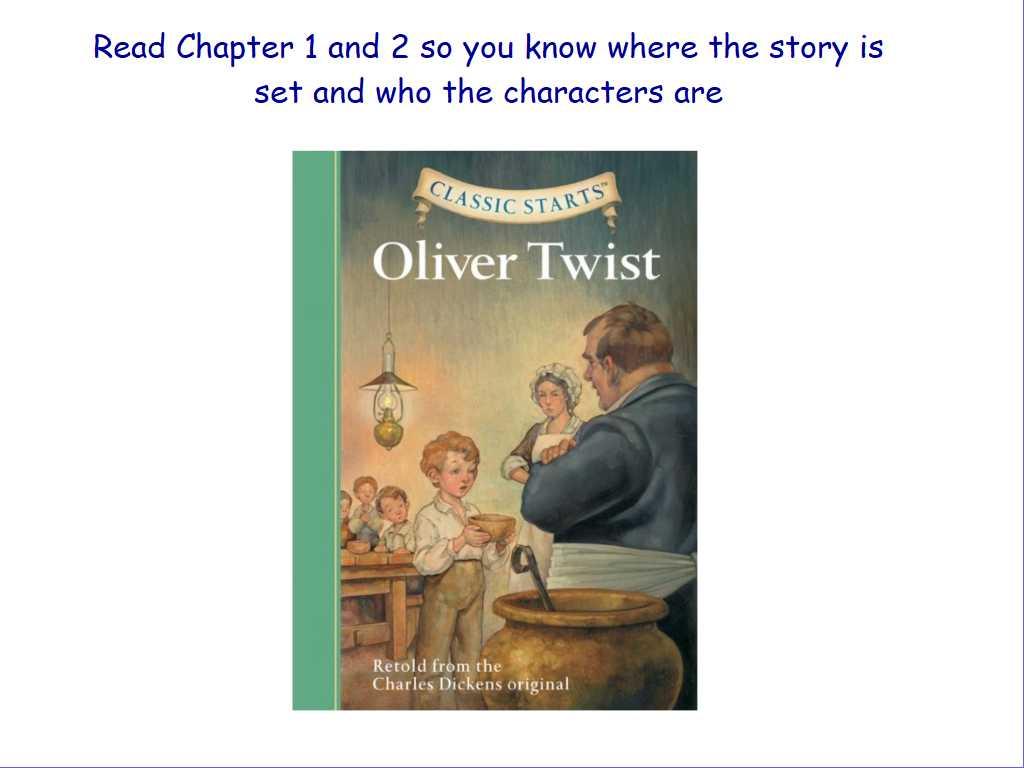
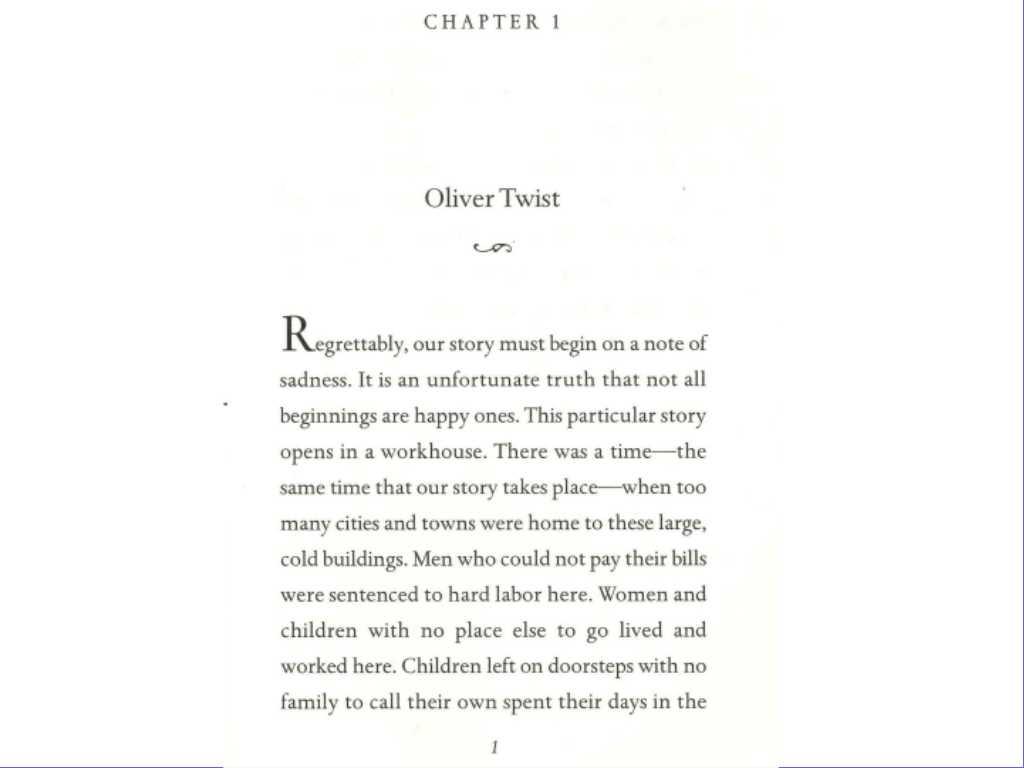
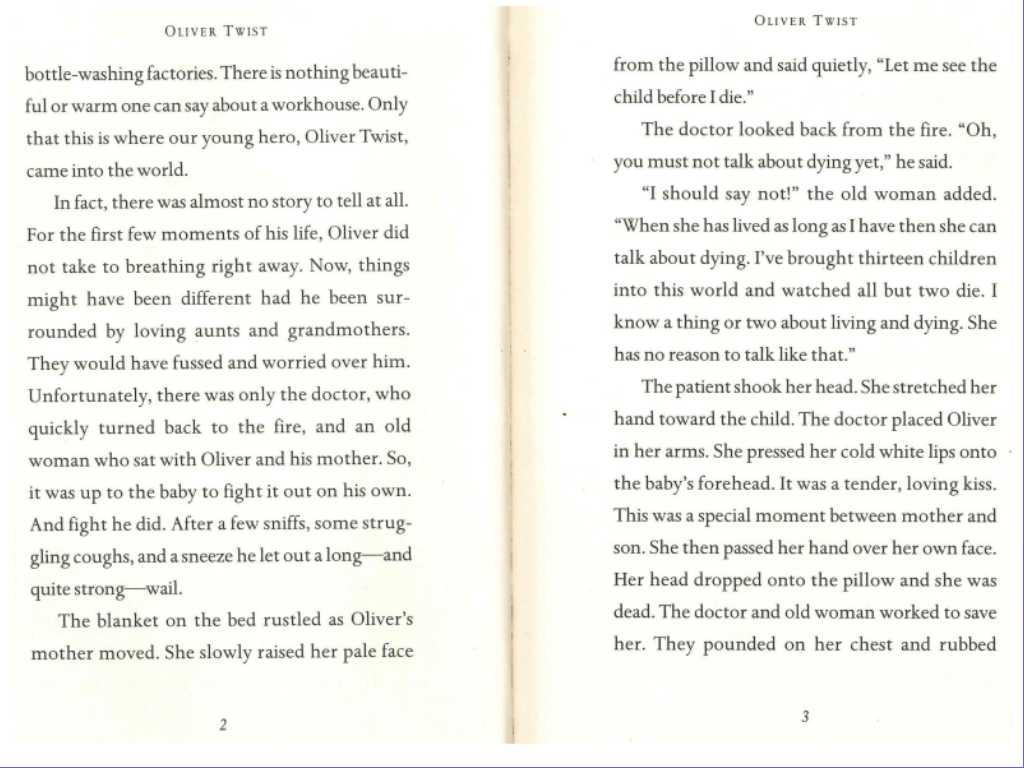
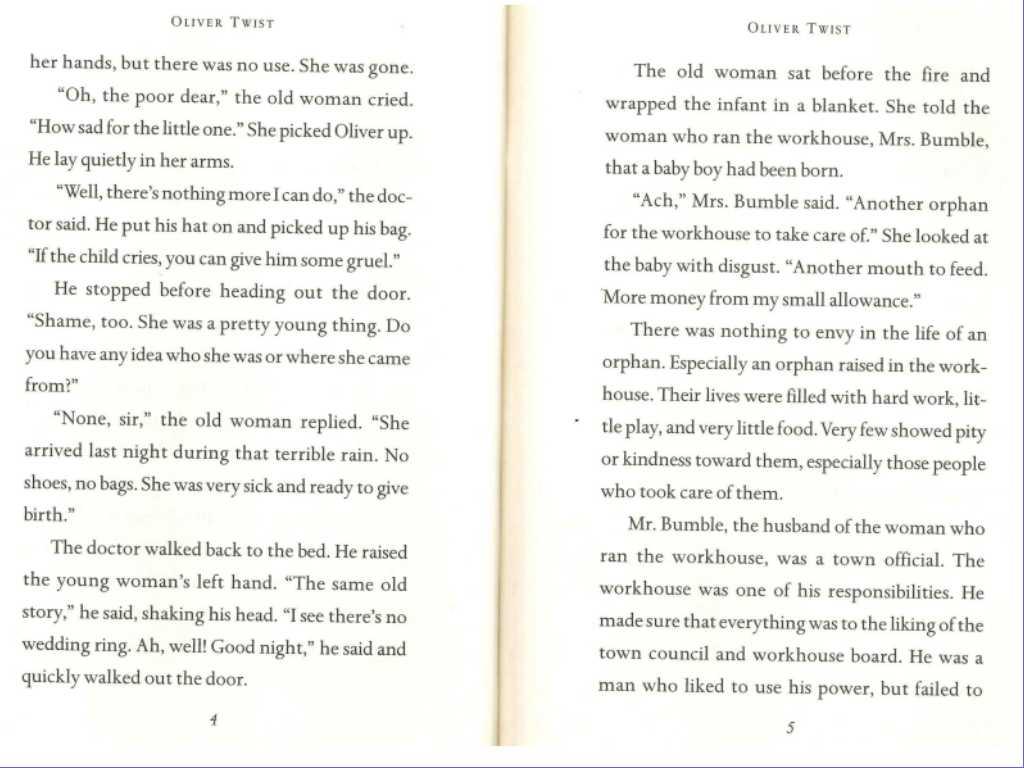
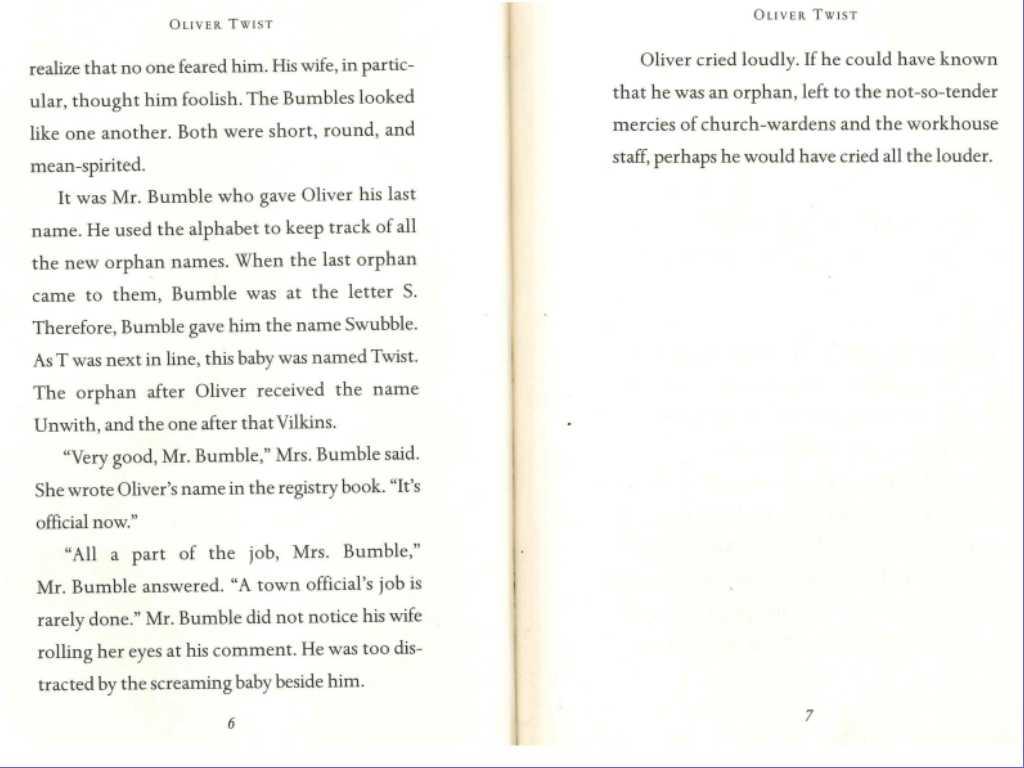
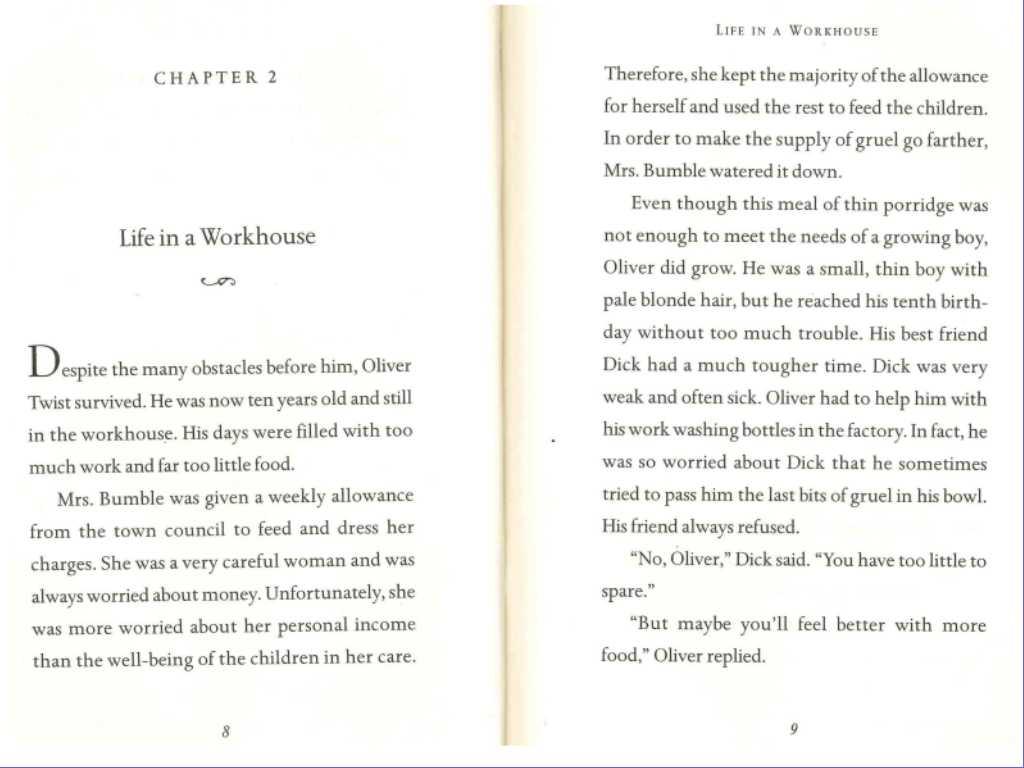
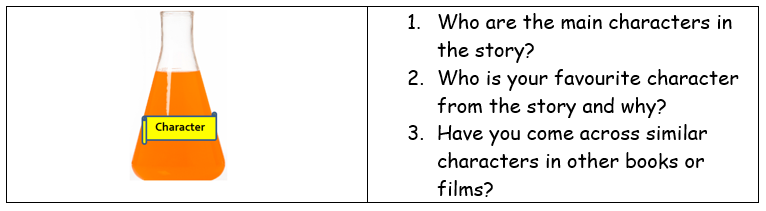
LC: To explore the setting and characters in a text.


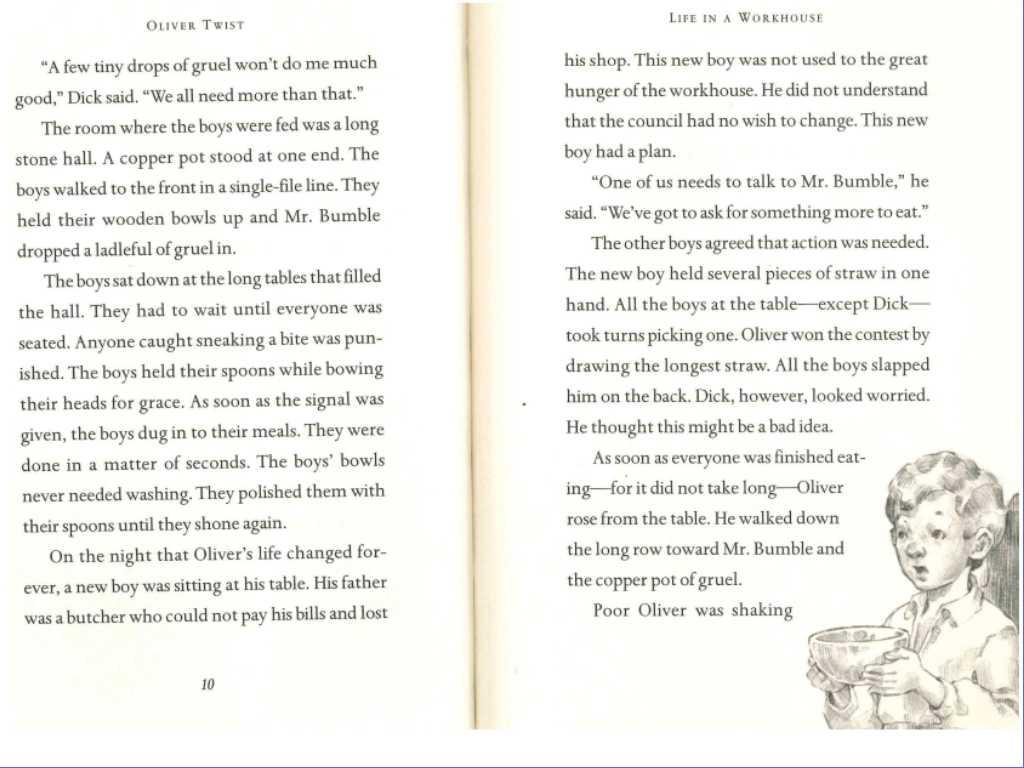
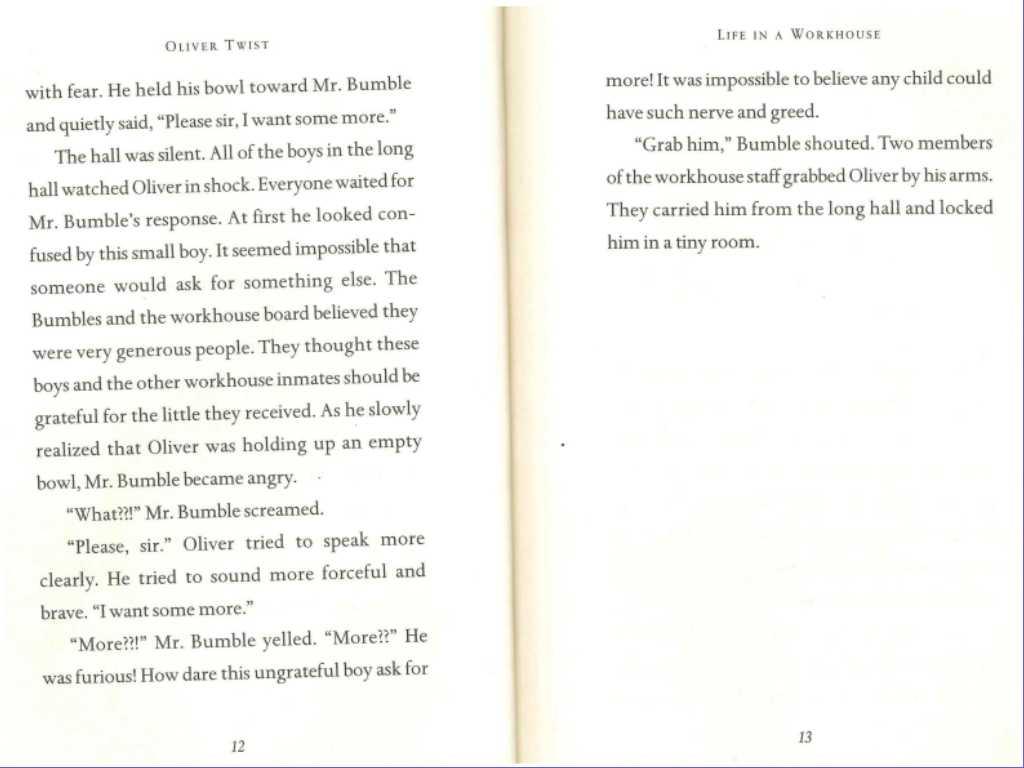
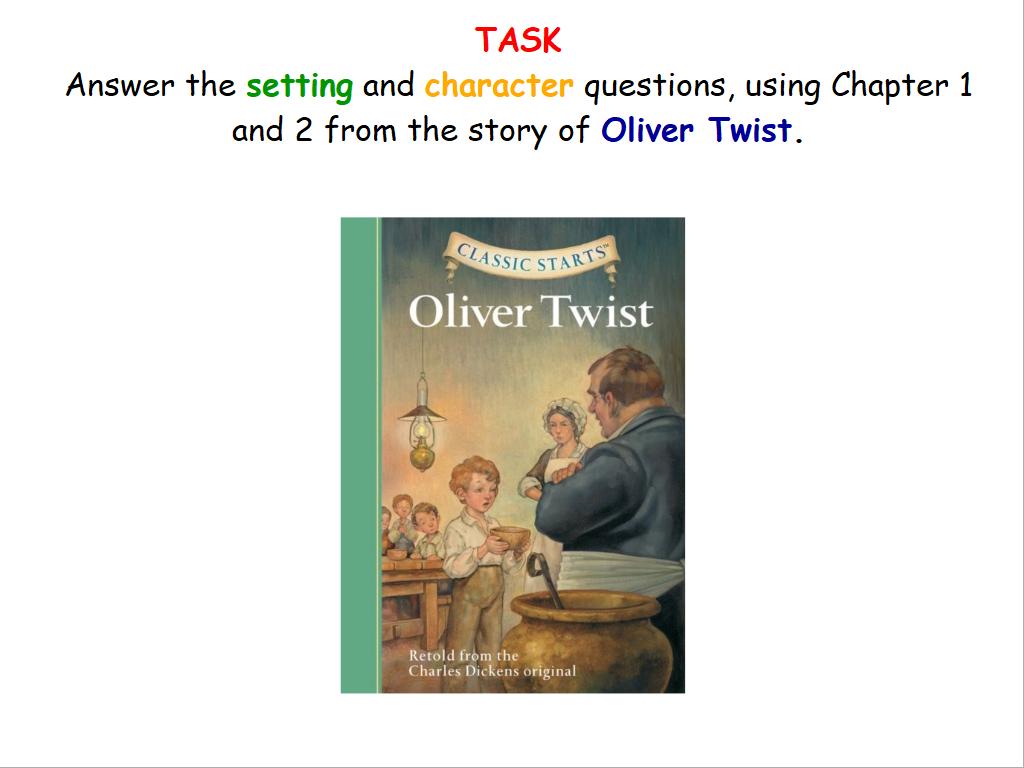
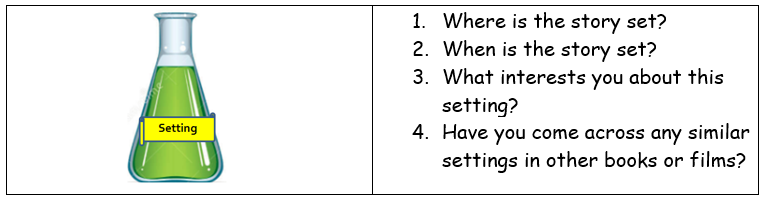
RIC
In Victorian times, good manners were considered a sign of good character. Children were expected to behave politely at all times, whether at home, school, or in public. At the dinner table, they sat up straight, kept their hands in their laps when not eating, and never spoke unless spoken to. Even when playing, children were reminded to act “properly,” avoiding loud voices or rough behaviour. Many families kept small etiquette books that listed the correct way to greet visitors, write letters, and show respect to elders. Following these rules was believed to help children grow into respectable adults.
Retrieval Question
-
Where did Victorian families keep the rules about good manners?
-
Why do you think Victorian children were told not to use loud voices when playing?
-
Why do you think the author included the phrase “act ‘properly’” in quotation marks?
sats 2018 ks2 english reading booklet.pdf
sta187967e 2018 ks2 english reading reading answer booklet pdf.pdf
Spelling Rule: –cious and –tious
When words end with the /shus/ sound, they are often spelled with –cious or –tious.
Here is how to tell the difference:
1. Use –cious if the root word ends in –ce
If you can spot a root word ending in –ce, the ending becomes –cious.
Examples:
-
vice → vicious
-
grace → gracious
-
space → spacious
Tip: Think: If the root ends in ce, use cious.
2. Use –tious if the root word ends in –tion
If the root word ends in –tion, the ending usually becomes –tious.
Examples:
-
ambition → ambitious
-
caution → cautious
-
nutrition → nutritious
Tip: Think: If you can change –tion to –tious, it will be correct.
3. If there is no clear root word, it is usually –cious
Some words don’t have an obvious root to help.
Most of these are spelled –cious.
Examples:
-
precious
-
delicious
-
malicious
Quick Year-6 Memory Trick
-
CE → CIOUS
-
TION → TIOUS
-
No root? Try CIOUS.