



Monday

Monday 1st December

Story starter
Placing the final lantern against the twisted, ancient oak, he turned and appreciated his work. The night that was relished and cherished by all folk who lived in and around the mystical wood of Myr was here again. Surely this year would be a success. Surely the elves, fairies and nightlillies would all turn up and enjoy a night of fun and festivities.
He could do no more now except sound the Horn of Anelina to signal the beginning of the party. Reaching down he suddenly froze! He realised the space where the horn should be was empty...
Continue the story (one paragraph).

01.12.25
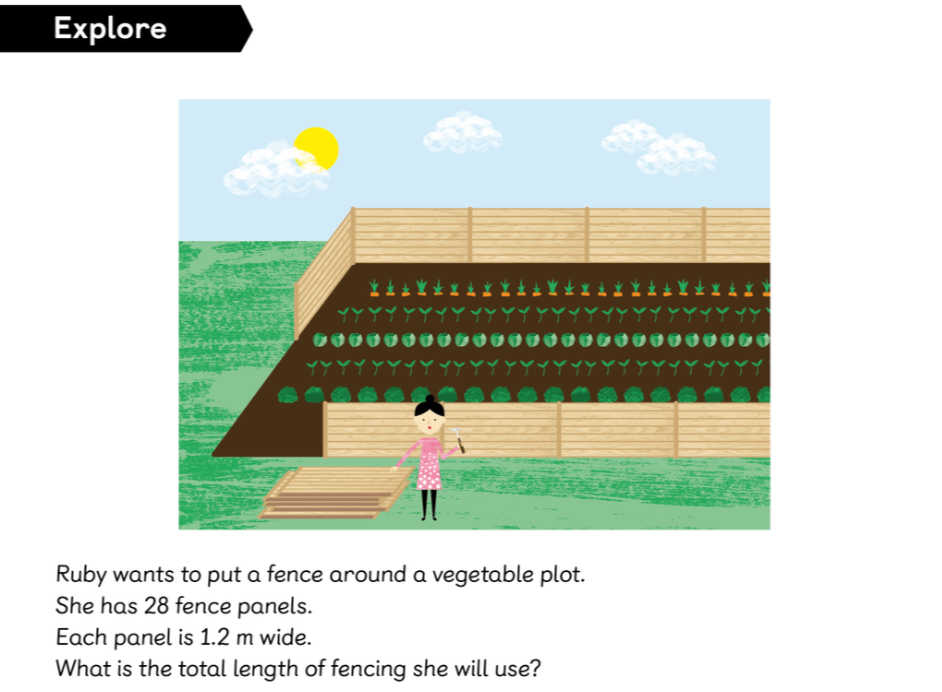
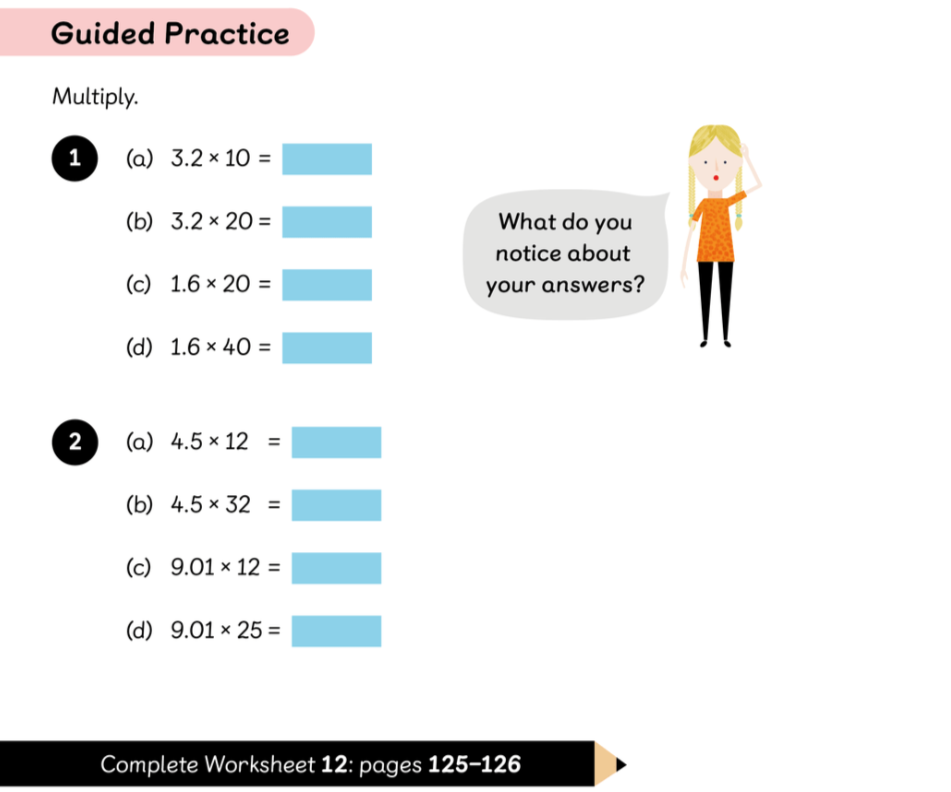
LC: To be able to multiply 1-digit numbers with up to two decimal places by 2-digit whole numbers, with regrouping.


embedded relative clauses (omitted pronoun)
-
The boy, playing football, is my cousin.
-
I loved the story, told by our teacher, today.
-
The girl, sing the ball, ran across the field.
-
The cake, made by my mum, tasted amazing.
-
The children, waiting in the hall, were excited for the trip.
-
The painting, created by Lowry, shows an industrial town.
Monday 1st December
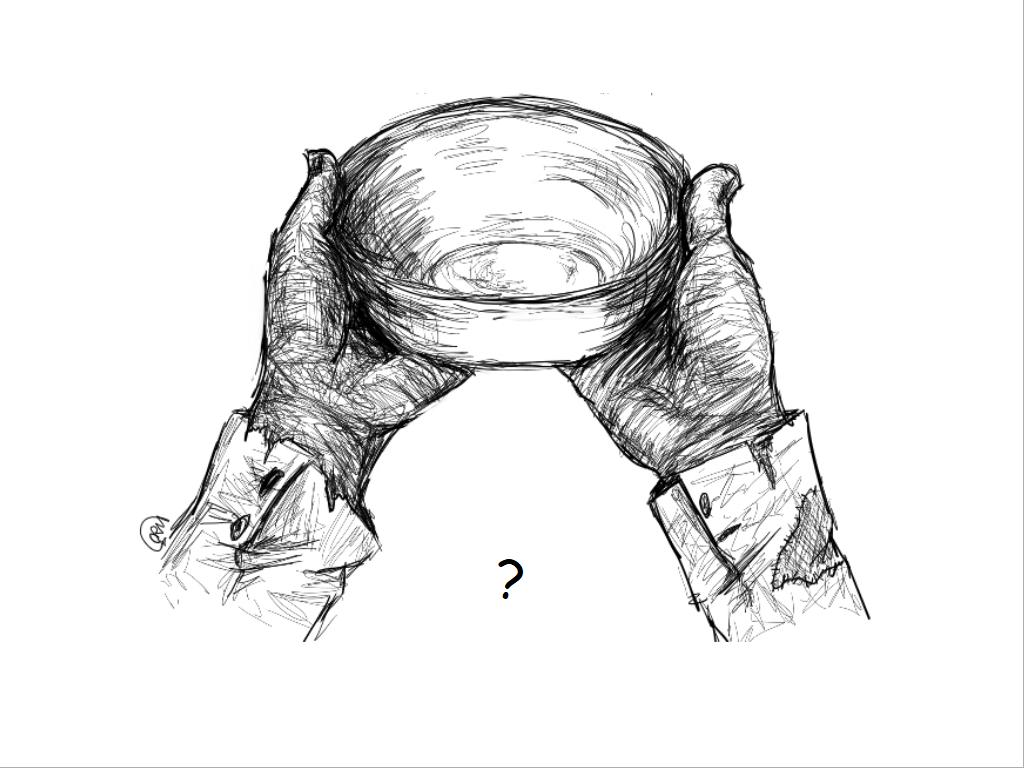
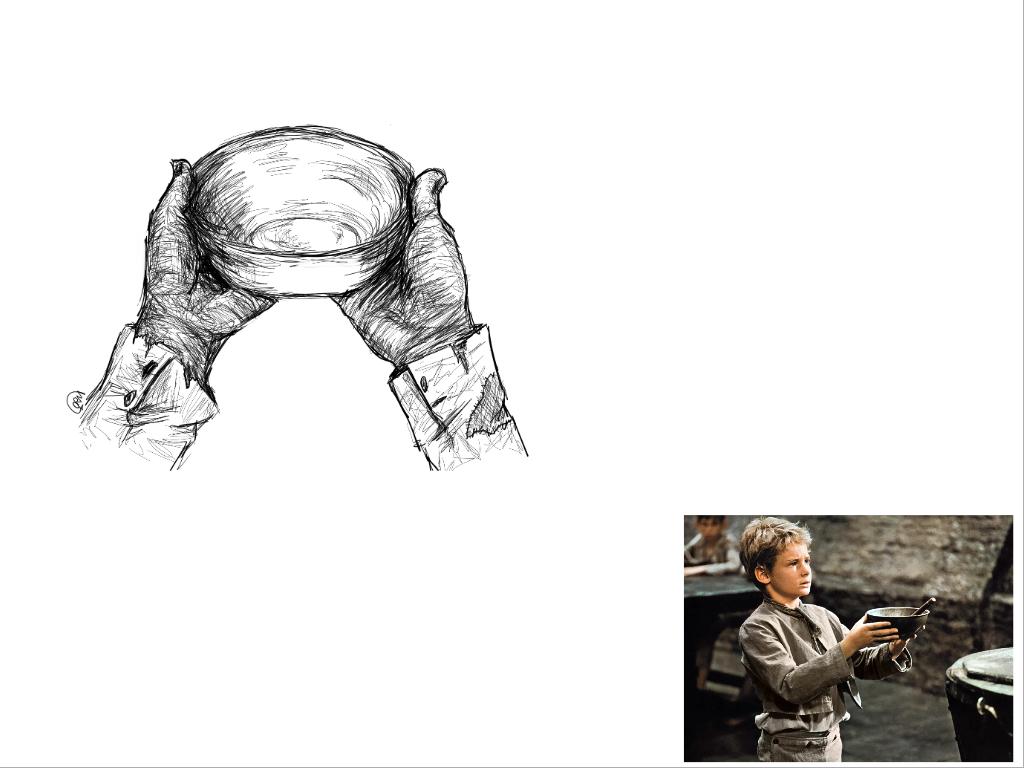
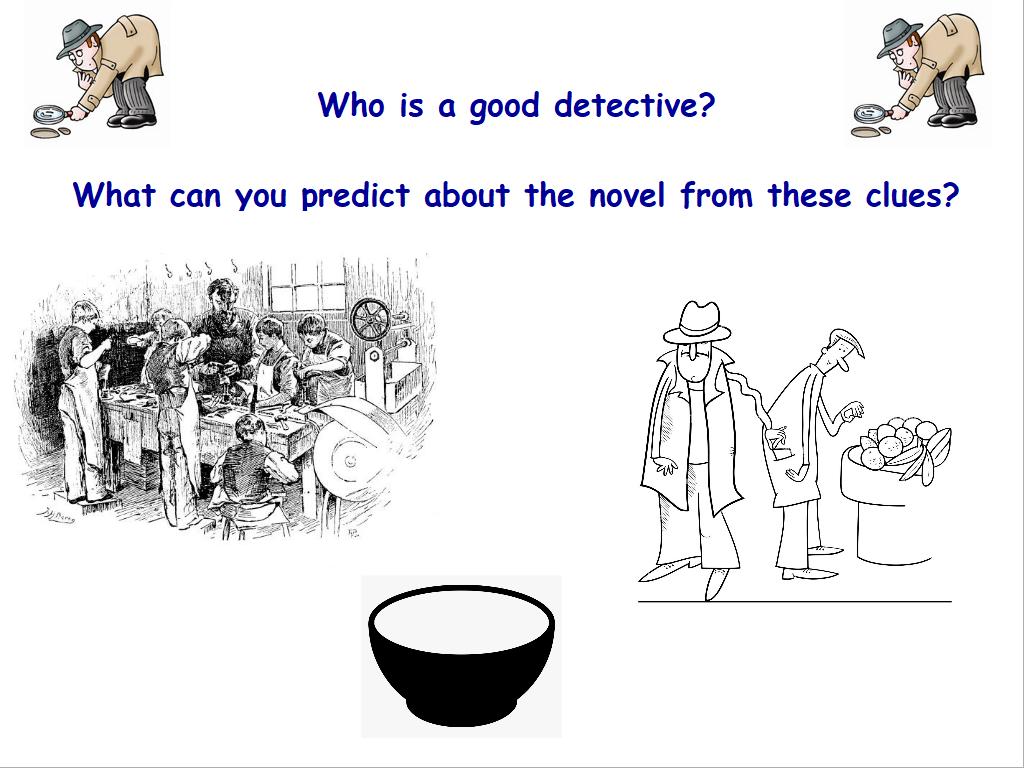
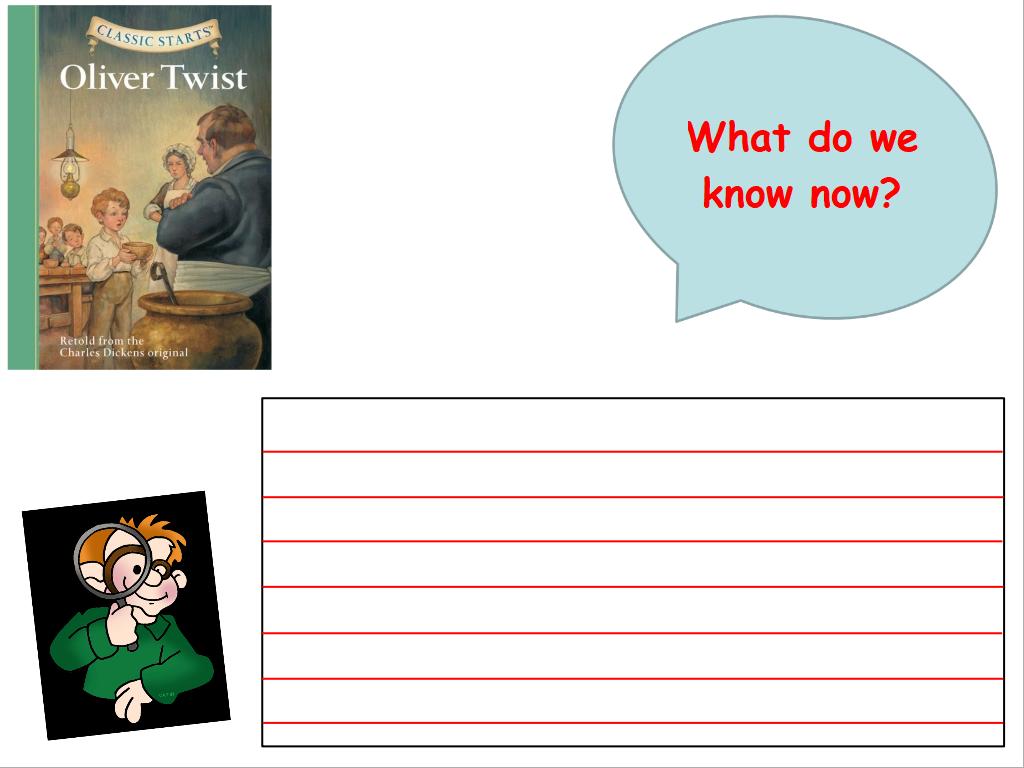

/i/video/Year_6/Oliver_Twist_Trailer.mp4
/i/video/Year_6/Oliver_Twist_-_Please_Sir_I_Want_Some_More.mp4



Monday 1st December
LC: To understand the history of Britain's canals
The History of Canals in Britain
What Are Canals?
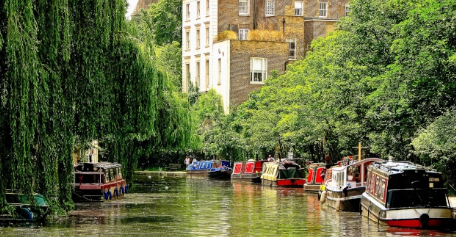
Canals are man-made waterways built to allow boats to travel across the country. They look like long, narrow rivers, but people built them by hand for transport and trade.
Why Were Canals Built?
Before canals, moving heavy goods like coal, iron, or pottery was slow and expensive. Roads were rough and muddy, and horse-drawn carts couldn’t carry much.
Canals made it possible to transport large loads quickly and cheaply.
The Canal Age (c. 1760–1850)
This period is often called “The Golden Age of Canals.”
1. The First Major Canal – The Bridgewater Canal (1761)
-
Built by the Duke of Bridgewater
-
Designed by engineer James Brindley
-
Carried coal from his mines into Manchester
-
Goods became cheaper because coal was transported more efficiently
This canal proved that canals were useful and profitable.
2. Canal Mania! (1790s)
After the success of the Bridgewater Canal, investors rushed to build more canals.
Hundreds of miles of new waterways were dug by navvies, the labourers who built them using basic tools like shovels and wheelbarrows.
Important canals built during this time:
-
Grand Union Canal
-
Leeds and Liverpool Canal
-
Kennet and Avon Canal
-
Oxford Canal
These canals linked major industrial areas with ports and cities.
How Did Canals Work?
Horses
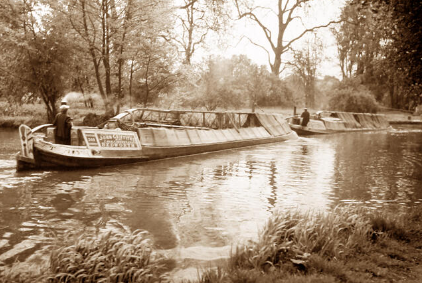
Most canal boats were pulled by a horse walking on the towpath.
Locks
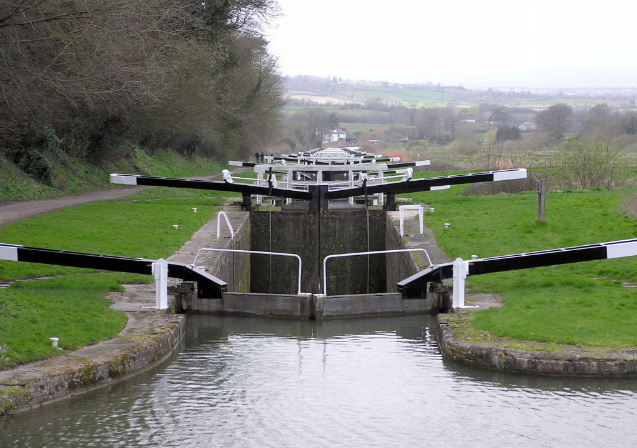
Locks are clever systems that raise or lower a boat to match the water level. They allowed canals to cross hilly areas.
Aqueducts
Aqueducts are “water bridges” that carry a canal over a river or valley.
Famous example: Pontcysyllte Aqueduct in Wales, designed by Thomas Telford.
Life on the Canals
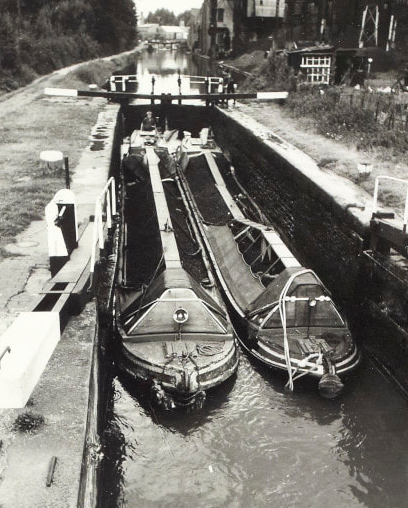
Families often lived on narrowboats. The boats were small and cramped, but children helped with the work, and communities were tightly knit.
The Decline of Canals
From the 1840s, the railway boom began. Trains were:
-
Faster
-
Cheaper
-
Able to carry more goods
Because of this, canal traffic slowly declined.
Canals Today
Even though canals are no longer used much for transporting goods, they are still important. Today they are used for:
-
Holidays and leisure boating
-
Walking and cycling routes
-
Wildlife habitats
Many canals have been restored by volunteer groups such as the Canal & River Trust.
Why Are Canals Important in British History?
-
They helped start the Industrial Revolution
-
They made moving goods cheaper and faster
-
They connected towns and cities
-
They changed the landscape of Britain
Video - Canals: The Making of a Nation - 1. Engineering (BBC)
The Leeds and Liverpool Canal
What is the Leeds & Liverpool Canal
-
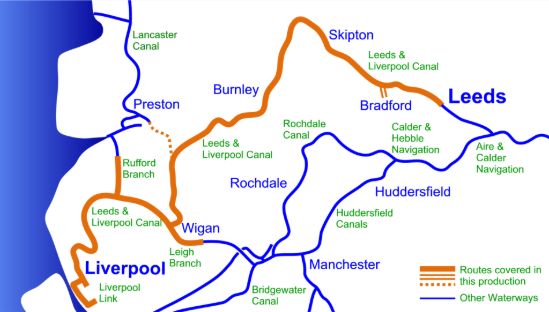
The Leeds & Liverpool Canal connects the city of Leeds with Liverpool — stretching about 127 miles (204 km).
-
It crosses the Pennines (a range of hills), passing through countryside, industrial towns, and interesting landscapes.
-
On the main route there are 91 locks — locks are a system that raise or lower boats so they can move up and down hills or different water levels.
History — why and when it was built
-
Building began around 1770, when people realised there was a need to connect Leeds and the industrial areas of Yorkshire to Liverpool, to transport goods more easily.
-
The canal opened in 1816, after many decades of work.
-
Because the canal was built with wide/broad locks (able to take “broad-gauge” boats), it could carry heavier loads than narrow canals. This helped it become a major transport route, exporting coal and merchandise between Yorkshire, Lancashire and the sea.
What the canal was used for — and how it changed
-
The most important cargo was coal, especially in the 1800s. In the 1860s, over a million tons of coal per year were carried to Liverpool.
-
The canal also transported other goods and merchandise, helping manufacturing and trade in towns along its route.
-
Over time, with railways and other transport becoming more common, commercial use declined. The last regular coal cargo on parts of the canal ended around 1972.
-
Today, the canal is used mostly for leisure — people enjoy boating, walking or cycling along the towpath, fishing, nature-watching, and visiting historic spots.
Interesting features & places along the canal
-
The canal passes through some beautiful countryside and “industrial heritage” areas — countryside near the Pennines and industrial towns as well.
-
One famous stretch is the Bingley Five Rise Locks — an impressive set of locks that historically helped boats climb hills. It’s a popular visitor attraction today.
-
Near parts of the canal you can also find tunnels (e.g. Foulridge Tunnel), old mills, villages and waterways passing through different landscapes — which makes for a varied and interesting route.
Your Task
How did the introduction of canals shape Britain during the Industrial Revolution?
Introduction
-
The Industrial Revolution: A time of rapid change in Britain (18th-19th century), with new inventions and developments.
-
Canals: Artificial waterways built to transport goods efficiently.
Main Body
-
-
Before canals, roads were poor, making it difficult and expensive to transport heavy goods like coal, iron, and raw materials.
-
Canals allowed goods to be transported more cheaply and efficiently, leading to a boom in trade.
-
Key industries like coal mining, ironworks, and textiles benefitted from easier access to raw materials and markets.
-
Canals helped industries grow by providing a reliable way to move raw materials to factories and finished products to customers.
-
The construction of canals helped to create jobs and boosted local economies.
-
It supported the growth of major cities and industrial centers like Manchester, Birmingham, and Liverpool.
-
The building of canals spurred new technologies and engineering skills.
-
Canals were often built using innovative techniques, such as locks and aqueducts, that improved other areas of construction.
-
Canals linked different parts of Britain, making travel and trade between regions faster and cheaper.
-
For example, the Bridgewater Canal connected coal mines in Worsley to Manchester, helping the region thrive.
-
Canals changed the landscape, requiring the construction of tunnels, bridges, and locks.
-
Though they had environmental benefits, like reducing the need for horse-drawn carts on roads, they also altered natural waterways and ecosystems.
-
Conclusion
-
The introduction of canals was a key factor in shaping the success of the Industrial Revolution.
-
It boosted trade, industry, and innovation, while also creating new social and economic opportunities.
-
The legacy of canals can still be seen today, with many old canals now used for recreation and tourism