



Friday

Friday 5th December
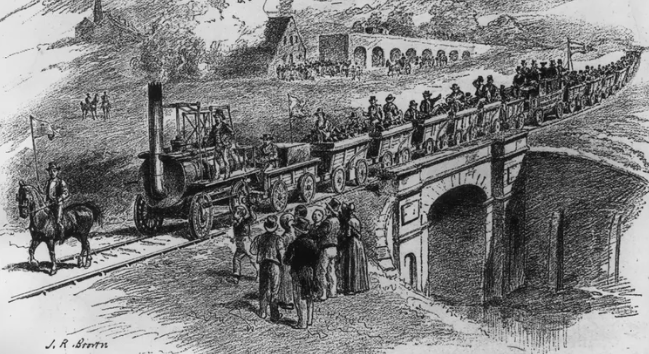
LC: To build an understanding of how the steam locomotive shaped Britain during the Industrial Revolution
How did railways change Britain during the Industrial Revolution?
During the Industrial Revolution (around 1750–1900), the invention of the steam railway had a huge impact on Britain. It changed how people travelled, how goods were moved, and how towns and cities grew.
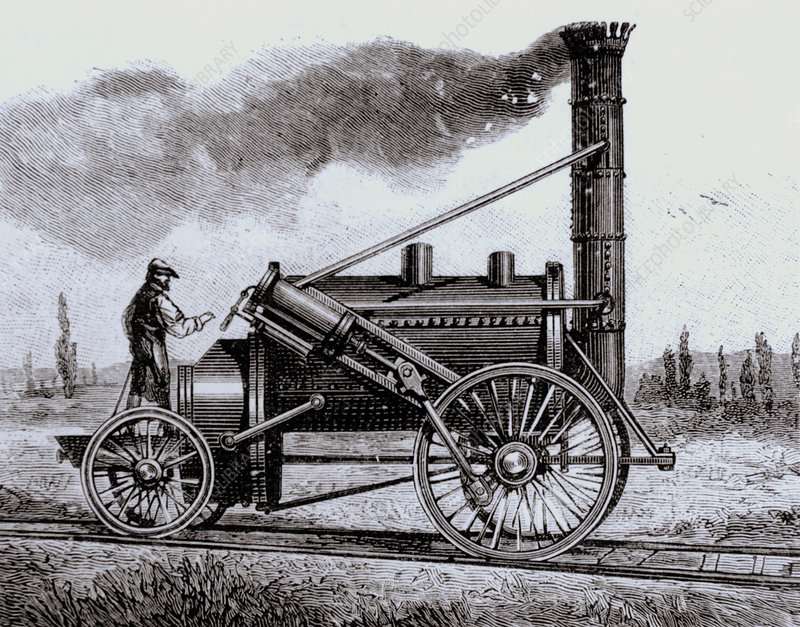
Faster Travel
Before railways, people travelled by horse, coach, or canal boat. These were slow and expensive.
But with railways:
-
Trains could travel much faster, often up to 30–50 mph, which was incredible at the time.
-
Journeys that used to take days could now take hours.
-
More people could travel for work or leisure—some took day trips to the seaside for the first time.
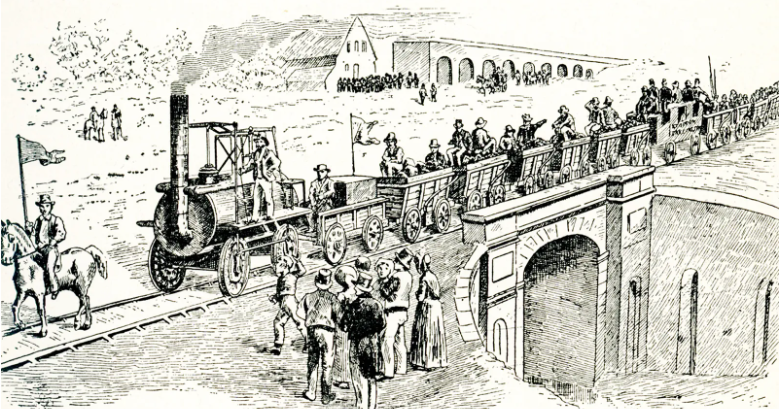
Cheaper and Easier Transport of Goods
Railways made it easier to move:
-
Coal
-
Iron
-
Cotton
-
Food
This helped factories produce more and sell products all over the country. It also meant food could be transported before it spoiled, so:
-
Fresh milk, fish, and vegetables could reach cities.
-
Food became cheaper for many people.
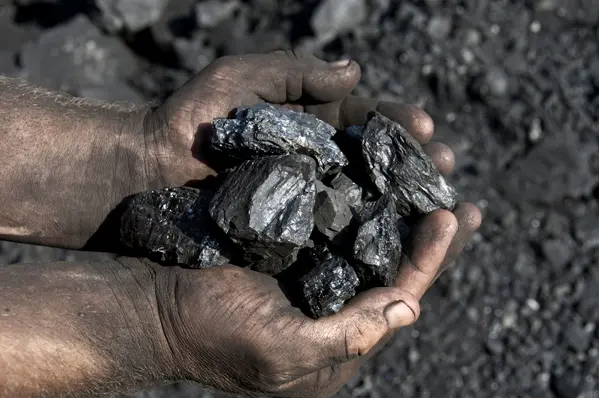
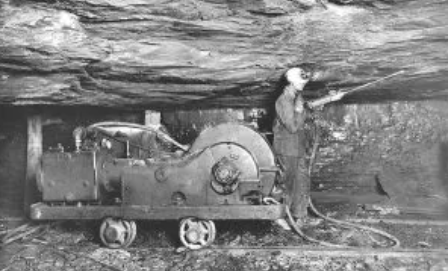
Mining for coal.
Growth of Towns and Cities
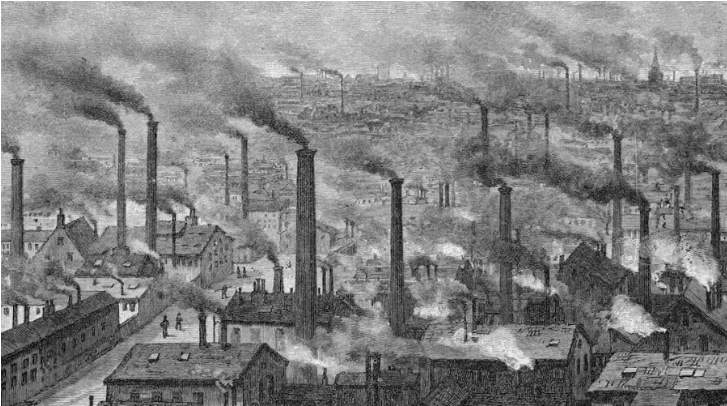
Railways encouraged towns and cities to grow:
-
Places with train stations became busier and more important.
-
New towns grew around railway lines.
-
People could live farther from their workplace and travel in—early versions of commuting.
New Jobs and Industries
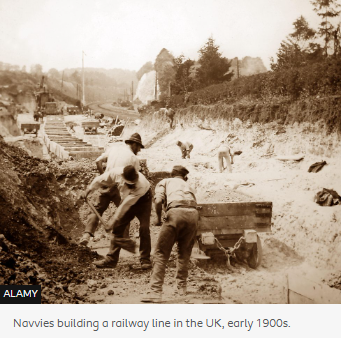
Railways created millions of jobs, including:
-
Building tracks and tunnels
-
Working in coal mines to fuel steam engines
-
Engine drivers and station workers
-
Metalworking and engineering jobs
Railways also encouraged new inventions and technology.
Improved Communication
Letters and newspapers could now travel quickly across Britain:
-
The postal service became much faster.
-
People heard news more quickly.
-
Britain became more connected than ever before.
Tourism Was Born
Railways made holidays possible for ordinary people:
-
Trips to the seaside became extremely popular (e.g., Blackpool, Brighton).
-
People could visit places they had never seen before.
Videos
Life before railways | History - History of Railways
Liverpool to Manchester - the world’s first modern railway | History - History of Railways
A good citizen is someone who helps to create a community where people feel safe, respected, and valued. Citizenship is not just about living in a particular place; it is about contributing positively to the world around you. Every person, no matter their age, has the power to make their community a better place. Even small actions can have a big impact when many people do them together.
One of the most important qualities of a good citizen is respect. This means treating people fairly and thinking about how your words and actions affect others. Respect also involves understanding that people come from different backgrounds, cultures, and religions. These differences make our communities more interesting and diverse. A good citizen tries to learn about others rather than judge them. By listening carefully, speaking politely, and appreciating other points of view, citizens help to create communities where everyone feels included.
Another key aspect of good citizenship is responsibility. Responsible citizens complete tasks to the best of their ability, whether they are school assignments, jobs at home, or promises made to friends. They admit when they make mistakes and attempt to fix them instead of blaming others. Responsibility also means thinking about long-term consequences. For example, throwing rubbish on the ground might seem like a small act, but if everyone did it, the environment would suffer. Citizens must consider how their actions today might affect the future.
Good citizens also understand the importance of rules and laws. Rules help groups of people to stay organised and prevent accidents. Laws protect people’s rights and make sure everyone is treated fairly. Instead of seeing rules as restrictions, a good citizen understands that they exist to keep communities safe and orderly. For example, road signs tell drivers how fast to go so that accidents can be avoided. In a school, rules about behaviour create an environment where everyone has the chance to learn without distractions.
Another vital part of citizenship is participation. This means taking part in the life of your community and not simply watching from the sidelines. Participation can be as simple as joining in with school activities, attending community events, or helping to organise charity fundraisers. Older citizens might vote in elections or volunteer for local organisations. Participation shows that someone cares about the wellbeing of others and wants to make a positive difference.
Citizenship also involves courage, because doing the right thing is not always easy. Sometimes being a good citizen means standing up for someone who is being treated unfairly, even if it feels uncomfortable. It might mean telling the truth when it would be easier to stay silent. Courageous citizens think about what is fair and act on it, even when no one is watching. This helps build a community where honesty and fairness are valued.
Finally, good citizens try to protect and improve their environment. This includes the natural world—such as parks, rivers, plants, and animals—as well as shared spaces like schools, playgrounds, and public buildings. Simple actions, like recycling, saving water, turning off lights, and reducing waste, all help to keep our world healthy. When citizens look after their environment, they are showing respect for the people who will live there in the future.
In the end, being a good citizen is about making choices that help others as well as yourself. Whether it is showing kindness, taking responsibility, following rules, speaking up for what is right, or caring for the environment, each action plays a part in building a stronger, happier community. The more people choose to act like good citizens, the better the world becomes for everyone.
Questions
1. According to the text, what does citizenship really involve?
2. What is one way citizens can show respect?
3. Why is responsibility important for a good citizen?
4. What example does the text give to show how small actions can affect the environment?
5. How do rules and laws help communities?
6. What does participation show about a person?
7. Give two examples of how citizens can participate in their community.
8. Why is courage an important part of citizenship?
9. What are some simple actions citizens can take to protect the environment?
10. What happens when more people choose to act like good citizens?
11. What does the word diverse mean in the text?
12. Find and copy a phrase that shows that rules protect people.
13. What does the word consequences mean?
14. Find a word in the text that means “taking part.”
15. What is meant by “shared spaces”?
A good citizen is someone who helps their community. This can be at school, at home, or in the local area. Good citizens try to make their community a safe and happy place.
Good citizens follow rules because rules keep people safe. For example, rules in school help everyone learn, and rules in the community help people stay safe on the roads and in public places.
A good citizen is also kind and respectful. They listen to others, use polite words, and treat people fairly. They try to understand how other people feel.
Good citizens take responsibility for what they do. If they make a mistake, they tell the truth and try to fix it.
Finally, a good citizen tries to help others. This might mean picking up litter, holding a door open, or helping a friend who is upset. Even small actions can make a big difference.
Questions
-
Where can someone be a good citizen?
A. Only at school
B. Only at home
C. At school, at home, or in the local area
D. Only in the community -
Why do good citizens follow rules?
A. To get rewards
B. Because rules keep people safe
C. Because rules are fun
D. So they don’t have to work -
Which of these is an example of being respectful?
A. Shouting at others
B. Listening politely
C. Ignoring people
D. Walking away -
What should a good citizen do if they make a mistake?
A. Hide it
B. Blame someone else
C. Tell the truth and try to fix it
D. Ignore it -
Which is a small action a good citizen might do?
A. Leave rubbish on the floor
B. Pick up litter
C. Push in line
D. Refuse to help -
What do rules in school help everyone do?
A. Play more
B. Learn
C. Talk loudly
D. Go home early -
What do community rules help people stay?
A. Busy
B. Safe
C. Quiet
D. Tired -
What kind of words do good citizens use?
A. Rude words
B. Angry words
C. Polite words
D. Long words -
What do good citizens try to understand?
A. How other people feel
B. What people are wearing
C. Who is the tallest
D. Who can run fastest -
What does picking up litter help to do?
A. Make places messy
B. Make the community cleaner
C. Waste time
D. Make more rubbish -
What does it mean to take responsibility?
A. Pretend nothing happened
B. Tell the truth about your actions
C. Let someone else fix everything
D. Never help anyone -
Who might a good citizen help if they are upset?
A. A friend
B. A stranger
C. No one
D. Only teachers -
Which two places did the text say rules keep people safe?
A. The beach and the park
B. The cinema and the shops
C. School and the community
D. Bedrooms and kitchens -
What does the text call actions that still make a big difference?
A. Huge actions
B. Quick actions
C. Small actions
D. Unimportant actions -
Why is telling the truth important when you make a mistake?
A. It makes the mistake disappear
B. It helps you fix it and shows responsibility
C. It makes more problems
D. It makes people angry