

Thursday

Thursday 27th November
Story starter
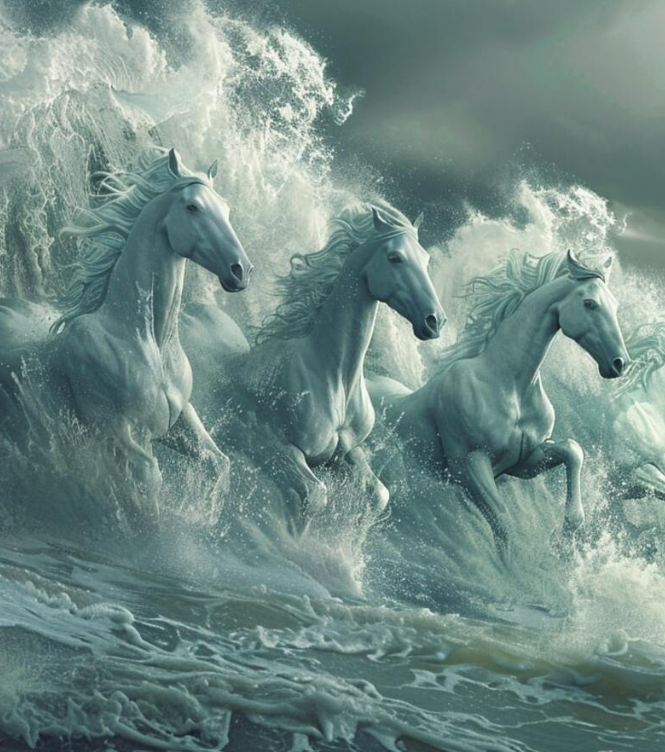
In the days of old, sailors whispered of the Sea Spirits, mysterious beings who ruled the oceans. They would rise from the depths when danger threatened the harmony of the waves. When ships clashed in battle, the Spirits would unleash storms to punish them. Even the bravest sailors feared their wrath. Those who disturbed the seas risked being lost forever.
Continue the story (one paragraph).

/i/video/Year_6/L_S_Lowry_Exhibition___The_Lowry___How_well_do_you_know_LS_Lowry_.mp4
L.S. Lowry
Introduction
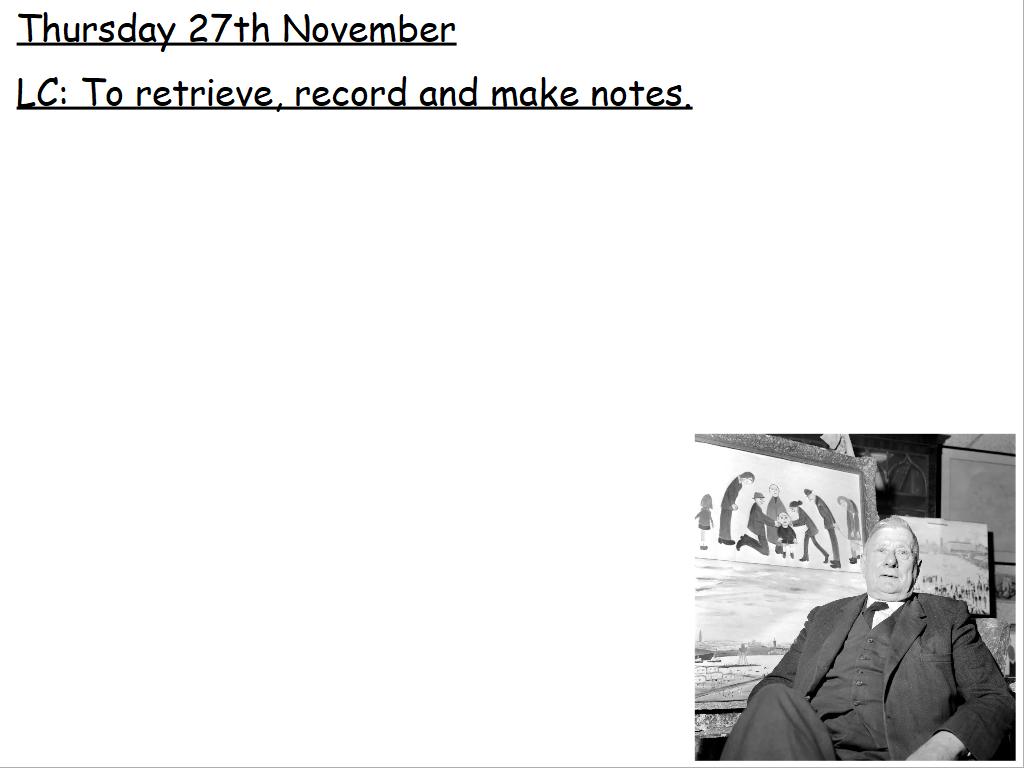
Laurence Stephen Lowry, known as L.S. Lowry, was a famous British artist who became well known for his paintings of busy industrial streets and crowds of “matchstick people.” His artwork showed everyday life in the north of England during a time of great change. Although his simple style was not always appreciated at first, Lowry eventually became one of the most recognisable artists of the 20th century, and his paintings are still admired today.
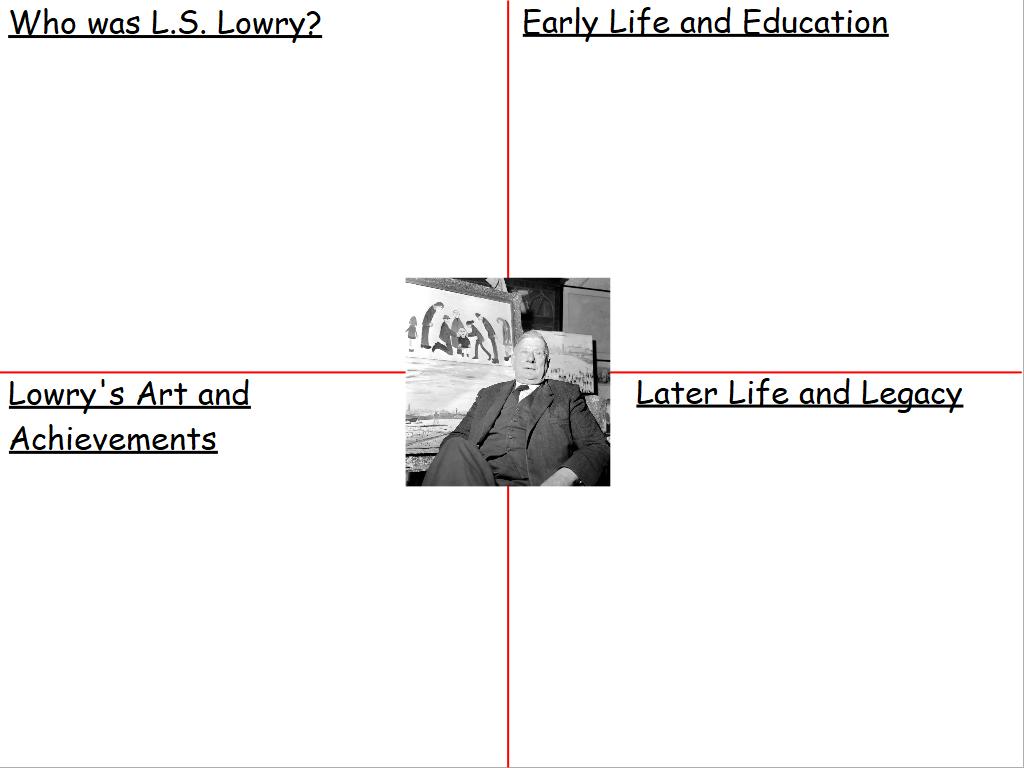
Early Life and Education
L.S. Lowry was born on 1 November 1887 in Stretford, Manchester. When he was a child, his family moved to Salford, a city filled with factories, mills and chimneys. These sights made a strong impression on him and later became the focus of his artwork. Lowry was a quiet, thoughtful child who often spent time drawing what he saw around him. After leaving school in 1904, he worked as a clerk for a property company, which he continued doing for more than 40 years.
Even though he worked full-time, Lowry did not give up his interest in art. From 1905 to 1920, he attended evening classes at the Manchester School of Art and the Salford School of Art, where he learned drawing and painting. His teachers encouraged him to study real life, which helped him develop his unique artistic style.
Lowry’s Art and Achievements
In the 1920s, Lowry began painting the industrial landscapes he saw every day—rows of terraced houses, tall chimneys and crowds of workers. He used only five colours and created simple figures known as “matchstick people.” Although his style looked plain, it showed deep emotion and captured the atmosphere of working-class life.
Lowry’s first solo exhibition took place in 1939, and it helped him become more widely known. By the 1950s, he was recognised across Britain, and in 1962 he became a Royal Academician, an important honour for an artist. Even though he was offered a knighthood in 1968, he politely refused it, saying he preferred to stay out of the spotlight.
Later Life
Lowry retired from his office job in 1952, which allowed him to focus completely on his art. During his later years, he began painting more seascapes and lonely landscapes, showing a quieter side of his work. He continued painting almost every day until his death on 23 February 1976, at the age of 88. By the end of his life, Lowry had created over 1,000 paintings and thousands of drawings.
Legacy
L.S. Lowry’s artwork is now loved across the world. His unique style and his ability to show everyday life have inspired many people. In 2000, The Lowry art centre opened in Salford Quays to celebrate his life and work. Today, children and adults alike still enjoy his paintings, which give us a fascinating view of Britain’s industrial past.

27.11.25
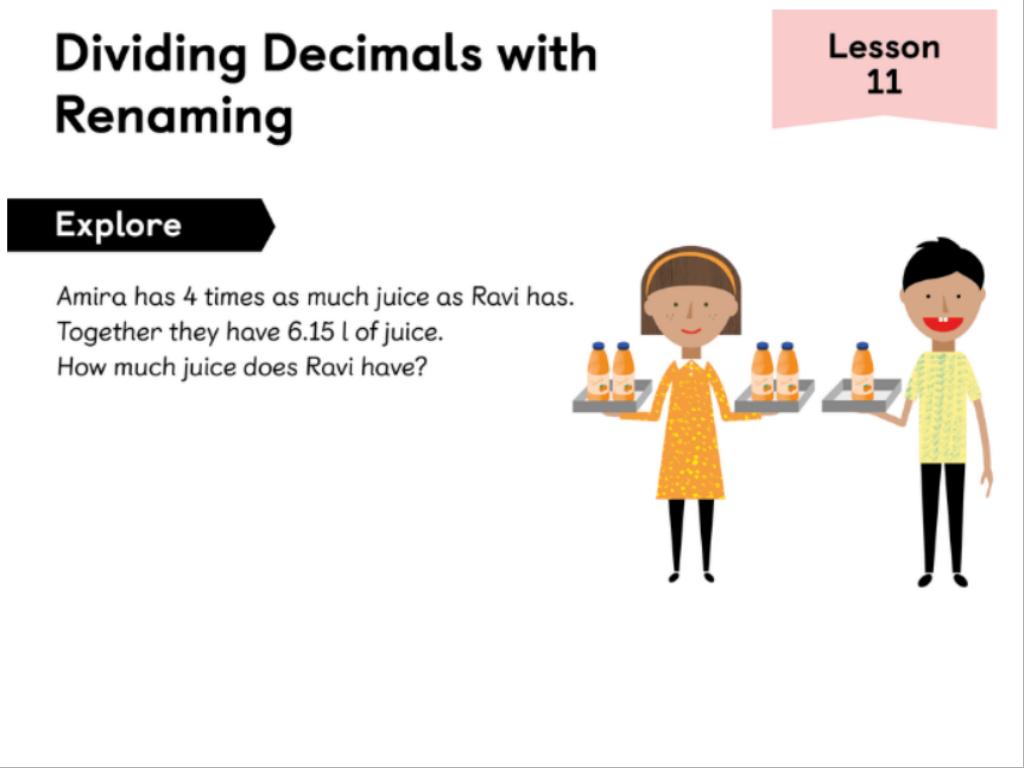
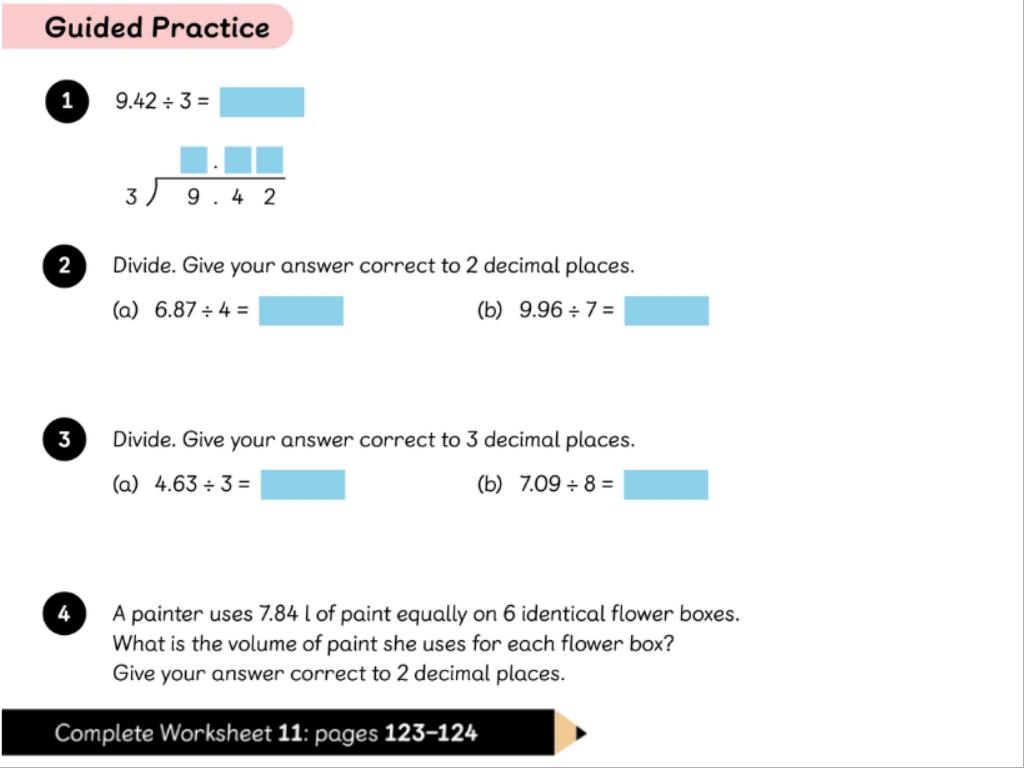
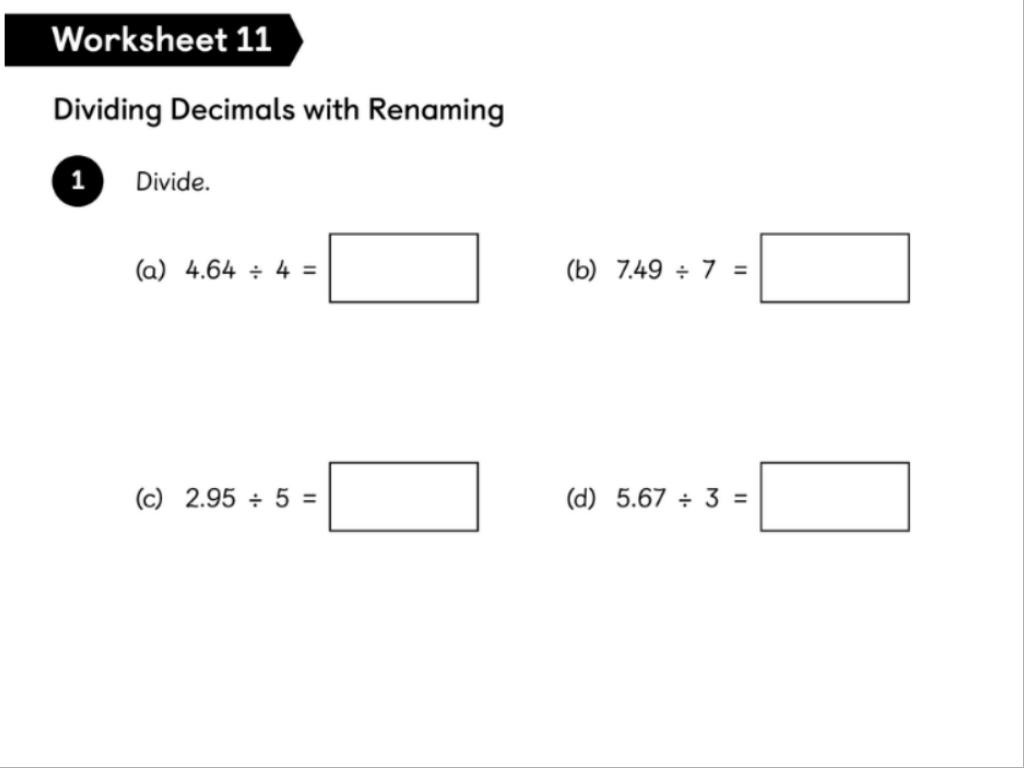
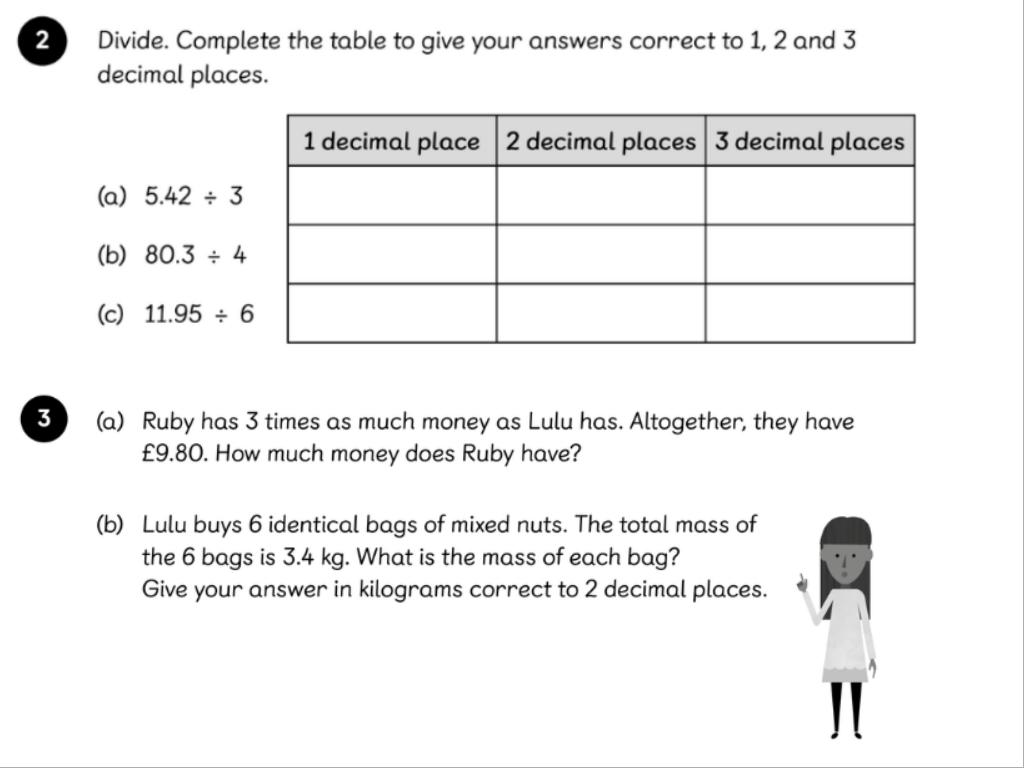
LC: To divide decimals with renaming