


Monday

Monday 17th November
17.11.25
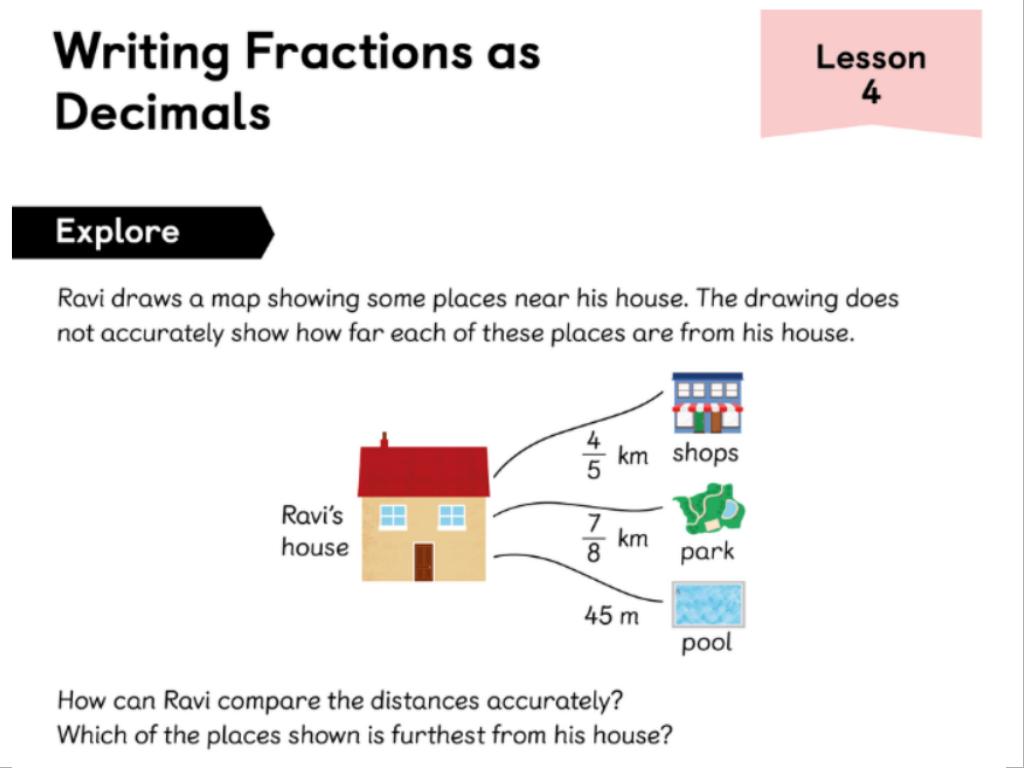
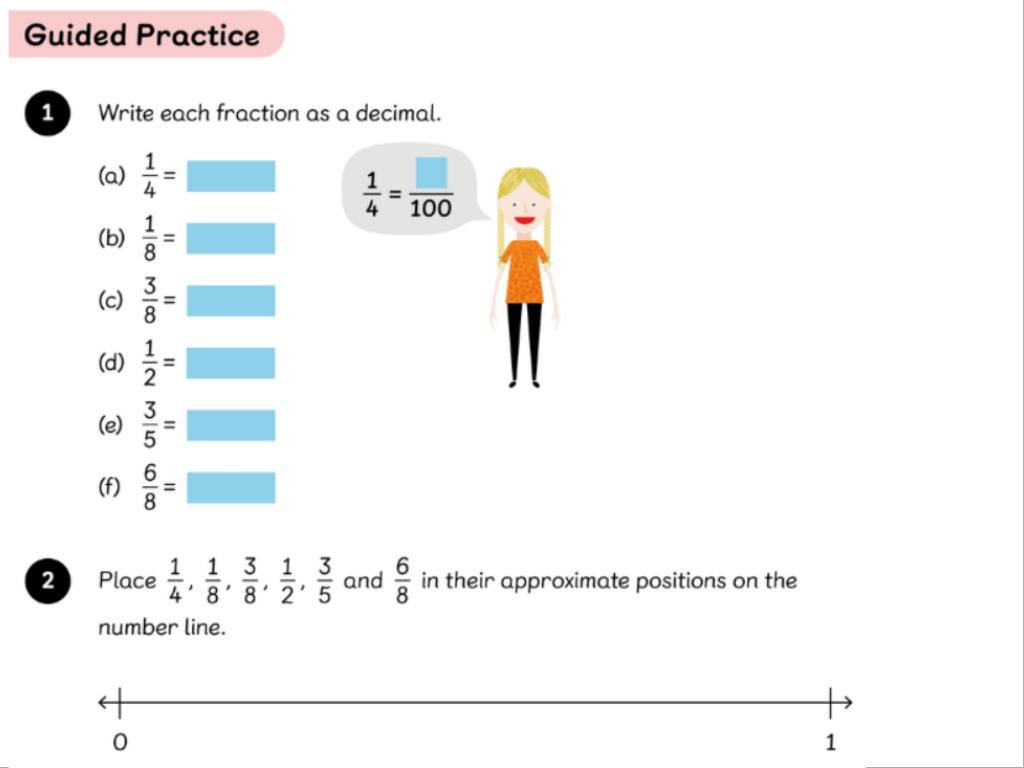
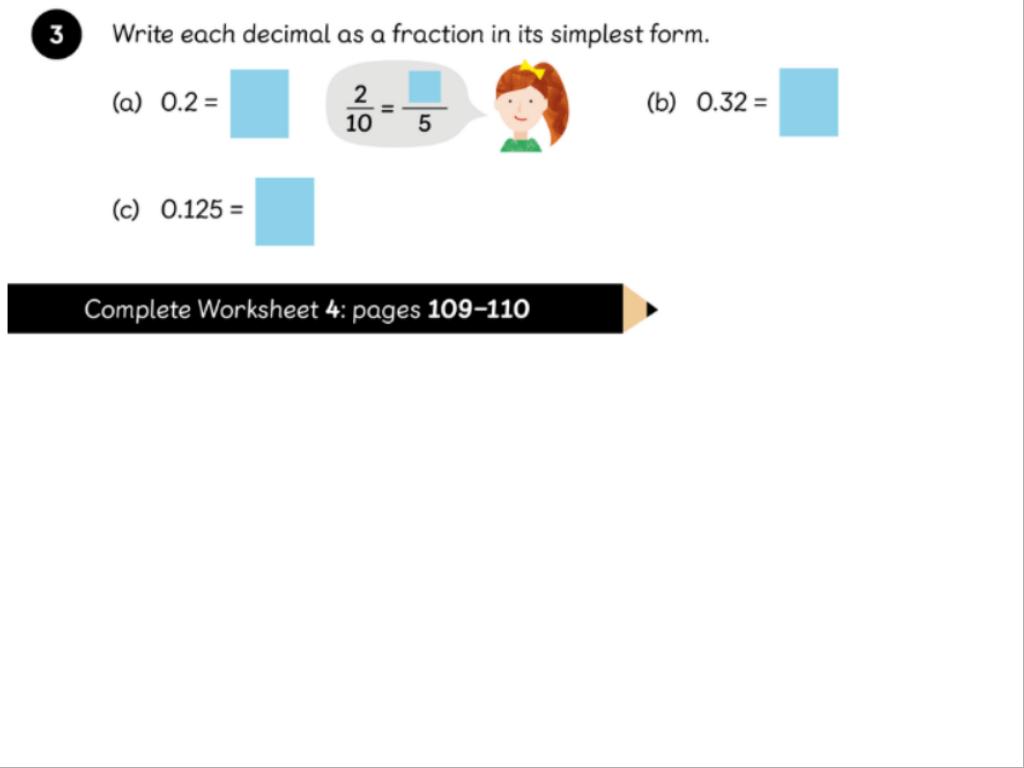
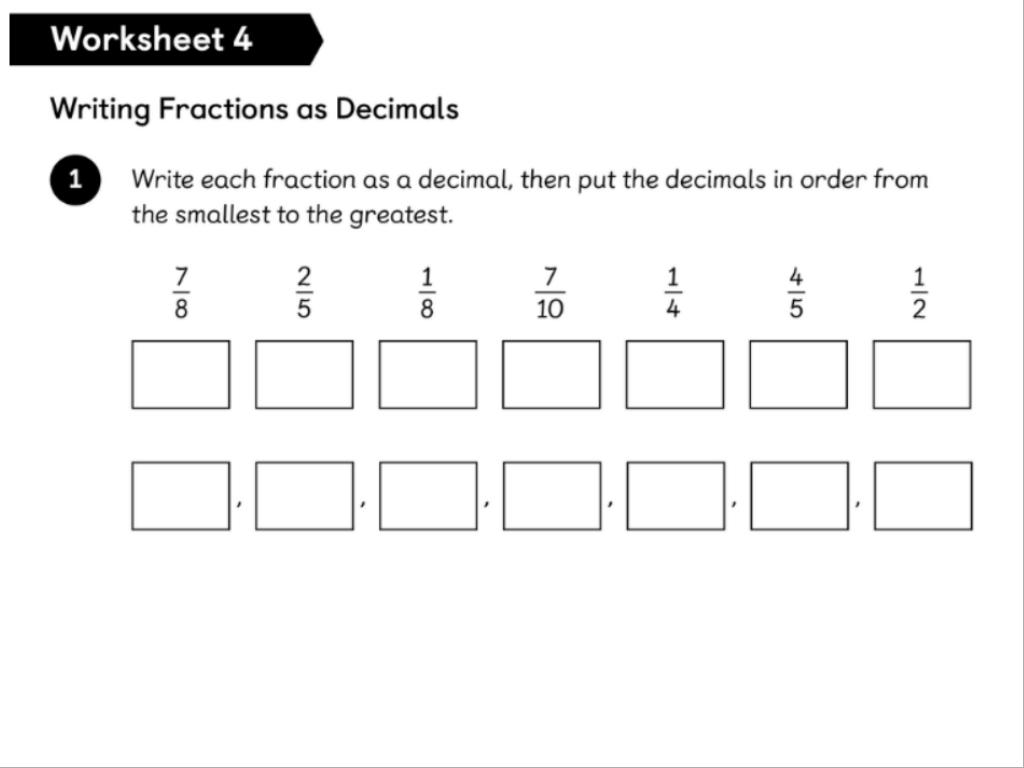
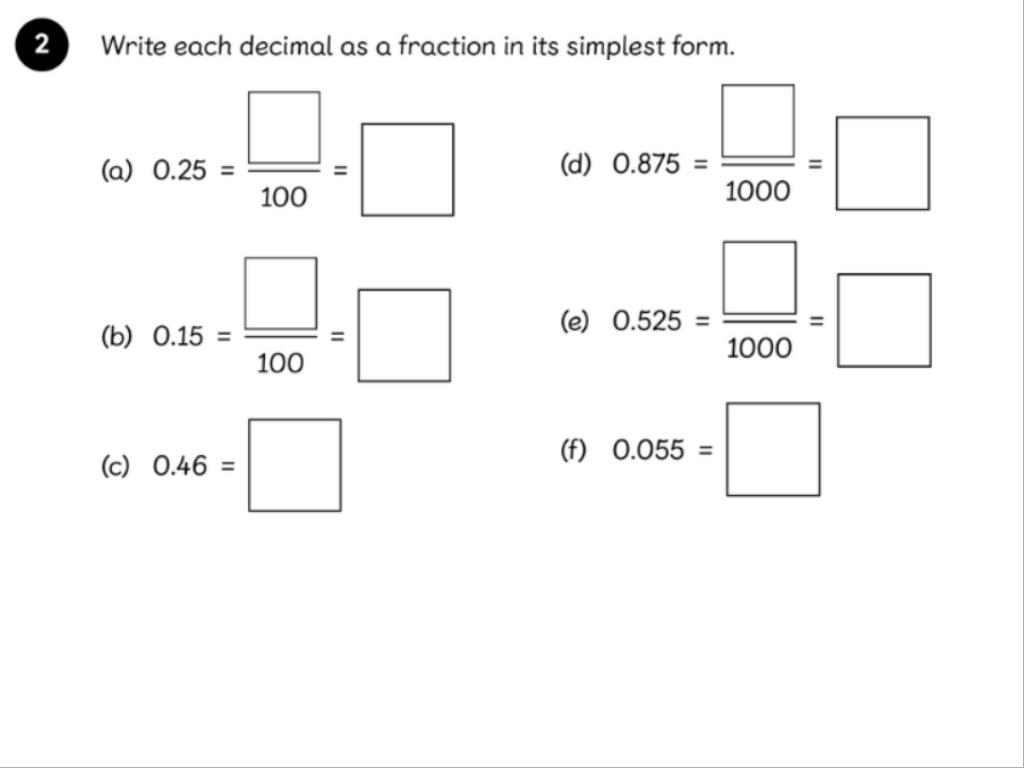
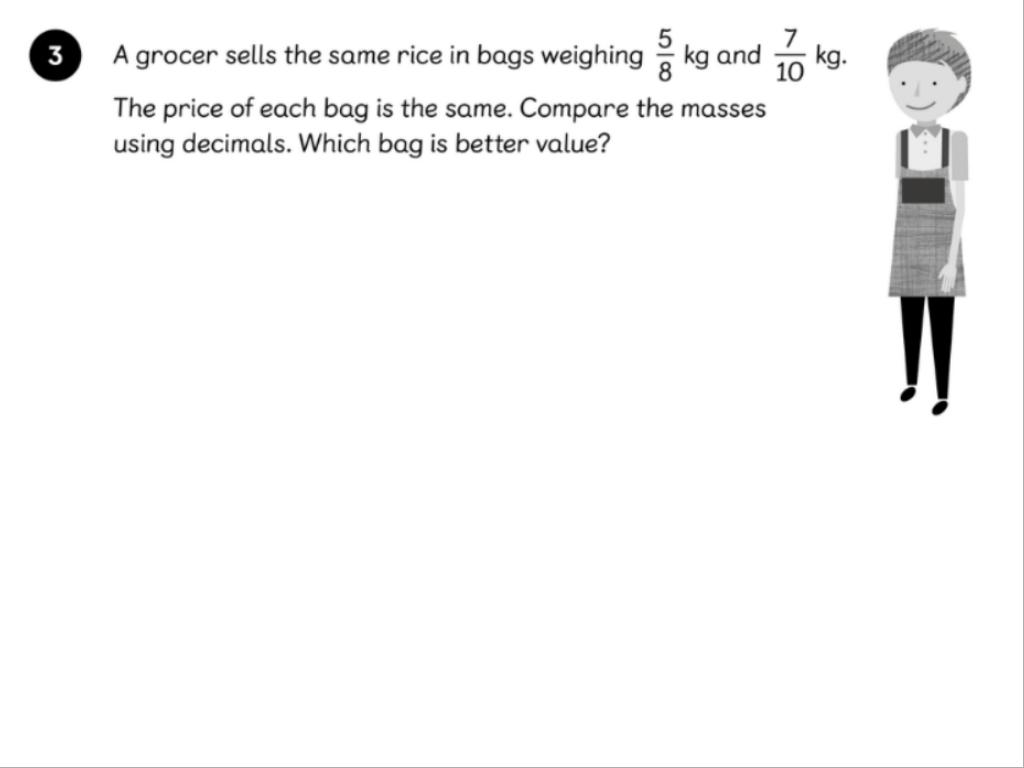
LC: To write fractions as decimals
RIC
The street lamps flickered to life as Clara stepped out of the narrow doorway of her family’s small bakery. Evening fog curled around the cobblestones, softening the sounds of carriage wheels and distant factory whistles. Clara pulled her shawl tight; the air smelled faintly of coal smoke, warm bread, and the Thames.
She balanced a basket of leftover buns on her hip. Every night, after the last customers had gone, she delivered whatever remained to the children who waited near the old iron bridge. They were already gathering—thin silhouettes against the mist—their hands wrapped in fingerless gloves, their faces hopeful.
“Evening, Clara!” called Tommy, the smallest of the group. His grin was missing two teeth, but it was the brightest thing Clara had seen all day.
“Evening,” she replied, handing out the buns one by one. Watching them eat always made her chest ache, but she smiled anyway. She knew that tomorrow, just like today, there would be more fog, more factory whistles… but also more buns.
R - Who is the first child to greet Clara?
I - What might Clara’s feelings be as she watches the children eat the buns?
C - Why might the author have chosen to describe Tommy’s smile in the way they did?
Reading Comprehension: The Moon Landings
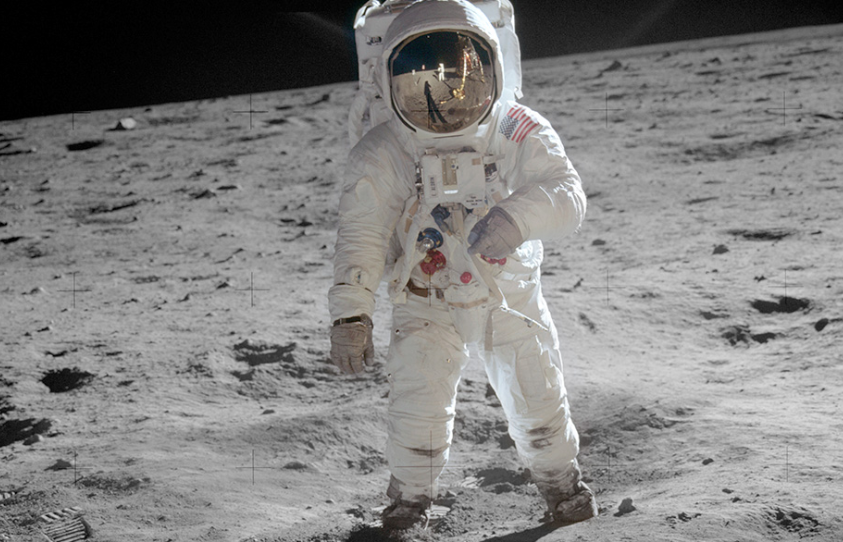
On 20th July 1969, millions of people around the world watched in amazement as astronauts from NASA’s Apollo 11 mission prepared to do something no human had ever done before: walk on the surface of the Moon. The spacecraft had travelled over 380,000 kilometres through space, carrying three astronauts—Neil Armstrong, Buzz Aldrin, and Michael Collins—towards their historic goal.
After entering the Moon’s orbit, Armstrong and Aldrin moved into the lunar module, called Eagle. Collins remained in the command module, circling the Moon alone while his crewmates prepared to descend. When the Eagle finally touched down, Armstrong reported the now-famous words, “The Eagle has landed.” People watching on television cheered, realising the astronauts had reached the Moon safely.
A few hours later, Neil Armstrong stepped out of the module and became the first person to set foot on the Moon. He described the moment as “one small step for a man, one giant leap for mankind.” Buzz Aldrin joined him soon after, and together they conducted experiments, took photographs, and collected rock samples. Although their time on the surface lasted less than a day, the mission changed human history.
The Moon landings sparked worldwide excitement and encouraged scientists to explore further into space. Today, new missions are being planned to return humans to the Moon and even travel to Mars. More than 50 years after Apollo 11, the Moon landings remain one of humanity’s greatest achievements.
Retrieval
-
On what date did the first Moon landing take place?
-
How many kilometres did the Apollo 11 spacecraft travel?
-
What was the name of the lunar module that landed on the Moon?
-
Which astronaut stayed in the command module?
Vocabulary
-
What does the word “historic” mean in the sentence describing the astronauts’ goal?
-
Find and copy a phrase that shows people were excited as the astronauts landed.
Inference
-
Why do you think people around the world were watching the event so closely?
-
How do you think Michael Collins might have felt while orbiting the Moon alone? Give a reason.
Explanation
-
Why is Neil Armstrong’s quote considered famous?
-
Explain why the Moon landings encouraged further space exploration.
Summarising / Opinion with Evidence
-
What do you think was the most important part of the Apollo 11 mission? Use evidence from the text to support your answer.
-
Summarise in two sentences why the Moon landings remain important today.
Monday 17th November
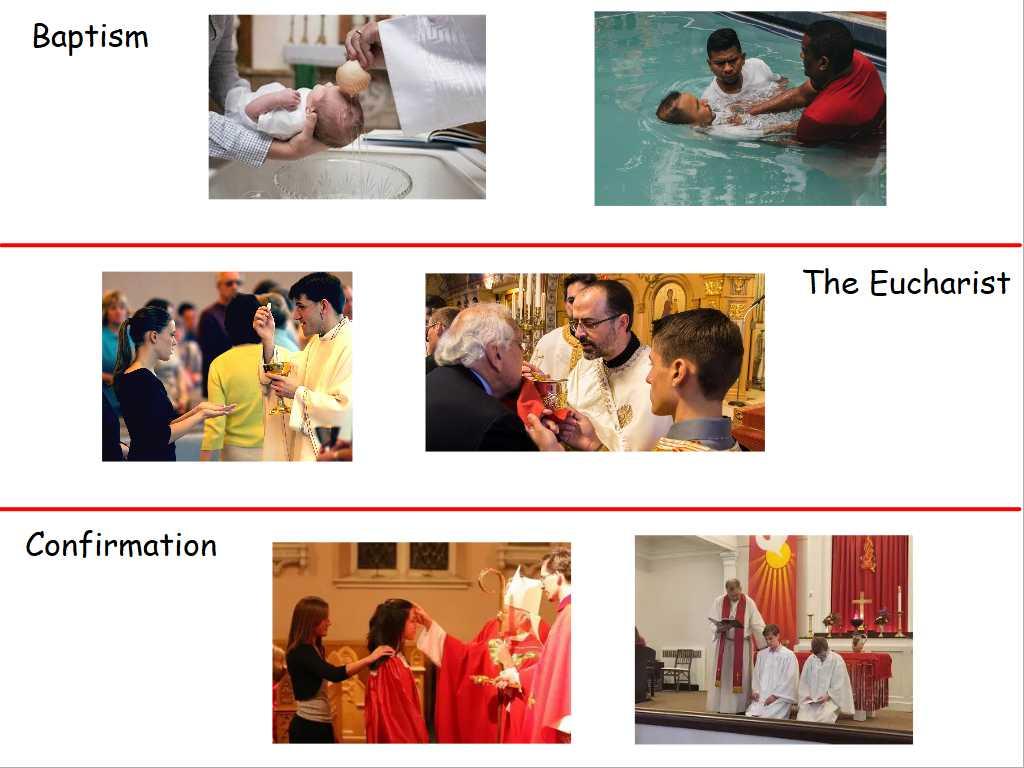
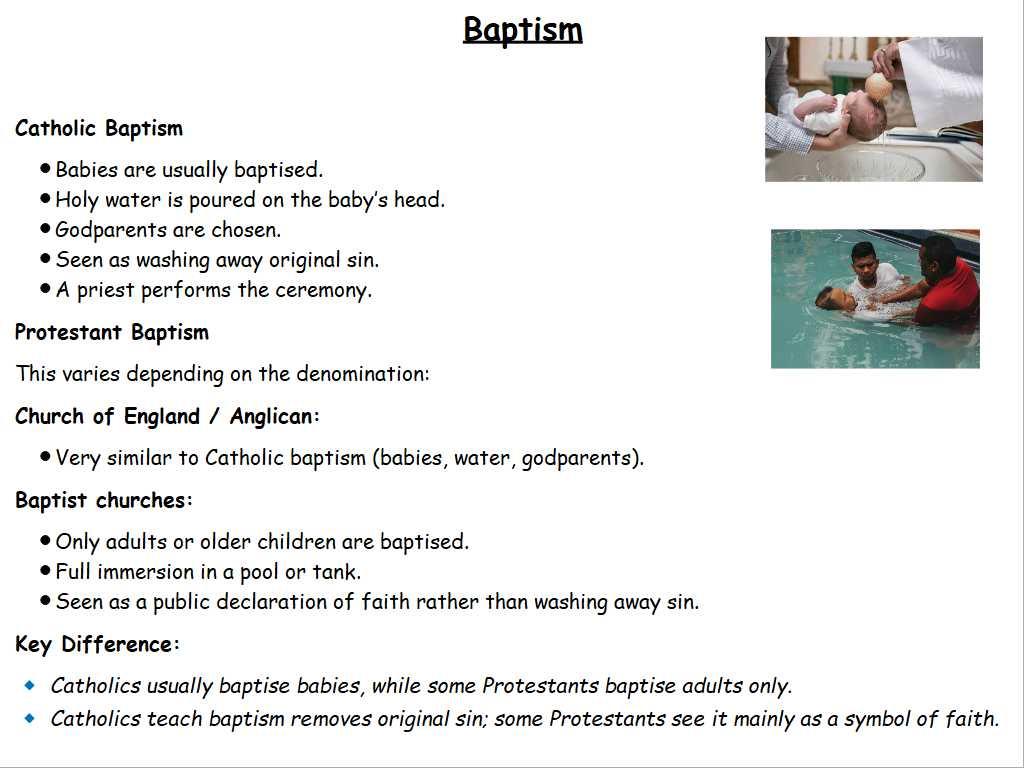
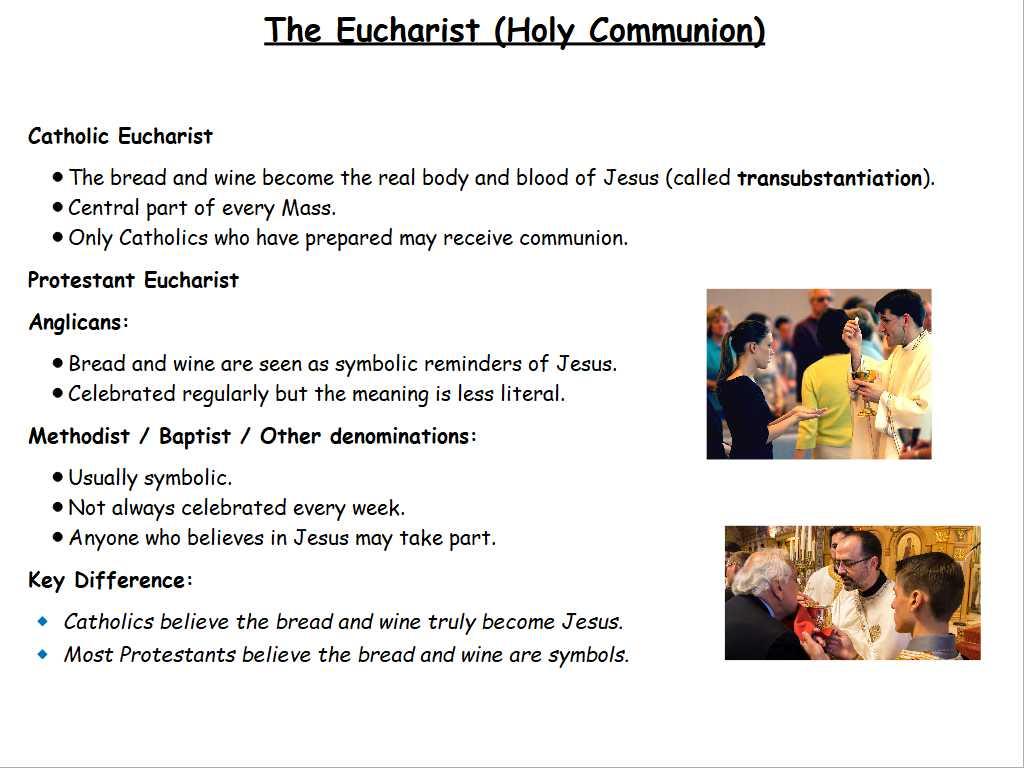
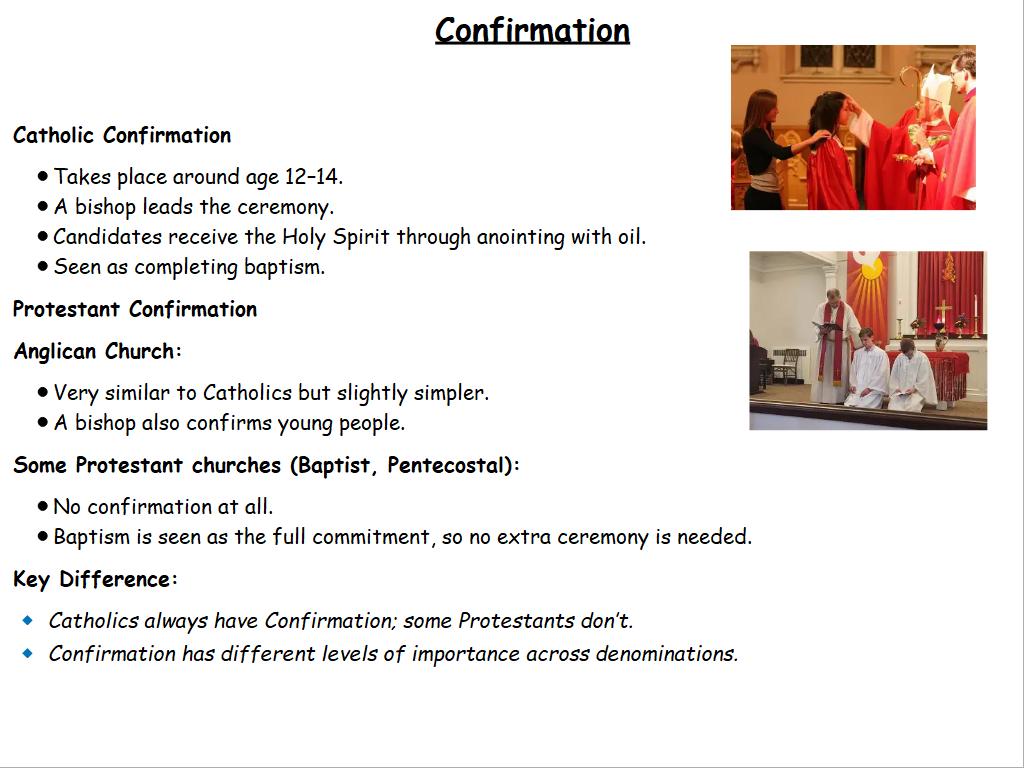
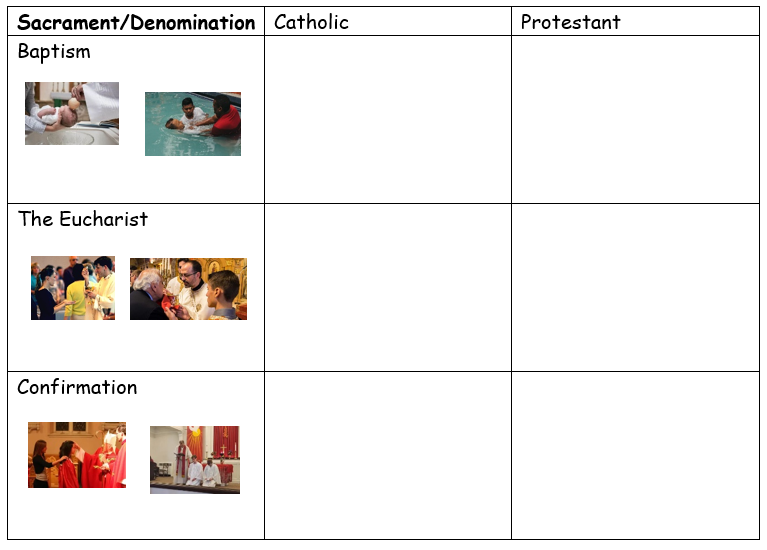
LC: To understand how Baptism, the Eucharist, and Confirmation are celebrated differently in Catholic and Protestant churches.
What do you already know about Christian sacraments? Can you name any?
-
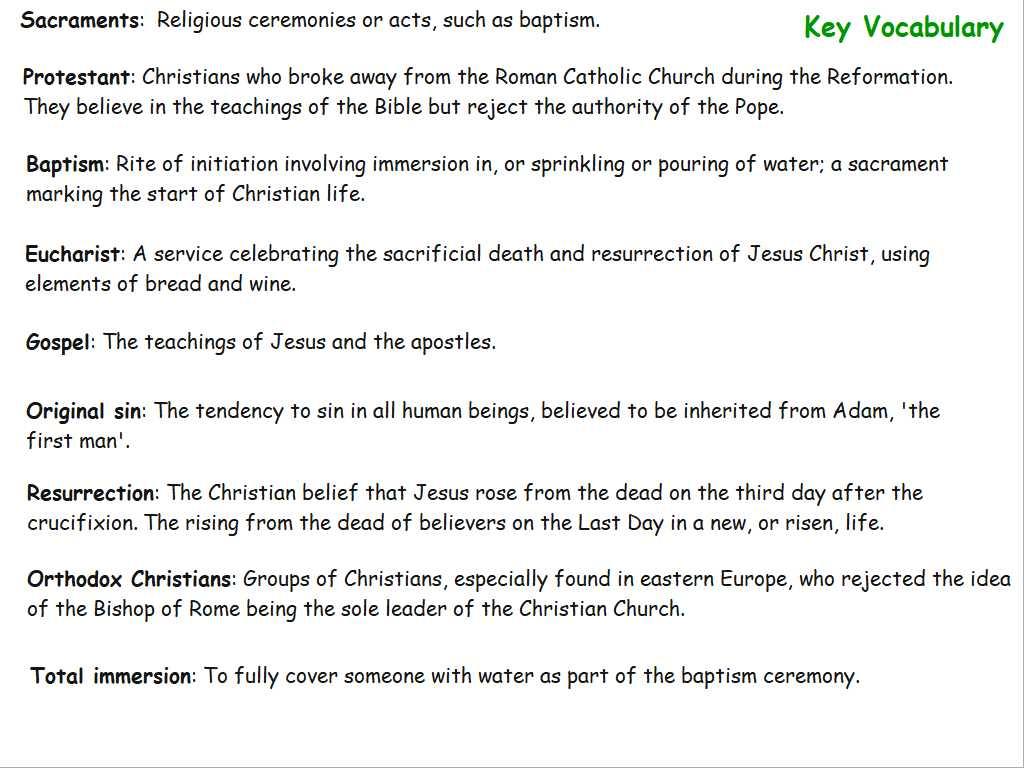
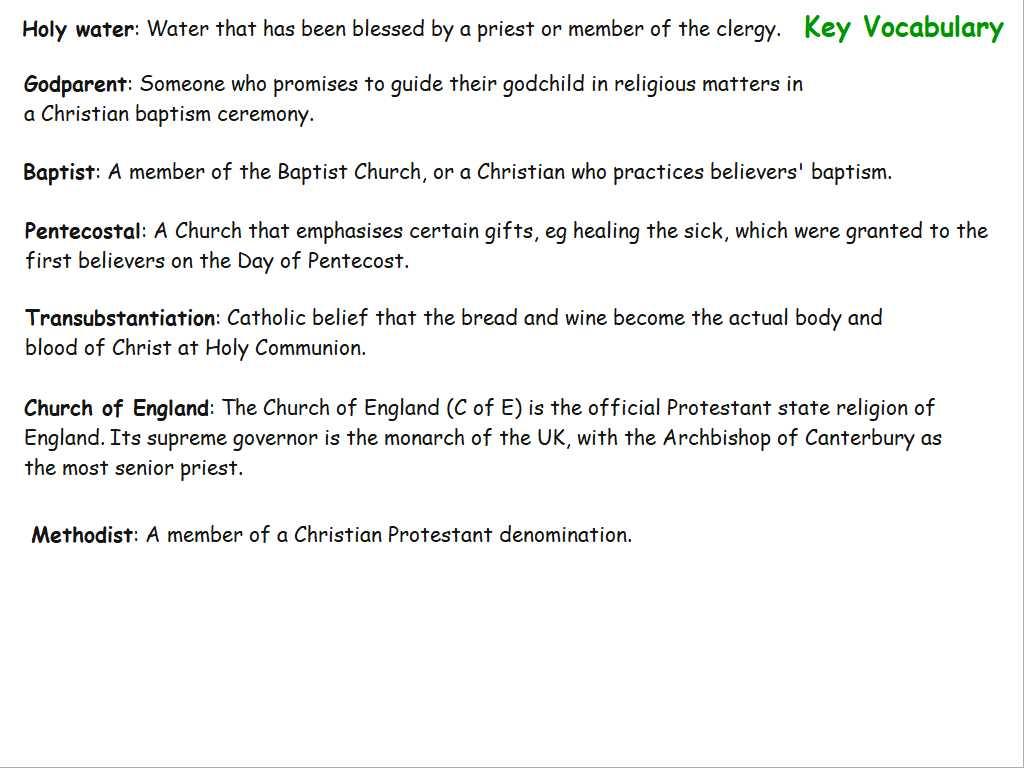
A sacrament is a special religious ceremony that Christians believe brings them closer to God.
-
Catholics have seven sacraments.
-
Most Protestant churches have two main sacraments: Baptism and Holy Communion (Eucharist).
-
Some Protestant groups also celebrate Confirmation but differently.
Catholic and Protestant Sacraments Quiz