



Tuesday

Tuesday 11th November

Cohesive Devices
Time Conjunctions:-
First, Walt Disney was born in 1901 in Chicago.
-
Then, he moved to Kansas City, where he discovered his love for drawing.
-
After that, he started working as a cartoonist.
-
Later, he created his first famous character, Mickey Mouse.
-
Finally, Disney opened his own theme park in California.
Example Paragraph
First, Walt Disney was born in 1901 in Chicago. As a child, he loved to draw and tell stories. Later, he started working as an artist, but his first company failed. However, he didn’t give up. Because of his determination, he went on to create Mickey Mouse. As a result, he became one of the most famous animators in the world. In addition, he built Disneyland, which is still loved by families today.
Tuesday 11th November
LC: To write a letter of application using formal language.
job specification game designer.pdf
Introduction – Saying Why You’re Writing:
-
I am writing to apply for the position of Disney Game Designer.
-
I would like to apply for the role of (job title) after reading your advertisement.
-
I am very interested in working for Disney Interactive Studios because…
-
I am excited to apply for this role as I believe it matches my skills and interests.
Talking About Yourself:
-
I am a hardworking and creative student who enjoys…
-
I believe I would be a great fit for this job because…
-
My teachers describe me as…
-
I have experience using programs such as...
-
I have strong teamwork and problem-solving skills, which would help me succeed in this role because...
Explaining Why You Want the Job:
-
I have always admired Disney’s creativity and storytelling.
-
This job appeals to me because I enjoy designing and creating new ideas.
-
I would love to be part of a team that brings joy to people all over the world.
-
I am passionate about games and would love to help make them more fun and exciting.
Persuasive/Concluding Sentences:
-
I am confident that I have the skills and enthusiasm to do this job well.
-
I would be very grateful for the opportunity to work with your team.
-
I look forward to hearing from you soon.
-
Thank you for considering my application.

Complete Review 3, pages 92 - 96.

RIC
The forest was still, as if holding its breath. Sunlight filtered through the tall trees, scattering golden patches across the mossy ground. A narrow path wound between twisted roots and fallen leaves that crunched softly underfoot. In the distance, a brook whispered, its silvery water glinting through the ferns. The air smelled of pine and damp earth, and every now and then, a cool breeze carried the faint call of a wood pigeon.
Maya stood quietly, listening. The woods seemed alive — not in a frightening way, but as though they were watching her, waiting to see what she would do next.
R – Retrieve
-
What sounds can be heard in the forest?
I – Interpret
- How do you think Maya feels in the forest? Use evidence from the text to support your answer.
C – Choice
- Why do you think the writer described the brook as “whispering”?
Tuesday 11th November
Comprehension - Life in the Trenches
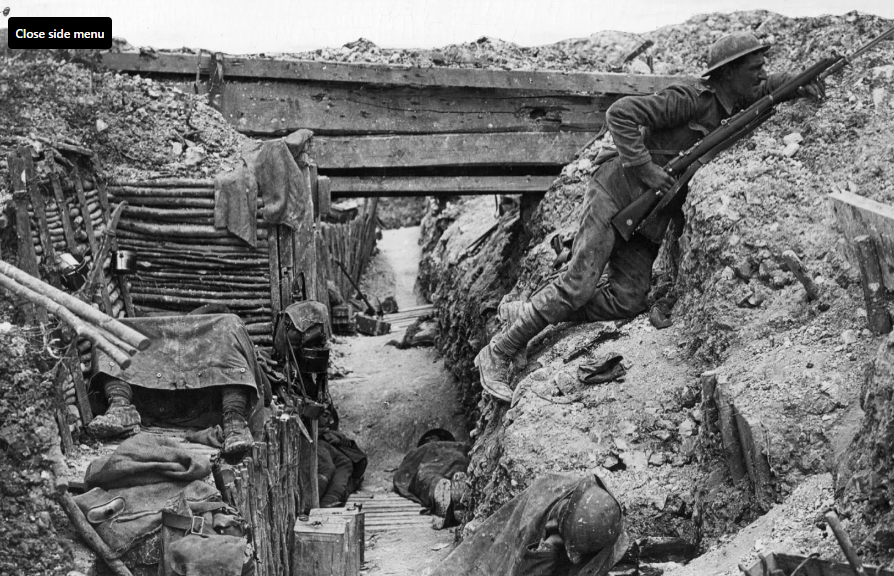
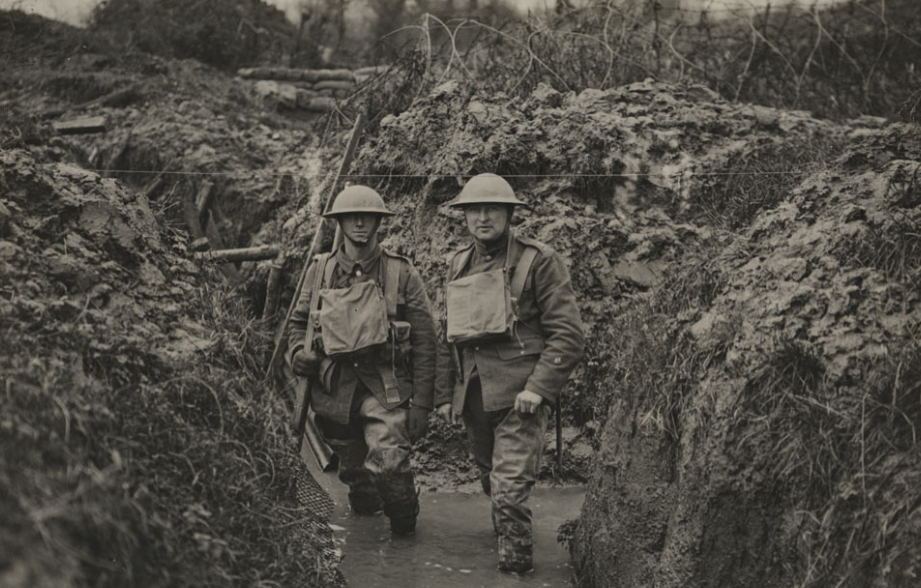
Mud. That was the first thing everyone noticed. Thick, heavy, clinging mud that coated boots, uniforms, and even faces. The trenches stretched for miles across the countryside, narrow and damp channels where soldiers lived, worked, and waited.
Private Tom Harris had been in the trenches for just three weeks, but it already felt like forever. Each day began before sunrise with the sound of a bugle. Breakfast was often cold tea and a slice of bread — if they were lucky. Rats scurried along the trench walls, bold and fat from feeding on scraps. Sometimes, Tom could hear them squeaking at night while he tried to sleep.
When it rained, the bottom of the trench filled with water, soaking everything. The soldiers’ boots never dried, and many developed painful sores known as trench foot. Despite this, Tom and his friends tried to keep their spirits up. They joked, sang songs, and shared letters from home.
At night, the sky lit up with flashes from distant explosions. The men knew that, at any moment, they might be called to go “over the top” — to leave the safety of the trench and face the enemy. Tom tried not to think about that. Instead, he focused on the little things: a hot drink, a clean pair of socks, or the memory of his family waiting for him far away.
1. What was the first thing everyone noticed about the trenches?
2. How long had Private Tom Harris been in the trenches?
3. What did soldiers usually have for breakfast?
4. What creatures lived in the trenches with the soldiers?
5. Why do you think Tom felt like he had been in the trenches “forever”?
6. How do you think the soldiers felt when it rained?
7. What does the phrase “went over the top” mean in this context?
8. Why do you think Tom focused on small things like socks and hot drinks?
9. Why does the author describe the mud in such detail at the beginning of the passage?
10. What effect do the words “narrow and damp channels” have on the reader?
11. How does the author make us feel sympathy for the soldiers?
12. The story ends with Tom thinking about his family — why do you think the author chose to finish this way?

Tuesday 11th November
LC: To describe adaptations in animals.