



Monday 09th February
LC: to create an effective plan for an independent recount using knowledge of planning models

Plan for your independent write.
Choose to write your recount from the point of view of
- The Mad Hatter at the tea party
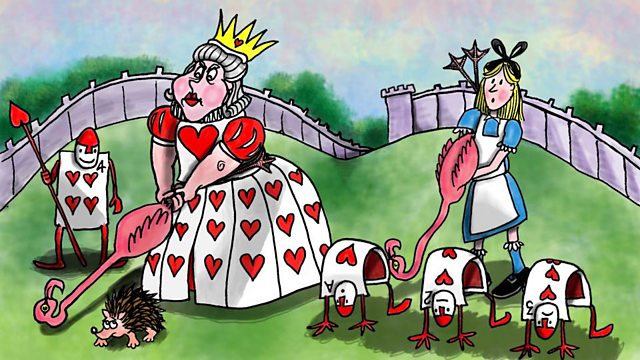
- The Queen of Hearts at the croquet match
- Alice at the croquet match

Remember to
- divide your plan into paragraphs
- have an introduction that includes WHO, WHAT, WHERE, WHEN
- use adverbials in your planning
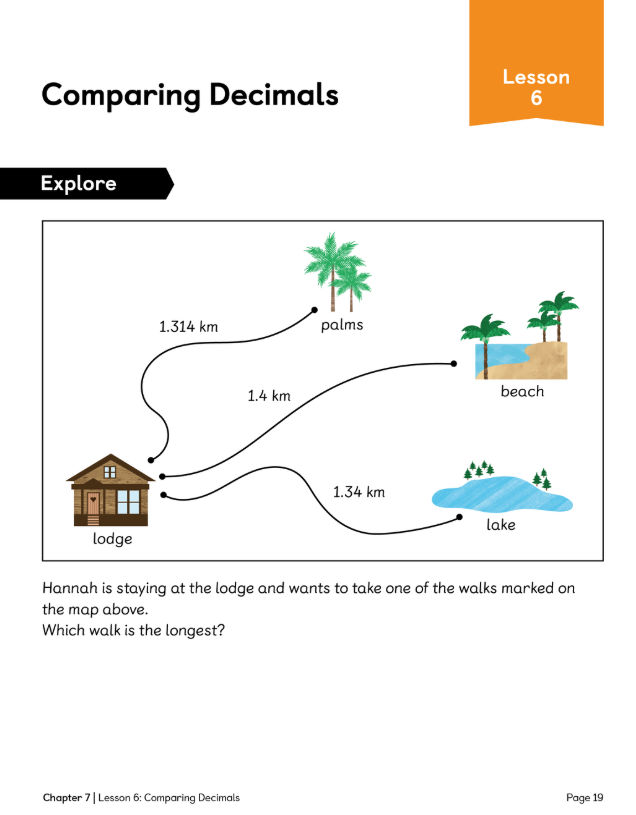
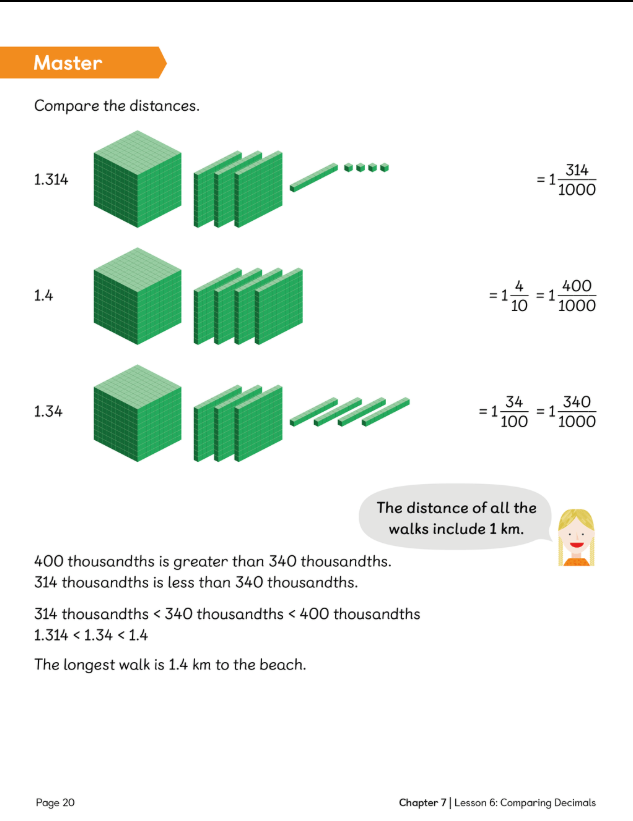
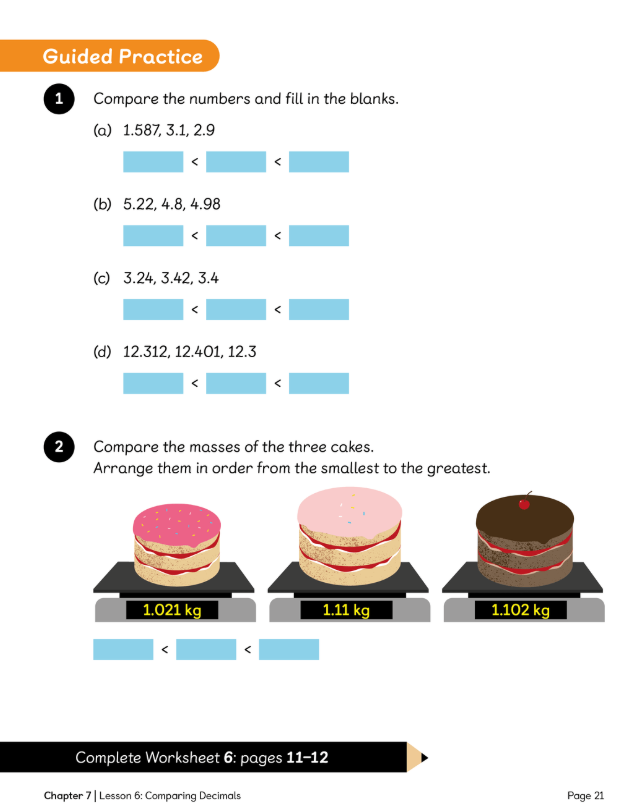
LC: To be able to compare and order decimals.
On Tuesday morning, Sam realised his lunchbox was gone. He searched under his bed, behind the sofa, and even in the garden, but it was nowhere to be found. Sam felt his stomach twist as he imagined being hungry all day at school.
At break time, Sam sat on a bench watching the others eat. Just then, his friend Aisha ran over, holding a familiar blue box. It had a dinosaur sticker on the lid.
“I found this in the library,” she said with a grin.
Sam laughed with relief. He thanked Aisha and opened the lunchbox. Inside was his favourite cheese sandwich and an apple, slightly squashed but still perfect.
R- Where did Sam look for his lunchbox at home?
I- Why do you think Aisha ran over to Sam?
C- Which word best describes Aisha? Use evidence from the text.
LC: Infer characters’ feelings, thoughts and motives from their actions and justify inferences with evidence.
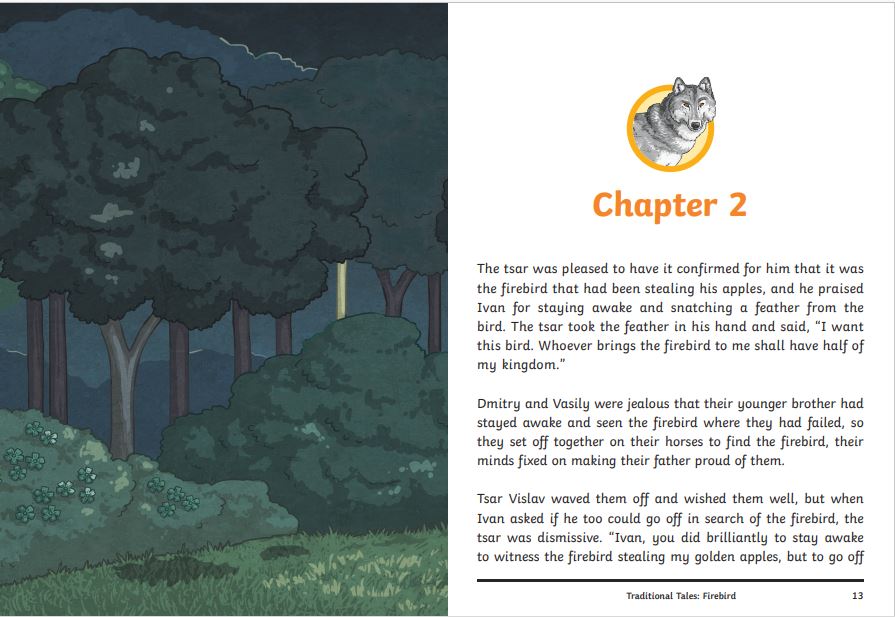
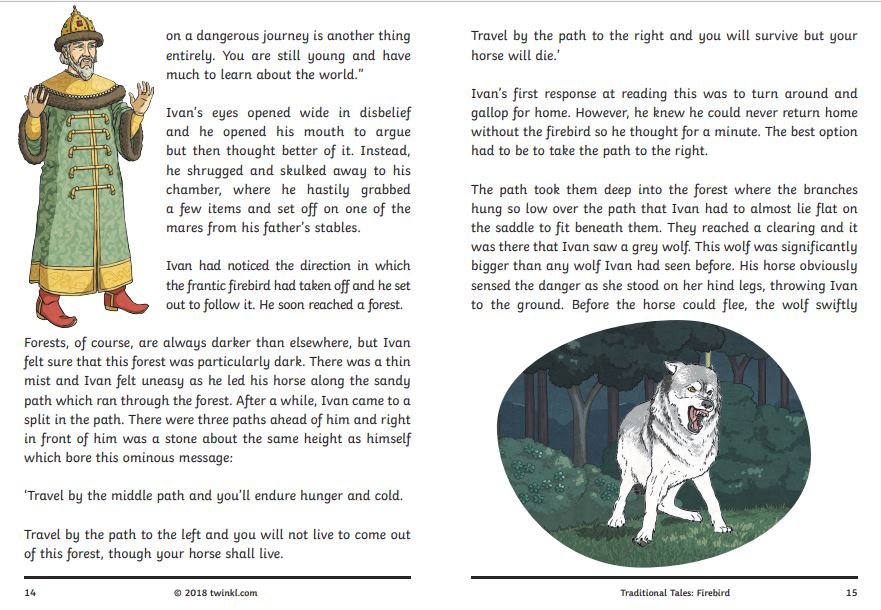
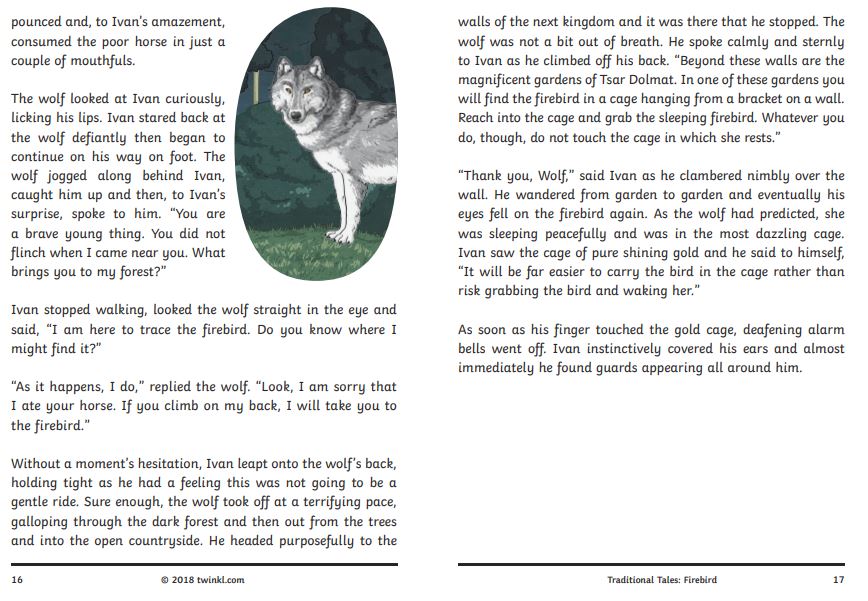
What are the wolf’s first impressions of Ivan? What makes you think that?
Why do you think Ivan touched the cage even though he had been warned not to do so?
Is the wolf physically fit? How do you know?
Is Ivan physically fit? How do you know?
Oracy
LC: to have an awareness of the audience and to keep a connection between all people in the discussion when opinions differ
Audience awareness
What does it mean? Discuss with your talk partner and come up with a definition.

When we are working with other pupils,
how can we help keep a connection between our group/partners when we disagree?

What kind of language should we use?
Highlight the statements below to show which ones are appropriate for maintaining a respectful connection with talk partners and which ones are not.
Shut up!
I can see what you're saying.
I see your point.
I can't believe you just said that!
No way!
So, can I summarise what we have said so far?
Thanks for explaining that.
Let him/her speak.
That's rubbish!
Please finish what you were saying.
Which of the above phrases would be useful when fulfilling each of the roles below?
Discuss with your talk partner.
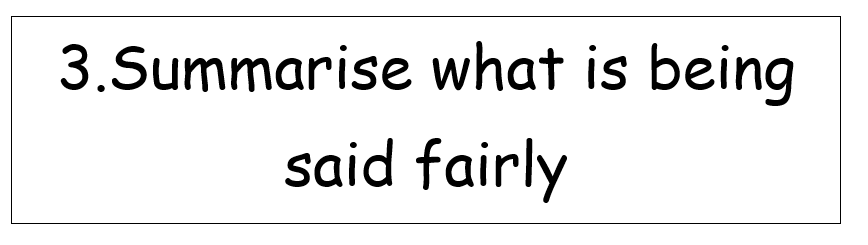
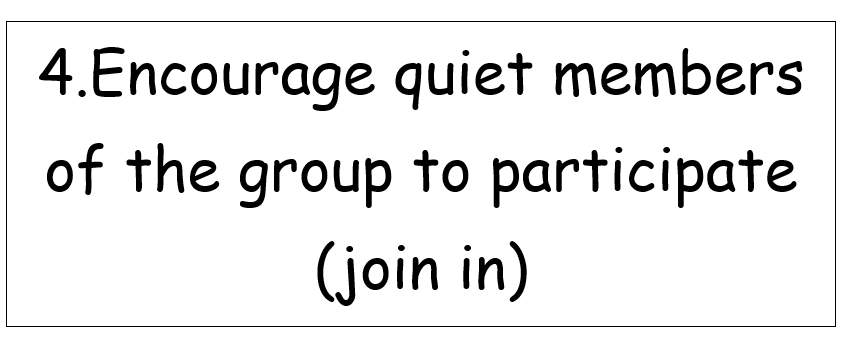
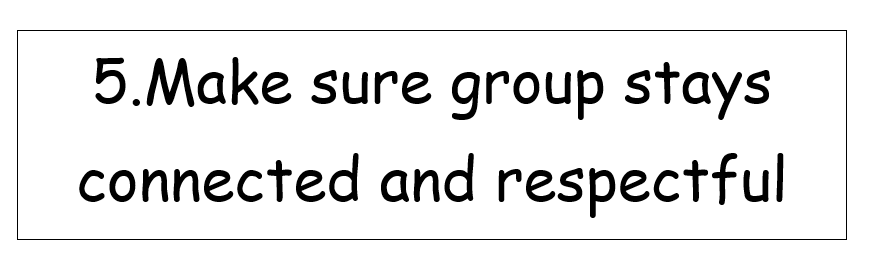
Can you think of any more phrases to add to the list above that we could use to help our group stay connected and respectful?

You are going to try a game called
Keeping the Circle Whole.
You will be in groups of 4/5 and will be a given
- a group topic to discuss
- a role for you to play in your group

The challenge in the game is to
keep the group connection and trust
even when opinions differ.
Use the phrases we have learnt to maintain (keep) a
respectful and helpful connection to your audience.
Good luck!


LC: Know the basic techniques for dealing with common injuries and how to call for help.
By the end of this lesson you will:
Be able to give first aid to someone who is bleeding;
Know when to seek medical help if required for a casualty who is bleeding.