

Monday 19th January

LC: to write an effective opening to a short narrative describing a scene and introducing characters
You are going to write the first paragraph of the model write.

Remember all the things we have learnt in this unit so far.

Have your toolkit and your plan ready to follow.
Good luck!

Fraction revision
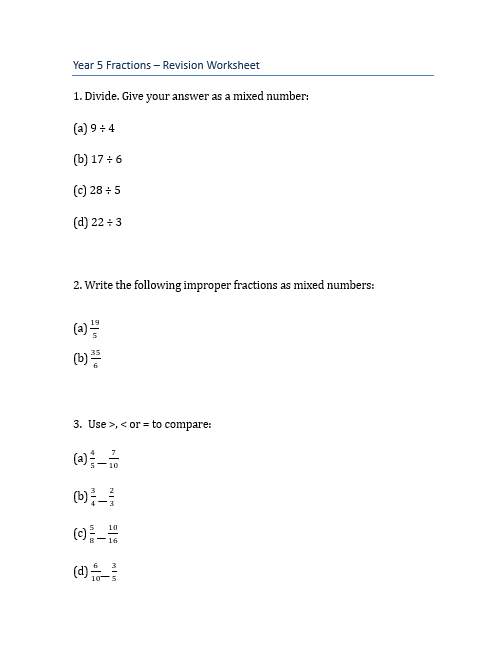
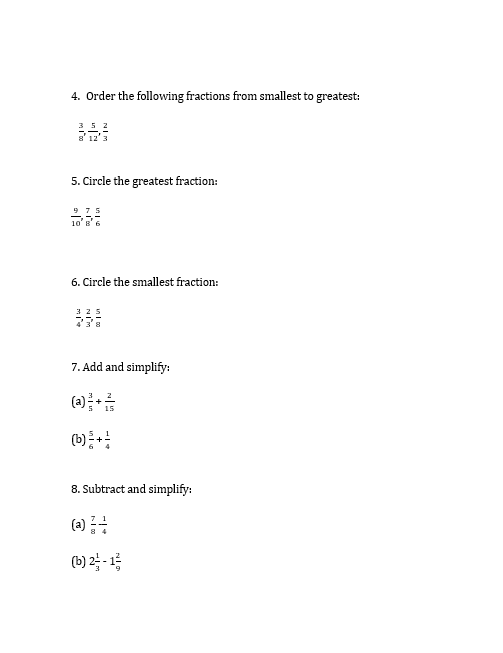
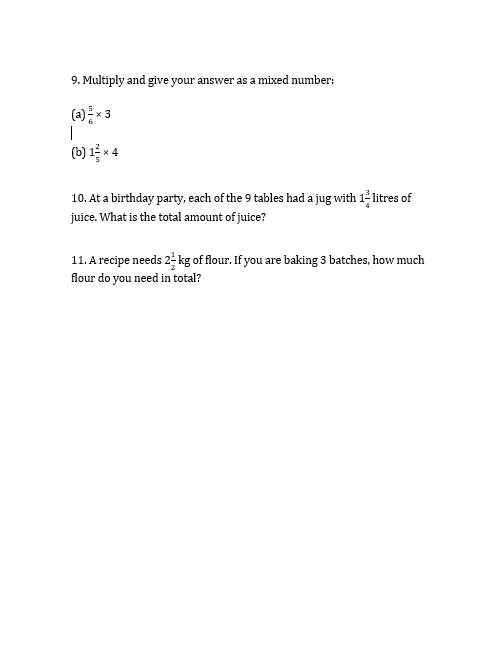
Now complete this task independently.

On Friday afternoon, Maya found a small brown package on the doorstep. There was no name on it, only her address written in neat, blue ink. She carried it inside and shook it gently. Something rattled.
Maya waited until her mum came home before opening it. Inside was a silver key and a folded note. The note read, “For the bravest explorer.” Maya felt her heart race. She had no idea who sent it, but she knew one thing for sure — this was not an ordinary delivery.
R- What colour was the package?
I- Why do you think Maya waited for her mum before opening the package?
C- Which word best describes the package?
LC: To know how suffixes change the meaning of words – = -ant, -ance, -ancy, - ent, ence, -ency.
What is a prefix? Which ones can you remember and how do they change the meaning of the words?
Have you heard of the term suffix - What do you already know? Discuss with partners.
A suffix is a letter or group of letters, for example '-ly' or '- ness', which is added to the end of a word in order to form a different word.
This new word often belongs to a different word class. For example, the suffix '-ly' is added to 'quick'' (adjective) to form 'quickly' (adverb).
The suffix 'ness' can be used to turn the word 'sad' (adjective) into 'sadness' (noun).
Today our focus suffixes are:
- ant
- ance
- ancy
- ent
- ence
- ency
Words with the suffixes 'ent' or 'ant' are usually adjectives, but can be nouns if the suffix is 'ant'.
Words the suffixes 'ence' or 'ency', 'ance' or 'ancy' are nouns.
When we know the meaning of the root word and the suffix, we can quickly determine the meaning of words we read. For example:
hesitate - to pause before you do or say something, often because you are uncertain or nervous about it.
hesitant: If you are hesitant about doing something, you do not do it quickly or immediately, usually because you are uncertain, embarrassed, or worried.
hesitance, hesitancy: The failure to do something immediately or quickly because you are uncertain, embarrassed, or worried.
Activity:
Find the meaning of the word depend.
Now work out the meaning of the underlined word in each of these sentences:
He earned enough to support all of his dependants.
The young gorillas are completely dependent on their mothers.
Children's dependence on electronic devices can affect their mental wellbeing.
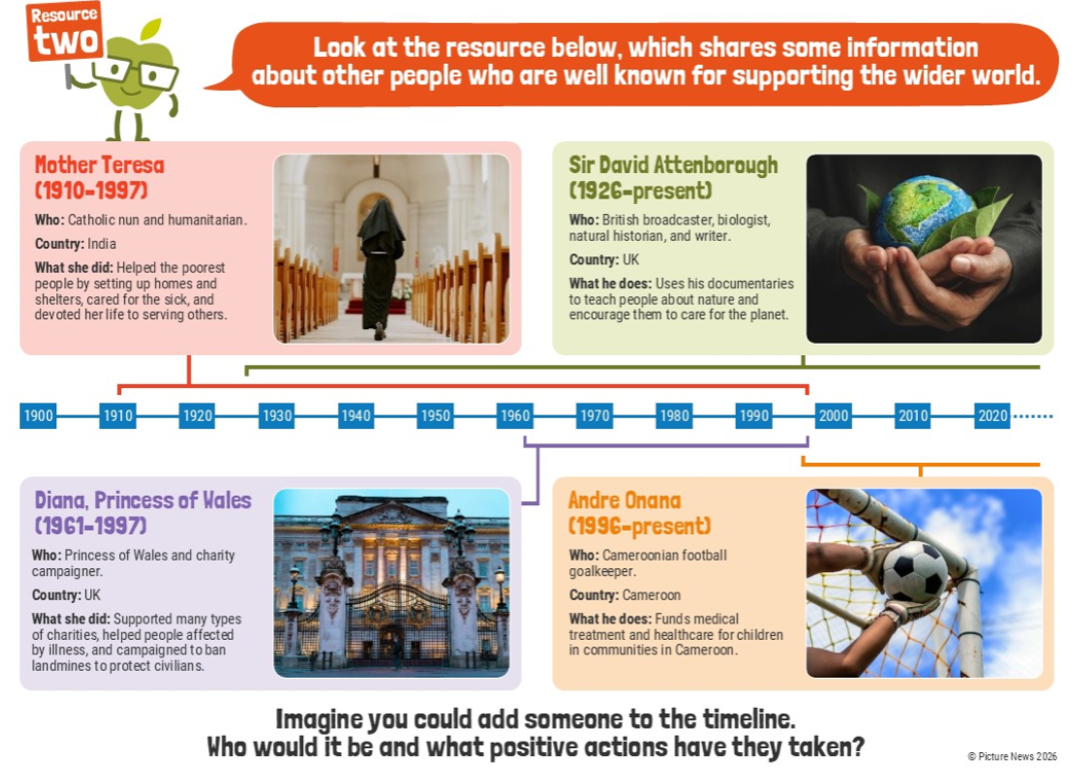
LC: Understand how the resources that are allocated affect individuals, communities and the environment.