



Wednesday 14th January

Grammar Warm Up
LC: to recognise when the apostrophe is needed to show possession
Take turns with your talk partner to read these sentences out loud.
Discuss the nouns with s on the end and what this shows.

Alice's cat is called Dinah.
The Mad Hatter's tea party was strange.
The hedgehogs were used as balls.
The animals could talk!
The gardeners' paint was red.
LC: To summarise main ideas drawn from one or more than one paragraph and identify key details to support this
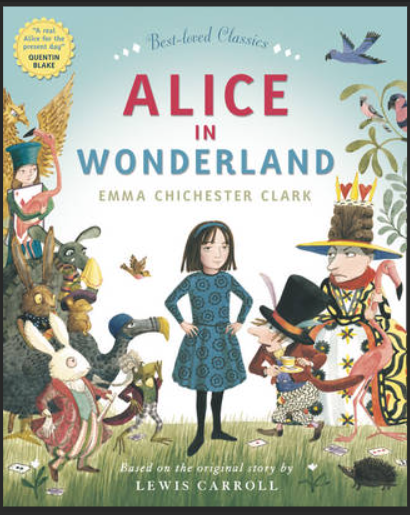
Emma Chichester Clark writes lots of texts for Year 5 and would like to produce a book containing further adventures of Alice. She has got a bit 'stuck' for ideas and has asked if we can help as she has heard that we are particularly creative thinkers.
 Discuss with your talk partner:
What are we going to write?
Who are we writing for? (audience)
Why are we writing? (purpose)
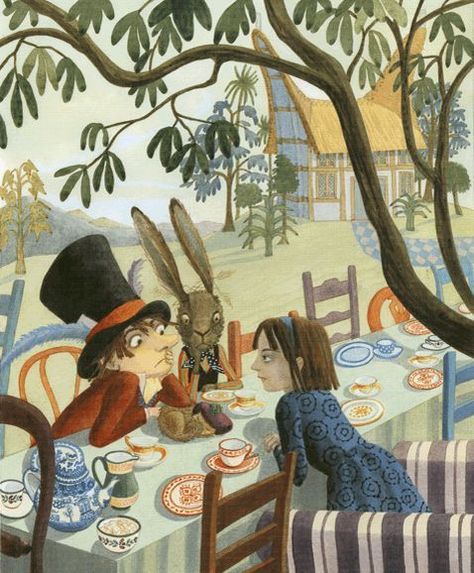
Look at the tea party scene on page 22.
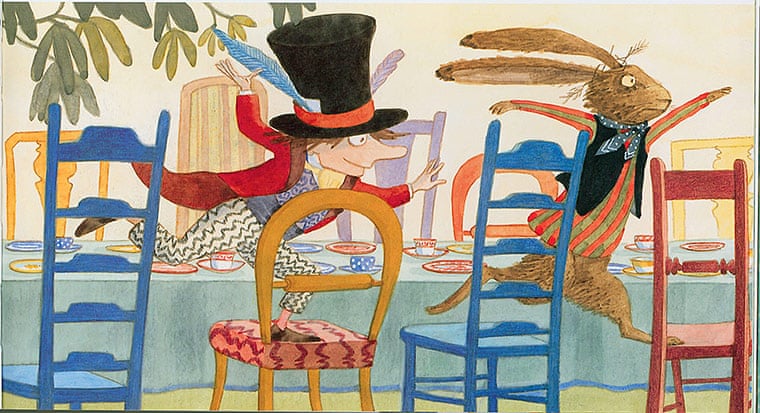
Let's look at the events in this scene and 'box up' the plot.

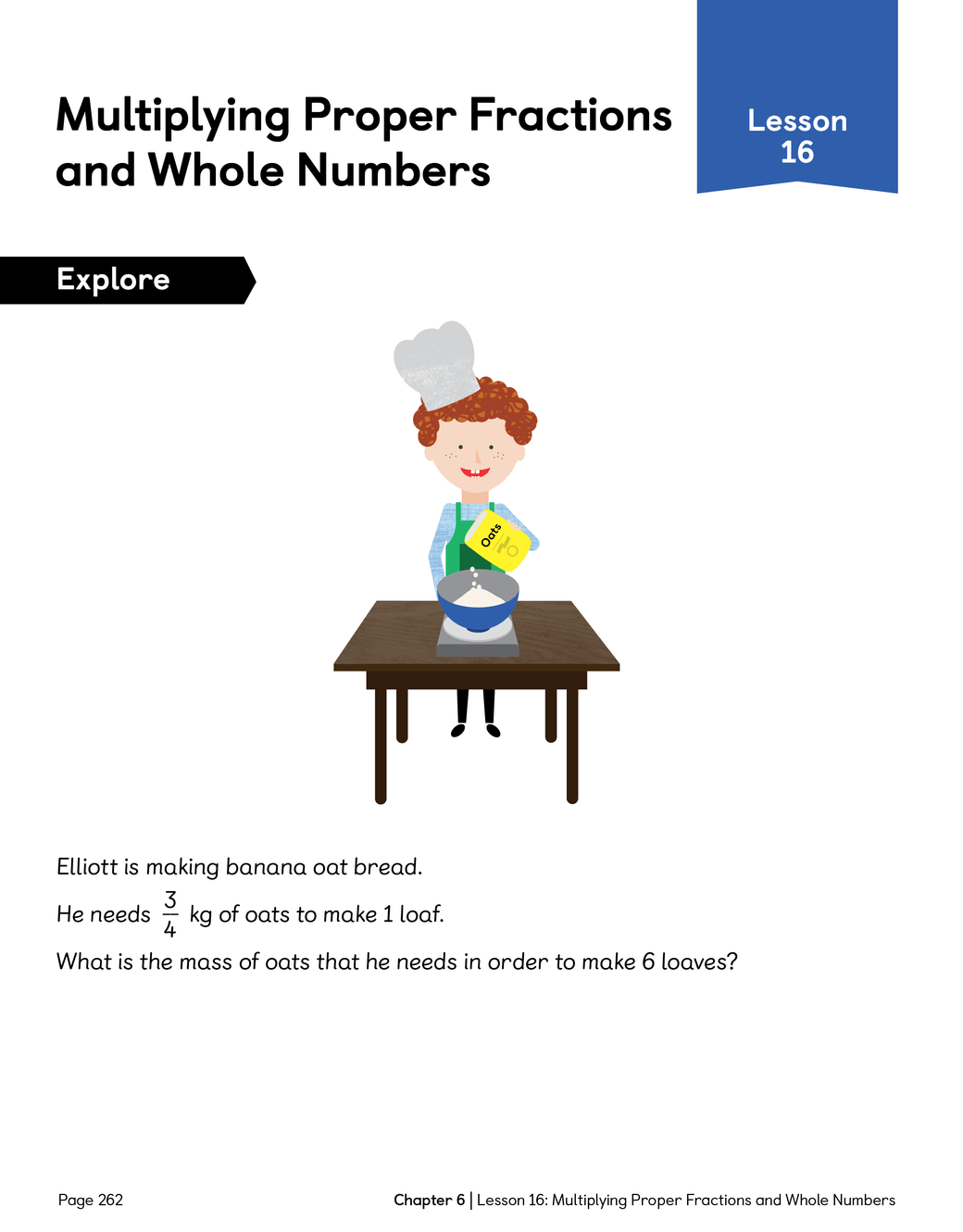
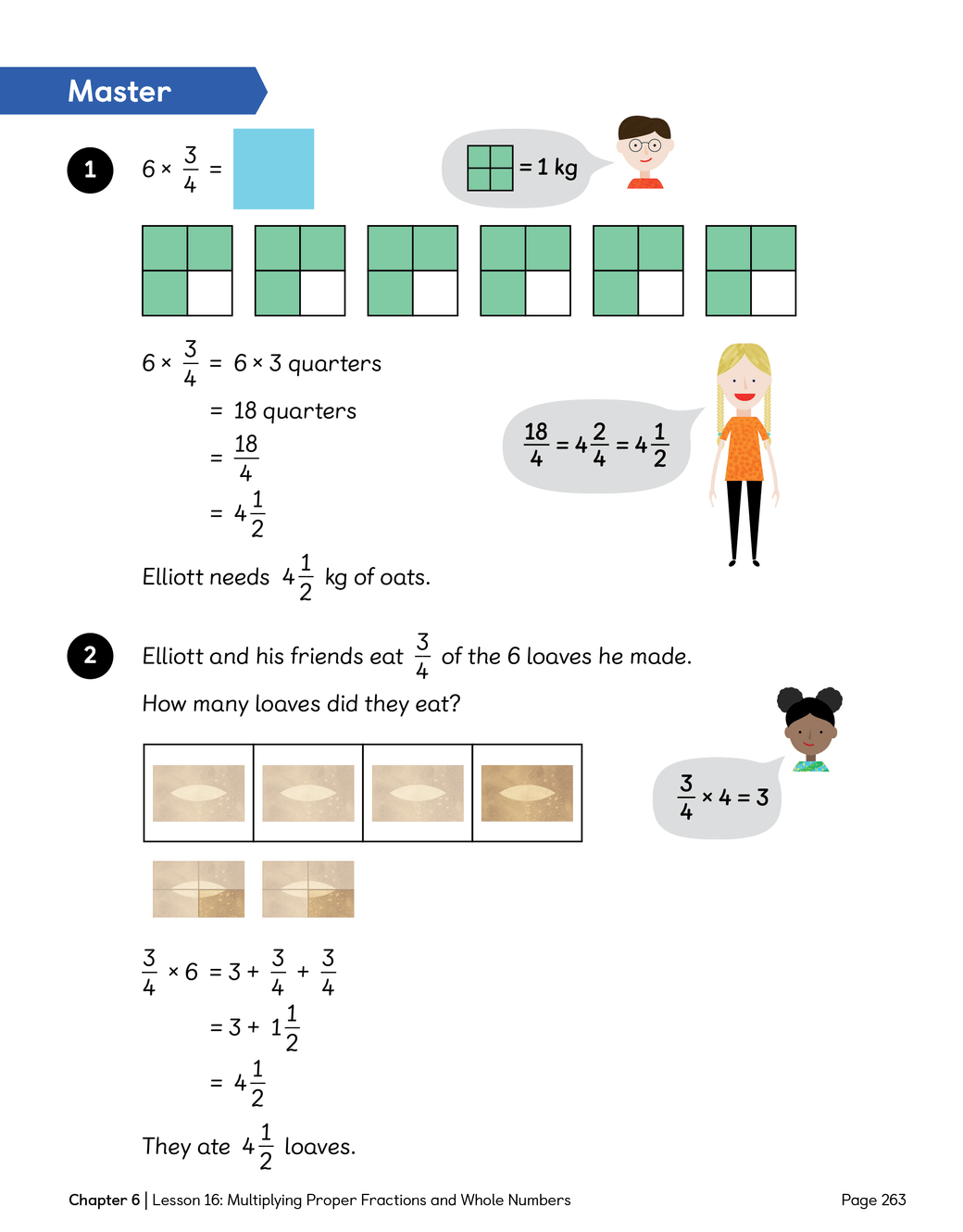
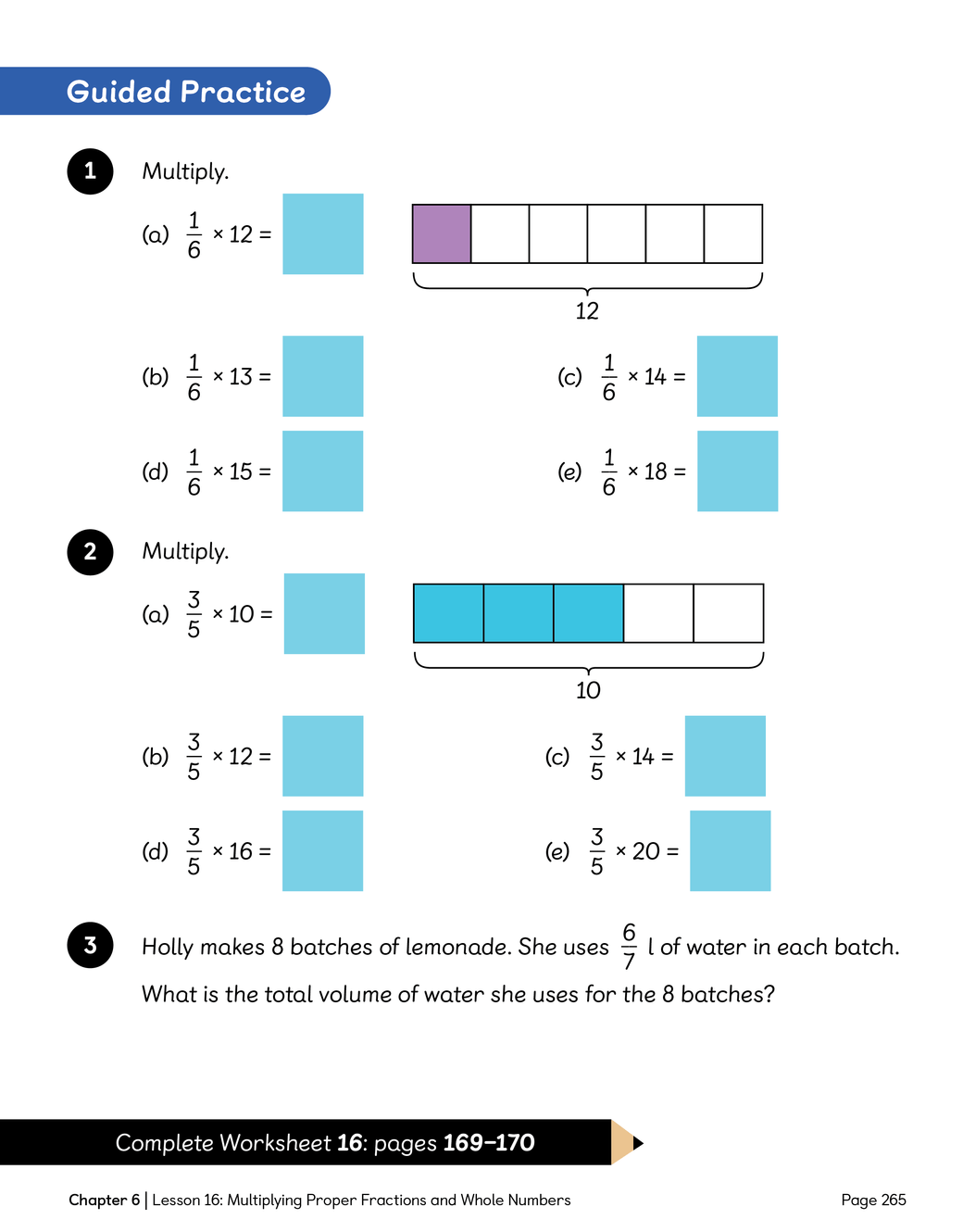
LC: To be able to multiply fractions by whole numbers, where the product is an improper fraction or mixed number.


LC: To understand what the Christian belief in Jesus as ‘fully human and fully divine’ mean? How might the stories of Jesus’ miracles reveal his divine nature and humanity to Christians?
“What does it mean to be human? What does it mean to be divine?” TTYP's
Humans feel emotions, get tired, can suffer; divine suggests being connected to God, having power beyond humans.
Christians believe Jesus is fully human (he got tired, felt sad, was hungry) and fully divine (he could perform miracles, forgive sins, teach with authority).
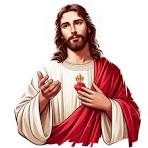
Which parts of the story show Jesus’ humanity? Which show his divinity?
-
Did Jesus feel compassion or concern? → Human
-
Did he control nature or heal miraculously? → Divine
Activity:
“I think the story of ________ shows Jesus is human because ________, and divine because ________.”