



Tuesday 13th January

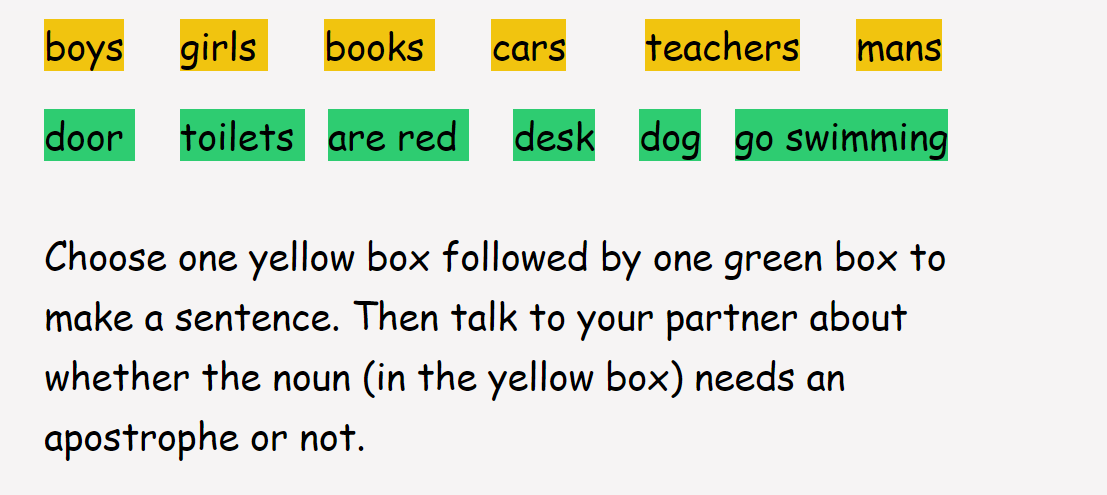
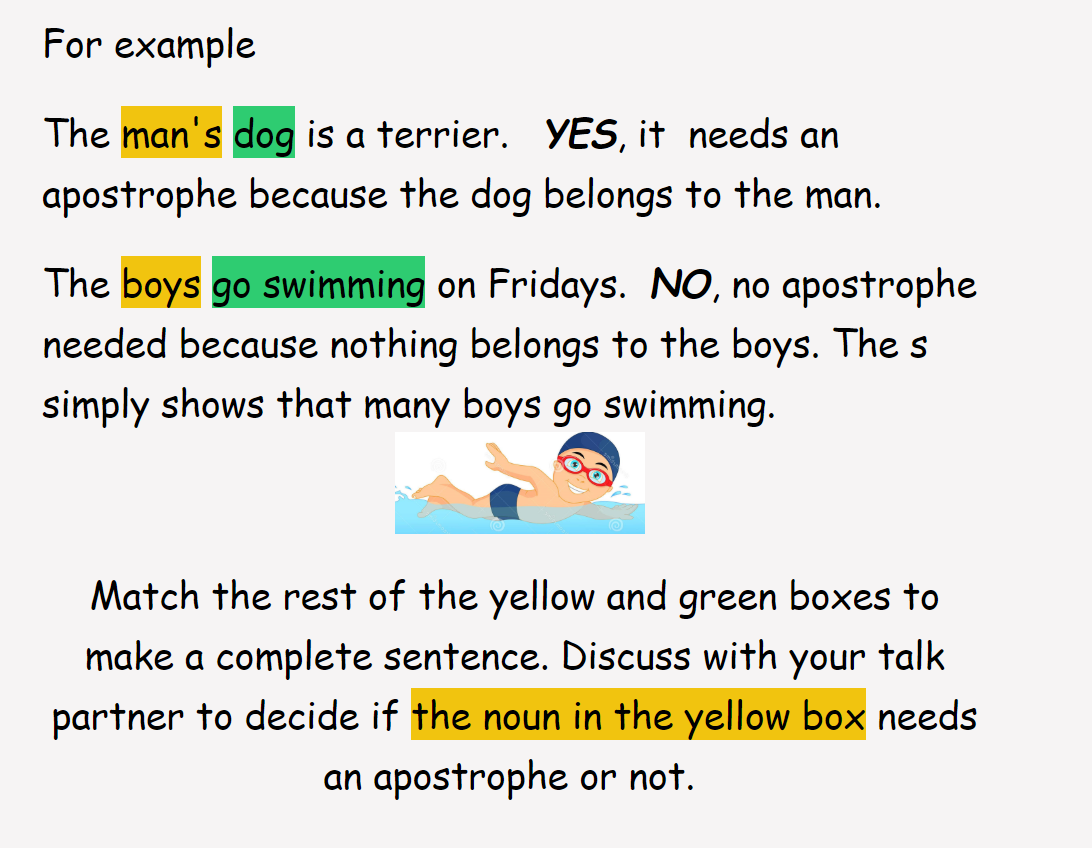
Grammar Warm Up
LC: to identify when apostrophe is needed to show belonging
LC: to infer characters' feelings, thoughts and motives from their actions and justify inferences with evidence
Can you name the characters?
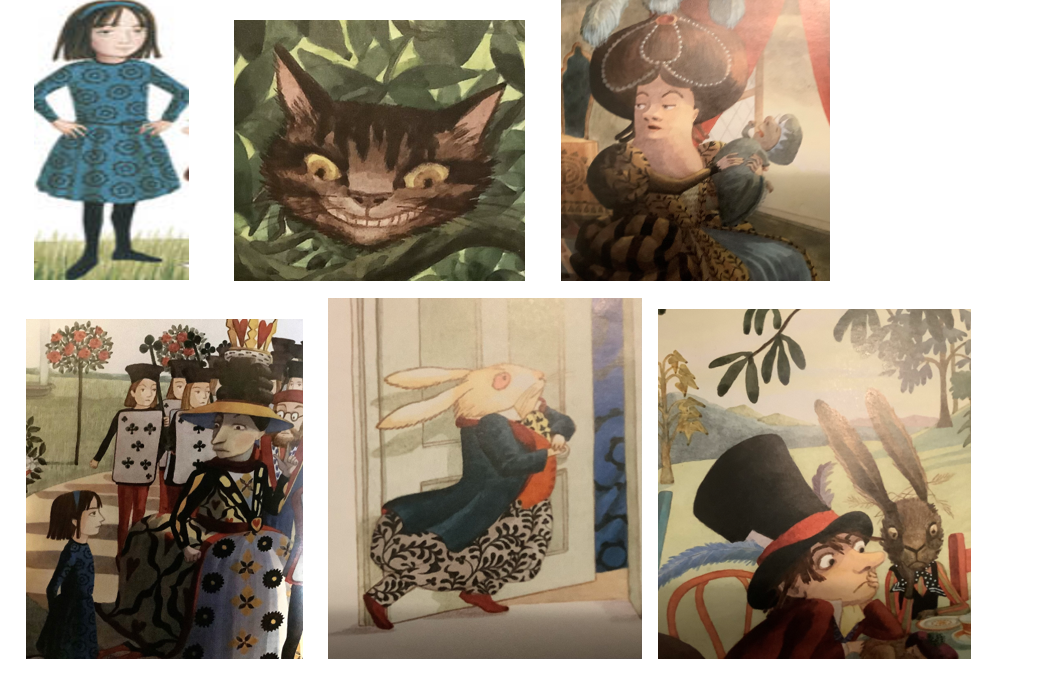
Let's think of adjectives to describe them.
Talk to your partner.
Which adjectives describe Alice? Why?

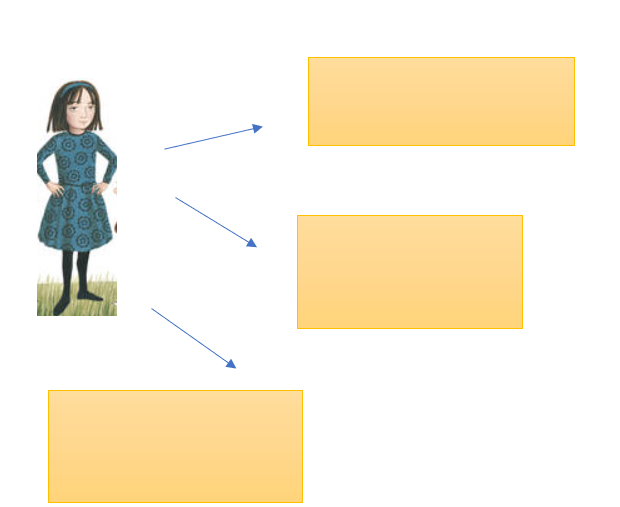
I would like to meet Alice because I think she is ....
Now go to Seesaw and complete the adjectives for the other characters.
Choose 2 that you would like to meet and explain why.
Maths Revision
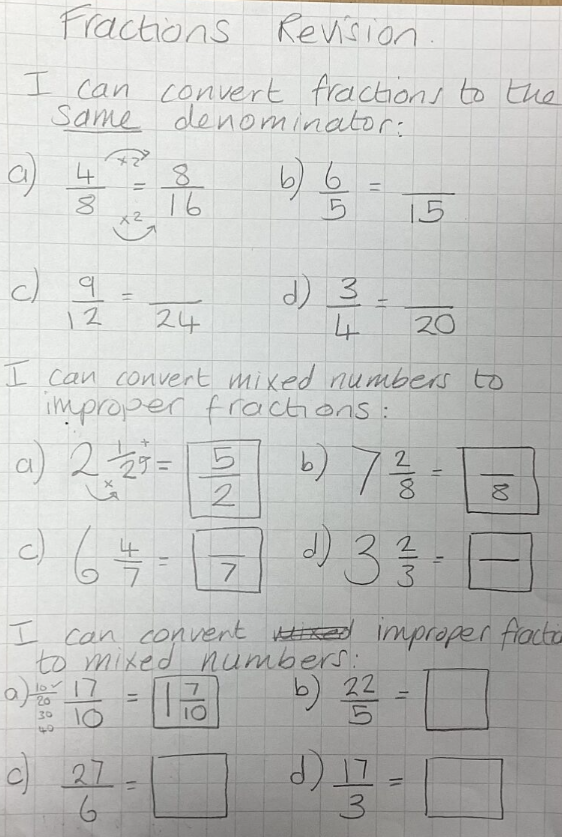
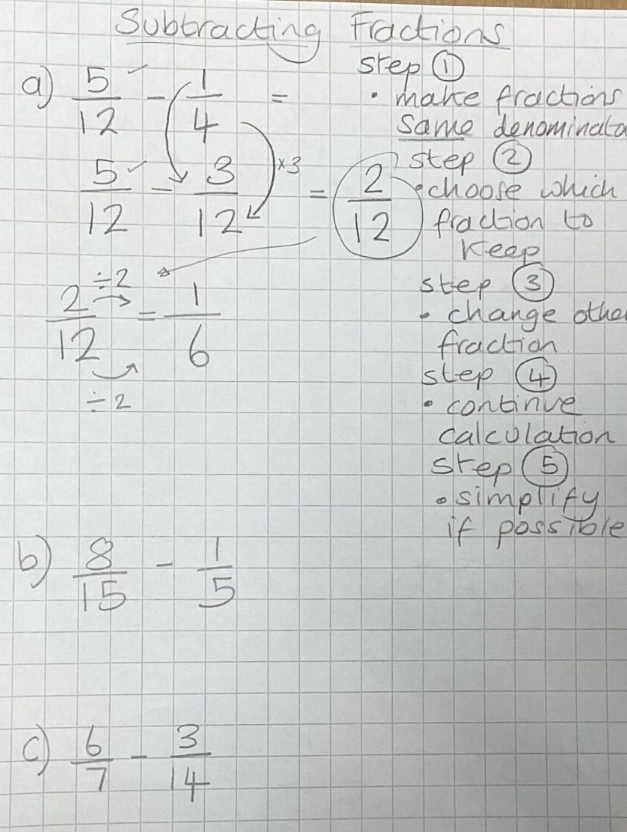
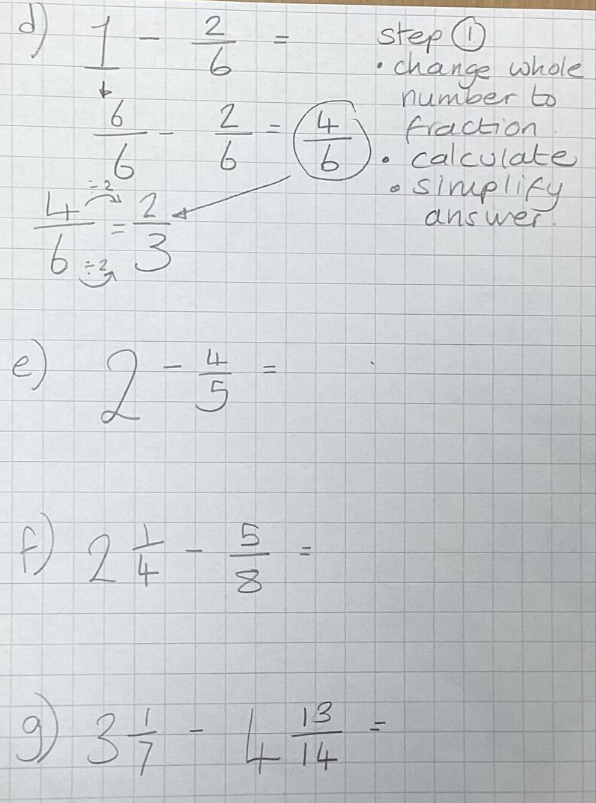
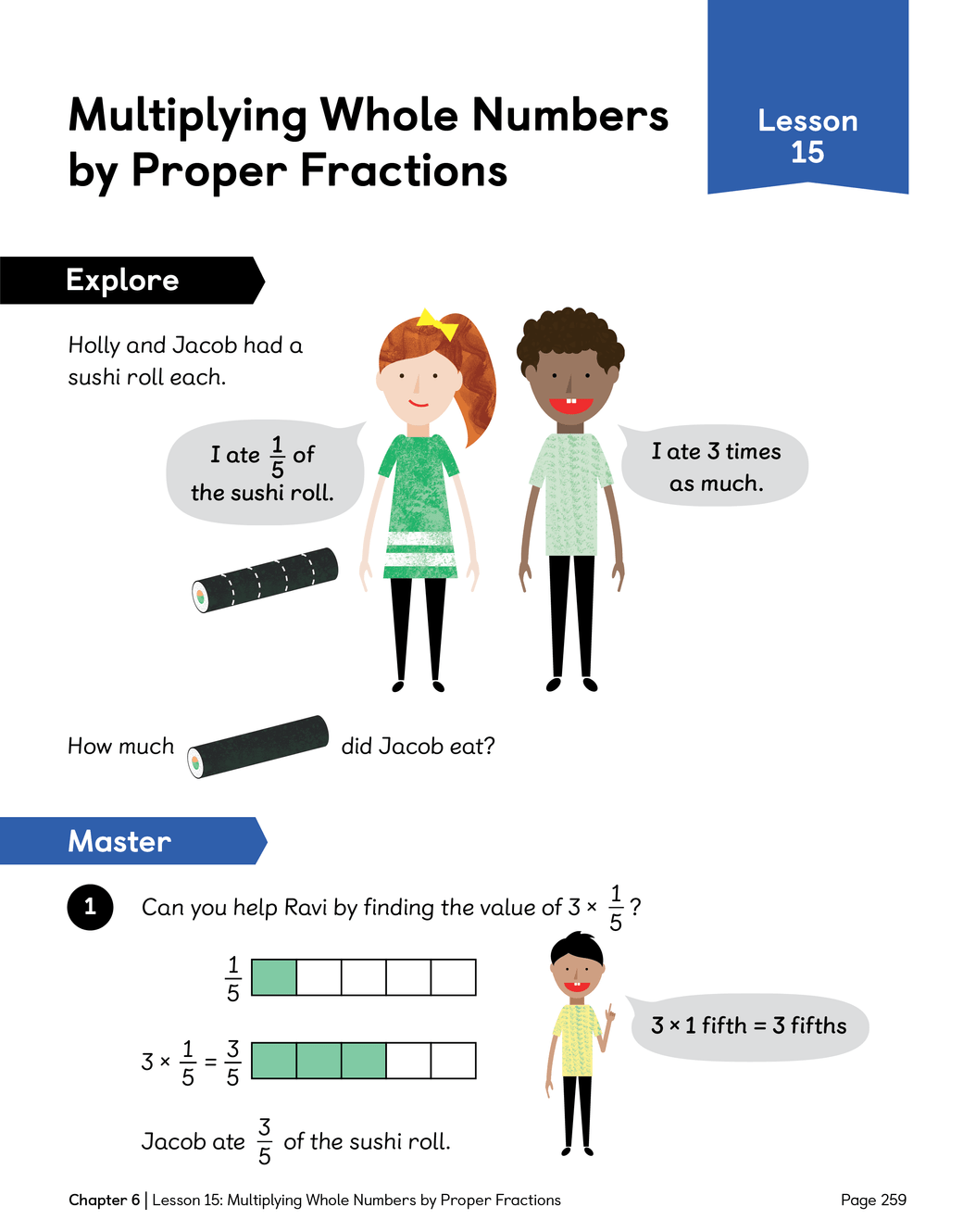
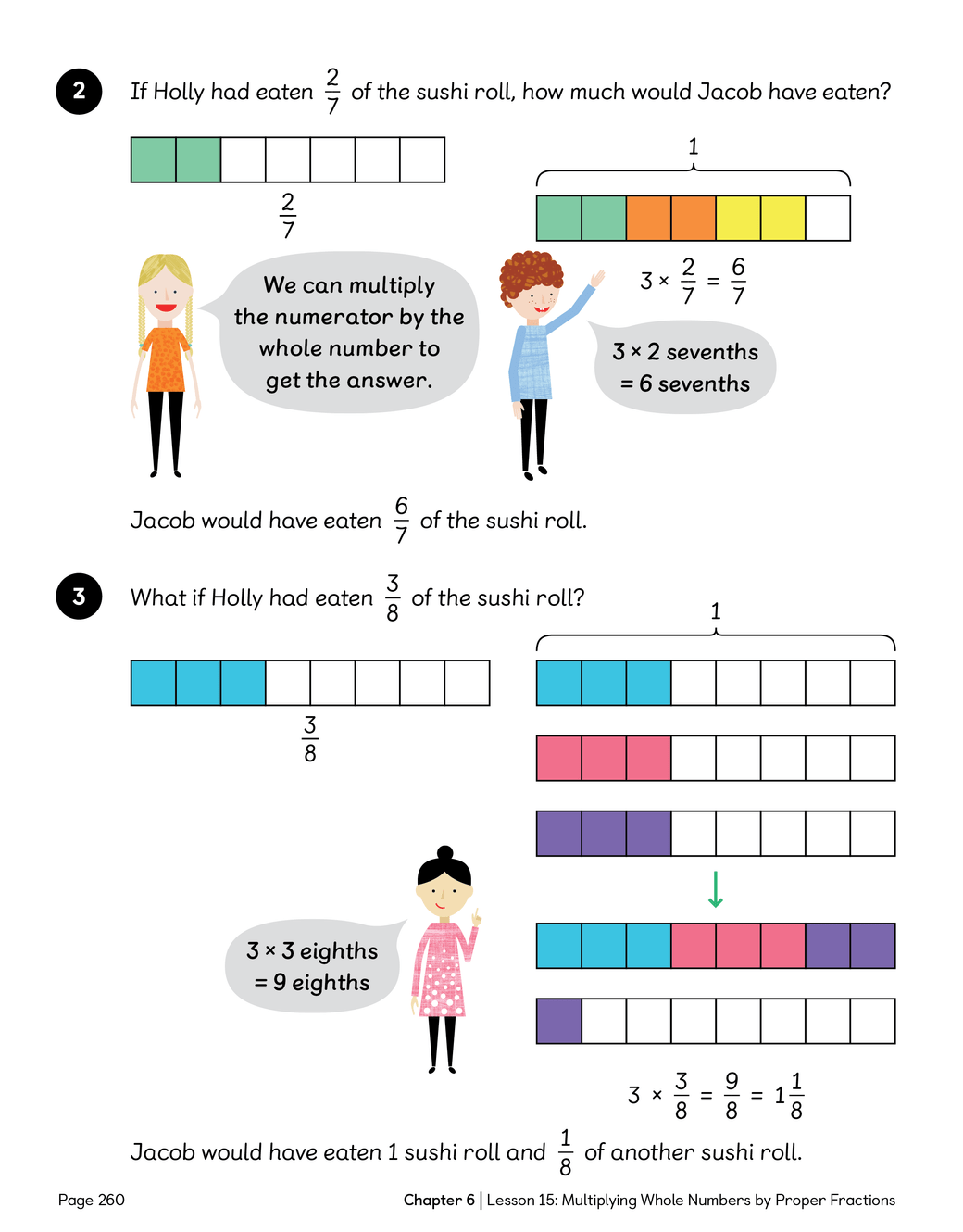
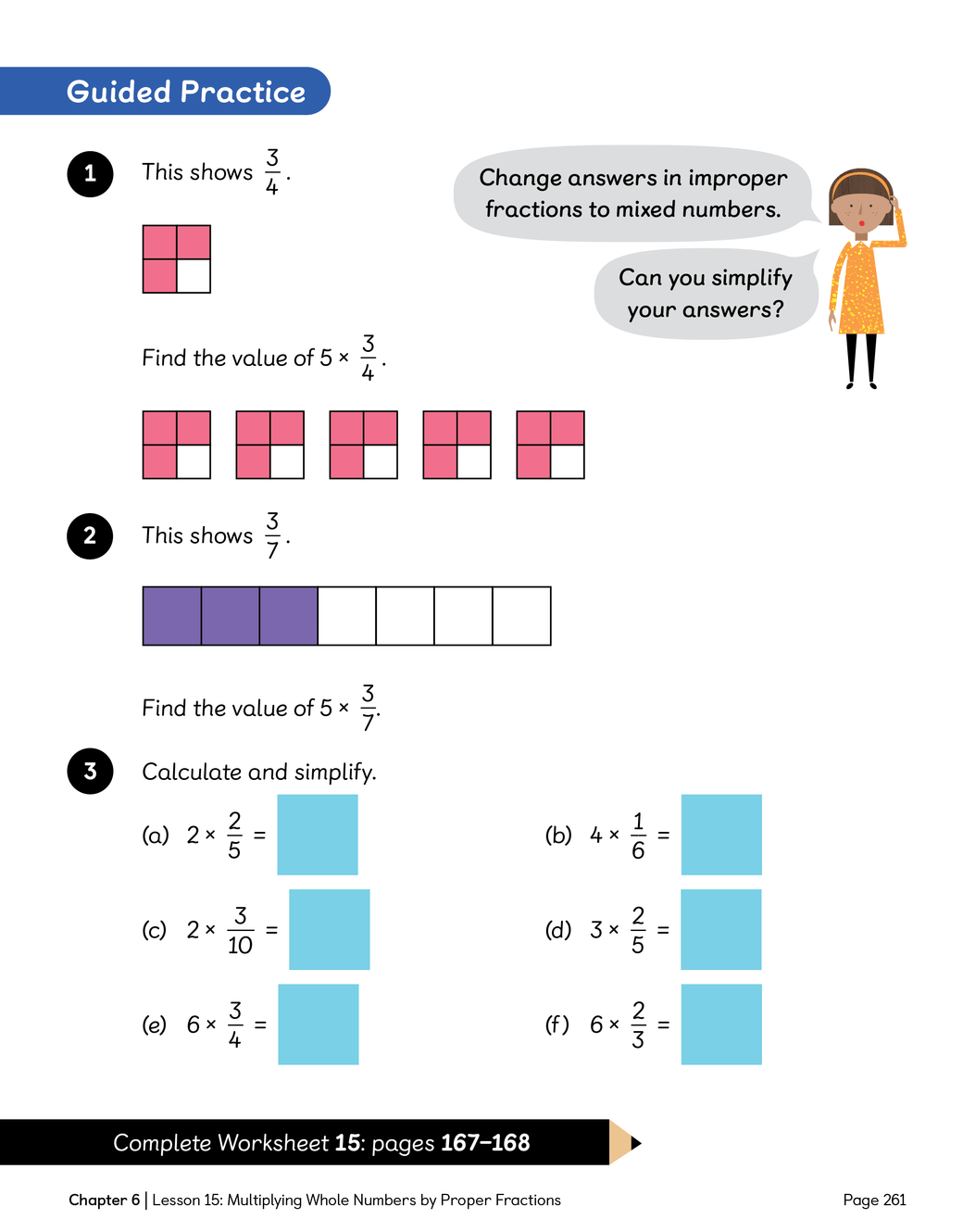
LC: To be able to multiply fractions by whole numbers creating other fractions, mixed numbers or improper fractions.


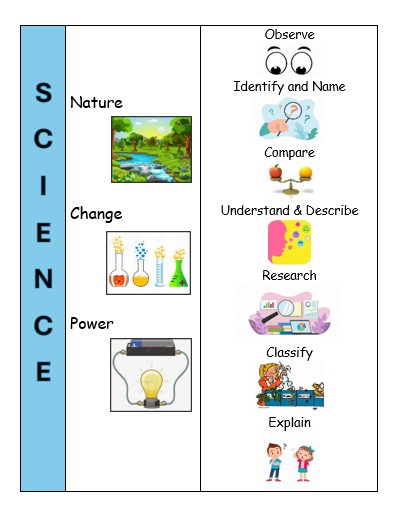
LC: To know and demonstrate how night and day are created.
Can we use our observational skills to describe how night and day are created?
Disciplinary concept - Researching using secondary sources.
Substantive concept - Making observations.
Watch the Video:
/i/video/Day_and_night_video.mp4
Working in your table groups, use a torch and a ball to show your understanding of how night and day are created.
You can record your model and upload it onto Seesaw.
Remember to explain clearly your Science knowledge of how night and day are created.
Key Vocabulary to use:
orbit
rotate
24 hours
facing away/towards
day/night
axis
tilted towards the Sun
tilted away from the Sun
Now watch the video and answer these questions on your Seesaw presentation.
Where does the sun rise and set?
How far away from the sun is the Earth?
What happens when the North Pole is tilted towards the sun?
Why are the 21st of June and the 21st of December significant dates in the UK?
What do people who live near the Equator experience with daylight?
LC: Using spelling journals for etymology.
Many of the words, or parts of words, in the English language have come from other languages, both ancient and modern.
Sometimes knowing where words have come from helps us to remember and understand their spelling. This study is called the ‘etymology’ of language and words.
For example of the word sign comes from the French 'signe' and the Latin 'signum', meaning ‘sign’.
Word: teleport
Language of origin:
☐ Greek ☐ Latin ☐ Other:
Break the word into parts: tele port
What do the parts mean? tele means far and port means to bring.
ACTIVITY- WORKSHEET