



Friday 16th January

LC: to identify features of narrative writing and to use these in my planning
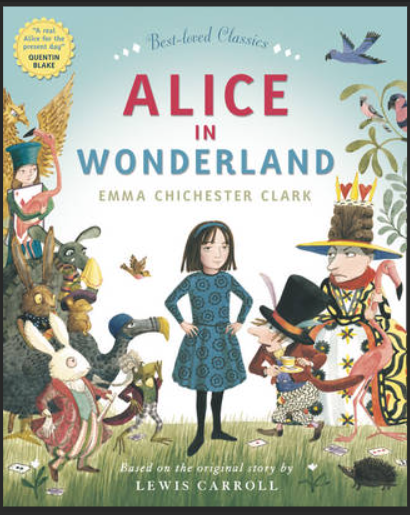
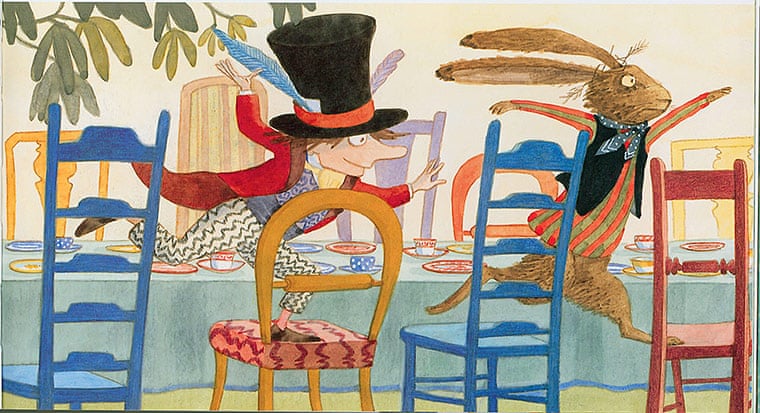
Let's reread the tea party scene to help us with our planning for the model write.
Let's create a toolkit to use in our narrative writing.

What features does this kind of writing have?
Discuss with your partner.

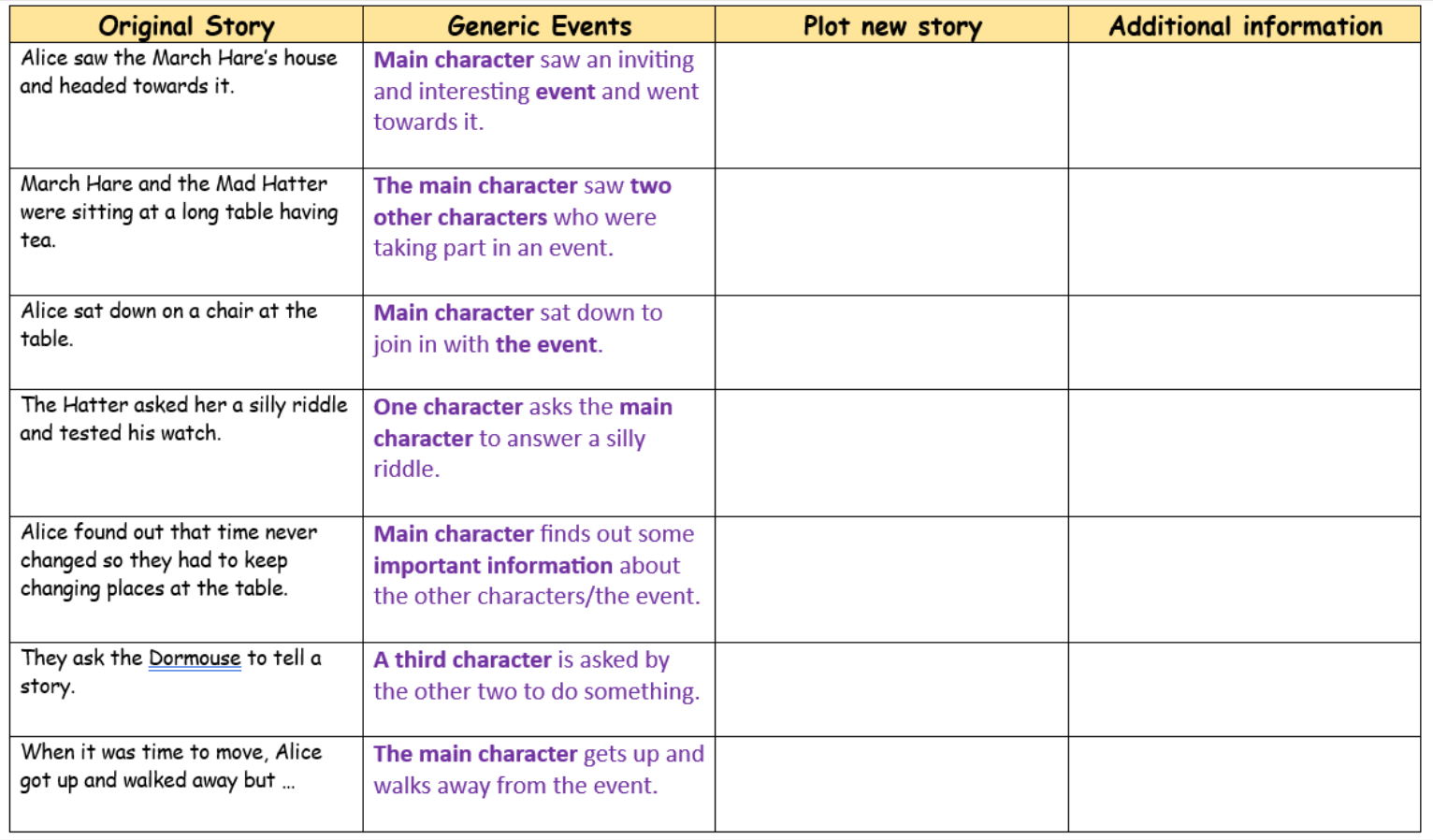
Now use the toolkit to complete the final column of your planning table.

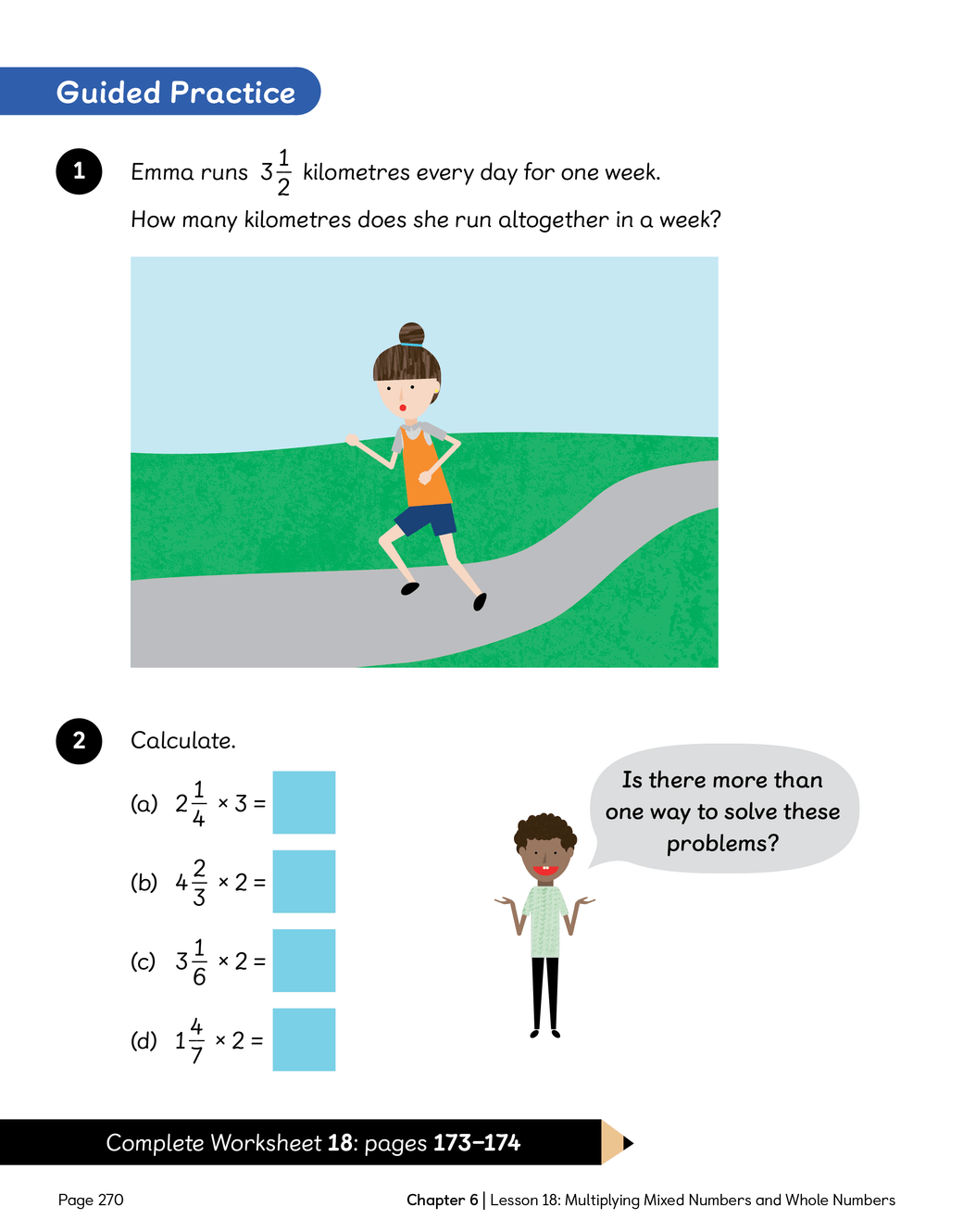
LC: To be able to multiply mixed numbers by whole numbers in multi-step word problems.


On Friday afternoon, Ayaan spotted a brand-new book display in the school library. One book had a shiny cover and a bookmark already tucked inside. Ayaan picked it up and read the blurb carefully. It was about a child exploring a hidden world. Although he wanted to borrow it straight away, he noticed a small sign that said Reference Only. Ayaan sighed, then placed the book back neatly on the shelf. As he walked away, he felt proud for doing the right thing.
R- What detail showed the book was new?
I- Why did Ayaan feel proud at the end of the story?
C- Which word best describes Ayaan: honest, careless, or impatient? Explain your choice.
LC: Evaluate how authors use figurative language, considering the impact on the reader.
Let's read this poem.
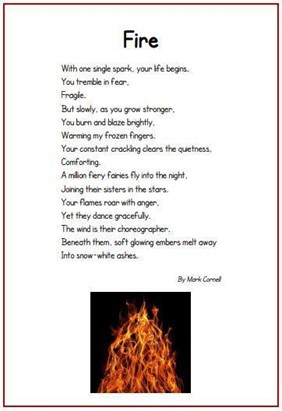
Activity: Identify all the metaphors and the impact they have on the reader e.g. power, description or interest.

LC: to understand Mayan life and their achievements
Take the Quiz to see what you remember about the ancient Mayans!
1. When did the Mayan civilisation begin?
a. 1500BC
b. 1400AD
c. 2000BC?
2. Which part of the world did they live in?
a. Europe
b. Africa
c. Central America?
3. The Mayans developed one of the earliest systems of
a. farming
b. writing
c. building?
4. The most powerful city in the Mayan world was the ancient city of
a. Tikan
b. Toucan
c. Tikal?
5. The Mayan cities were ruled by
a. a priest
b. Kings and Queens
c. The people?
6. The more important people in the Mayan community could be recognised by the size of their
a. crown
b. house
c. headdress
7. Their most important food was
a. maize
b. meat
c. fish?
8. The Mayan civilisation was destroyed in 1600AD because of
a. a giant flood
b. a Spanish invasion
c. a massive earthquake?
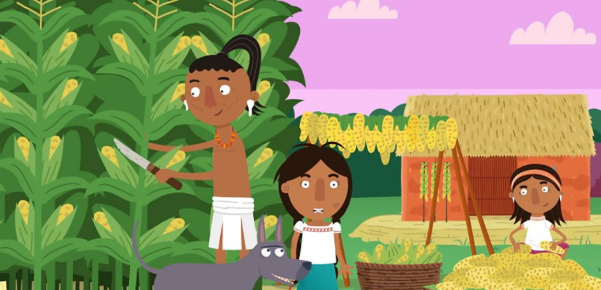
Click on the link to learn more about the importance of Mayan farming.
Make notes on your whiteboard or Notes app as your listen to the video.

Now, go to Seesaw and answer the questions on Mayan Farming.