



Thursday 27th November
LC: to use knowledge of planning to effectively plan a first person narrative
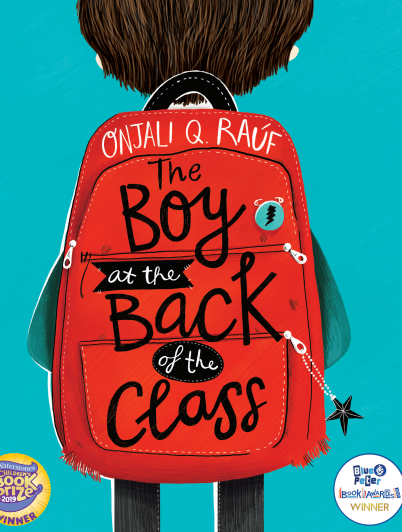
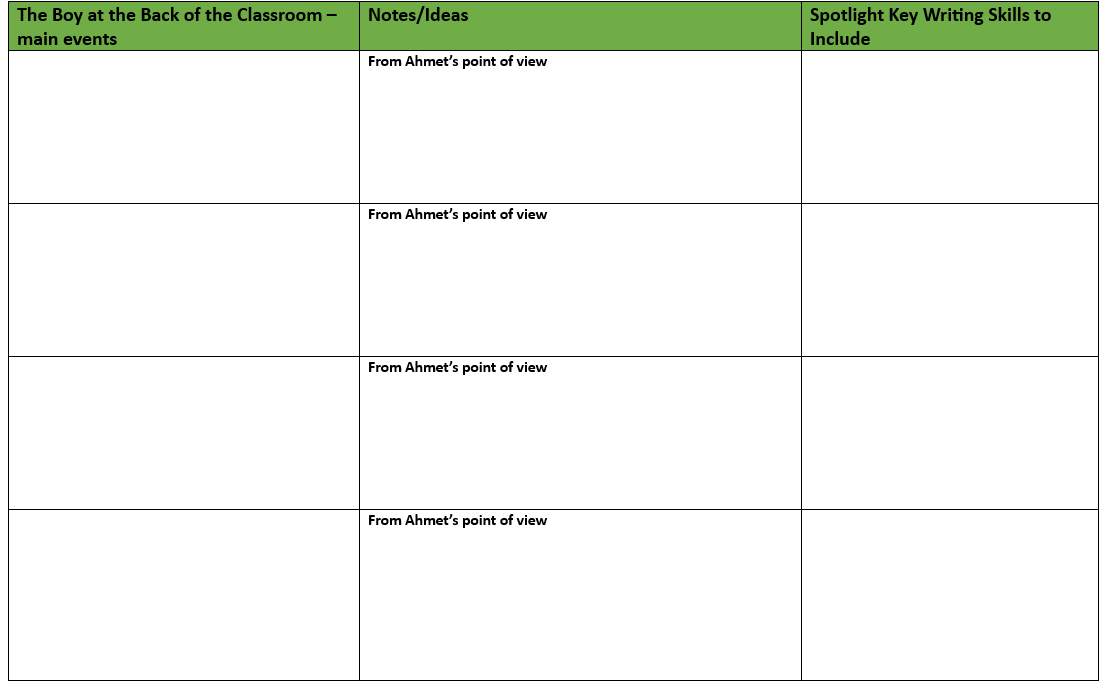
Plan for your independent write today.
We have completed sections 1 and 2.
Today, you will complete sections 3 and 4 with notes from Ahmet's point of view.
Look back at the model and the toolkit to remind you what
language features you need to include to make
your writing interesting to the reader.
27/11/25
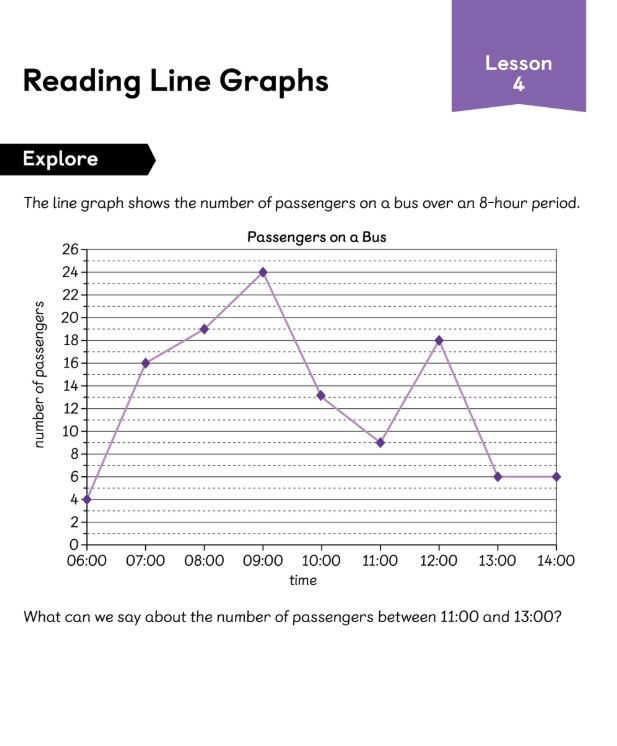
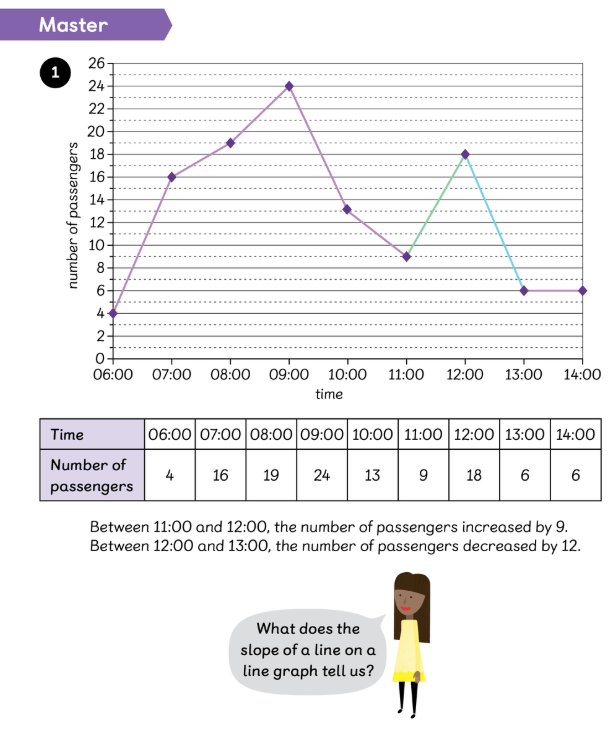
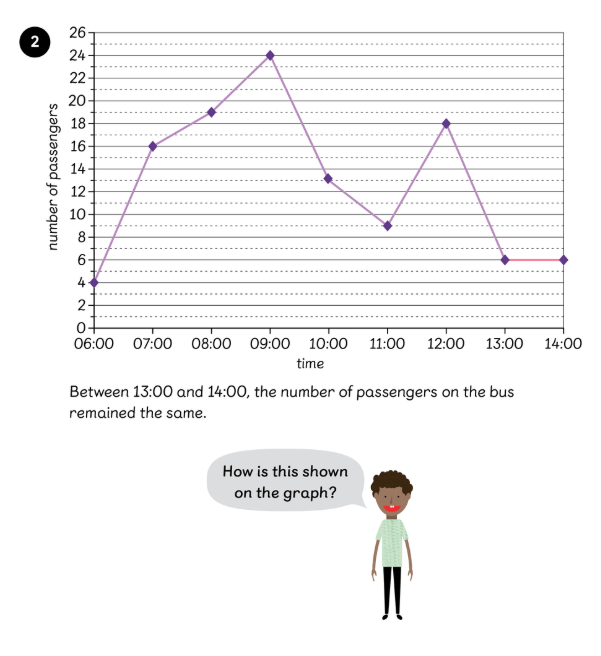
LC: To read and interpret information provided in a line graph, where a single line represents the data.




LC: To join and combine sheet materials to form an appropriate purpose, design, and outcome.
You are going to use glue today to join your glider pieces together.
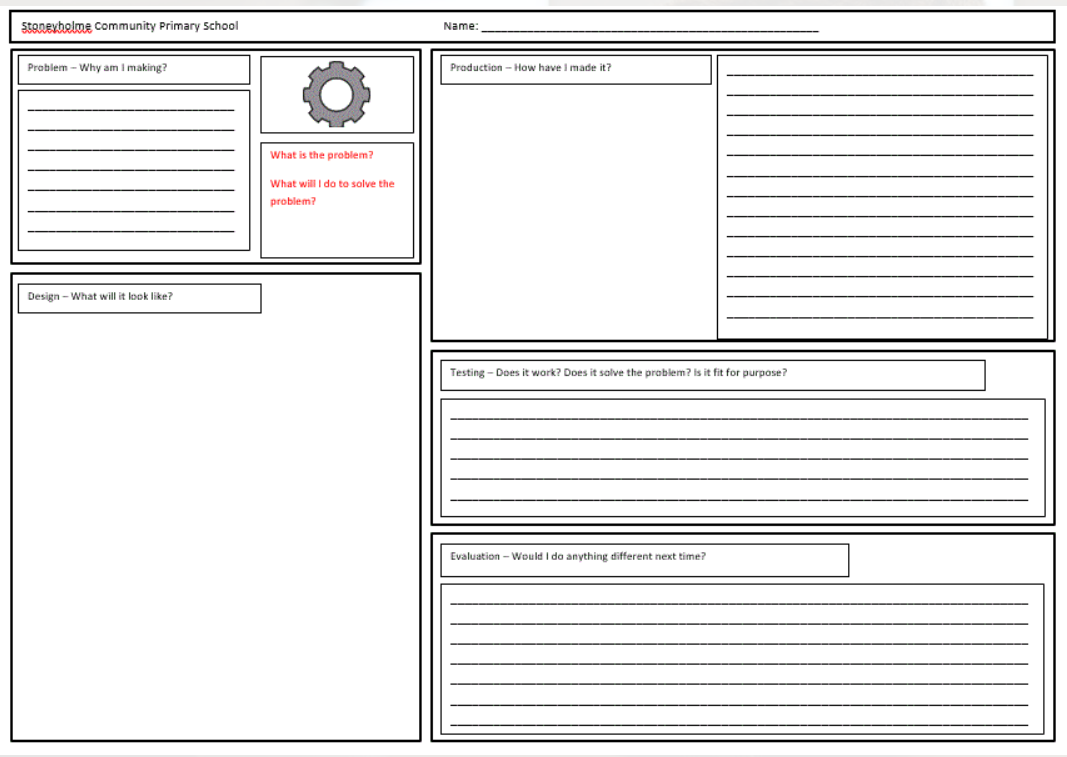
As you are waiting for your turn with the glue gun, complete the first box of the planning sheet: Problem - Why am I making?
- what do we want the glider to do?
- what shape should it be so that it meets little air resistance?
Then draw your glider in the Design - what will it look like? box
RIC
Lena found a small silver key while she was digging in the school garden. It was old and slightly rusty, but it shone brightly in the sunlight. She turned it over in her hand and noticed tiny letters carved into the side.
“Property of Maplewood Library.”
Lena frowned. The library hadn’t used keys in years—everything was electronic now.
She wondered what the key opened… and whether she should return it or investigate on her own.
R- What did Lena find in the garden?
I- Why is Lena confused about the key belonging to the library?
C- Why do you think the author described the key as “shining” and “rusty”?
Main
LC: To draw inferences from a text.
Read poem:
From a Railway Carriage by Robert Louis Stevenson
Faster than fairies, faster than witches,
Bridges and houses, hedges and ditches;
And charging along like troops in a battle,
All through the meadows the horses and cattle:
All of the sights of the hill and the plain
Fly as thick as driving rain;
And ever again, in the wink of an eye,
Painted stations whistle by.
Here is a child who clambers and scrambles,
All by himself and gathering brambles;
Here is a tramp who stands and gazes;
And there is the green for stringing the daisies!
Here is a cart run away in the road
Lumping along with man and load;
And here is a mill and there is a river:
Each a glimpse and gone for ever!
Model/shared:
Why might the author have chosen fairies and witches to compare the train’s speed to?
ACTIVITY:
1. Children work through the remainder independently:
2. Why do the stations ‘whistle by’?
3. ‘Each a glimpse and gone forever!’ Are these things gone forever? What do you think the poet mean?
Write down what this poem is about using only one sentence.
RIC
At the edge of Willow Forest stood a huge boulder shaped almost like a giant’s face. Most villagers believed it was just a strange rock formation, but Tom wasn’t convinced. Every morning when he passed it on his walk to school, he noticed something different—an eye slightly open, a shift in the “mouth,” or a new crack in the stone.
One day, he thought he saw the giant breathe.
R- What shape does the boulder resemble?
I- What clues does the author give to make the boulder seem alive?
C- How does the final line create suspense?
Main
LC: To prepare a poem to read aloud.
ACTIVITY: Children work in pairs to rehearse the poem for performance (choose how – e.g. alternate lines, 1 verse each or something different?)
Record on your iPads.