

-
Friday 24th April 2026


RIC
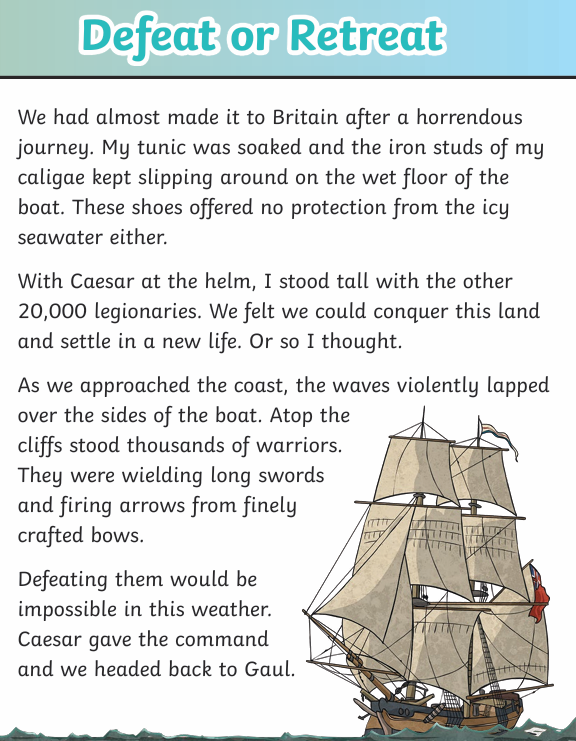
R: Who was at the helm?
I: Why do you think Caesar made the decision to retreat? Explain your answer.C: Find two words or phrases which tell you that the journey was unpleasant.
Friday 24th April 2026
LC: To construct images in our minds while reading
“What happens in your mind when I say: a giant, hairy spider?”
“When we read, we make pictures in our minds. This helps us understand the text better.”
Teacher Model:
The dark forest was cold and quiet. Tall trees blocked the light. Leaves crunched under your feet as an owl hooted above.
- What did you see in your mind?
- What did it look like?
“Good readers use the words to build a picture in their mind.”
Guided Practice
A small wooden boat rocked gently on the bright blue sea. The sun shone, and seagulls flew overhead.
Partner Talk:
“What can you see in your mind?”
Give sentence stems:
- “I can see…”
- “I imagine…”
“Which words helped you picture that?”
Independent Task
Read:
The old castle stood on a hill. Its broken windows looked like dark eyes. The wind howled through the empty rooms.
Task:
- Draw what you imagine
- Write 1–2 sentences:
- “I can see…”
- “The words that helped me were…”
Adapted Group 1:
“I can see a __________ castle.”
“It looks __________.”Word bank:
- old
- dark
- broken
- windy
Adapted Group 2:
A big castle is on a hill. It is dark and windy.
Task:
- Draw the castle
- Point and say:
- “Big castle”
- “Dark”
- Write the words around the castle

Grammar Warmup
Improve
"oh... Uhhh he spluttered. I was just getting up, lad!"
With you in a jiffy ...he called to Gromit as he fell.
The lady introduced herself to Wallace "My name's Piella Piella Bakewell, she said.
What dyou think, gromit" asked wallace with a mouthful of mash.
Friday 24th April 2026
Compare the plot structure of poems and stories.
Stories with issues and dilemmas.
Think back to our creating interest phase when we looked a three different poems. Can we summarise each of the poems? we can use our learning wall to help us.
What was the issue or dilemma and was it solved? How? By who?
What's happened to Lulu?
I did a bad thing once.
Please Mrs Butler
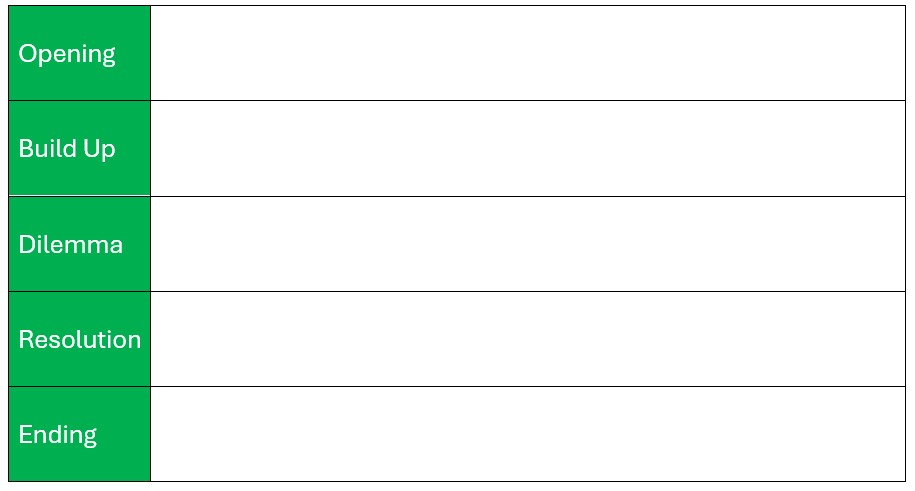
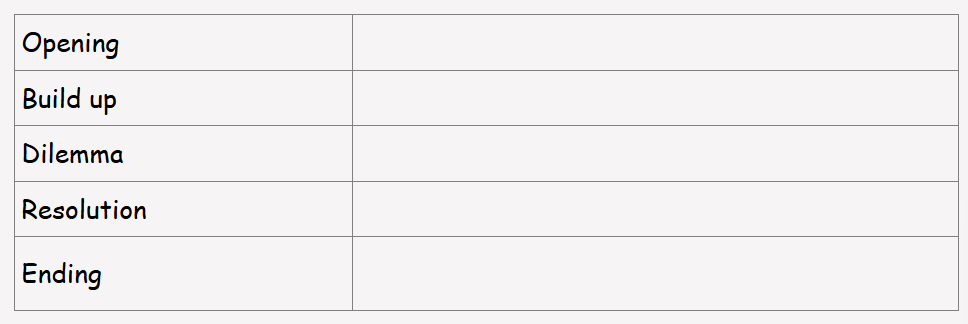
What is the basic plot structure of the Matter of Loaf and Death story that could be used to create any other story with an issue or a dilemma?
 Your turn
In your book, write the specific plot of A matter of Loaf and Death, using the basic plot structure to guide you.
Adapted
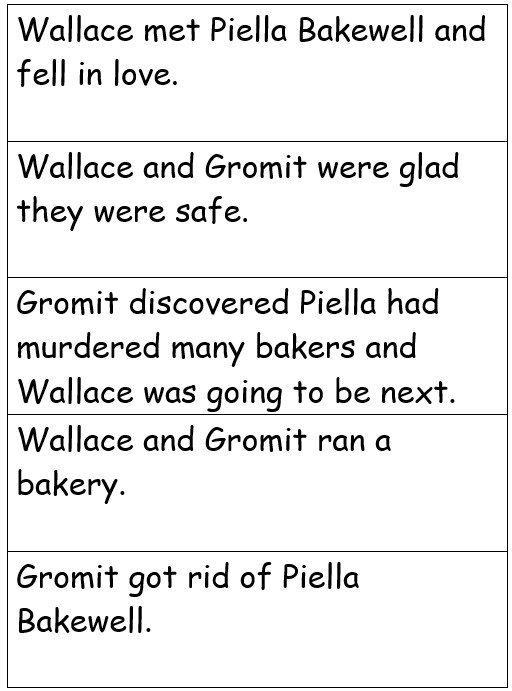
Read these sentences with your teacher, then put them in the order that they happened in our story.
Review
Alphabet Scramble
Write these words in alphabetical order.
possible busy natural business therefore possess ordinary breadth opposite strength
Write each word three times to help your brain and your hand remember the spelling.
Use the Sticky Word Strategy
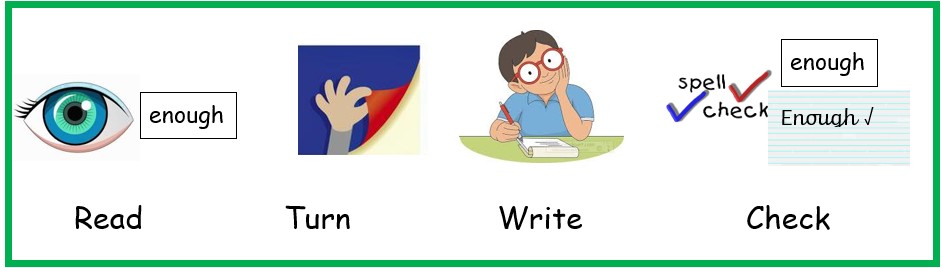 to practise the words below.
possess ordinary strength
Learning
Find these words in your dictionary.
increase extreme island guard guide recent remember favourite interest breathe different
Practise and Apply
Now you know the meaning of the words, say then write a sentence for each of them.
Remember to construct sentences that demonstrate you really understand the meanings, don't just write definitions.
24.04.26
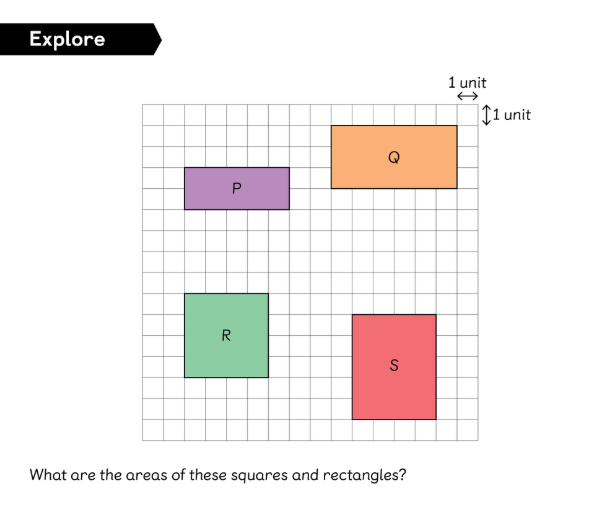
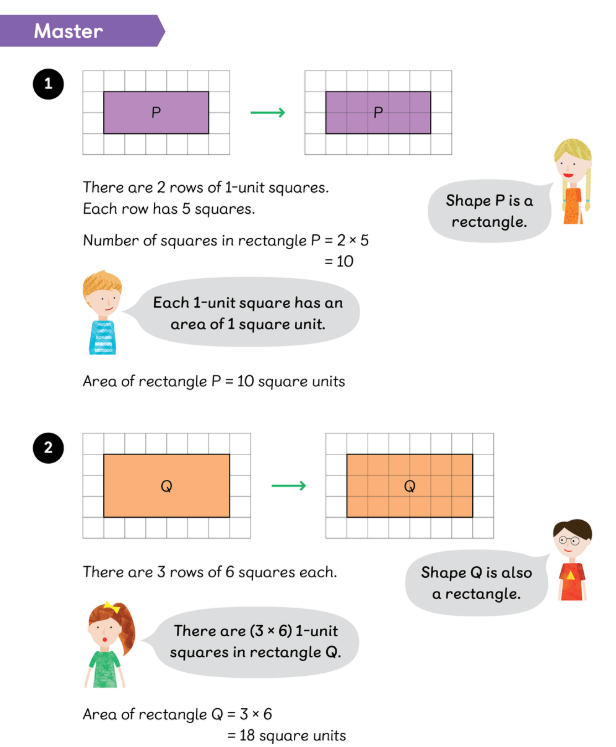
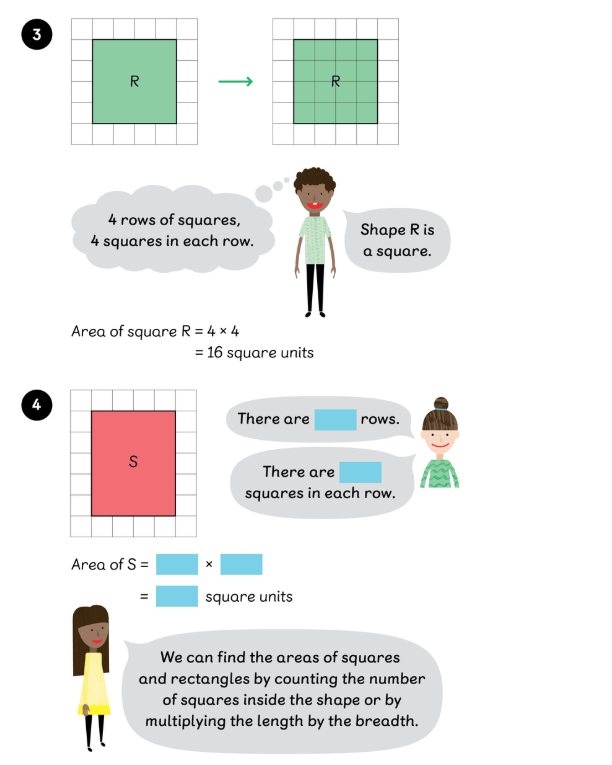
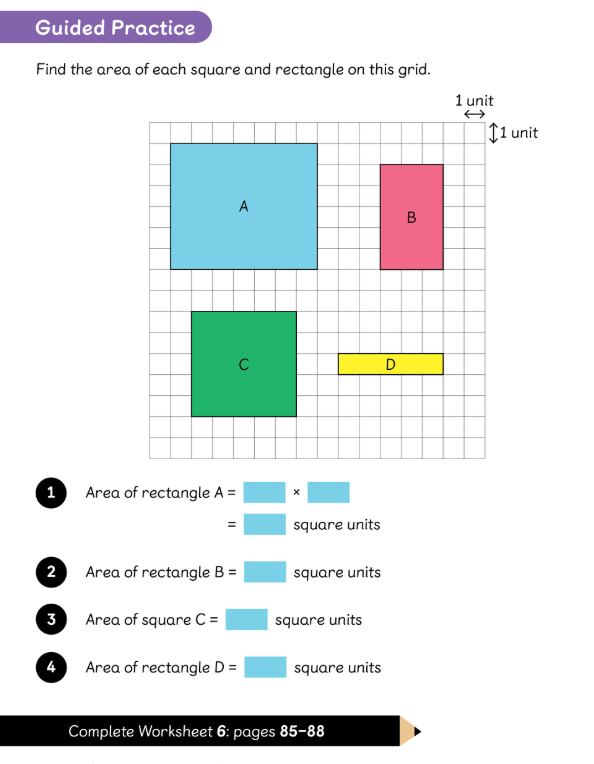
LC: To be able to find the area of rectangles by using multiplication.
Adapted Group 2
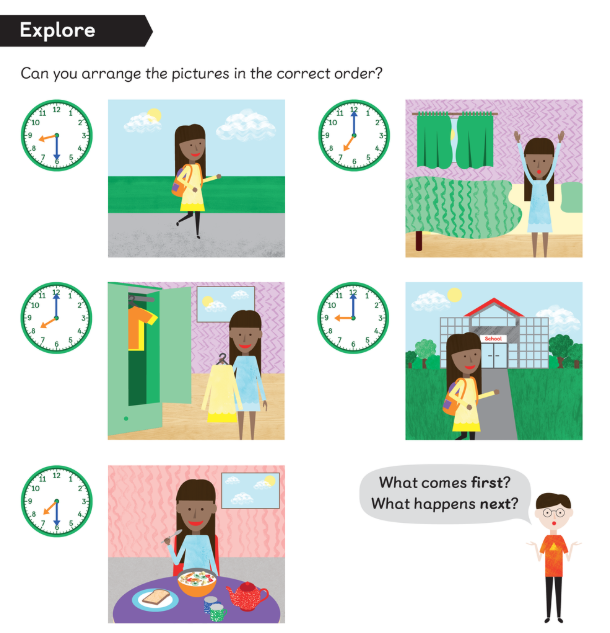
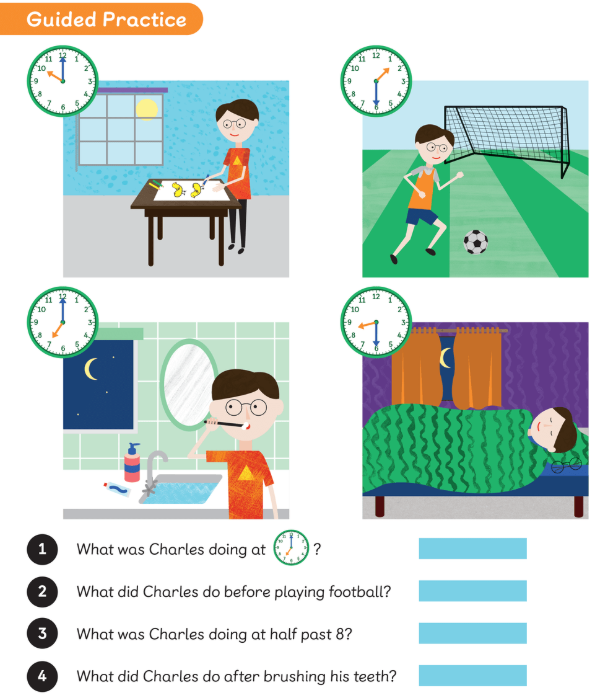
LC: ordering events.
Friday 24th April 2026
LC: To understand why Sikhs believe it is important to treat all people as equals.
- “What does it mean to treat someone equally?”
- “Can you think of times when people are treated unfairly?”
Write key ideas on the board: fair, respect, no discrimination, kindness
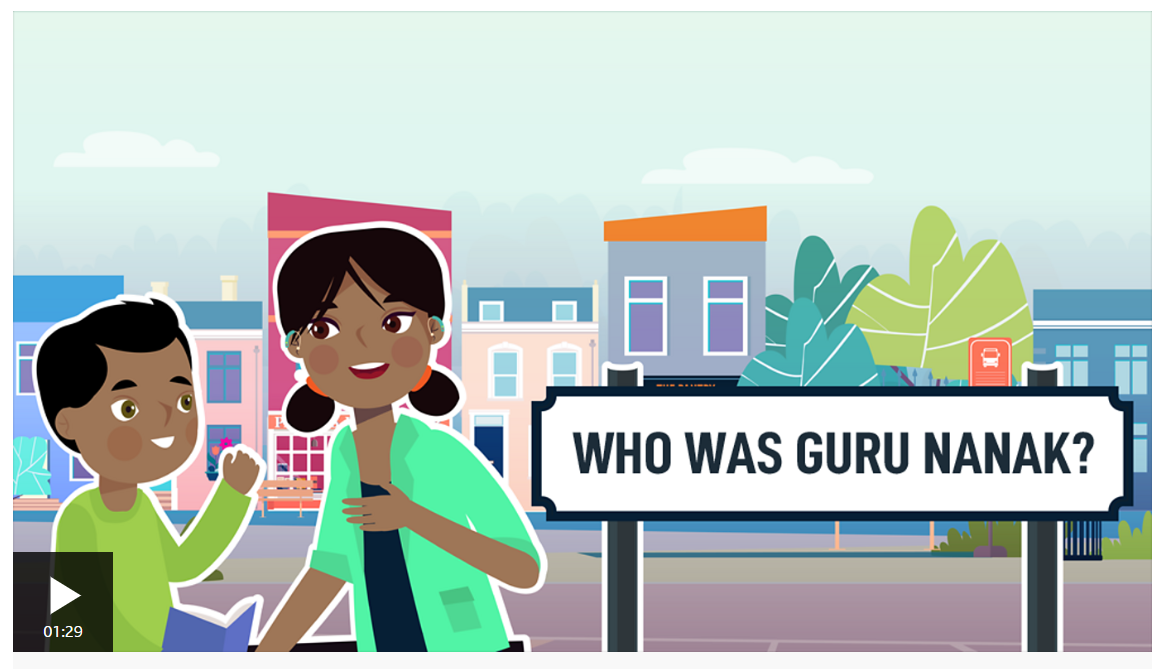
The Story of Guru Nanak
Guru Nanak is the founder of Sikhism.
Guru Nanak lived in India over 500 years ago. At that time, society was divided. Some people were treated as more important than others because of their job, family, or religion.
One day, Guru Nanak went to a river and disappeared while bathing. People thought he had drowned, but after three days he returned. When he came back, he said something very important:
“There is no Hindu, there is no Muslim. All humans are equal.”
He taught that everyone is equal in God’s eyes, no matter their background.
Key Sikh Teaching
Sikhs believe:
- All people are equal
- No one is better because of their race, gender, or job
- Everyone should be treated with respect and kindness
This belief comes from Guru Nanak’s teachings.
Sorting activity
statements to sort into:
- “Equal treatment”
- “Unequal treatment”
Examples:
- Not listening to quieter children
Sharing food with everyone
Taking all the equipment so others can’t use it
Helping someone who is left out
Saying only some children can sit together
Letting everyone join the game
Choosing friends to share with and ignoring others
Treating all classmates with respect
Not letting someone play because they are different
Taking turns so everyone has a chance
Inviting everyone to play at break time
Giving more food to some children than others
Not judging someone because of how they look
Including everyone in group work
Laughing at someone for their ideas
Stopping someone from joining because they are new
Listening to everyone’s ideas
Ignoring someone when they try to join in
Sharing classroom equipment fairly
Only letting some children join a game -
Adapted
- Not listening to some children
- Sharing food with everyone
- Taking all the toys so others can’t play
- Helping someone who is alone
- Saying only some children can sit together
- Letting everyone join the game
- Only sharing with your friends and leaving others out
- Being kind to everyone in class
- Not letting someone play because they are different
- Taking turns so everyone has a go
- Asking everyone to play
- Giving more food to some children than others
- Being kind about how people look
- Including everyone in group work
- Laughing at someone’s ideas
- Not letting a new child join in
- Listening to everyone’s ideas
- Ignoring someone who wants to play
- Sharing toys fairly
- Only letting some children join a game
-
Task in books answer the following questions:
1. “Why do Sikhs believe everyone should be treated equally?” Sikhs believe everyone should be treated equally because...
2. “What would the world look like if everyone followed this idea?”
3. “One way I can treat people equally is…