



Wednesday 15th April 2026

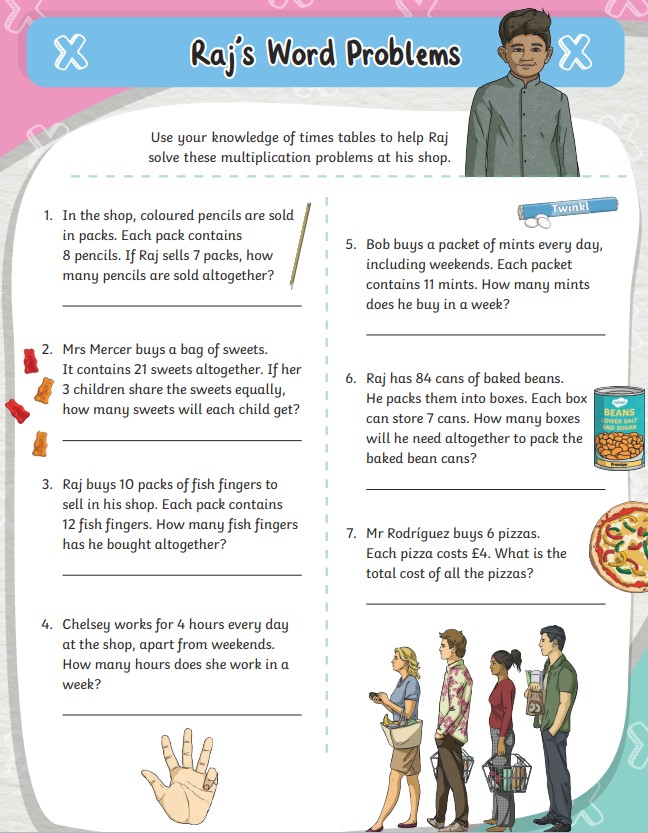
Use your times tables knowledge to work out the answers to these problems.
RIC
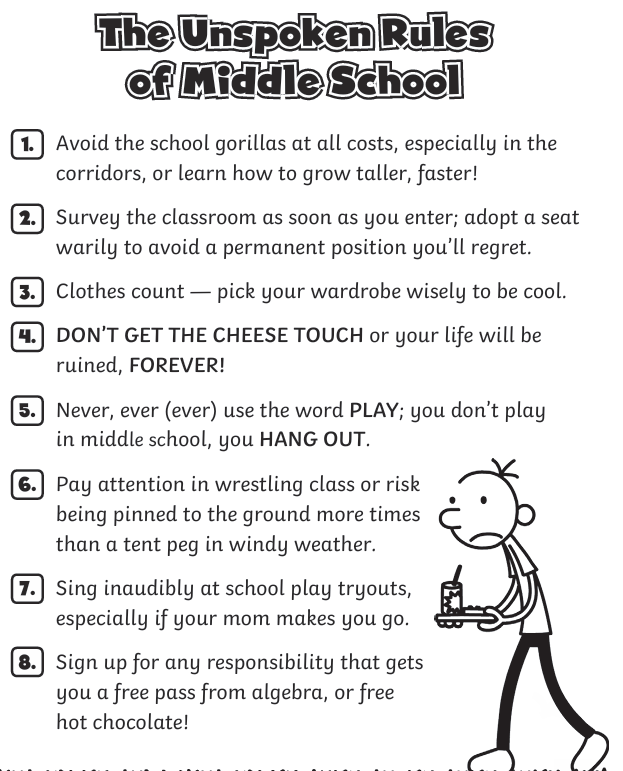
R: What two perks could you get as a result of volunteering to do a responsibility?
I: Who do you think the ‘school gorillas’ might be? Explain your answer.
C: Survey the classroom as soon as you enter; adopt a seat warily to avoid a permanent position you’ll regret. What does the word ‘warily’ mean in this rule?
Wednesday 15th April 2026
To retrieve and record key information from a text.
Teacher model:
The Giant Panda
Pandas live in China. They eat bamboo every day. A panda can eat up to 12 hours a day. They have black and white fur, which helps them hide in forests. Baby pandas are very small when they are born.
Model retrieval:
- “Where do pandas live?”
Model answer:
Pandas live in China. (Point) I know this because the text says ‘Pandas live in China.’ (Evidence)
Repeat with:
- What do pandas eat?
- How long do they eat each day?
Talk partners:
- Can you find 2 things pandas eat or do?
- Can you circle the sentence that tells us where pandas live?
Support with prompts:
- “Find the sentence…”
- “What does it say exactly?”
Your turn: Read the text and answer the questions.
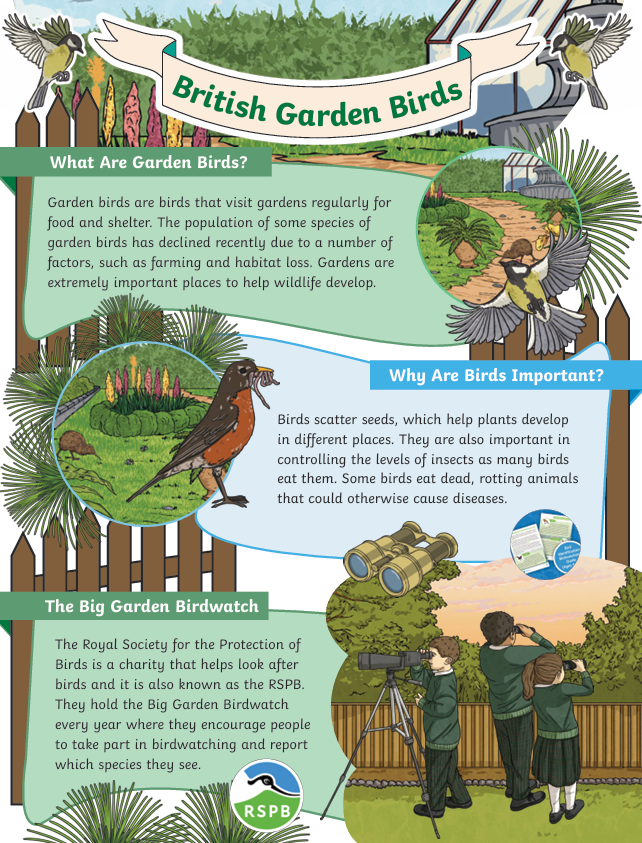
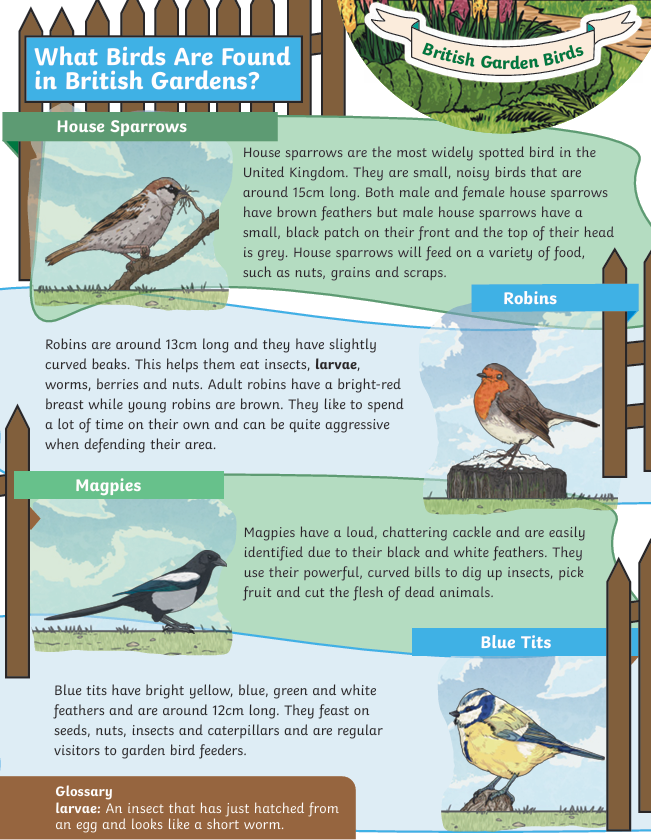
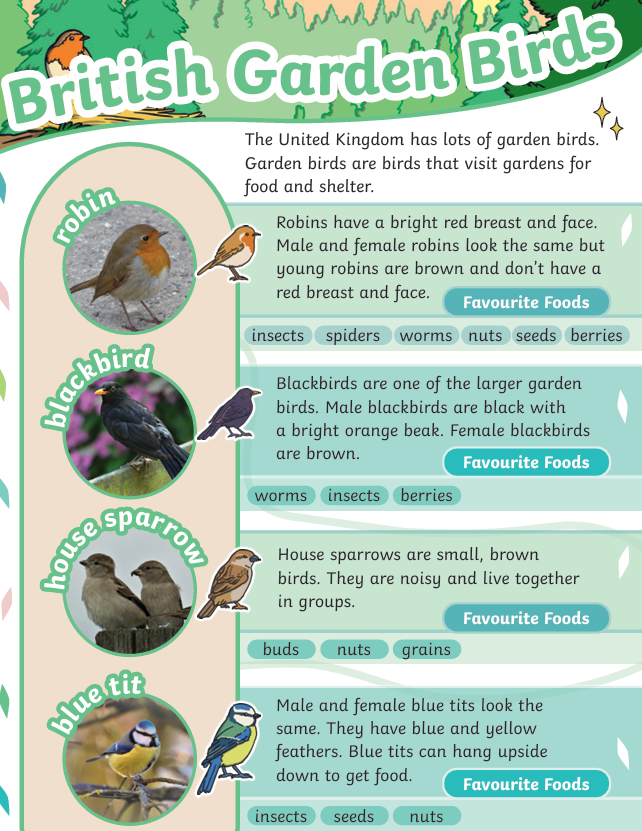
1. Which are the most widely spotted birds in the UK?
2.What do blue tits eat?
3. What is the name of the charity that looks after birds?
4. How do you think someone could encourage birds to come to their garden?
Adapted Group 1:
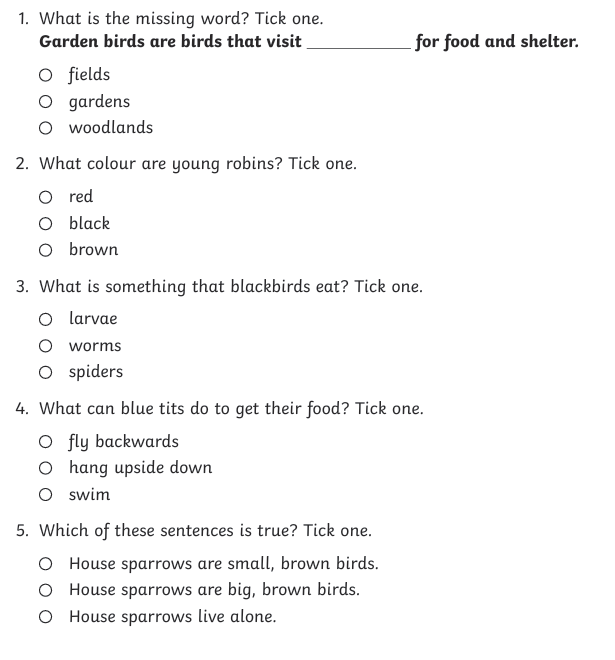
Adapted Group 2:
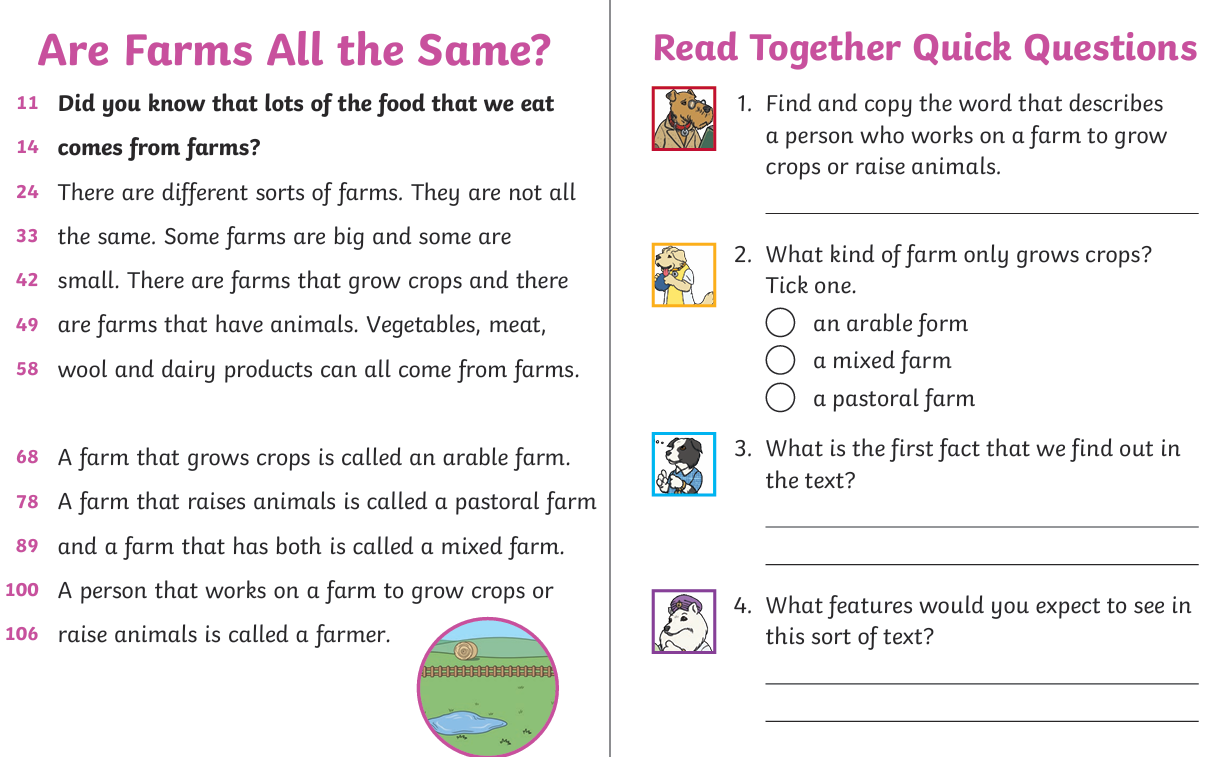
Grammar
Adverb sentence starters for how (Comma)
Imitate
Cautiously, April
Gratefully, the bear
Quietly, April
Eagerly, the bear
Wednesday 15th April 2026
LC: To explore and discuss characters introduced in the text.
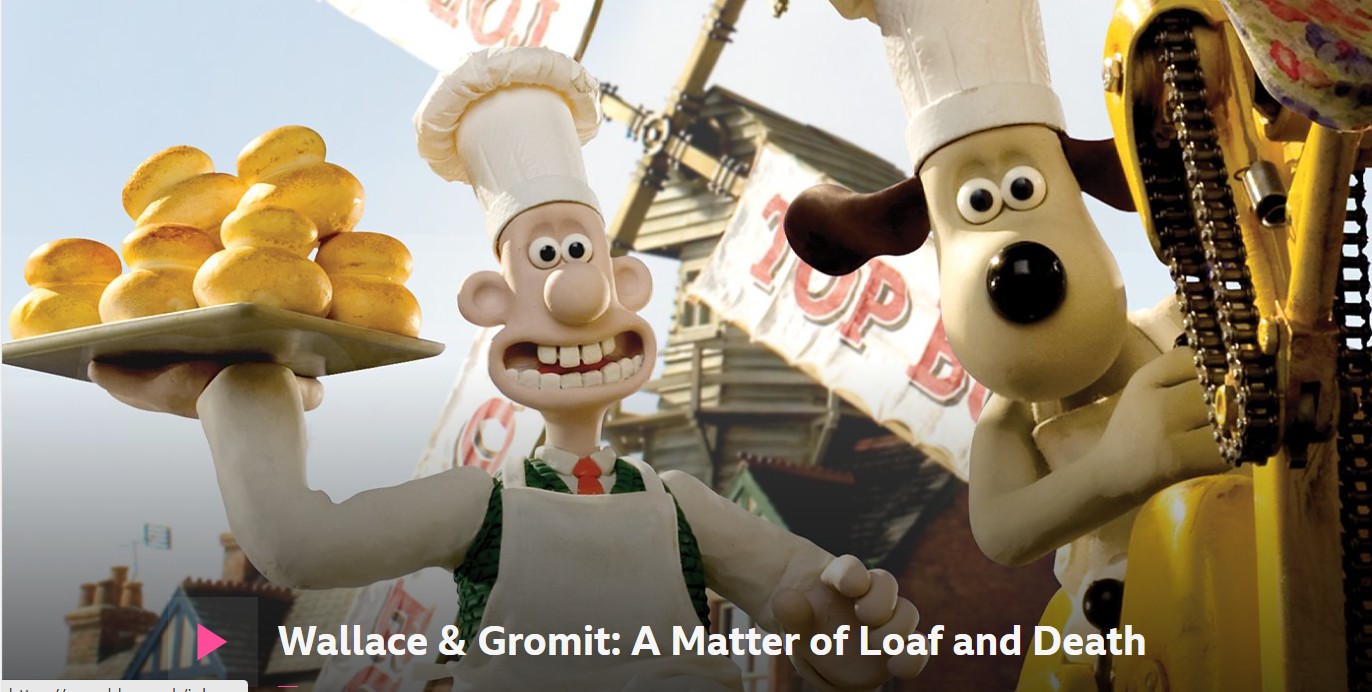
You are going to write a short character profile of one of the characters we met in A Matter of Loaf and Death yesterday. Let's recap:
My Turn:
This is an extract from the story Matilda. I am going to use it to model a character description of Matilda.
By the time she was three, Matilda had taught herself to read by studying newspapers and magazines that lay around the house. At the age of four, she could read fast and well and she naturally began hankering after books. The only book in the whole of this enlightened household was something called Easy Cooking belonging to her mother, and when she had read this from cover to cover and had learnt all the recipes by heart, she decided she wanted something more interesting.
‘Daddy,’ she said, ‘do you think you could buy me a book?’
‘A BOOK?’ he said. ‘What d’you want a flaming book for?’
‘To read, Daddy.’
‘What’s wrong with the telly, for heaven’s sake? We’ve got a lovely telly with a twelve-inch screen and now you come asking for a book! You’re getting spoiled, my girl!’
Nearly every weekday afternoon Matilda was left alone in the house. Her brother (five years older than her) went to school. Her father went to work and her mother went out playing bingo in a town eight miles away. Mrs Wormwood was hooked on bingo and played it five afternoons a week. On the afternoon of the day when her father had refused to buy her a book, Matilda set out all by herself to walk to the public library in the village. When she arrived, she introduced herself to the librarian, Mrs Phelps. She asked if she might sit awhile and read a book. Mrs Phelps, slightly taken aback at the arrival of such a tiny girl unaccompanied by an adult, nevertheless told her she was very welcome.
‘Where are the children’s books, please?’ Matilda asked.
‘They’re over there on those lower shelves,’ Mrs Phelps told her. ‘Would you like me to help you find a nice one with lots of pictures in it?’
‘No, thank you,’ Matilda said. ‘I’m sure I can manage.’
From then on, every afternoon, as soon as her mother had left for bingo, Matilda would toddle down to the library. The walk took only ten minutes and this allowed her two glorious hours sitting quietly by herself in a cosy corner devouring one book after another. When she had read every single children’s book in the place, she started wandering round in search of something else.
My name is Matilda Wormwood. I live with /live in /work with…............. . I always…................. . Every day I…............. . Today has been a…............... day because I ….................... . I hope….................... .
Your turn:
Choose a character from the story and write a monologue in role (Wallace or Gromit)
My name is…............. . I live with /live in /work with…............. .
I always…................. . Every day I…............. . Today has been a…............... day because I ….................... . I hope….................... .
Adapted
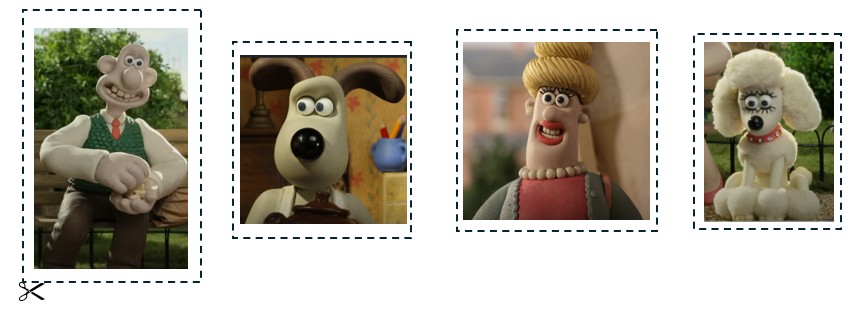 When you have stuck each picture in your book, complete these sentences under it to make a short character description.
My name is ______________ .
I live with ___________ .
I like to ____________ .
15.04.26
LC: To be able to compare and order measurements.
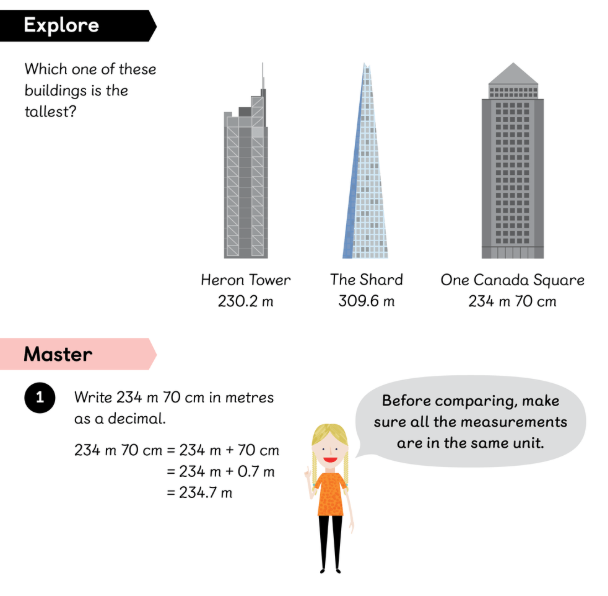
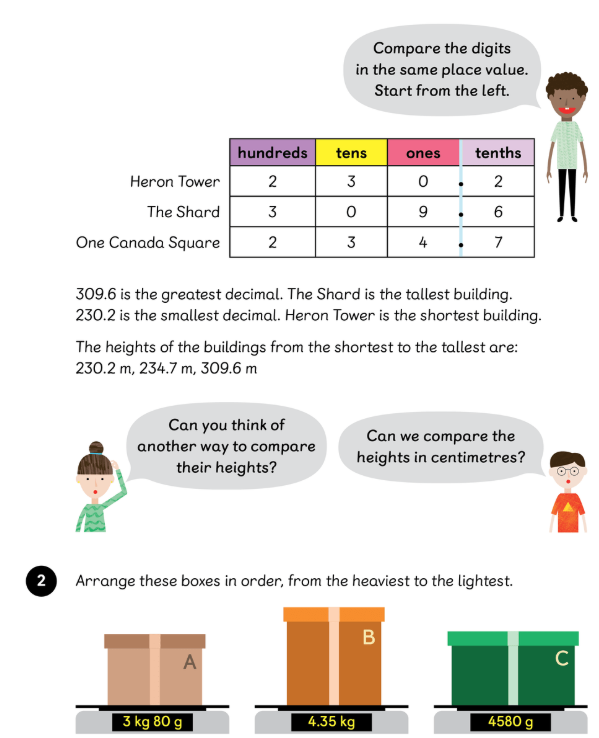
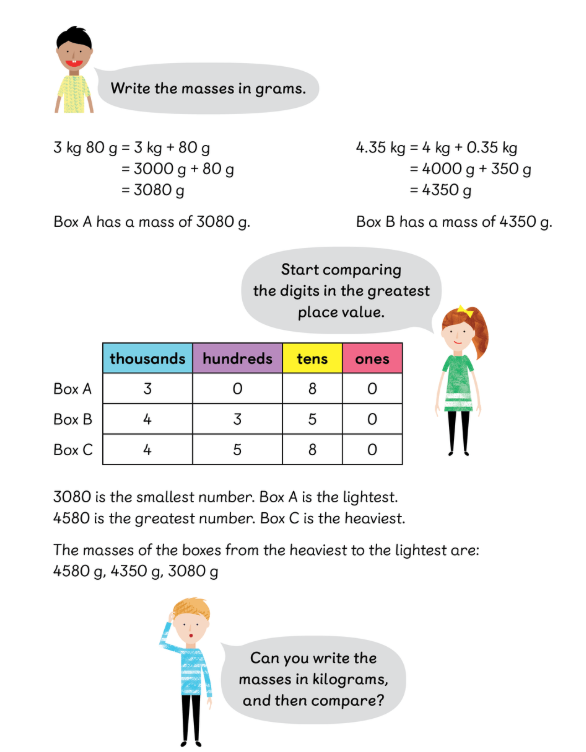
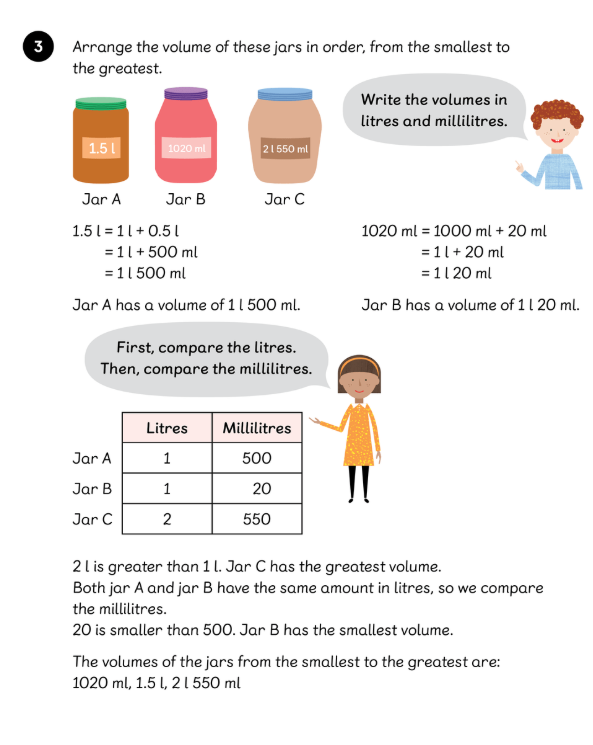
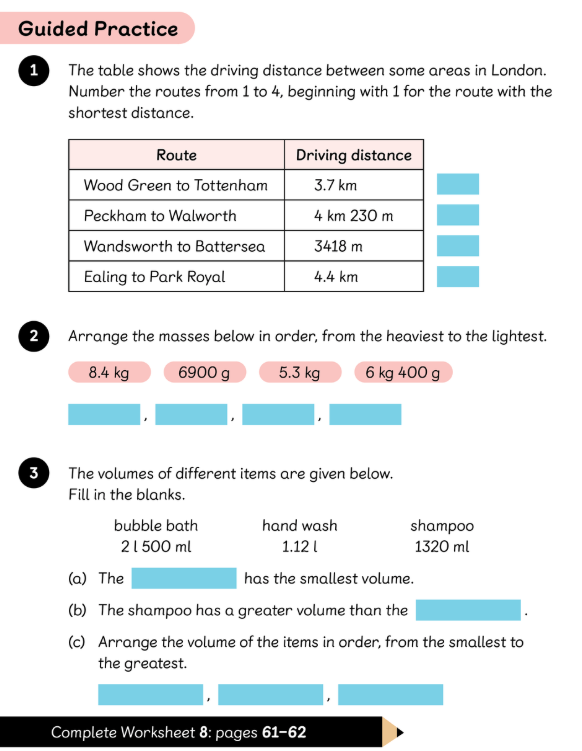
Adapted:
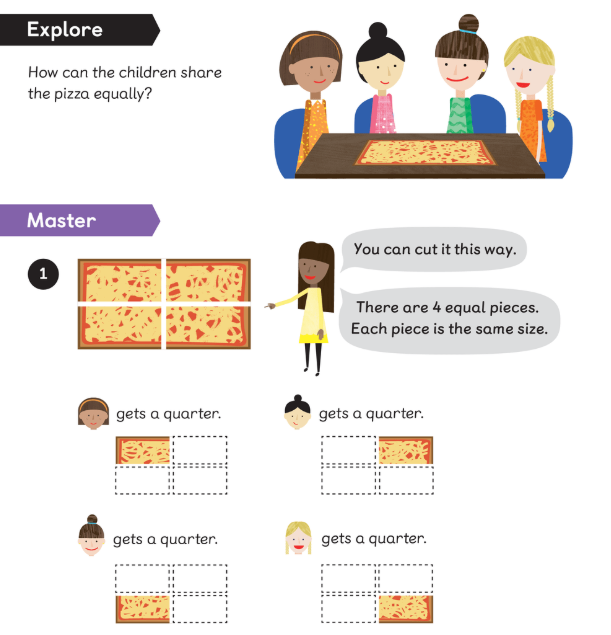
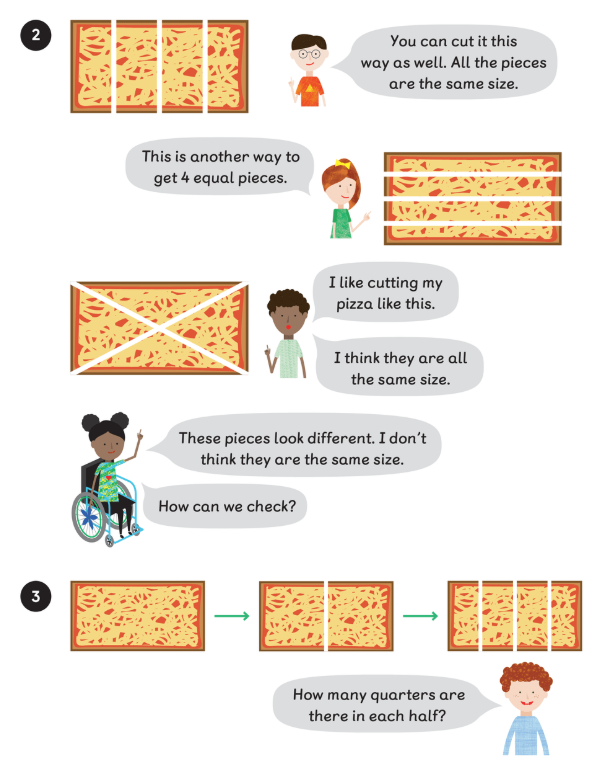
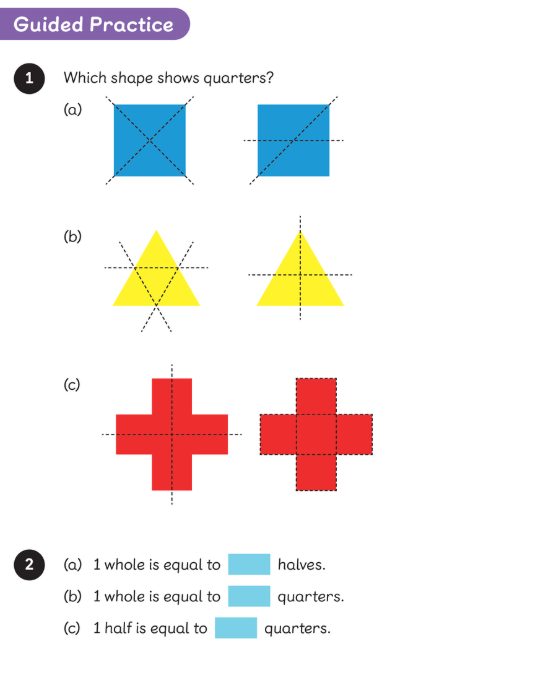
LC: To be able to split an object (shape) into four equal parts
To be able to identify shapes that have been split into four equal parts.
Review
Quick Write
These are our quick write words. Let's read them together first:
chef chalet machine brochure parachute quiche character choir echo stomach
school ache chemist monarch
Now I'll say one and you will write it quickly as many times as you can before I say 'stop'.
Learning
Focus: Add the prefix sub-, e.g. subheading.
sub- is a prefix that originates from Latin meaning under or below.
Let's read the sentences below together. How does knowing the meaning of the prefix sub- help us work out the meaning of each word?
We went in the submarine to gain knowledge about sea creatures.
Are you certain we'll catch the subway on time?
In our experiment today, we had to submerge different objects in water to see which ones would float or sink.
You will have to carefully consider what clothes to wear if the temperatures are subzero.
Remember to underline the subheadings in your report.
The group were disappointed by their substandard performance.
Practise and Apply
Cartoon Words
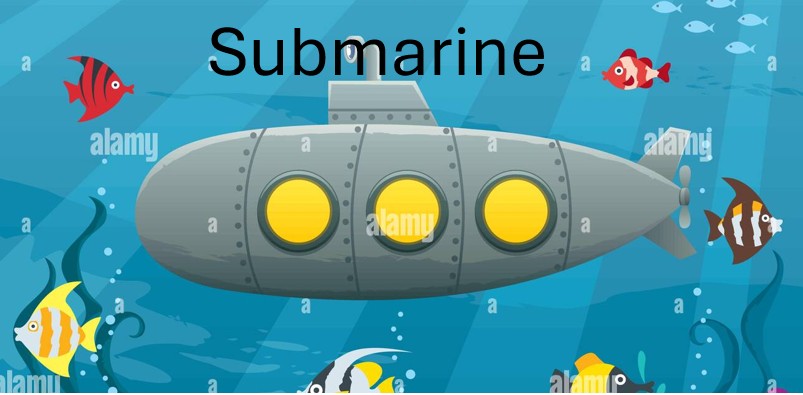
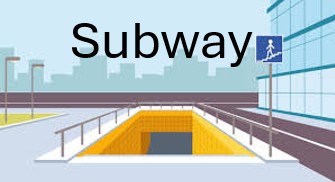
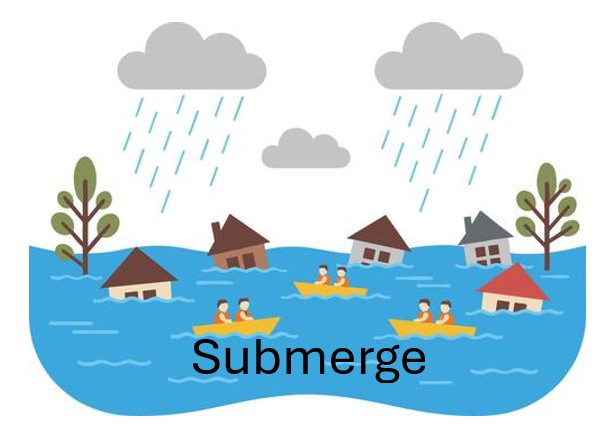
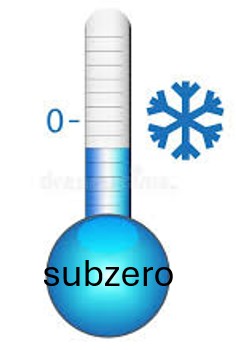
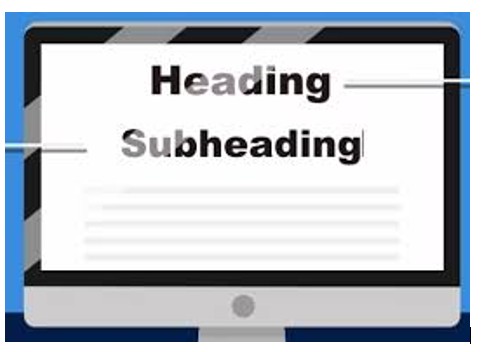
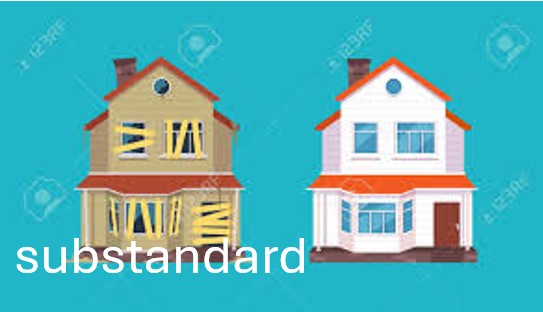
Choose 3 words. Say then write a sentence for each.

Wednesday 15th April 2026
LC: To use a classification key to group, identify and name living things.
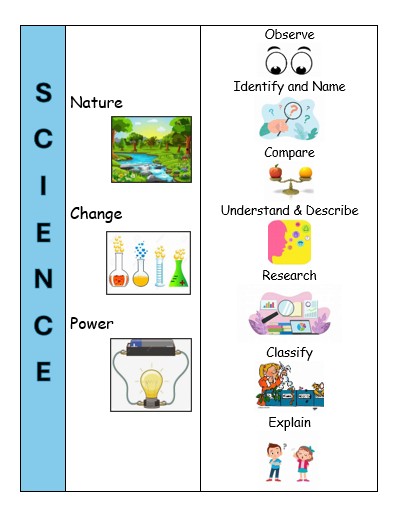
A key is a set of questions about the characteristics of living things.
You can use a key to identify a living thing or decide which group it belongs to by answering the questions.


Can you think of a question to start sorting these living things?

Let's look at a classification key about minibeasts and then I will ask you some questions to see if you can read it.


Using the key above, answer the following questions.
What does not have wings, lives in water and has tentacles?
What has wings but no feathers and is an insect?
Your turn. Answer these questions in your book. You do not need to write the question.
1. What has wings and white feathers?
2. What does not have wings, does not live in water and does not have stripes?
3. What does not have wings, does live in water but does not have tentacles?
Now write a question of your own for us to answer.
Finally, complete the task by following the key and sticking the living things in the correct boxes.

Recognising Mistakes
Key Message
We need to notice mistakes to improve.
Starter
- “2 + 2 = 5”
Ask:
- “Is that correct?”
Main Teaching
Explain:
Sometimes we:
- Don’t notice mistakes
- Rush our work
- Skip checking
But good learners:
- Check their work
- Fix mistakes
- Learn from them
Quick Activity
Say:
- “The sky is green”
- “Fish can fly in the sky”
Ask:
- “What is wrong?”
Builds confidence in spotting mistakes
Key Phrase
“Check it, fix it, learn from it.”
Reflection
- Why is it important to check our work?