

Wednesday 11th March 2026

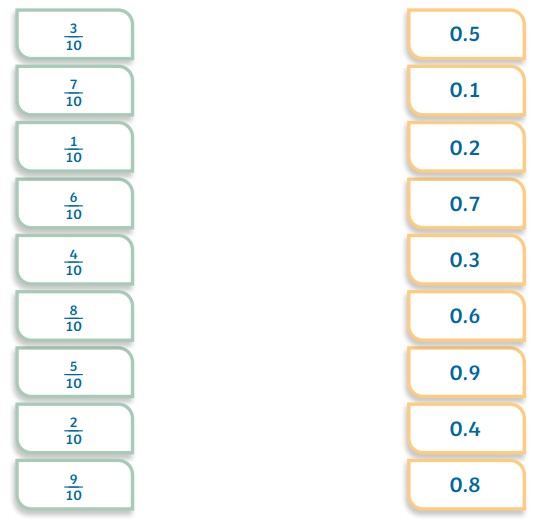
Write each matching decimal and fraction next to each other.

Wednesday 11th March 2026
LC: To use notes to write an opening paragraph- What is Climate Change?
Grammar
Using these determiners and key words, we will be constructing poems. We will orally practice these before writing them down.
the
this
these
some
many
Arctic
ice caps
polar bears
Arctic fox
whales
creatures
species
mountains
climate
extinct
extinction
sea-ice
Teacher Model
A crisis in the Arctic
The polar ice caps are melting as the sea levels rise,
a world of flooded lands not hard to visualise,
in the Arctic in a decade from now there may not be any polar bears,
there may not be any arctic foxes,
and there may not be any whales,
some creatures are now on the endangered species list,
because so many of the ice sheets are adrift,
the warnings of environmental disasters by climate experts it would seem have been in vain,
Now is the time for us to make a change!

Teacher Model: What is Climate change?
Task: Using your notes from yesterday you will be writing your opening paragraph of your documentary by explain what is climate change. Remember to use the teacher model to guide you.
Prompts to help write paragraph 1:
What is climate change?
Clarify the difference between weather and climate,
carbon dioxide ,
green house gases,
ozone layer,
examples of extreme weather,
the most significant thing about climate change is that icecaps are melting and sea levels are rising.
climate change classroom presentation2021 1 1 1 .pdf
Adapted:
Using your notes from yesterday. Write some simple sentences about climate change.
Wednesday 11th March 2026
LC: To read and record information on polar bears.
Grammar
Determiners:
Reminder:
articles: a/an, the
demonstratives: this/that; these/those
possessives: my/your/his/her/its/our/their
quantifiers: some, any, no, many, much, every
Check and improve these sentences using the correct determiners.
Many Artic circle is an imaginary line around the globe.
Sea-ice provides a platform for this creatures.
Every one of us needs these ice in some frozen worlds.
We are burning fossil fuels which release carbon dioxide into these Earth’s atmosphere.
Many causes global warming and ice melting.
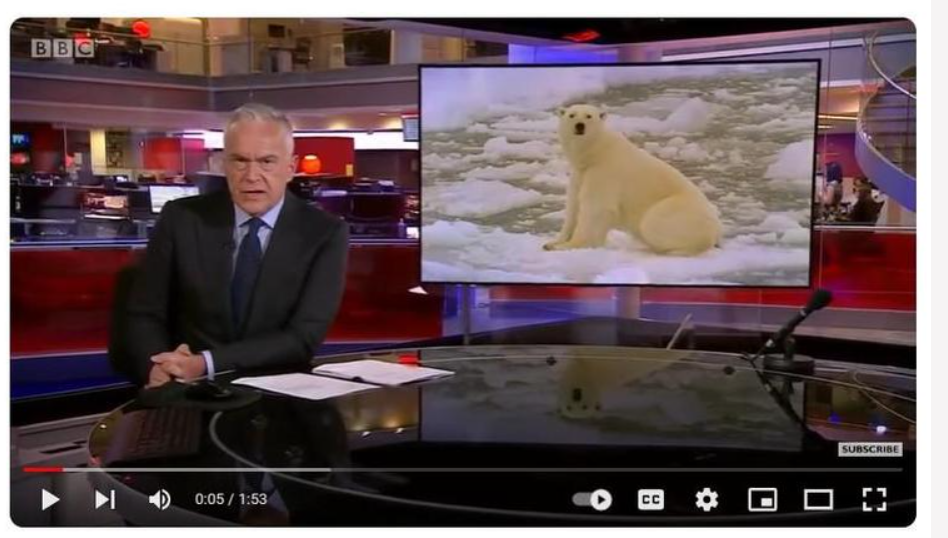
Task: Read the polar bear facts and make notes on Polar Bears.
Read, turn and learn again.
Polar Bear Facts
- There are 8 different types of bears in the world and polar bears are listed as a vulnerable species. This means they could become extinct unless people protect them and their habitats.
- Male polar bears are twice the size of females and can weigh as much as ten teachers – up to 750kg!
- When standing on their back legs, they can be up to 3m tall. Their huge size and weight makes them the world’s largest predator.
- Polar bears like to live by themselves on the frozen Arctic sea where the average winter temperature is -34 degrees, twice as cold as ice-cream!
- They have thick layers of blubber and fur to keep them warm and can swim happily for long distances in the freezing water without getting cold! The furthest recorded swim was 300km.
- Polar bears mainly eat seals which give them lots of energy but are very difficult to catch. Although they are really good swimmers, they are not fast enough in the water to catch seals. They use the sea ice as a platform and can wait patiently by a seal breathing hole for several hours for a seal to pop up.
- They are at the top of the food chain and are important at keeping the seal population in check.
- During the late summer and early autumn, polar bears will search for walrus and whale carcasses along the coastal areas. There is more open land at this time of the year and this diet is more varied.
- They have an incredible sense of smell and can sniff out a seal on the ice up to 32km away.
- Female polar bears normally give birth to twins in the winter and the mother digs a snow cave to keep them all warm. The cubs grow very quickly, staying with their mother for 2 years whilst she teaches them how to hunt, swim and survive in their harsh icy world.
- During severe weather, polar bears stay in their dens and don’t eat but survive off their fat reserves.
- Polar bears are extremely strong and active and can cover the ground quickly with long strides of their bowed legs. The soles of their feet are covered with hair to help them get a grip on slippery ground.
- The exploration and recovery of natural gas and oil in the Arctic Basin could destroy important polar bears habitats and food supplies.
- In March 2009, it was officially recognised that the greatest threat to polar bears has shifted from hunting to climate change.
- The crust of ice, called ‘pack ice,’ is where the polar bears like to hunt during the winter. Every year between June and October, this ice melts. Global warming has resulted in there being around 15% less ice than there was 20 years ago.
- Polar bears can live on land but they need to eat and the main place to find their food is on the ice!

12.03.25
LC- To round decimals.
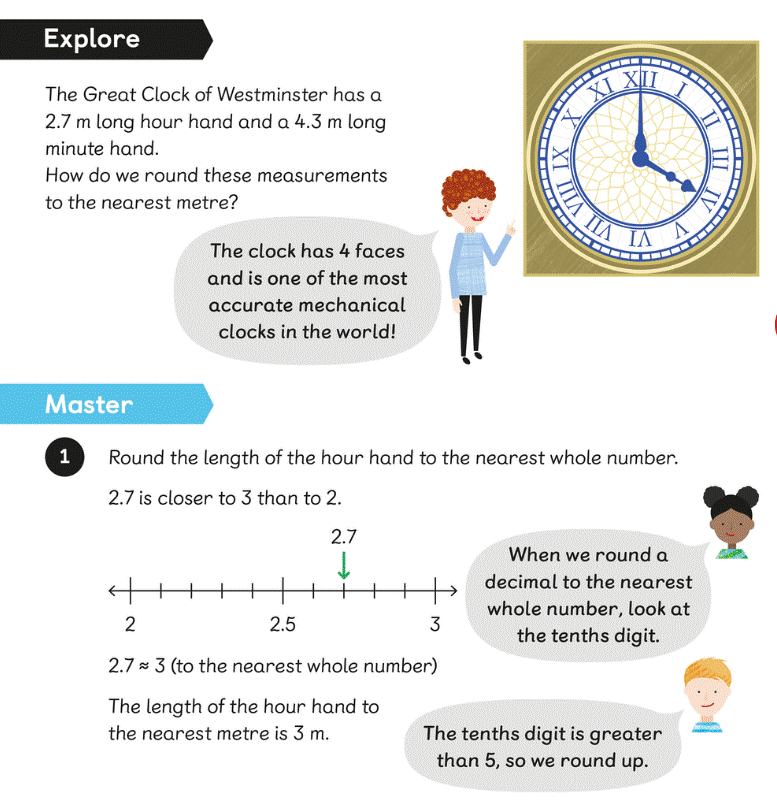
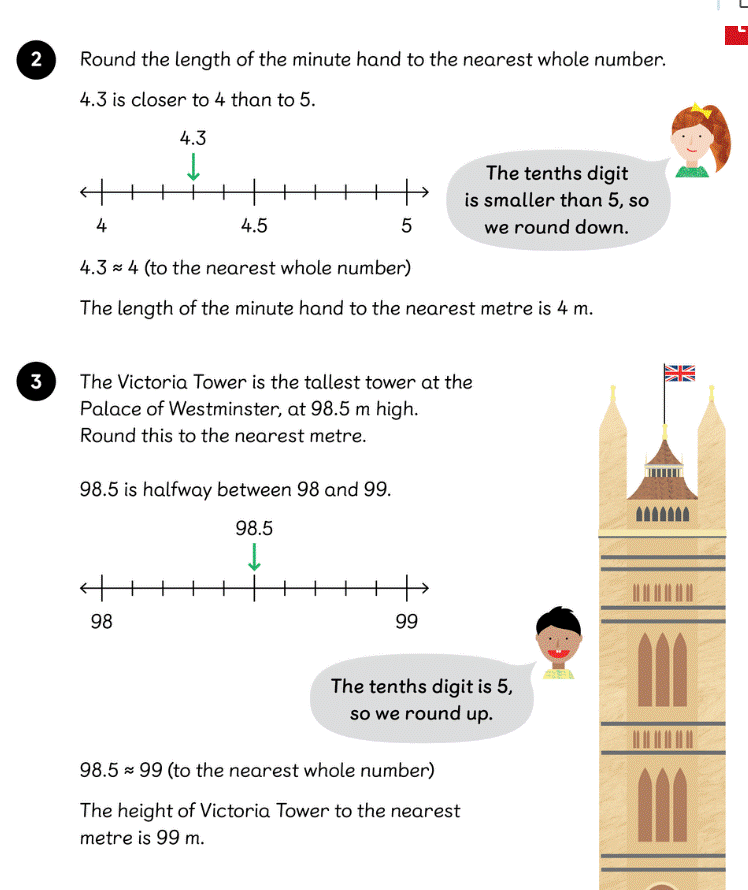
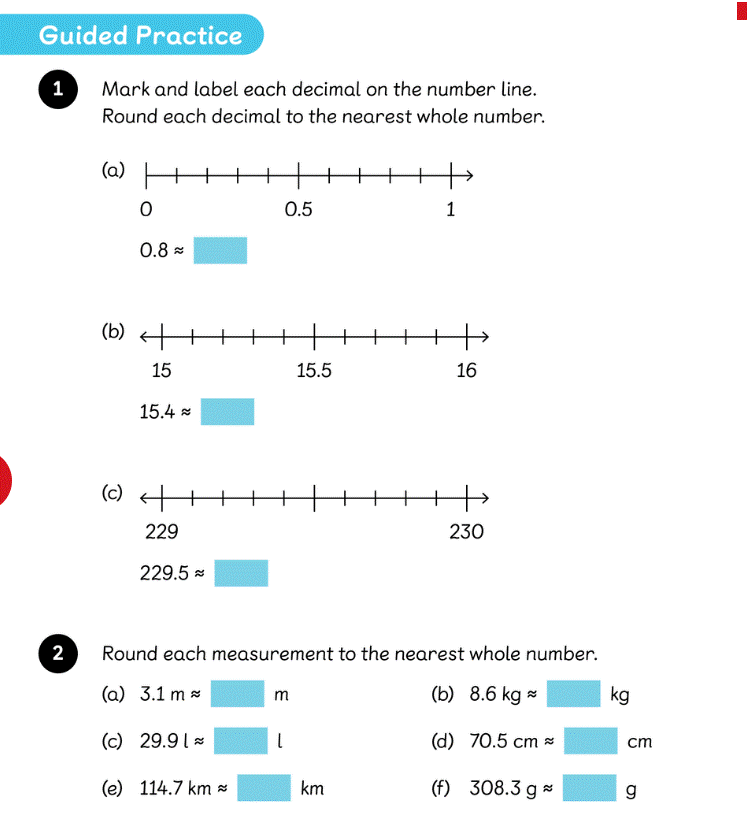
Complete worksheet 8 pages 15 and 16.
Adapted
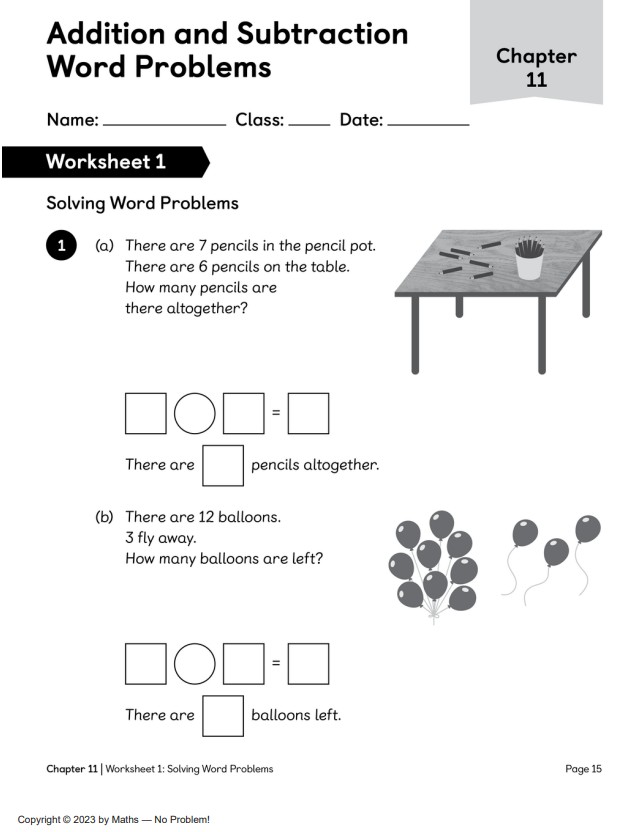
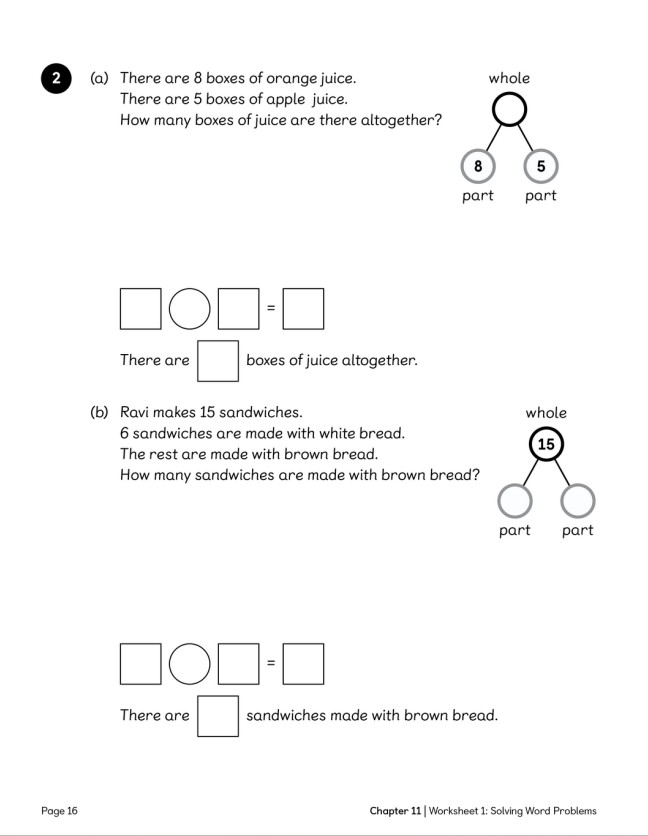
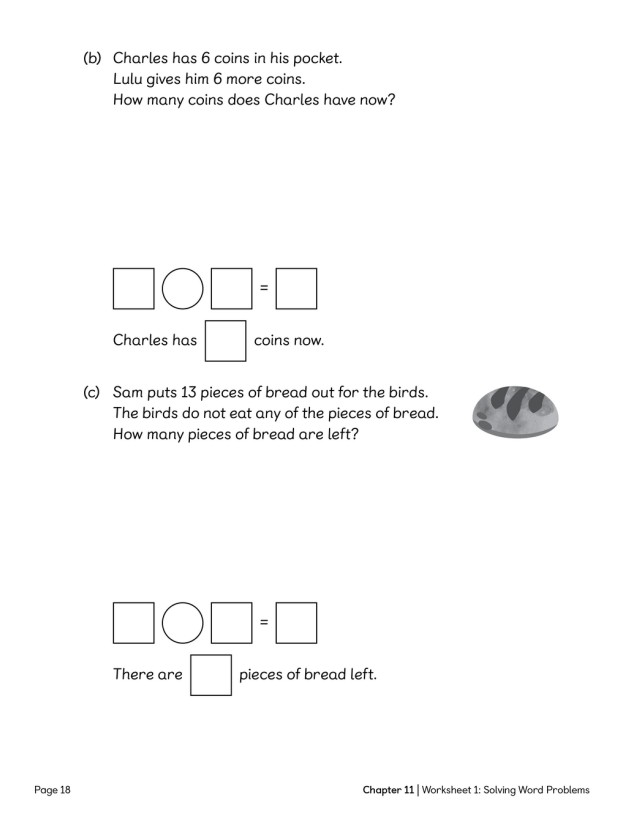
Review
|
Focus: Explore, collect and begin to spell word families, e.g. medical, medicine, medicinal, medic, paramedic, medically to extend vocabulary. Do you remember learning about word families when you were in Year 3? What does the root in each of these words mean? medicine medication triangle tricycle octagon October prepare predict attract subtract
medic - physician or healer tri - three oct - eight pre - before tract – drawn or pulled |
Learning
|
Focus: Explore, collect and spell word families with the root: graph Read these sentences with me. They all contain words with the root graph.
We used a graph to show how many children chose each favourite fruit. It's important that each paragraph has a different idea. I had to imagine what life was like for the person in the biography.
The root graph is a Greek word meaning 'to write'.
Here are the definitions of each word: graph: a written drawing to show numbers, facts or information. paragraph: a written group of sentences that are all about the same idea or topic. biography: the writing about someone's life.
Can you orally compose sentences containing the words for me to write? graph paragraph biography Practise and Apply
|

Wednesday 11th March 2026
LC: To work within a budget and solve multi-step problems.
LC: To understand how dairy products are made.
Group 1:
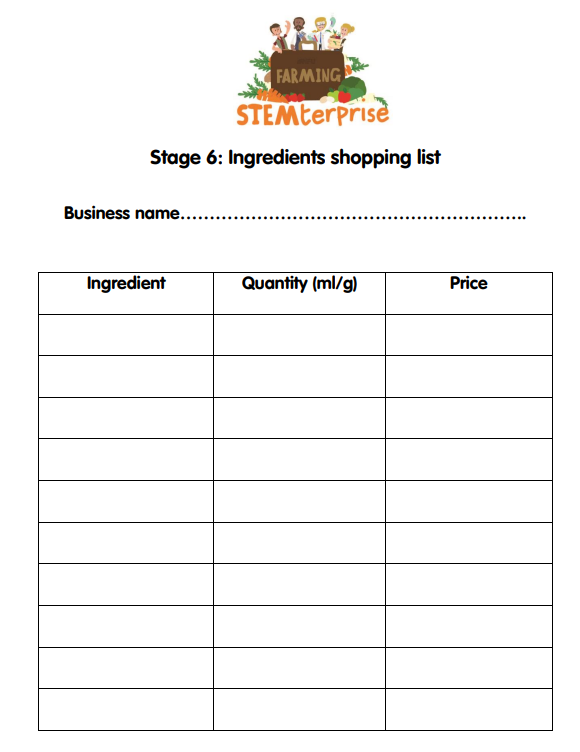
farming stemterprise year 4 stage 6 1 .pdf
Group 2:
farming stemterprise year 4 stage 7.pdf