



Wednesday 25th February 2026

Homophones
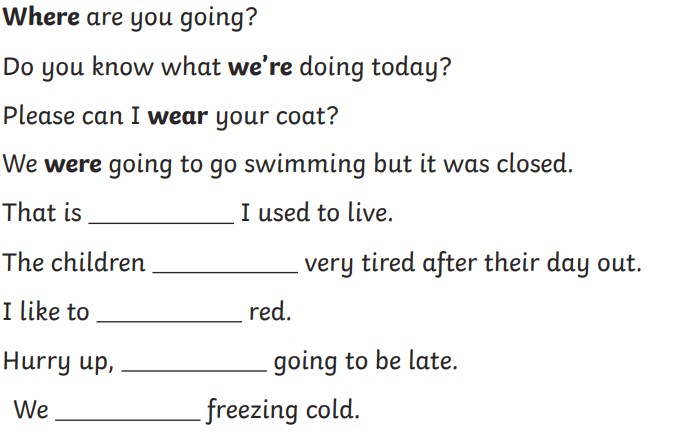
Choose the correct homophone to complete each sentence.
where we're wear were
The first four sentences give an example of how to use each word.
RIC
 R
R I
I C
C
Wednesday 25th February 2026
LC: To explain the meaning of key vocabulary within the context of the text.
What skills do we need to work out the meaning of words in the context of the text?
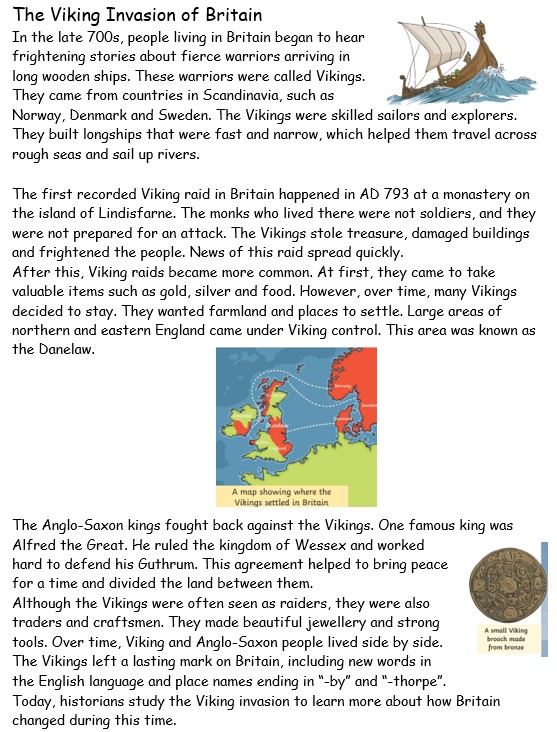
Shared read:
My turn:
What does the word fierce tell us about the Vikings?
fierce =
The text says the Vikings were skilled sailors. What does skilled mean?
Skilled =
Your turn:
A monastery is mentioned in the text. What is a monastery?
What does the word raid mean?
The Vikings decided to settle in Britain. What does settle mean in this context?
What does control mean in the sentence “Large areas came under Viking control”?
The text says Alfred worked hard to defend his people. What does defend mean?
What does agreement mean in the paragraph about Alfred and Guthrum?
The Vikings were also craftsmen. What is a craftsman?
The Vikings left a lasting mark on Britain. What does lasting mean?
Adapted
🐶 The Lost Puppy
Sam was playing in the park with his red ball. The sun was shining, and the birds were singing in the trees.
Suddenly, Sam heard a small sound. “Woof! Woof!” It was coming from behind a big bush.
Sam walked over to look. Behind the bush, he saw a tiny brown puppy. The puppy had a blue collar and big floppy ears. It looked scared and hungry.
Sam gently picked up the puppy. “Don’t worry,” he said. “I will help you.”
Sam took the puppy to the park office. The lady at the desk smiled. “This puppy belongs to Mrs Green,” she said. “She has been looking everywhere!”
Soon, Mrs Green came running into the office. “Oh, thank you!” she said, hugging the puppy. Sam felt proud and happy.
📝 Vocabulary Questions
-
What does the word suddenly mean?
-
Find a word that means very small.
-
What does the word gently tell us about how Sam picked up the puppy?
-
What does belonged mean?
-
Find a word that means afraid.
-
What does the word proud mean?
-
Find a word in the story that describes the puppy’s ears.
-
What does looking everywhere mean?
Adapted
Wednesday 25th February 2026
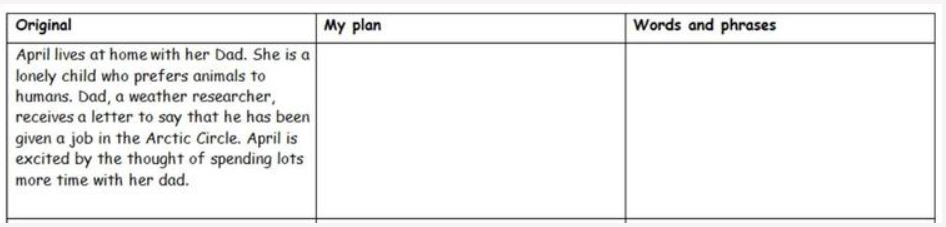
LC: To use planning to write a story opening – innovated characters.
LC: To use a narrative toolkit to write chunk 2.
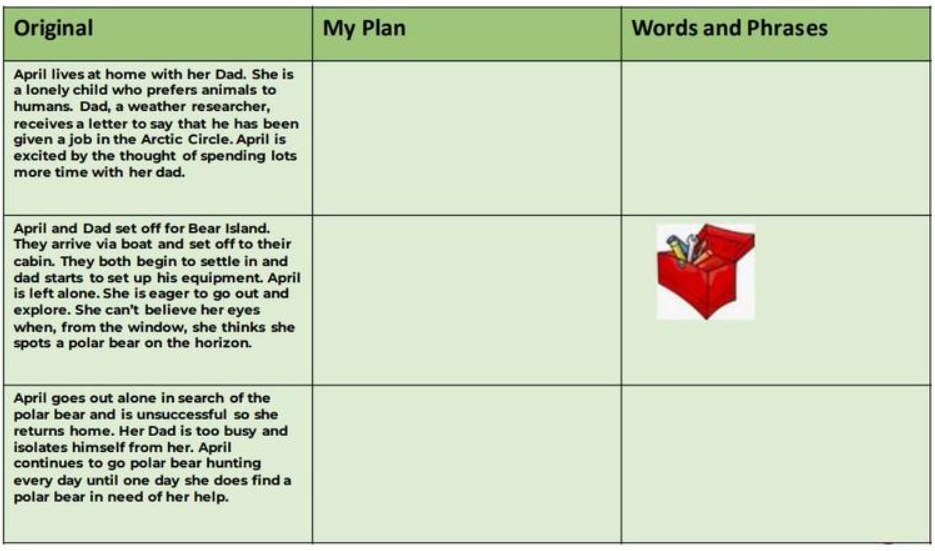
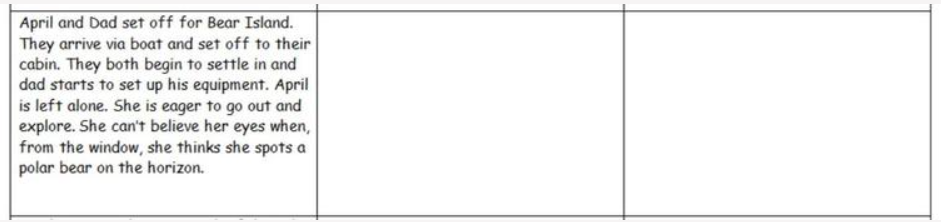
Narrative Toolkit:
- Third person, present tense
- Character alone with thoughts during the journey – apprehensive/excited
- Character is given a warning by a stranger of the dangers of where they are going
- Fronted adverbials for where – At her side, Up close,
- Objects are described as cold and bitter giving a sense of isolation and loneliness e.g. hard, wooden bench, unrelenting wind
- Character and parent view the land/their new home.
- Description using powerful adjectives, e.g. rolling gunmetal waves, forbidden part of the universe
- Sense of awe with the characters, e.g. A hushed voice full of awe and wonder.
- Parent keen for the response of the child – ‘What do you think?’ Only a little speech used.
- Adverbs, e.g. she said breathlessly … really caught her eye
- Further description of what can be seen – use of powerful verbs – hummed, shrouded
- Similes – like a ladder reaching right up to space
- adverb sentence starter
25.02.26
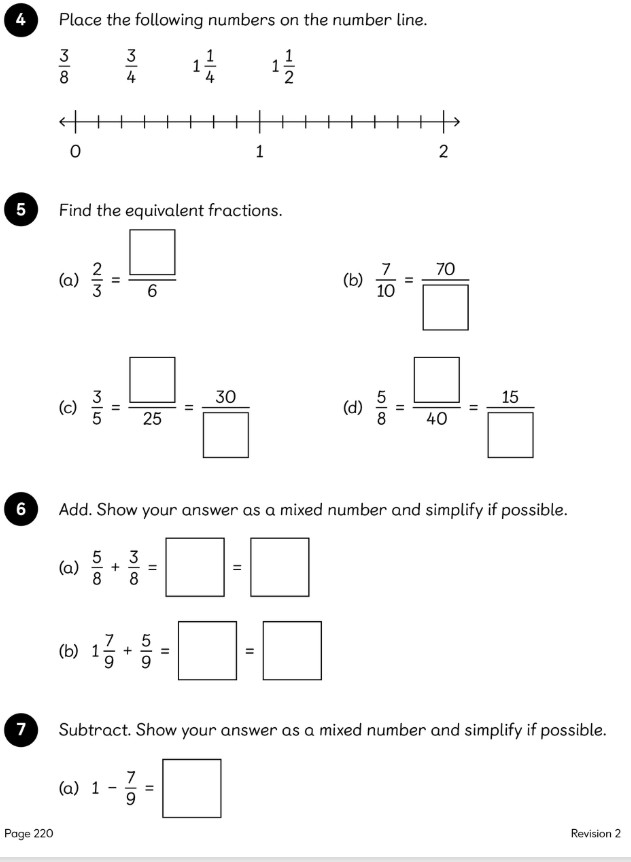
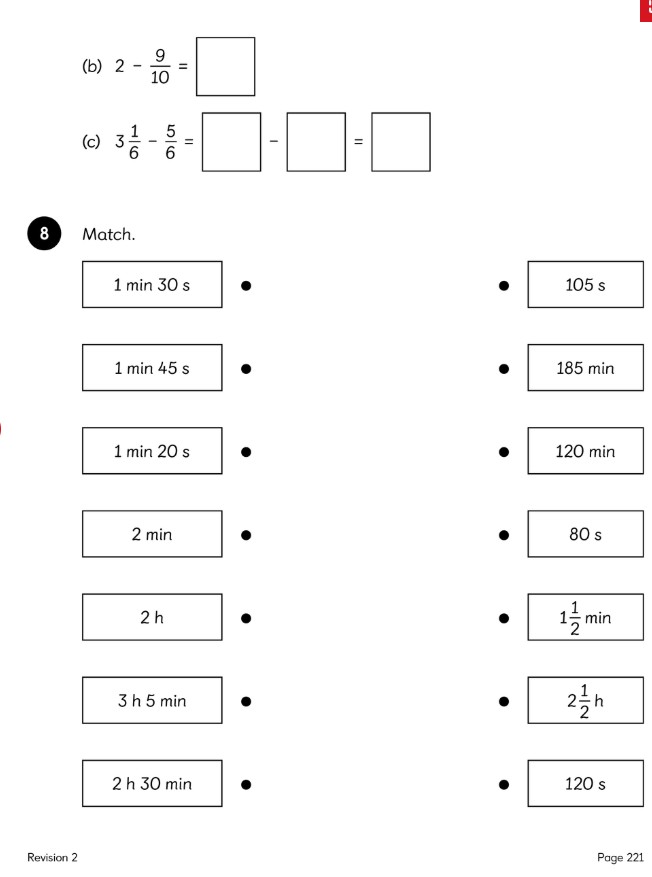
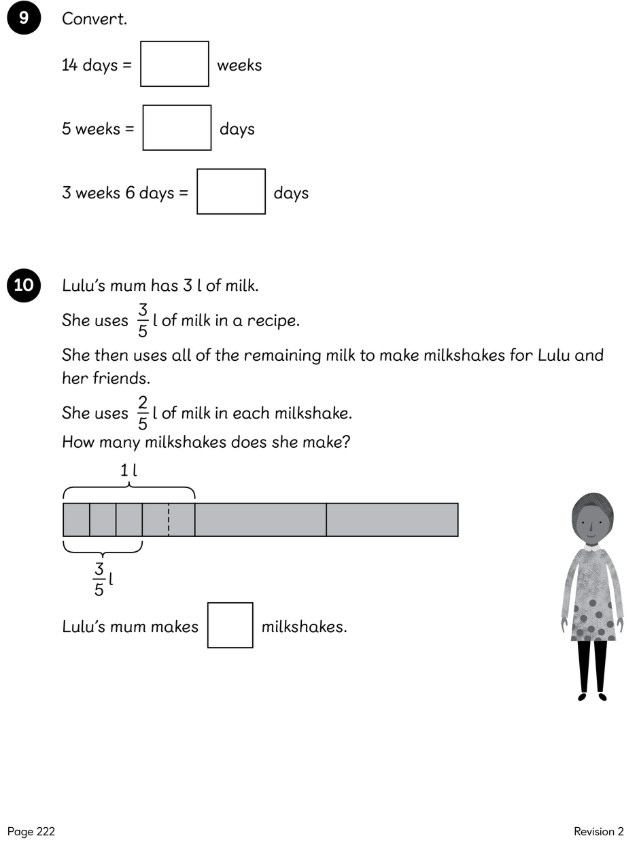
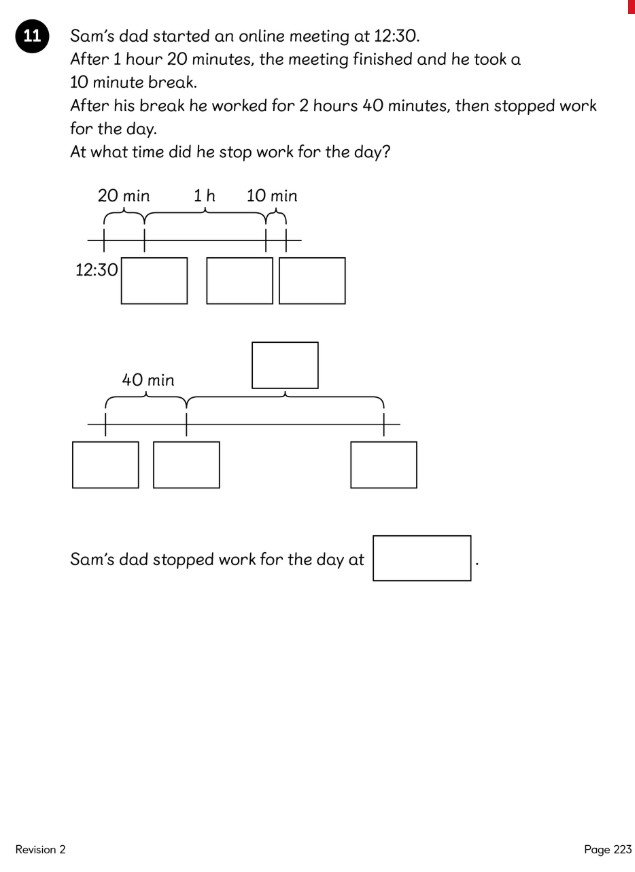
Over the next few days we are going to revisit and revise all of our prior learning in Year 4. This is our chance to make sure we have mastered all of the knowledge and skills so that we are ready to move on to some new learning.
Adapted
Review
Quick Write
Practise spelling each word by writing them as many times as you can in one minute. We'll go through them one at a time.
invention completion addition selection prediction information presentation imagination exploration communication education celebration
What suffix do all the words have?
Can you identify the root words?
How does the suffix of each word change the meaning of the root word?
Learning
Focus: Add the suffix -sion e.g. invasion.
Remember, a suffix is an ending, used at the end of a word to turn it into another word. It can change the word class.
Let's shared read the following pairs of words and clap the syllables:
revise revision
explode explosion
suspend suspension
Like the suffix -tion, adding the suffix -sion turns verbs into nouns.
Rules
The suffix -tion is commonly used if the root word ends in t or te.
The suffix -sion is commonly used if the root word ends in -d, -de or -se.
Watch how the -d, -de or -se is dropped before the -sion suffix is added.
apprehend apprehension
decide decision
confuse confusion
My Turn, Your Turn
extend extension
invade invasion
supervise supervision
What is the suffix in the second word in each case.
Practise
Detective Chief Spellers
Write down 6 numbers between 1 and 10. Find your words. Apply the rule for adding the suffix 'sion' and write the new word. When we have checked that you have spelt them all correctly, write each one three times to get your brain and hand used to writing them.