



Wednesday 21st January

RIC
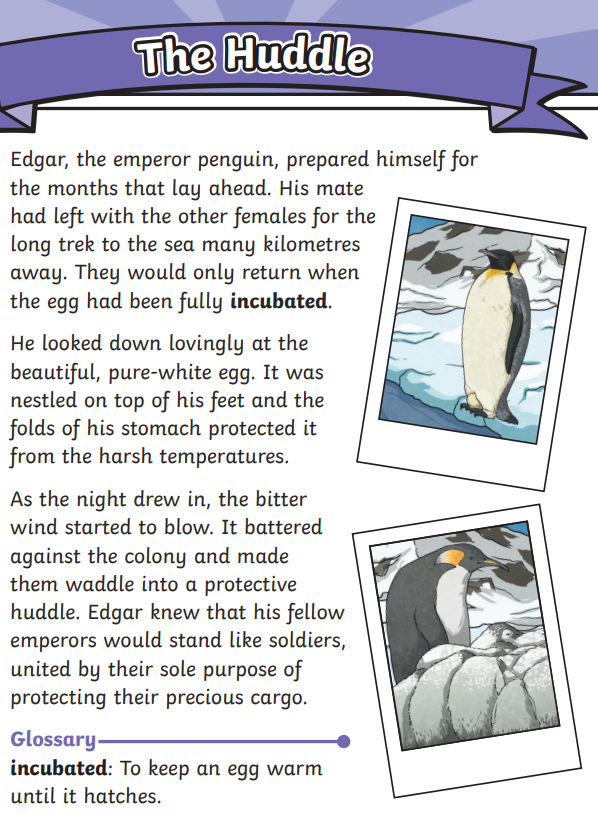
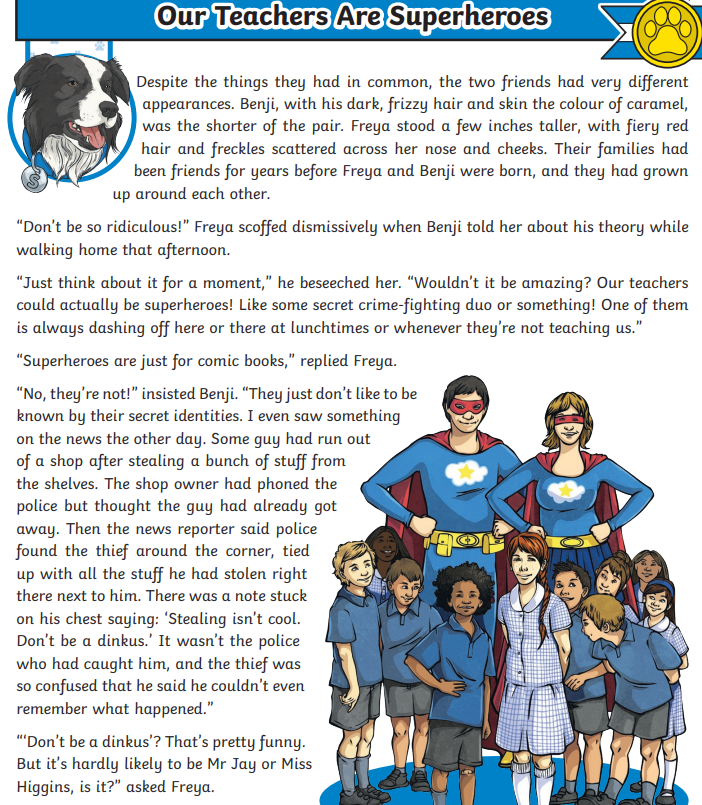
R: What is the huddle?
I: Why do you think that the penguins are described as being like soldiers?
C: What word is used to describe the movement of the penguins?
Wednesday 21st January 2026
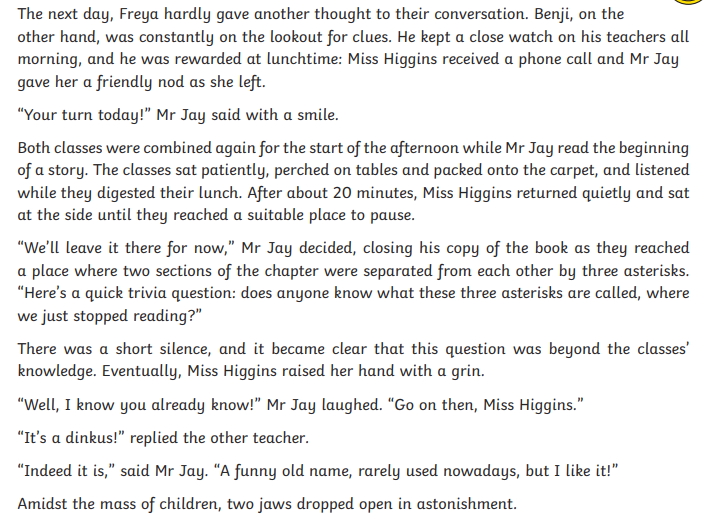
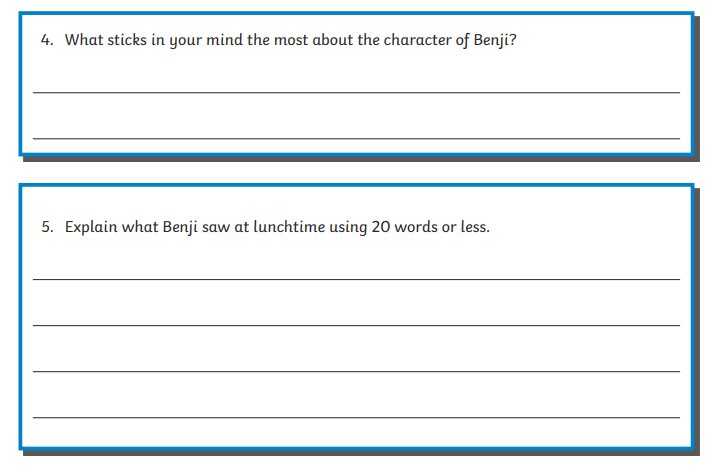
LC: To identify the main ideas drawn from more than one paragraph and summarise these.
Adapted:
LC: To explain what is being read to them,
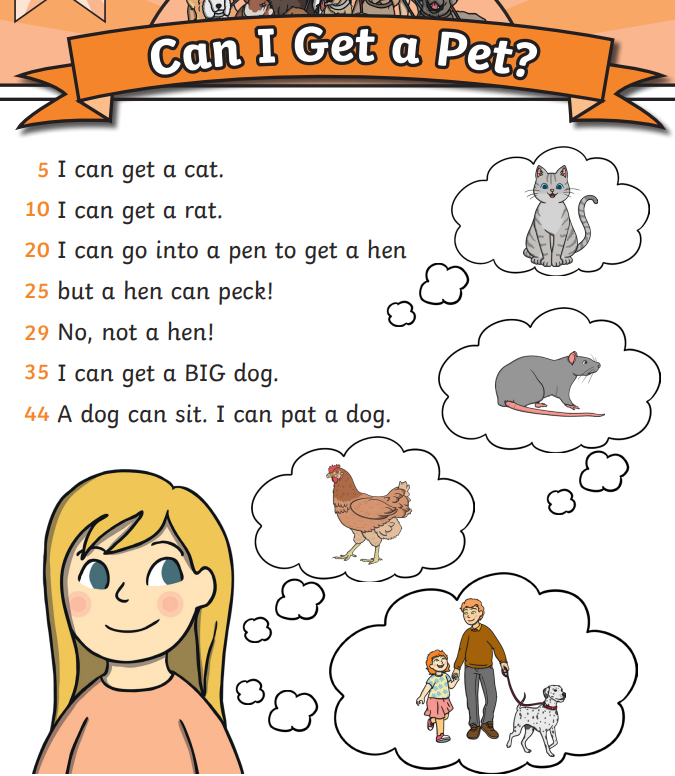
Discuss the title of the text.
What pets can the girl get?
What pet can she not get? Why?
Have you got a pet?
Which one of these pets would you like?
In your reading journal draw the pet you would like and write down I can get...
Wednesday 21st January 2026
LC: Write an effective non-chronological report
Success criteria:
 Using the Success criteria and the teacher model to support you, complete page 4 of your leaflet.
Adapted
Read these fun facts about Ancient Romans. Choose two and write them in your book.
Facts about the Romans for kids:
- Romans used cobwebs to stop bleeding.
- The streets of ancient Rome were covered in graffiti.
- The Colosseum could be flooded to re-enact naval battles.
- Mouse brains were used as toothpaste by some Romans.
- The planets Mercury, Venus, Mars, Jupiter, and Saturn are named after Roman gods.
- Romans spoke Latin, which influenced modern French, Italian, Spanish, Portuguese, and Romanian.
- Ancient Romans used animal and human urine to clean their clothes.
- Rome was the first city in the world to record a population of 1 million people.
- The Roman Empire lasted for about 1,000 years.
- Rome adopted Christianity, a religion from the Middle East.
21.01.26
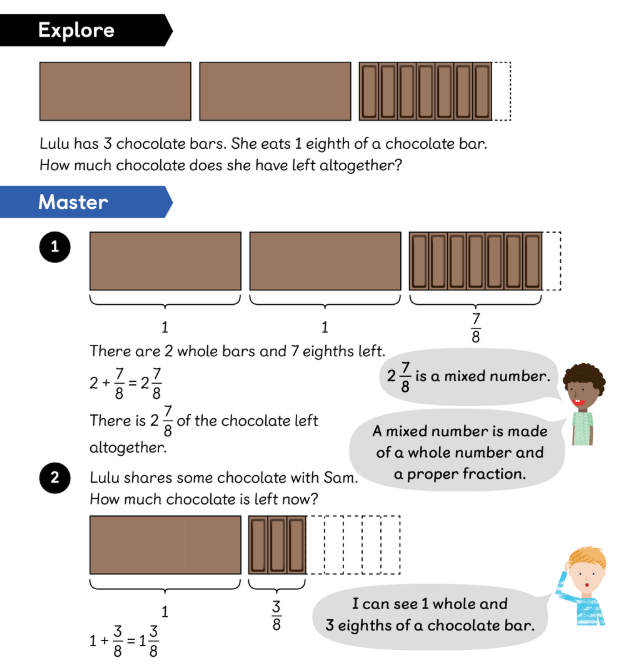
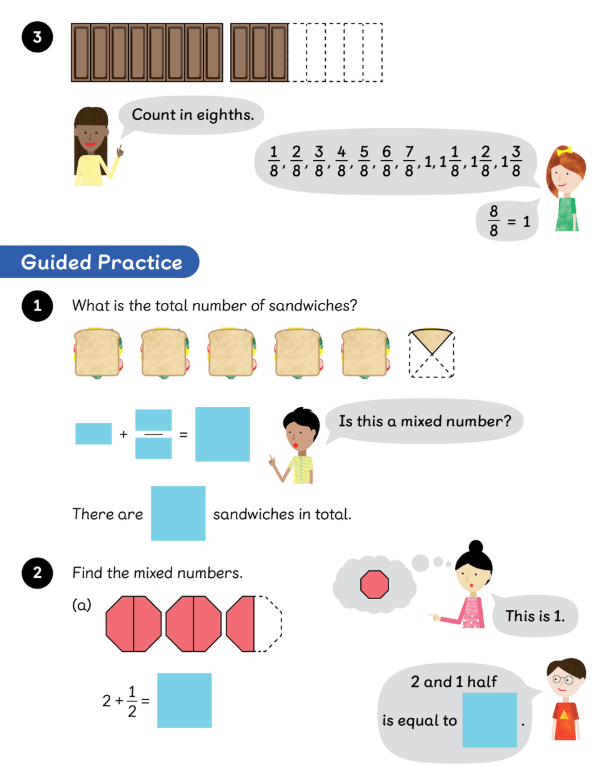
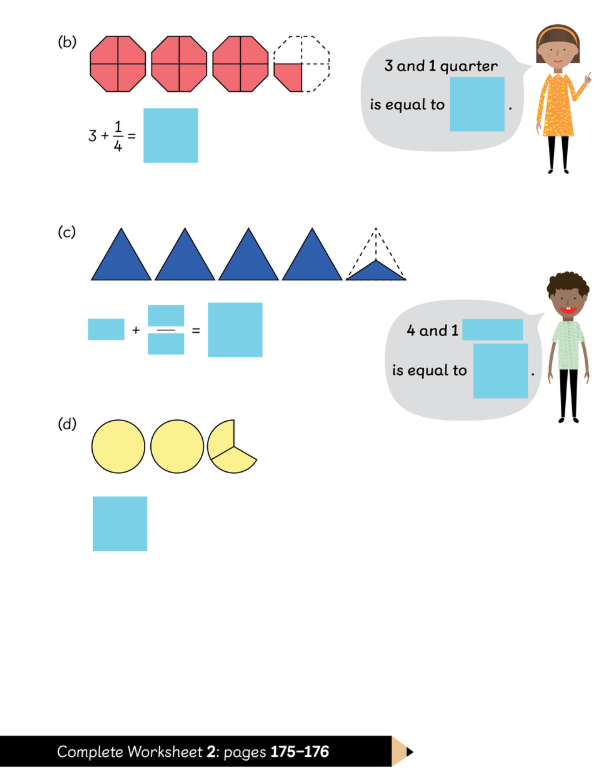
LC: To write mixed numbers.
Adapted:
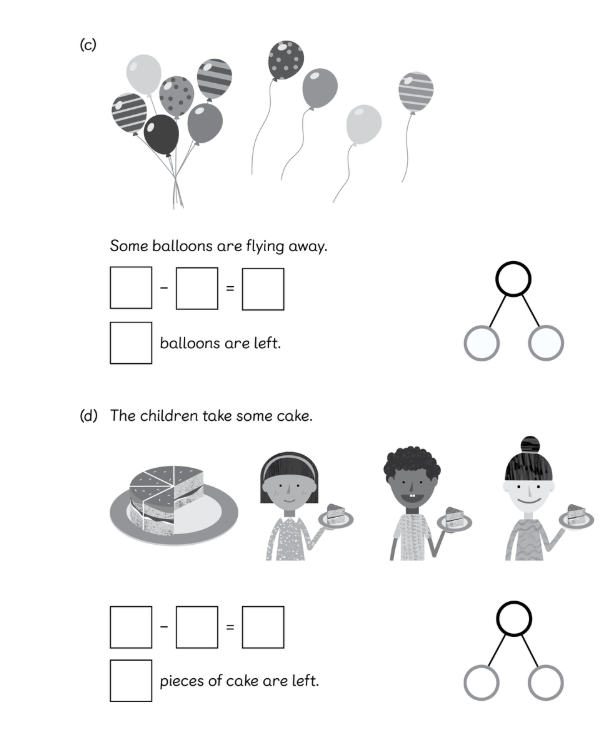
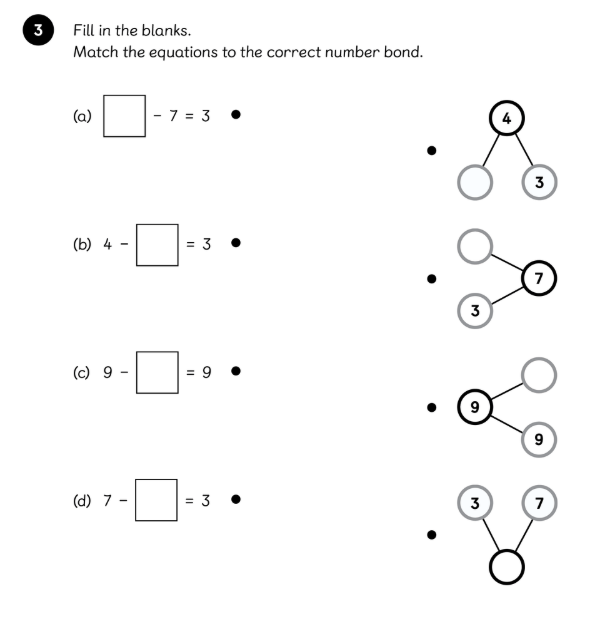
LC: Subtracting using number bonds.
Review
Spelling Factor
Compose and write a sentence which contains as many of the displayed words below as possible. You will also need to add some of you own words to ensure the sentence makes sense. You will gain a point for each correctly spelt word from the display that you have successfully included in your sentence.
|
tear |
bark |
wind |
lead |
|
well |
row |
read |
park |
|
read |
park |
bark |
well |
|
row |
wind |
lead |
tear |
Learning
Focus: Identify and spell more irregular past tense verbs.
Let's Ping-Pong these words and then the sentences.
build built
Today, I build a tower out of bricks.
Yesterday, I built a tower out of bricks.
feel felt
Today, I feel happy.
Yesterday, I felt happy.
buy bought
Today, I buy fruit for my snack.
Yesterday, I bought fruit for my snack.
choose chose
Today, I choose pizza for my lunch.
Yesterday, I chose pizza for my lunch.
give gave
Today, I give my mum some flowers.
Yesterday, I gave my mum some flowers.
hear heard
Today, I hear birds in the trees.
Yesterday, I heard birds in the trees.
Practise and Apply
Blankety Blank
built chose heard felt bought gave
They _____ their favourite books for the class library.
When we ______ the fire alarm, we quickly left the building.
I ____ special on my birthday.
I _____ a particular book because I am a fan of the author.
The children _____ a model of the solar system using recycled materials.
I ____ my friend a pencil because he forgot his own.
Class 4 _____ a peculiar noise.
He ____ his favourite possession to his younger brother.
Love your enemy?
What does the parable of The Good Samaritan teach us about friendship?
The Parable of the Good Samaritan teaches us that a good friend is someone who helps others, even when it’s not easy or convenient.
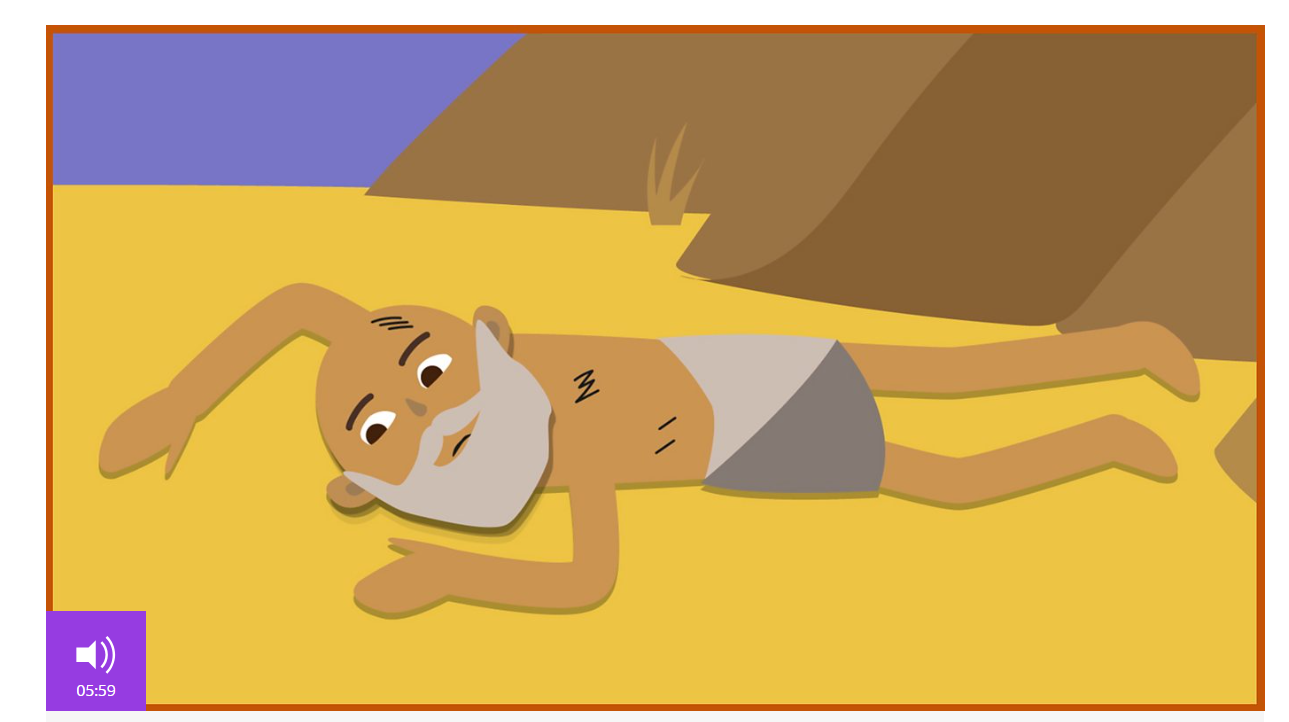
In the story, a man is hurt on the road. Two people walk past and don’t help him. But a Samaritan—who was from a group people didn’t usually like—stopped, took care of the hurt man, and made sure he was safe.
So what does it teach about friendship?
-
A good friend is kind and helps others when they need it.
-
A good friend doesn’t ignore someone who is hurt or sad.
-
A good friend helps everyone, not just people who look like us or are already our friends.
-
A good friend shows love through actions, not just words.
In simple terms:
Being a friend means caring for others, including people we don’t know well, just like the Good Samaritan did.