



Tuesday 20th January
Tuesday 20th January 2026
LC: To understand what Anglo- Saxon life was like in Britain.
What was the daily life like of an Anglo- Saxon?
What was an Anglo- Saxon village like?
What kind of jobs did Anglo- Saxons do?
What kind of clothes did the Anglo- Saxons wear?
We will be using a range of sources to research these questions.
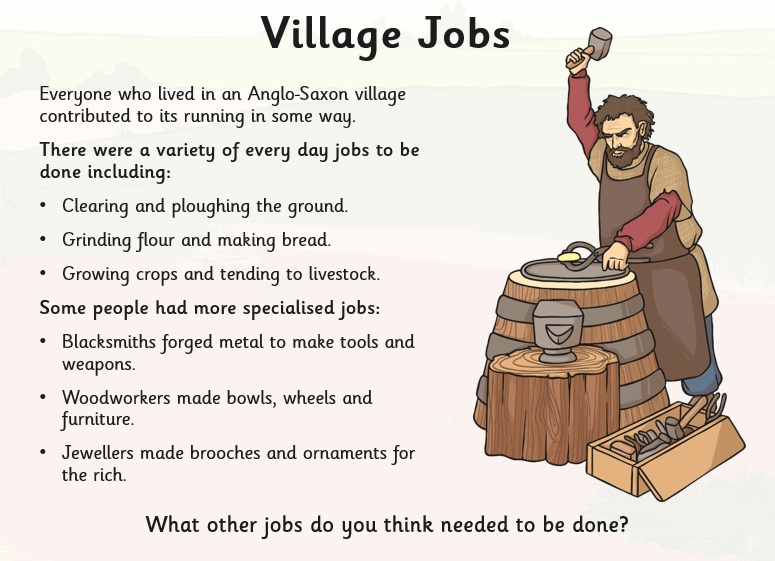
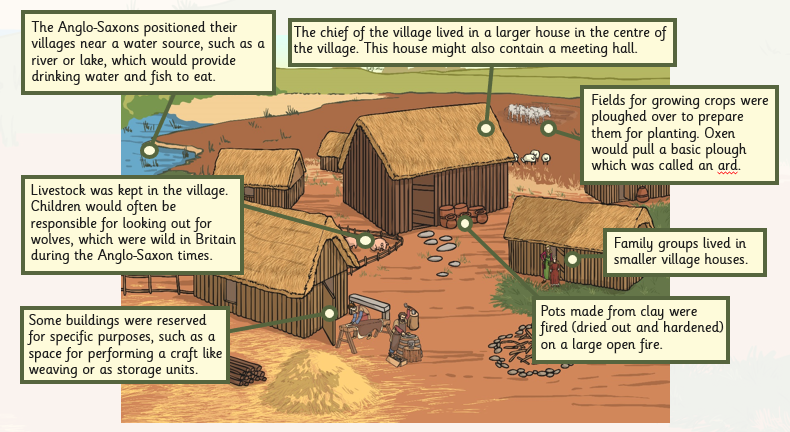
BBC Two - Primary History, Time Lines, Time Lines: Children, Ordinary families in Anglo-Saxon times
(On the 'Jump to' side bar, click on Life in Anglo-Saxon Villages to find useful information)
KS2 History: Anglo-Saxon village life and work - BBC Teach
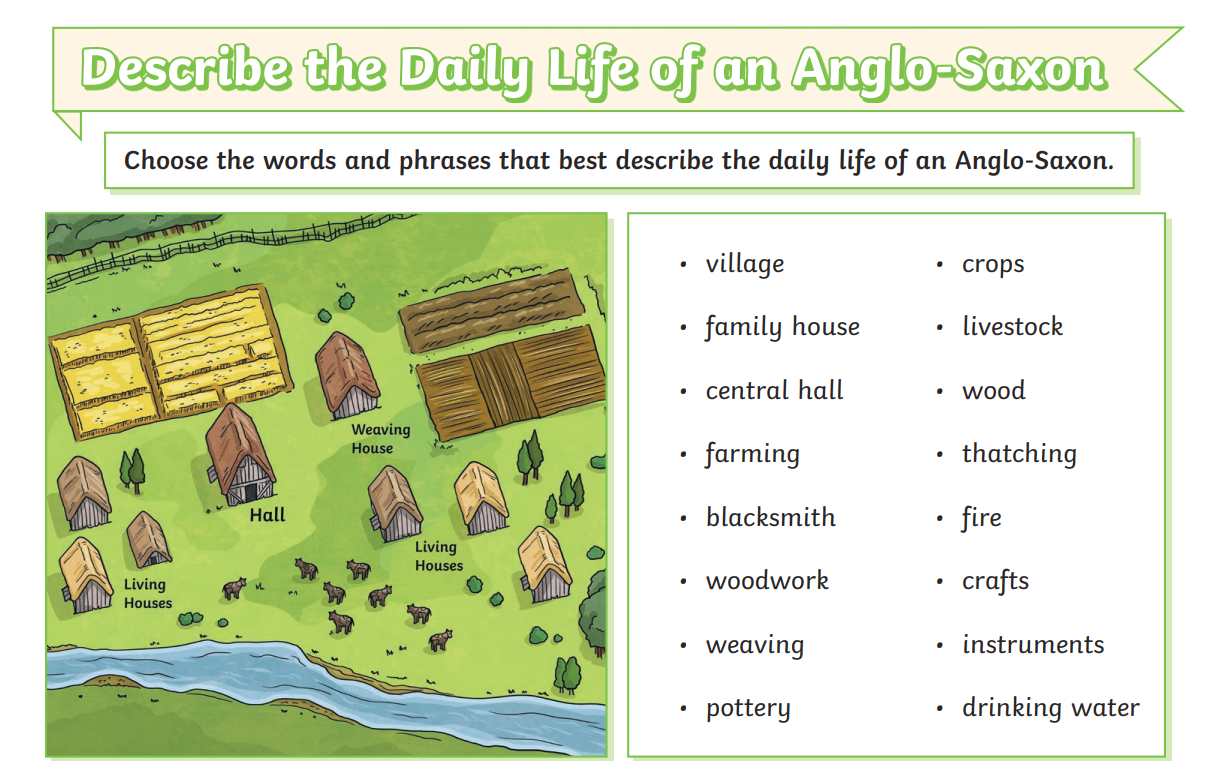
Adapted
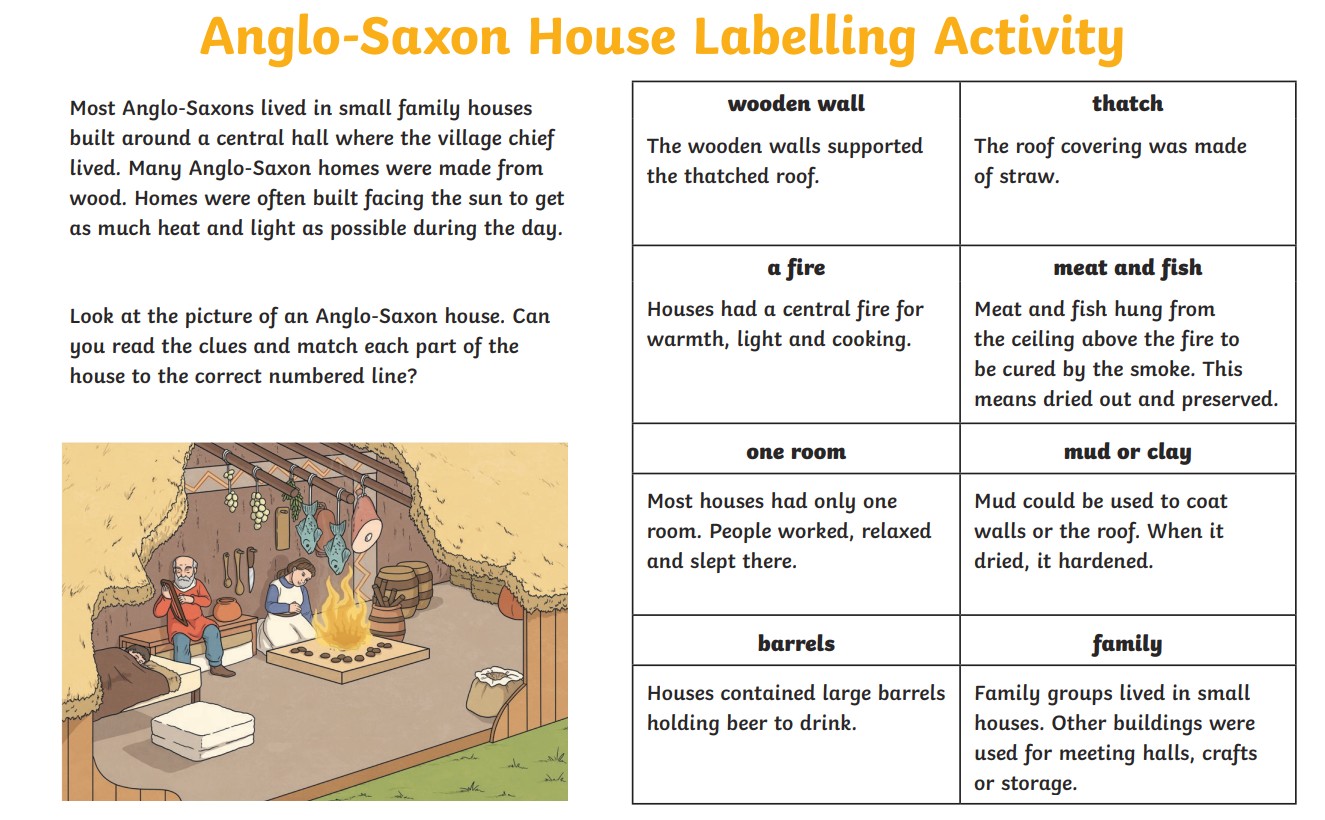
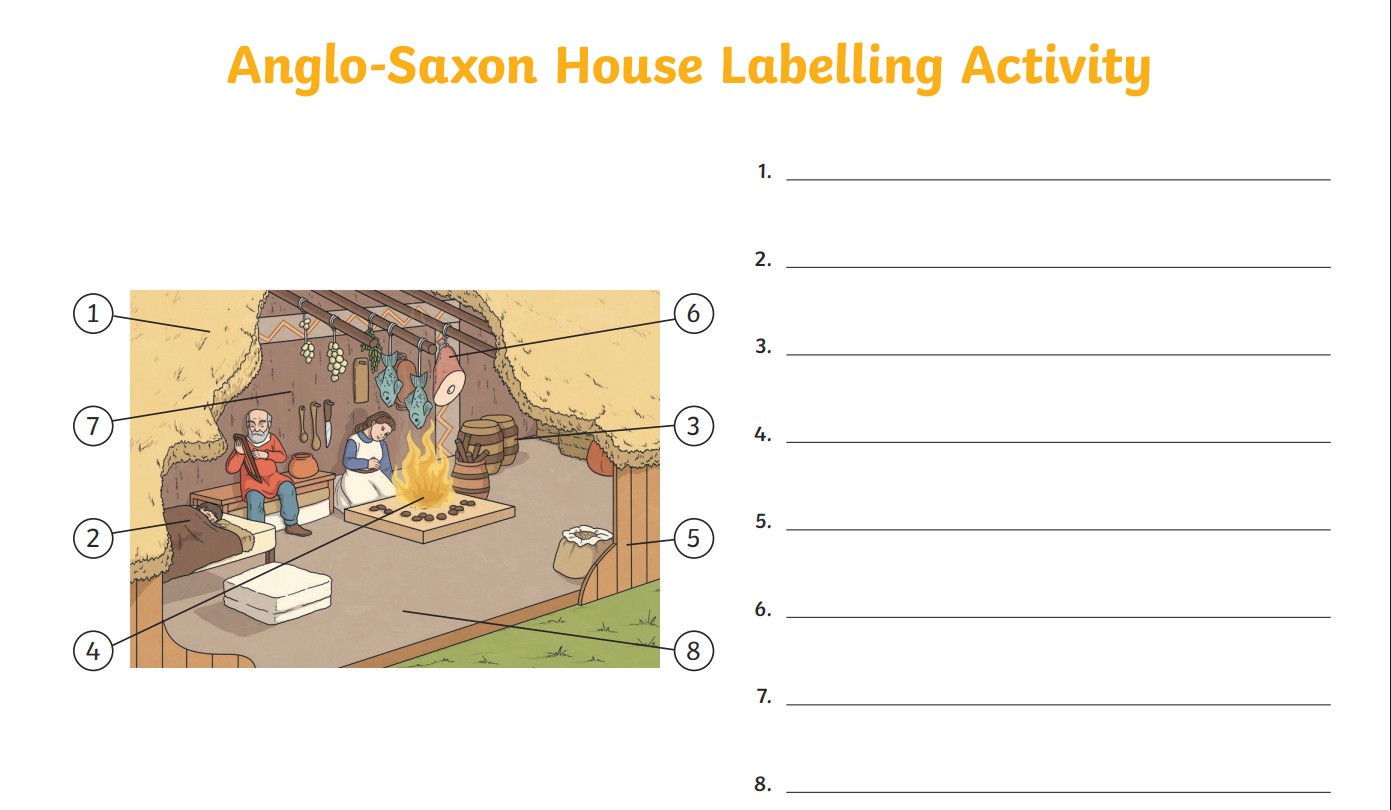
Shared read the information about homes with the teacher. Can you write the words in the correct places on your picture?
Tuesday 20th January 2026
LC: To be able to use rhetorical questions as subheadings.
With your talk partner discuss the purpose of rhetorical questions.
Task:
Using your planning, notes and the teacher model write page 2 and 3 of your non- chronological report. Remember to use the success criteria we have come up with to ensure you have all the necessary skills in your writing.
Success Criteria:
Adapted
Look at the photographs and sentences you wrote last week.
Can you think of a question to ask about each picture?
You might ask:
What toys did Roman children play with?
Write your questions - remember the capital letter at the beginning and ? at the end.
My example:
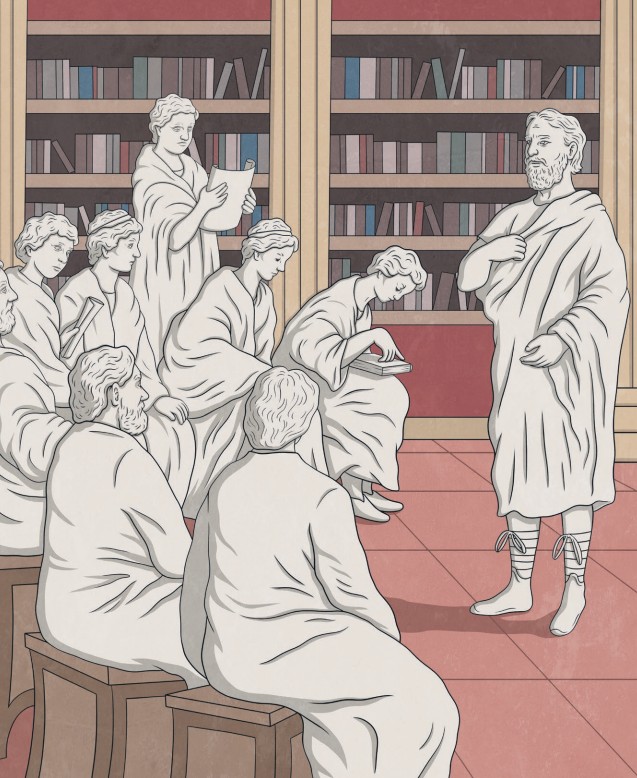
What did Roman children learn at school?
20.01.26
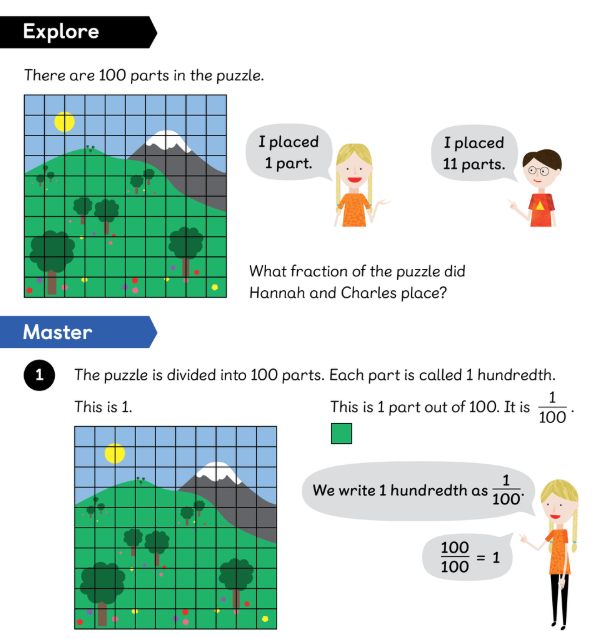
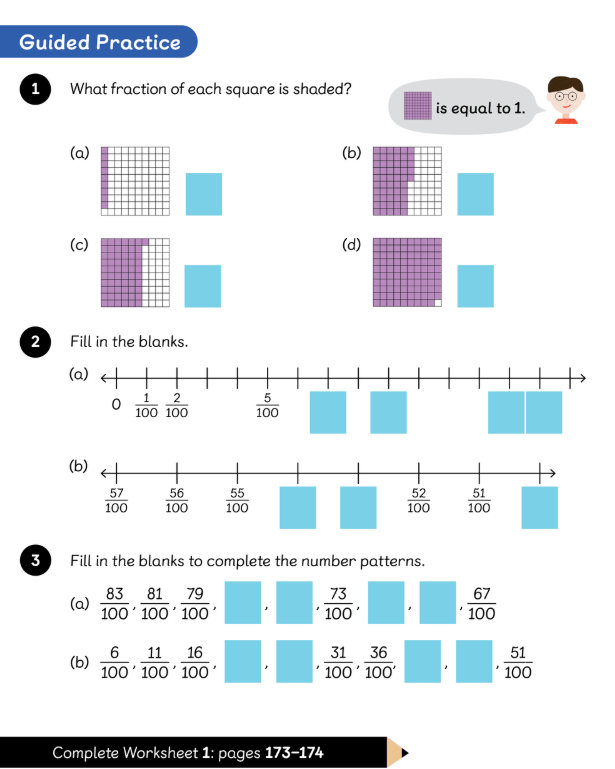
LC: To count in hundredths.
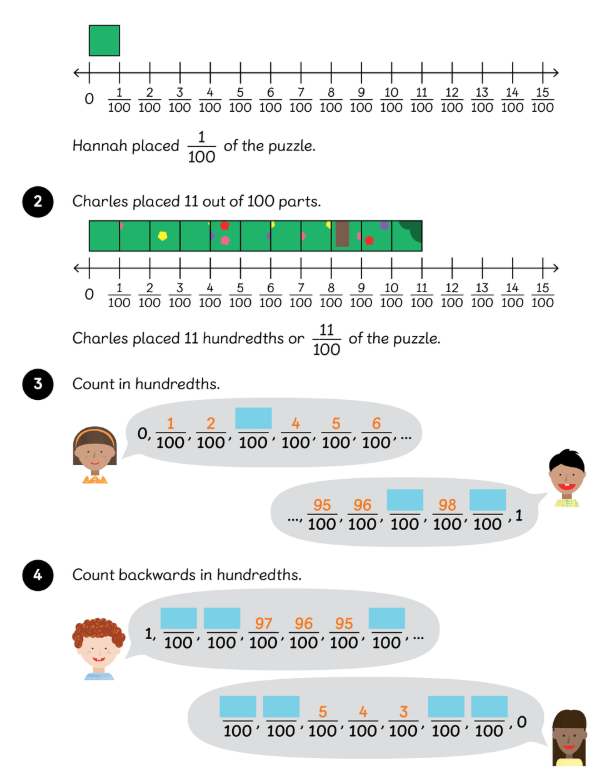
Adapted
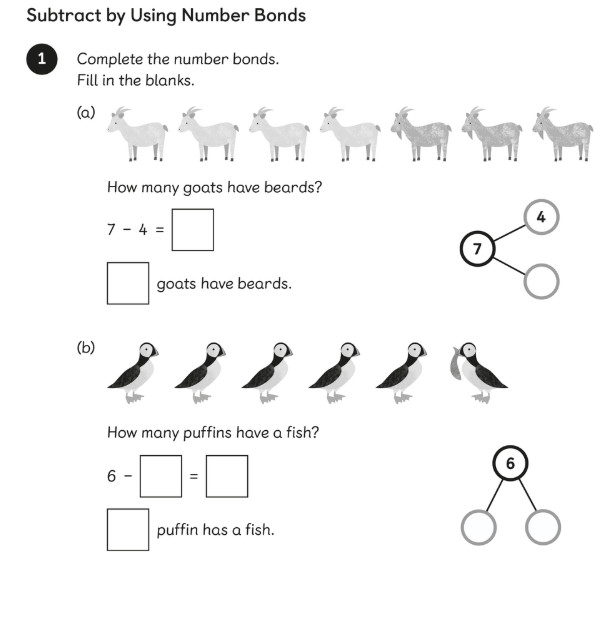
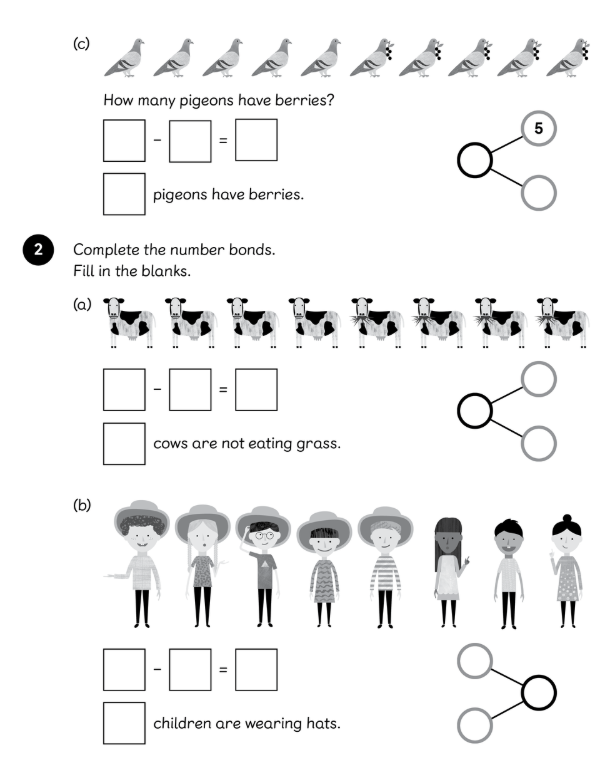
LC: Subtracting using number bonds.
Tuesday 20th January 2026
LC: To design a prototype of a frame that will be strong and stable using cardboard.
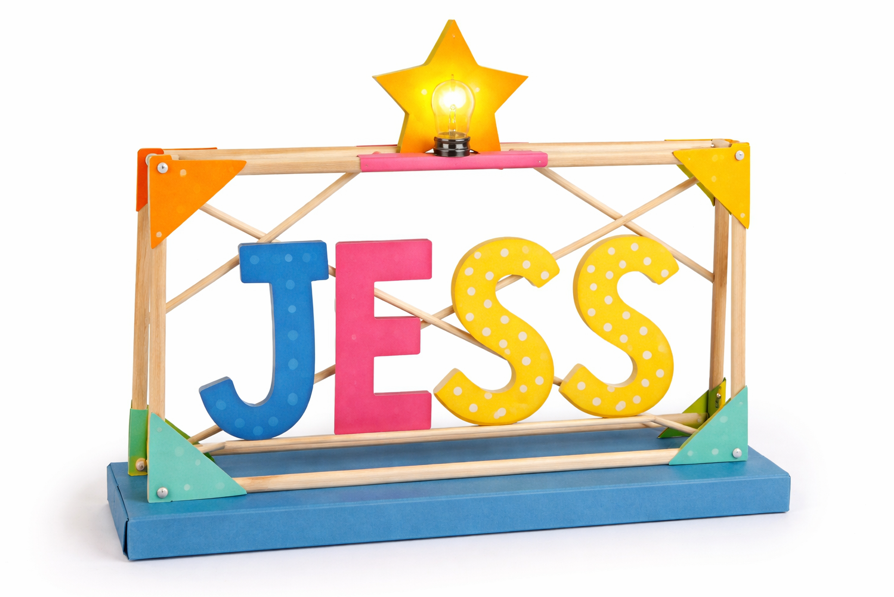
STEP 1 – Measure and Cut the Frame Pieces
Pupils measure and mark:
Vertical posts (2):
-
20 cm long
Top and bottom bars (2):
-
30 cm long
Diagonal struts (2):
-
22 cm long (approx. – exact length can be trimmed)
👉 Teacher tip:
Demonstrate measure → mark → double-check → cut
STEP 2 – Make the Base (Stability)
Measure and cut base:
-
30 cm × 8 cm rectangle (cardboard or foam board)
Fix the vertical posts:
-
Glue the two 20 cm posts upright at each end of the base
-
Leave 2 cm from the edge to prevent tipping
📌 This wide base is a key engineering feature
STEP 3 – Build the Frame Shape
-
Glue the bottom horizontal bar between the two vertical posts
-
About 2 cm above the base
-
-
Glue the top horizontal bar across the top of the posts
🟦 At this stage, the frame will wobble — this is intentional and good for learning.
STEP 4 – Strengthen the Frame
Add diagonal struts:
-
Glue one diagonal from bottom left → top right
-
Glue the other from bottom right → top left
Add gussets (corner triangles):
-
Cut 4 triangles, approx. 5 cm × 5 cm
-
Glue into each corner
t4 s 135 how to be a good friend powerpoint ver 3.pdf
Every child has the right to be treated equally, regardless of differences.
Links to: handling differences, respecting all people.
Children have the right to express their opinions and be listened to.
Links to: resolving differences respectfully.
Children can share their thoughts and ideas in a respectful way.
Links to: getting on with others, communicating positively.
Children can have their own beliefs and should respect others’ beliefs.
Links to: handling differences, understanding others.
Children can make friends, join groups, and meet others peacefully.
Links to: making friends, getting on with others.
Education should teach children to respect others, work together, and resolve conflict peacefully.
Links to: friendship skills, handling differences, “love your enemies.”
Children have the right to enjoy their own culture and respect others’.
Links to: understanding and valuing differences.