



Monday 12thJanuary 2026
RIC:
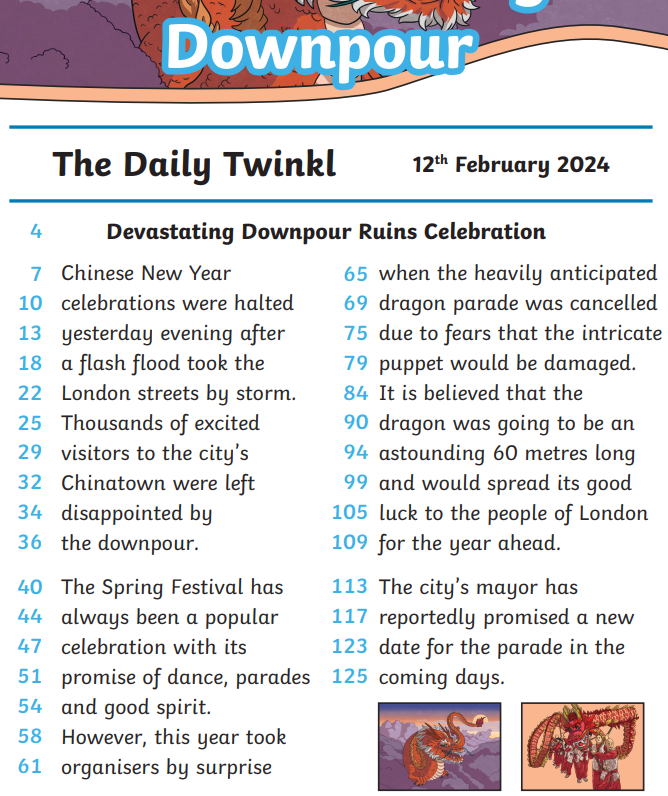
R:How long was the dragon believed to be this year?
I: What impression does the author give us by using the phrase Devastating Downpour?
C: What does the word halted mean?
Monday 12th January 2026
LC: To scan for dates, numbers and names.
Teacher model:
1. What Is Skimming?
Skimming means reading quickly to get the main idea of a text.
You do not read every word—your eyes move quickly over the text.
How to Skim
-
Look at titles and headings
-
Look at pictures
-
Read the first sentence of each section
-
Look for repeated ideas
Skimming Activity
Ask pupils:
-
“What is this text mostly about?”
2. What Is Scanning?
Scanning means looking for specific information such as:
-
Dates
-
Names
-
Numbers
-
Key words
You move your eyes quickly down the page to find the exact information needed.
How to Scan
-
Decide what you’re looking for
-
Look for capital letters (names)
-
Look for digits (numbers and dates)
-
Follow headings to find the right section
3. Guided Practice
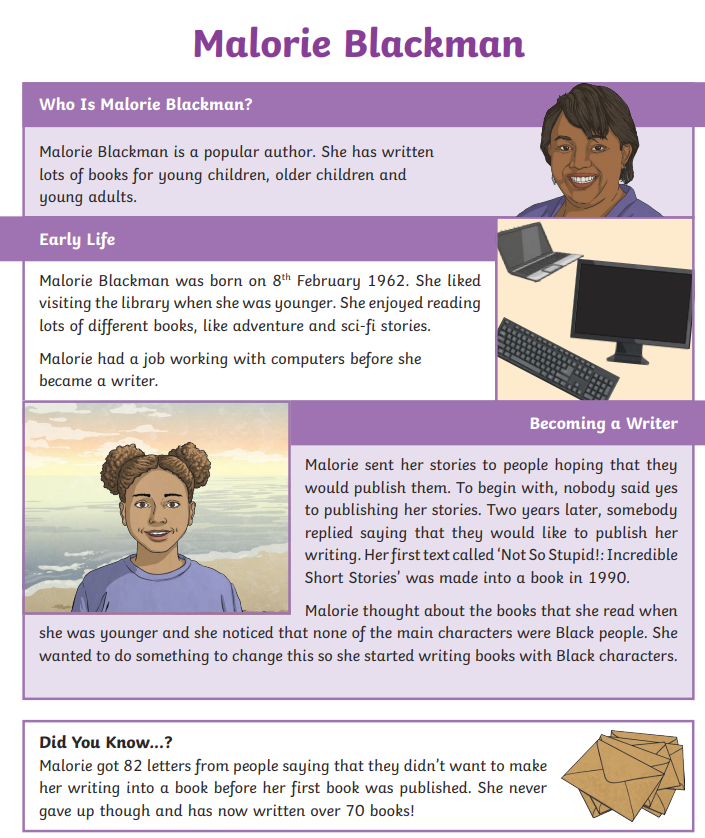
Task A: Scan for Dates
Find:
-
Malorie Blackman’s birth date
-
The year her first book was published
Task B: Scan for Names
Locate:
-
The name of the author
-
At least two book titles she has written
Task C: Scan for Important Numbers
Find:
-
How many rejection letters she got
-
How many books she has written
Independent Practice
-
“Find a job Malorie had before becoming a writer.”
-
“Find the reason she wanted to write books with Black characters.”
-
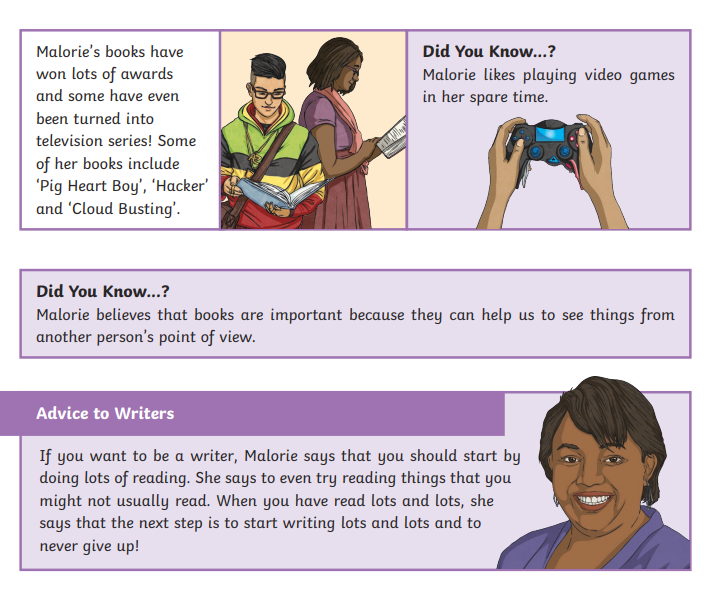
“Find what she says writers should do to get better.”
Adapted:
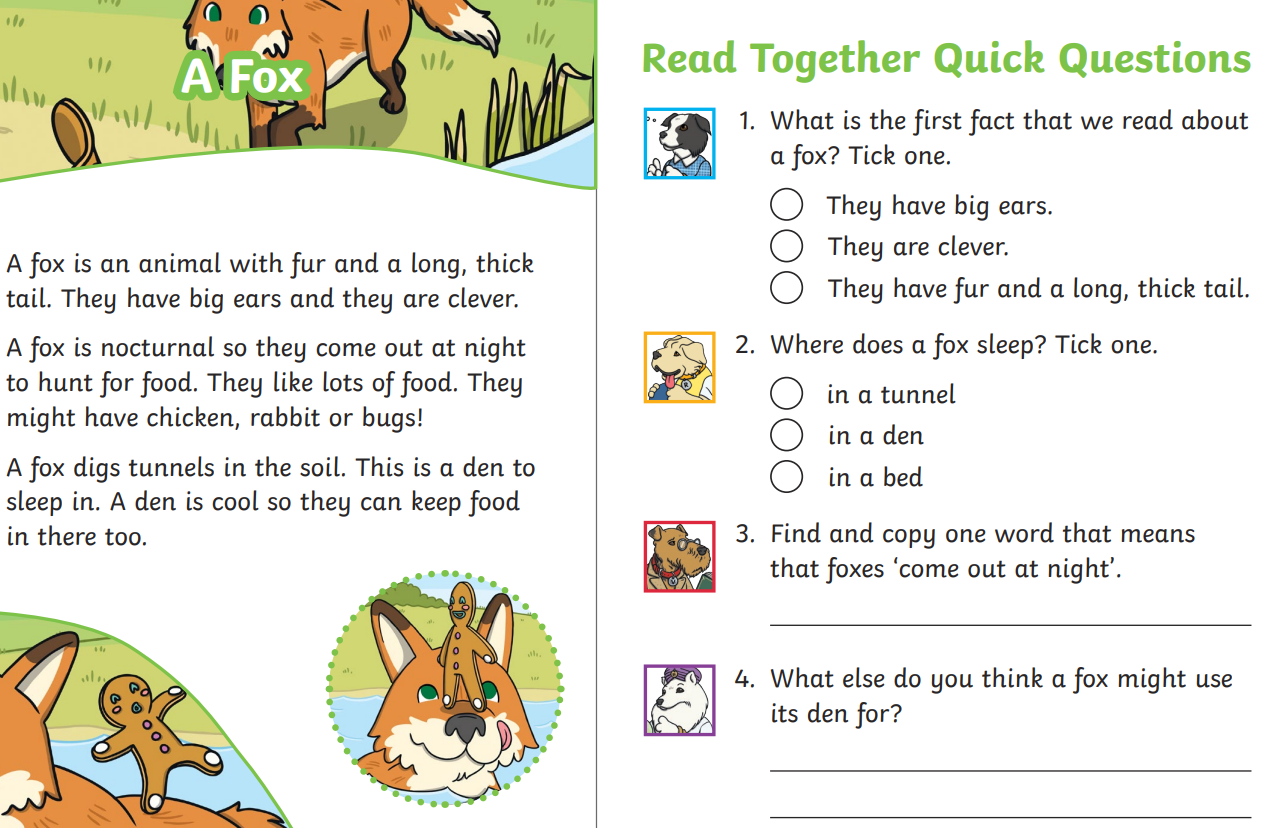
LC: to discuss the title and events of a text.
Grammar: Determiners
Determiners are a type of word that comes before a noun to introduce it and provide additional information about it
It helps give the reader or listener more context.
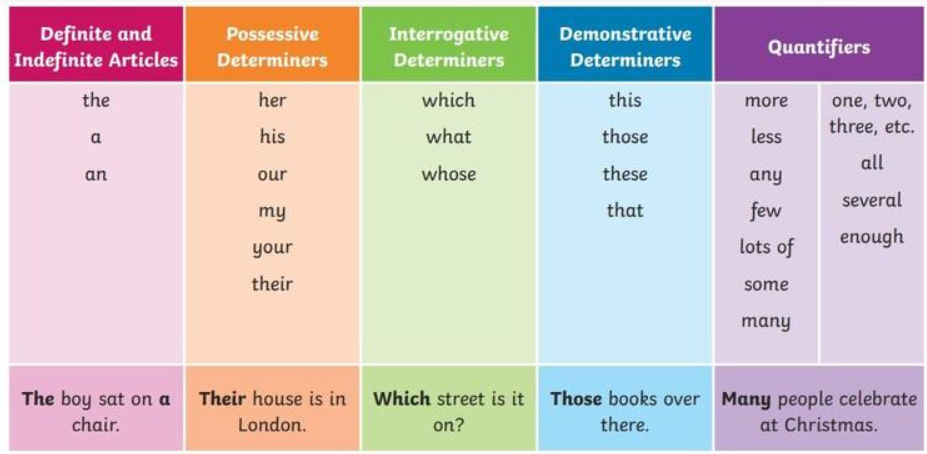
identifying a determiner powerpoint.pdf
Monday 12thJanuary 2026
LC: To analyse vocabulary and language in non- chronological reports.
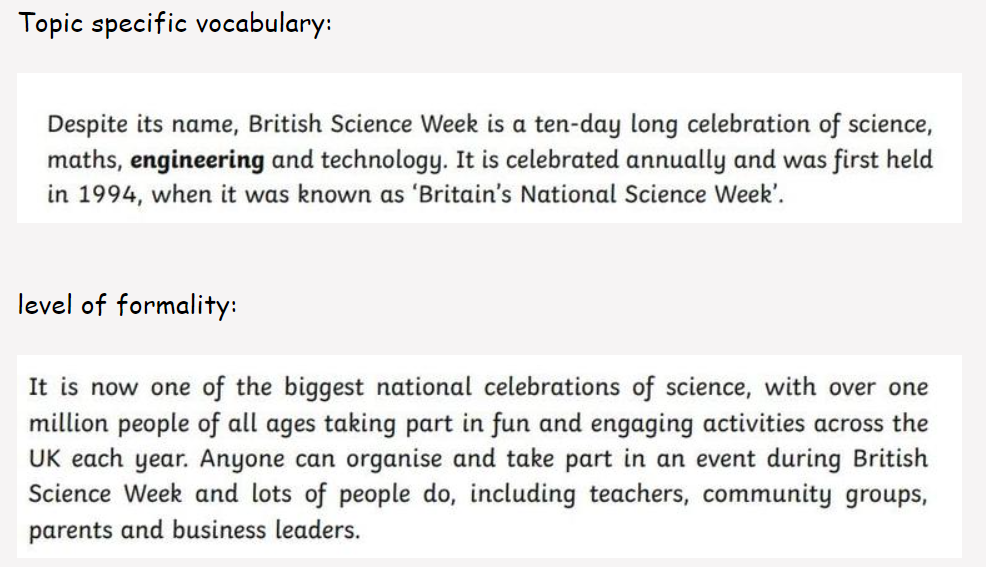

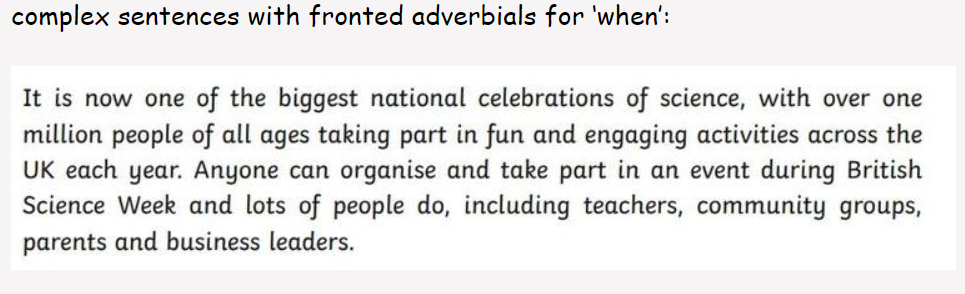
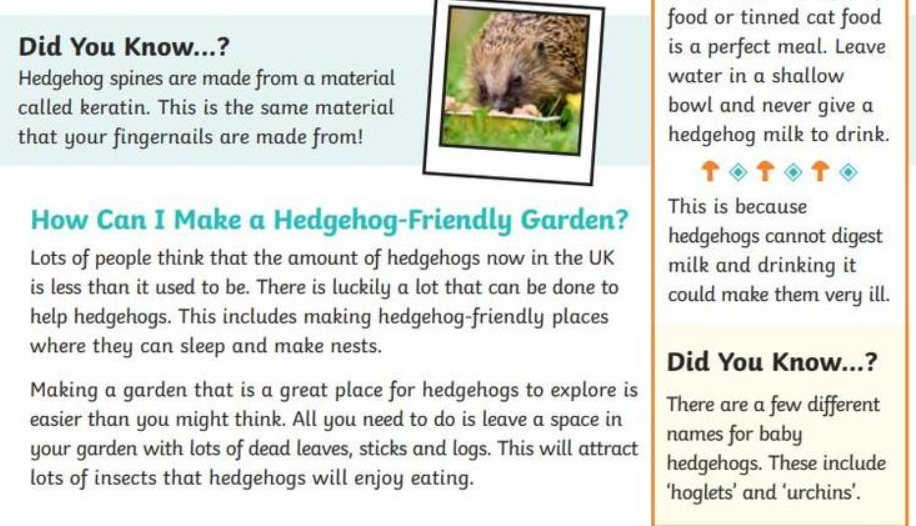
Your task: Read the text below and find and copy phrases that demonstrate:
1. Topic Specific vocabulary:
2. formal language:
3. rhetorical questions:
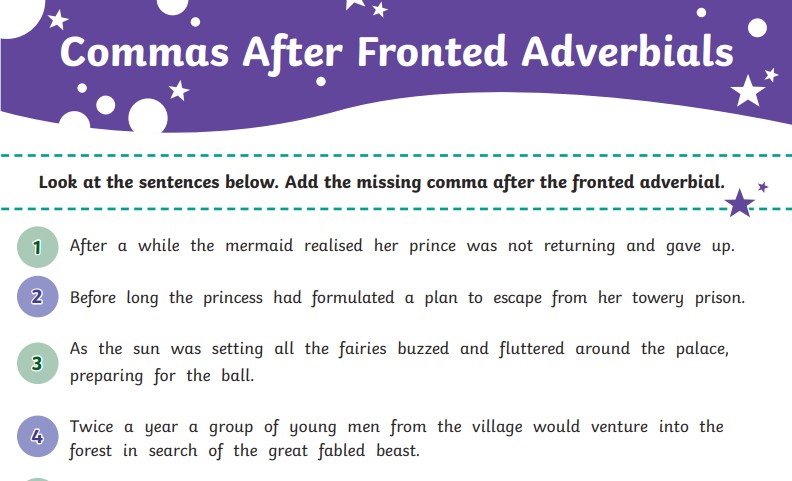
4. complex sentences with fronted adverbials for ‘when:

Adapted
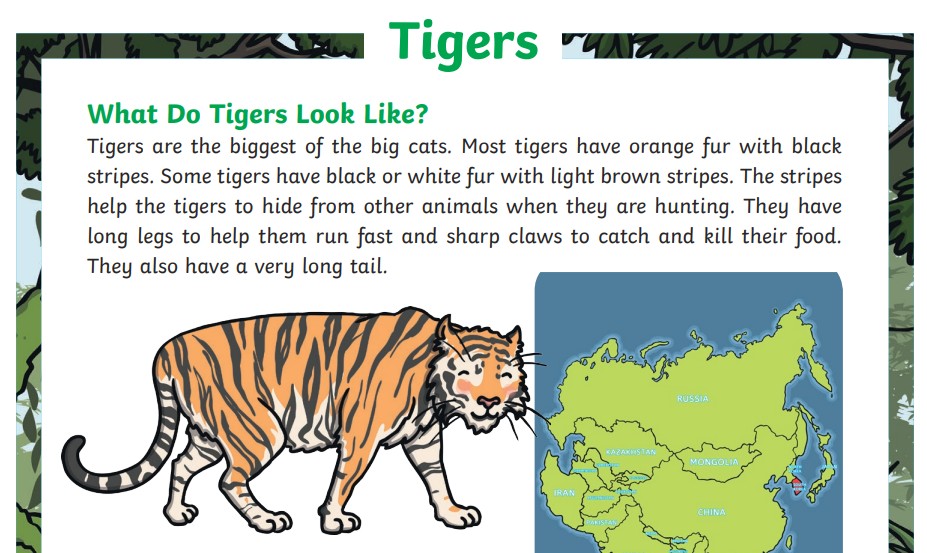
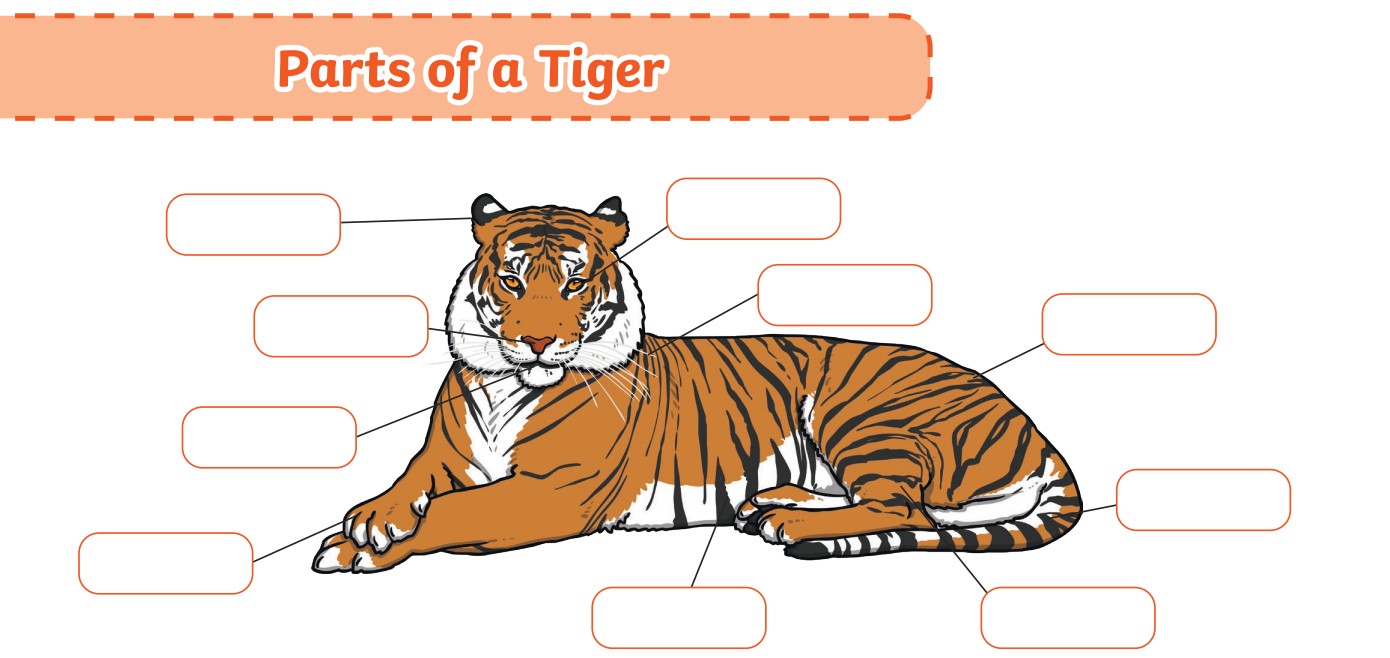
Read the the information about what tigers look like with the teacher. Use what you have read to write the labels on the picture.

12.01.26
LC: Revision 1
Complete revision 1 on your MNP work book on pages 151-156.
Adapted
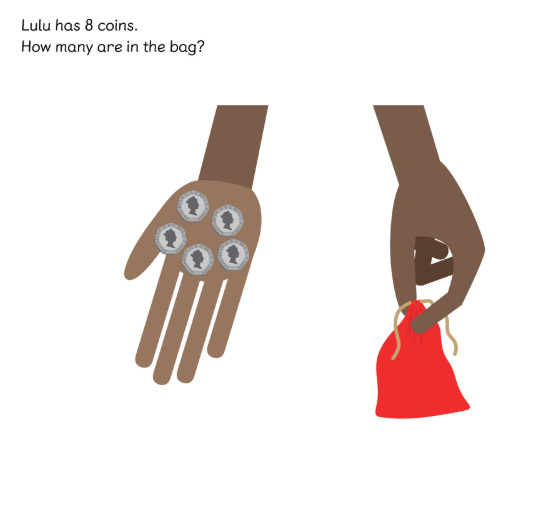
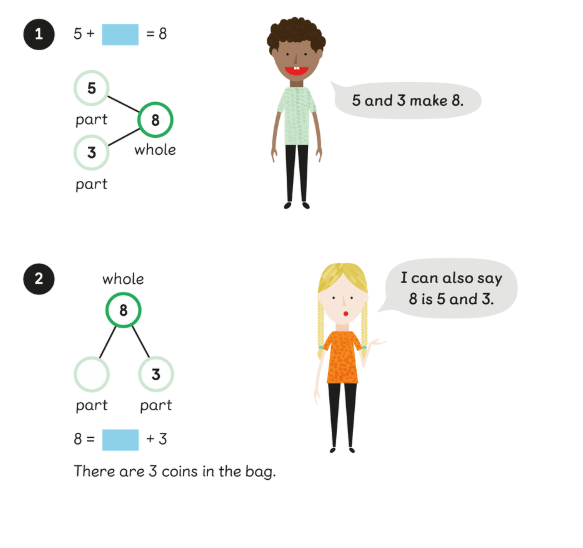
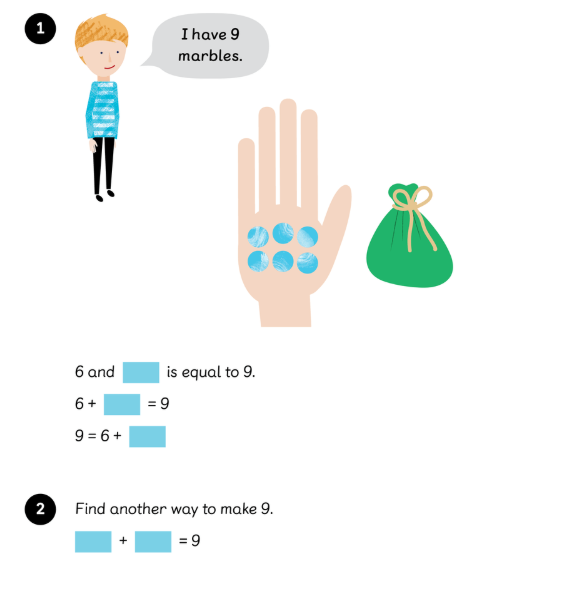
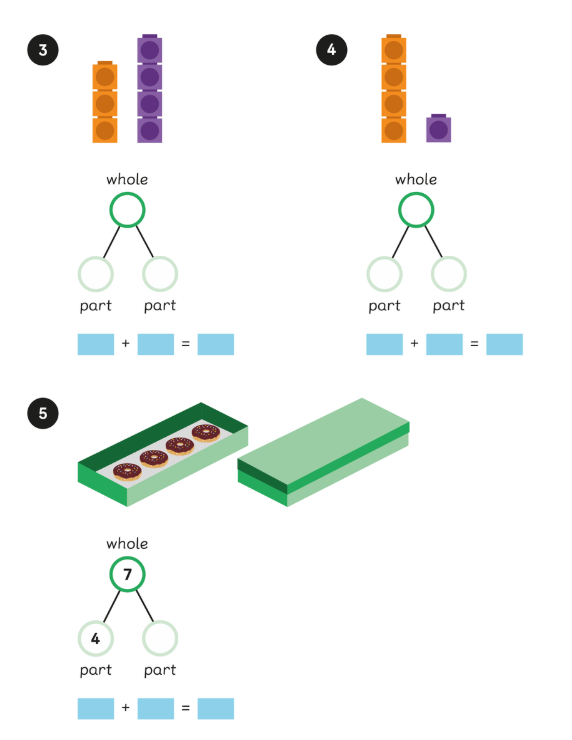
LC: Addition with counting on.
Monday 12th January 2026
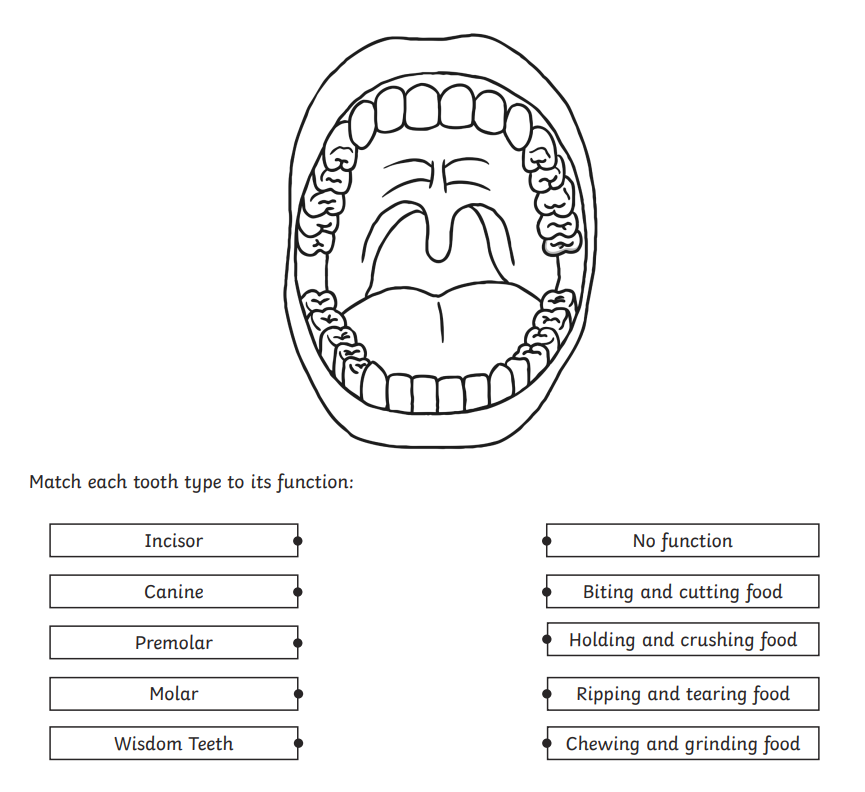
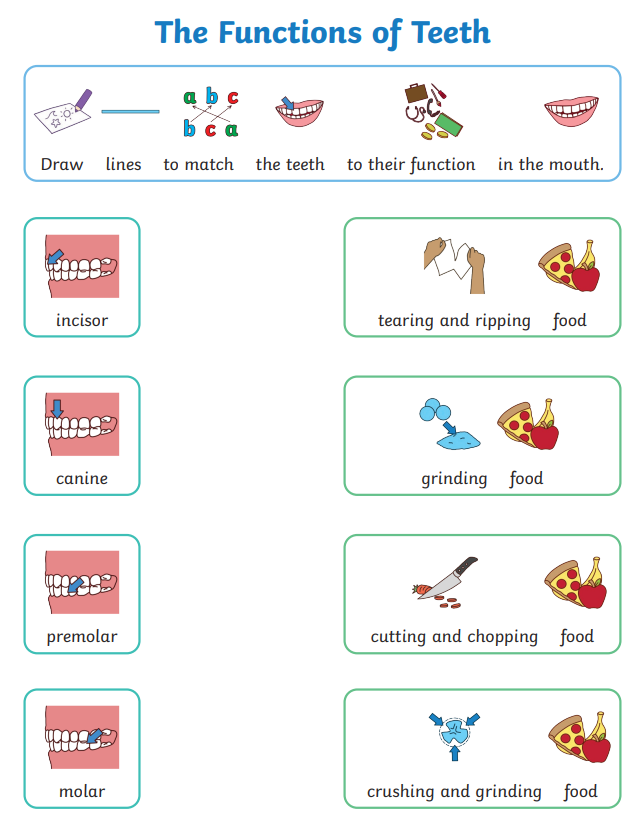
LC: To explain why our teeth are different shapes and what are their functions.
“Look Inside Your Mouth!”
-
Using the front camera of your iPad look at your teeth and discuss with your talk partner:
“Are all your teeth the same shape?”
“Which ones look sharp? Flat? Pointy?”
Be ready to share you discussions, we will be gathering these ideas for our learning wall.
Humans have four types of teeth, each with a special shape and special job in eating:
Incisors — cutting
Canines — tearing
Premolars — crushing
Molars — grinding
Interesting fact: When you have your teeth checked by a dentist, you may have heard them say lots of letters and numbers. The numbers refer to your adult teeth and the letters to your milk teeth. Letters and numbers start from the back of your mouth and go to the front. So a wisdom tooth would be eight, the incisor on that side would be one. As children have fewer molars and premolars and no wisdom teeth, milk teeth are labelled from the back E D C B A. So the back molar would be E and the incisor on that side would be A.
“How Would You Eat This?”
Below are some different foods:
-
Soft food → banana/bread
-
Hard food → carrot/apple
-
“Which teeth would help you bite into this?”
-
“Which teeth would help you tear it?”
-
“Which teeth would grind it before swallowing?”
Under you diagram complete these questions in your books: -
“My incisors are shaped to…”
-
“My molars help me by…”
- "My canines are used to..."
-
“We have different teeth because…”
Adapted:
Article 24
Children have the right to the best health care possible, clean water to drink, healthy food and a clean and safe environment to live in. All adults and children should have information about how to stay safe and healthy.
What Does Article 24 Say?
Article 24 – Health and Health Services
Children have the right to the best possible health and to access healthcare and services that keep them well.
This includes:
-
Doctors
-
Nurses
-
Dentists
-
Health advice
-
Clean water, good food, and safe environments
In simple terms: Every child has the right to be healthy and to get help when they need it.
3. How Does This Link to Visiting the Dentist in the UK?
A. Free NHS Dental Care for Children
In the UK, dental care is free for children under the NHS.
This supports Article 24 because it removes cost barriers.
B. Regular Check-ups
Children are encouraged to visit the dentist every 6 months or as advised.
This prevents tooth decay and gum disease.
C. Preventive Treatment
Dentists can provide:
-
Fluoride varnish
-
Fissure sealants
-
Oral hygiene advice
These help keep children healthy, matching the aims of Article 24.
D. Equality of Access
All children—regardless of background, income, or ethnicity—should be able to get dental care.
If a child struggles to access a dentist, local NHS services have a responsibility to help.
4. Why Is It Important?
Linking Article 24 to dental health teaches children:
-
Health is a right, not a privilege.
-
Taking care of teeth is part of staying healthy.
-
They should speak up if they are unable to see a dentist.
A. True or False
-
Only adults have the right to healthcare.
-
Dental care is part of Article 24.
-
Children in the UK can get free dental treatment.
B. Discussion Question
Why do you think the UK provides free dental care for children?
Reflection
Share one way you look after your teeth.