



Friday 16th January 2025
RIC
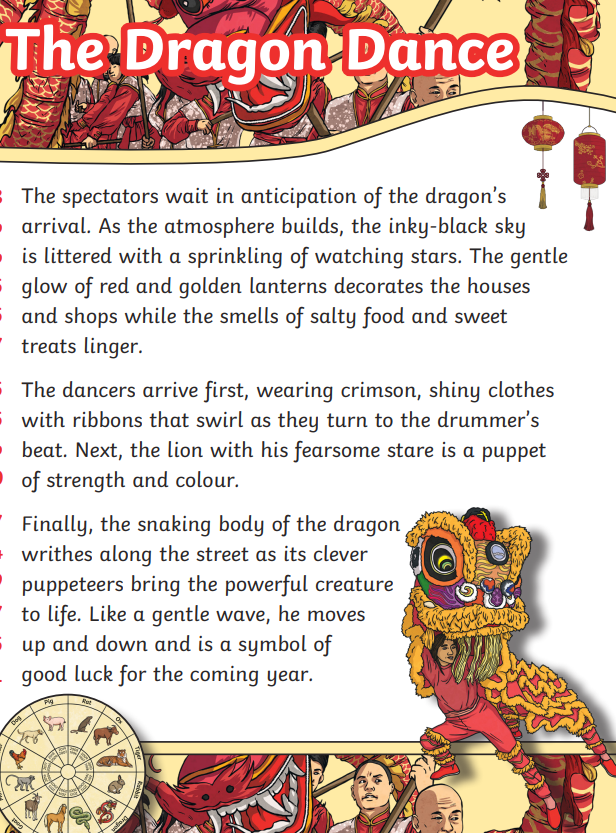
R: What smells are lingering?
I: The author describes the movement of the dragon as Like a gentle wave,… What effect does this have?
C: Why do you think that the spectators are excited about the arrival of the dragon?
Friday 16th January 2026
LC: To navigate texts, using contents, in order to locate and retrieve information on screen.
Recap:
⭐ What Is a Contents Page?
A contents page is a special page at the beginning of a book or on a website that shows you what is inside.
It is like a map that tells you where to find different sections or chapters.
⭐ What Does a Contents Page Include?
A contents page usually has:
-
Headings or titles of the main sections
-
Page numbers (in books)
-
Links or buttons (on websites)
-
The order the information appears in the text
⭐ Why Do We Use a Contents Page?
A contents page helps you to:
🔍 1. Find information quickly
Instead of reading the whole book or scrolling through the whole webpage, you can look at the contents page and go straight to the part you need.
📖 2. See what the text is about
The headings on the contents page show you the topics the book or website covers.
⏱️ 3. Save time
You don’t have to look through every page.
You can go instantly to the right section by using the heading or page number.
🧠 4. Understand how the text is organised
The contents page can show you:
-
What the chapters are
-
What order they come in
-
How the information is grouped
⭐ Examples of How You Might Use a Contents Page:
-
Finding a fact:
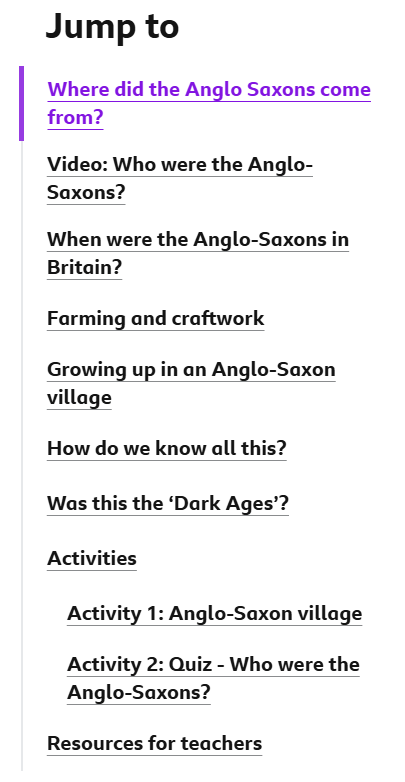
“Which page explains how the Anglo-Saxons farmed?”
→ Look at the contents page for the heading Farming and craftwork. -
Choosing what to read first:
“I want to watch the video.”
→ Click Video: Who were the Anglo-Saxons? -
Helping with research:
Working on a project?
→ Use the contents page to find the information you need quickly.
Click on the link below:
Who were the Anglo-Saxons? - BBC Bitesize
Questions About the Contents Page
🔎 Locating Sections
1.Which section would you click on to find out where the Anglo-Saxons came from?
2.If you wanted to watch a video to learn about the Anglo-Saxons, which heading would you choose?
3.Which heading would help you find out when the Anglo-Saxons lived in Britain?
4.Where would you look to find information about how the Anglo-Saxons farmed and made things?
5.Which section would tell you about life as a child in an Anglo-Saxon village?
6.If you wanted to know how historians discover information about the past, which heading would you click?
7.Which part of the contents might explain whether this time period was called the ‘Dark Ages’?
Adapted:
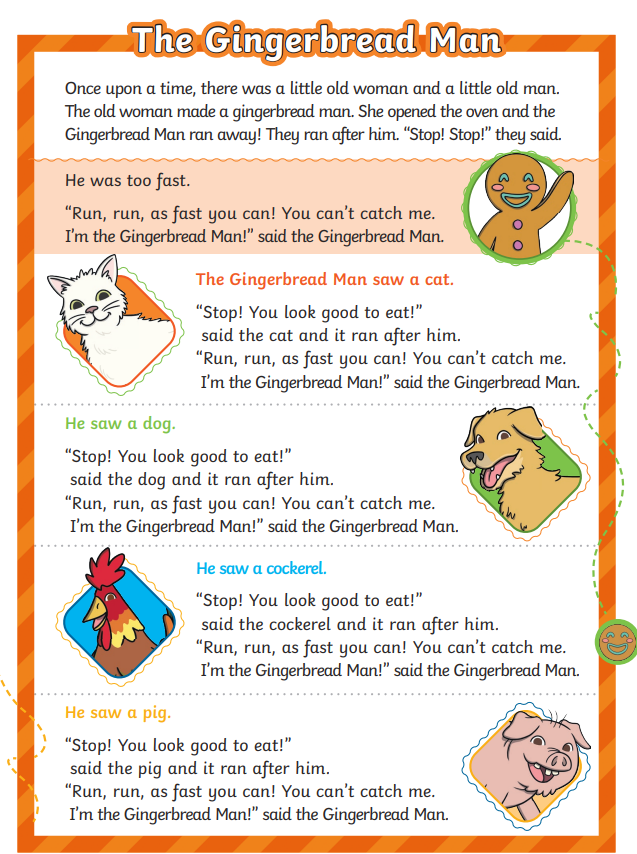
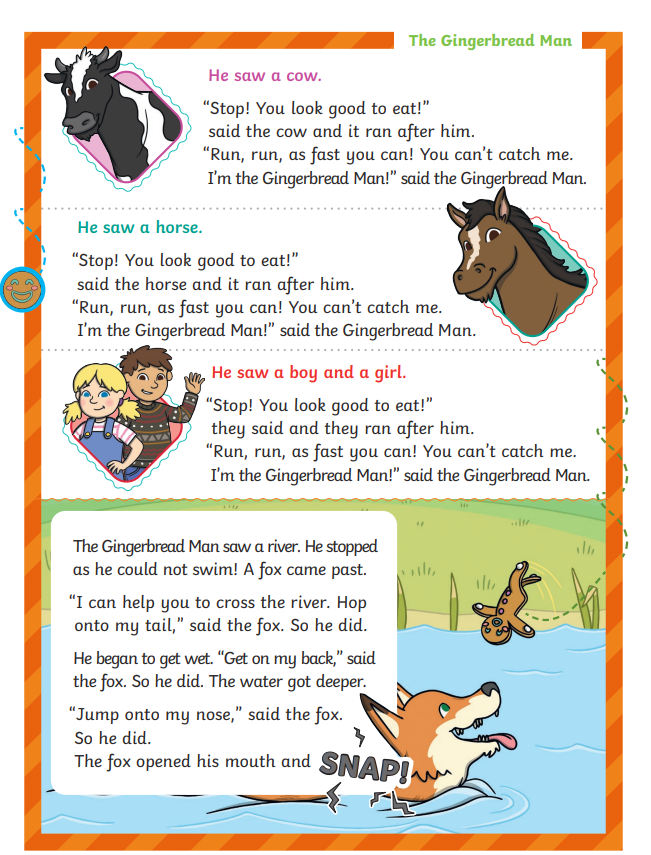
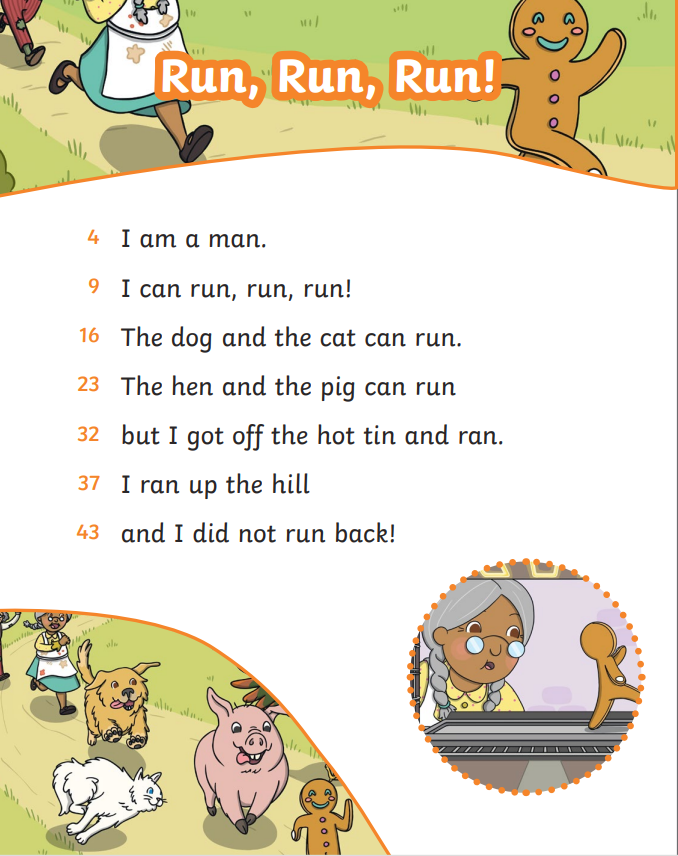
LC: to recognise and join in with predictable phrases.
Enjoy the story of the Gingerbread man and repeat the phrase, run run as fast as you can, you can't catch me I'm the gingerbread man.
Friday 16th January 2026
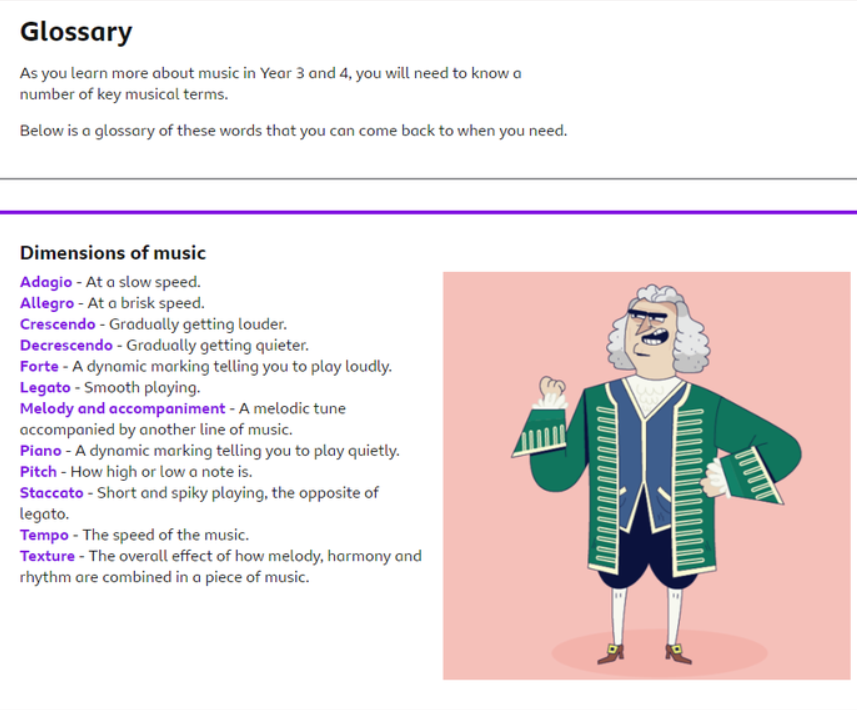
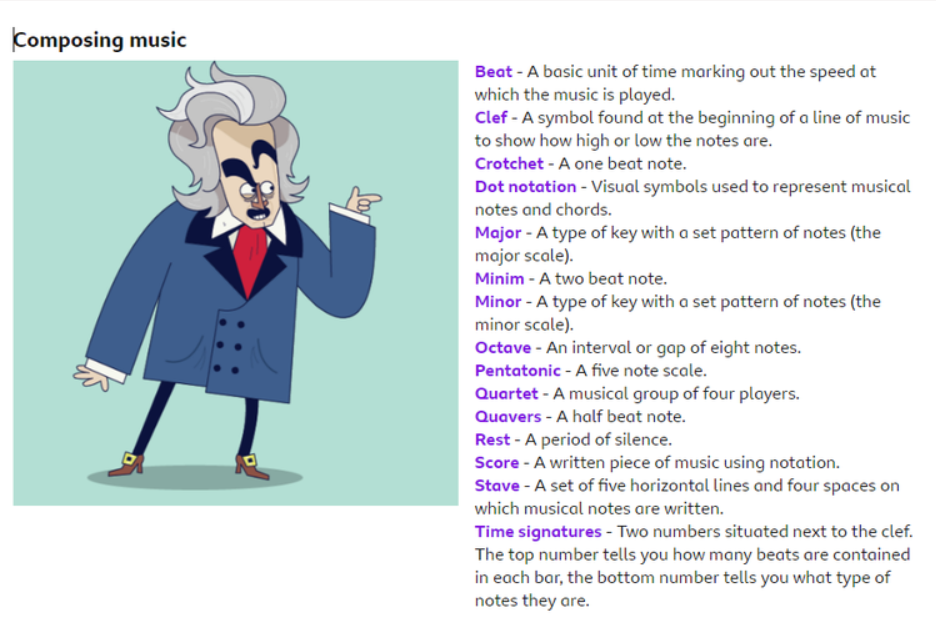
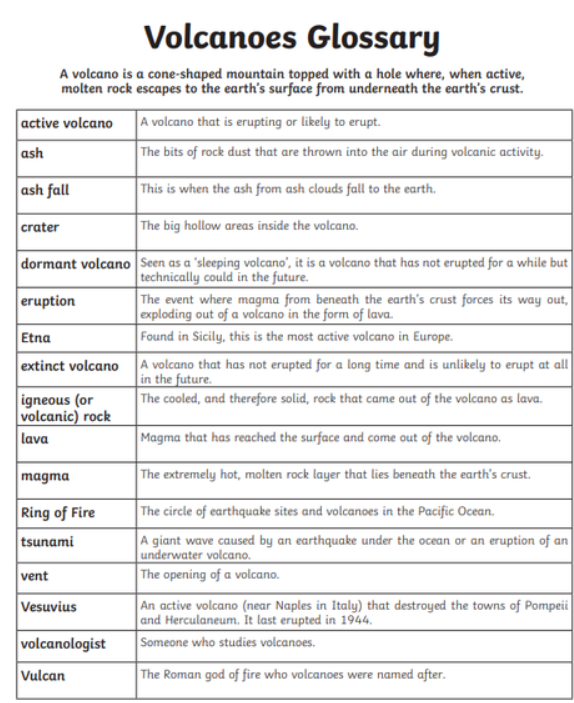
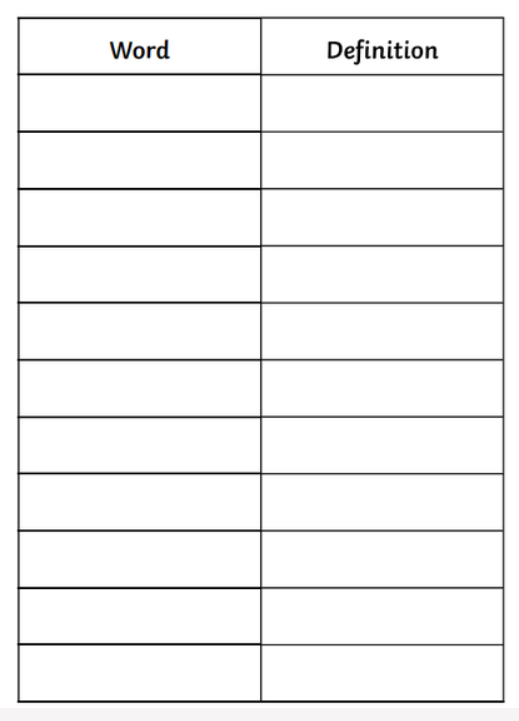
LC: To produce a glossary with technical vocabulary.
Examples of glossaries.
What do you notice from the examples below?
Your turn:
Read through your notes and underline words which may be unfamiliar to the audience of your non-chronological report. Next, write them in alphabetical order and find definitions for them. Remember your definition to should be simple and precise.
Adapted
Wite these words in alphabetical order:
ball abacus school games reading writing doll knuckle bones
16.01.26
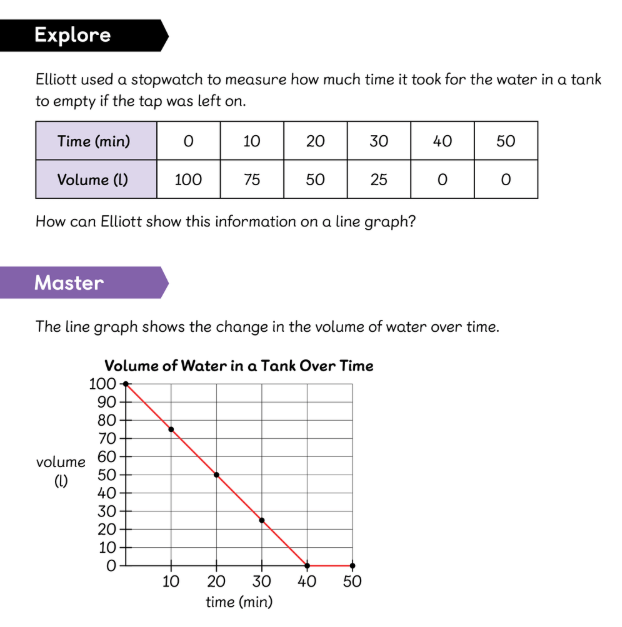
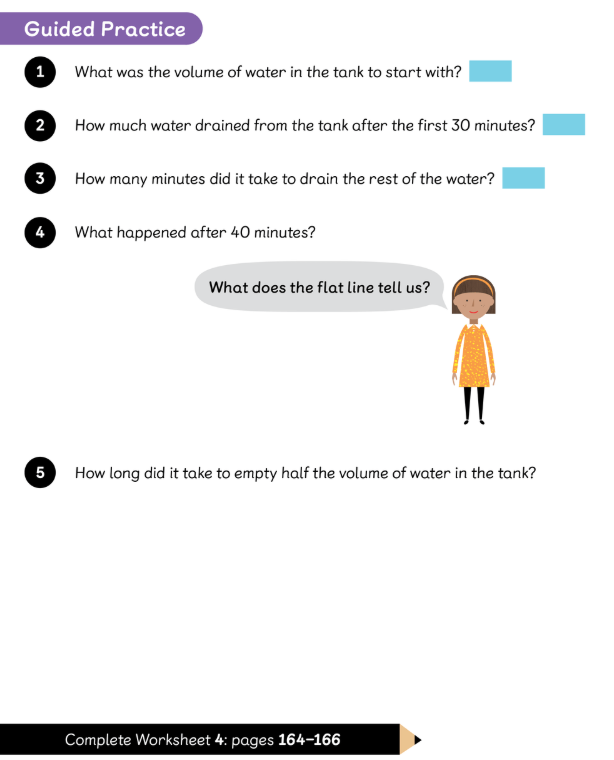
LC: To be able to draw and read line graphs.
Adapted
LC: Subtracting by crossing out.
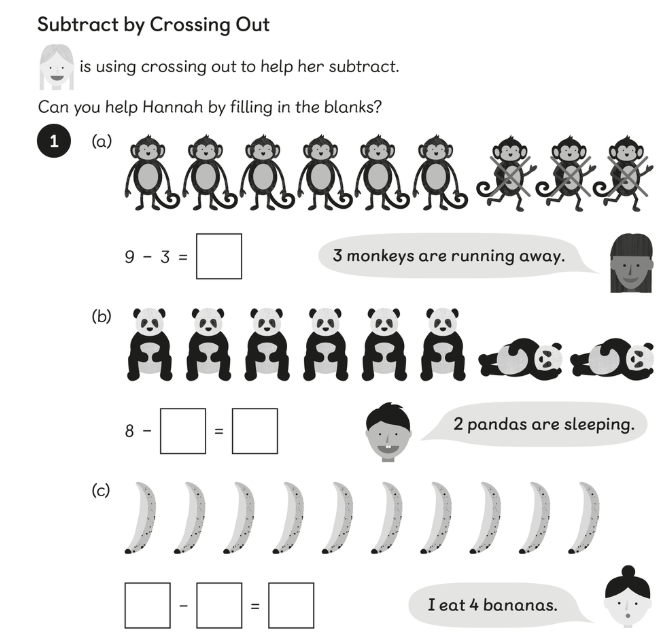
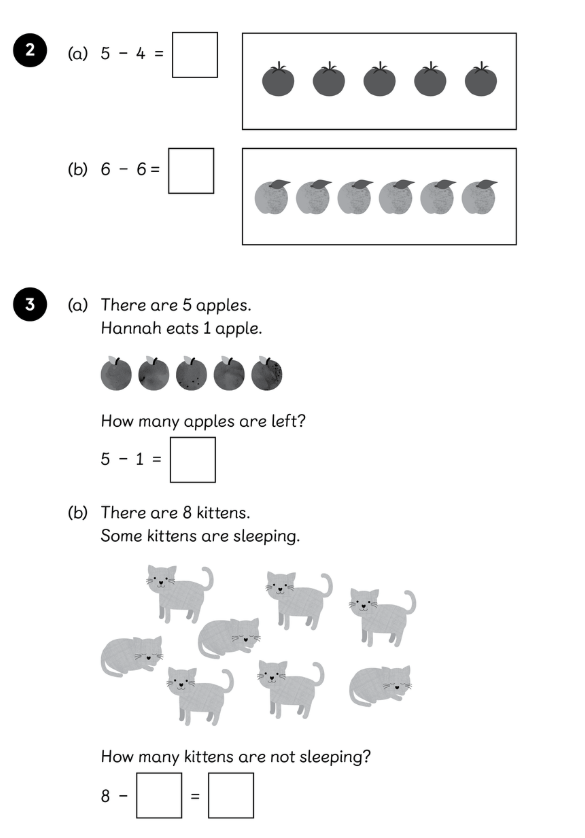
Review
Blankety Blank
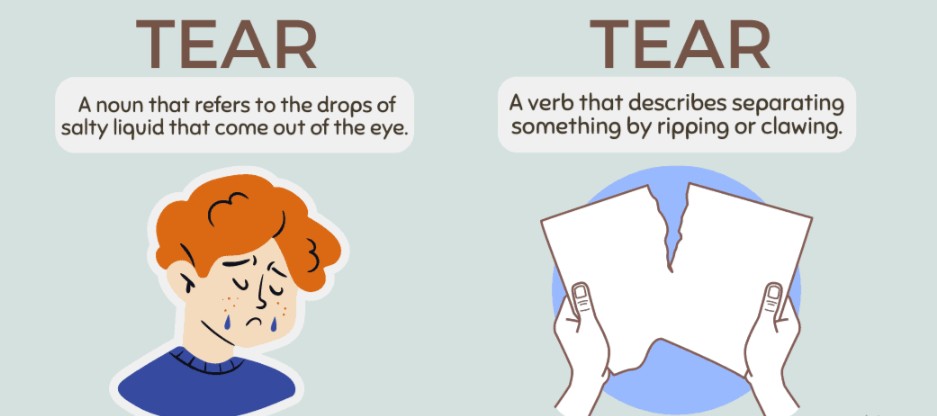
row read can tear
We sat on the front ___ to watch my favourite play.
I like to ____ a complete chapter of my book every night.
Please ___ you mention a particular story that you enjoyed.
He often ____ his homework out loud to check for mistakes.
He opened the ___ of dog food straight away.
To my surprise, there was a ____ in my new jumper.
Learning
tear tear
Practise/Apply
Create your own homograph poster for the words you are given.

Friday 16th January 2026
LC: To design a prototype of a frame that will be strong and stable using cardboard.
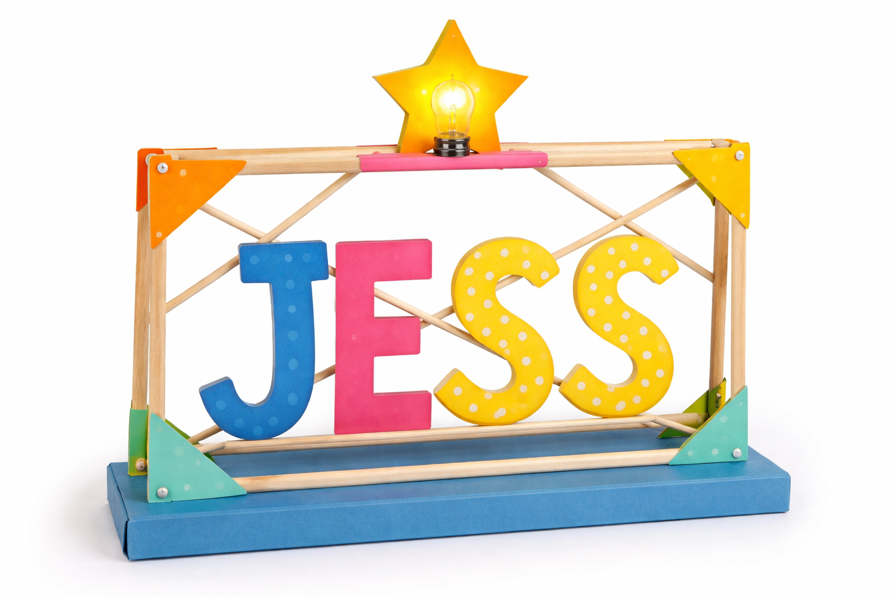
STEP 1 – Measure and Cut the Frame Pieces
Pupils measure and mark:
Vertical posts (2):
-
20 cm long
Top and bottom bars (2):
-
30 cm long
Diagonal struts (2):
-
22 cm long (approx. – exact length can be trimmed)
👉 Teacher tip:
Demonstrate measure → mark → double-check → cut
STEP 2 – Make the Base (Stability)
Measure and cut base:
-
30 cm × 8 cm rectangle (cardboard or foam board)
Fix the vertical posts:
-
Glue the two 20 cm posts upright at each end of the base
-
Leave 2 cm from the edge to prevent tipping
📌 This wide base is a key engineering feature
STEP 3 – Build the Frame Shape
-
Glue the bottom horizontal bar between the two vertical posts
-
About 2 cm above the base
-
-
Glue the top horizontal bar across the top of the posts
🟦 At this stage, the frame will wobble — this is intentional and good for learning.
STEP 4 – Strengthen the Frame
Add diagonal struts:
-
Glue one diagonal from bottom left → top right
-
Glue the other from bottom right → top left
Add gussets (corner triangles):
-
Cut 4 triangles, approx. 5 cm × 5 cm
-
Glue into each corner
t t 5370 joseph story powerpoint ver 1.pdf