


Thursday 8th January 2026
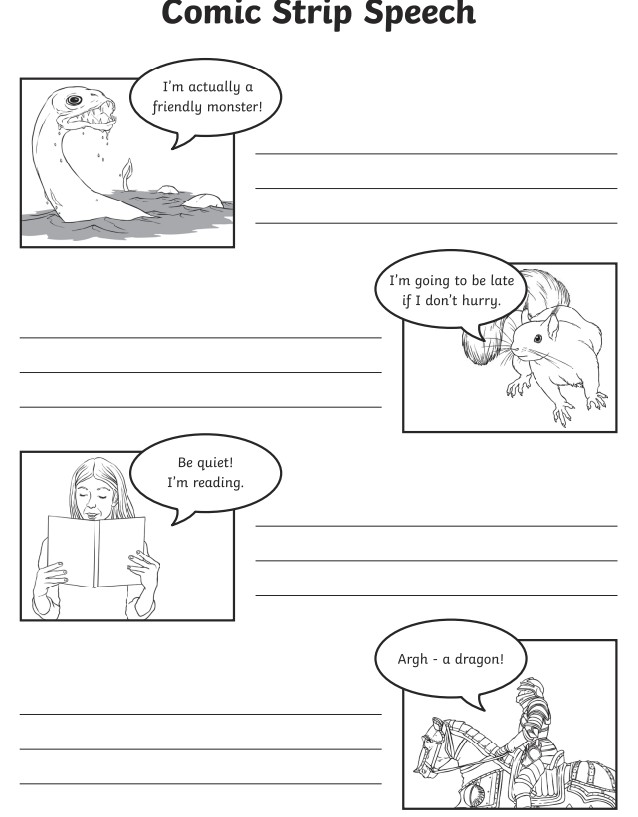
Write a direct speech sentence for each of the pictures below.
Review
Spelling Detectives
Write 6 number between 1 and 10 in your spelling journal, each one on a new line.
Now walk round the room to find the words for your chosen numbers. Look carefully at the spelling and keep the word in your head. Go back to your table and write it correctly beside the number. Repeat for each of your numbers.
Now rewrite the words you collected in alphabetical order.
Learning
Focus: Use the first three letters of a word to check its spelling and meaning in a dictionary.
My turn:
Do you remember how to use the first three letters off a to help you quickly find words in a dictionary?
Watch me find the word surprise.
Listen to the definition. What word class (es) does the word belong to?
What example sentences are provided.
Listen to me put the word in two new sentences.
Your turn:
Now you do the same for the word suppose.
How does using the first three letters of a word help us to locate it quickly in a dictionary?
Practise and apply
Listen to me and repeat each word I say. What phonemes can you hear?
When I say 'go', find the word as quickly as you can. How long did it take you? Can you find the next one faster?
Now say then write each word in a sentence.

Grammar
LC: Compose sentences with fronted adverbials for when.
My turn:
After .
Your turn:
Until
After
Before
When
While
Thursday 8th January 2026
LC: To analyse and evaluate how specific information is organised in a non-chronological report.
What features did we find in the Non-Chronological Reports we read yesterday?
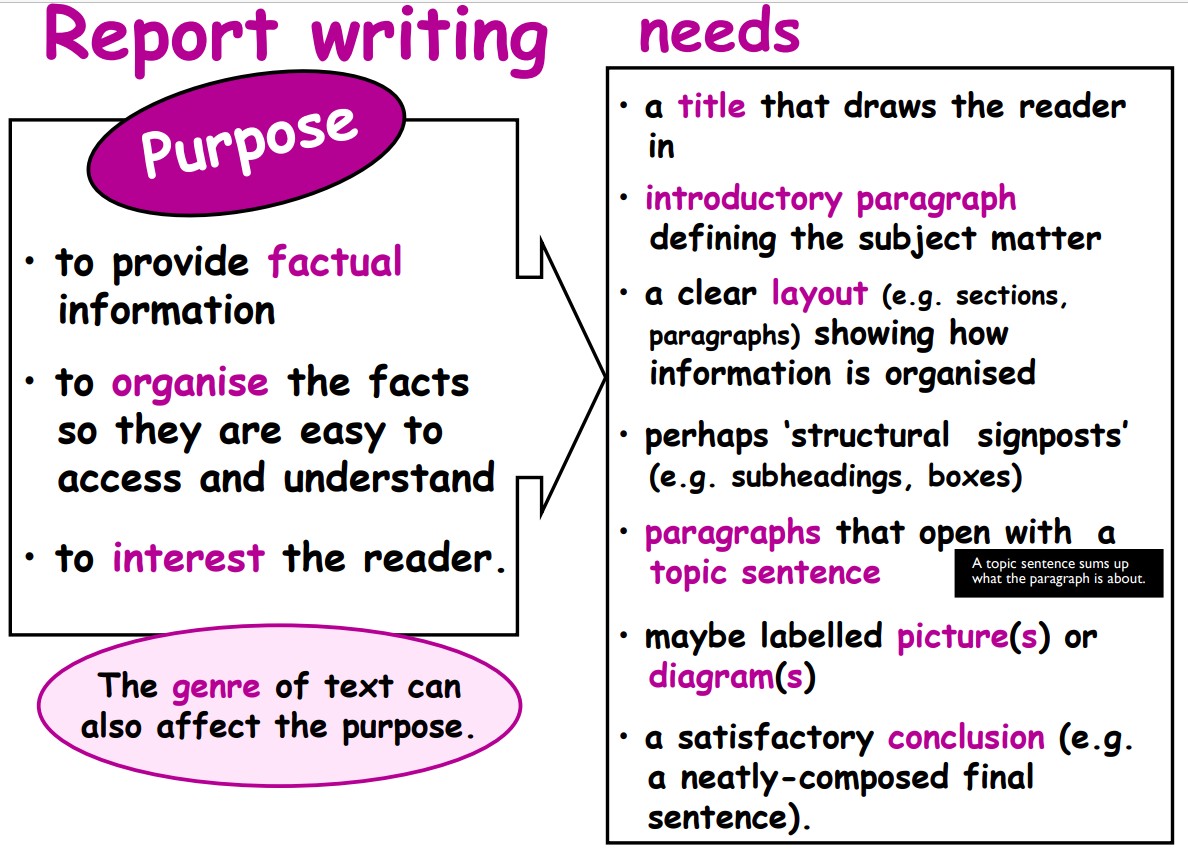
We will now look at some more non-chronological reports, box up and label what we find:
heading, text boxes, sub-headings, contents, bullet points, glossary, diagrams, first paragraph that tells us what the report is about information organised in paragraphs, closing sentence that rounds off the report .
My turn:
Thursday 8th January 2026
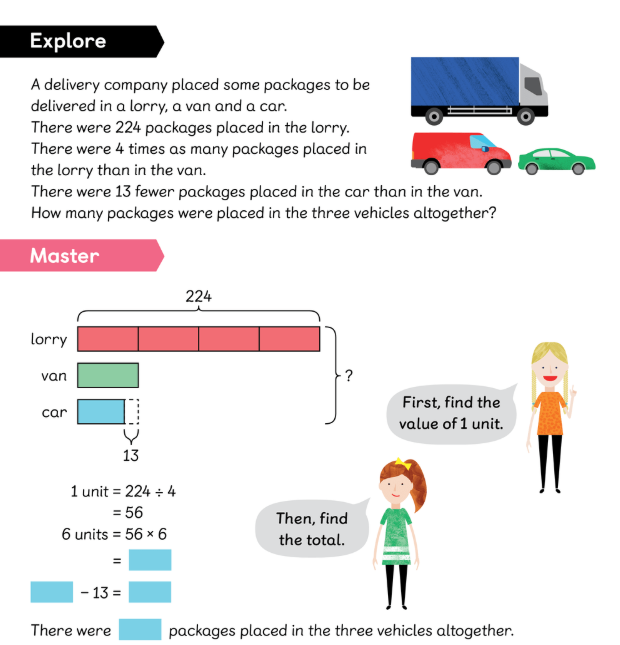
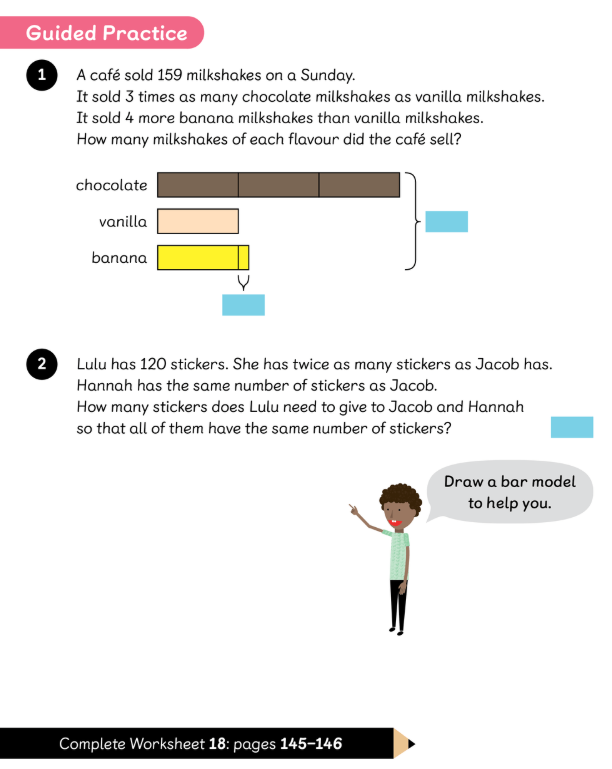
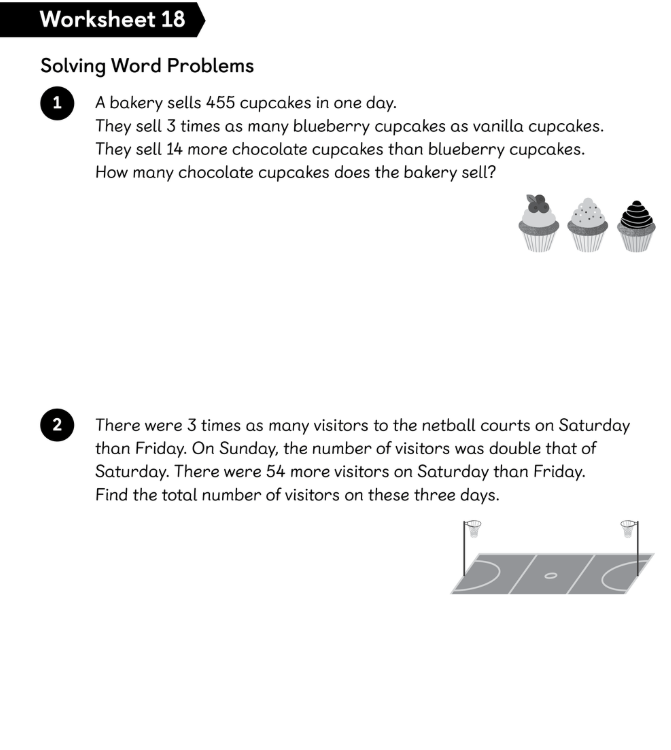
LC: To be able to solve word problems involving multiplication and division.
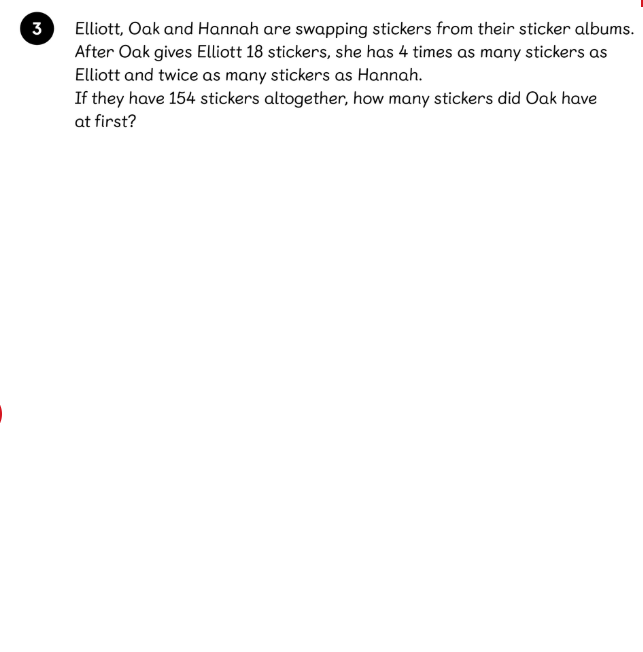
Adapted
08.01.26
LC: Addition with counting on.
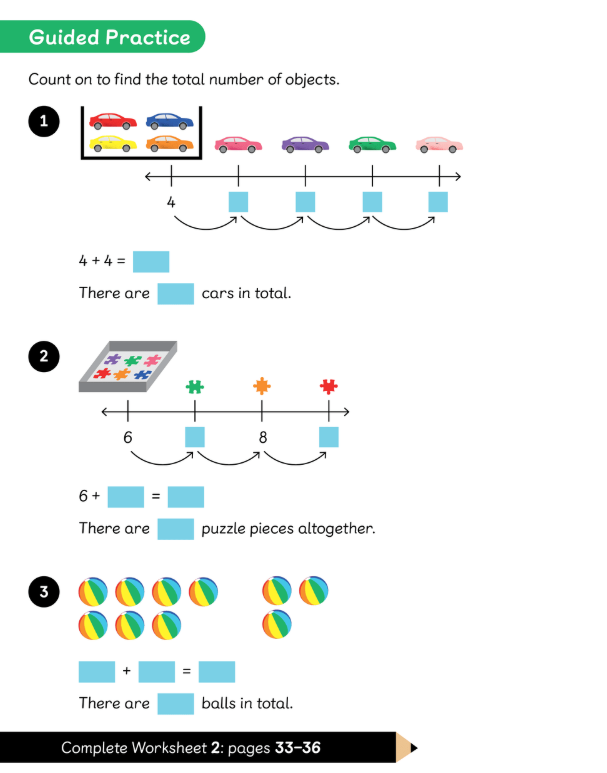
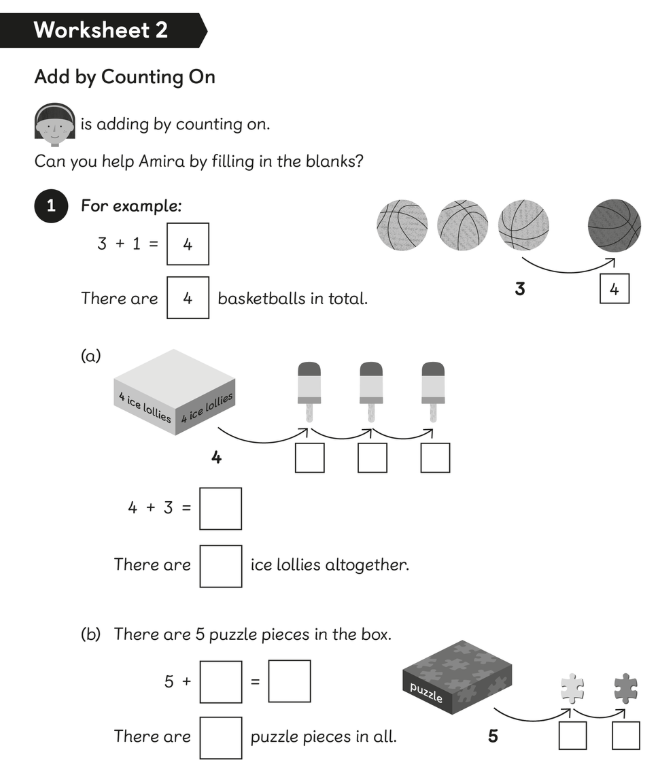
LC: To understand about how to manage setbacks and perceived failures, including how to re-frame unhelpful thinking.
Vocabulary:
Failure : a lack of success in doing or achieving something, especially in relation to a particular activity.
Setback: something that causes delay or stops progress.
Reframe: to change the way something is expressed or considered.
Mindset: The ideas that people hold about themselves.
The opposite of a growth mindset is called a fixed mindset. This means that people believe that their basic qualities like talent and intelligence are fixed traits and hard work won’t change this.
Often, we think negatively about a situation or an event that has happened or is about to happen.
When we think negatively, we are likely to carry on thinking negatively, which helps to make the thought more powerful.
When this happens, it is really difficult to find positive thoughts.
This can lead to a one-sided view of a situation or event which is often not a true judgement.
t c 1636 growth mindset powerpoint ver 2.pdf
In your groups have a go at the activity: Fixed mindset vs growth mindset.
In your groups discuss and complete the table below so you can see how you can change negative thoughts can be turned into positive thoughts.
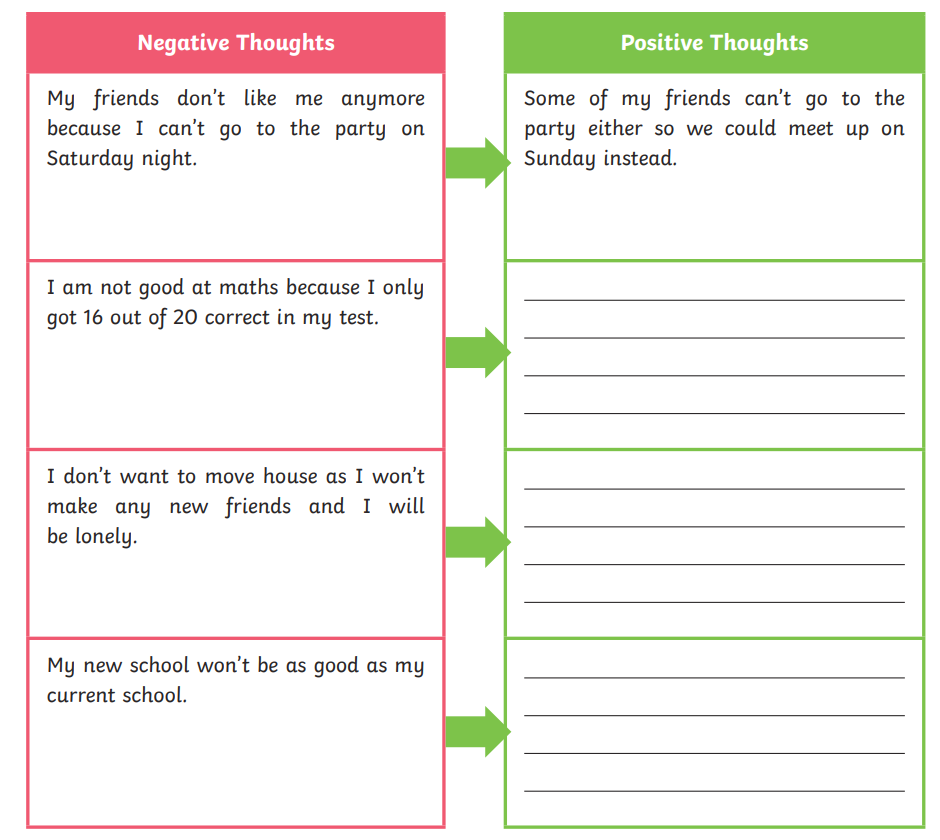
Now let's work together:
Can you think of other examples? Perhaps relating to negative thoughts you have had about yourself or maybe something you have heard someone else express.
Write one negative thought on your piece of paper - these will be anonymous.
We will collect up all the pieces of paper, share as many as we can and see if together we can come up with a positive thought that will help the person who had the negative thought.
Discuss what gifts Baby Jesus received on Epiphany.
Now think about the best gift you have received.