



Monday 5th January


RIC
The day is finally here. I’ve been practising my lines for weeks now and I’m pretty sure they’re stuck in my head. I’ve gone over my cues and my stage directions over and over again in the backyard, the biggest space we have, even in the pouring rain. My Grandma is tired of hearing me speaking in old-fashioned phrases, like a real-life Shakespearean actor. “Passeth one the tomato sauce, dearest grandmother.” “Please stop, Sameera,” she sighs every time, but I can see her smile too.
Now it’s Thursday morning, the day of our first ever performance. I can feel butterflies fluttering in my stomach as I get ready for school as usual, but I know that a little bit of nerves is good. Nothing can go wrong today.
R: In what type of weather has she been practicing in?
I: What do you think she is practicing for?
C: What does dearest grandmother mean?
Monday 5th January 2026
Teacher model:
The day is finally here. I’ve been practising my lines for weeks now and I’m pretty sure they’re stuck in my head. I’ve gone over my cues and my stage directions over and over again in the backyard, the biggest space we have, even in the pouring rain.
My Grandma is tired of hearing me speaking in old-fashioned phrases, like a real-life Shakespearean actor. “Passeth one the tomato sauce, dearest grandmother.” “Please stop, Sameera,” she sighs every time, but I can see her smile too. Now it’s Thursday morning, the day of our first ever performance. I can feel butterflies fluttering in my stomach as I get ready for school as usual, but I know that a little bit of nerves is good. Nothing can go wrong today
Ask questions to yourself about what you have just read. For example:
Your turn: Read the text below and write down the questions that come to mind that will help you understand the text below.
Adapted
Your turn: Read the text below and write down the questions that come to mind that will help you understand the text below.
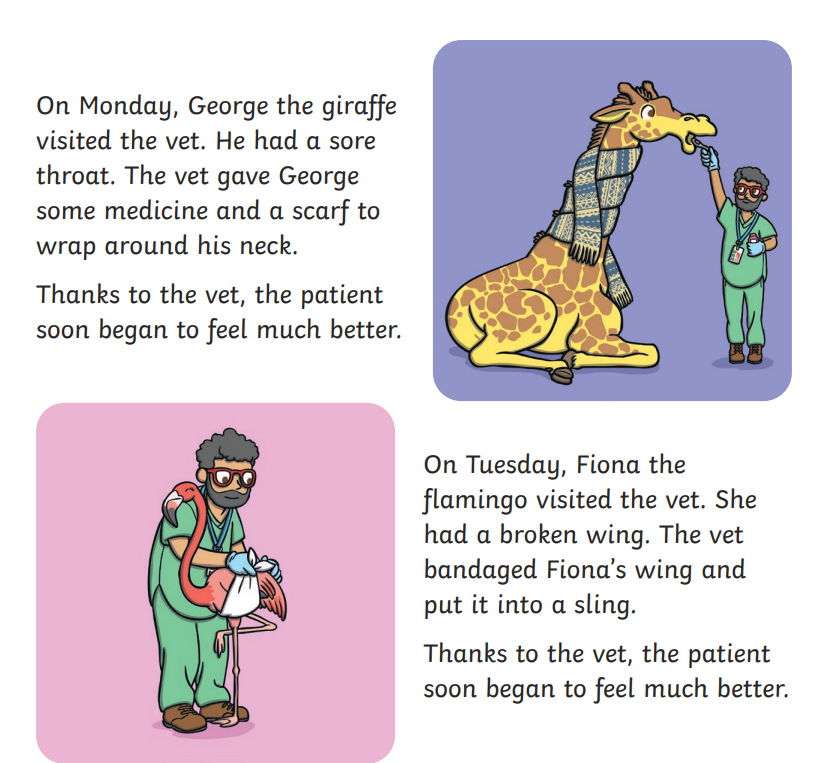
For example: What is a vet?

Grammar
LC: Explore complex sentences with fronted adverbials for when.
Until the Romans arrived in Britain, there were no public baths.
After the Romans arrived in Britain, they began building straight roads.
Before the Romans came, Celts did not live in towns.
After burning down Colchester, Boudicca and her tribe headed for Londinium.
When Boudicca and the Britons were defeated, the Romans controlled most of Britain for the next 350 years.
While the Romans were present in Britain, they introduced many new ideas and inventions.
Monday 5th January 2026
LC: To generate questions.
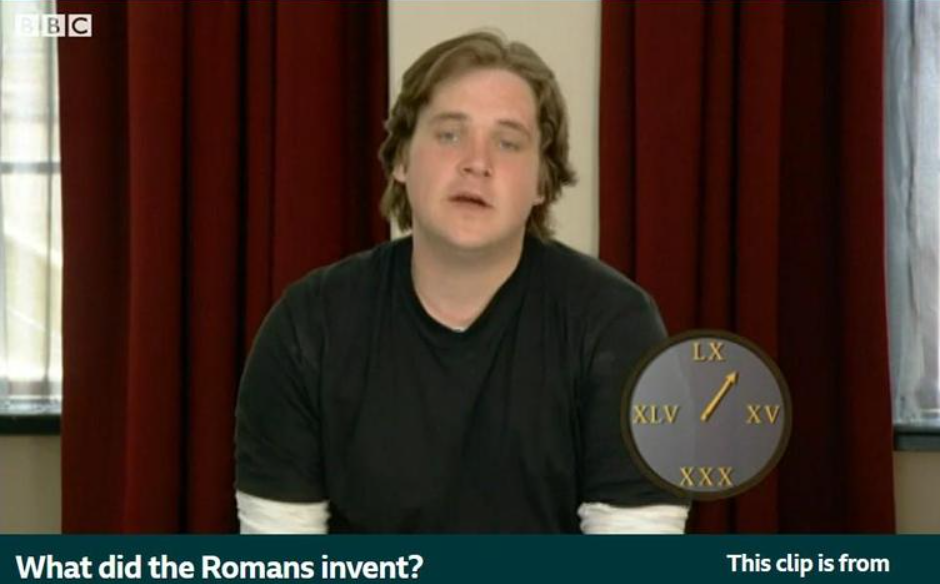
What aspects of life in Roman Britain can you identify from this clip?
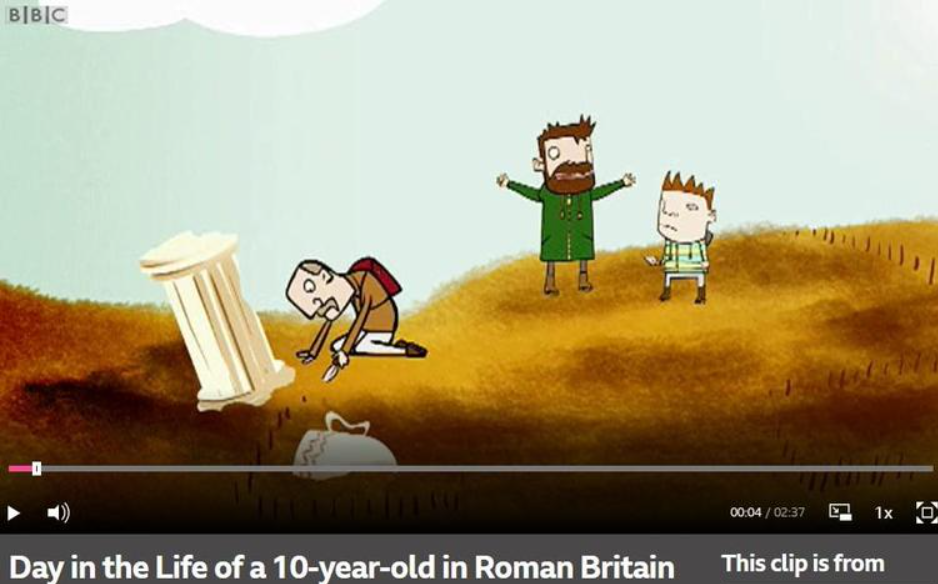
What questions come to mind whilst watching the video?
For example, ‘What did the Romans eat?’ ‘What was a Roman Villa like?
We will be creating a QUAD grid for our learning wall with answers and details collected from the clip.
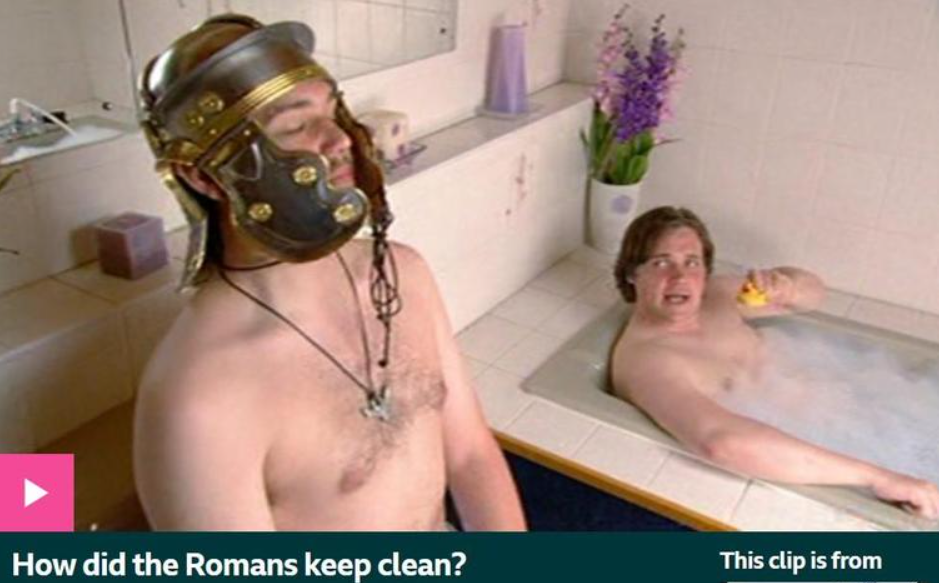
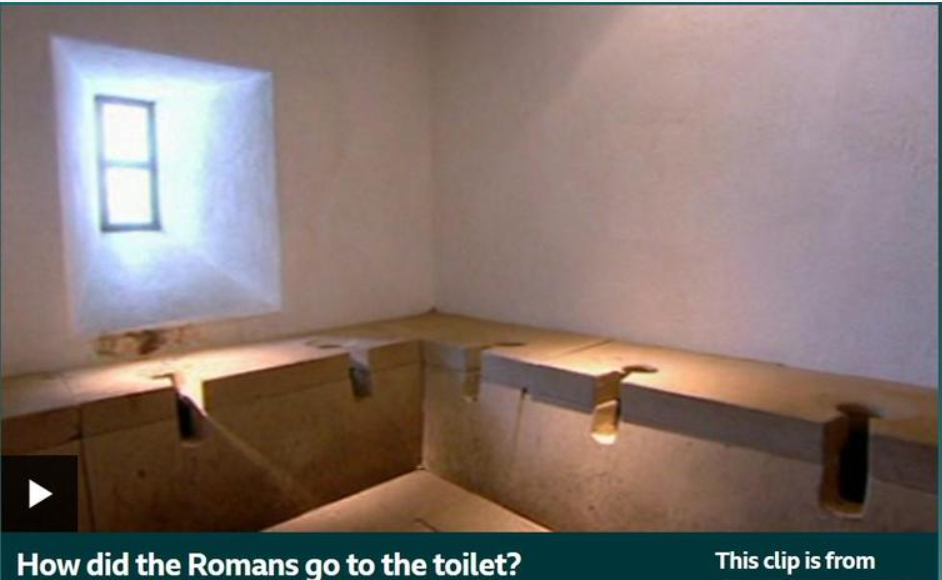
Now lets watch some more clips to identify different aspects of Roman life and come up with some more quality questions.
05.01.26
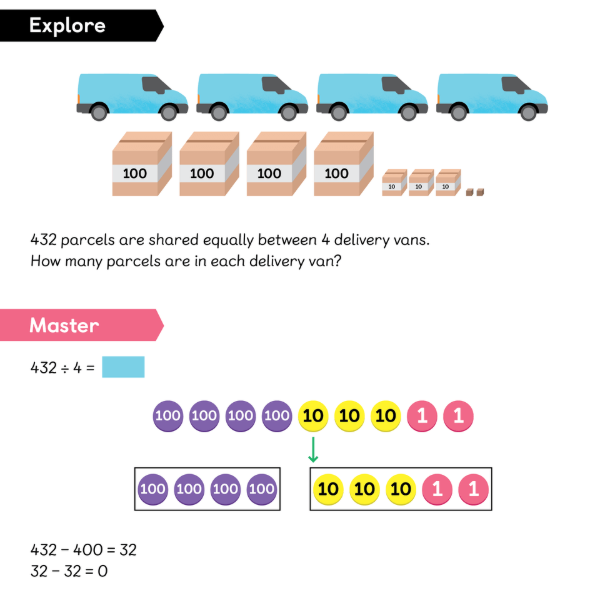
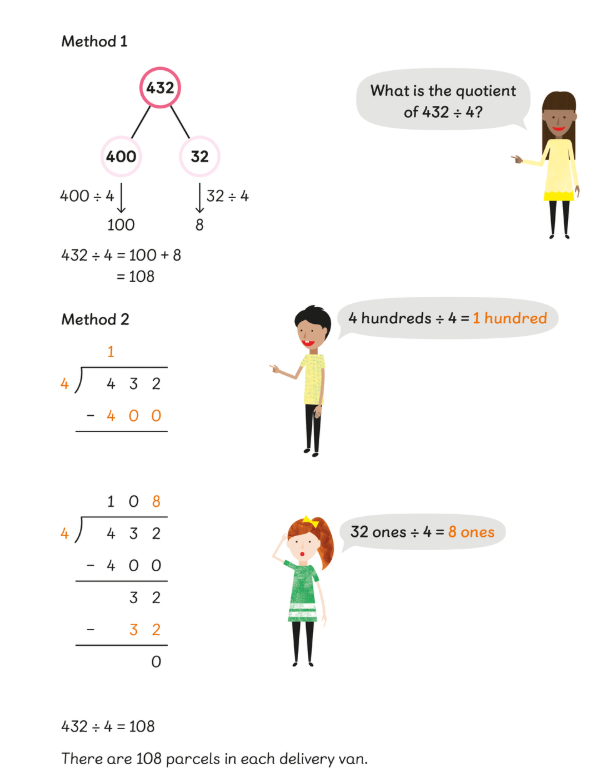
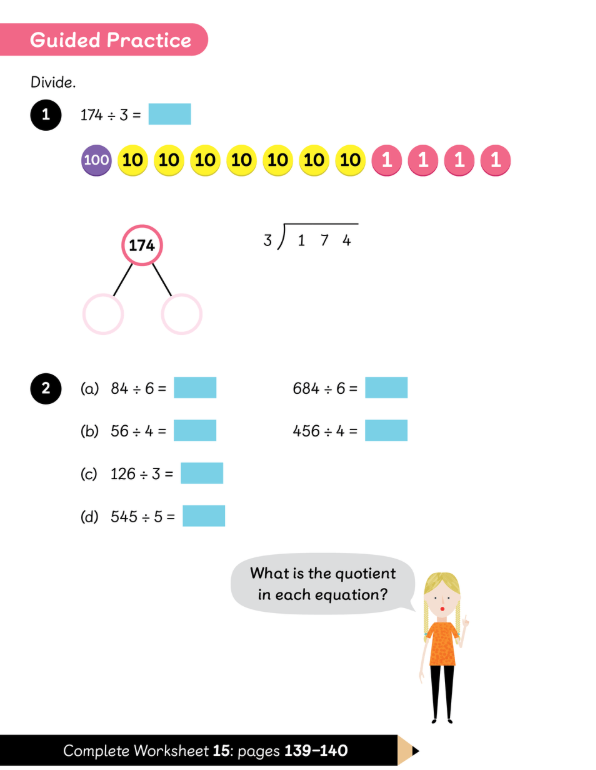
LC: To be able to divide 3-digit numbers with renaming.
Adapted
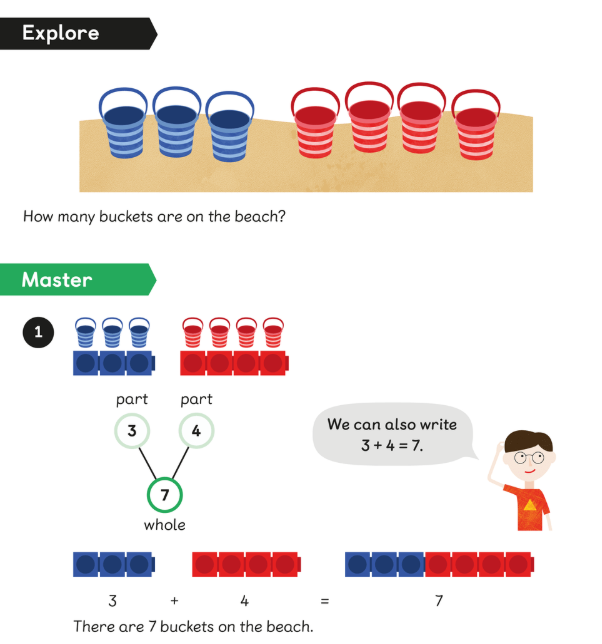
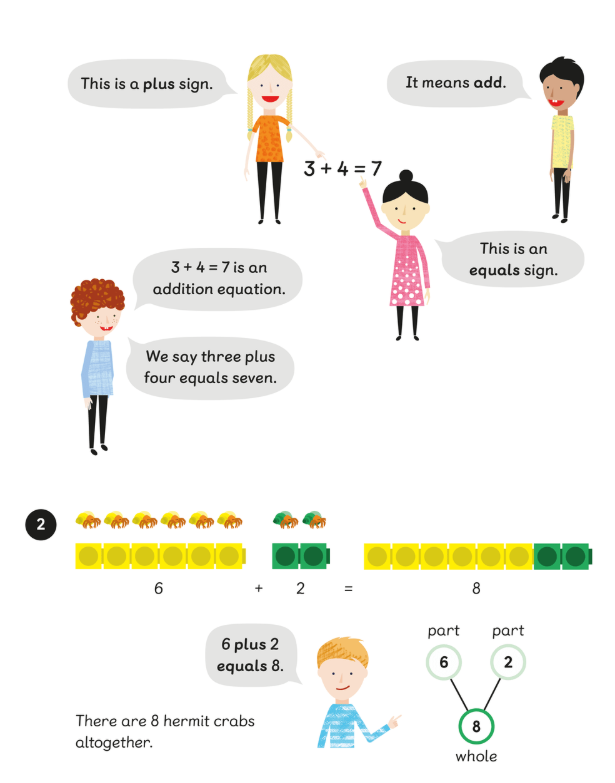
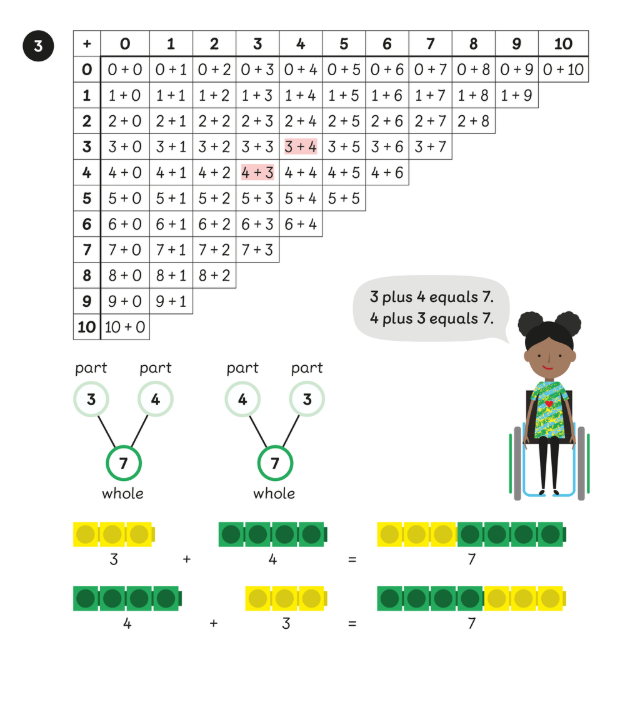
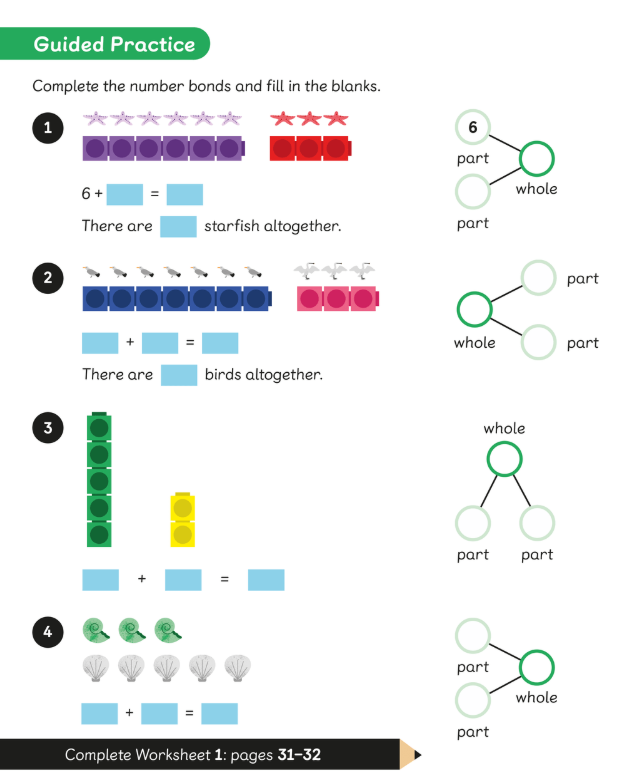
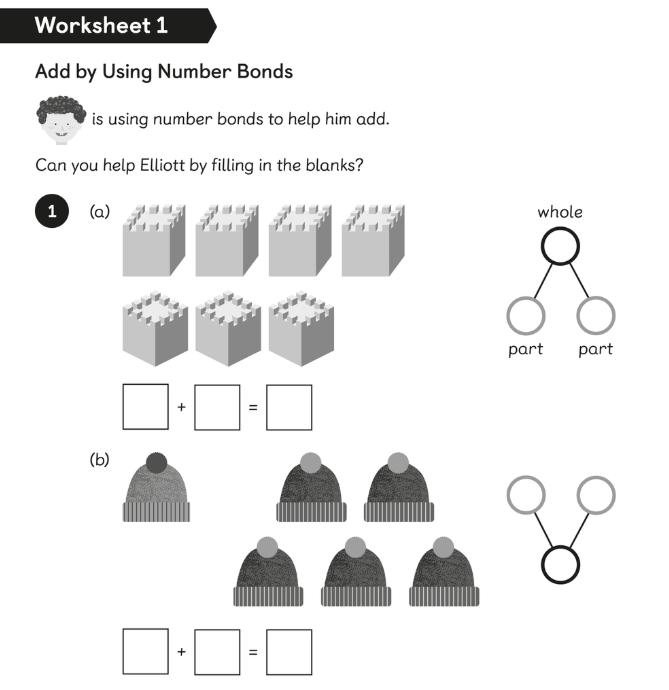
LC: Addition with number bonds to 10.

Monday 5th January 2026
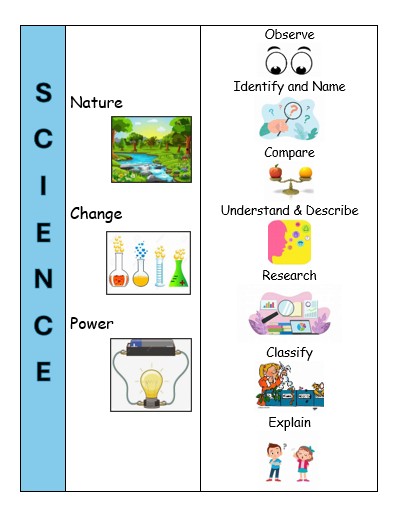
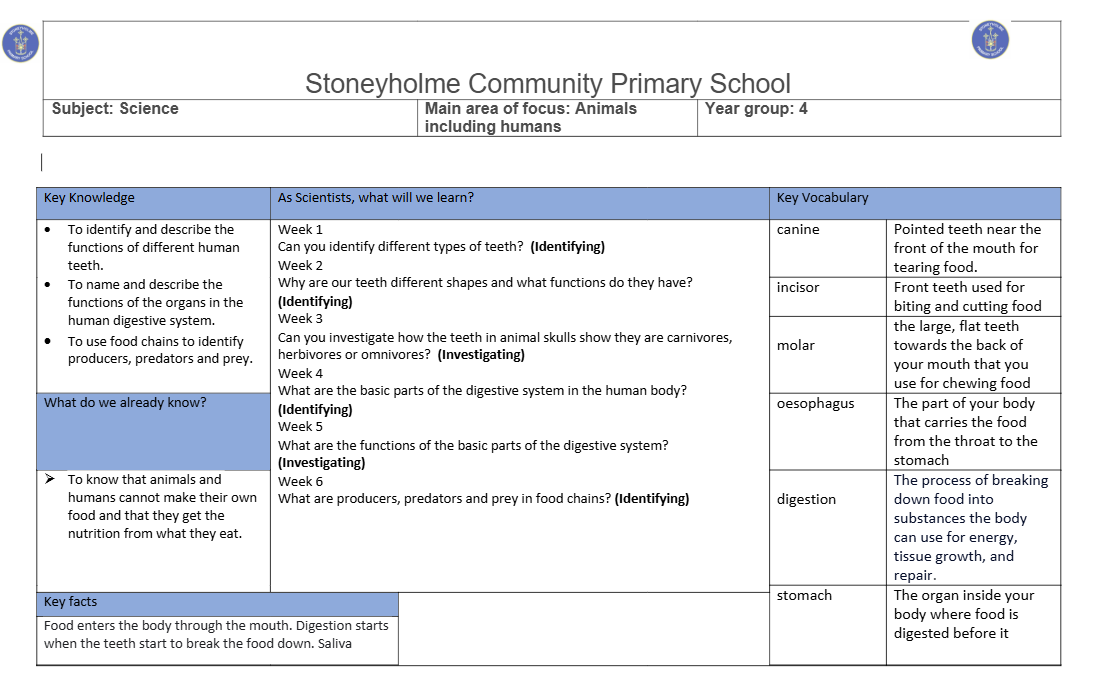
LC: To observe and identify different types of teeth.
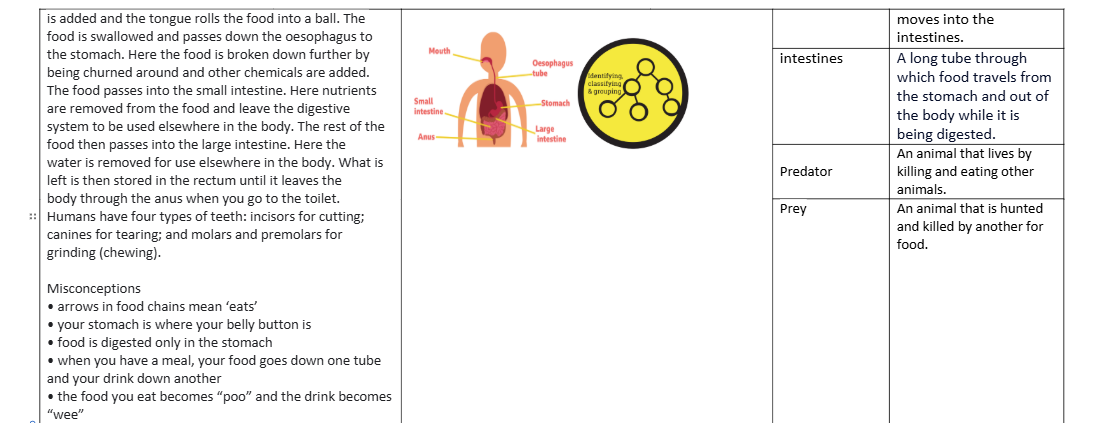
teeth and digestion powerpoint.pdf
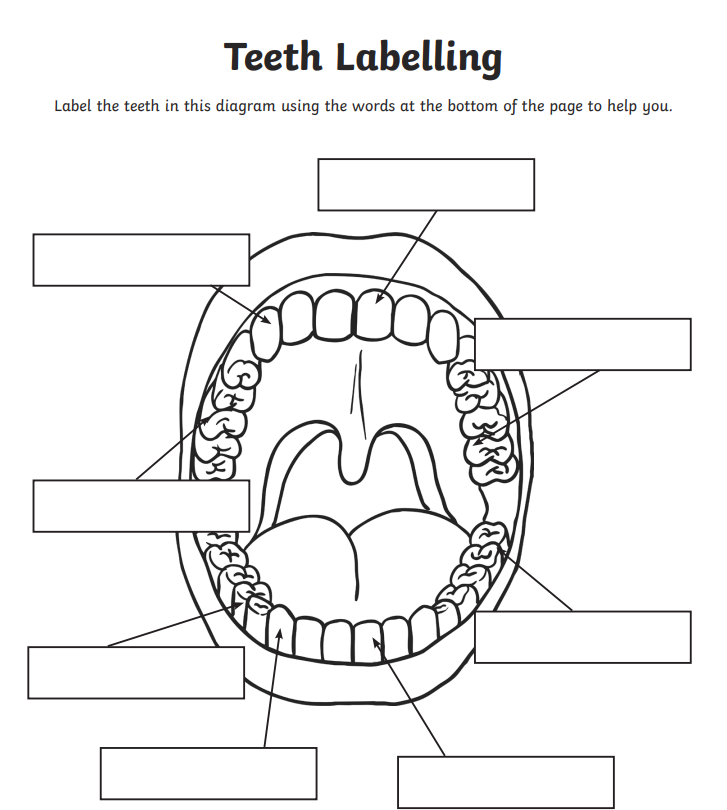
Adapted:
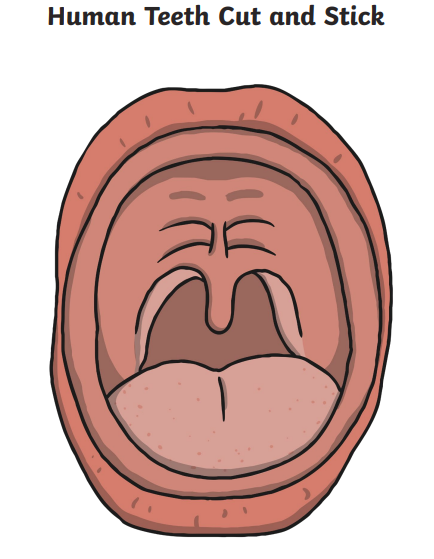
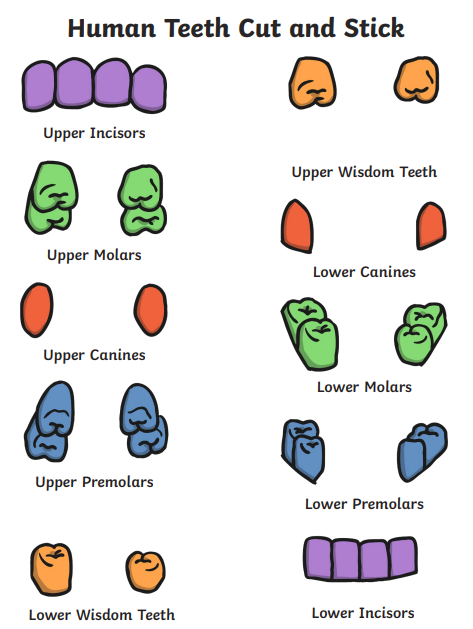
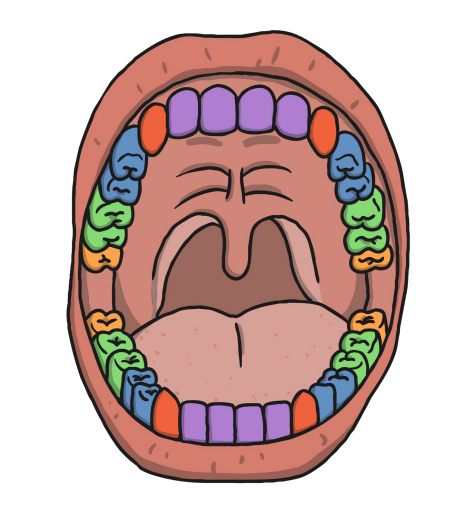

Monday 5th January 2026
LC: To investigate the needs, purpose, user of the product and design in mind of user.
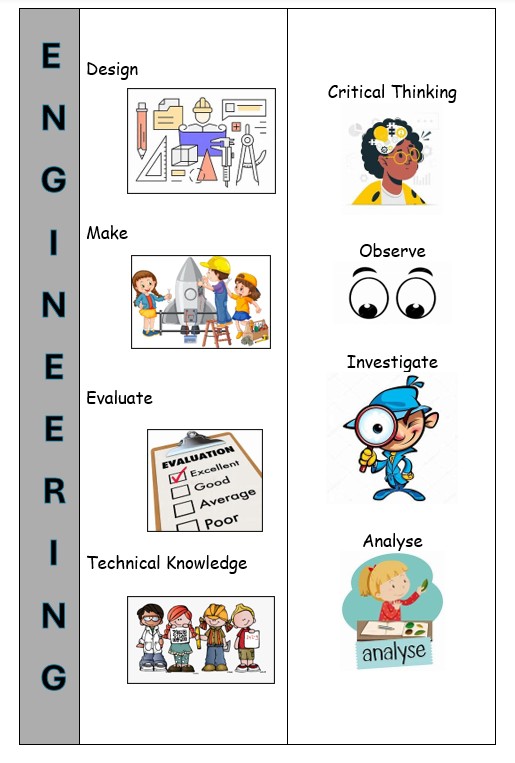
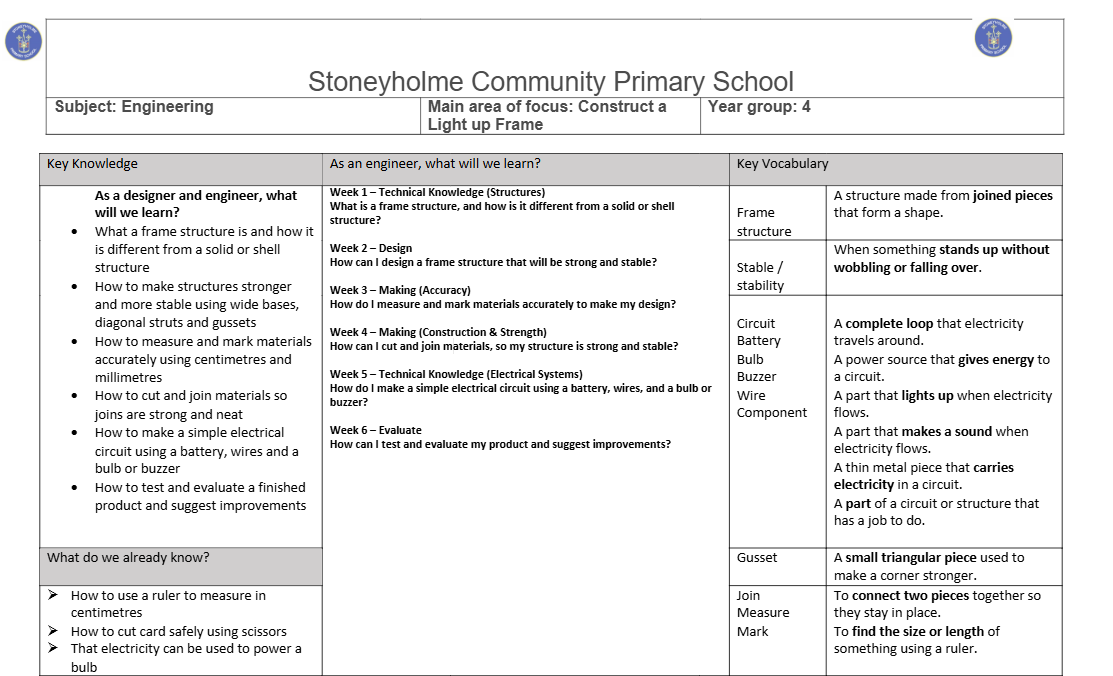
Using light-up decorations for celebrations helps make special events feel exciting, joyful, and important, especially for children.
Why lights are used in celebrations?
-
Lights show happiness
Bright lights make people feel cheerful and help everyone know something special is happening. -
Lights help us remember
Decorations that light up remind us that the celebration is important and worth remembering. -
Lights bring people together
When places are decorated with lights, families and communities come together to celebrate. -
Lights make celebrations feel magical
Twinkling or glowing lights create a sense of wonder and fun for children.Year 4 engineering light up frame

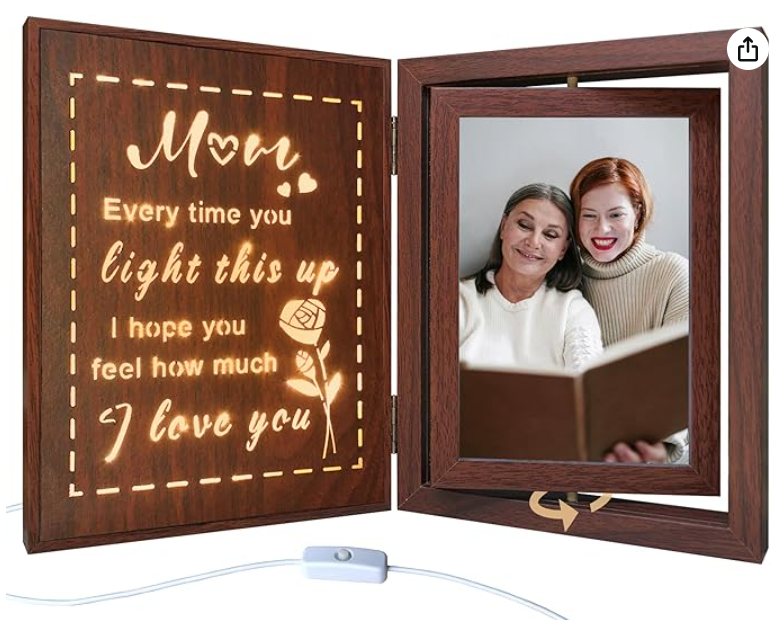




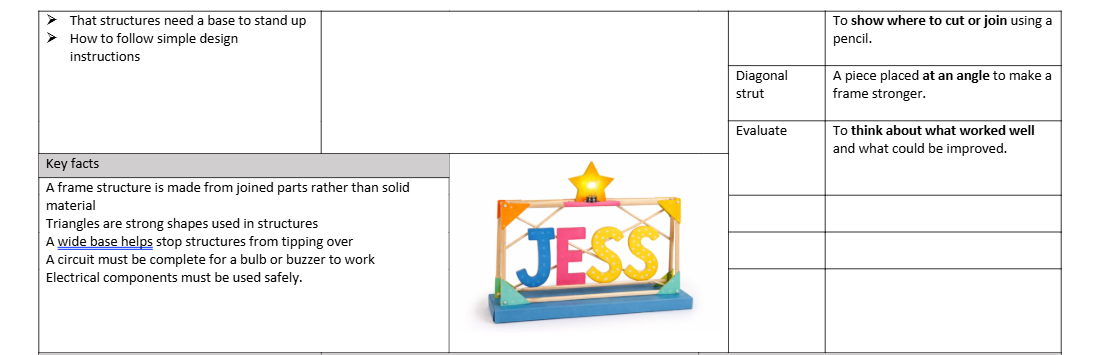
We will be making a Light- Up Word Frame for Eid. In your pairs think about what word you would like to put in your frame.
Task: Plan and Design your product.
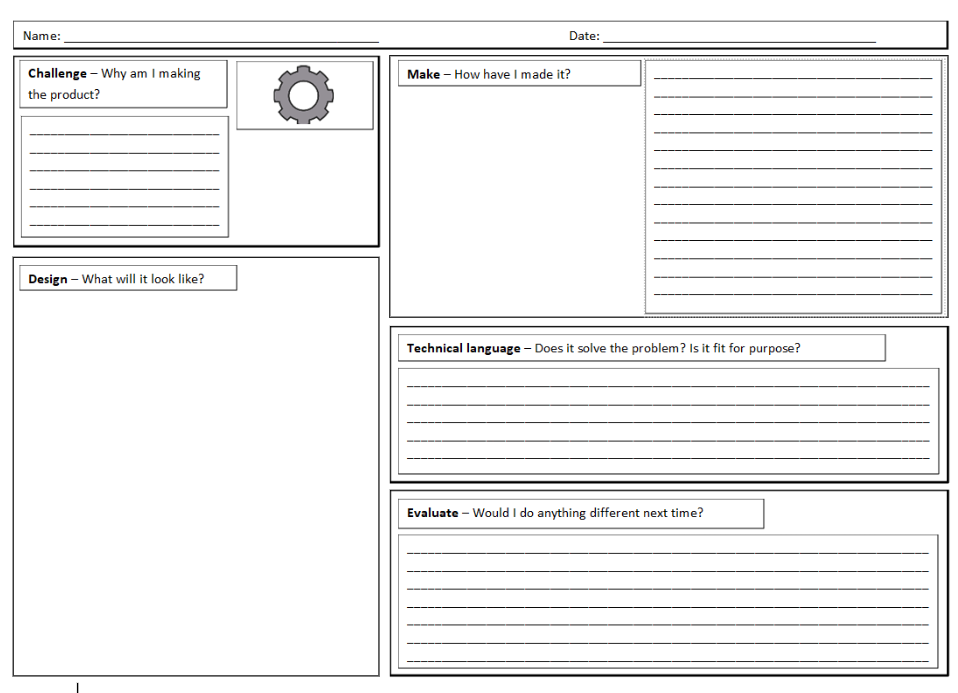
Light-Up Word Frame

Final product:
-
Width: 30 cm
-
Height: 20 cm
-
Base depth: 6–8 cm (for stability)
This size is:
✔ Easy to measure
✔ Stable
✔ Big enough for letters and a circuit
Equipment & Materials
Tools
-
Ruler (30 cm)
-
Pencil
-
Scissors (card)
-
Junior saw (if using wood – adult supervised)
-
Glue gun (adult supervised)
-
PVA glue
-
Tape
Materials
-
Wooden dowels / craft sticks / strong card strips
-
Thick cardboard or foam board (base)
-
Thin card (gussets)
-
Pre-cut card letters (or pupils cut their own)
-
Battery pack (AA or coin cell)
-
Wires
-
Bulb or LED (or buzzer)
-
Switch (optional)
STEP 1 – Measure and Cut the Frame Pieces
Pupils measure and mark:
Vertical posts (2):
-
20 cm long
Top and bottom bars (2):
-
30 cm long
Diagonal struts (2):
-
22 cm long (approx. – exact length can be trimmed)
👉 Teacher tip:
Demonstrate measure → mark → double-check → cut
STEP 2 – Make the Base (Stability)
Measure and cut base:
-
30 cm × 8 cm rectangle (cardboard or foam board)
Fix the vertical posts:
-
Glue the two 20 cm posts upright at each end of the base
-
Leave 2 cm from the edge to prevent tipping
📌 This wide base is a key engineering feature
STEP 3 – Build the Frame Shape
-
Glue the bottom horizontal bar between the two vertical posts
-
About 2 cm above the base
-
-
Glue the top horizontal bar across the top of the posts
🟦 At this stage, the frame will wobble — this is intentional and good for learning.
STEP 4 – Strengthen the Frame
Add diagonal struts:
-
Glue one diagonal from bottom left → top right
-
Glue the other from bottom right → top left
Add gussets (corner triangles):
-
Cut 4 triangles, approx. 5 cm × 5 cm
-
Glue into each corner
👉 Ask pupils:
“What has changed about the strength now?”
This explicitly meets your stability objective.
STEP 5 – Make and Test the Circuit (Before Attaching)
Simple bulb circuit:
-
Connect wire from battery → bulb
-
Connect bulb → wire → battery
-
Test: bulb lights up
(Optional: add switch between battery and bulb)
⚠️ Always test before fixing to the frame
STEP 6 – Attach the Circuit to the Frame
-
Fix the battery pack to the base or bottom bar
-
Fix the bulb at the top centre of the frame
-
Secure wires neatly along the frame using tape or glue
🔥 Glue gun used here under adult supervision
STEP 7 – Add the Name Panel
Name sign:
-
Card strip approx. 25 cm × 8 cm
-
Letters spaced evenly and glued on
Fix the sign:
-
Tie or glue it across the middle of the frame
-
Make sure it doesn’t pull the frame forward
STEP 8 – Final Check & Evaluation
Test:
✔ Does it stand up without tipping?
✔ Does the bulb/buzzer work?
✔ Are joins neat and strong?
Pupil evaluation prompts:
-
How did I make my frame stronger?
-
What worked well?
-
What would I improve next time?
t re 1635778640 ks2 all about epiphany powerpoint 1 ver 5.pdf