


Wednesday 26th November
There - refers to a place or position. For example: The children are playing over there. There is an aeroplane in the sky.
Their-is a possessive adjective. This means it shows belonging. For example: Their lunch was very tasty. The children are wearing their school uniform.
They’re - is a contraction. This means it is a shorter way of saying ‘they are'. For example: They’re playing a game together. They’re running around the track.
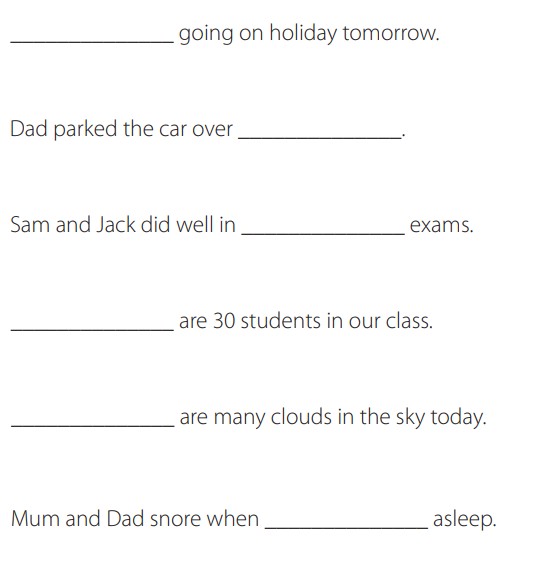
Put the correct word into each of these sentences:
R
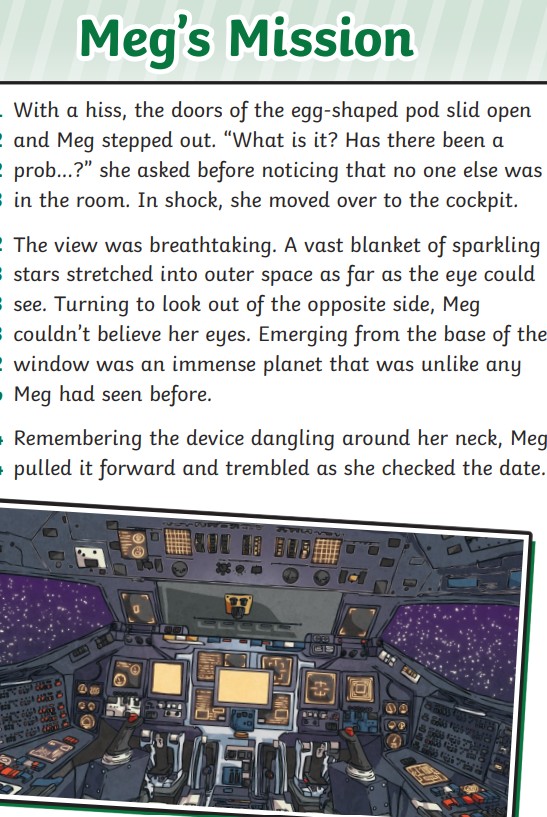
What shape was the pod?
I C
C
Wednesday 26th November 2025
Make predictions based on evidence stated and implied.
My turn:

Your turn:

Adaptive:
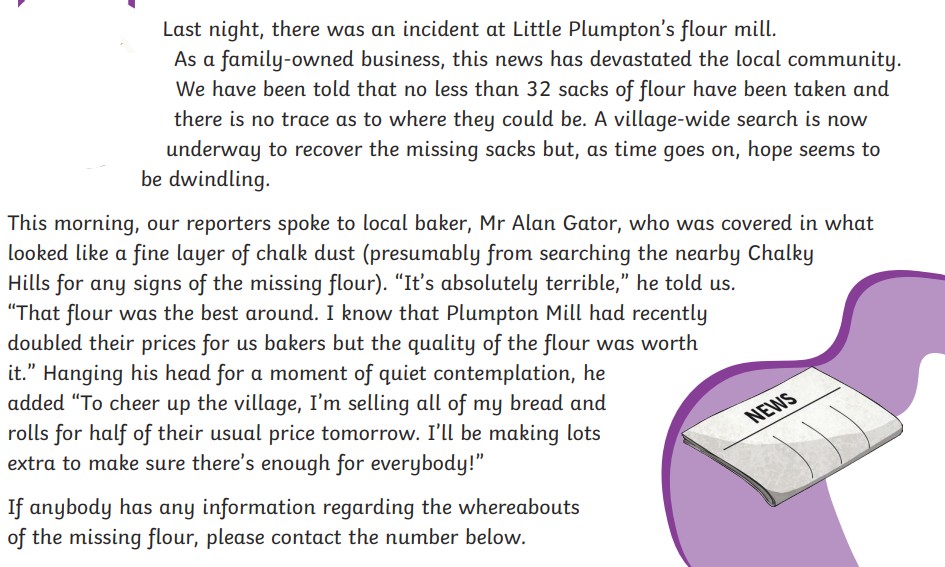
Look at each picture then use the questions to help you make predictions:
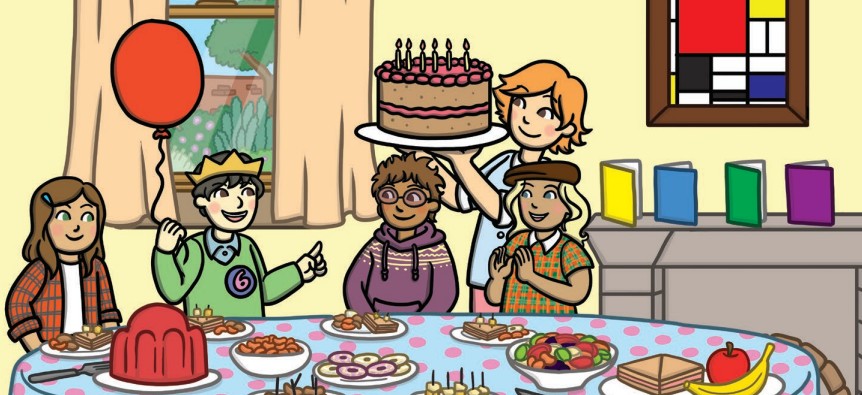 What do you think the boy with the crown on will do next?
What do you think the children will do then?
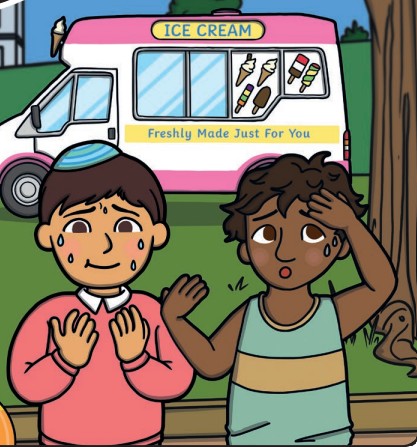 What do you think the boy in the pink jumper might say next?
What do you think he might do next? How do you know?
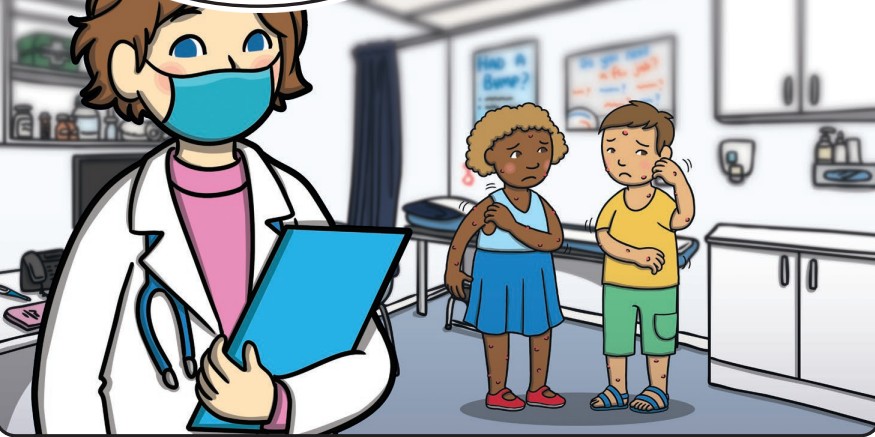 What do you think the doctor will do next?
What do you think she might do after that? Why do you think that?
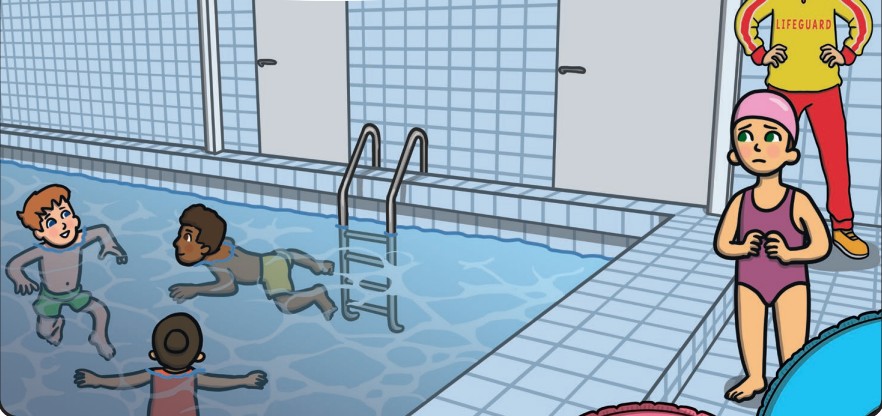 What do you think the girl with the swimming cap on will do next?
What do you think the boys in the pool will do then? What makes you think that?
Wednesday 26th November 2025
LC: To discuss and record ideas for planning.
Grammar: Fronted Adverbials
Put into real life/everyday context:
Later that day,
Before I brushed my teeth,
As the bell rang,
Task 1: In your table groups work together to order the first column of the chunk a plot as quickly as you can.
Task 2: We will be using the modified plot for planning and writing our story. The outcome of our modelled write will be a retelling of the story via Zabina’s point of view in 3rd person.
Task 3: We will be looking at chunk 1.
Let's re-read the whoosh prologue as we will be writing this from Zabina's point of view.
26.11.25
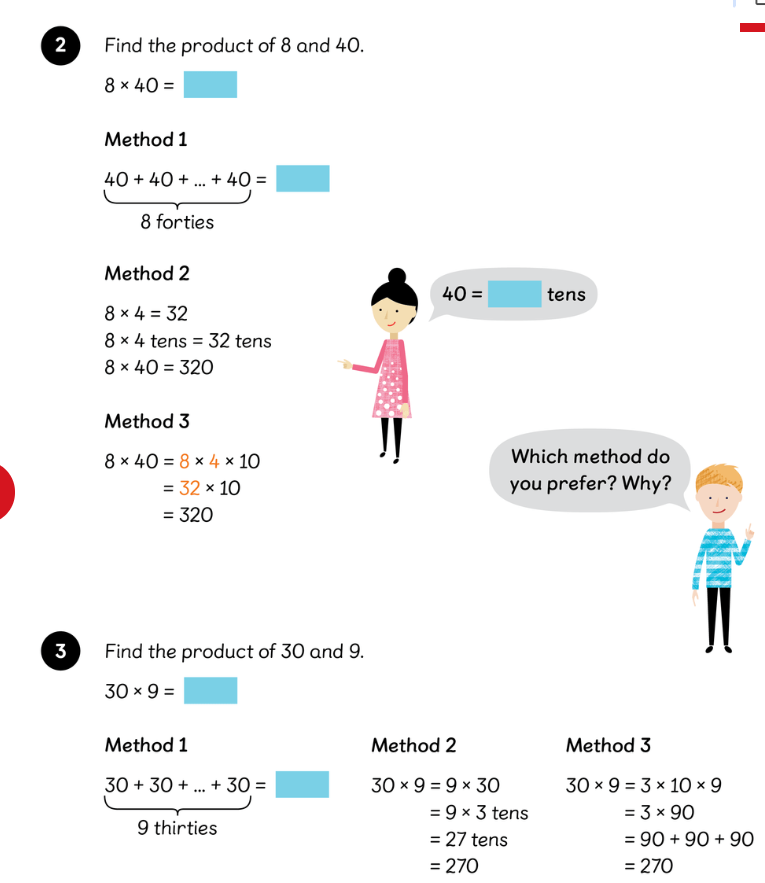
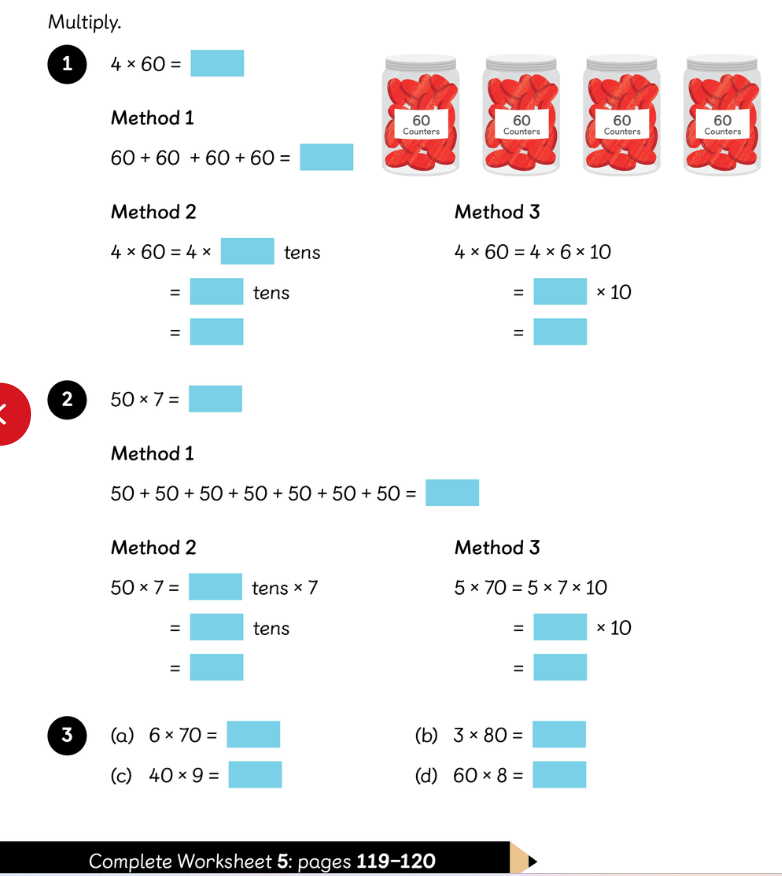
Multiply multiples of 10.

Wednesday 26th November 2025
Use apostrophes to spell words using the contracted form.
Review
My Turn, Your Turn
I would I'd
I had I'd
What do you notice about the contracted forms?
Here are some more examples of two different pairs of existing words combine to form the same contracted form:
you would you'd
you had you'd
he had he'd
he would he'd
we had we'd
we would we'd
Learning
Watch me model how to use the apostrophe for contraction:
are not – arenot – _____________
does not – doesnot – ____________
What do you notice?
The apostrophe is in place of a missing letter.
Here is another example.
have not – havenot – _____________
Listen to my sentence and watch me write it: _____________________________________________________________________________
will not – willnot – _____________
The word won't is unusual. It doesn't appear to follow the above contraction rules. Won’t is short for will not, e.g.
I will not be late – I won't be late.
Won't derives from an early contraction in Old English wonnot, which modern English later translated to won't.
Apply
Super Sentence Spellers
Wednesday 26th November 2025
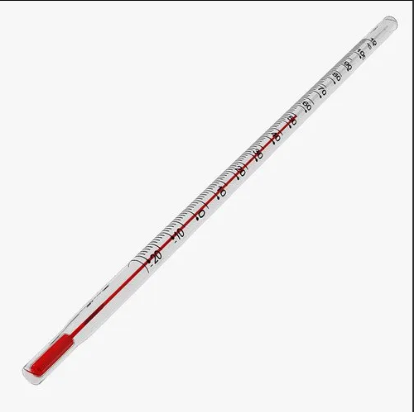
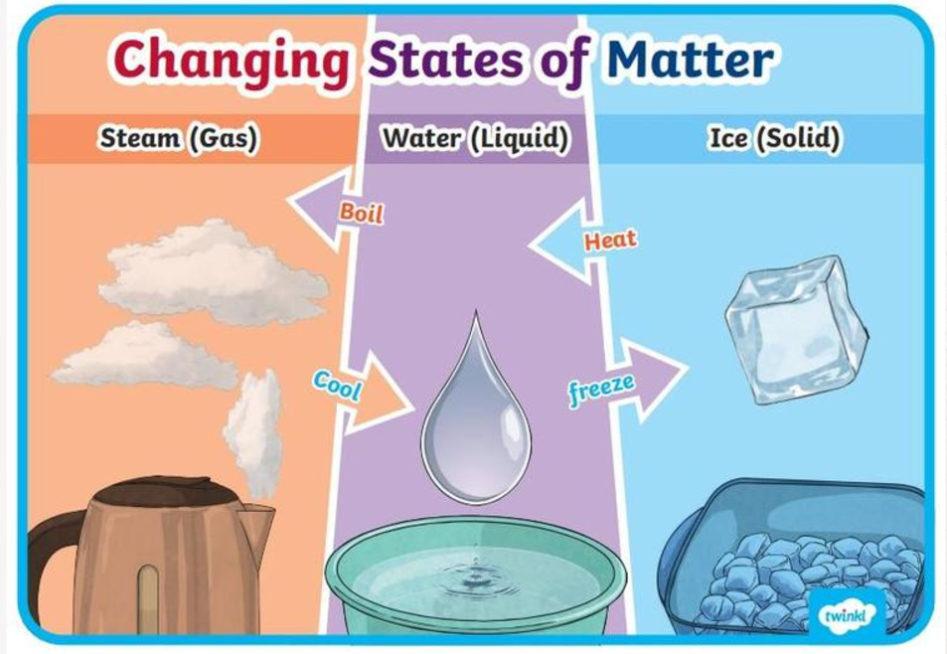
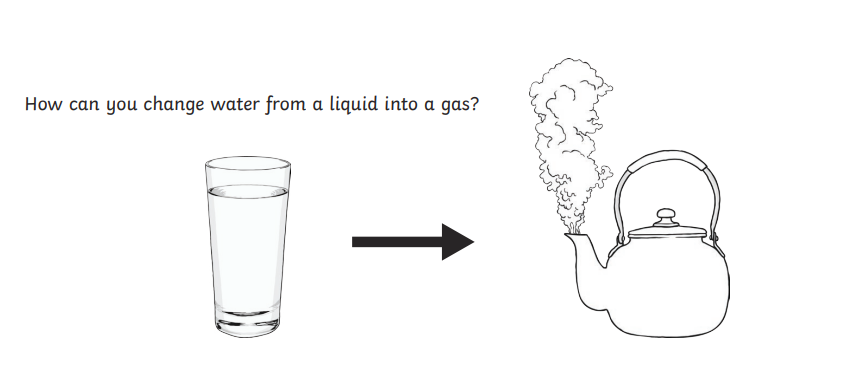
LC: To use a thermometer to observe three different states of water.
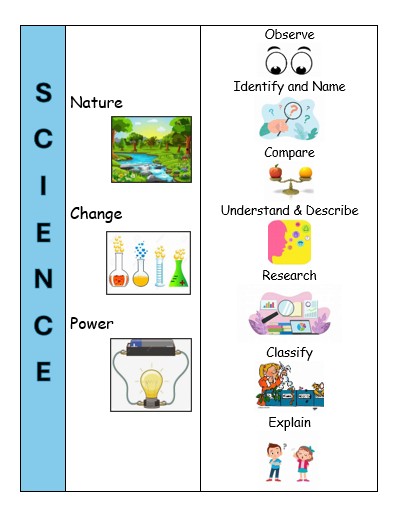
In today's lesson we will be conducting an investigation which will answer these questions:
1. What are the different states of water?
2. At what temperature does water change states in degrees Celsius?
3. How can we use a thermometer to measure when water has changed states?
t2 s 234 changing states powerpoint text.pdf
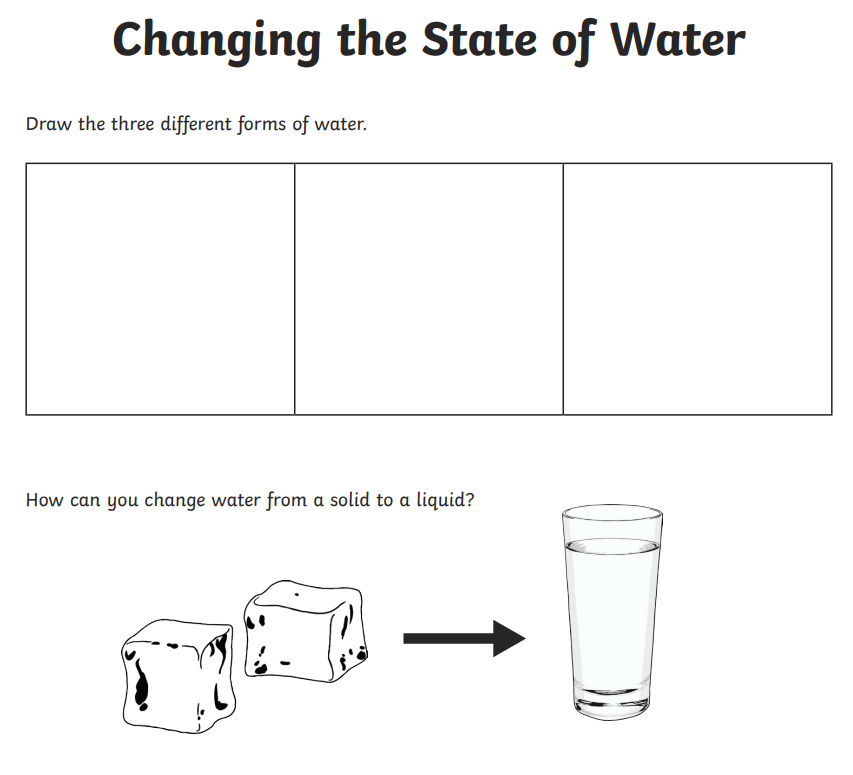
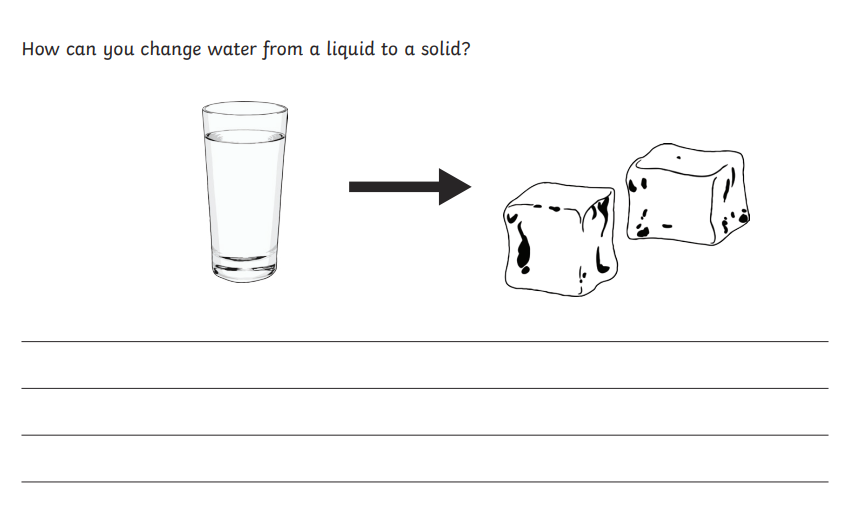
Task: Now write up what you found out from investigating the changing states of water.
Keywords: liquid, gas, solid, water vapour, freeze, melt, boil, 0 degrees Celsius, 100 degrees Celsius.
I investigated the changing states of water I found out .
Adapted
Litter is just one type of rubbish that is having a negative impact on humans, animals and the environment.
Let’s explore what happens to different types of waste and how we can make a positive difference.
Key Facts
- Litter includes anything that is discarded and not put in bins or waste containers.
- Litter includes smokers’ materials, fast food items, chewing gums, snack packings, sweet wrappings, soft drink tins, discarded bottles, broken glass along with bits of paper, discarded bags of rubbish, old food and dog waste.
- Litter physically harms people and wildlife.
- Dropping litter costs money and impacts the health and well-being of ourselves, animals and the environment. These costs are avoidable.
- Broken glass or metal pop tabs that have been left on beaches, in playgrounds, or on pavements often injure children who are playing barefoot. Many animals eat and are entrapped by litter.
- Litter is carried in every direction by wind or water. Litter gets carried onto our hills into our drains, or rivers and beaches and eventually the sea. Over time it breaks down, poisons animals, pollutes our ecosystems, and damages the environment.
- As much as 80% of the things we throw away could be recycled including cans, paper, plastic, glass and food.
- Cans: Aluminium and steel cans are 100% recyclable.
- On average the UK uses 16.2 billion aluminium cans. It takes the same amount of energy to make one new aluminium can as it does to recycle 20.
- Paper: It takes 17 trees to make one tonne of paper.
- In the UK, we use almost 10 million tonnes of paper each year. For every tonne of recycled paper used in place of virgin paper, we can save 380 gallons of oil, 7000 gallons of water, and around 3 cubic metres of landfill space. Currently we recycle around 80% of paper in the UK.
- Plastic: Many types of plastic are recyclable.
- It can take up to 500 years for plastic to fully decompose. Despite a ‘War on Plastic’ 8 million tonnes of the world’s plastic end up in our oceans each year, killing over 1,000,000 sea creatures.
- Glass is 100% recyclable.
- The UK currently only recycles around 50% of its glass. As the average UK household uses around 500 glass bottles and jars every year, that’s around 250 glass containers heading to landfill sites or incinerators.
- Food is vital and uses valuable resources to produce.
- UK households throw away around 7 million tonnes of food every year. At the same time it’s estimated that over 8 million people in the UK are struggling to afford to eat.
- Whilst over 70% of Earth is covered in water, only 3% of that is freshwater which we can use to drink, wash and in irrigation for farming. It is estimated that 25% of that freshwater supply is used to grow food that we, ultimately, send to the landfill.
- How can you make a difference after learning these key facts?
- What might you do differently from now on?