

Thursday 15th January

Thursday 14th January 2026
LC: To use time conjunctions and complex sentences.
Let's take a look at our plans and what we still need to add.
Yesterday we planned our introduction and stage 1.
Today we are going to continue and plan stage 2 and stage 3.
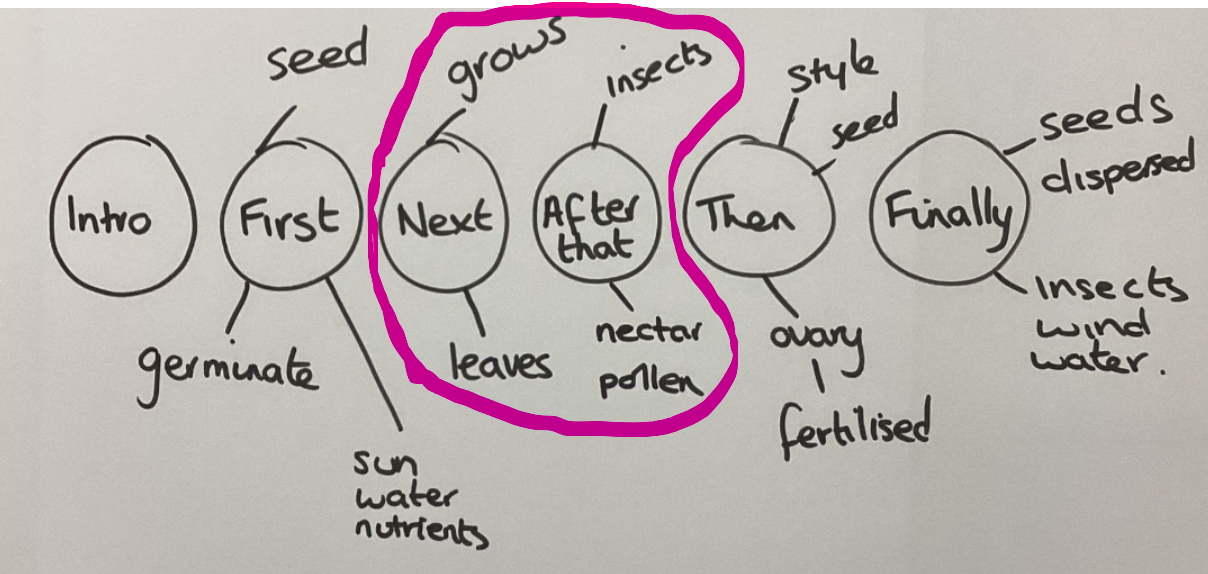
By the end of todays lesson you will have added an extra 2 headings.
Stage 2
Next, ____________________________________________
________________________________________________
Stage 3
After that, _________________________________________
________________________________________________
________________________________________________
Before we begin writing, we need to look at our success criteria on our learning wall! What do we need to include?


RIC
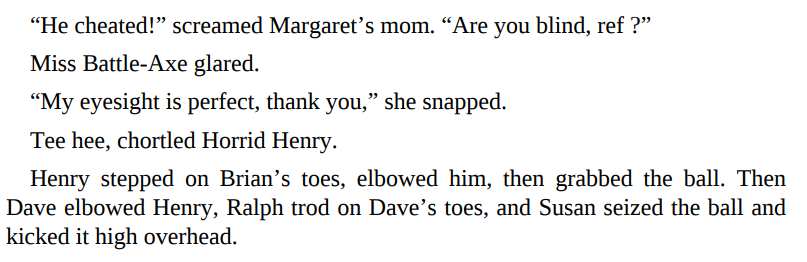
R - What did Henry do to Brain's toes?
I - Is Henry playing fairly? How do you know?
C - Why has the author used a capital letter at the start of 'Margaret'?
Thursday 14th January 2026
LC: To retrieve and record information from a non-fiction text.
When we retrieve information from texts we need to look for the key words in the question. For example, where does a mole live?
What key word would I need to look for in a piece of text, to help me find the answer to the above question?
Whole Class
Questions
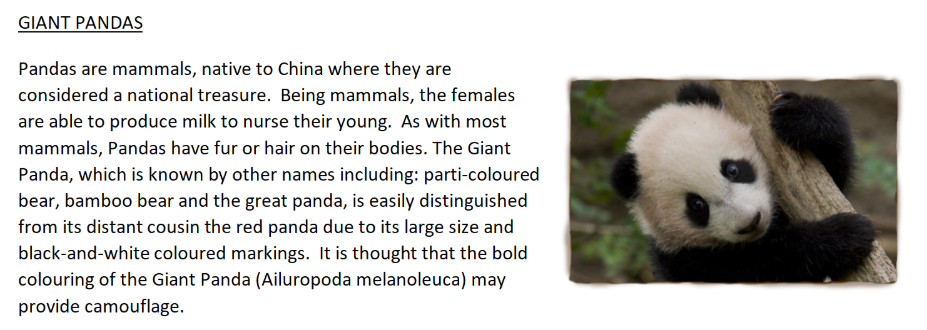
1. Where do Pandas have fur?
2. What other names is the Giant Panda known by?
3. Why do Panda's produce milk?
4. What might the bold colouring on a Giant Panda do?
Activity
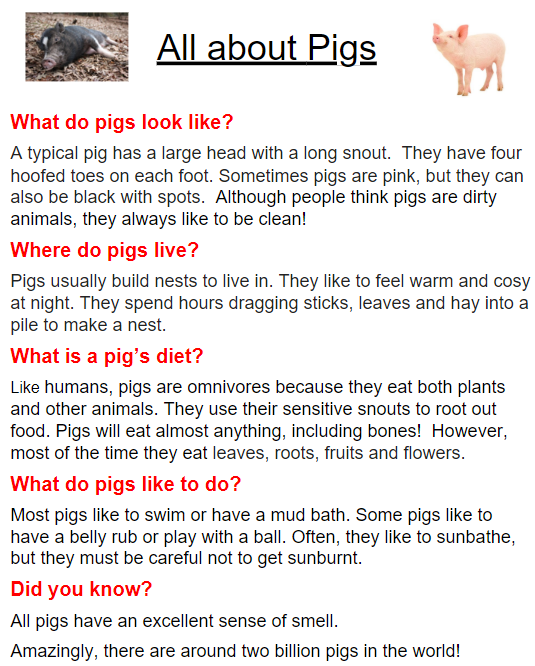
Read the text 'All about Pigs' and answer the questions. Remember to write in complete sentences. There is a sentence starter below, for the first question.
Questions
1. What do pigs use their sensitive snouts for?
Pigs use their sensitive snouts for...
2. How many pigs are there in the world?
3. What do pigs like to do at night?
4. How many hoofed toes do they have on each foot?
5. What do pigs spend hours doing?

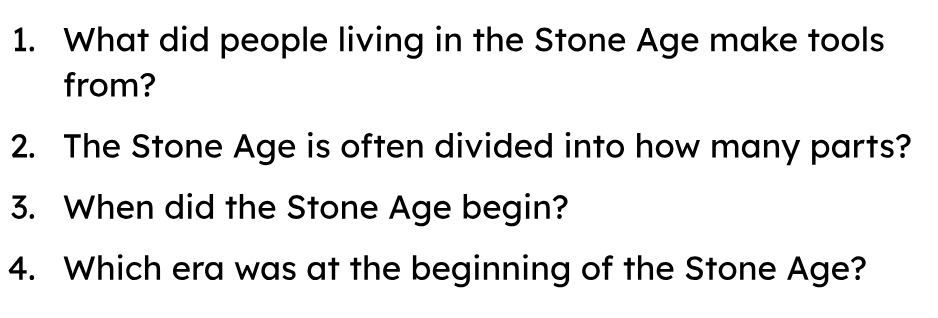
LC: To understand the significance of the developments that occurred during the Stone Age.
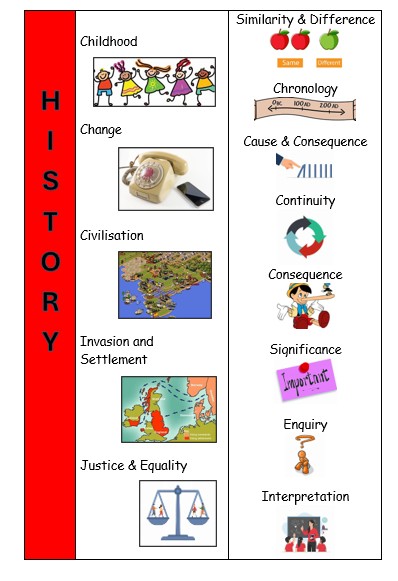


On your tables, discuss one thing that you can remember from last weeks lesson. Take a look at the pictures to remind you.
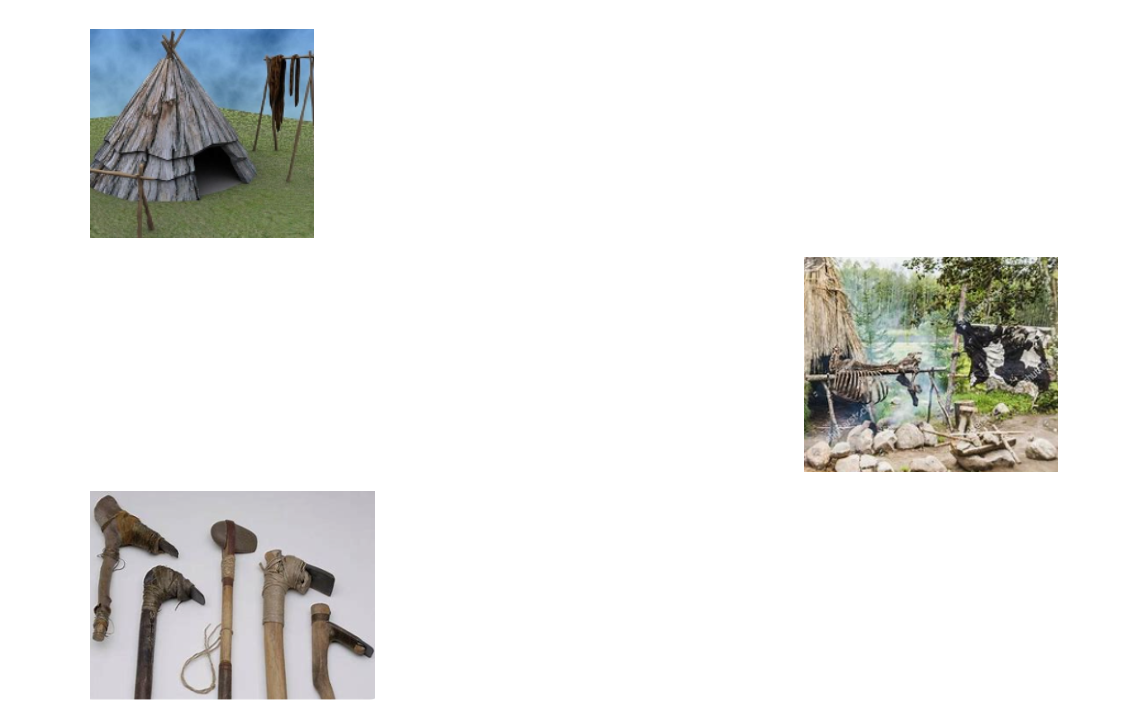
Last week we learned that The Stone Age began around 2 million years ago.
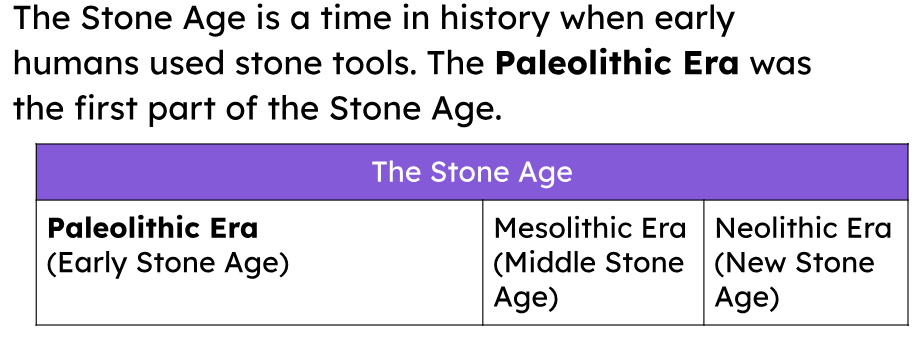
Fist part - Paleolithic Era also known the Early Stone Age.
Second part - Mesolithic Era also known as the Middle Stone Age.
Third part - Neolithic also known as the New Stone Age.
For today we are only concentrating on the first part of the Stone Age which is the Paleolithic Era.
We are going to have a look at 2 main achievements during the Paleolithic era.
1) Fire
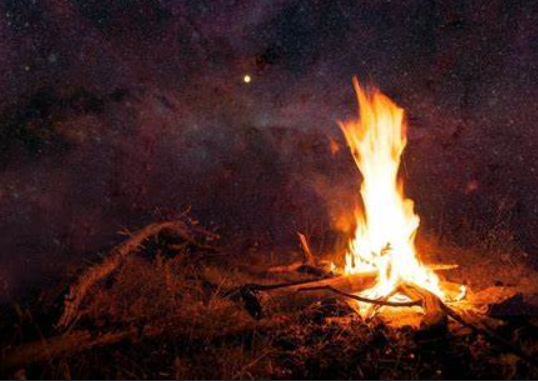
Humans found that they could make fire from a stone called flint and that animals were scared of fire. Humans used the fire to protect themselves from dangerous animals and to keep themselves warm.
2) Stone Age tool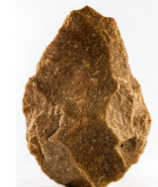
Humans found that stones could be shaped to become sharp enough to skin animals and cut branches to make fires.
In your books answer the following questions: