

Tuesday
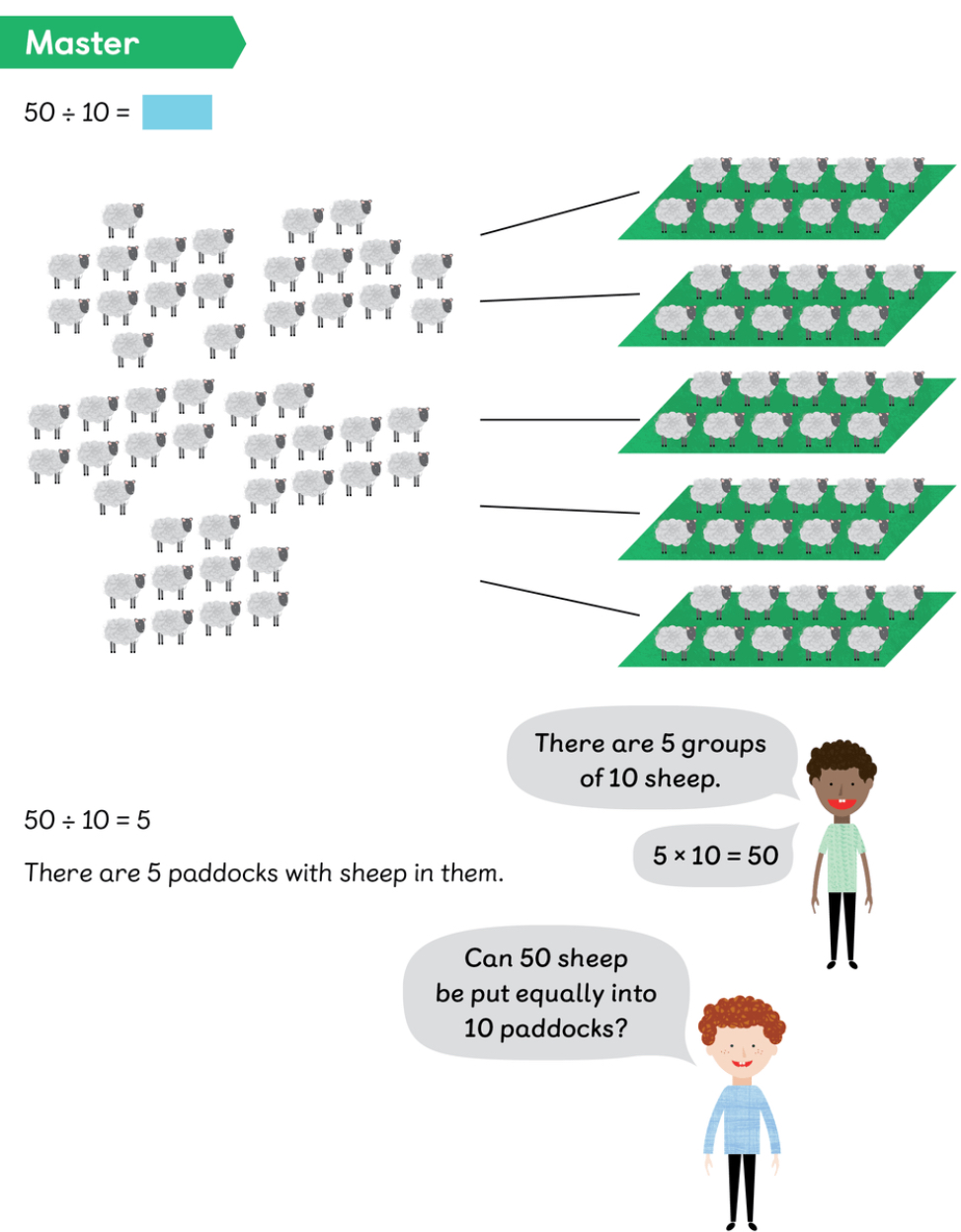
To be able to use division facts for the 10 times table, and relate them to multiplication facts.
Let’s explore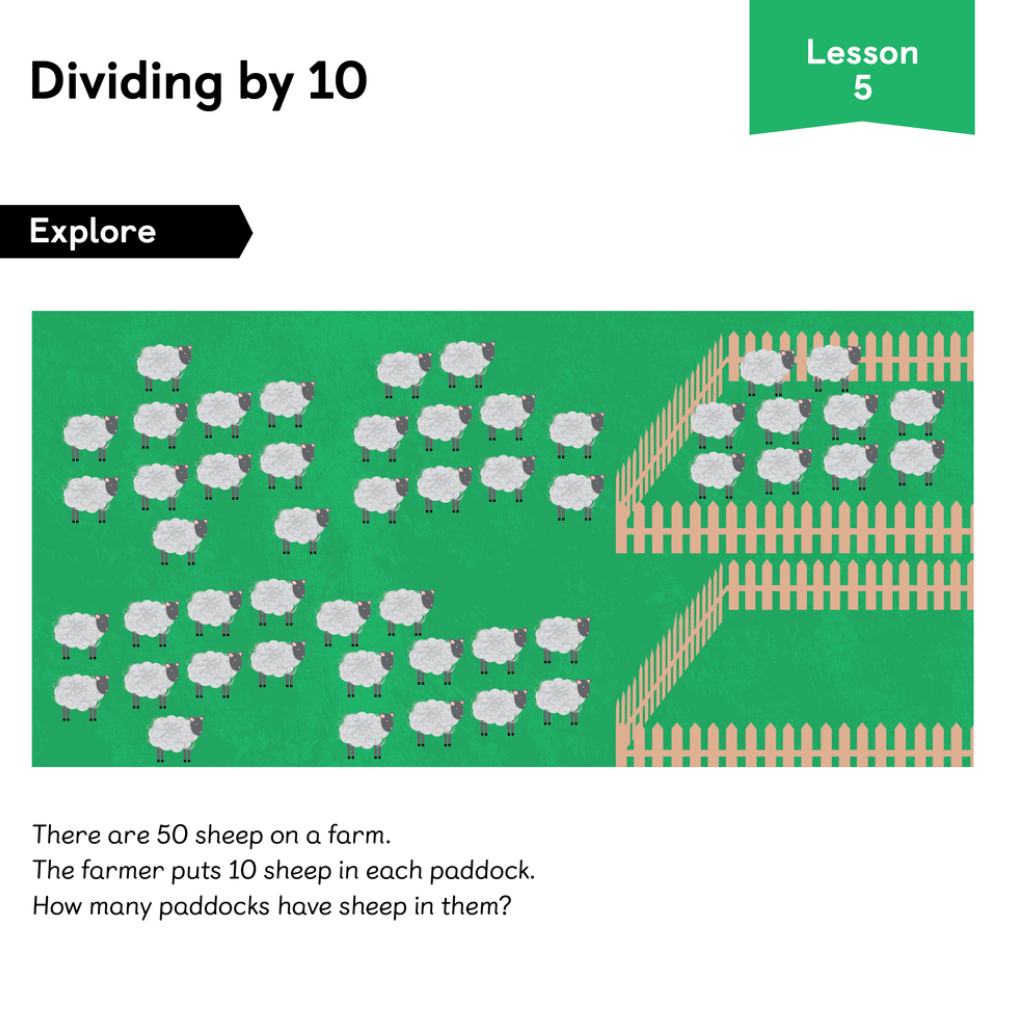 Let’s learn
Let’s try the guided practice together
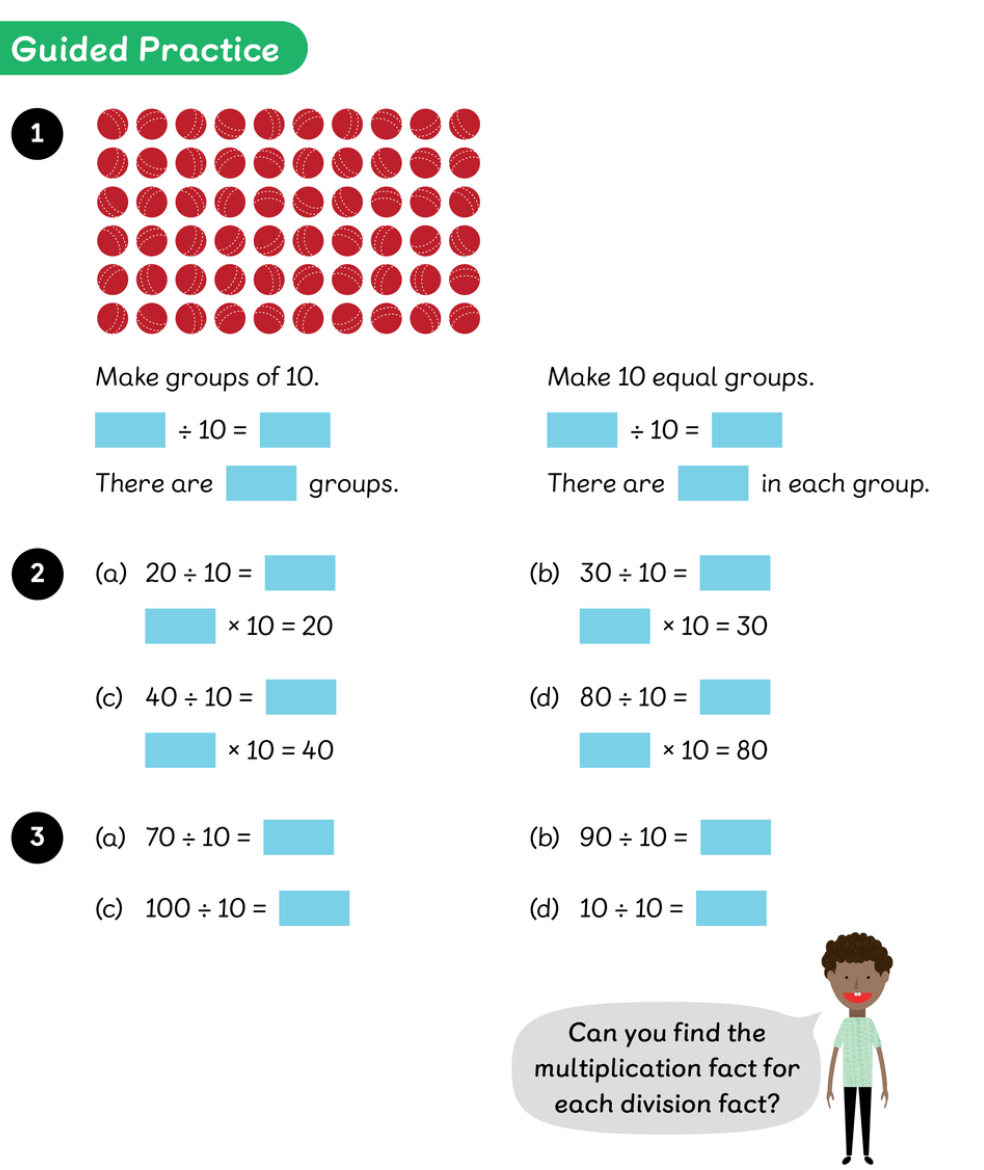
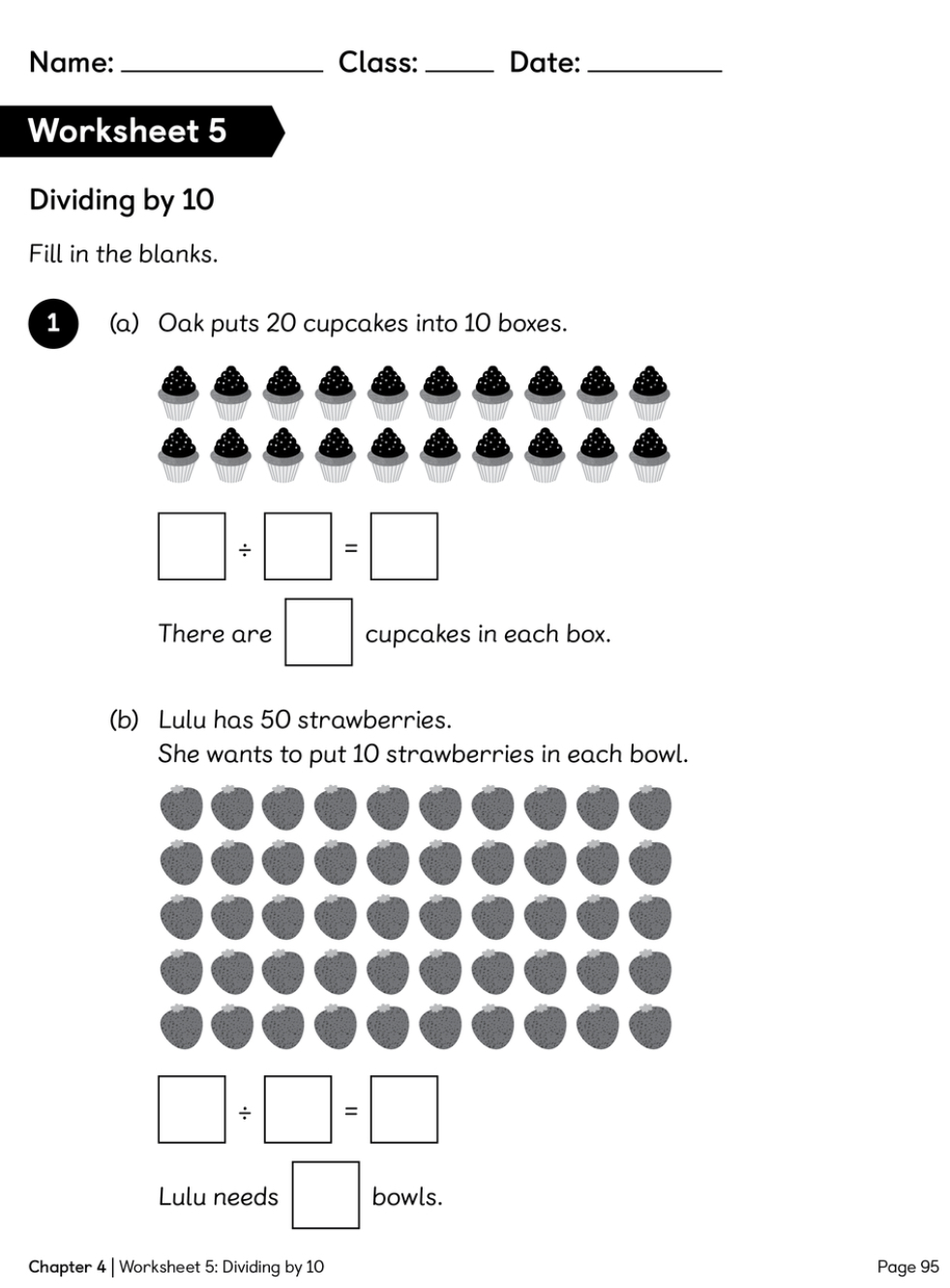
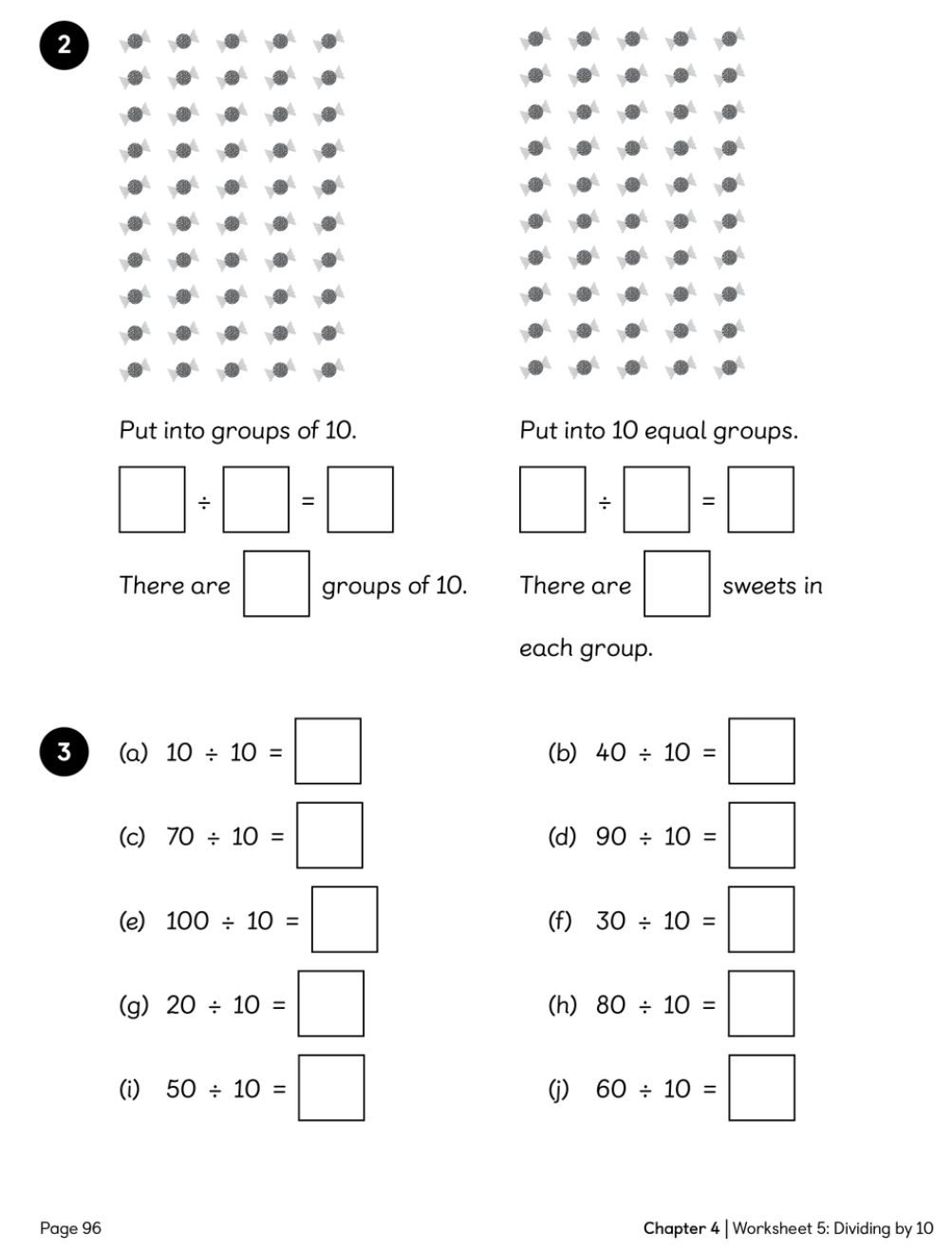
Turn to page 95 and 96
To say, write and punctuate simple sentences including expanded noun phrases.
Now we are going to write the first part of our story. Remember that to make our writing interesting for the reader we need to use adjectives to describe nouns.
Your writing should include:
- capital letters, full stops and exclamation marks (!)
- expanded noun phrases
- past tense verbs
Can you identify plants and animals within their habitat and how they depend on each other?
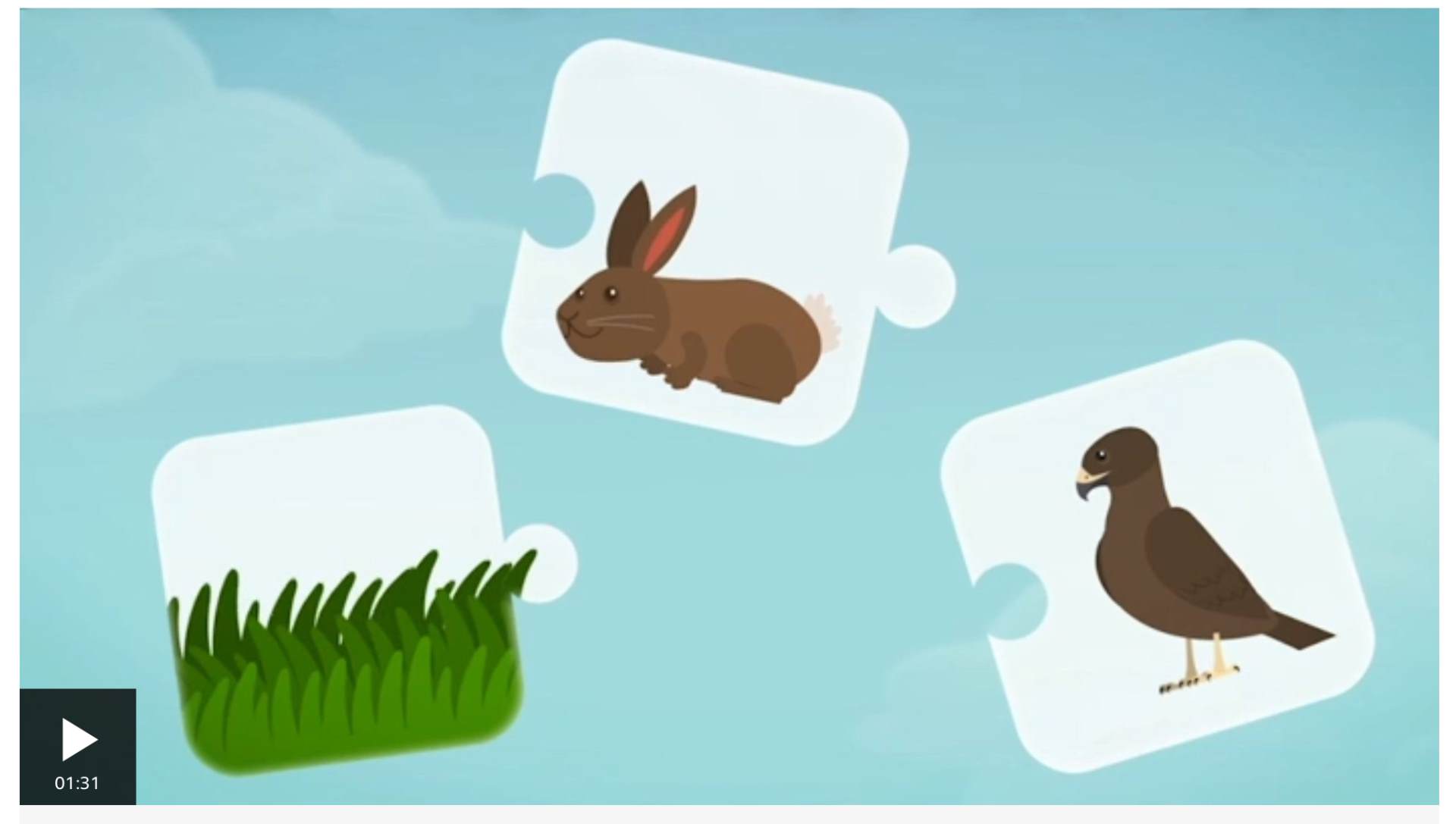
A food chain shows how plants and animals depend on each other as their source of food. For instance, a caterpillar eats plants, mice eat caterpillars and owls eat mice. There! A perfectly simple food chain.
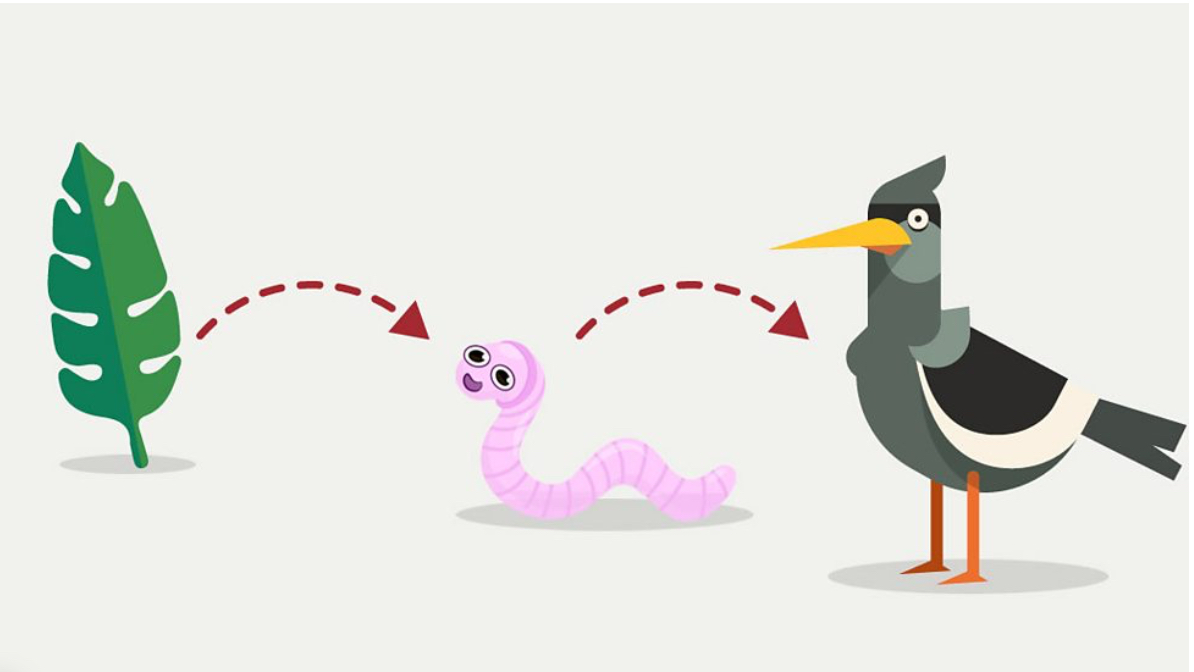
This food chain shows
- a leaf
- eaten by a worm
- which is then eaten by a bird.
leaf → worm → bird
The arrow means 'is eaten by' and shows the movement of energy in the food chain.
The initial source of energy for all food chains is the sun.
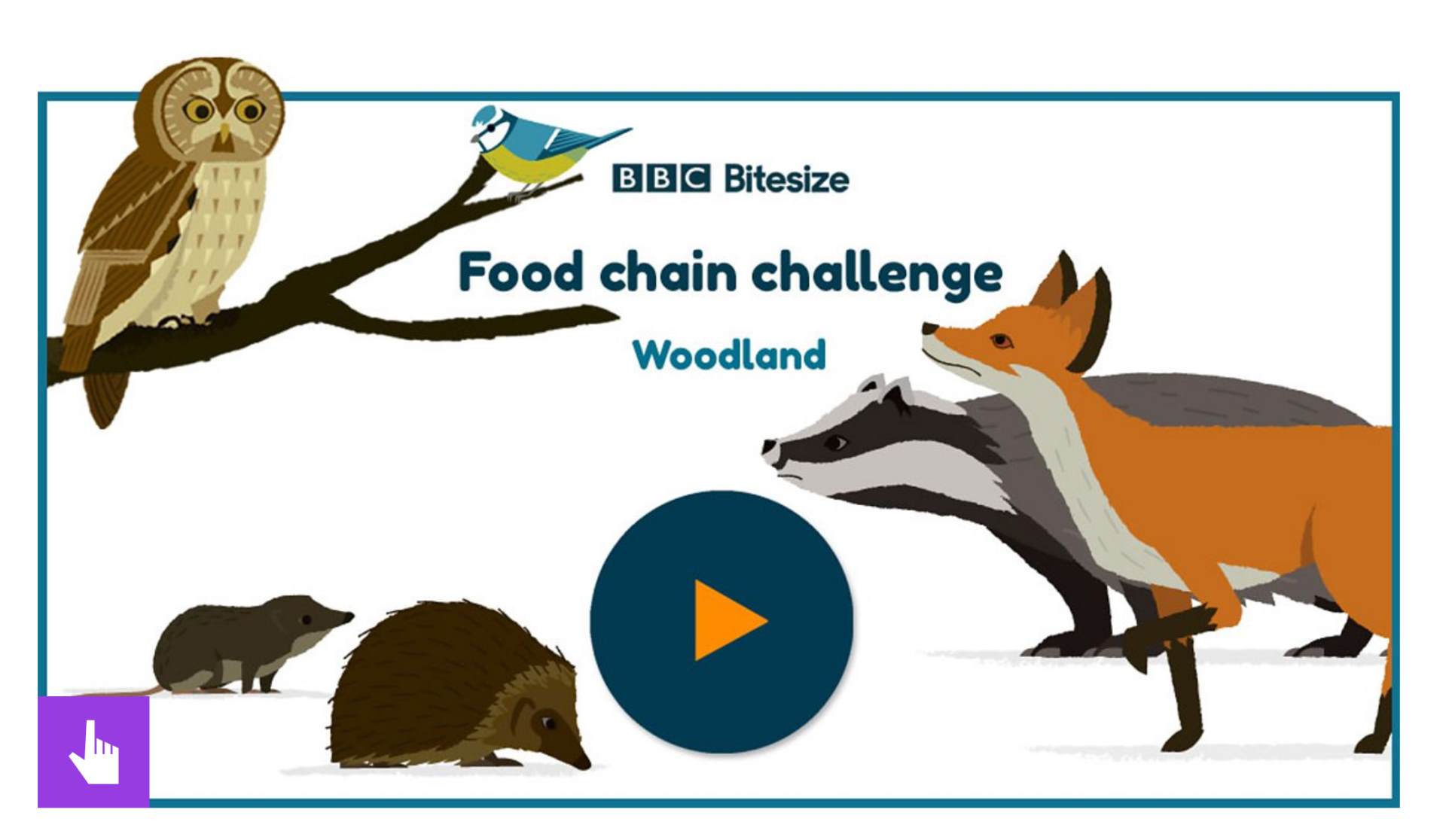
Can you find different food chains in a woodland habitat?
First, find a producer – a plant that makes its own food from sunlight. Next, find a consumer that eats the producer. Then, find another consumer that eats meat.
- A herbivore is an animal that only eats plants
- An omnivore eats plants and animals
- A carnivore only eats animals
- An insectivore eats some animals such as insects and worms