



Thursday
Watch- Base 10 Blocks Song! | Base 10 for Kindergartners | Jack Hartmann
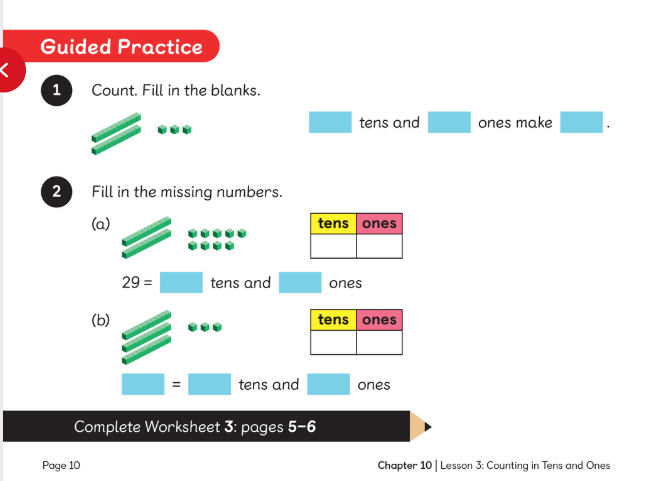
Complete page 5-6.
Adaptive Teaching- give out Base 10 for them to make the numbers and complete page 5.
Understand that the prefix ‘un’ changes the meaning of verbs and adjectives.
The prefix un- usually means not. For example:
unhappy
unlocked
unfair
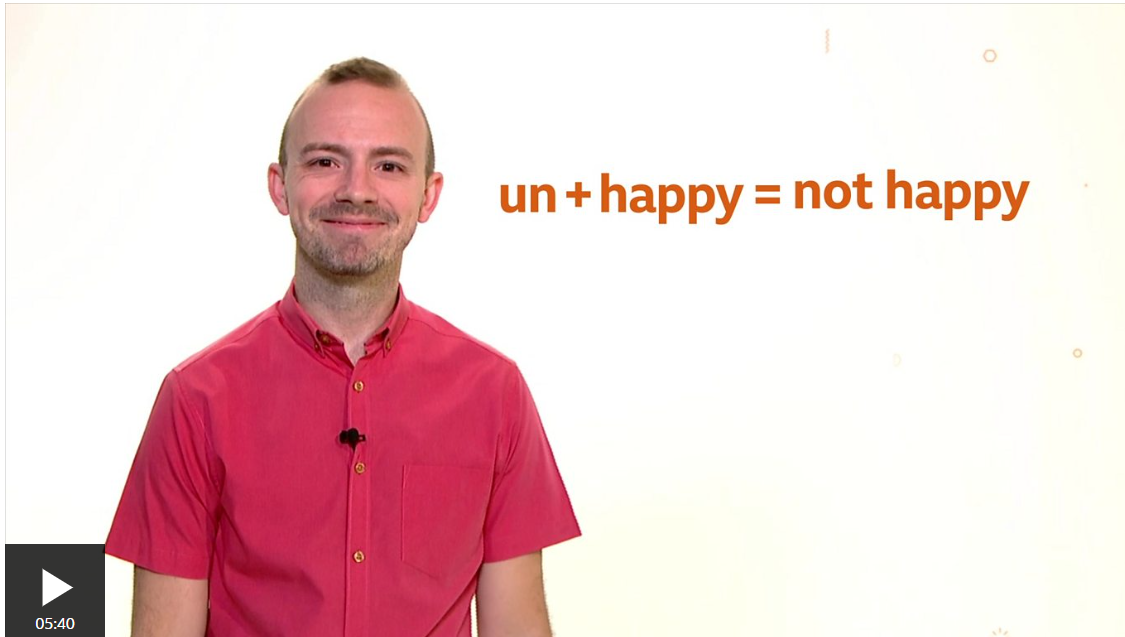
Let's watch this video about prefixes!

Activity!
Write out the words below adding un- to the start.
Then explain what the new word means.
The first one has been done for you:
certain = uncertain. This means not certain.
sure =
happy =
tidy =
well =

Can we identify the similarities and differences of a variety of common wild and garden plants?
What plants can you find in our outside classroom?
Click the image to learn about what plants you can find outside.
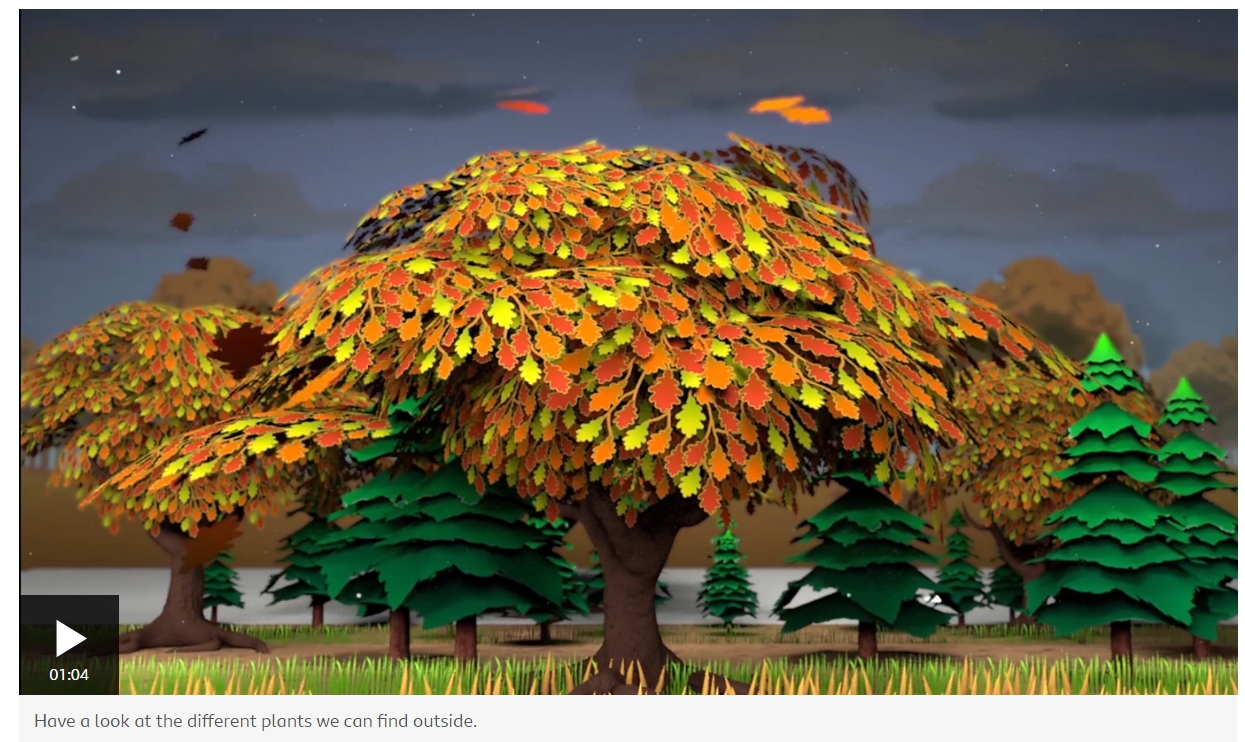
There are two types of plants you could find outside; wild plants and garden plants.
First let’s think about wild plants.
- Wild plants grow by themselves.
- When wild plants grow where they are not wanted they are called weeds.
Now let’s think about garden plants, these are plants you plant in your garden.
- Seeds for garden plants are usually planted in rows.
- People will water them and look after them to them.
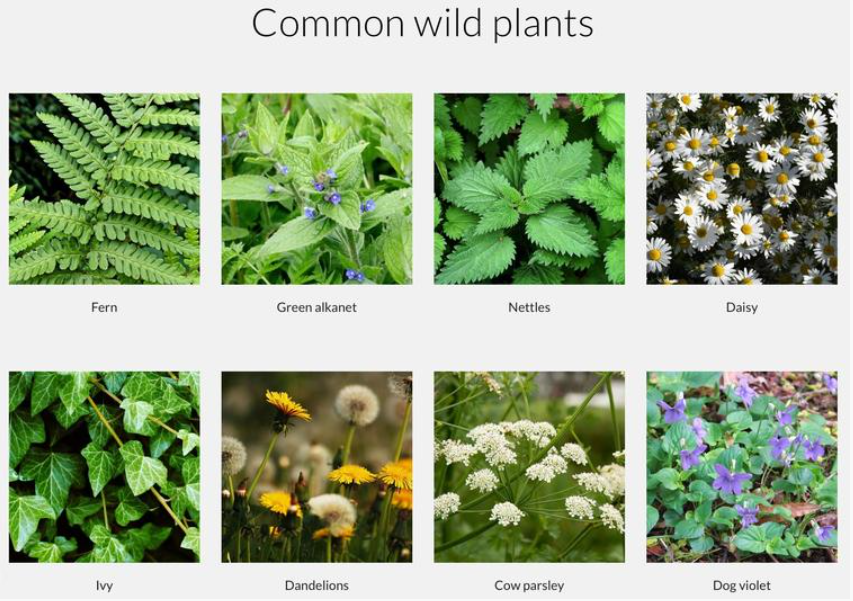
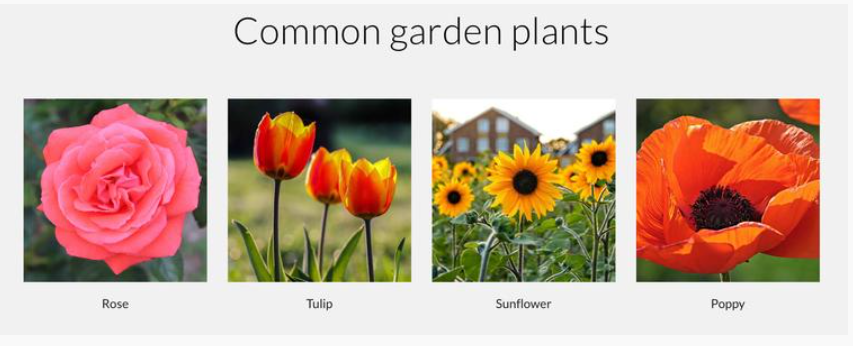
Now that we know lots about wild and garden plants. We can go for a ‘plant walk’ around school and tally how many wild plants we can see and how many garden plants we can see.
Do you think you could identify the similarities and differences?

Can we place items bought in the past and present in chronological order?
Last week, as historians, we looked at the changes that have happened in Burnley town centre from a photo taken in the past and one taken in the present.
Let's recap - 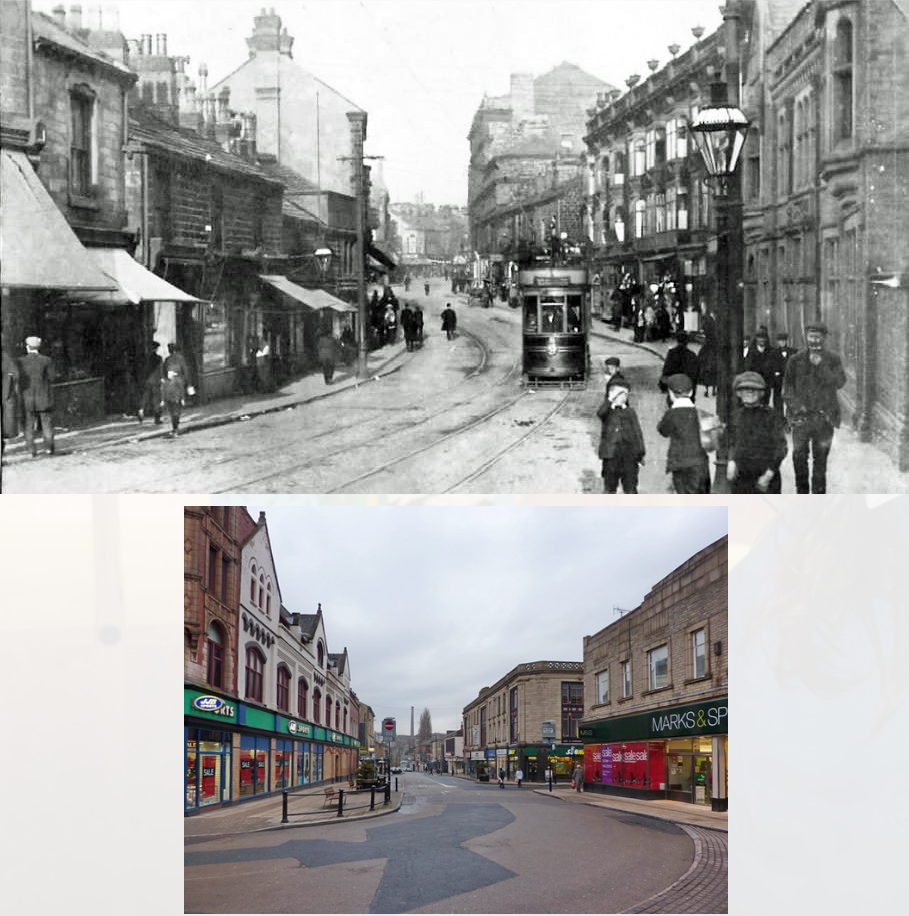
Throughout history, things don’t happen quite as simply as that. Things change over time and it’s important us as historians to understand what these changes look like and that they can take a long time to happen.
Today we are going to place things that you might have around your home into chronological order from a long time ago to the present day.
Chronology- a way to understand how history ‘fits together’
Chronological order- an arrangement of events in the order that they happened
Let’s go outside and work in teams.
Teacher - Take pictures of items in chronological order.