



*-{SECTION_MENU}
Thursday
To be able to order numbers to 20.
Watch the video:
Numbers to 20 (knowing the counting sequence) -Maths - Learning with BBC Bitesize
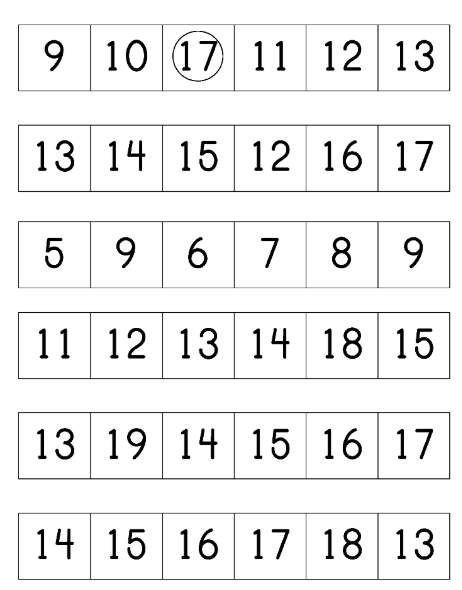
Which of these numbers is the odd one out?
Play Caterpillar Ordering - An Ordering and Sequencing Game (Ordering 1- 20) children to write numbers on whiteboards, then ask for volunteers to come to the whiteboard to check. Play forwards then backwards.
Independent on their ipads- children have Topmarks (Coconut Ordering). They can choose any of the units up to 20 (number, prices, measures, etc.) Click on the link symbol in the bottom corner to play.
Grammar
To join sentences together using and.
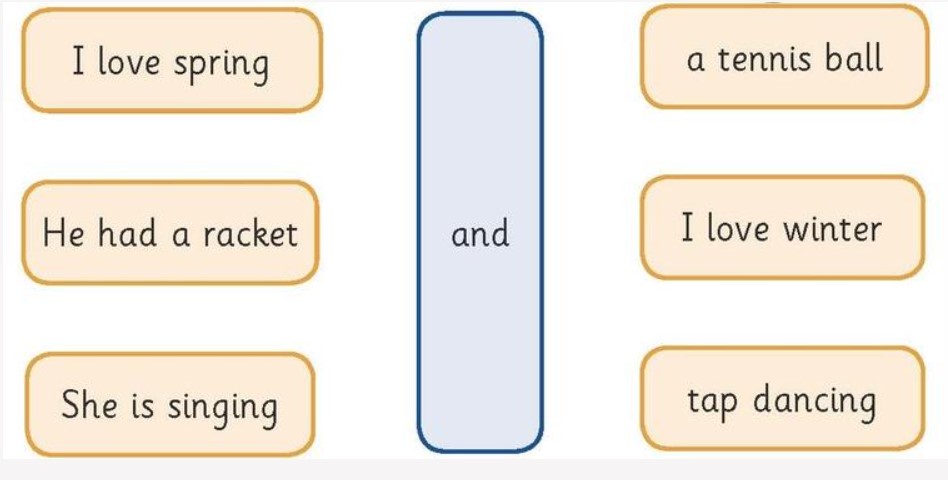
To write sentences with capital letters and full stops.
Can you remember what a noun is? What is an adjective?
Revisit yesterday's writing. What did you write about? What adjectives did you use?
We are going to choose another animal to write about using a different adjective.
This time it will be completed independently, without the model to look at!
Choose an animal and choose a adjective. Have a look at the list of adjectives on the learning wall.
What will the teachers want to see in your writing?

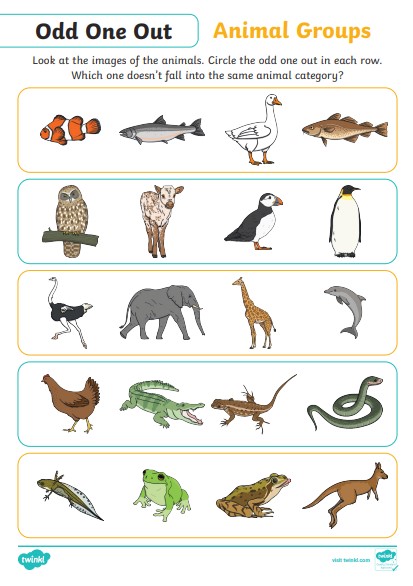
Can we use evidence to identify, classify and group a variety of animals?
Revisit science LW.
Children to work as a table to group the animal cards. (sorting slides of PP) How are you going to group the animals?
Seesaw job- circle the odd one out
Seasonal Change
Can we identify the seasons and group together the months in which they occur?
https://www.bbc.co.uk/bitesize/topics/znhdp9q/articles/z3kbydm
Click the picture and work through the page.
Let's think about the seasonal change between autumn and winter.
Go onto Seesaw and complete the activity.
Record the change from autumn to winter using the microphone on seesaw.

Can we use evidence to understand the causes and consequences of people losing their homes during the Great Fire of London?
Every child has the right to food, clothing and a safe place to live so they can develop in the best possible way. The Government should help families so children can enjoy this right.
Key vocabulary:
Cause- the reason things happen
Consequence- the results or outcomes of an action intended to change things in a positive way
Refugee- someone who has to leave because it is not safe for them to stay
Proclamation- an official announcement about something very important
|
Why did the houses burn? (Causes) |
What did the people do? (Consequences) |
|
|
|
|
|
Over the last few weeks, we have heard eye-witness accounts of what happened during the fire. We know people had to leave their homes and camp on fields. Now let's hear what it was like for those people.
"I am almost out of my wits, we have packed up all our goods and cannot get a cart for money, they give 5 and 10 pounds for carts... I fear I shall lose all I have and must run away... Oh, pity me." (Lady Ann Hobart, 1666)
"Those whose homes were destroyed by the fire had to rely on charity of family and friends. The newly wed couple Michael and Betty Mitchell were given temporary accommodation in Shadwell. Mr and Mrs Dunston of Thames Street couldn't afford to rebuild their property and left London altogether. The aged playwright James Shirley was among the thousands of refugees stranded at Moorfields, where the diarist John Evelyn found people 'under tents, some under miserable huts and hovels, many without a rag, or any necessary utensils, bed or board, who from riches and well-furnished houses, were now reduced to extreme misery and poverty.' It is perhaps no surprise that both Shirley and his wife died a month after the disaster from fright and consumption." (Rebecca Rideal, The Guardian)
Does equality mean treating everyone the same?
Was everyone treated the same during the fire?
Did they try to protect everyone's house?
Did King Charles II try to give help equally?