

Thursday
To be able to count to 20 using the key strategy of making 10 first.
How many items are in these frames?
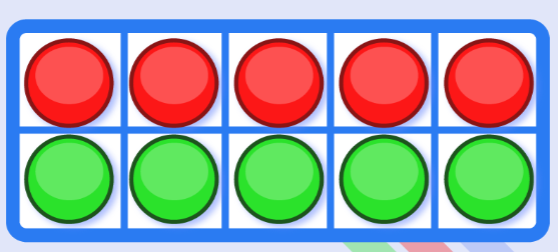
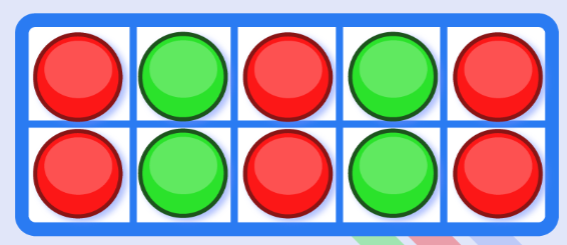
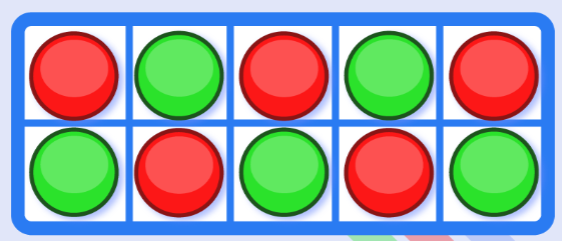
How do you know they all have 10?
Mrs Hall said that you have learned to fill a 10 frame in 5s and pairs. What does she mean? (refer back to the pictures)
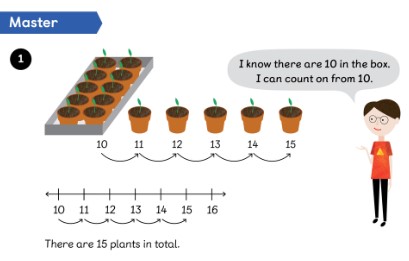
Today we are going to plant some seeds just like the picture below. How many seeds will there be? What would be the easiest way to count- from 1 or from 10? Can we use a number line to help?
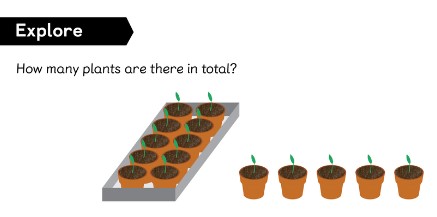
Let's learn:
What would be the easiest way to count the bees?
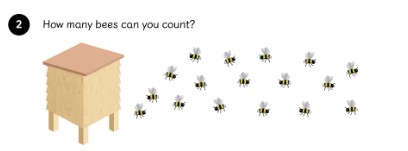
My friend suggested we should make 10 first then count on from there.
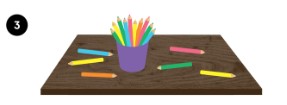
How can we use a number line to help us work out how many pencils there are?
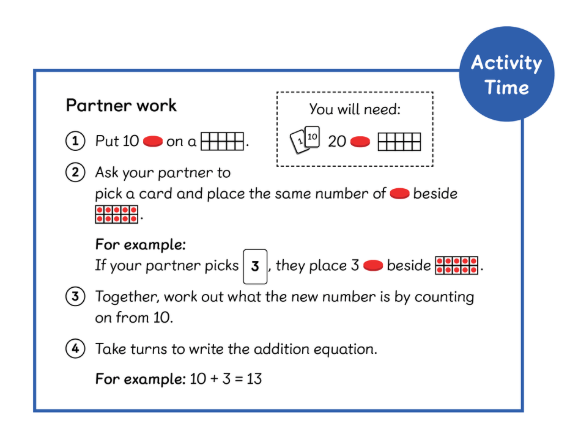
In pairs, use ten frames to show what the numbers 11-20 would look like (remind them that making 10 first is the strategy we are learning.)
Use dice to roll a number instead of picking a card.
Adaptive Maths
As above but numbers up to 15. Use cards as suggested in the game (1-5 for numbers up to 15)
Can we interpret events from different sources to find out if they are reliable?

Every child has the right to access reliable information.
Interpret- to explain the meaning of something
Eye-witness- a person who sees the event happening and tells others of what they saw
The Great Fire of London was a significant event, which is still spoken of today.
How do we hear news of events that happen around the world today?
How do we hear news of events that happened in the past?
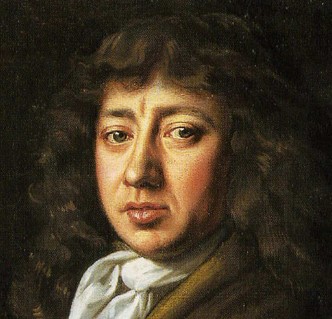
This is Samuel Pepys. He was an eye-witness during the Great Fire of London. Let's watch a video to find out more about him.
While Thomas Farriner's bakery is well-known for its part in the event, it is not known what caused the initial blaze. The Museum of London are using research to find out more information about what happened at the start of the fire.
Can we always trust eye-witness accounts?
Why might they not tell the whole story?
Do people always remember everything they see in detail?
Would one person see all the events of such a big fire?
Can a person say how it started if they were asleep in bed?
Use these sentence openers to record your thoughts on Seesaw:
We can trust Pepys because...
We cannot trust Pepys because...
Watch BBC Magic Grandad Great Fire of London.
Can we research to classify animals by what they eat?
Introduce the vocabulary Carnivores, Herbivores and Omnivores.
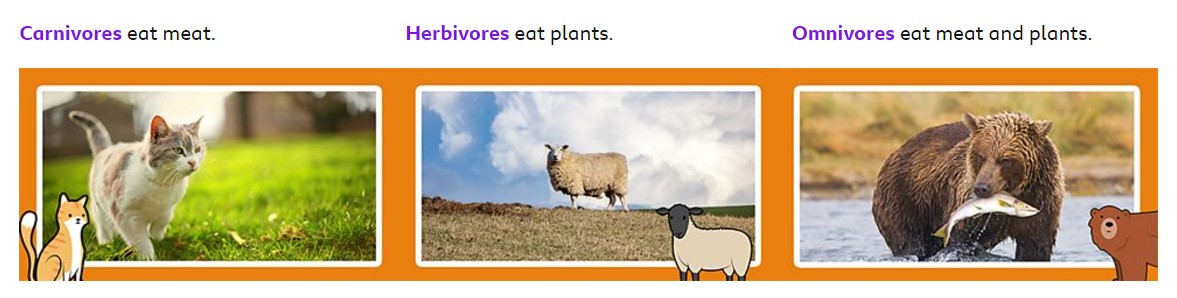 Watch BBC Bitesize- What do animals eat?
Read the information on the page and complete the quiz at the bottom.
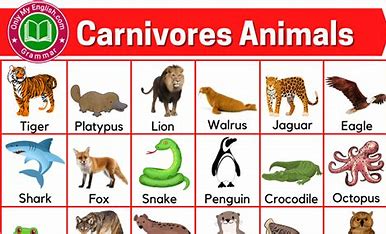
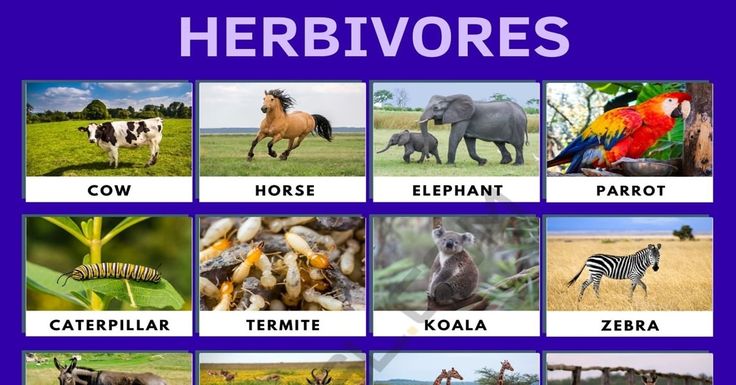
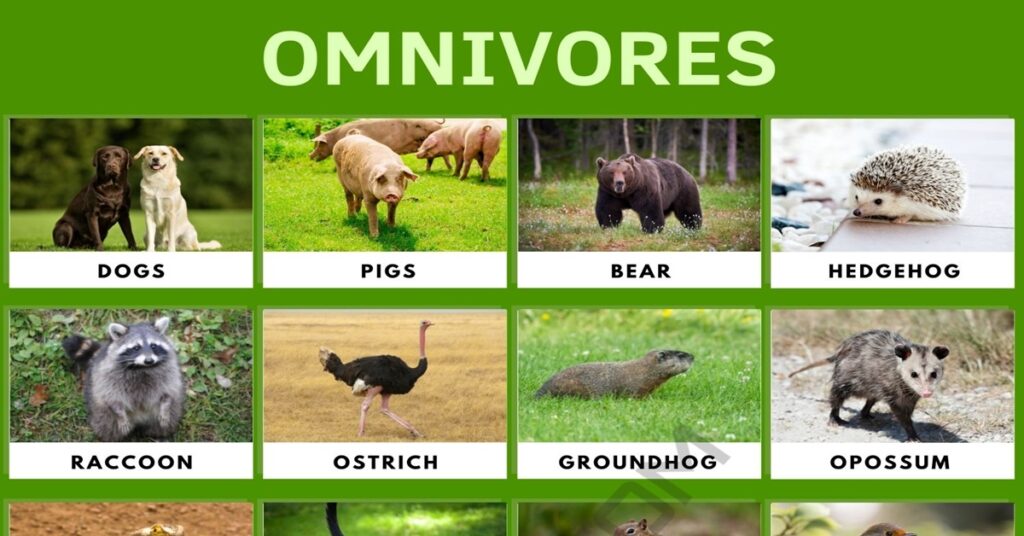
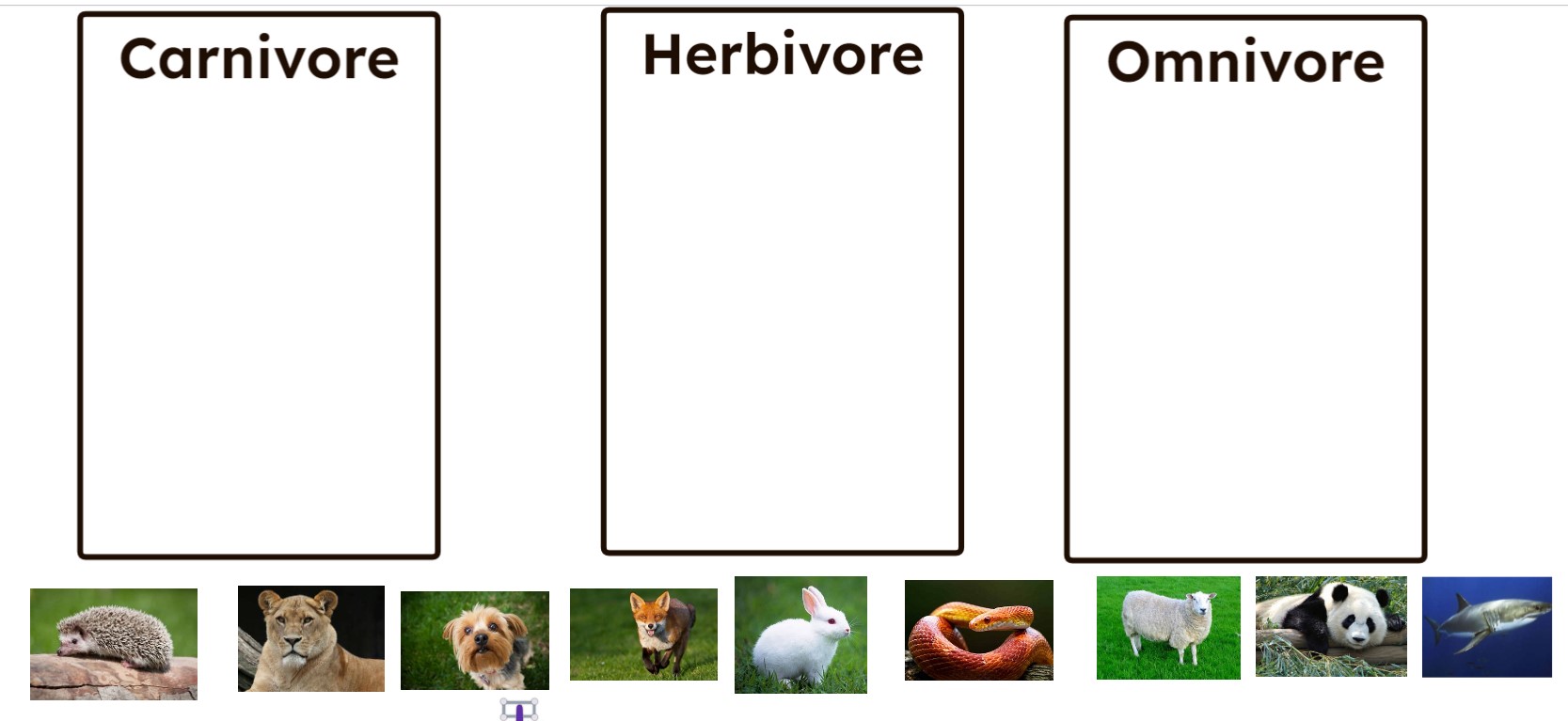
Write a list of animals that are Carnivores, Herbivores and Omnivores.
Complete the seesaw activity-sorting the animals into the correct classification.
To activate prior knowledge.
To use descriptive language
Grammar
To use question marks at the end of some sentences.
Discuss what is correct about my sentence.
Are you six years old?
I like jam.
What do you like to play with?
How can I get out?
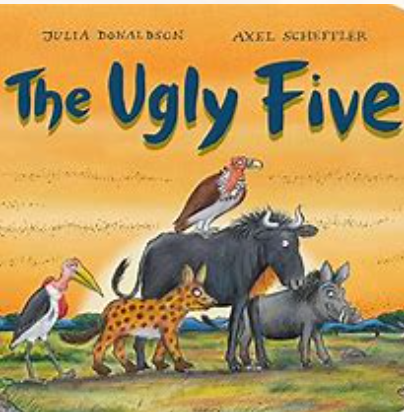
Today we are going to re-read the story.
We are going spilt into our tables to write facts (on a large piece of paper with a picture of 1 animal) about each of the animals from the story.
Your teacher will model what you have to do, with the stork.
Click here to watch the video-stop watching at 1.20.
Each table will watch a video about their animal
Working as a team, work together to write the facts down.
You will then play pass the fact with someone from another table. You will share a fact about your animal, and they will share a fact about theirs.
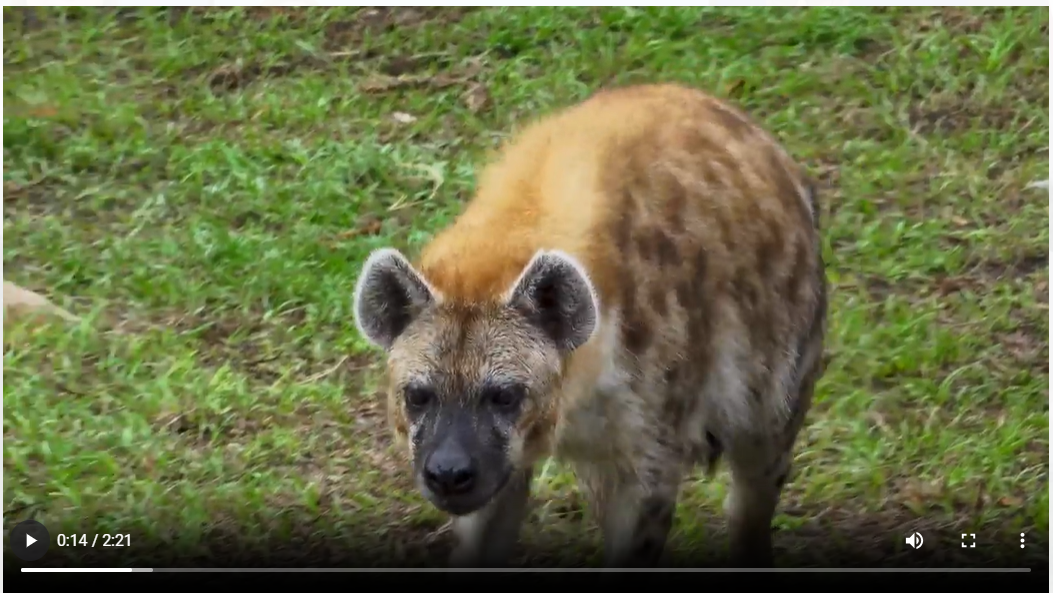
Spotted Hyena
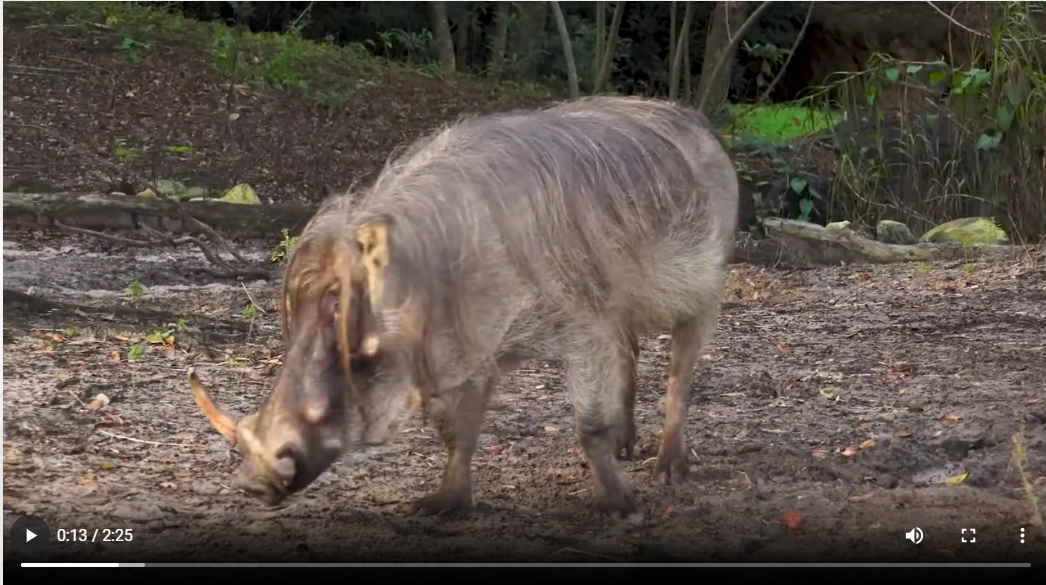
Warthog
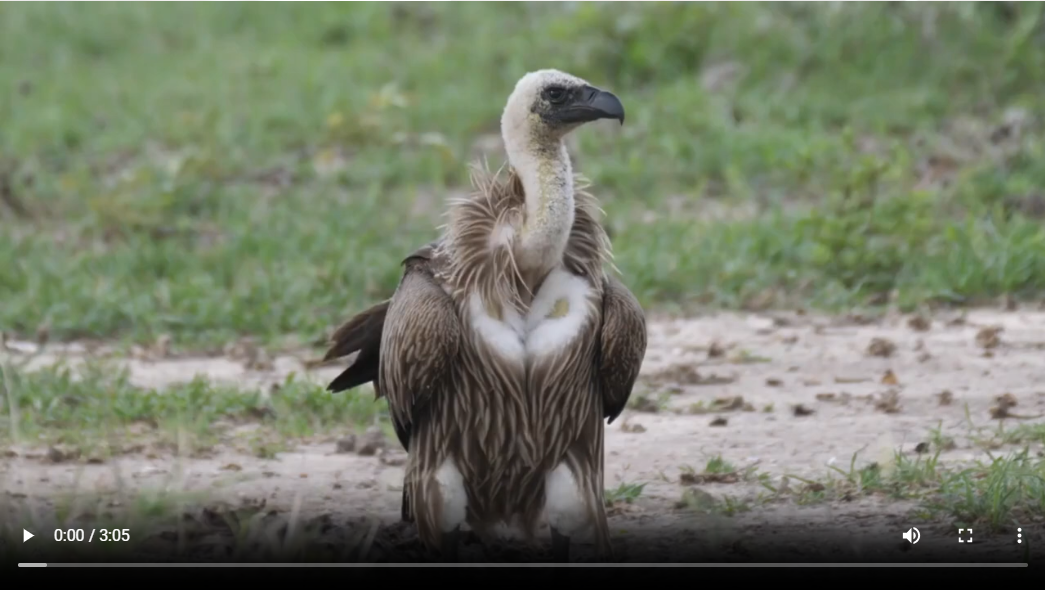
Vulture
Wildebeest