



Friday
To be able to solve problems of addition and subtraction, and to find the number families.
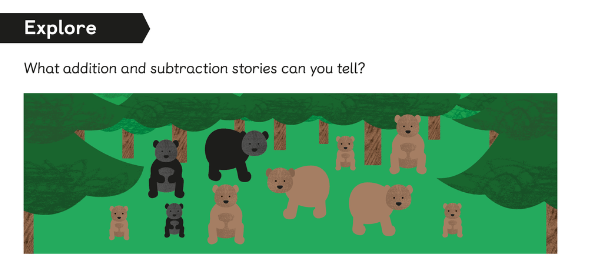
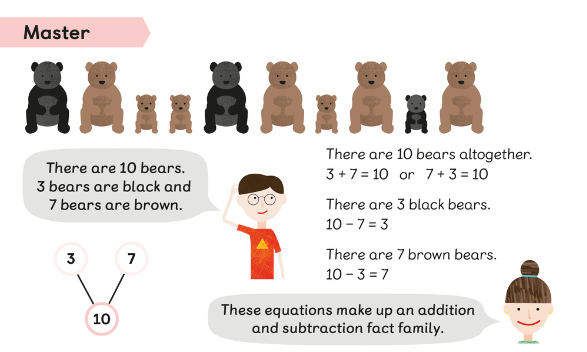
Make sure you emphasise that 10 = 7 + 3 as well as 7 + 3 = 10 so pupils don’t start thinking that the equals sign means ‘the answer is’.
Let's learn:
Read each sentence together use 'is the same as' where the = symbols are.
The addition and subtraction fact family for the numbers 5, 2 and 7 are:
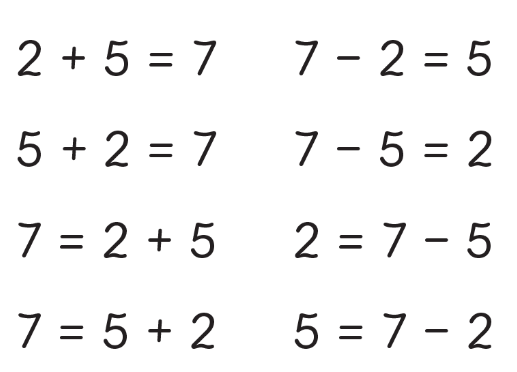
Model writing sentences for 8, 2 and 10.
Independently, in yellow books, write the fact family for 6, 4 and 10 just like the model.
Model this alongside a part whole diagram.
Adaptive teaching- children play the Top Marks game independently.

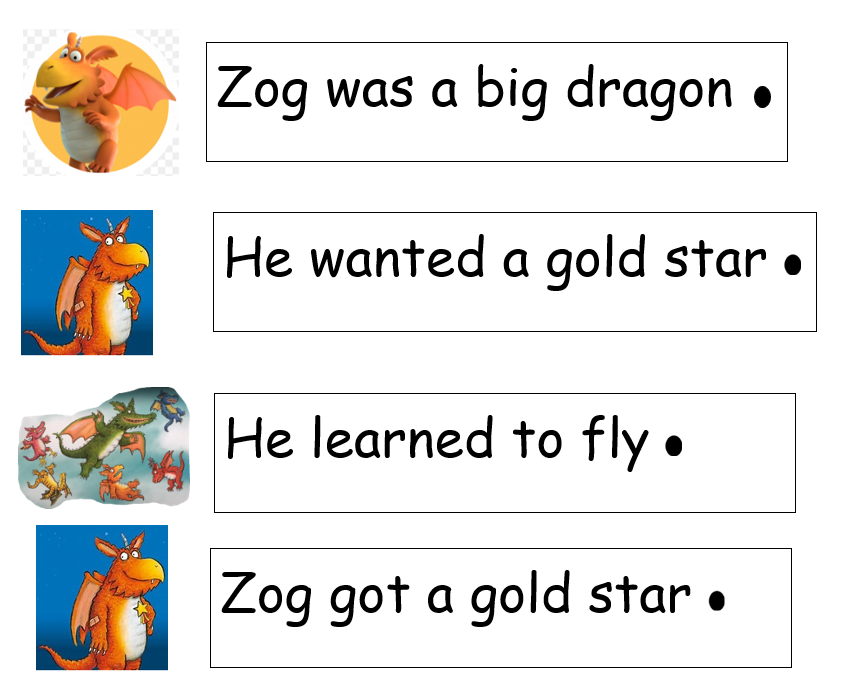
To identify and discuss main events in a story.
Now we have read the whole book, we are going to read a short version of the story so that we can learn it off by heart.
This short version has the same structure of the original with a beginning, middle and end. It also follow the same sequence with the events taking place in the correct order. Can you spot the differences?
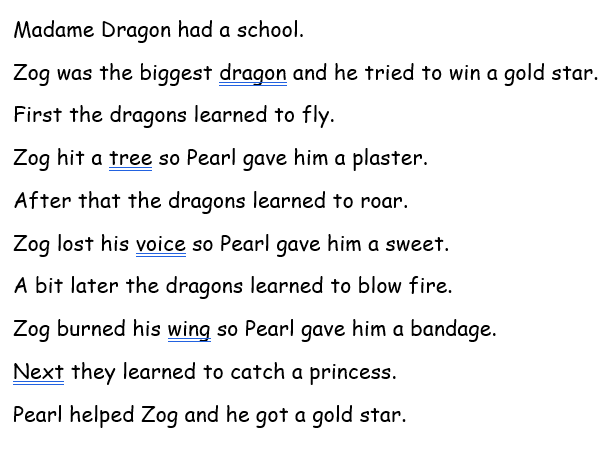
We are going to read it again, but this time, we will use actions for capital letters and full stops.
Now let's look at what a story map of this would look like.
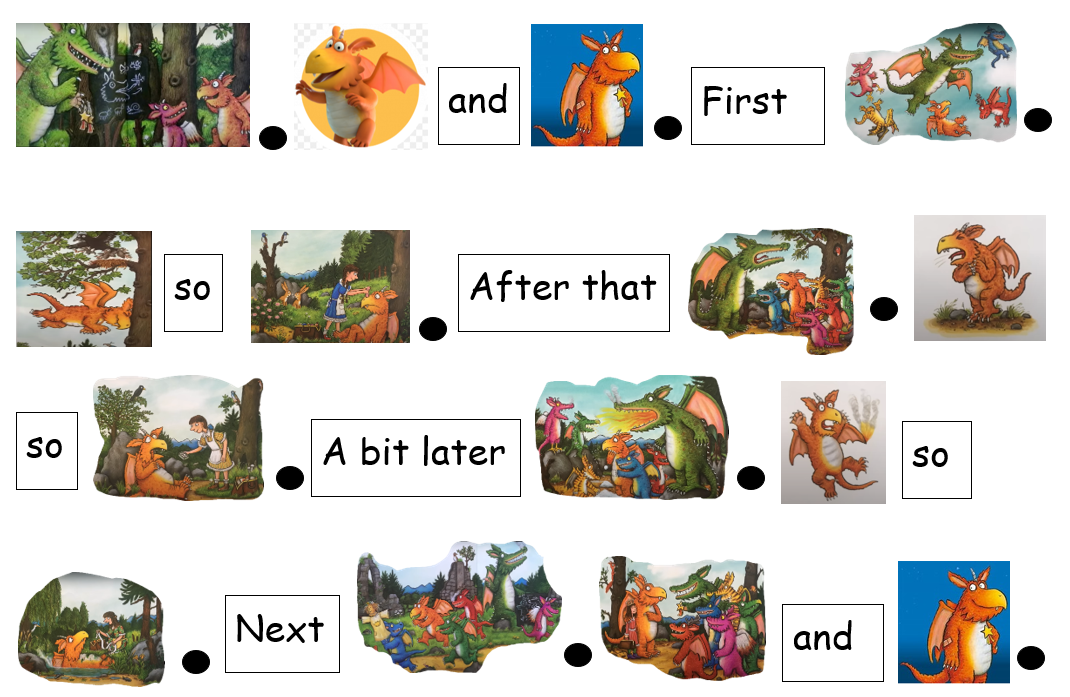
Let's write a list of important things we need to remember to include in our writing when we invent a new story:
- a beginning, middle and end
- events in the correct order
- time words to move the story on
Adaptive teaching:
Do we know when someone is lonely and how we can help them?
Loneliness is a feeling we may get if we are alone when we don’t want to be.
My friend said you can feel lonely even when you are around people. Is she right?
Listen to “The Lonely Giraffe”.
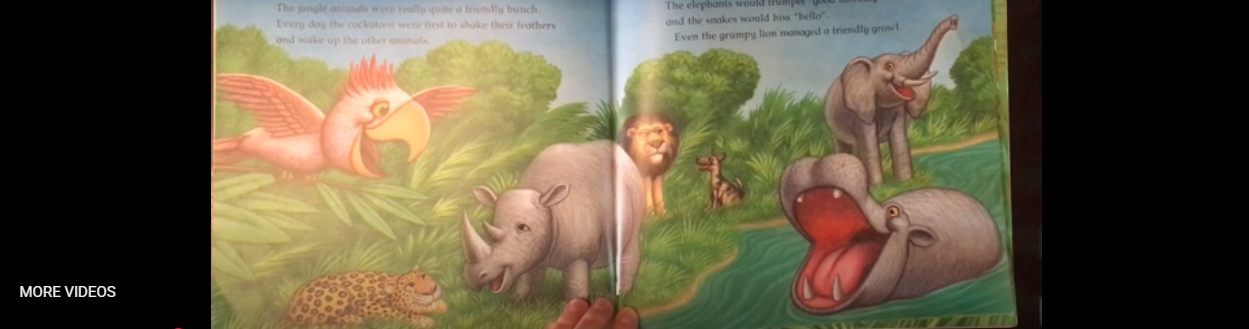
Loneliness can cause us to feel uncomfortable emotions. What might this look like in ourselves/other people?
Which of these pictures shows loneliness?
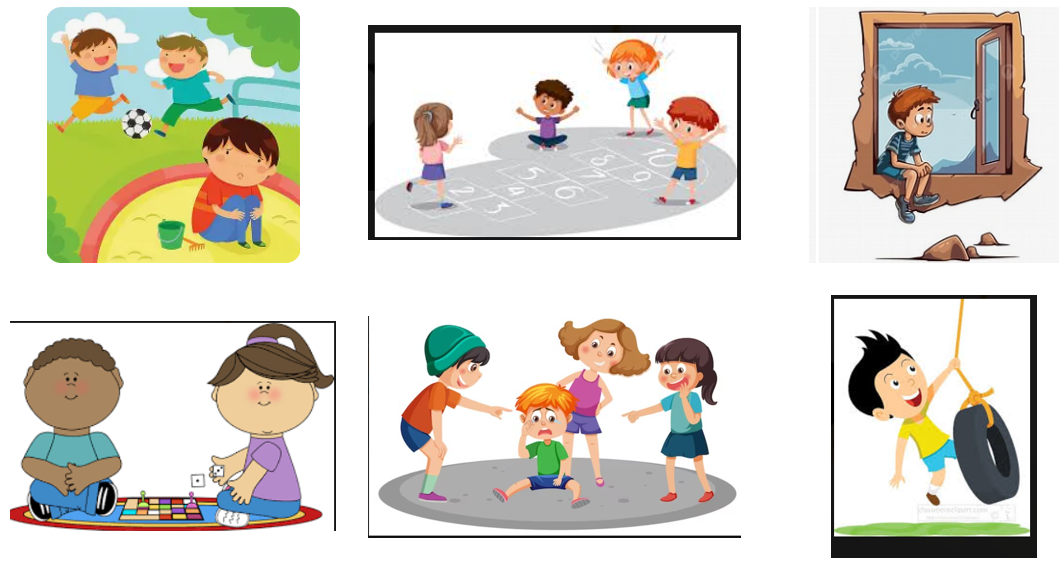
What can we do to help someone that is feeling lonely?
Talk partners