

Monday
Monday 8th December
Monday 8th December
LC: To build an understanding of how the steam locomotive shaped Britain during the Industrial Revolution
How did railways change Britain during the Industrial Revolution?
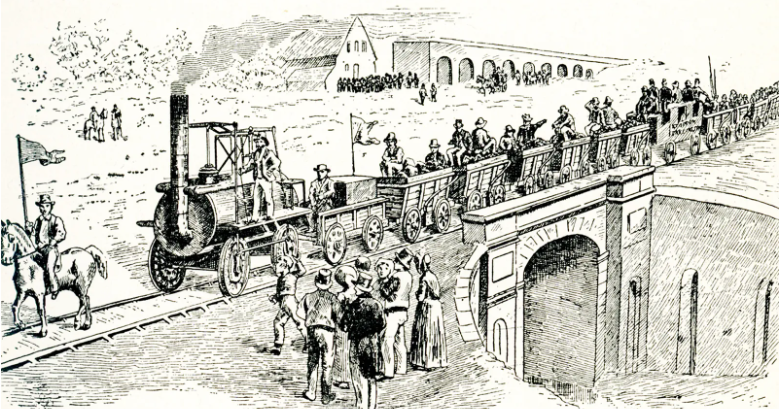
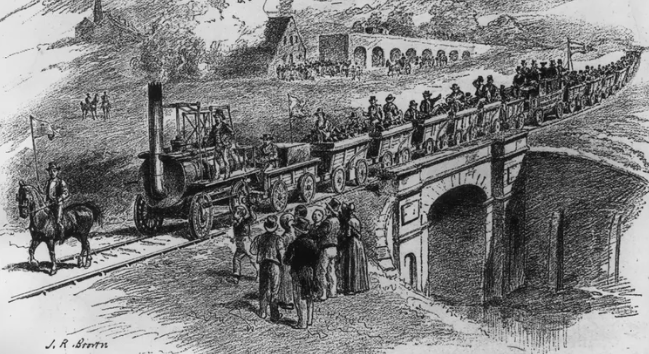
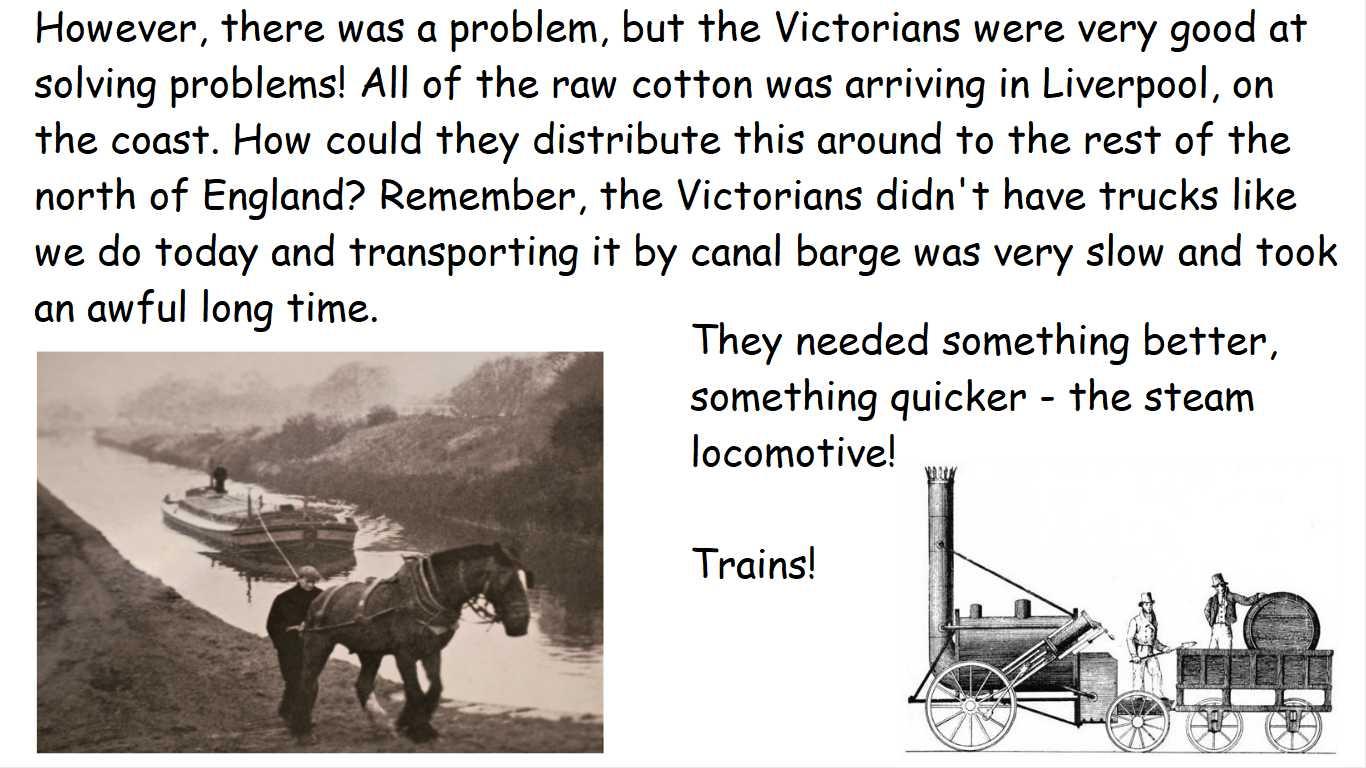
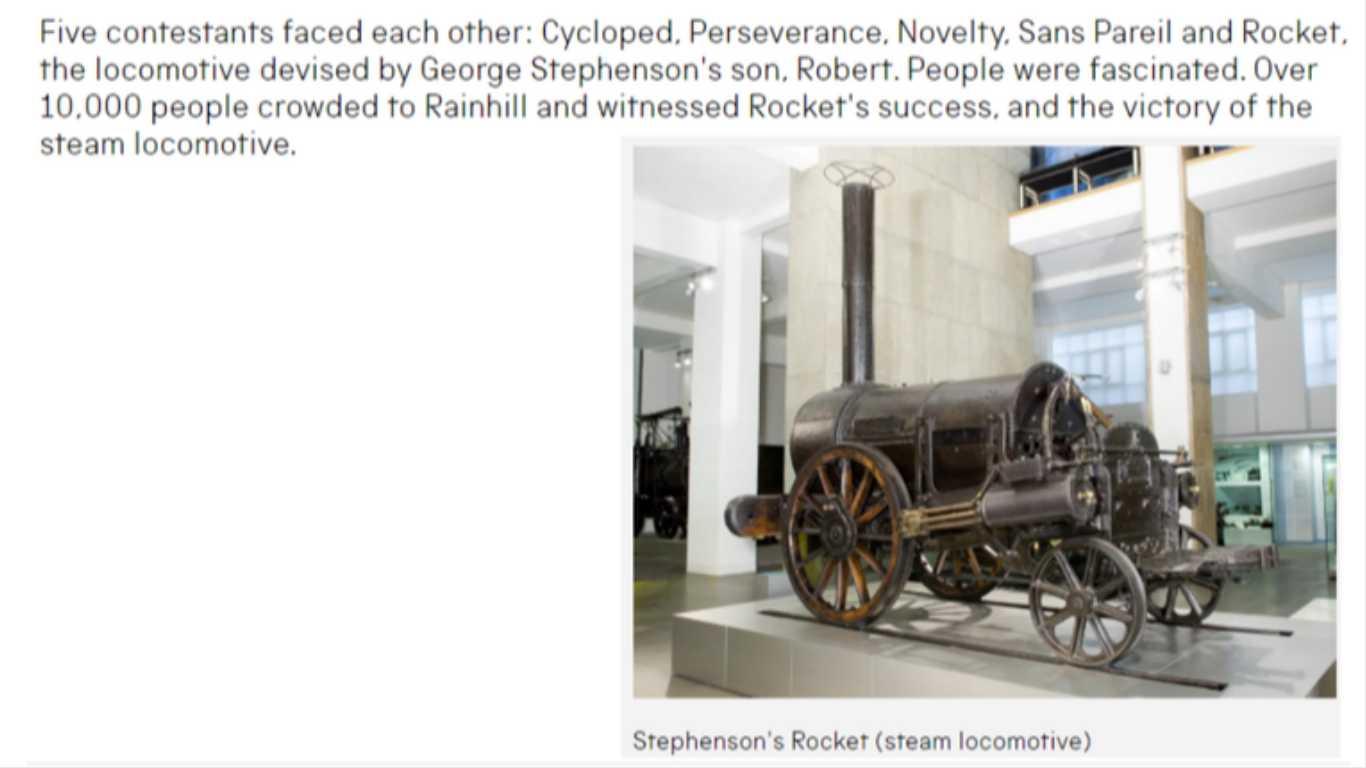
During the Industrial Revolution (around 1750–1900), the invention of the steam railway had a huge impact on Britain. It changed how people travelled, how goods were moved, and how towns and cities grew.
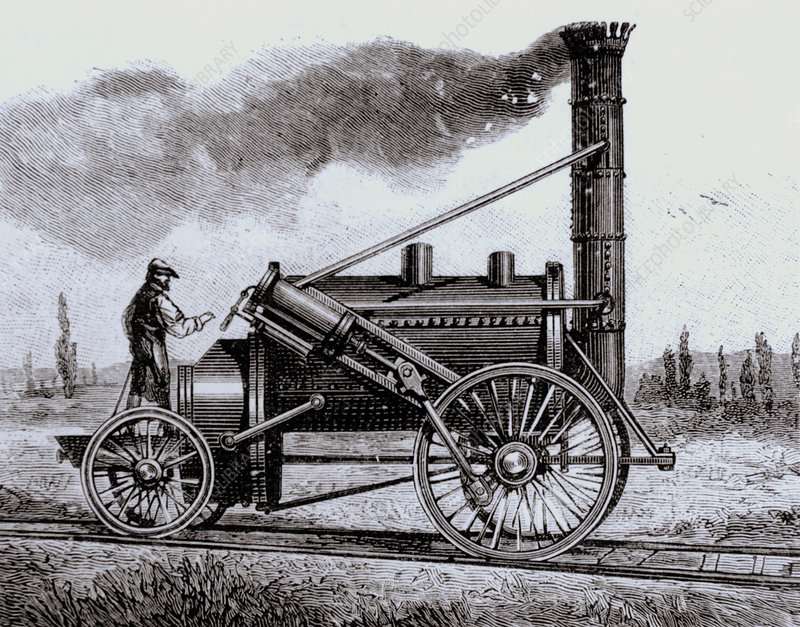
Faster Travel
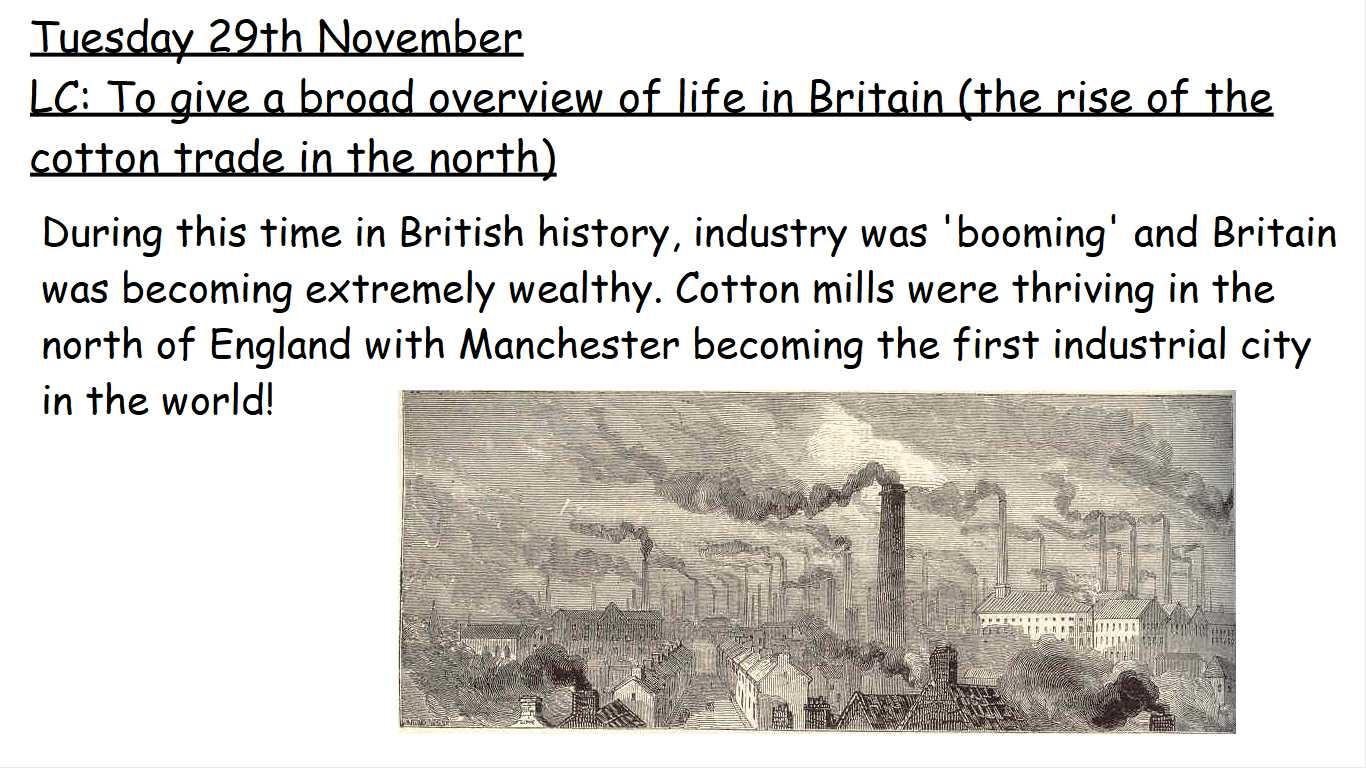
Before railways, people travelled by horse, coach, or canal boat. These were slow and expensive.
But with railways:
-
Trains could travel much faster, often up to 30–50 mph, which was incredible at the time.
-
Journeys that used to take days could now take hours.
-
More people could travel for work or leisure—some took day trips to the seaside for the first time.
Cheaper and Easier Transport of Goods
Railways made it easier to move:
-
Coal
-
Iron
-
Cotton
-
Food
This helped factories produce more and sell products all over the country. It also meant food could be transported before it spoiled, so:
-
Fresh milk, fish, and vegetables could reach cities.
-
Food became cheaper for many people.
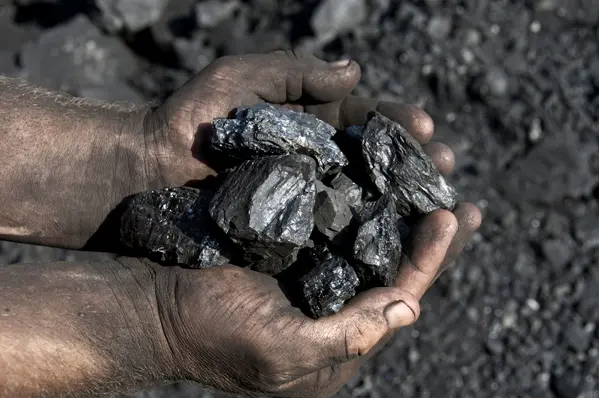
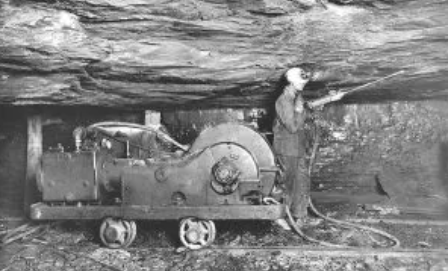
Mining for coal.
Growth of Towns and Cities
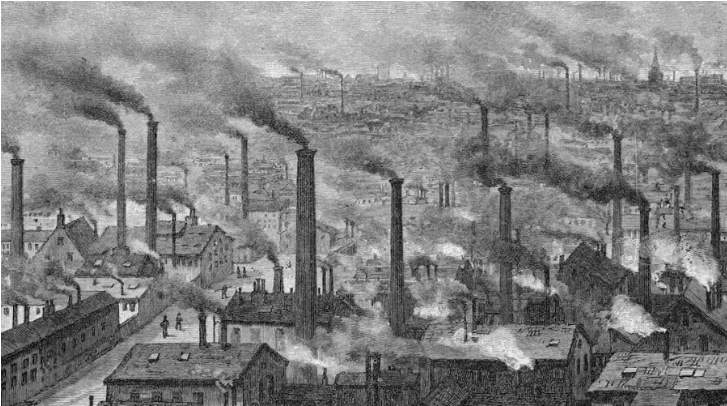
Railways encouraged towns and cities to grow:
-
Places with train stations became busier and more important.
-
New towns grew around railway lines.
-
People could live farther from their workplace and travel in—early versions of commuting.
New Jobs and Industries
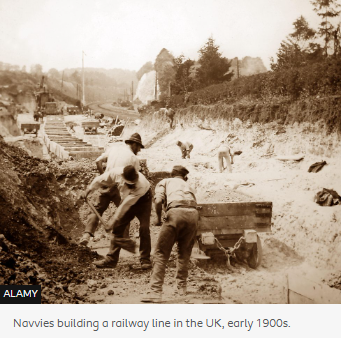
Railways created millions of jobs, including:
-
Building tracks and tunnels
-
Working in coal mines to fuel steam engines
-
Engine drivers and station workers
-
Metalworking and engineering jobs
Railways also encouraged new inventions and technology.
Improved Communication
Letters and newspapers could now travel quickly across Britain:
-
The postal service became much faster.
-
People heard news more quickly.
-
Britain became more connected than ever before.
Tourism Was Born
Railways made holidays possible for ordinary people:
-
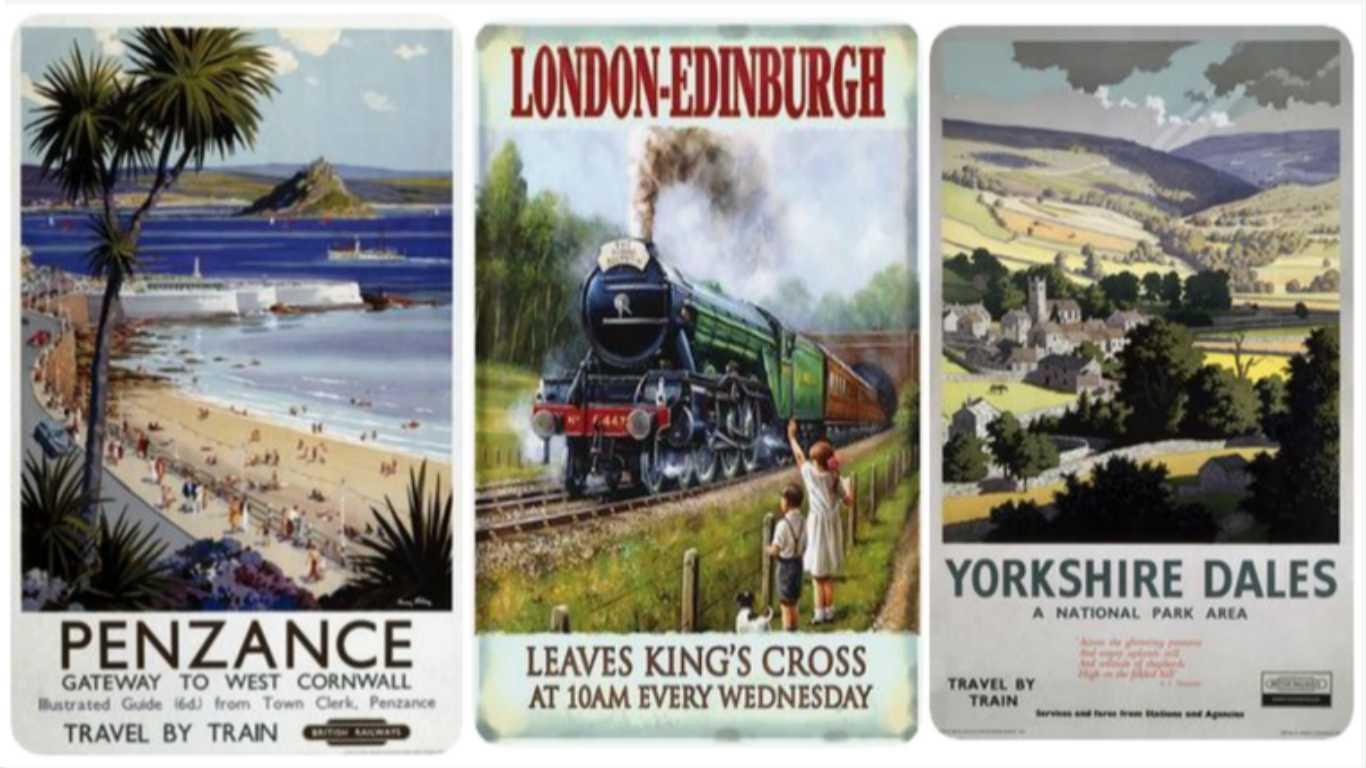
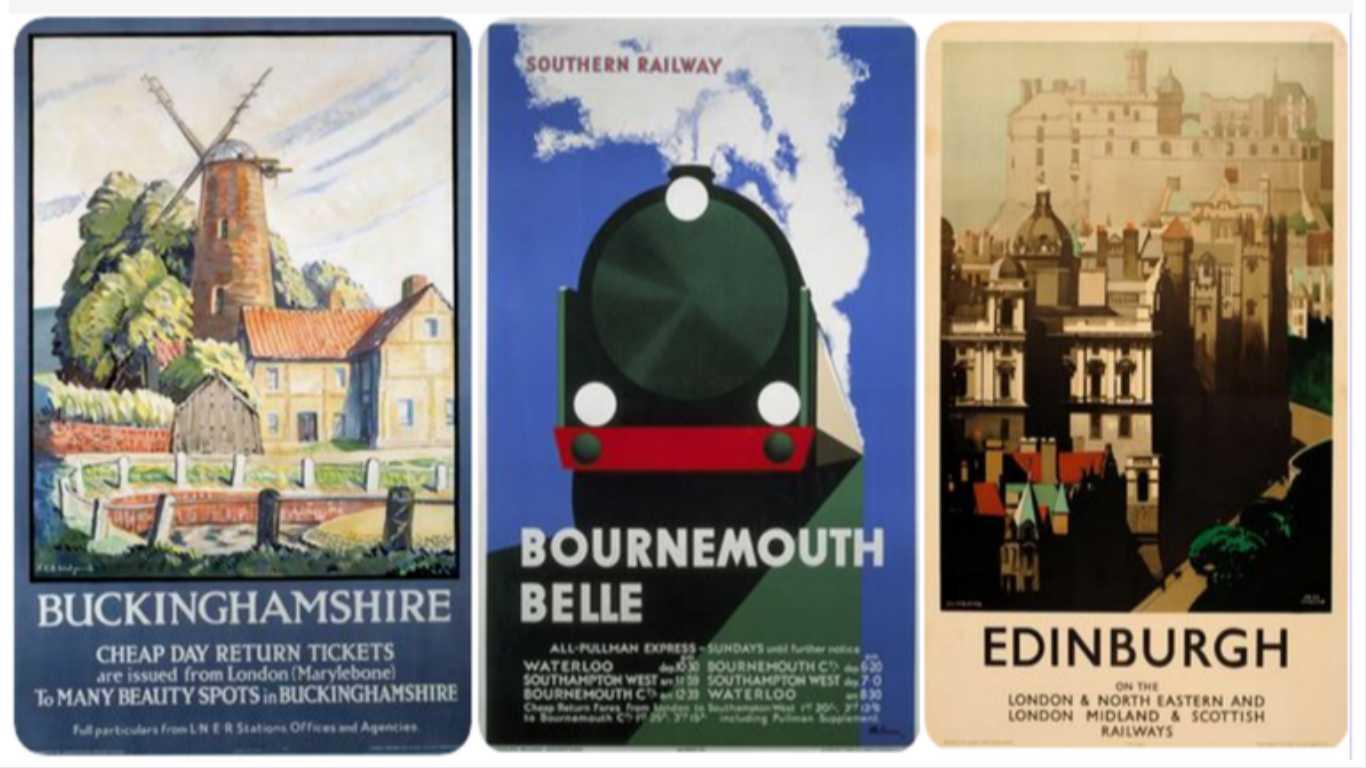
Trips to the seaside became extremely popular (e.g., Blackpool, Brighton).
-
People could visit places they had never seen before.
Videos
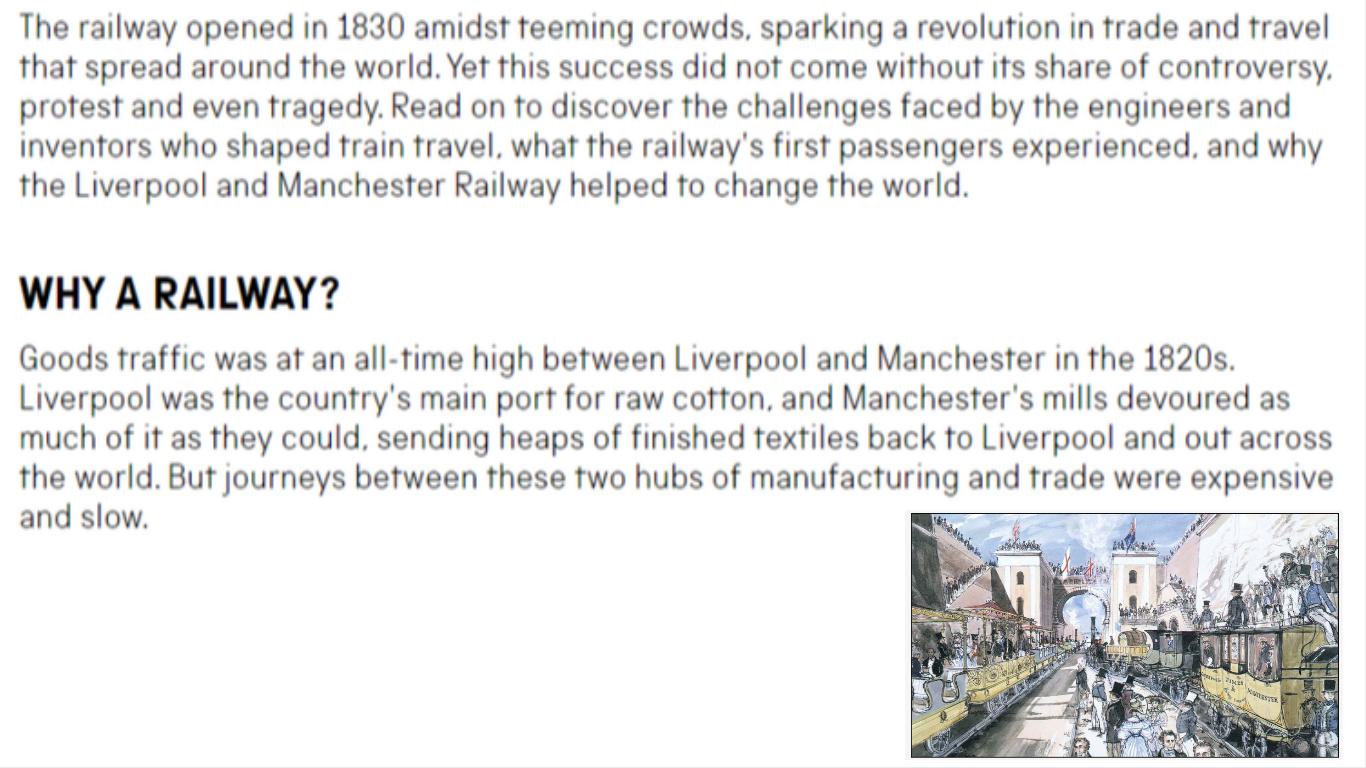
Life before railways | History - History of Railways
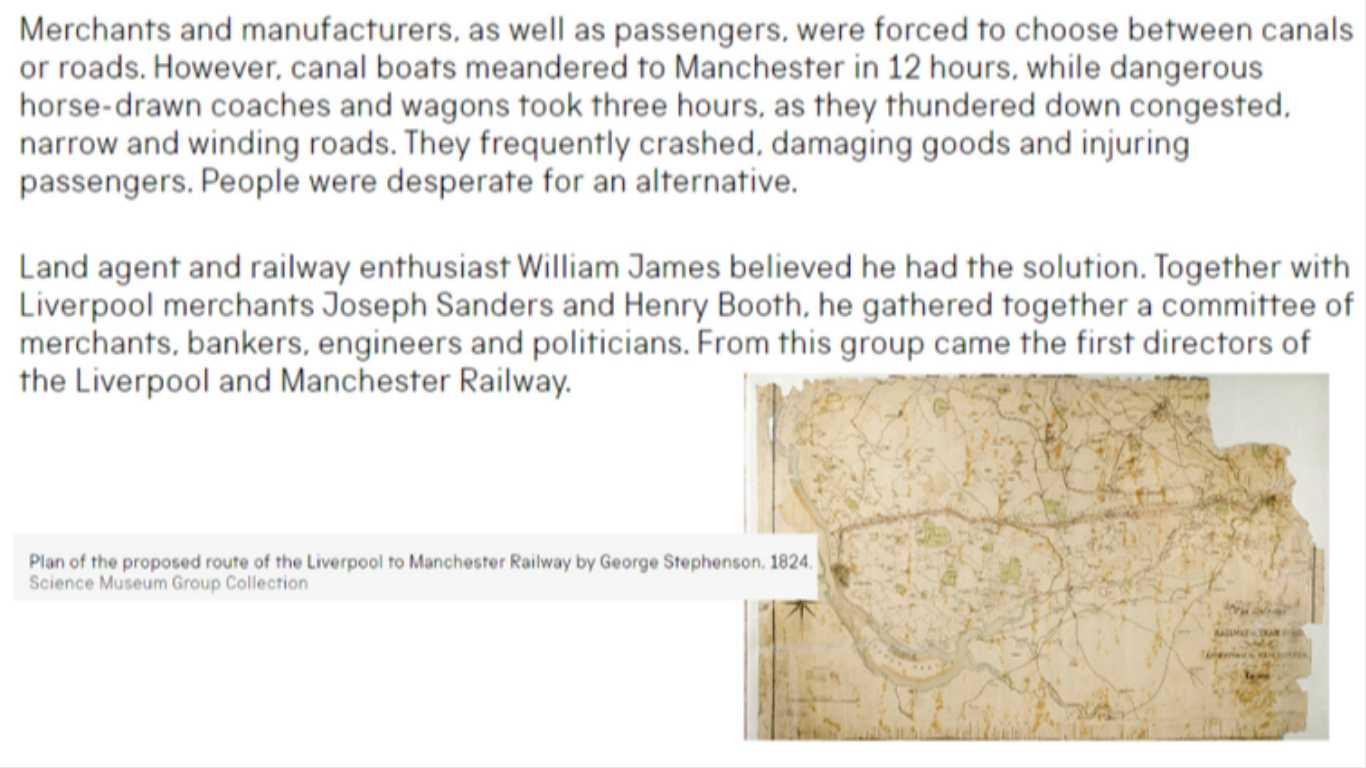
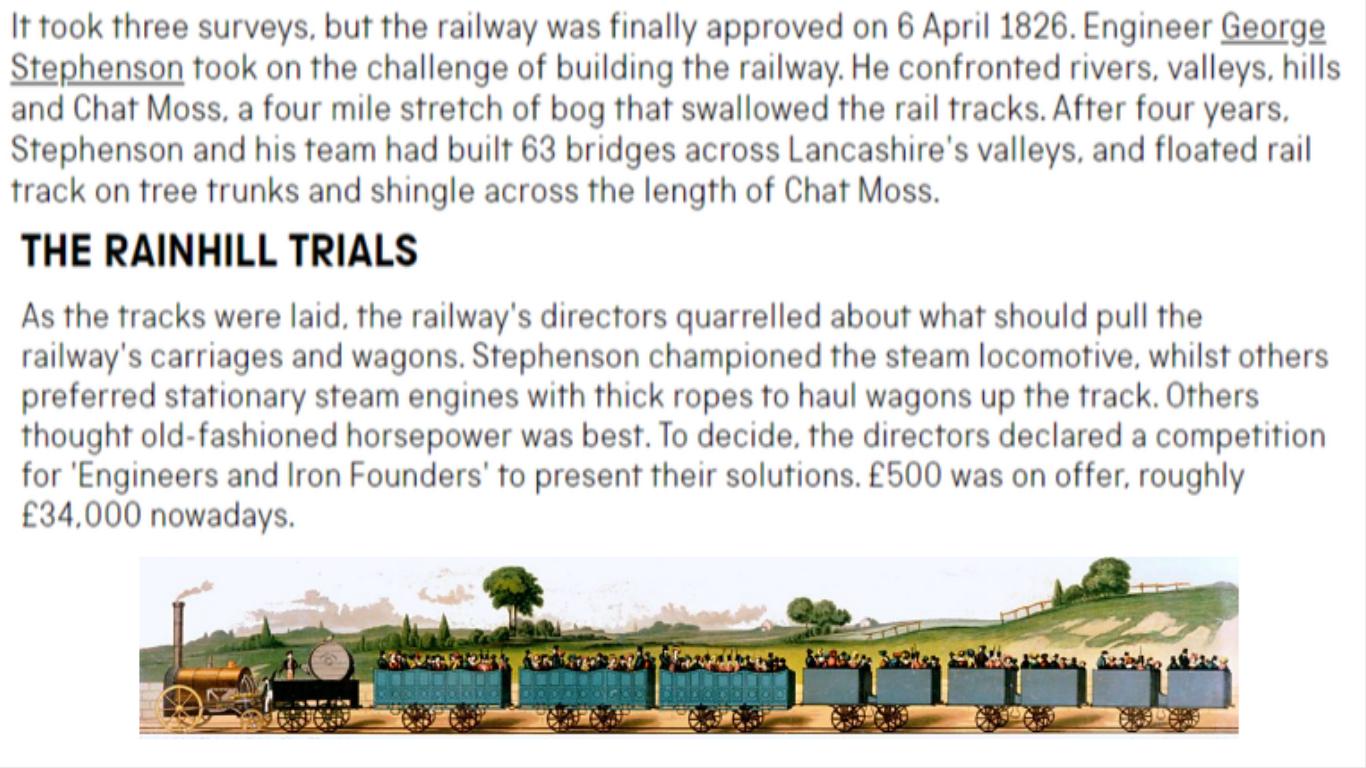
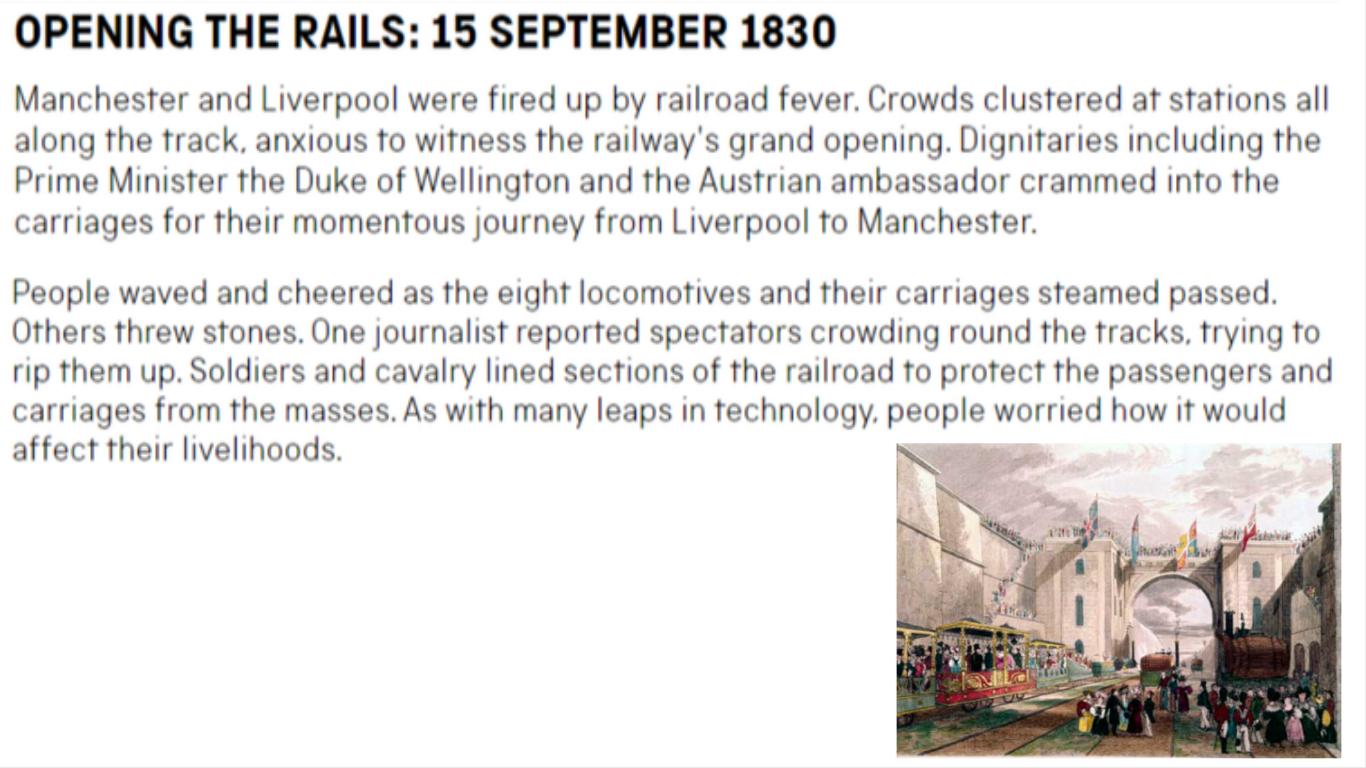
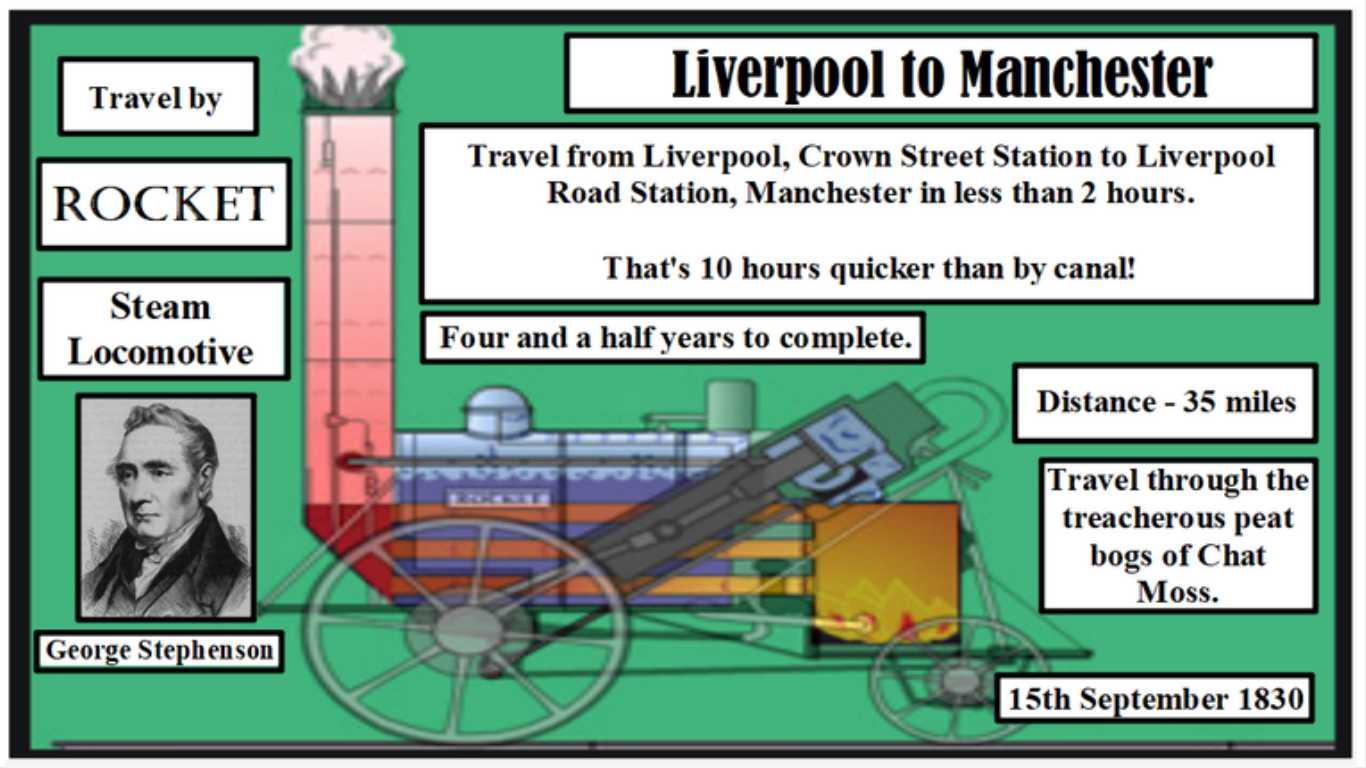
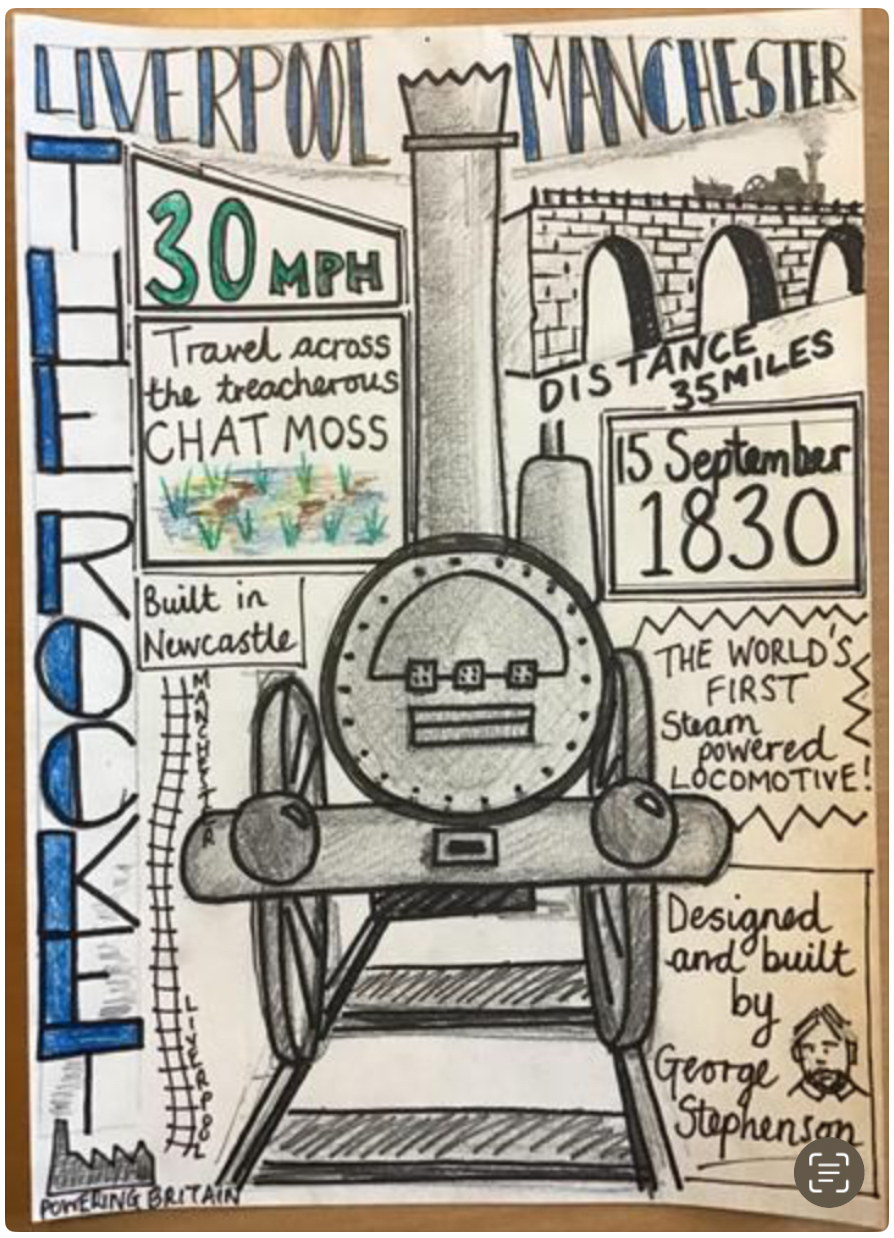
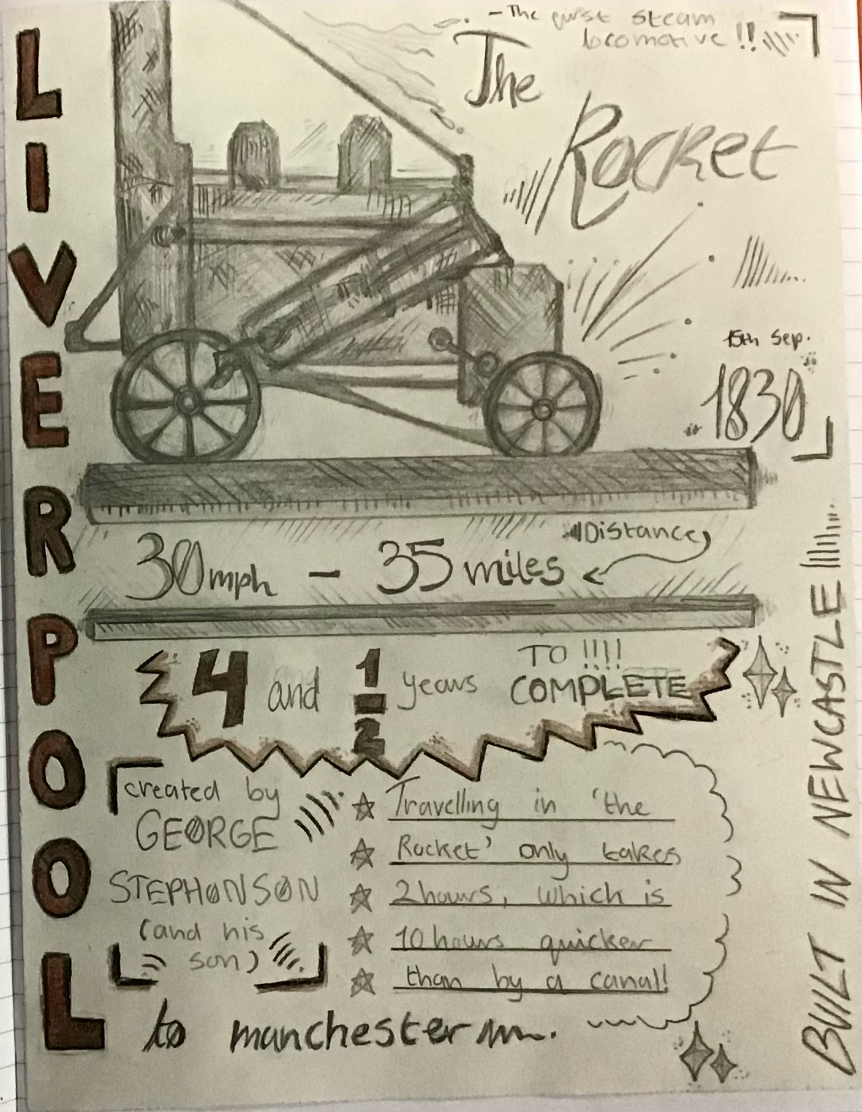
Liverpool to Manchester - the world’s first modern railway | History - History of Railways

08.12.25
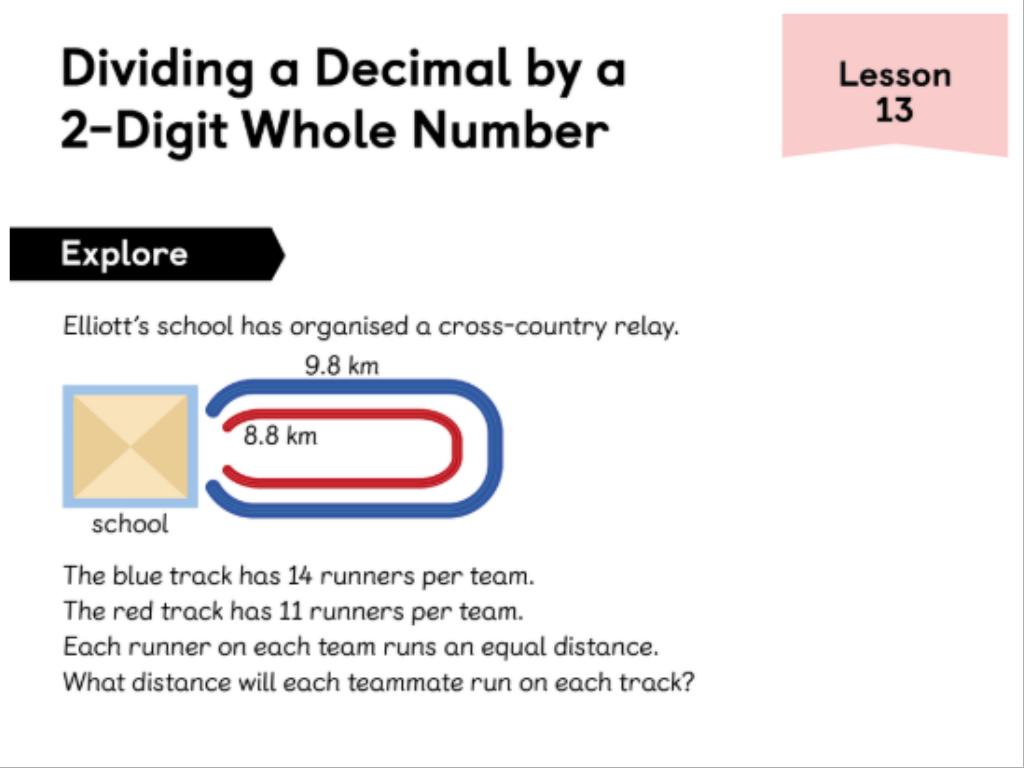
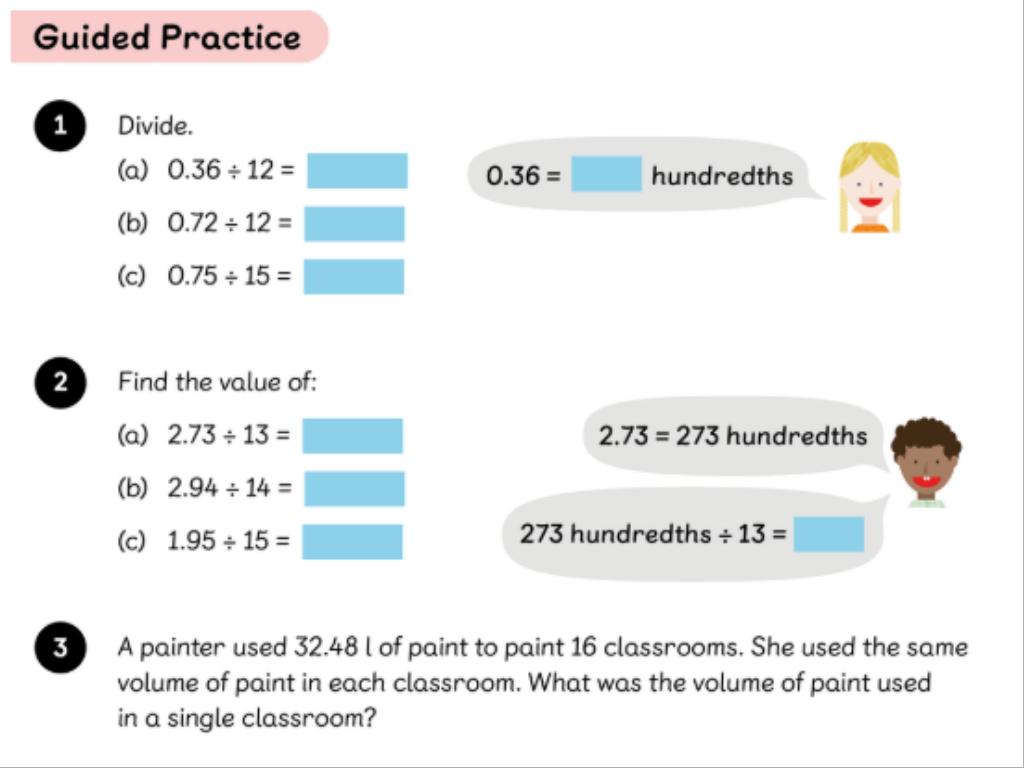
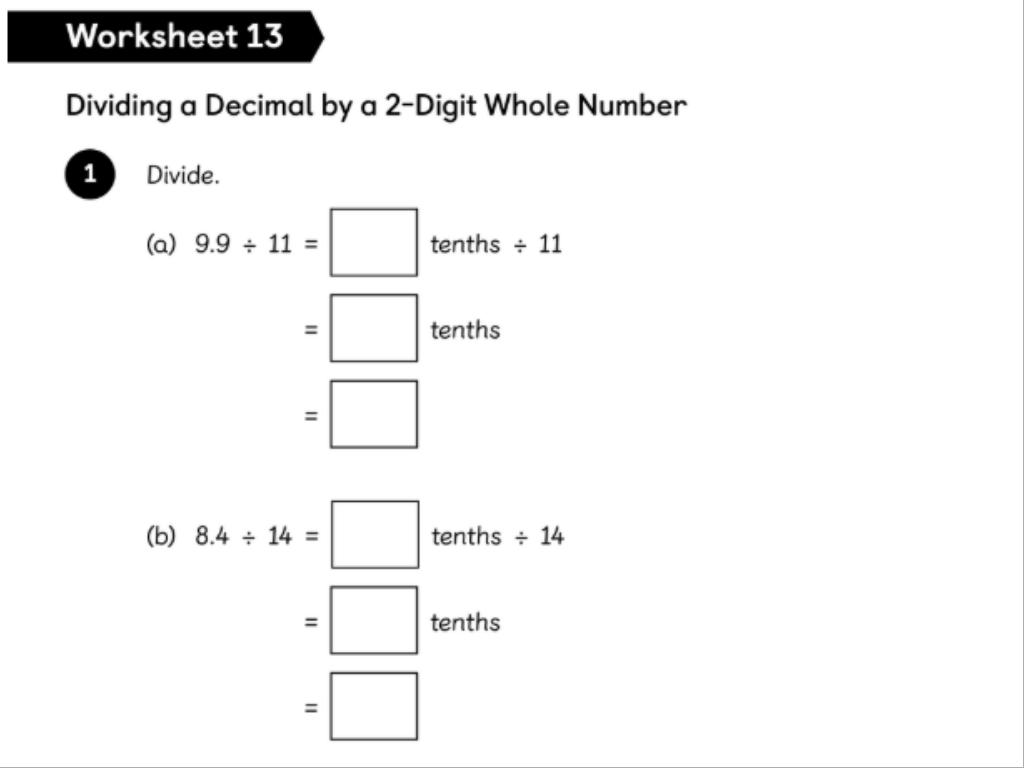
LC: To divide decimal numbers by 2-digit whole numbers
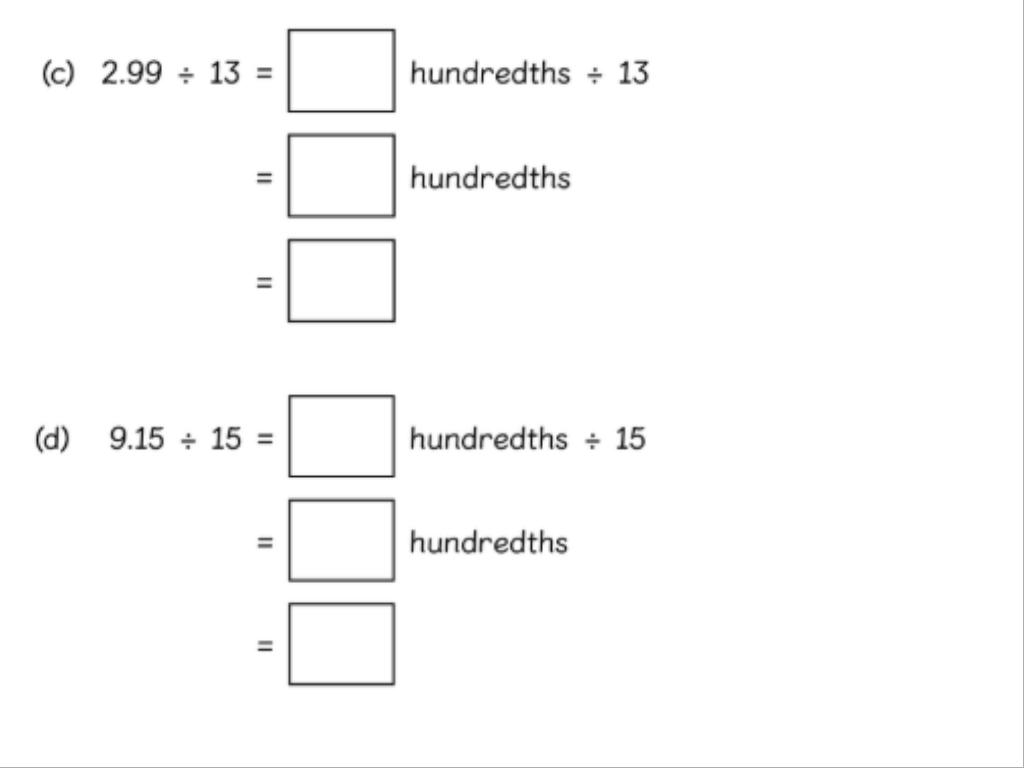
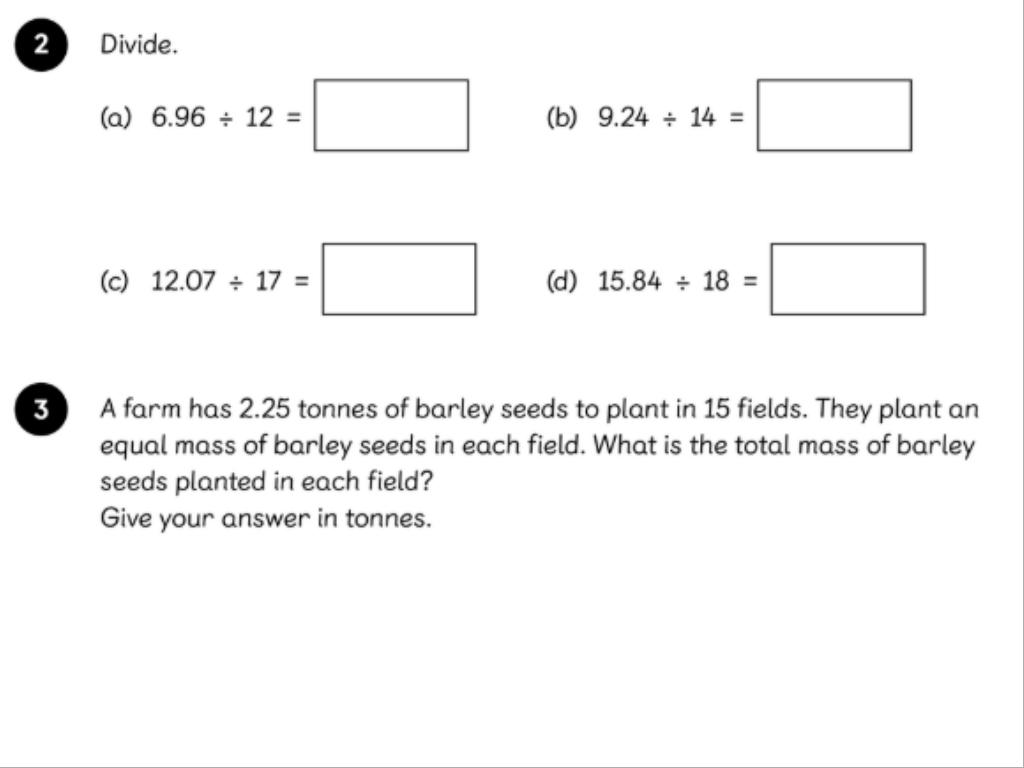

Monday 8th December
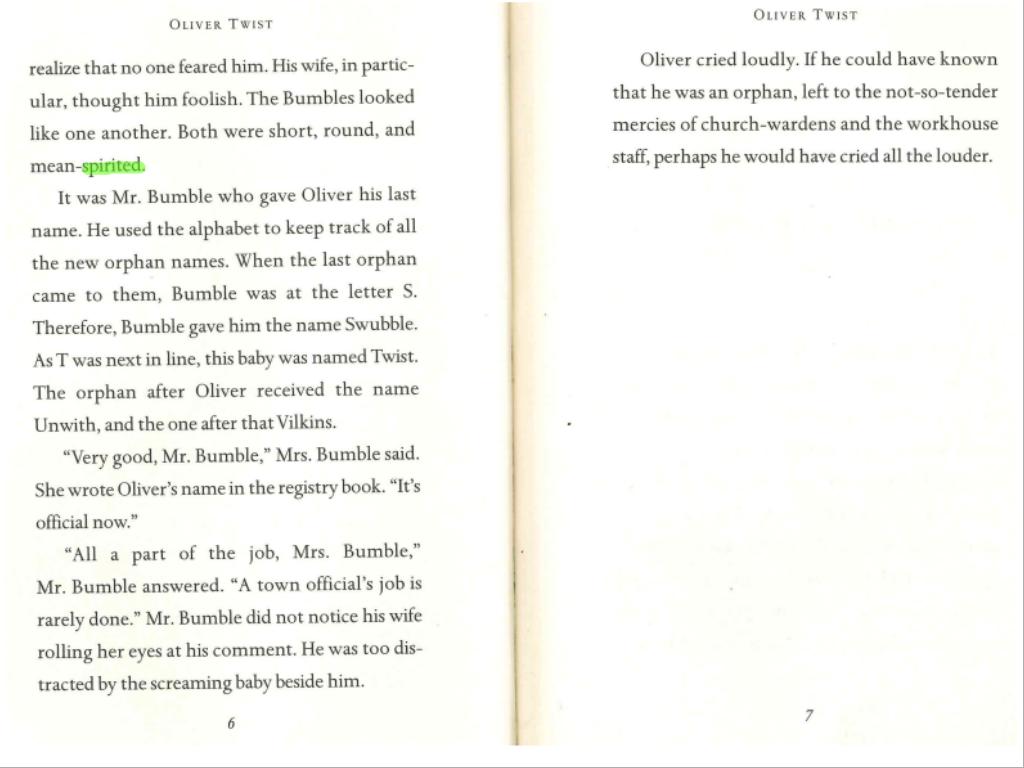
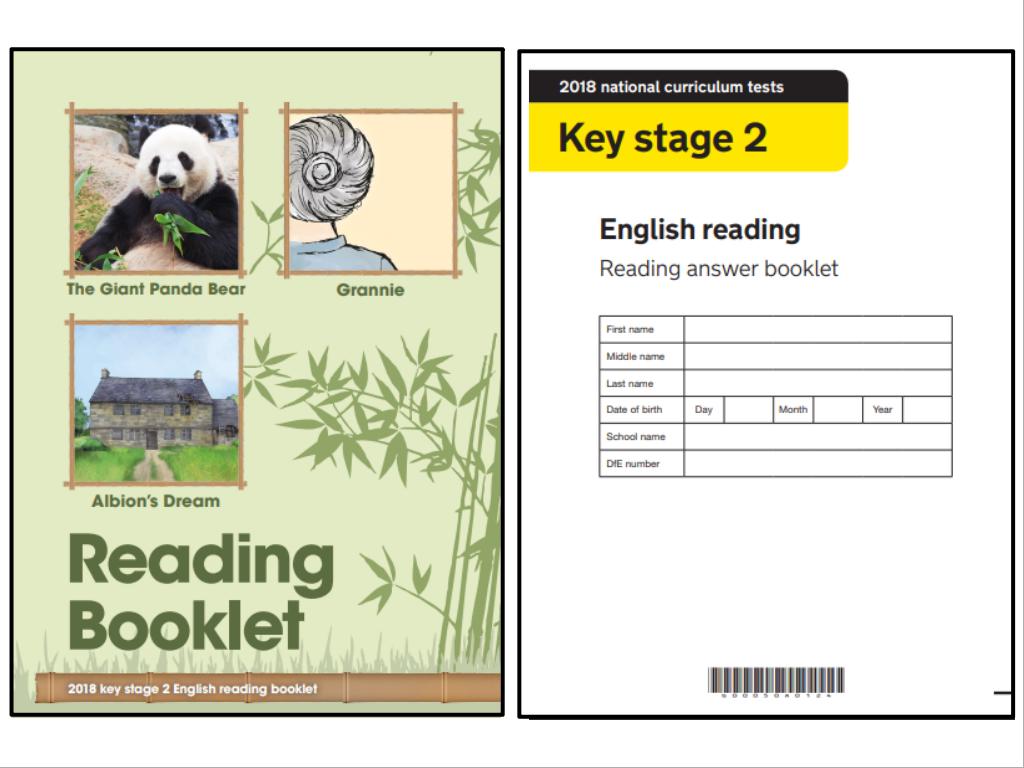
LC: To justify statements by referring to the text.