



Monday

Complete the following calculations in your Early Morning Work book. Remember to use BIDMAS.
B - Brackets
I - Indices
D - Division
M - Multiplication
A - Addition
S - Subtraction


28.09.26
LC: To multiply by a 2-digit number



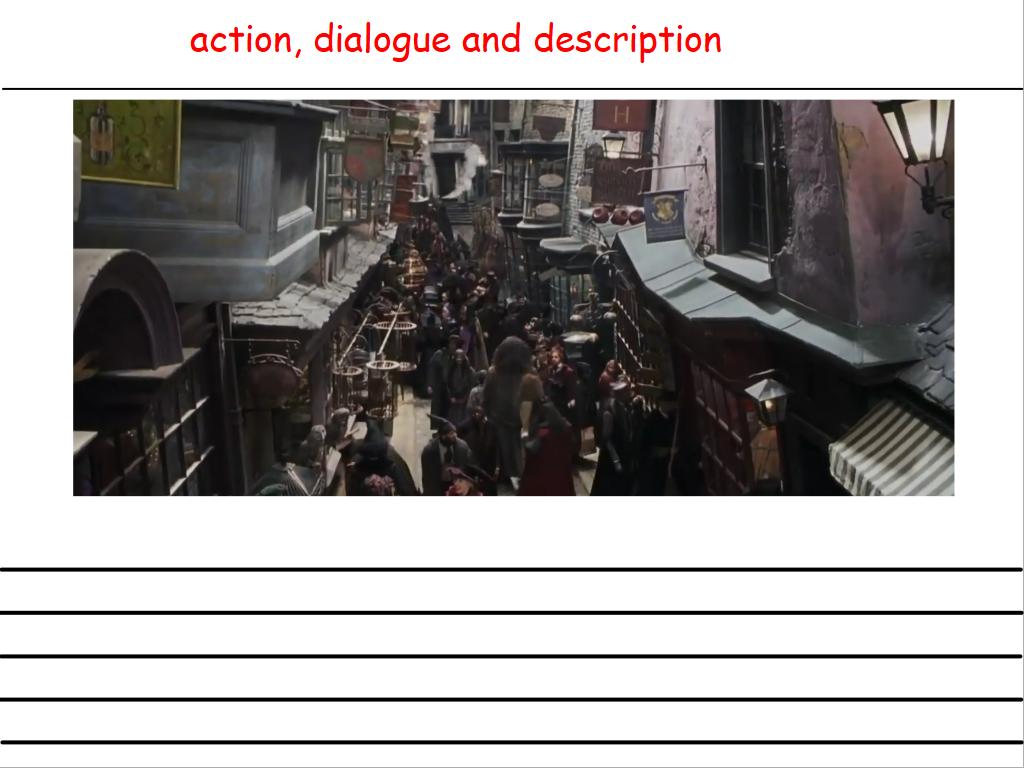
/i/video/Year_6/Harry_Potter_and_the_Sorcerers_Stone__2001__-_Diagon_Alley_Scene.mp4
RIC
Ella woke early on Saturday and looked out of her bedroom window. The garden was sparkling with drops of rain, and a few birds were hopping between the bushes.
After breakfast, Ella pulled on her wellington boots and went outside. Her dad was already in the garden, carefully planting some colourful flowers along the edge of the path.
“Can you give me a hand?” he asked.
“Of course!” Ella replied cheerfully. She picked up the small green watering can and happily walked from plant to plant, gently sprinkling each one with water. She smiled as she watched the flowers become fresh and bright.
Soon, the garden was filled with colourful flowers and the fresh smell of wet soil.
1. Retrieval:
What was Ella carrying when she watered the plants?
2. Inference:
How do you know that Ella enjoyed helping her dad? Give two pieces of evidence from the text.
3. Author’s choice of vocabulary:
Why do you think the author used the word “sparkling” to describe the garden? What does this word suggest about the raindrops?
Monday 28th September
Life in the Desert
When people imagine a desert, they might picture endless sand dunes stretching beneath a blazing sun. However, deserts are much more varied than this. Some are covered in rocks and stones, while others contain areas of grass and shrubs. What they all have in common is that they receive very little rainfall.
Deserts can be extremely hot during the day, but temperatures can drop dramatically at night. For this reason, many desert animals are most active after sunset, when the air is cooler. The fennec fox, for example, has enormous ears that help it release heat from its body. It also has thick fur on the soles of its feet, protecting them from the scorching ground.
Plants have also developed clever ways to survive. The cactus stores water inside its thick stem and has a waxy surface that reduces water loss. Its sharp spines provide protection from animals that might try to reach the water inside.
People have lived in deserts for thousands of years. Some communities travel from place to place with their animals, while others live in permanent settlements near sources of water. Although desert life can be challenging, people have developed ways to make the most of their environment.
Questions
1. Tick one. [1 mark]
What do all deserts have in common?
☐ They are covered in sand.
☐ They are extremely hot.
☐ They receive very little rainfall.
☐ They contain no plants.
2. Find and copy. [1 mark]
Find and copy one word from the text that means very hot.
3. How? [2 marks]
How do the fennec fox's ears help it survive in the desert?
4. Explain. [2 marks]
Why are many desert animals more active after sunset?
Use evidence from the text in your answer.
5. Vocabulary. [2 marks]
In the phrase “temperatures can drop dramatically”, what does “dramatically” mean?
Explain what the word suggests about the change in temperature.
6. Match each adaptation to its purpose. [2 marks]
Draw lines to match each feature to its purpose.
| Feature | Purpose |
|---|---|
| Cactus's thick stem | Protects the plant from animals |
| Cactus's waxy surface | Stores water |
| Sharp spines | Reduces water loss |
7. Author's choice. [2 marks]
Why do you think the author describes the desert ground as “scorching” rather than simply saying it is “hot”?
8. True or false? [2 marks]
Tick one box for each statement.
| Statement | True | False |
|---|---|---|
| All deserts are made up of sand. | ☐ | ☐ |
| Some desert communities move from place to place. | ☐ | ☐ |
9. Summarise. [3 marks]
Give three ways that animals, plants or people have adapted to life in the desert.
10. Longer response. [3 marks]
The author says that “desert life can be challenging.”
Explain two reasons why life in the desert can be difficult, and describe how people, animals or plants overcome these challenges.
Total: 22 marks

Key question: How do samskaras help Hindus mark important moments in life?
Monday 28th September
LC: To understand what samskaras are and why they are important to Hindus.
What are samskaras?
Samskaras are important religious ceremonies and rites of passage in Hinduism. They mark significant moments in a Hindu person's life, from before birth through childhood and adulthood to death.
The word samskara can be understood as a process of preparing, refining or developing a person. These ceremonies help Hindus celebrate important milestones, welcome new members into the community and strengthen their connection with their faith.
There are traditionally 16 major samskaras, although practices vary between Hindu families and traditions. Not every Hindu will take part in all 16.
Examples of samskaras

A ceremony welcoming a newborn baby into the world. It may include prayers and blessings for the child's future.
2. Namakarana – Naming ceremony
A ceremony in which a baby is given their name. Family members may gather to offer blessings and celebrate the new arrival.

3. Chudakarana – First haircut
A ceremony marking a child's first haircut. It is traditionally associated with purification and the beginning of a new stage in life.

4. Upanayana – Sacred thread ceremony
A ceremony traditionally marking the beginning of religious study and spiritual learning. It is observed differently across Hindu communities.

5. Vivaha – Marriage ceremony
A Hindu wedding celebrates the joining of two people and their commitment to shared responsibilities and family life.

6. Antyeshti – Funeral rites
These ceremonies take place after death. They honour the person who has died and reflect Hindu beliefs about the soul, death and rebirth.
Why are samskaras important?
Samskaras can be important to Hindus because they:
-
Mark significant life events: They recognise important changes as a person grows.
-
Express religious beliefs: They provide opportunities for prayer, blessings and worship.
-
Bring families together: Relatives and members of the Hindu community may gather to celebrate.
-
Pass on traditions: Children learn about their religion and cultural heritage.
-
Support spiritual development: Some samskaras help a person develop their understanding of Hindu beliefs and responsibilities.
TASK 1
Read the information above and answer the following questions in full sentences.
1. What is a samskara?
2. What is the purpose of the Namakarana ceremony?
3. Which samskara marks the beginning of religious study?
4. How can samskaras bring families together?
5. What is Antyeshti?
6. Why might samskaras help Hindus maintain their religious traditions?
7. How are samskaras similar to rites of passage in other religions or cultures?
8. Why might not every Hindu celebrate all 16 samskaras?
TASK 2
Complete these three sentences:
-
A samskara is…
-
One example of a samskara is… This is important because…
-
Samskaras show that Hinduism supports...