



Tuesday 14th April
Grammar Warm Up
LC: to read and understand simile starters
Read the sentences below and identify the simile starter.
As quick as lightning, its tail swished violently from side to side.
As still as death, the creature pondered its next move.
Like a tightly wound spring, the creature waited for its opportunity to pounce.
Now, it's your turn.
Using your understanding of the poem,
create simile starters
about the creature and the boy in the Jabberwocky poem.
For example:
As steady as a rock, the boy stood with his sword held high.
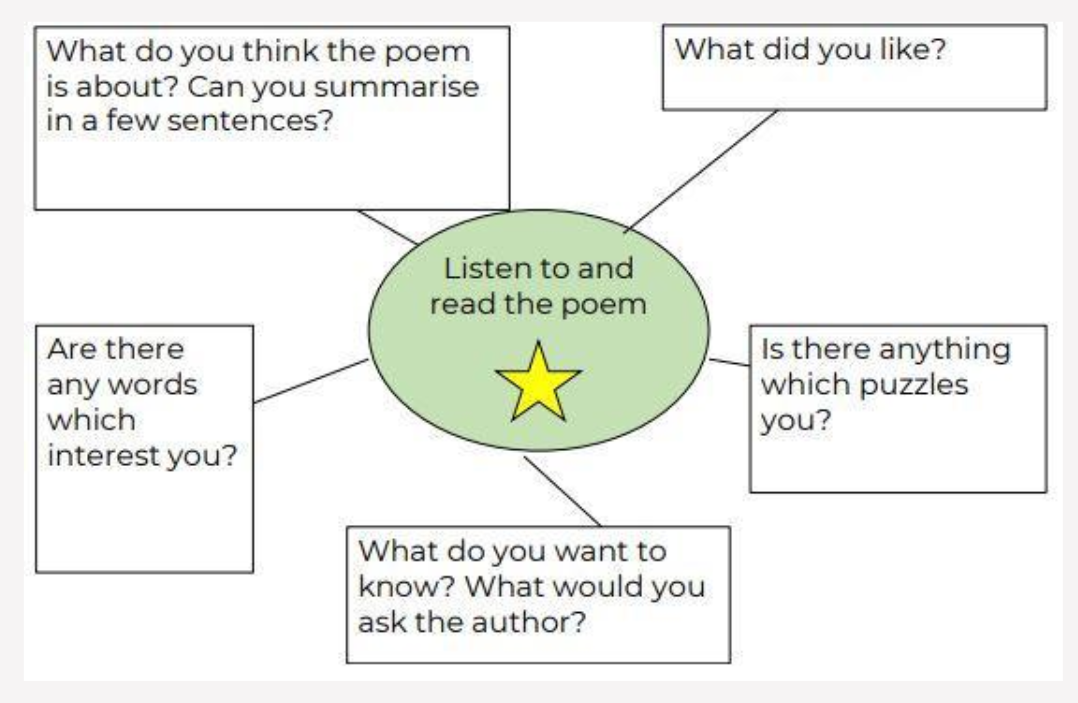
LC: to participate in discussion about a poem, building on my own ideas and challenging the views of others

Revision- Geometry

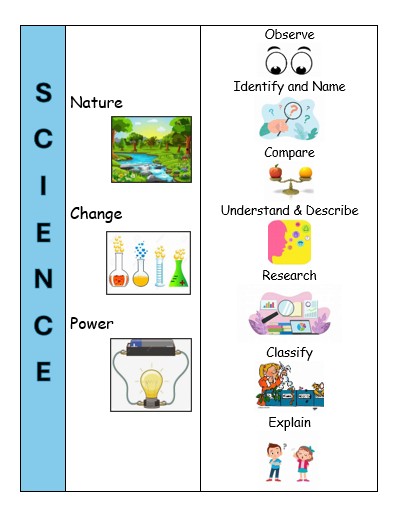
LC: To compare and group materials based on their properties.
Can we use our observational skills to compare and group materials based on their properties?
BBC bitesize How to identify materials.
Match the definitions:
hardness transparency magnetic waterproof
heat-resistant
a. does not allow liquids to pass through
b. does not change shape when put under force.
c. does not allow heat to pass through
d. allows light to pass through so that they can be easily seen through
e. a non-contact force that either attracts or repels objects of a similar force
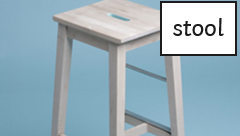
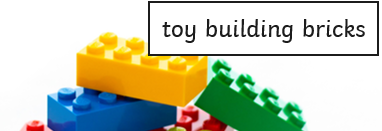
What materials are these objects made of?

__________________________
___________________________

____________________________
_____________________________

__________________
__________________
__________________
Materials and their properties.
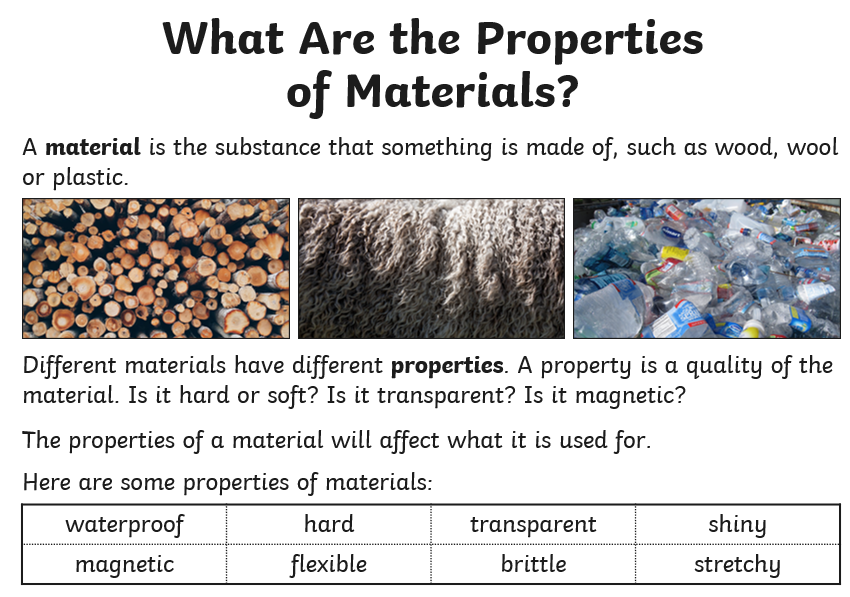
Look around the classroom. What materials can you see?

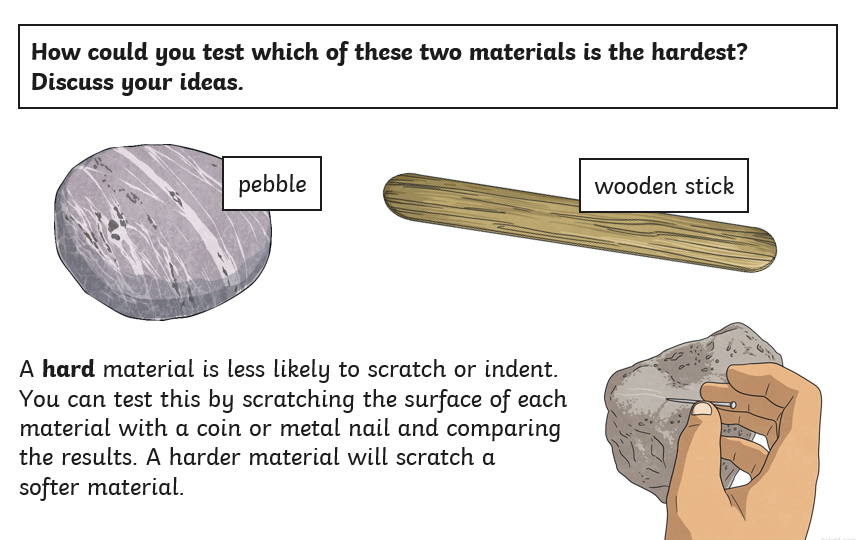
Let's look at how materials can be hard, magnetic or transparent:
Hard
 Magnetic
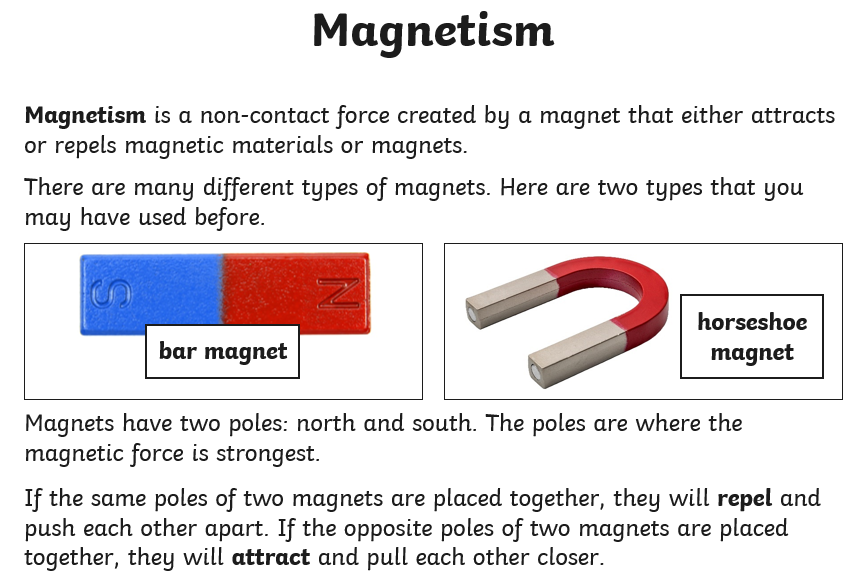
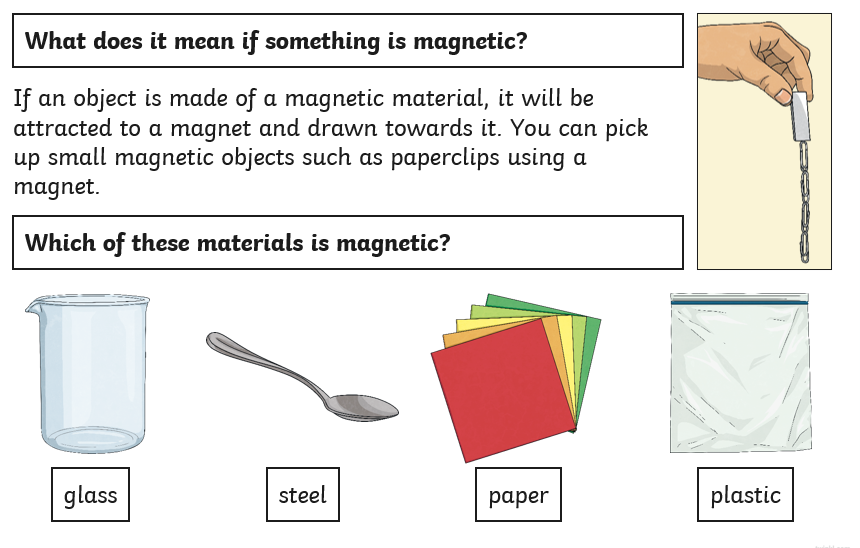
Transparent
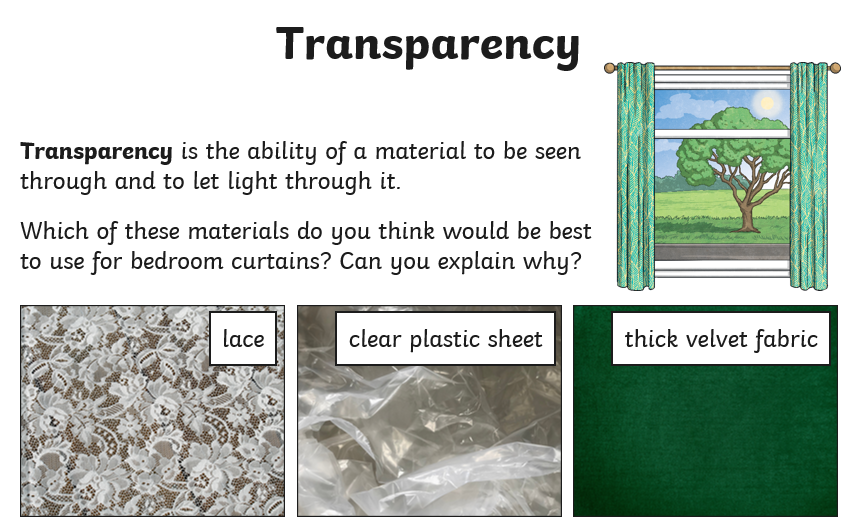
Let's carry out the experiments to test the
magnetism
hardness
transparency
of the material.
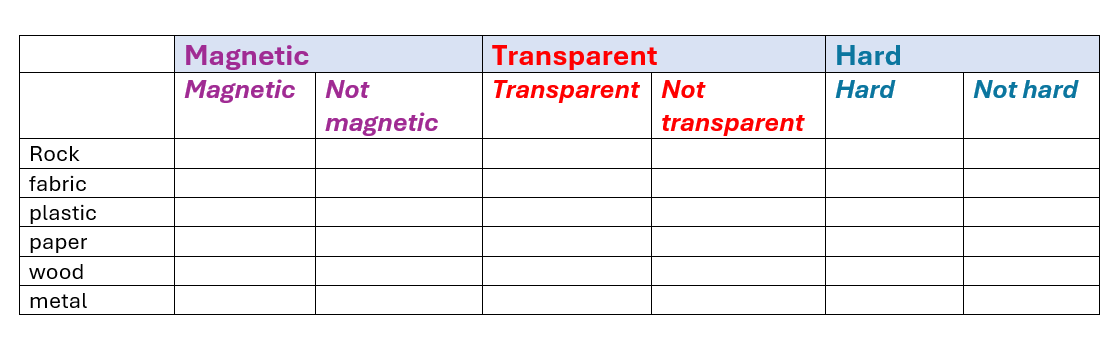
How can we test the magnetism, transparency and hardness of the following materials? What will we need?
Discuss with your talk partner.

Complete the task on the sheet and write your findings in your Science book.

LC: To spell very complex multi-morpheme words using known spelling rules and strategies.
Success Criteria
- I can break words into morphemes (prefix, root, suffix).
- I can apply spelling rules to complex words.
- I can check and correct my spelling with a partner.
Unhappiness- identify the prefix, root word and suffix.
Quick discussion: How does breaking words help spelling?
multi-morpheme words are made of several meaningful parts.
Example: constructively = construct + ive + ly
- Say it slowly
- Break into chunks
- Look for familiar parts
Activity – Paired Spelling Test
- You will work in pairs.
- One pupil reads the word, the other writes it, then you swap.
Spelling words:
- constructively
- re-enveloping
- exception
- prestidigitation
- quadrisect
👉 After writing:
- check your spellings together
- underline tricky parts and discuss errors