



Tuesday 3rd March
Grammar Warm Up
LC: to identify the function of adverbs of possibility
What is an adverb? What is its function in a sentence?
Tell your talk partner.

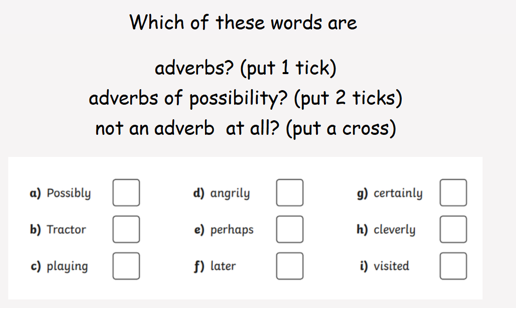
Which of the adverbs of possibility is the strongest?
LC: to orally retell the build-up of a story through learning a text map
Miss Reid has heard that Year 5 are exploring the Science Fiction genre and is super excited!
The headteacher of another school has asked Miss Reid if she could recommend some Science Fiction stories for children in Year 4 to read.
She knows you have produced some fantastic pieces of writing this year and would like to send some of your stories!
We are going to plan for our next narrative write.
Discuss with your talk partner:
- what is the purpose? (why are you writing?)
- who is the audience? (who are you writing for?)

Let's complete the PALS grid.

We are going to become
amazing, expert Science Fiction writers
by learning more about the language and structure of a Science Fiction story.
How would a writer build up excitement in a Science Fiction story?
Think of three ways a writer could do this and tell your talk partner.
Let's look at the opening to a Science Fiction story to see how the writer builds up excitement.
Let's read together the first two paragraphs together.
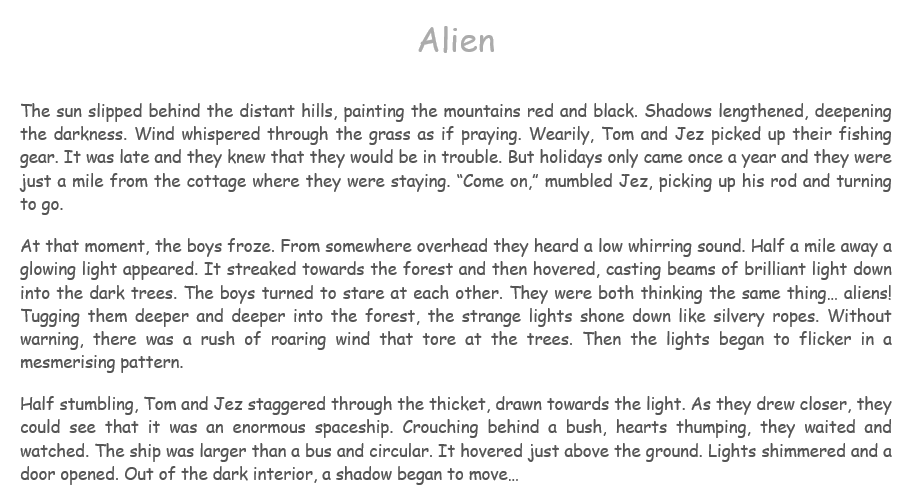

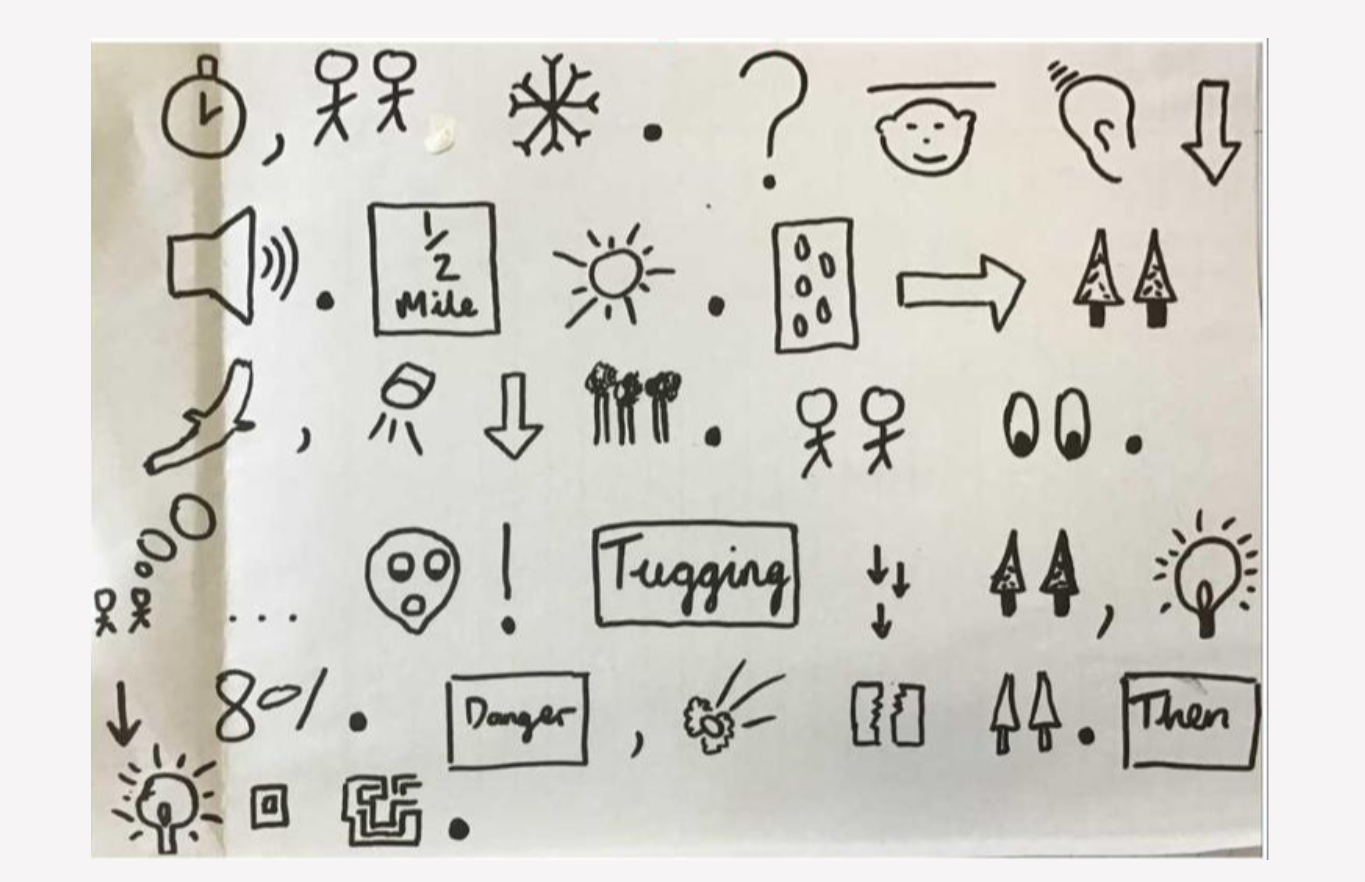
Look at the oral text map for part of this story.
Do you know which paragraph is being shown here?
Review- Decimals

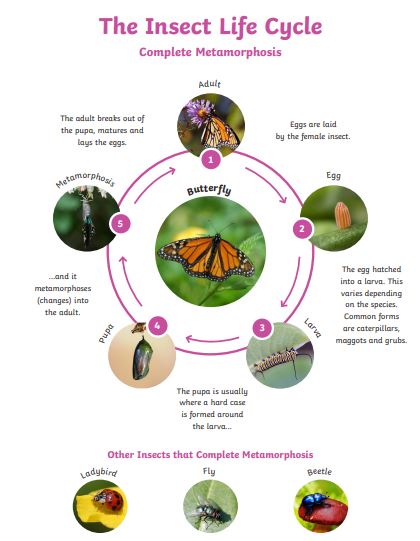
LC: To describe the difference between different life cycles.
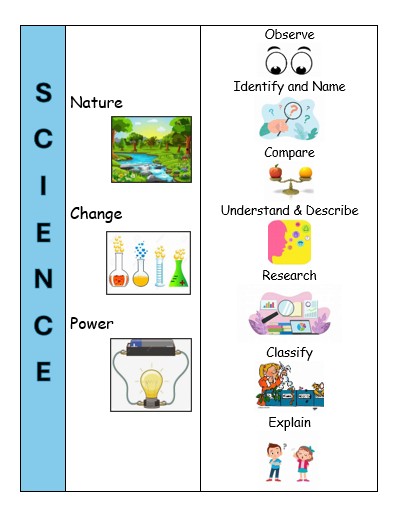
Can we use our observational skills to compare two or more animal life cycles?

Think like a scientist ..... What do you think she did?
- Do you think she does her work now or did she live and work in the past?
- Is there anything in the photographs which gives you a clue about the type of science she was involved in?
- What do you think she might have found out?
Talk Partners - What do you already know about life cycles?
- What do you know about the life cycle of a bird?
- What are the stages it goes through?
Think back to last week and compare the life cycle of a bird to the life cycle of a human.
What are the similarities?
What are the differences?
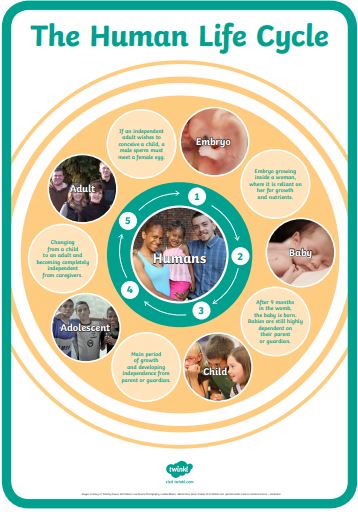
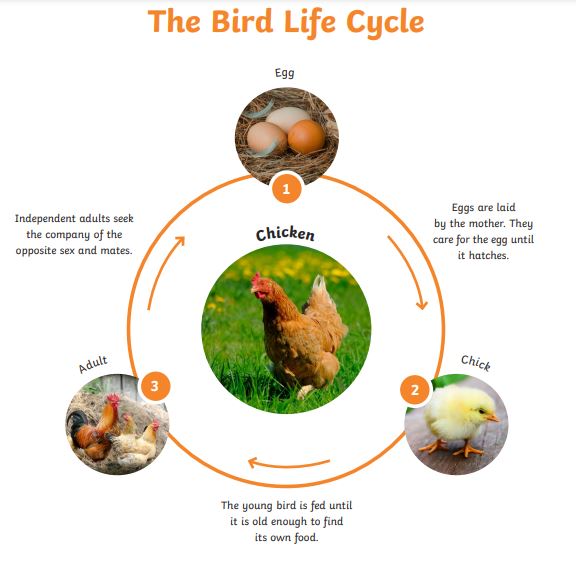
The language for similarities
· Both of these ….
· Each one has …..
· They both ….
· Neither has ….
The language for differences
· The ….. life cycle has ……. whereas the other does not.
· One of the life cycles shows .......however the other .........
· One difference between the life cycles is that one has …………… whilst the other has ……..
Now, use your observational skills to identifying similarities and differences between the life cycles between a bird and a mammal or an amphibian and an insect.
Compare the life cycles of a bird and a mammal.
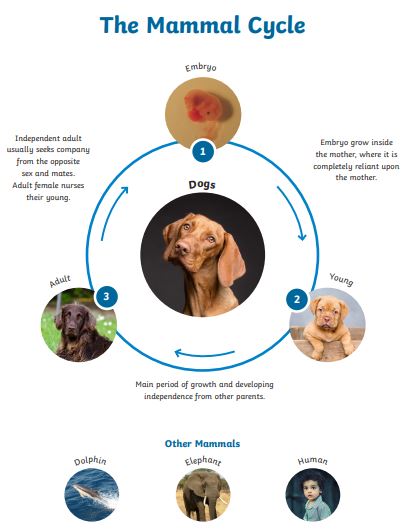
Compare the life cycles of an amphibian and an insect.
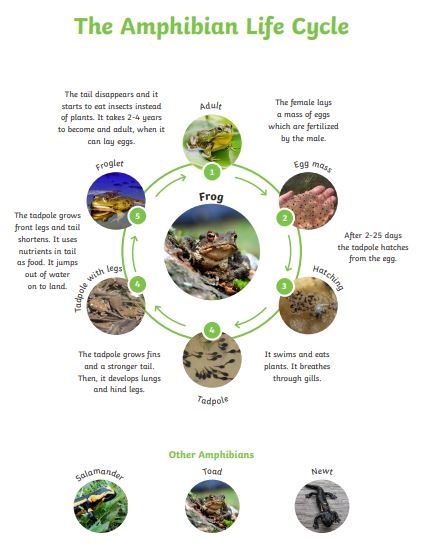

LC: To know how to proofread.
We are going to proofread and edit this text together.
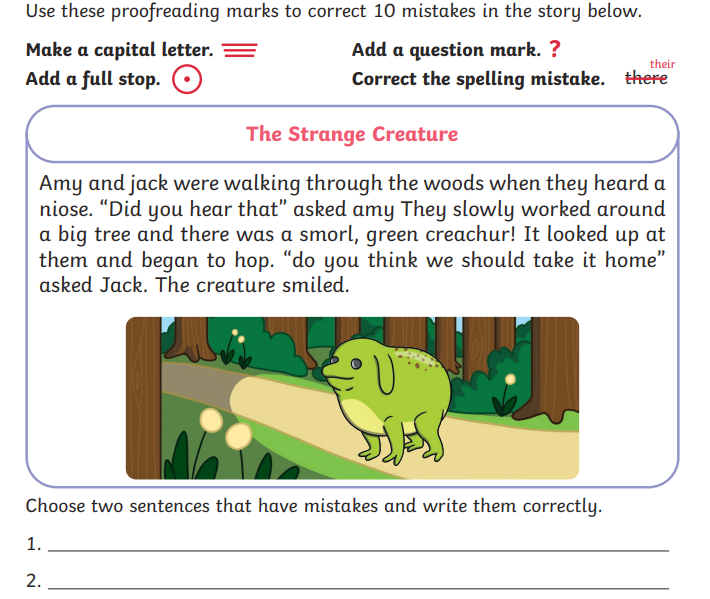
ACTIVITY: Now, you will proofread and edit independently.