



Tuesday 3rd November 2026


Tuesday 3rd November 2026
LC: to draw inferences around characters' thoughts and feelings and justify with evidence from the text using point and evidence.
Grammar Warm Up
LC: to create accurate sentences with relative clauses using the success criteria

Let's read the sentences aloud with Kung-Fu punctuation.

Now make some of your own following the model above using Kung-Fu punctuation.
My brother, ................................................................................., came to visit us last week.
My sister, ...................................................................................., has just won a school prize.
Mr Smith, ......................................................................................, plays the guitar in a rock band.
'... it all began with the empty chair...'

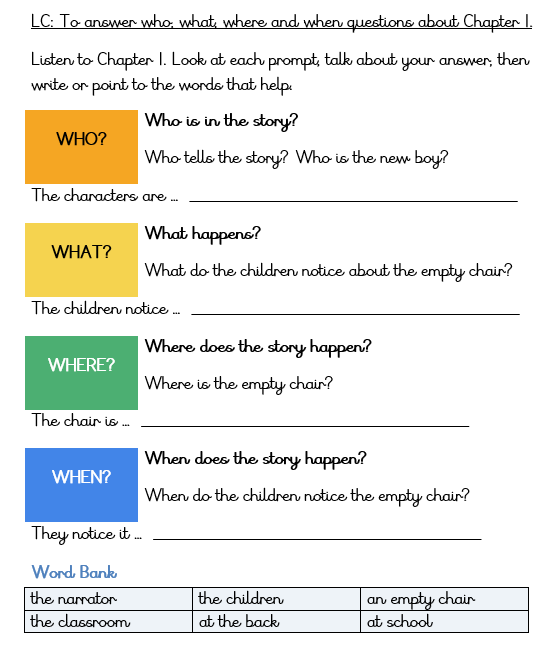
Let's read the first paragraph together and see how the author creates an interesting beginning to her story that makes us want to read on.
Talk to your partner:
- What have we learnt in the story so far? (who/what/where/when?)
- who is the main character? What do we learn about them?
- what is a narrator?

Let's look at the characters in more detail.

What do we learn about:
- Mrs Khan
- Tom
- Josie
- Michael
- Mrs Sanders
- the narrator ?
Adapted
(who/what/where/when?)
colourful semantics chapter 1 adapted day 2 .pdf




LC: To identify human and physical characteristics of our local area and to identify continents, oceans and key cities of South America
Task 1
Show your teacher what you remember about human and physical features in Geography.
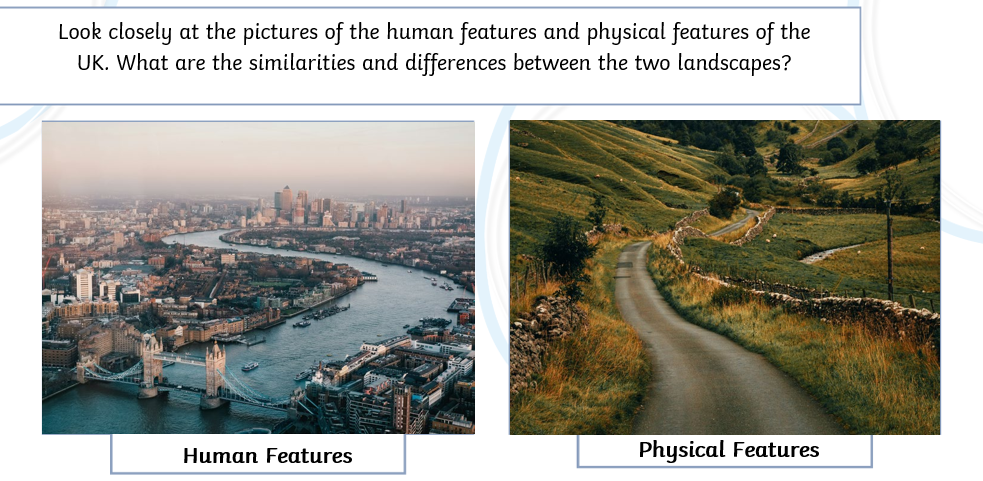
Human features are ________________________. An example of a human feature is ________________.
Physical features are _____________________.
An example of a physical feature is ________________.
Task 2
Revise your learning about the 7 continents and the 5 oceans of the world.


Task 3
Use the atlas to label the countries of South America. Can you find the capital city of each of these countries?

Adapted:
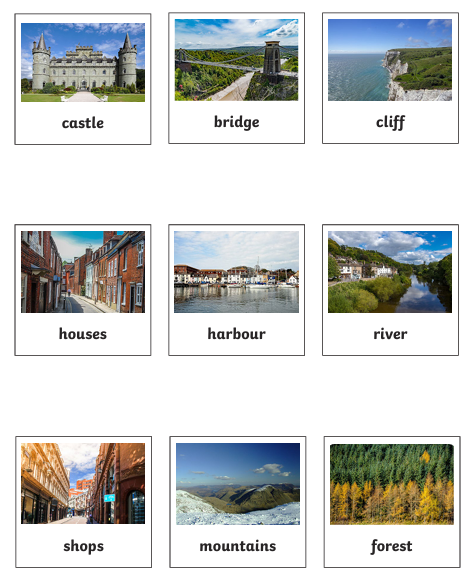
Can you sort these features into human and physical features.



Turning Enemies into Friends
Big question: Is kindness stronger than hatred?
Key message: We can challenge unfairness without hatred and try to resolve disagreements peacefully.
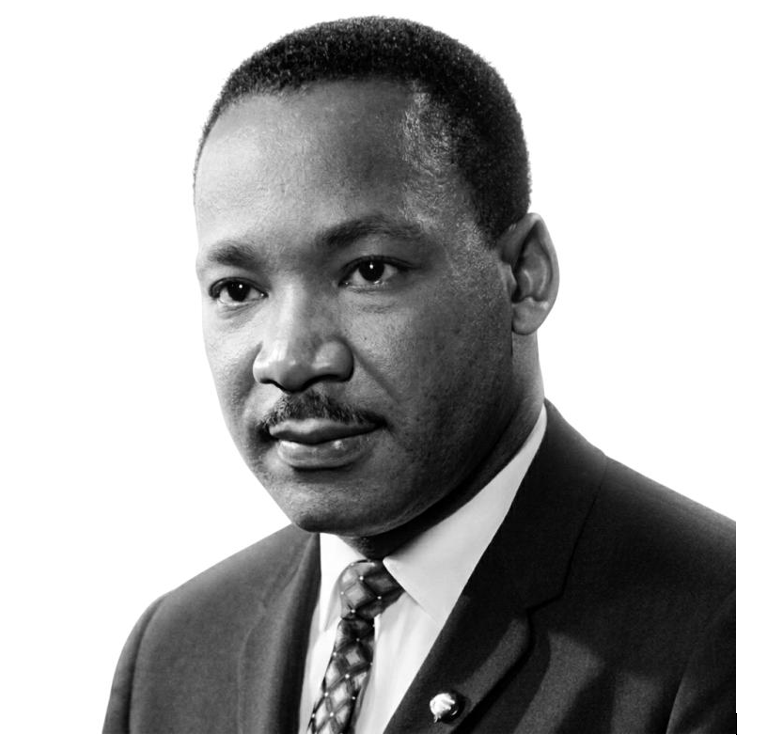
Inspirational figure: Martin Luther King Jr.
Assembly script
"The best way to defeat an enemy is to turn him into a friend."
This saying is often associated with Martin Luther King Jr., although its exact attribution is uncertain. It captures an idea he championed: responding to hatred without becoming hateful.
"What do you think this means? Can someone you disagree with become your friend?"
Main story
Martin Luther King Jr. - a leader who worked to end racial segregation and discrimination in America.
People were treated unfairly because of their skin colour. Dr King believed in peaceful protest, standing up for people's rights and refusing to answer hatred with hatred.
He encouraged people to work together to create a fairer society.
Peaceful does not mean allowing bullying or unfair treatment to continue. We can stand up firmly for what is right and ask trusted adults for help.
What would you do?
"Two children both want the same football at playtime. They begin arguing. One child shouts, 'You're not my friend anymore!'"
Think, pair and share:
- What could make the situation worse?
- How could they solve the problem fairly?
- What could each child say to help repair their friendship?
Can you suggest peaceful responses, such as listening, taking turns and apologising.
Reflection
"Being kind doesn't mean we must agree with everyone. It means treating others with dignity, even when we disagree."
Challenge: Make peace with someone, include somebody new or resolve a disagreement through calm conversation.
British Values: Mutual respect, democracy through listening to different opinions, and individual liberty.
UNCRC: Article 12 — the right to express views and be listened to. Article 19 — protection from violence and harm.