


Tuesday 13th October 2026
12.10.26
Show me:
Write these words in your journal:
Write(She was desperate to write her story.)
missed (What a nuisance that he missed the train!)
piece (I lost a piece of the important equipment on my travels.)
scene (My favourite scene of the play was at the end.)
which (Which dictionary is yours?)
their (Their group did extremely well in the competition.)
whether (I couldn't work out whether I'd bought a bargain or not.)
hour (I must remember to change the hour hand on the clock.)
ate (My stomach hurt after I ate my tea.)
bare (The tree branches were left bare after the storm).
Focus: Spell correctly and distinguish between the homophones,
- - through/threw
- - past/passed
- - so/sew
Shared read the sentences below. Use the context of each sentence to find the meaning of the homophone and discuss.
She helped us communicate through sign language.
He threw the ball, determined that I would catch it.
In the past, we had to persuade him to join us.
The coach passed the equipment to the players before the start of the game.
The class worked hard every day so they could develop their skills.
The teacher gave me a clear explanation of how to sew the materials together.
Tuesday 13th October 2026
LC: To use notes to create an effective plan for a non-chronological report.
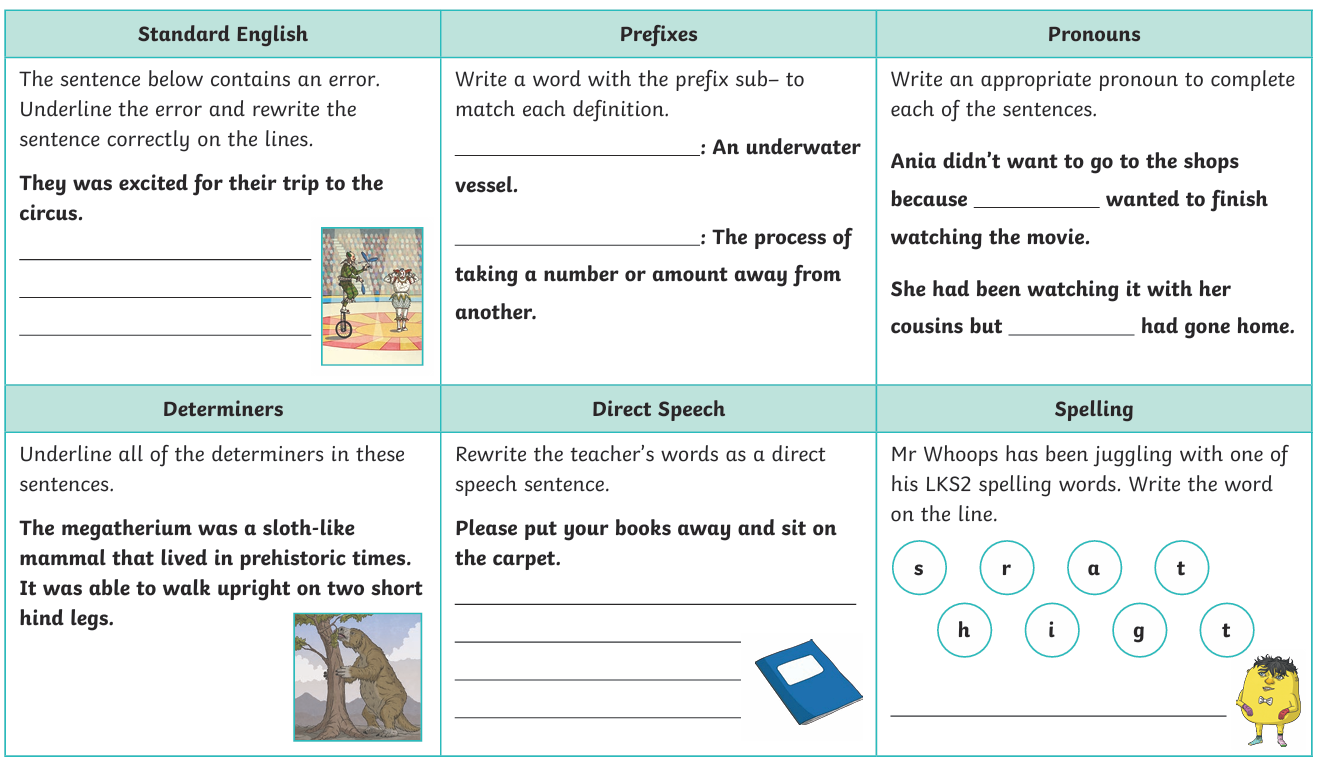
Grammar Warm Up
LC: to identify specialist vocabulary in non-fiction texts


Look again at this non-fiction text.


Discuss and answer these questions with your Talk Partner:

1. What is the topic? (what is it about?)
____________________________________________
2. What adverbials are used to sequence (order) the ideas? List 4 adverbials:
a.______________________________________
b. ______________________________________
c.______________________________________
d.______________________________________
3. List examples of specialist vocabulary (words/phrases that you would only see in a text about this topic)
1. nectar
2._________________________________________
3._________________________________________
4._________________________________________
5._________________________________________
Think about your topics for the model report.
For which topic would this specialist vocabulary be included?
stage
audience
seating
masks
actors
play
tiered seating
hillside
Topic = _________________________________________
What do each of these words mean?
structure
language
Put the correct heading onto the lists.
Which list shows language features and which one shows structure features?

Read the text below. Highlight and annotate
- the specialist vocabulary
- the adverbials of place/sequence
- sub-headings
-headings
- main title
-rhetorical question
- exclamation
- facts - dates/figures


13.10.26
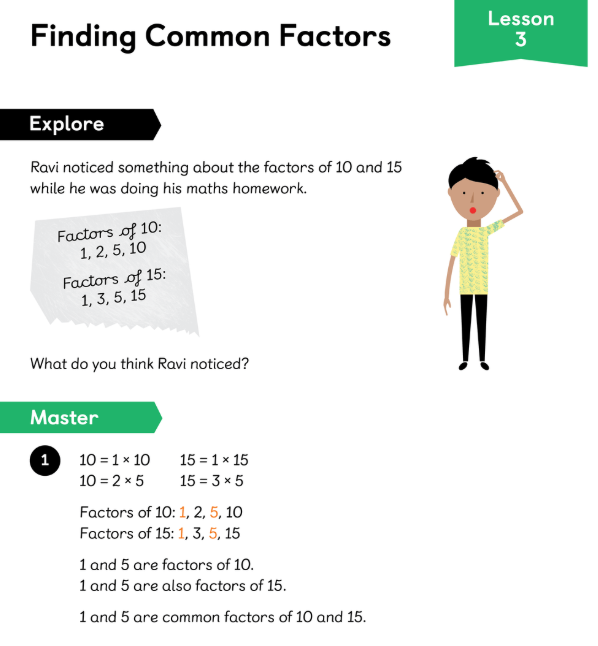
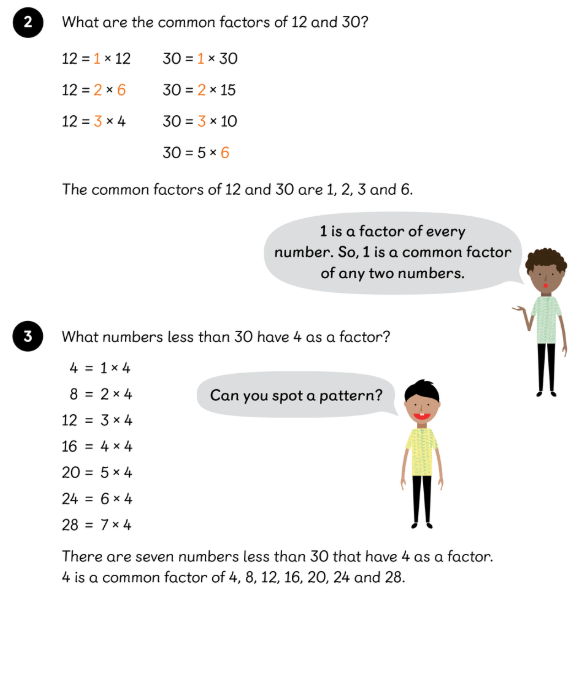
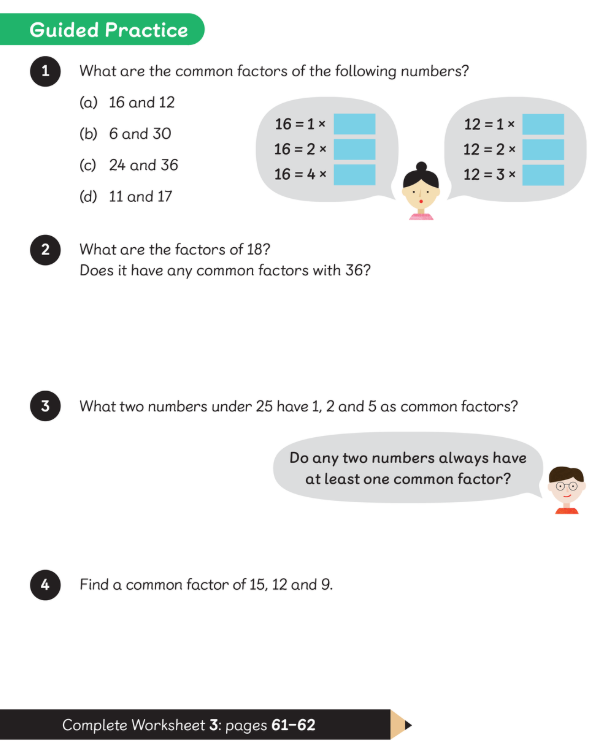
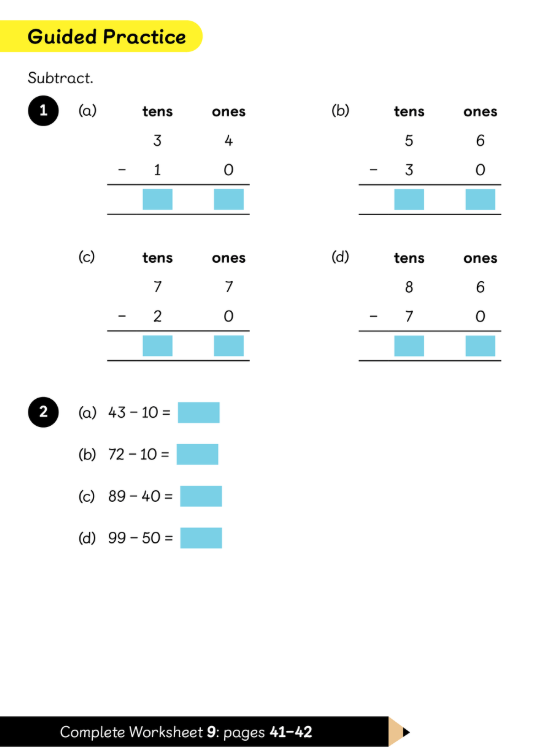
LC: To be able to define and find common factors of numbers to 100.
Adapted
Adapted:
Tuesday 13th October 2026
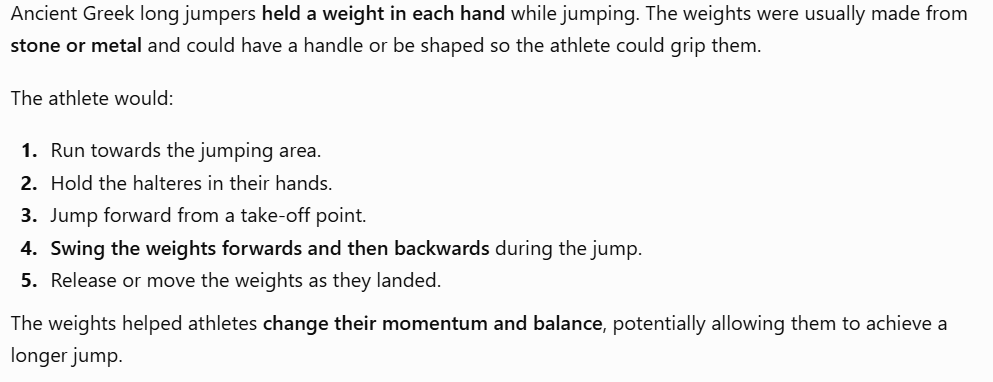
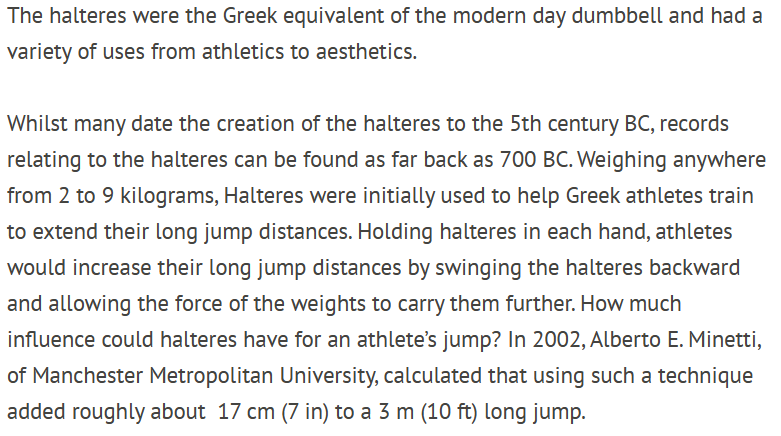
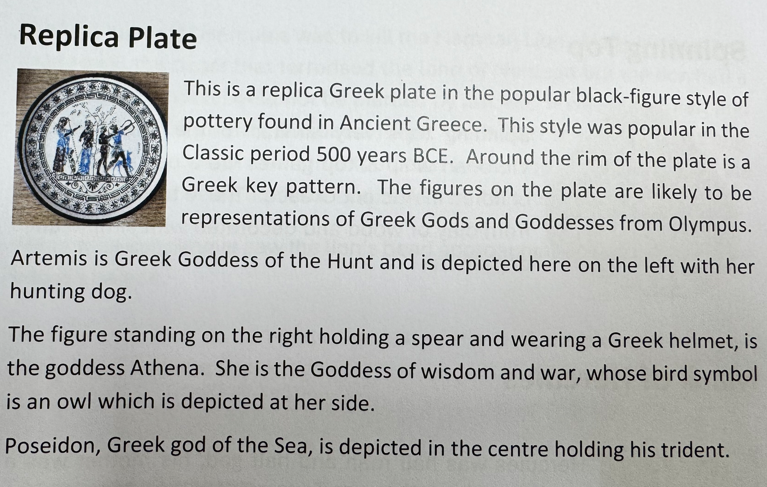
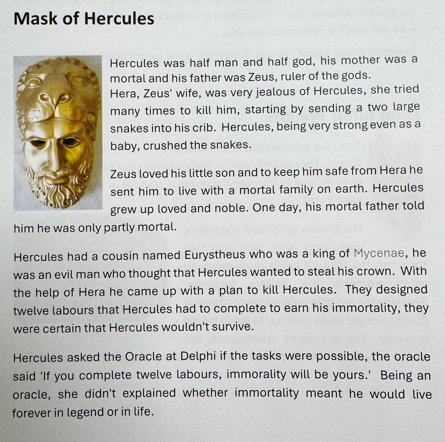
LC: To use a range of sources to investigate the influence of Ancient Greece on the world today.
Today we will be looking at different sources to gather information about the influence of Ancient Greek ideas.
What is a source?


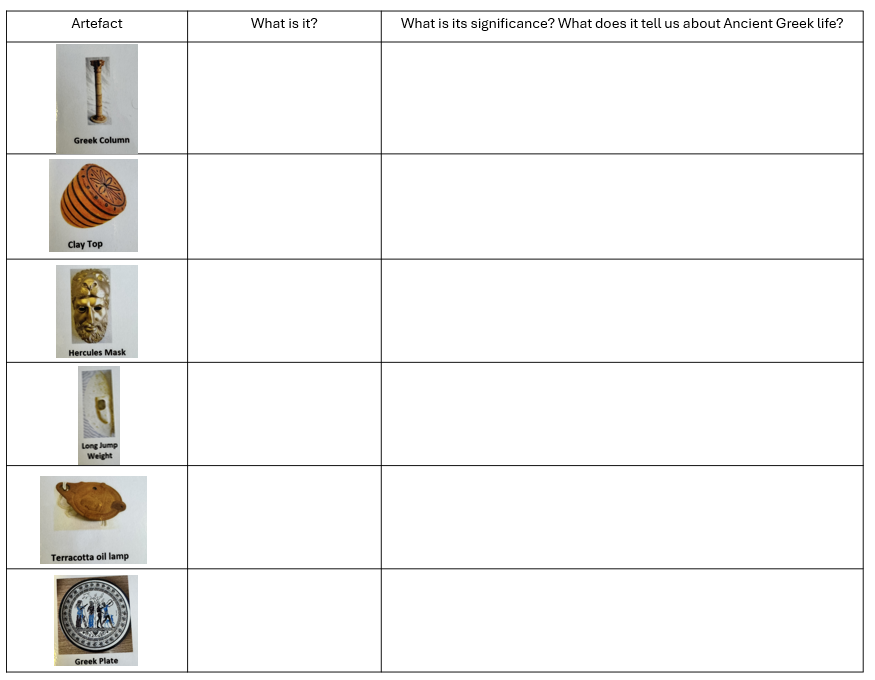
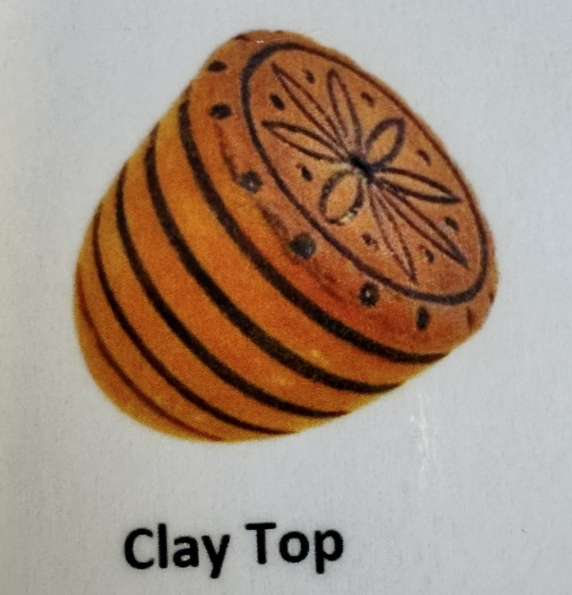
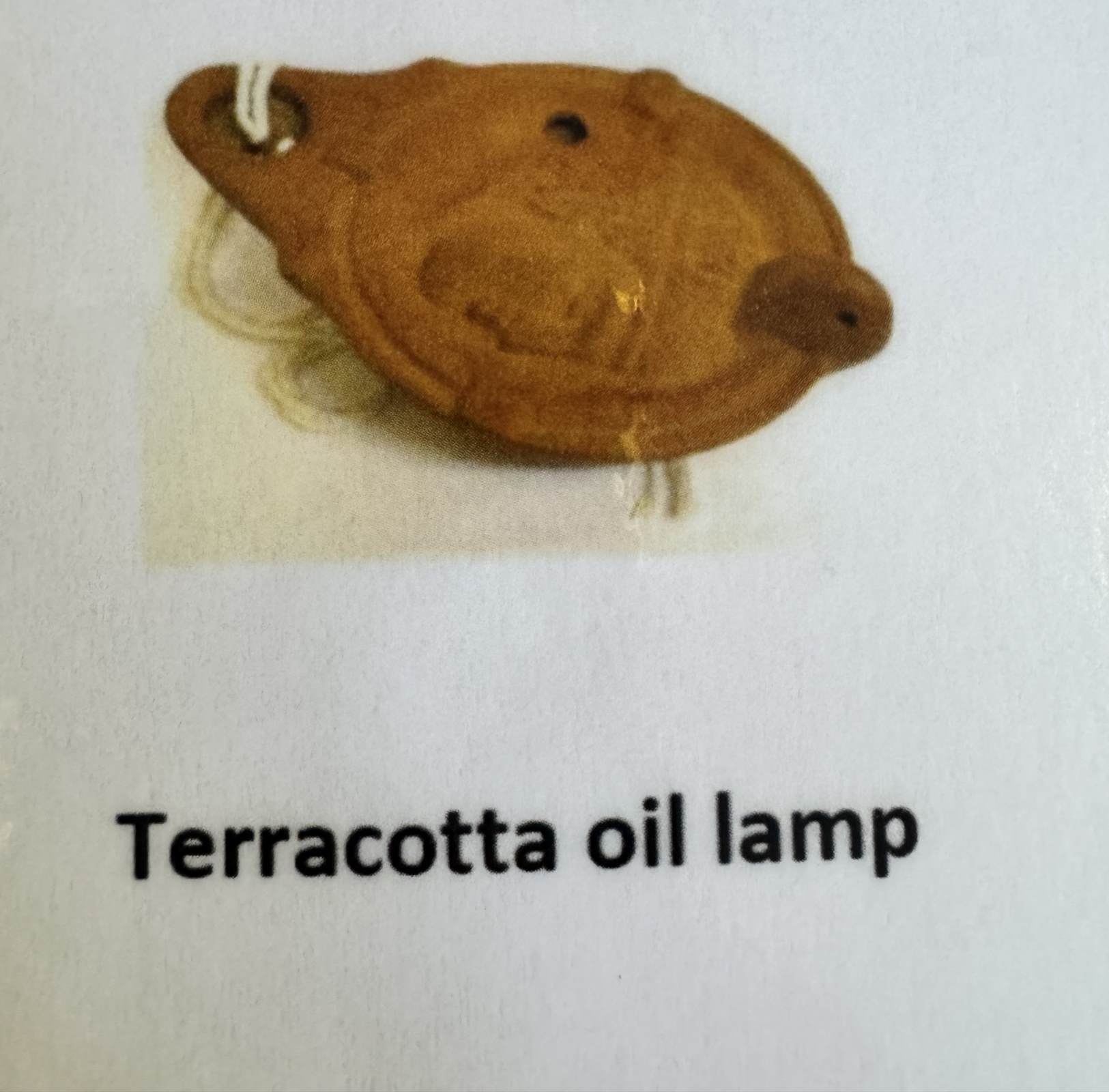
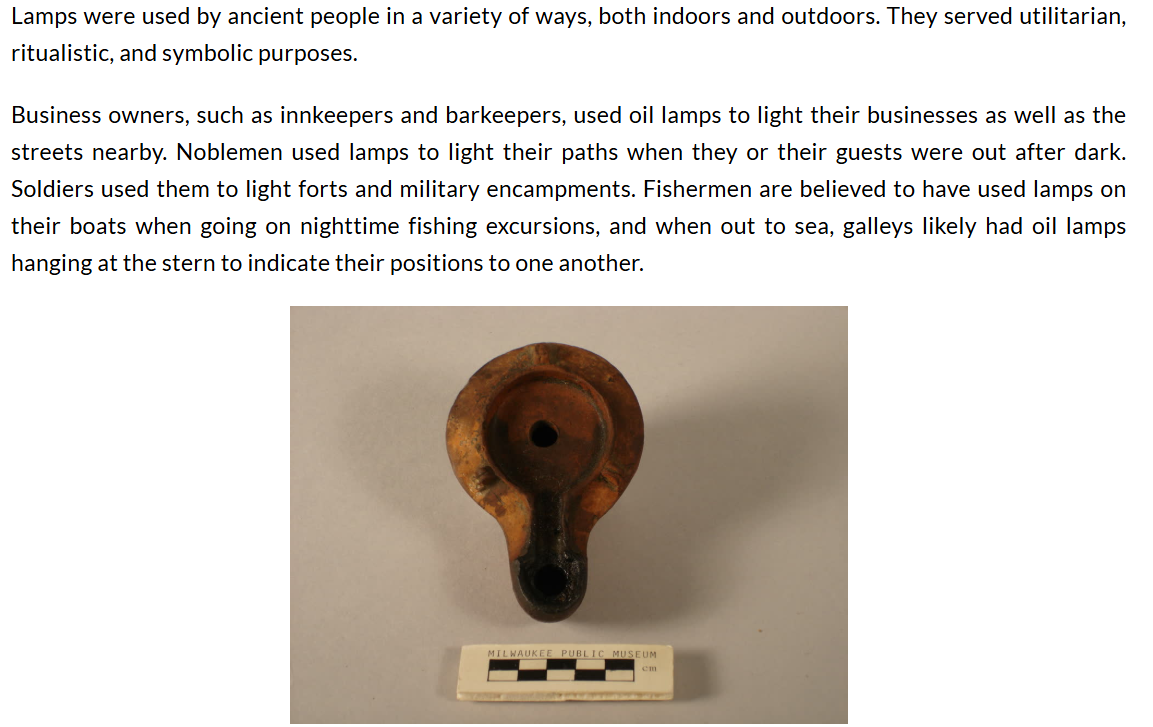
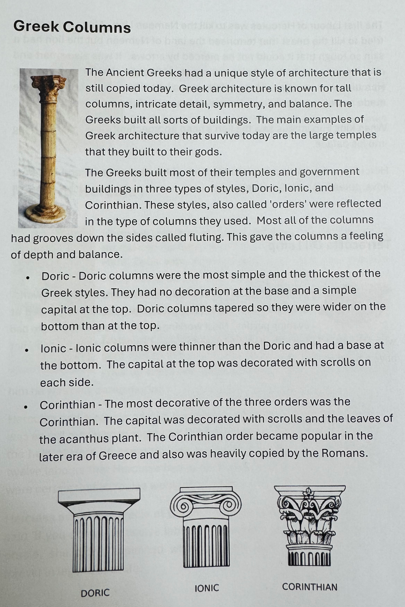
Today we have got different artefacts to observe from the Greek period.
Are these primary or secondary sources?
Lets observe them.
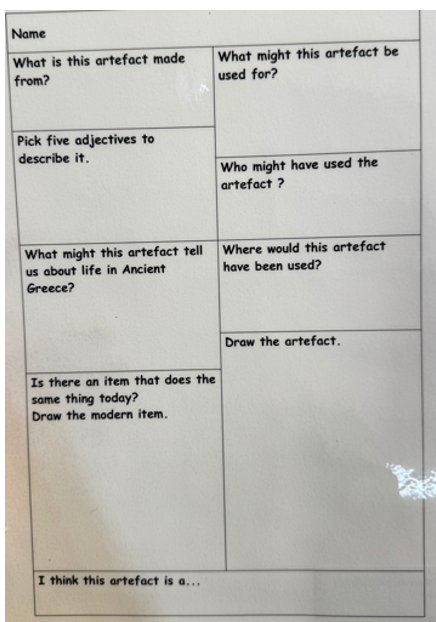
In pairs, you are going to complete some research using different sources to complete the table below.
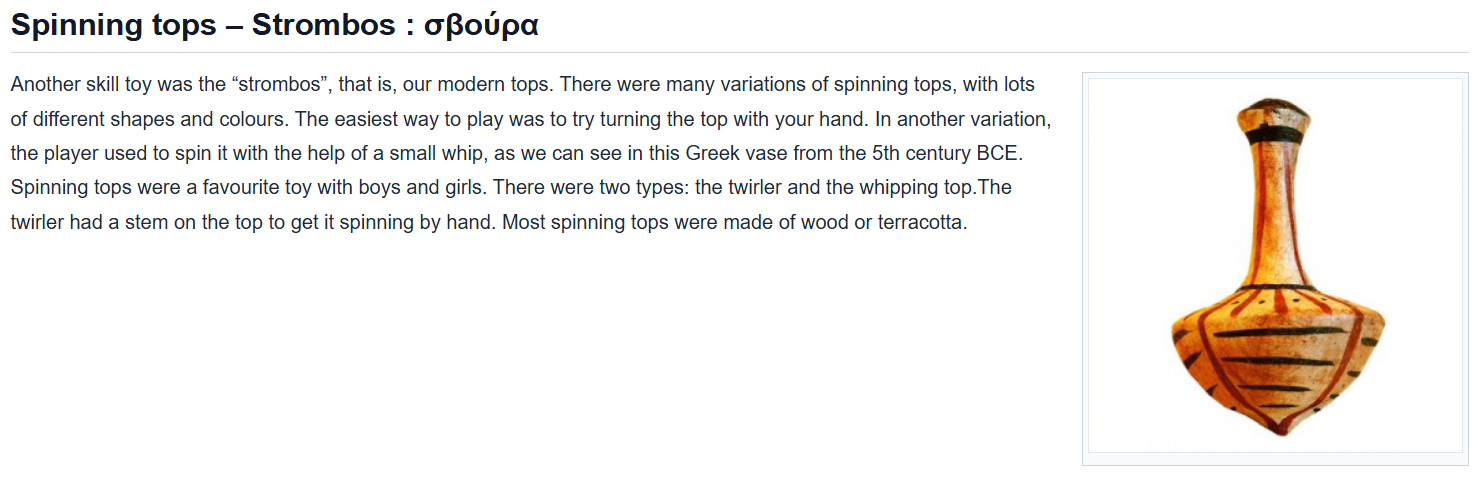 Source taken from a website.
Adapted:
Assembly 2 – Islam: The Two Brothers
Theme: Generosity is good for you!
Key message: Giving to others can bring happiness and strengthen relationships.
British Values: Mutual respect and individual liberty
UNCRC: Article 27 – Every child has the right to what they need to develop well.
Article 31 – Every child has the right to rest, play and take part in cultural life.
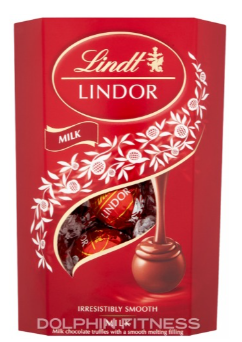
If I gave you this whole box, would you be happier keeping all of it or sharing some of it?
Can giving something away actually make us happier?
Today's traditional story comes from an Islamic context and explores generosity.
The story
Tell the children about two brothers who lived close to one another and worked their land.
One brother had a family. The other lived alone.
After the harvest, they divided their grain.
That night, one brother began thinking:
My brother has a family to care for. He needs more grain than I do.
So, quietly, he took some of his grain and carried it to his brother's store.
But the other brother was thinking too:
My brother lives alone. He will not have children to help care for him when he is older. He should have more grain.
So he secretly carried some of his grain to his brother's store.
The next morning, both brothers were surprised.
Their piles of grain seemed to be just as big as before!
The next night, they did the same thing.
Eventually, the brothers met while carrying grain to each other's stores.
They realised what had happened.
Each brother had been secretly giving to the other.
Think about it
Which brother was generous?
Why didn't they just keep everything for themselves?
How do you think they felt when they discovered what the other brother had been doing?
Generosity isn't only about money. We can give our time, attention, friendship, help and encouragement.
UNCRC and British Values
Explain that Article 27 says children have the right to the things they need to develop well.
If we notice somebody doesn't have what they need, what could we do?
This links to mutual respect and individual liberty. We can choose what we do with our possessions and time, and we can choose to use that freedom to help others.
Weekly challenge
Challenge children to give something that doesn't cost any money:
A smile.
Help.
Time.
A compliment.
Friendship.
Reflection
Think of one thing you could give to somebody today that would make their day better.