


Tuesday 29th September 2026
Tuesday 29th September 2026
LC: to create an effective and engaging legend story making careful choices of vocabulary and grammar.
You are going to write your independent legend today based on your plan.

Use your planning sheet.
Look back in your English book at your legend model to help you.
Make your story entertaining and clear for the reader.
29.9.26
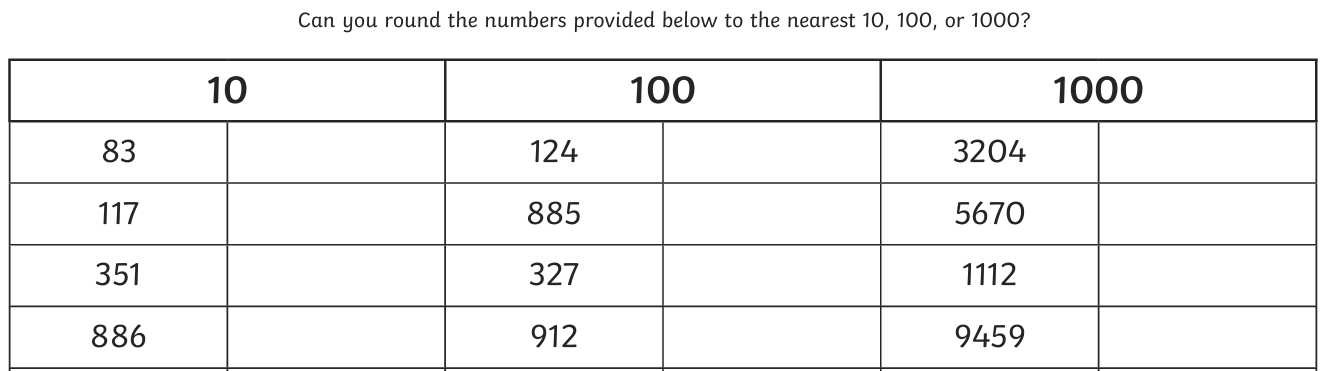
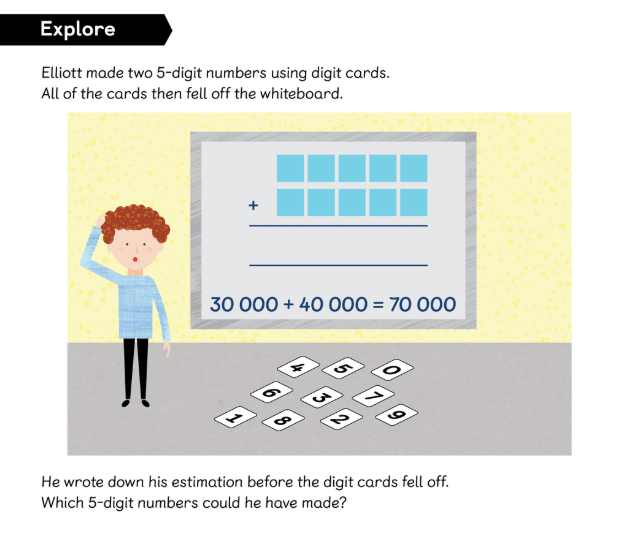
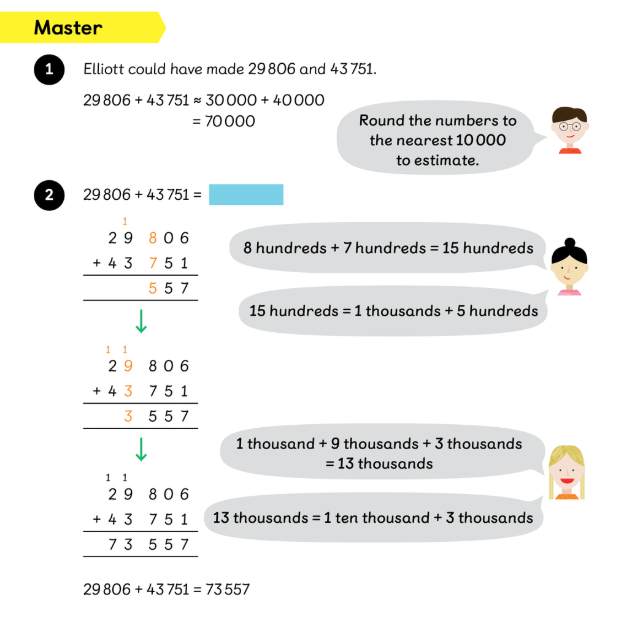
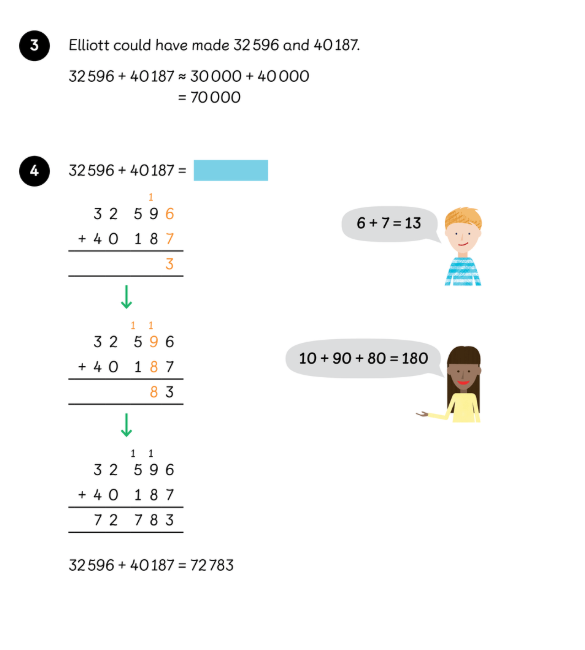
LC: To be able to consolidate and refine addition skills and place-value knowledge to solve addition problems.
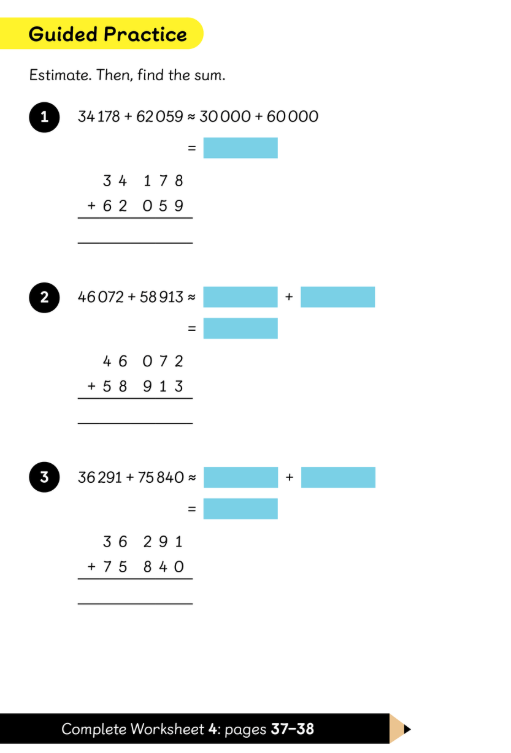
Adapted
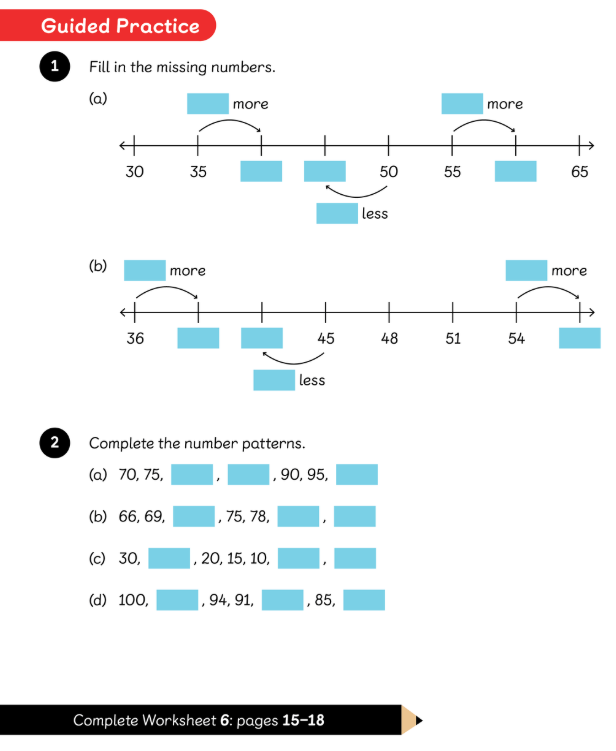

29.9.26
LC: To understand how Ancient Greek theatre has influenced modern theatre
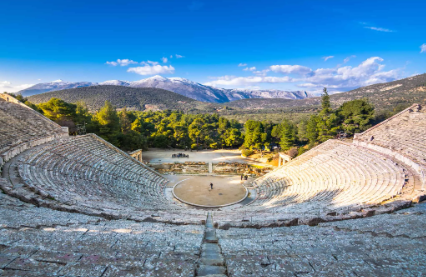
Partner talk
What is this a picture of? How do you know?
What do you notice?
What do you think happens here?
Important Facts.
Theatre became an important part of Ancient Greek culture.
Performances included tragedies and comedies, and actors used masks to represent characters.
Ancient Greek theatres were generally open-air and had large seating areas for audiences like the image below.
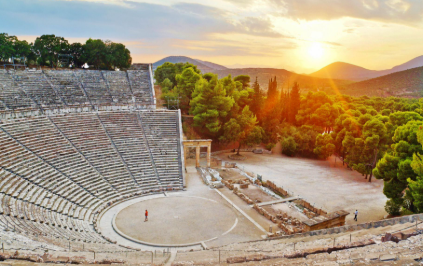
Look at the image below and think about the questions.
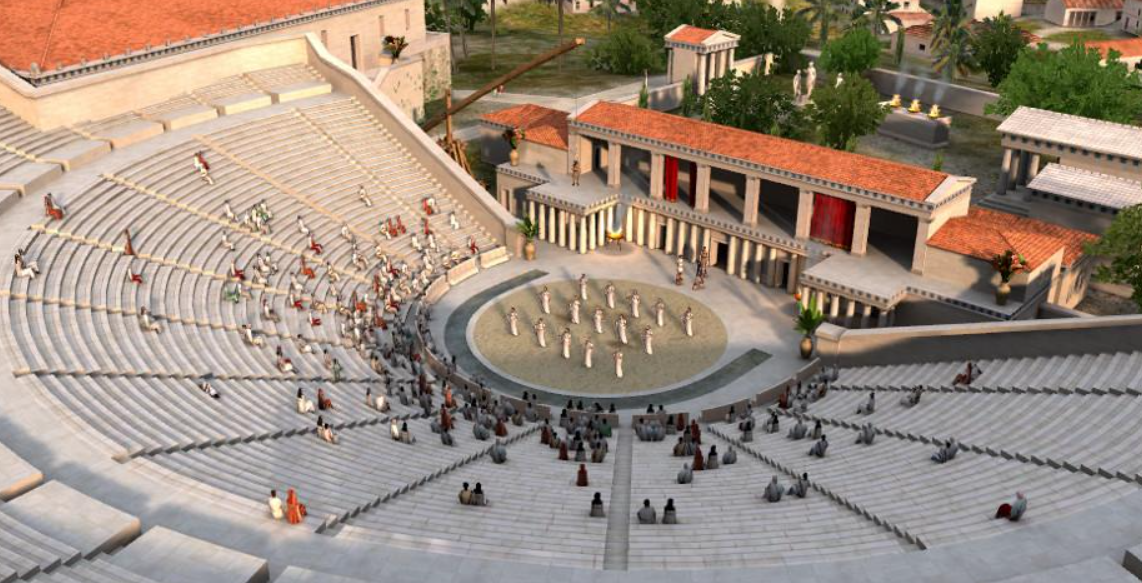
•Where are the actors?
•Where is the audience?
•What shape is the theatre?
•What are the actors wearing?
•Can you see masks?
•Why might the theatre have been so large? What does it show?
Task
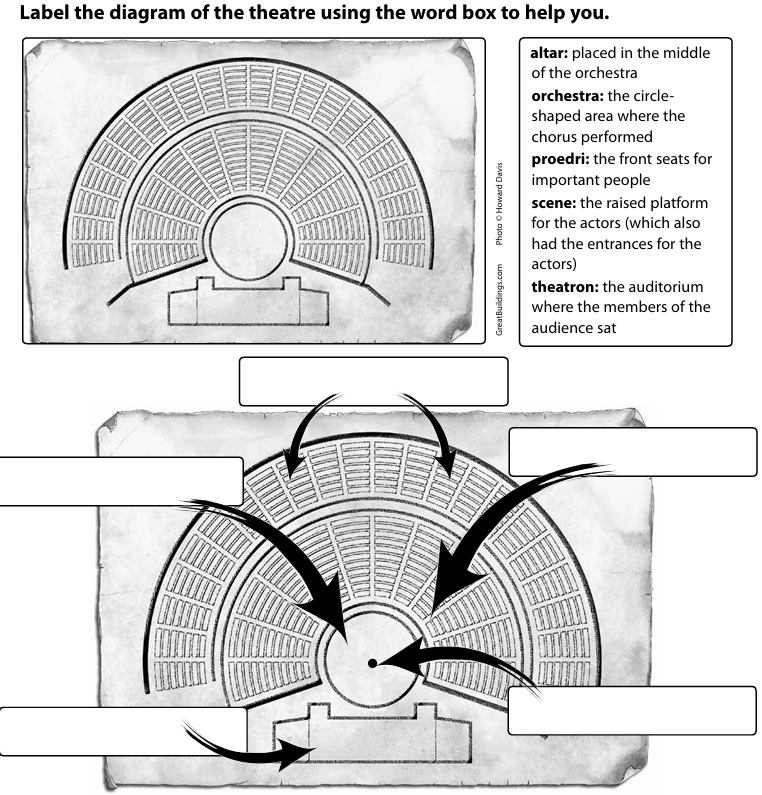
With your partner label the diagram of the theatre, use the vocabulary box to help you.
Lets look at theatre today to see if its similar or different to Greek theatre.
Watch this video of a recent theatre performance.
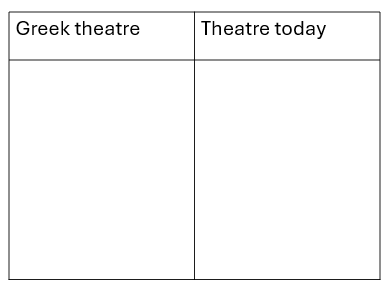
As you watch, on your whiteboards write down 3 things that are similar and 3 things that are different between theatre now and theatre during the Greek period.
Think about whether the layout of the theatre is the same?
Does the audience sit in similar looking places?
Do the actors wear different things or are they similar to what Greek actors used to wear?
Adapted
Look at this picture of the Ancient Greek theatre:
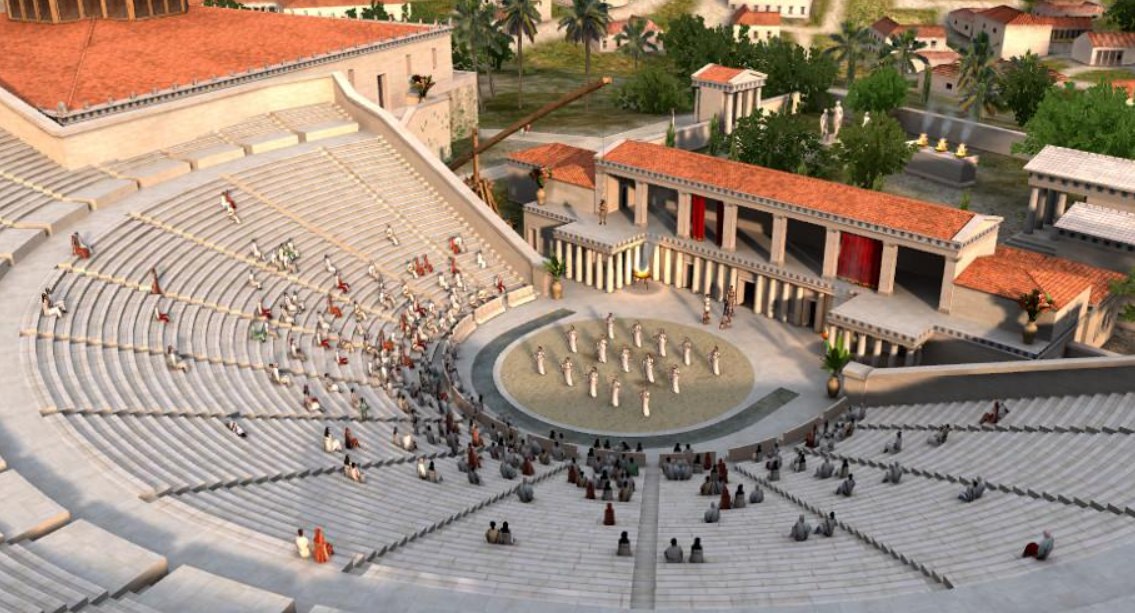
Can you find the:
- circle shaped area where actors performed.
- the auditorium where the audience sat and watched
- the front seats where the important people sat to watch.
Design your own Greek theatre using the above example.
Make sure you have an area for the actors to perform, a space for the audience to sit in and space for important people to watch.

Do we all have disabilities too?
Big idea: Everyone finds some things difficult, but difficulty and disability are not exactly the same thing.
Begin with deliberately impossible or very difficult challenges: “Can you read a book with your eyes closed? Can you understand a language you've never learned? Could you reach something on a shelf twice your height?”
Explain sensitively that we shouldn't say everybody has a disability simply because everybody has things they can't do. A disability can be a physical or mental impairment that has a substantial and long-term negative effect on someone's ability to carry out normal daily activities (this is broadly the definition used in UK equality law).
Then introduce barriers. Ask: “Imagine a pupil uses a wheelchair and there are stairs into the library. Where is the problem—the person, or the stairs?” Follow with examples such as tiny writing for someone with a visual impairment or a video without captions for someone who is deaf or hard of hearing.
Interactive challenge: Give scenarios and have pupils suggest how to remove the barrier:
- A pupil cannot hear the assembly video.
- A pupil finds small print difficult to see.
- A pupil cannot use stairs.
- A pupil needs longer to process complicated instructions.
Introduce words such as captions, ramps, lifts, accessible text, assistive technology and reasonable adjustments.
Key message: People have different needs. Fairness doesn't always mean giving everybody exactly the same thing; sometimes it means removing a barrier so everyone can participate.
Reflection: “What barriers could we remove in our school?”