



Monday 28th September 2026

Expand these simple three word sentences by adding adverbs, noun phrases and relative clauses to make them more interesting. The first one has been done for you.
1. An owl hooted.
An elegant, snow-white owl, who was sat on the weak branch, hooted loudly from high up in the trees.
2. A boy shouted.
________________________________________________
3. The witch laughed.
_____________________________________________
4. The teacher talked.
_____________________________________________
5. The snake slithered.
_______________________________________________
RIC
The ancient Greeks lived over 3000 years ago. Many of their ideas and inventions still influence how we live today.
Society
There was not one country called ‘ancient Greece’. Instead, Greece was made up of ‘city states’, each with its own government, army and laws. A city state included the city at the centre of it as well as the surrounding villages and countryside. Important and powerful city states of ancient Greece included Athens, Sparta and Corinth. These city states often fought against each other.
R - What was Greece made up of?
I - Why do you think important and powerful states fought against each other?
C - Is this text fiction or non-fiction?
Main
LC: Infer characters' feelings from their actions and justify with evidence from the text.
An inference is an idea or conclusion that we reach from evidence and reasoning.
Inferring is making an educated guess, a choice, a decision.
We use clues and our background knowledge to make sense of something when we are not explicitly given the information.
The Curse of Cogston House

Jack strode up an overgrown path away from the park as though relishing a mission through the jungle, dodging the occasional stinging nettle with an effortless skip or jump.
“Come on, Luca. This is going to be epic!” Dipping his head and swiping away leaves like some intrepid explorer, he manoeuvred under a tree branch, which hung over the narrow track.
Luca dawdled behind. Only a few minutes earlier, he had been perfectly happy practising his limited gymnastics moves upside down on the monkey bars. Now, he was torn between making the effort to keep up with his friend and deliberately getting left behind.
“Speed up – we’re nearly there!” Jack called eagerly over
his shoulder.
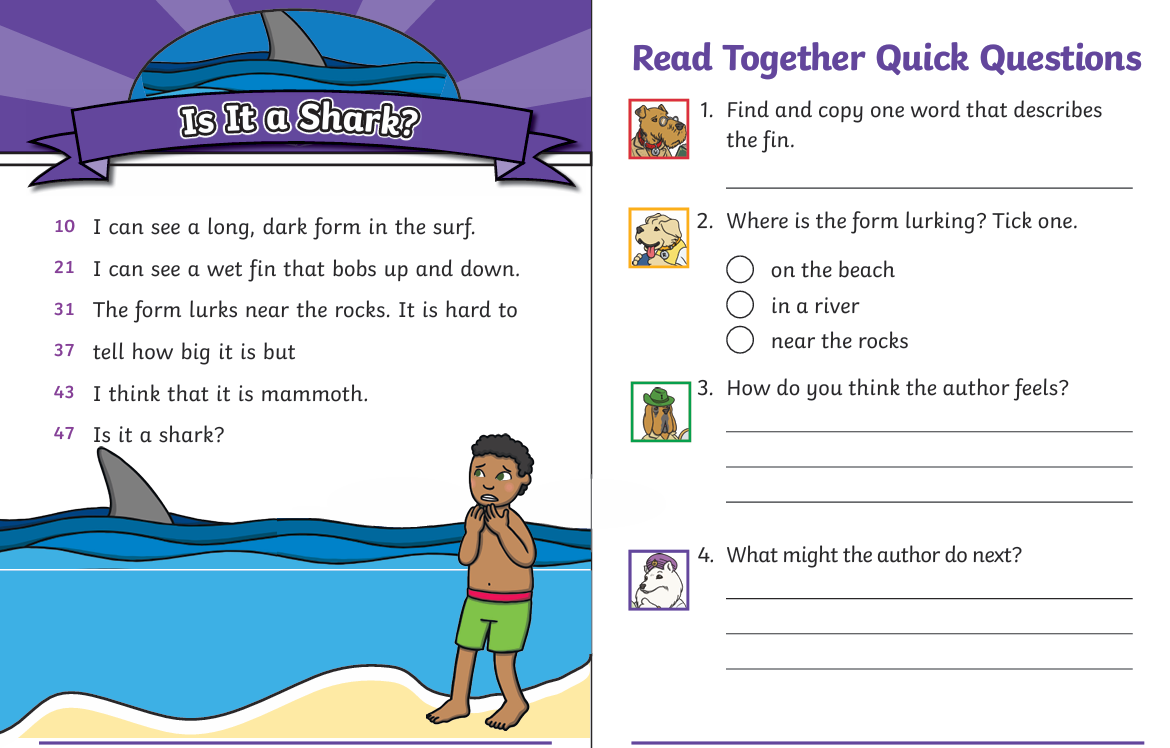
How is Jack feeling? How do you know? What does it say in the text?
Activity
Read the below text.
Eliza had been creeping farther along the passageway when a horrendous noise startled her. She spun round to find herself perfectly alone in an empty hallway. The house looked exactly the same as it had a moment earlier – but Alice was nowhere to be seen.
Eliza’s face contorted from confusion into panic. Her arms appeared frozen by her sides but her hands began to visibly shake. All adventurous spirit whisked out of her, she whispered meekly, “Alice?”
Whipping her body round to face the other way, she spoke again, this time louder and more urgently.
“Alice!”
How is Eliza Feeling?
What evidence can you take from the text to show this?
What other information can we infer about Eliza based on the clues and evidence in the text?
Adapted

Monday 28th September 2026
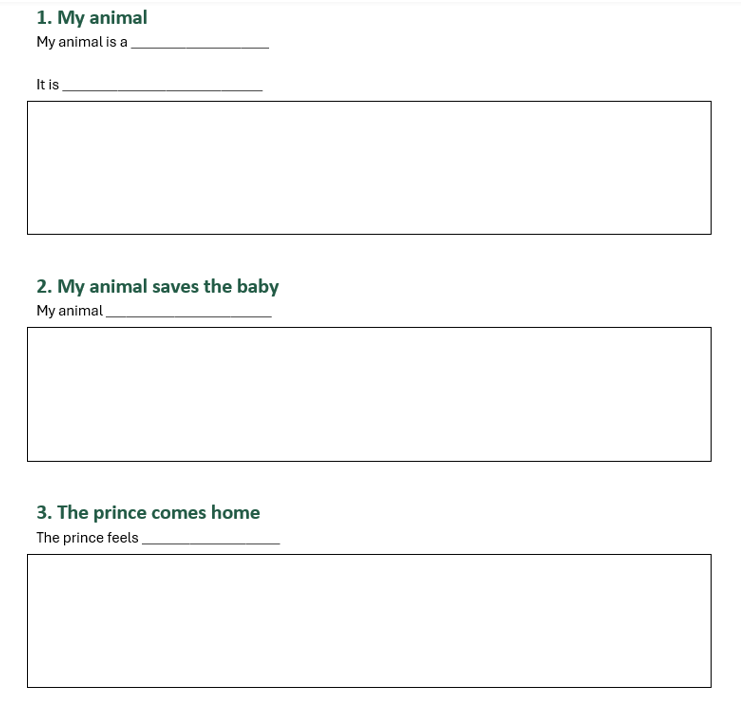
LC: to create an effective plan for a legend using a plot pattern.
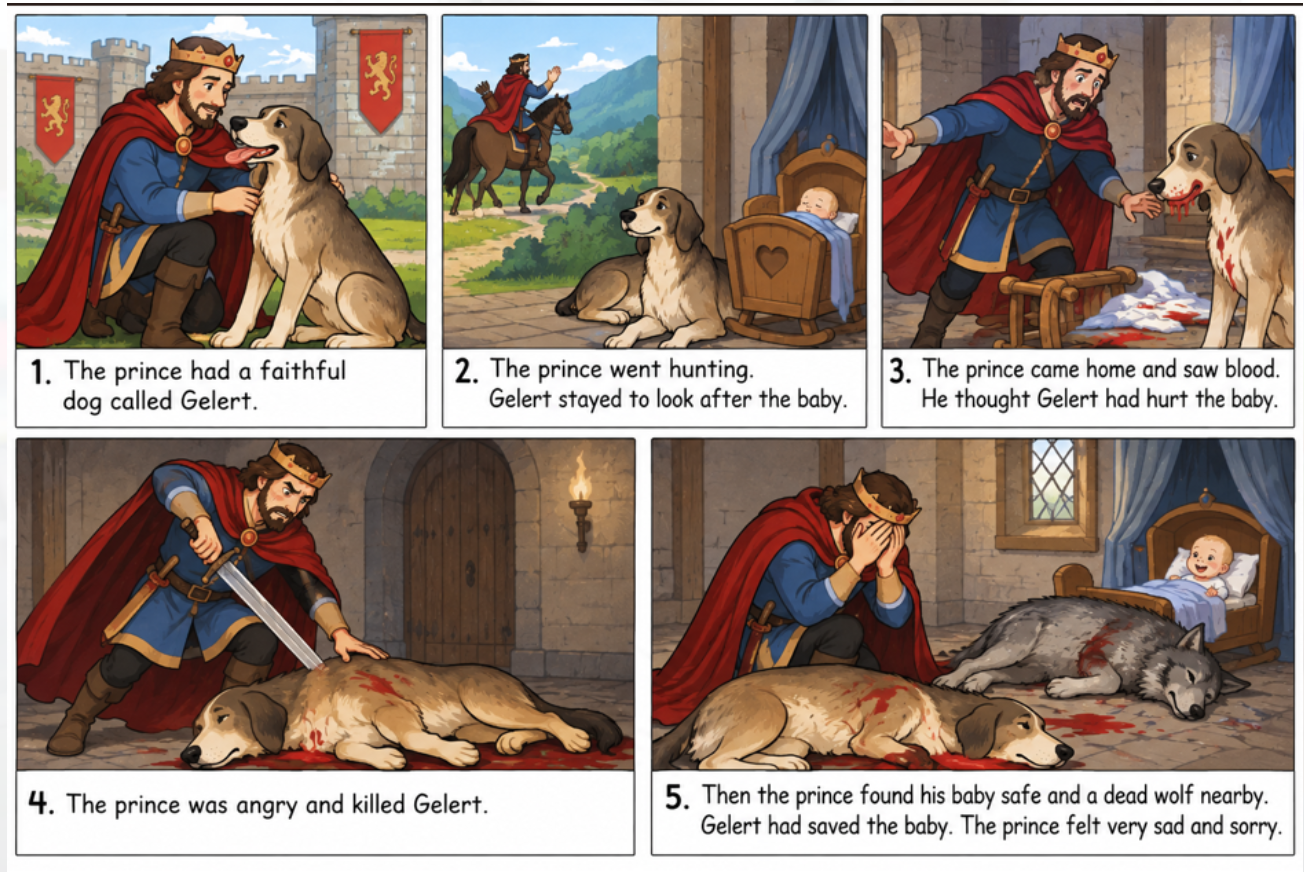
Well done for creating the model story based on the plot structure of The Legend of Gelert.

You are now going to plan and write an independent legend using all the techniques you have learnt from the model.

/i/video/4K_Fathima/5K/English/Lengends/The_girl_and_the_fox.mp4
Watch this short movie very carefully as you are going to use this plot structure to plan your own independent writing narrative.

Adapted:
You will be re-writing the story of Gelert but innovating a new companion for the prince. Think about what animal you would like to choose.
My New Animal for Gelert
Learning Challenge: To choose and describe a new animal for the prince.
Learning objective: I can choose an animal and use simple words to describe it.
Resources: Animal pictures, word bank, pencils and a simple planning sheet.
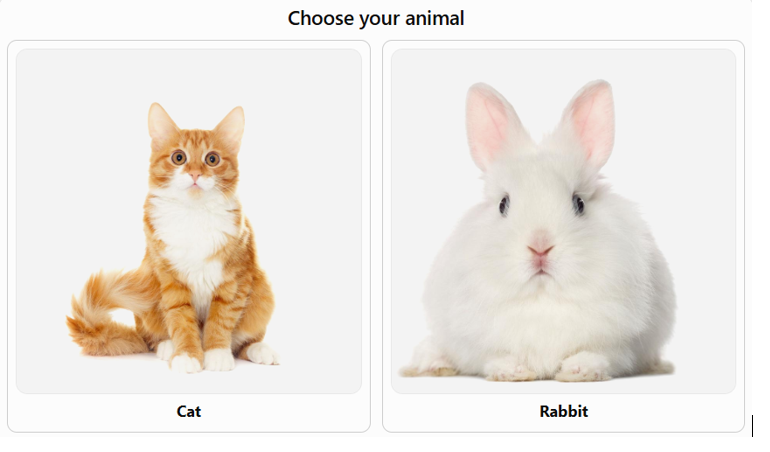
- Starter: Choose your animal
Explain to the children:
"The prince had a special dog called Gelert. We are going to change the story. The prince will have a new animal friend!"
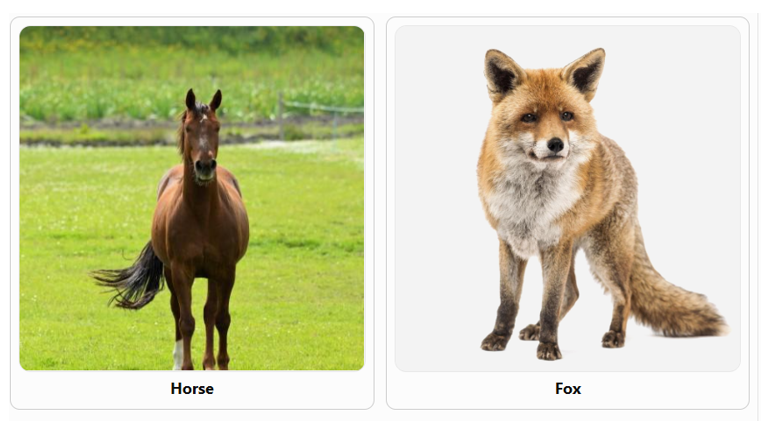
Describe your animal
Ask children to think about what their animal looks like.
Word bank
Choose two or three words.
big
small
soft
fluffy
fast
strong
brave
kind
furry
Model a simple sentence:
"My animal is a cat. It is soft and brave."
Remember to practise saying their sentences.

28.9.26
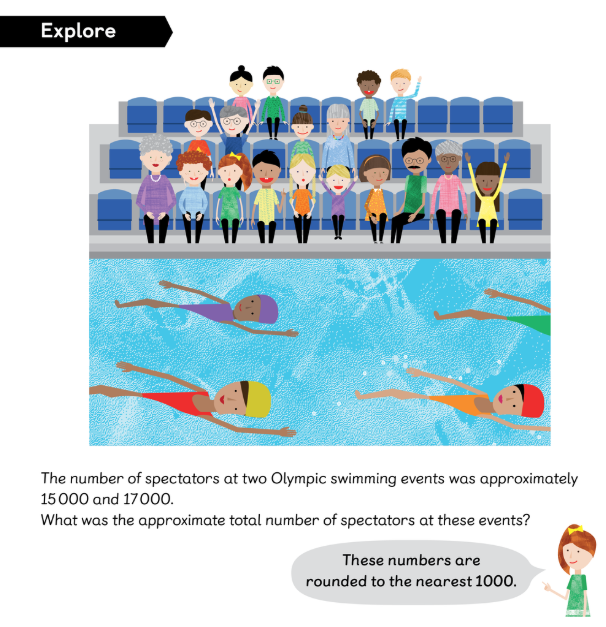
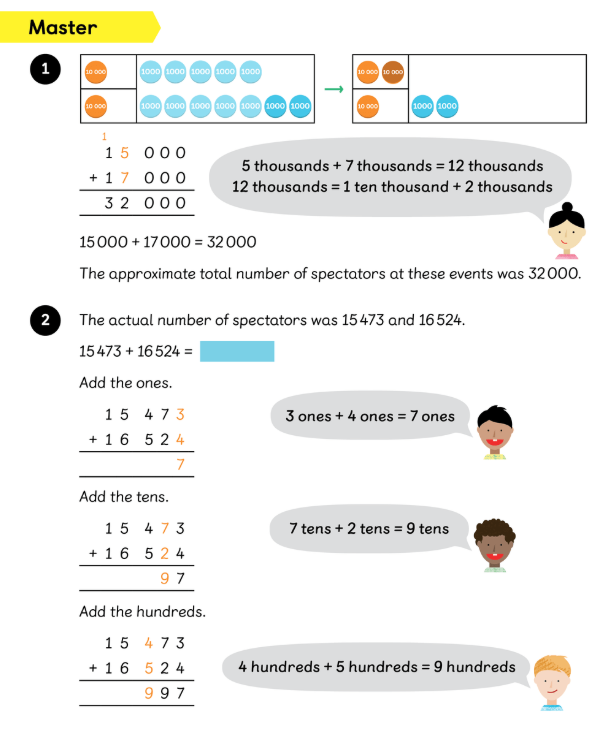
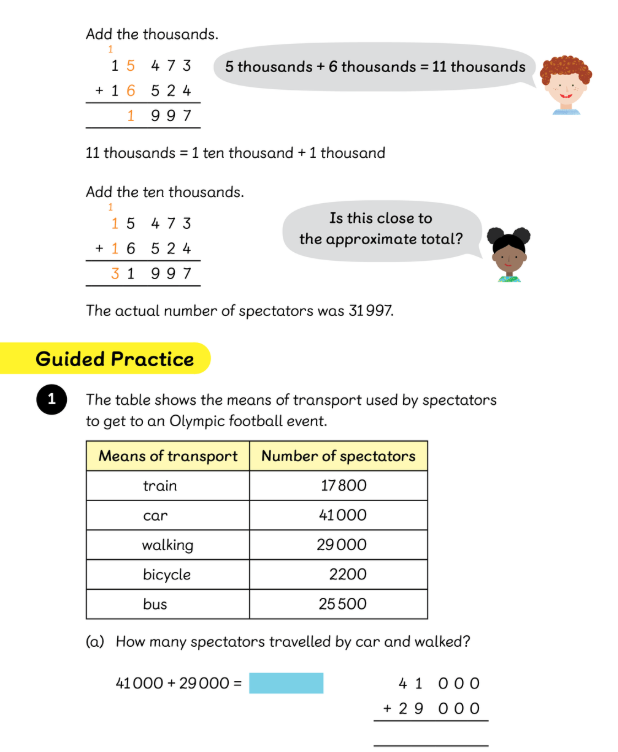
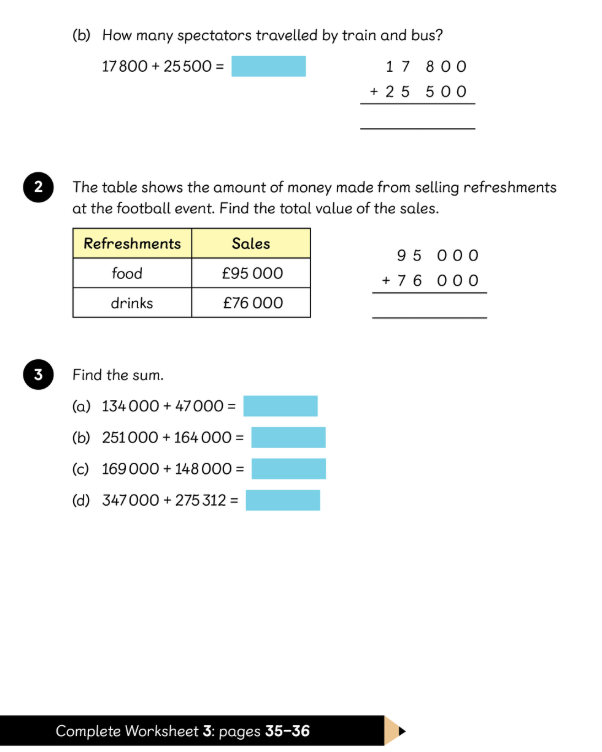
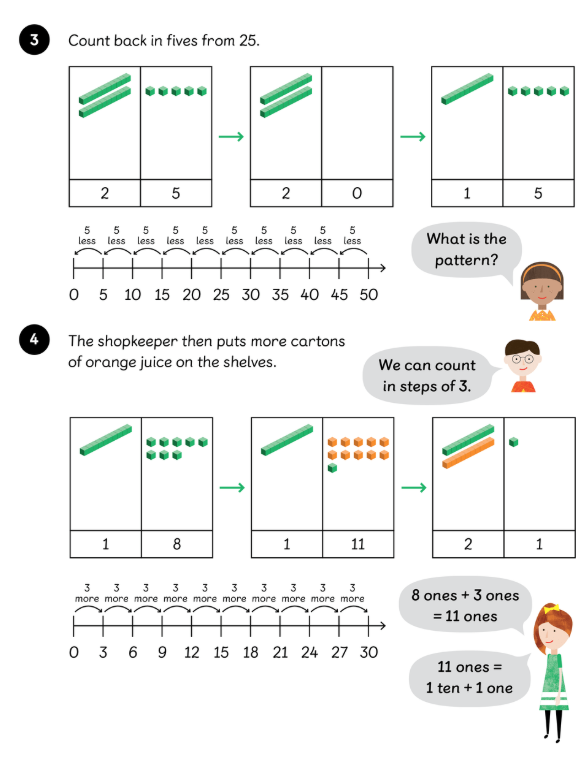
LC: To be able to add numbers within 1 000 000 using the column method.
Adapted:
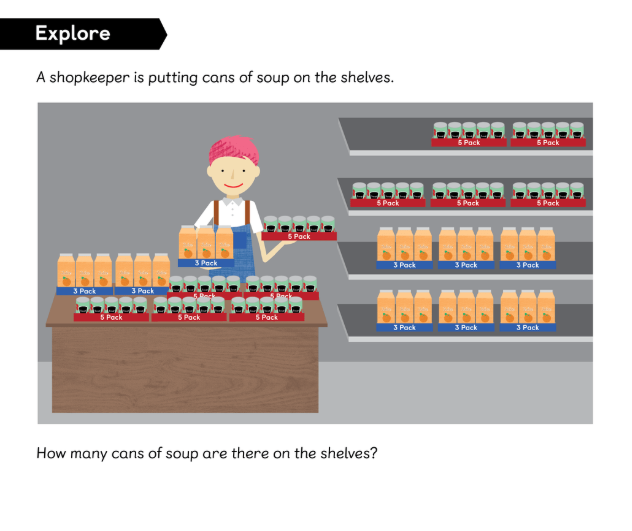
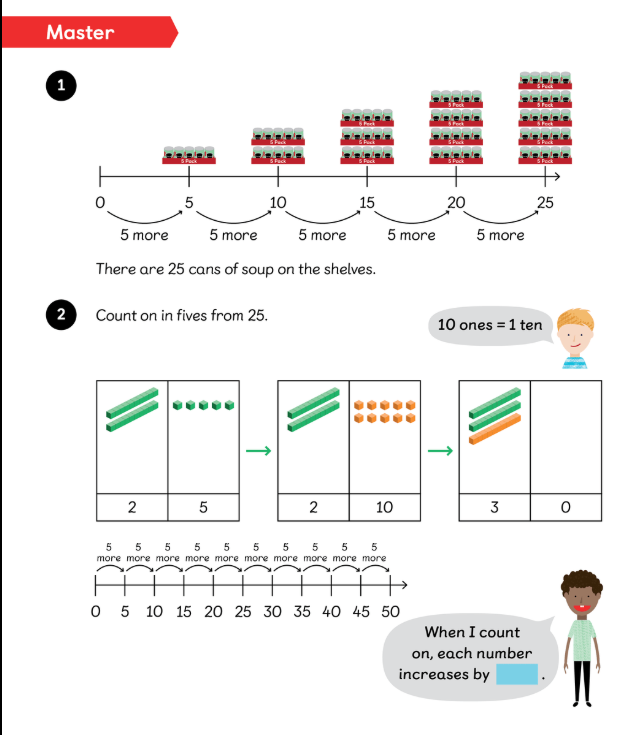
To be able to count in steps of 3 and 5 from any number, forwards and backwards.

Monday 28th September 2026
LC: To know what Christians might describe as temptations in the modern world and why and how they might avoid these aspects of life.
Christians would describe temptation as the desire to do something–probably appealing– which they know they shouldn’t.
Christians believe that to give in to such temptations is to sin.
Most Christians look to the commandments they believe God gave Moses as His intent for human behaviour.

Learning challenge: To know what Christians might describe as temptations in the modern world and explain why and how they might avoid them.
Key vocabulary: temptation • sin • commandments • conscience • forgiveness • prayer • self-control
Starter: What would you do?
Think, pair, share. Read each situation and discuss what you would do and why:
- You have not completed your homework. A friend offers to let you copy theirs before the teacher arrives.
- You promised to help your family but are in the middle of your favourite video game.
- Your friends are laughing at another child and encouraging you to join in.
Discuss: What do these situations have in common? Why is doing the right thing sometimes difficult? Being tempted is not the same as doing something wrong; the choice matters.
What is temptation?
Christians describe temptation as the desire to do something they believe is wrong. The wrong choice may seem easier, more enjoyable or more rewarding. Christians believe that deliberately choosing to act against God’s wishes can be a sin. Many use the Ten Commandments and Jesus’ teachings to guide their behaviour.
Jesus and temptation
Read or retell Matthew 4:1–11. Jesus spent 40 days in the wilderness. He was hungry and was tempted to turn stones into bread. He was also tempted with power and riches. Christians believe he resisted by remembering God’s teachings and remaining faithful to God.
What can Christians learn from Jesus’ example?
Christians might pray, remember Bible teachings, practise self-control and ask others for support. Christians also believe God offers forgiveness when people are sorry for mistakes.
Main activity: Modern-day temptations
Explore the four examples below. Explain why each might be tempting and how a Christian might respond.
|
Temptation |
Why might it be tempting? |
How might a Christian resist it? |
|
Technology: too much gaming or social media, neglecting responsibilities |
|
|
|
Greed: wanting possessions and feeling jealous |
|
|
|
Peer pressure: joining in with bullying to impress friends |
|
|
|
Dishonesty: cheating or lying to avoid trouble |
|
|
Sentence starters: A Christian might be tempted to… because… / Christians may believe this is wrong because… / They could resist by… / This would help them follow Jesus’ example because…
Model answer: A Christian might be tempted to cheat in a test because they want a good mark. They may believe cheating is wrong because Christians are taught to be honest. They could resist by remembering Jesus’ teachings, praying for strength and completing the test independently.
Greater-depth challenge:
Is something always wrong just because it is enjoyable? For example, Christians do not necessarily believe playing video games, using social media or owning expensive possessions is sinful. Explain how these activities could become temptations depending on choices and priorities. Could two Christians disagree?
The temptation dilemma
Your best friend sends you an embarrassing photograph of another child and asks you to share it. It might make friends laugh but could upset the child. What would you do? Which action best reflects Jesus’ teachings about loving others?
Discuss: Share it; refuse and explain why it is unkind; or ignore it. How might each choice affect the child?
Adapted:
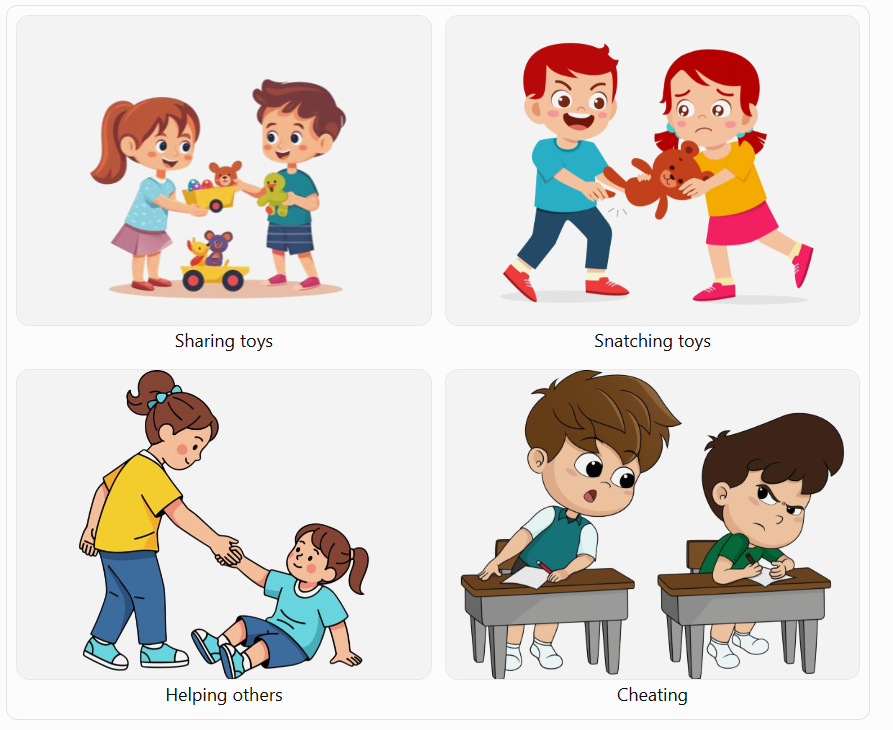
What are the good choices? Explain why it is a good choice.
What are the bad choices? Explain why it is a bad choice.
What abilities have we got in our school?
Big idea: Ability is much broader than being “good at school.”
Opening: Ask pupils to imagine the school needs to organise a huge celebration tomorrow. What abilities would be needed? Collect ideas: organising, drawing, writing, speaking, singing, calculating costs, making things, welcoming visitors, solving problems, noticing when somebody is left out.
Interactive activity: Play “Stand up if…”:
- You can make someone laugh.
- You are good at remembering things.
- You can explain something clearly.
- You are good at sport or movement.
- You notice when someone is upset.
- You can make or fix things.
- You keep trying when something is difficult.
Point out that nobody stood up for everything, but almost everybody stood up for something.
Story/thought experiment: A school needs to cross a pretend river. One child can design a bridge, another is physically strong, another spots a safer route, another keeps everyone calm. Ask: “Who is the most able?” The answer is deliberately difficult—the group needs different abilities.
Key message: Being able doesn’t mean being able to do everything. We all have different strengths, and communities become stronger when those strengths work together.
Reflection: “What is one ability you have that might help another person?”