


Wednesday 23rd September 2026
In your yellow maths jotters, complete these number patterns.
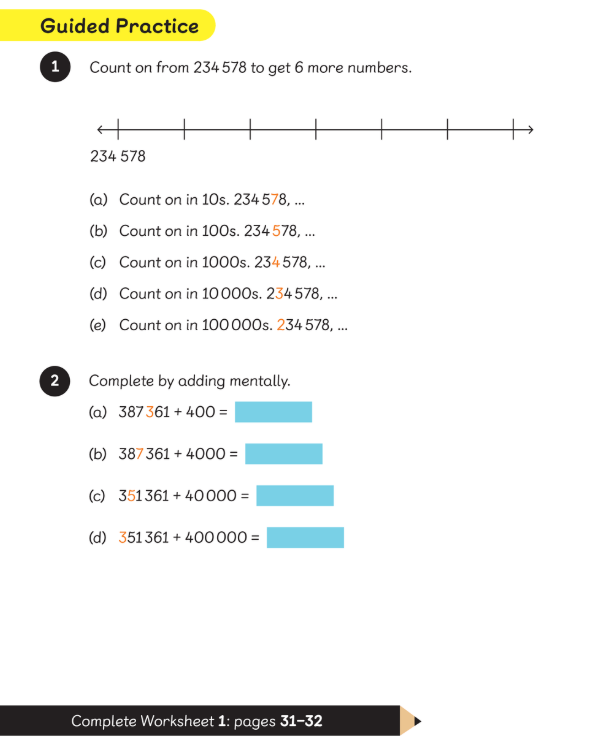
Rule - add 10,000
438,345 , 448,345 ________ , ________
Rule - add 1000 each time
456,721, _______, __________, __________
Create your own number pattern increasing by 10,000 or 100,000.
RIC
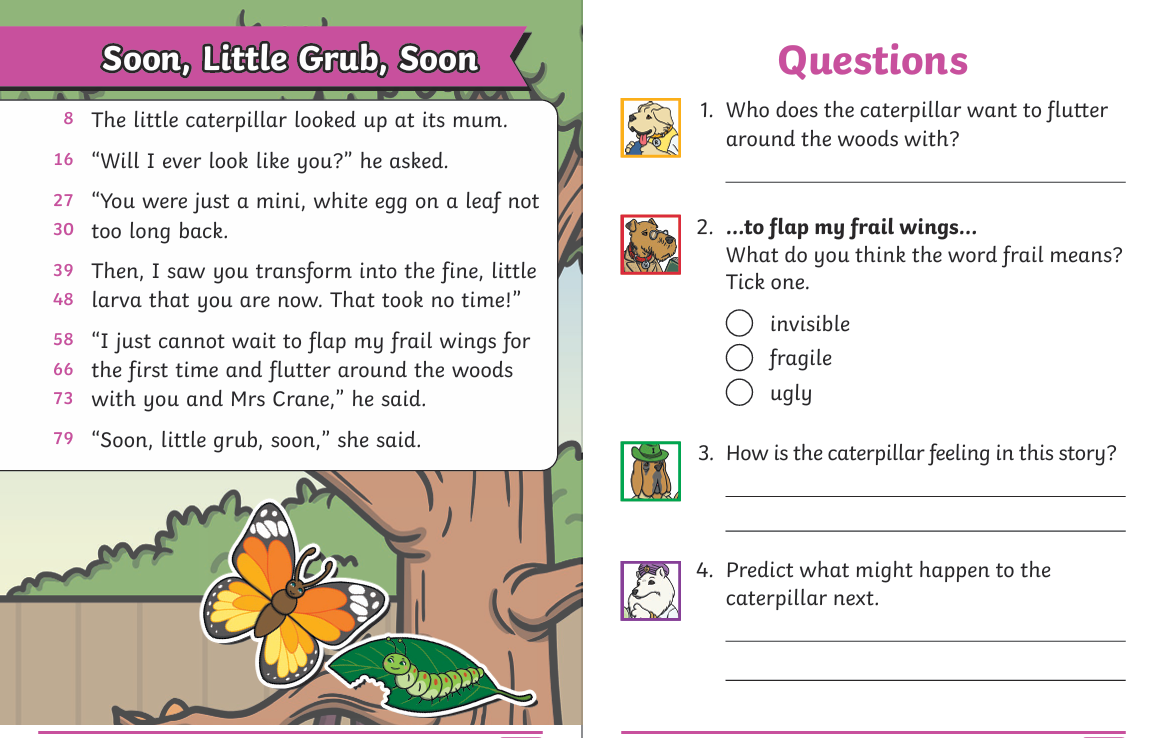
Medusa, who was as ugly as a gargoyle, was a hideous creature. With claw-like hands and tusks for teeth, the monster was the most fearsome in the land. Instead of hair, Medusa had live, venomous snakes that hissed constantly like a tap that had been left on. Her skin had a loathsome, greenish tinge and she had the devil’s eyes. She was the loneliest and most miserable creature for anyone who made eye contact with her would instantly be turned to stone.
Knowing that he was facing an impossible mission, Perseus, who normally feared nothing, went to the Temple of Athena to pray for help. The gods heard his prayers and granted him some gifts. These were a razor-sharp sword, a brightly-polished shield and sack for the monster’s head. Perseus – who was now feeling more confident about his quest - set off.
R - What did Medusa have instead of hair?
I - How did Perseus feel before he went to the Temple? Find evidence in the text.
C - Find a complex sentence with a relative clause.
Main
LC: Infer characters’ feelings from their actions and justify with evidence from the text.
An inference is an idea or conclusion that we reach from evidence and reasoning.
Inferring is making an educated guess, a choice, a decision.
We use clues and our background knowledge to make sense of something when we are not explicitly given the information.
Today we are going to justify our inferences with evidence from the text. Justifying is giving our reasons for making the inferences.
I think the boy is tired because it states he was yawning.
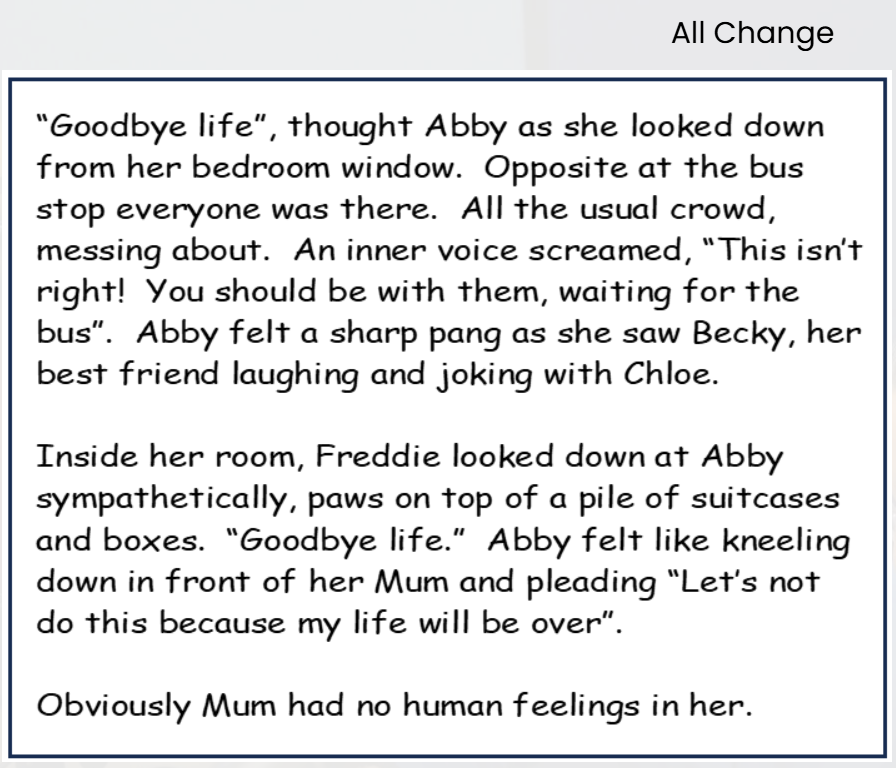
Let's read the first three lines of the text below (All Change) and make inferences together.
Activity
Read the rest of the text and make inferences.
I think Abby felt... because in the text it says...
I think Freddie is... because in the text it says...
I think Freddie feels... because in the text it says...
I think Abby is going to... because in the text it says...
Adapted:
Wednesday 23rd September 2026
LC: To write the opening two paragraphs of a legend using expanded noun phrases, a simile and a relative clause with who.


You are going to write the first two paragraphs of your legend today.
Watch your teacher model paragraphs 1 and 2.

You should
- use your plan
- use expanded noun phrases to describe the setting and characters
- use a relative clause with who
Challenge yourself and use a simile too!

Adaptive:
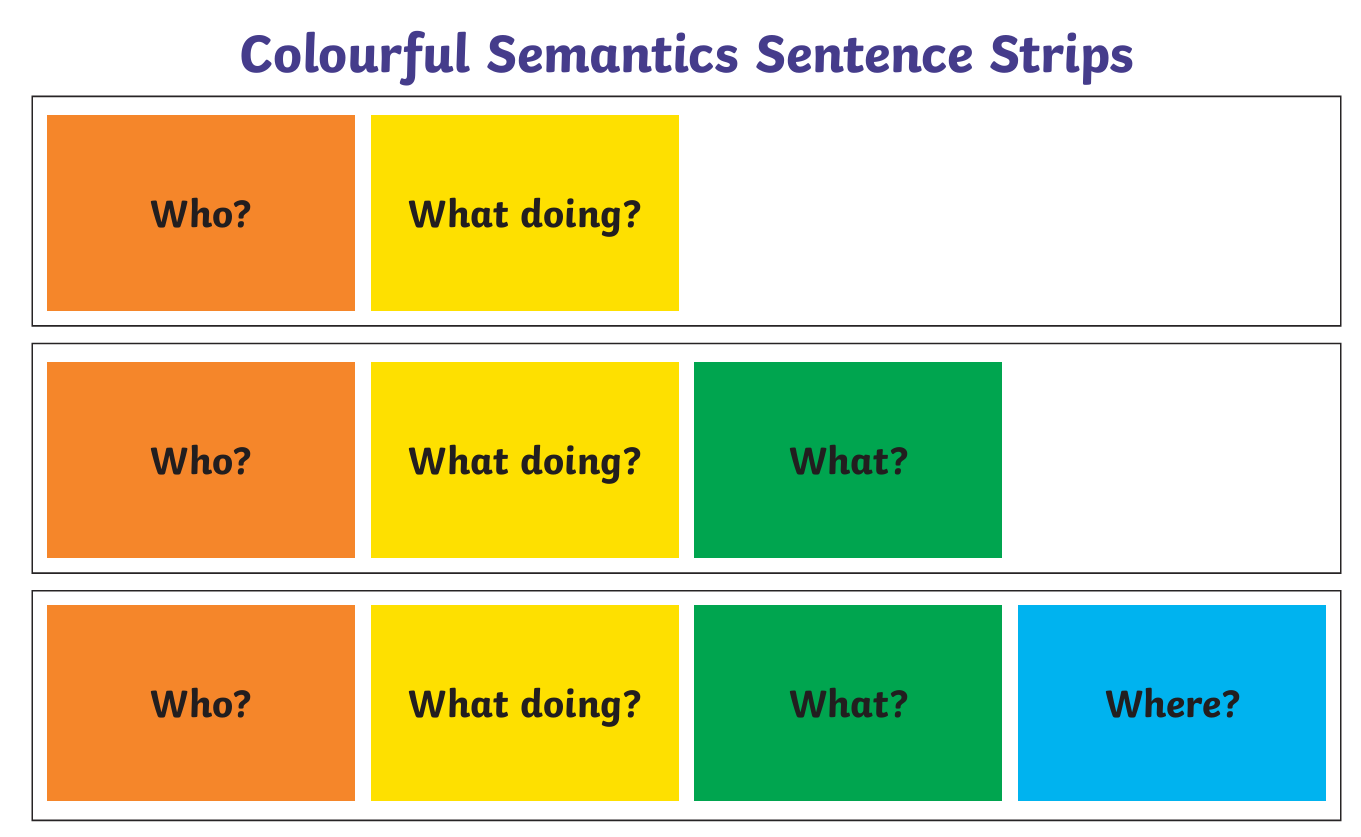
Use colourful semantics and your planning to write the first two paragraphs of your story.

22.09.26
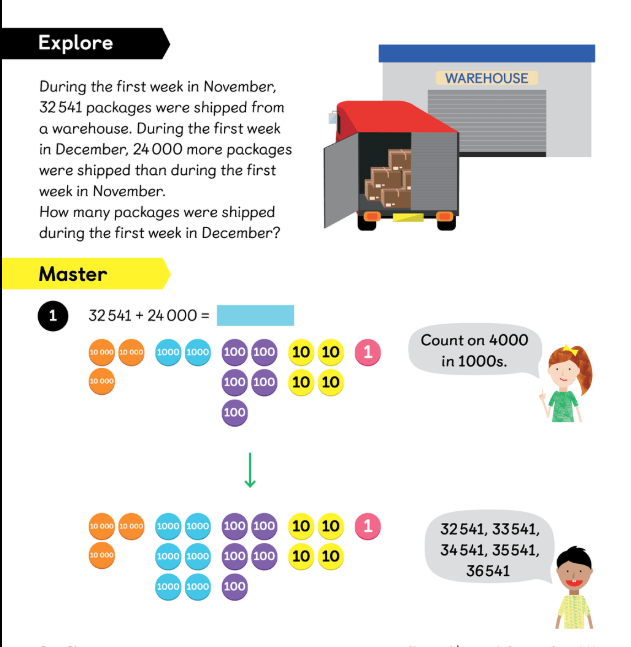
LC: To be able to add using the 'counting on' strategy with concrete materials and number lines.
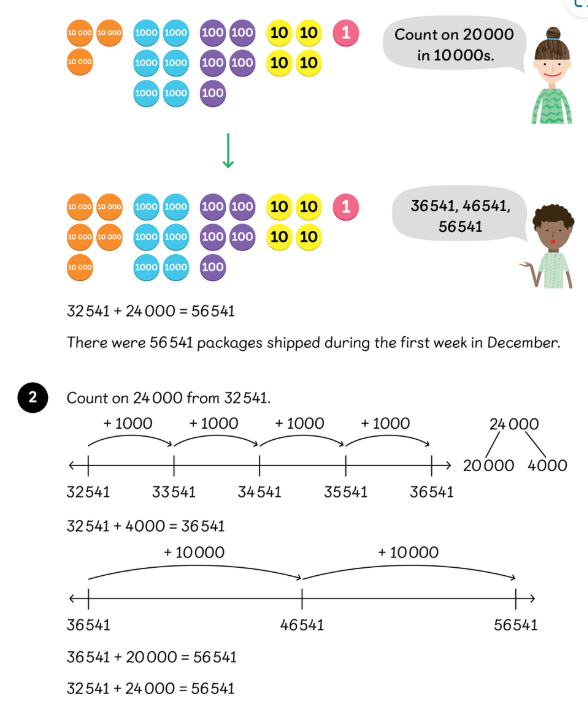
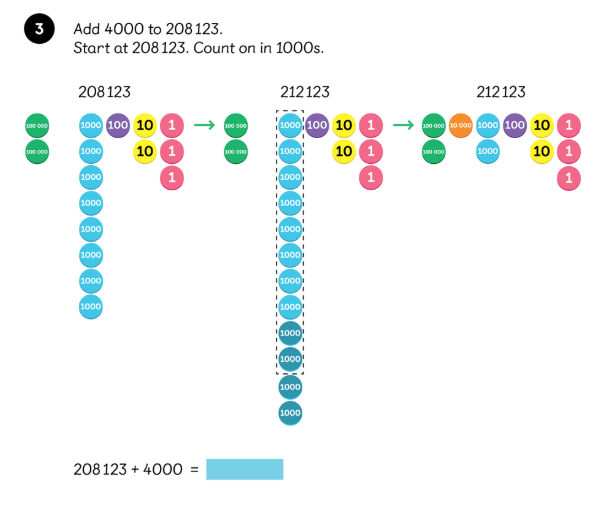
Adapted:
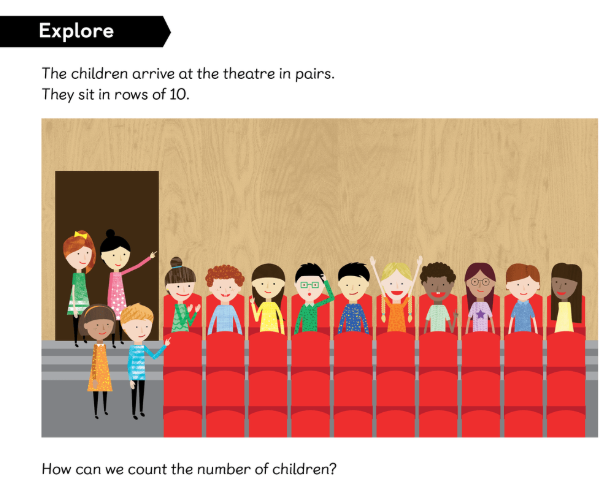
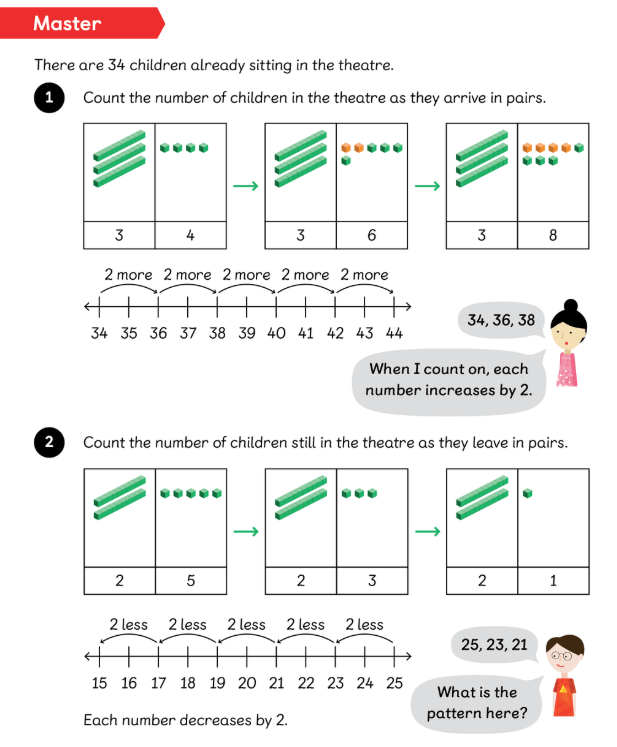
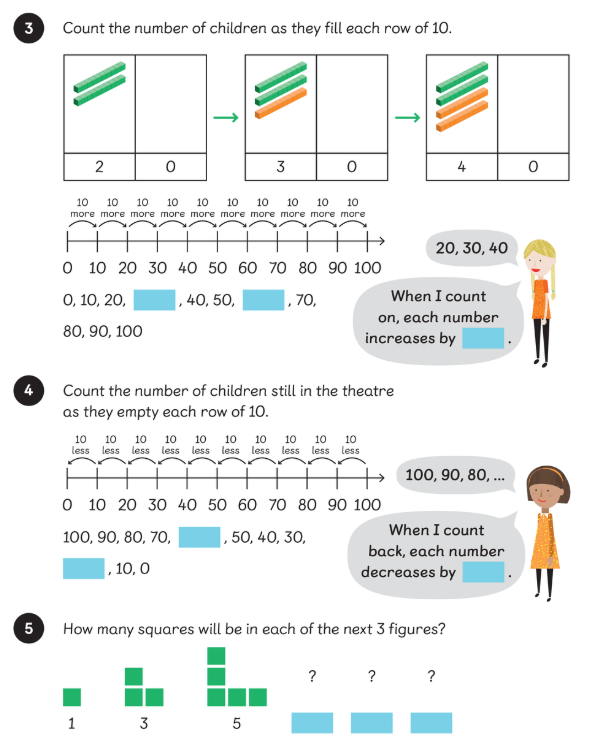
LC: To be able to count in steps of 2 and 10 from any number, forwards and backwards.
Wednesday 23rd September 2026
LC: To use Ancient Greek mythical creatures as a starting point to create an original digital image
The Greeks created many hybrid creatures, which is a mix of two different animals like the images below:
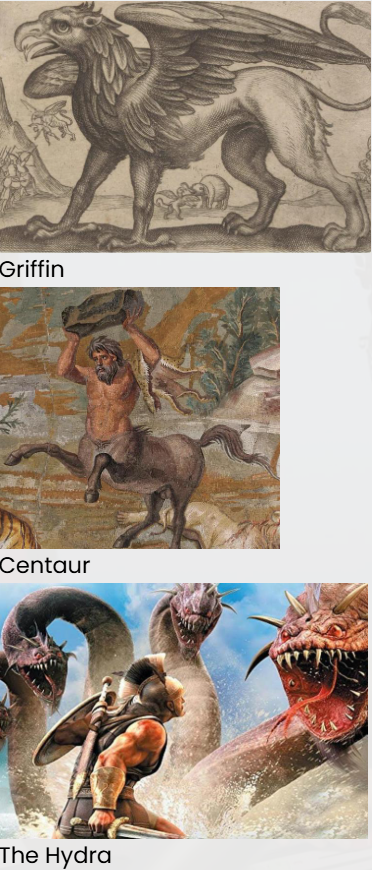
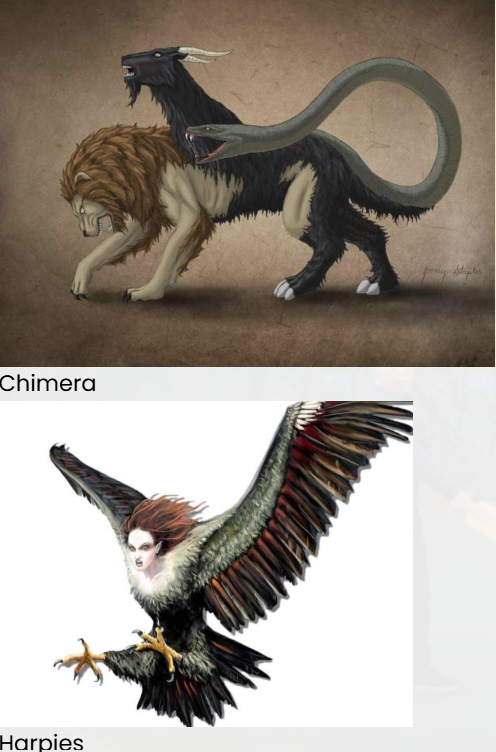
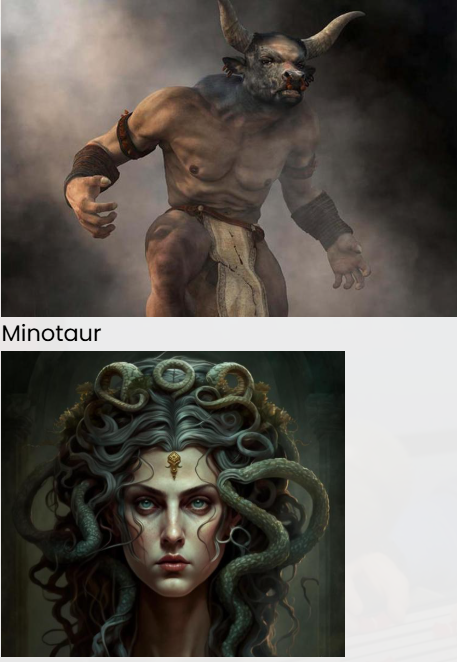
We are going to create our own mythical creature using these as inspiration.
Which two creatures are you going to put together to create a mythical creature?
Just like we did last week, we are going to focus on form, proportion, shading and texture when drawing our creature.
Today we will be using Sketchbook on our iPads to draw.
Use the pencil tool to lightly sketch out your creature.
Add in the smaller details.
Add in any texture to show skin, feathers, hair etc.
Add shading to create a 3D effect.
Wednesday 23rd September 2026
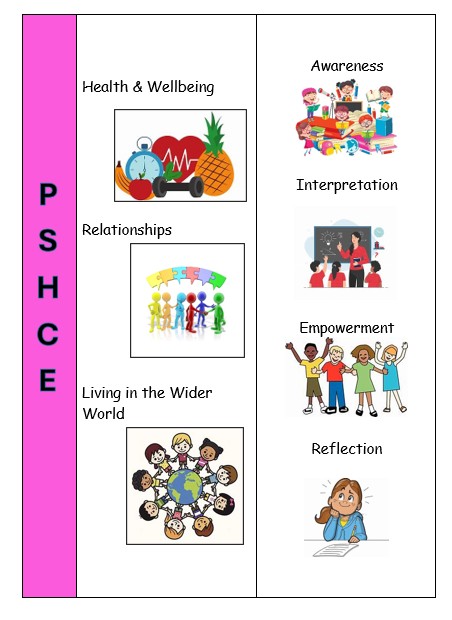
LC: To recognise and respect that there are different kinds of family structures.


Talk Partners
Look at the below images.
-
What do you notice?
-
What makes these families similar?
-
What makes them different?


Families may look different, but all families give love, care, and support.
Families can be made up of: parents, carers, step-parents, grandparents, siblings, cousins, or friends who are “like family.”
No one type of family is “better” than another.
Respecting differences helps everyone feel safe and valued.
Activity
Let's think about our own families.
Write a description of your family and sketch a picture.


Let's compare them all and see what is similar and what is different.
Although our families are different, we still treat others equally and with respect.
To Share Means Seeing Others as Important as Ourselves
Theme
Treating others the way we would like to be treated.
Learning Objective
To understand that sharing begins with recognising the value of others.
Introduction
Place one chair in the centre.
Ask:
- Who is the most important person in the room?
- Should everyone be treated with equal respect?
Explain that sharing starts when we understand that everyone matters.
Story
Tell a simple story about two children painting. One child keeps all the paints and brushes. The other cannot take part.
Eventually the first child shares the resources and together they create a better picture than either could have created alone.
Main Message
Sharing is not just about objects.
We can share:
- Time
- Attention
- Kind words
- Opportunities
- Resources
When we share, we are saying, "You matter just as much as I do."
Reflection Questions
- How can we show someone they are important?
- What happens when people are left out?
- How can we share our time and friendship?
UNCRC Links
- Article 2 – Every child has rights and should be treated fairly.
- Article 12 – Children have the right to express their views and be listened to.
British Values
Mutual Respect
Everyone deserves respect and kindness.
Democracy
Everyone's voice matters and should be heard.
Reflection/Prayer
"Help us to notice those who feel left out. May we treat others with fairness, kindness and respect."