


Wednesday 16th September
Morning work:
Add commas into the sentence where needed.
- After the rain stopped we went outside.
- Suddenly the door swung open.
- My brother who is eight loves football.
- Before breakfast I packed my school bag.
- The enormous hairy spider crawled across the wall.
Why is the comma needed?
RIC
After catching a giant boar for his fourth task, Hercules was told to clean the dirty stables of a huge herd of cattle. He dug large trenches that changed the route of two nearby rivers so that their water flowed through the stables and cleaned them.
Next, Hercules defeated a group of vicious birds that were destroying crops and villages. When he returned for his next task, he was asked to bring back an enormous bull that had been charging around a nearby island. When he arrived, he worked quickly to capture the bull and take it to King Eurystheus.
R - What was Hercules told to clean?
I - What do you predict will happen next? Find evidence in the text.
C - How many complex sentences can you find?
Wednesday 16th September 2026
LC: To notice if what I'm reading isn't making sense and have strategies to try to work out the meaning.
As they read, good readers check things make sense and notice when they have an understanding “breakdown”.
Good readers don’t just carry on when something doesn’t make sense!

Whole Class
What is wrong with the sentences below?
My sister has a small red bike with streamers on the handlebars. She enjoys riding her blue bike in the park.
Mr Smith had long, straggly hair and a beard that matched. As he stood supervising the children on the playground, he stroked his smooth chin.
Joey the budgie has blue feathers and a yellow beak. He has a bell and a mirror in his cage, but no toys Every day he plays with the small plastic ball.
Activity
Can you spot anything confusing in these short pieces of text?
Our bargain offer this week is buy three for the price of two. Why not purchase one of our useful notebooks and get another for free?
We read that...
Year 6 have PE every Tuesday. Sam always makes sure he has his PE uniform ready every Tuesday night ready to wear the next day.
We read that...
Bano always buys her friends a card and present for her friends when it is their birthday. She is a selfish girl.
We read that...
Adapted
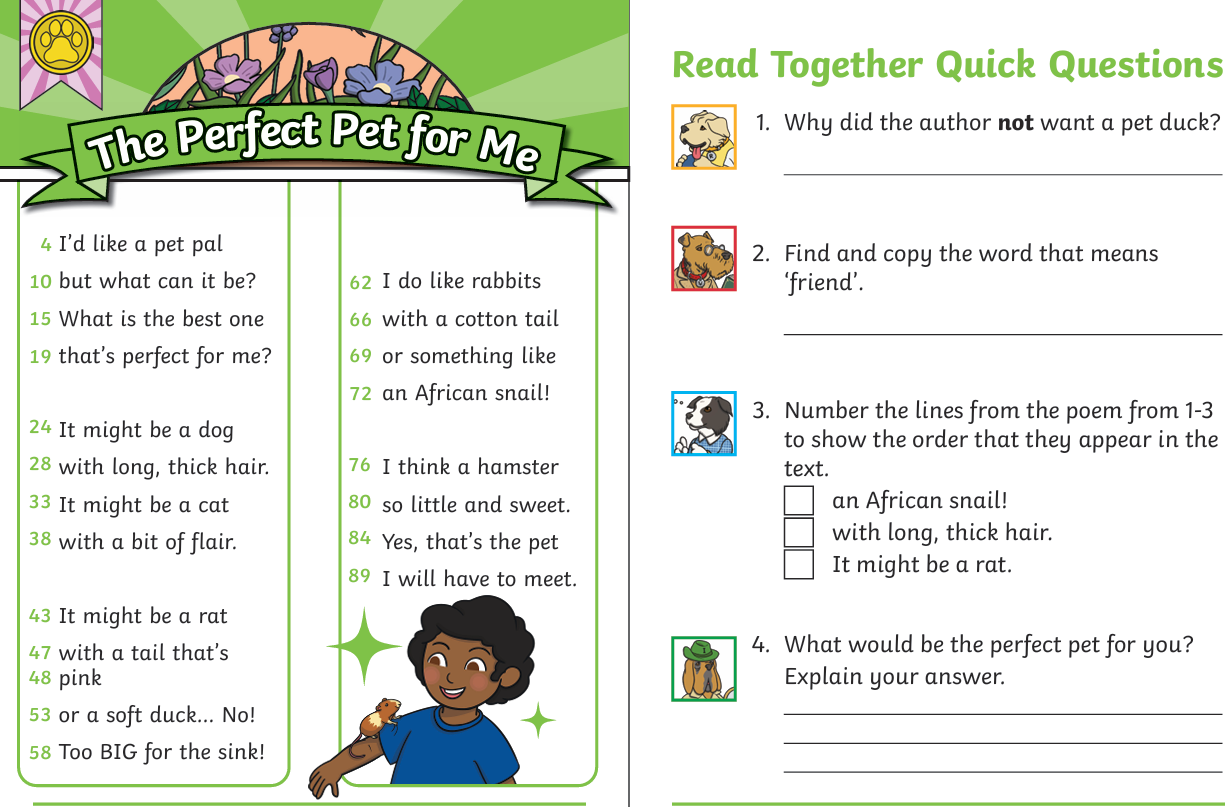
Wednesday 16th September 2026
LC: to identify the plot structure of a legend.
Grammar Warm Up
LC: to understand what a relative clause is


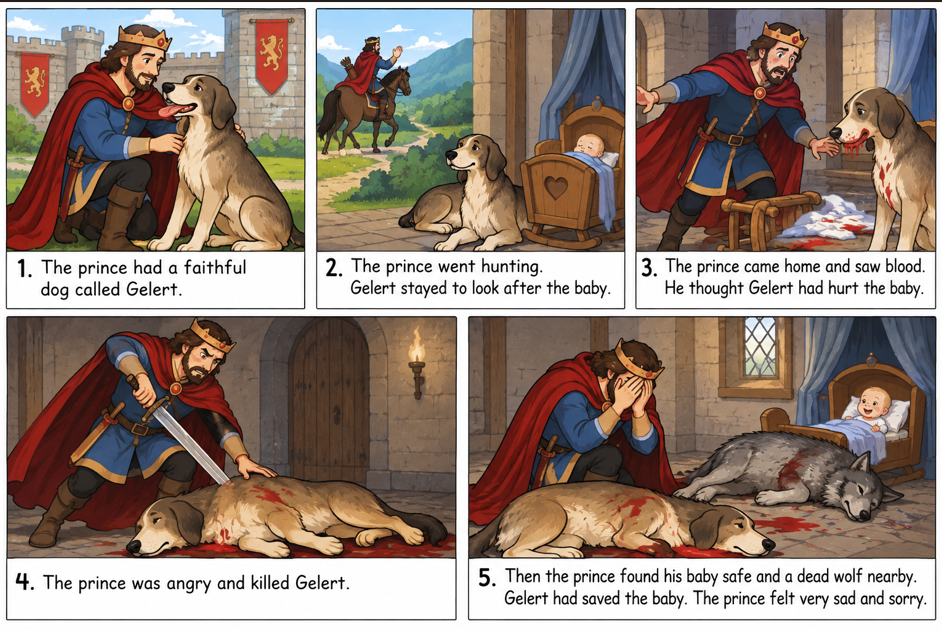
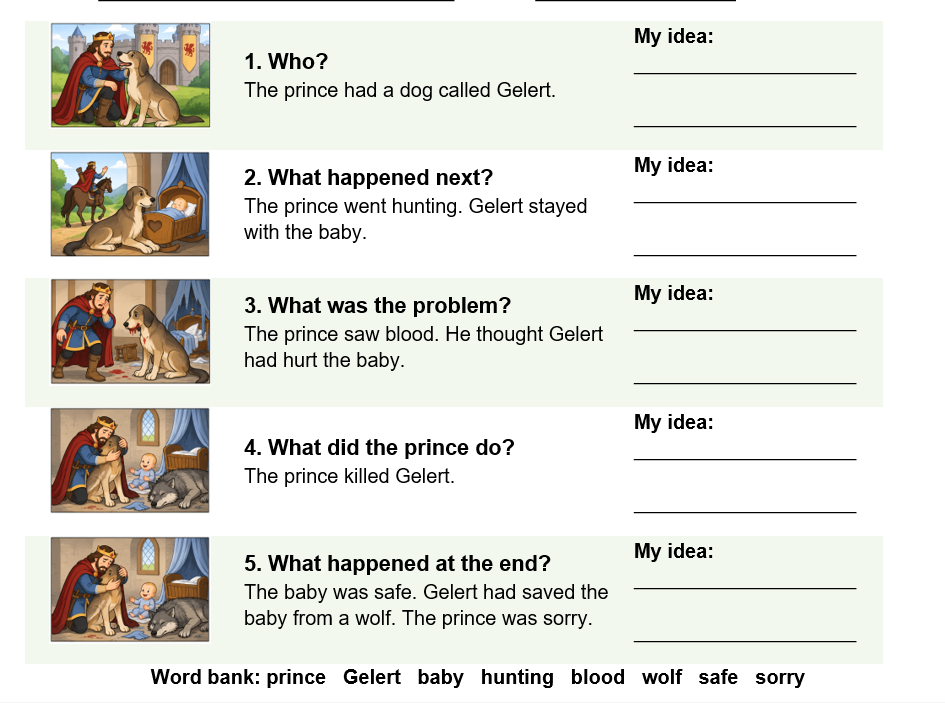
We are going to 'chunk' the plot of The Legend of Gelert.
Look at the sections of the original story.
What are the generic (general) events happening in each paragraph of the story?
Tell your talk partner.
We are going to complete the second column of the table below.

Adapted:
LC:
|
Plan for writing by saying aloud what they are going to write about. |
|
Orally rehearse each sentence prior to Writing. |
16.09.2026
LC: To be able to make and identify increasing number patterns using knowledge of place value.
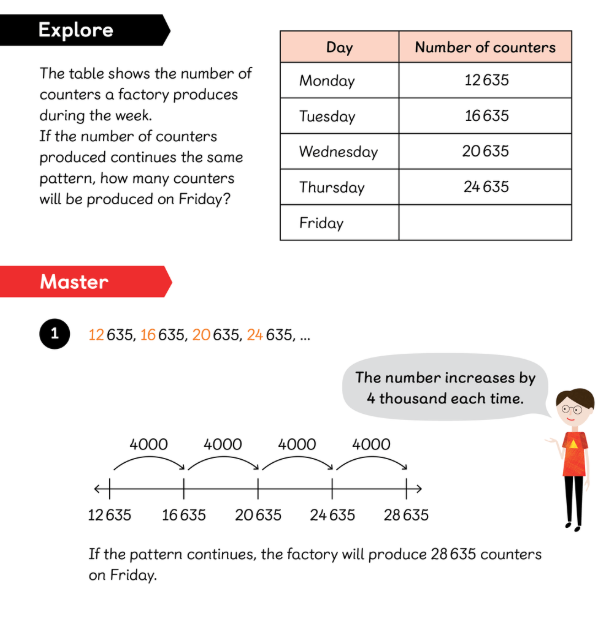
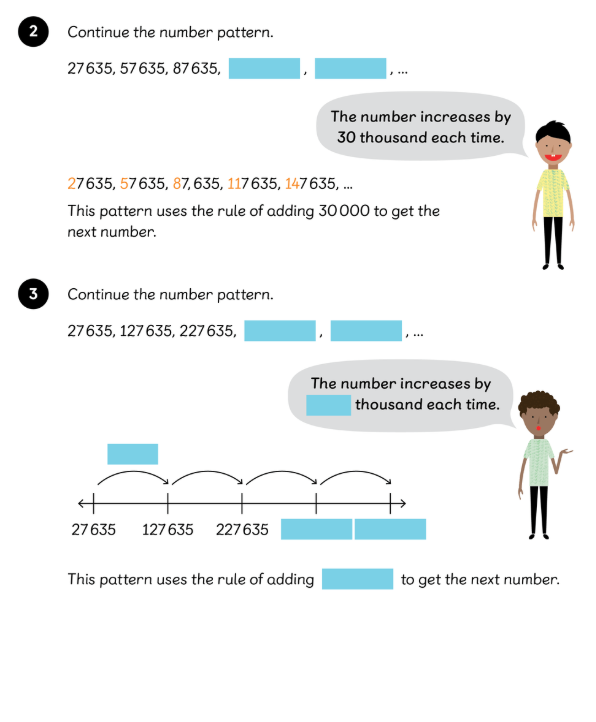
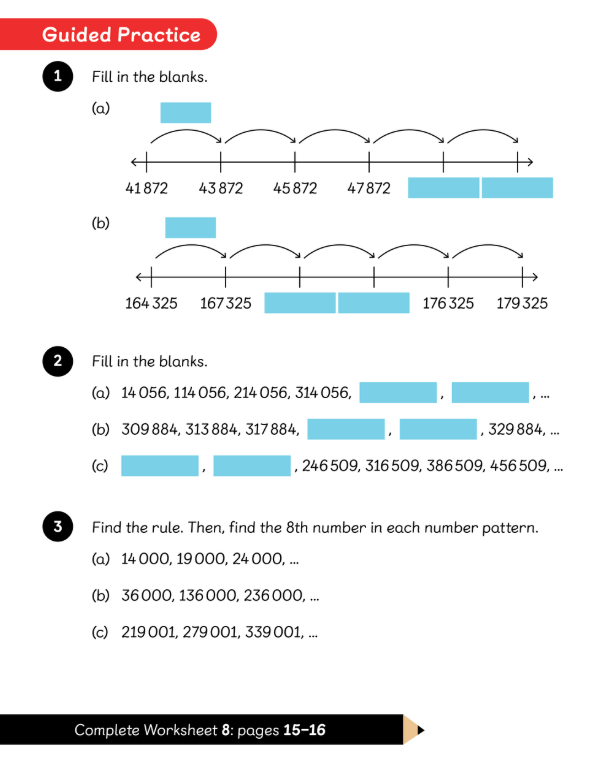
Adapted:
LC: To be able to know the place value of each digit in a 2-digit number.
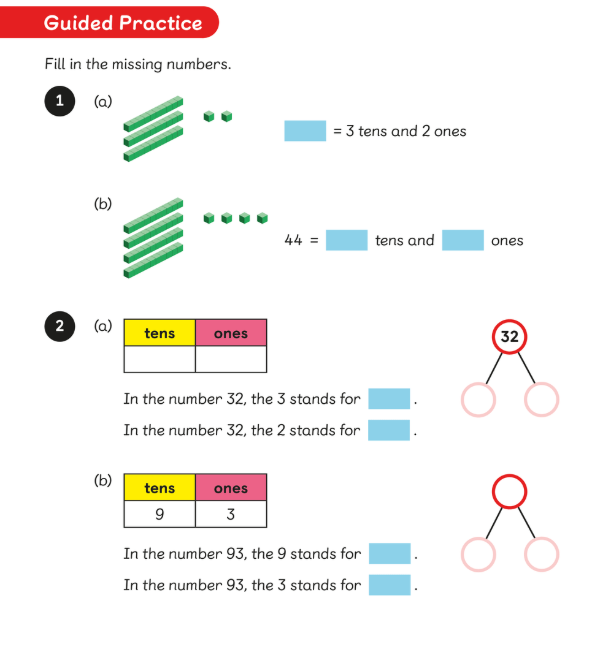
Wednesday 16th September
LC: To use proportion, shade, form and textural marks to draw Ancient Greek art from observation.
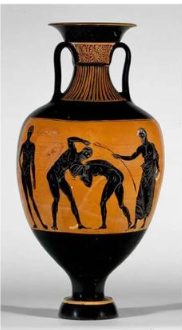
Look at this image of the vase and think about the following questions:
-
What shapes can you see?
-
Where is the widest part?
-
Where is the narrowest part?
-
Are both sides symmetrical?
-
Where are the darkest areas?
-
Where can you see patterns?
-
How have the artists shown people?
-
Does the vase look flat or three-dimensional?
To help us create our Greek art, we are going to focus on four key art skills:
- Proportion - the size of the different parts of the image.
- Form - is it flat or 3D?
- Shade - what shading technique has been used to make it look 3D?
- Texture - Any marks you might need to add to show any hair/skin/scales or feathers.
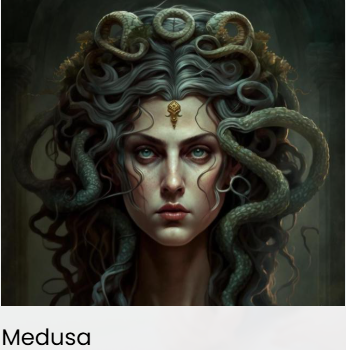
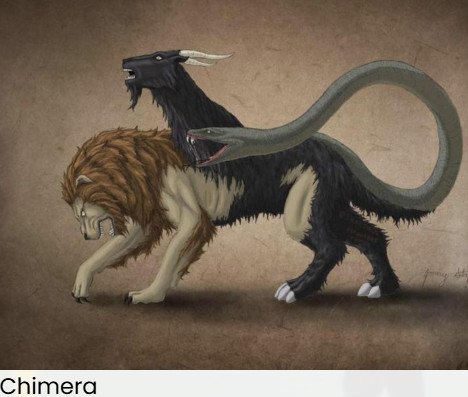
Choose from one of the mythical creatures below to draw.
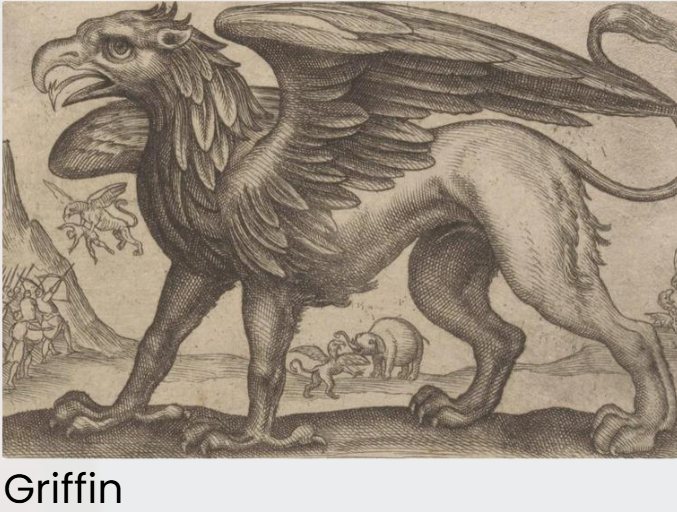
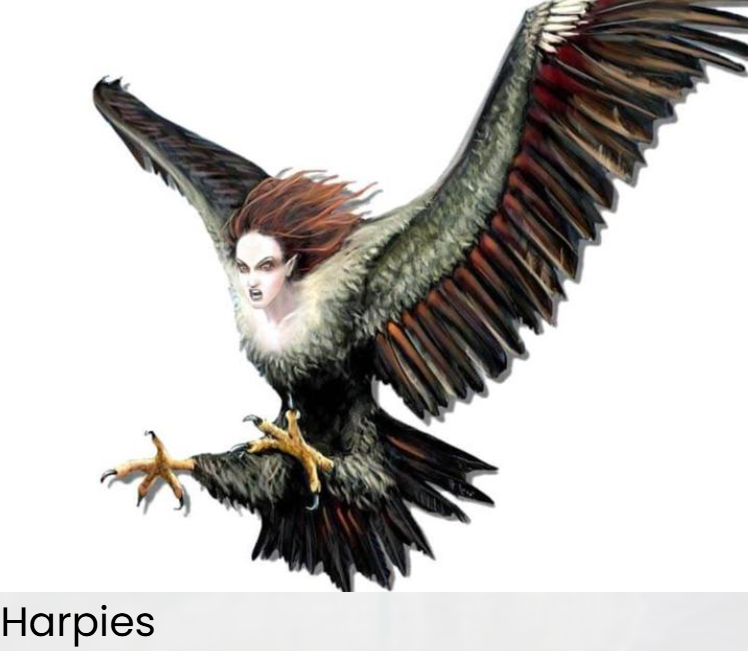
Before you draw:
Step 1: Observe the image closely.
Step 2 : On your paper, lightly draw a vertical line if your creature is long or a horizontal line if your creature is wide.
Step 3: Map out your proportions. From your line lightly mark the
- highest point of your creature
- lowest point
- widest part
- narrowest part
- any wings or extra features
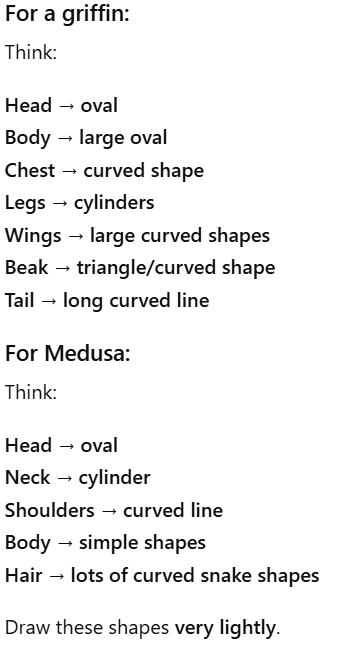 Step 5: Turn your shapes 3D.
You can do this by adding in curved lines.
Decide where the light is going to shine on your creature and gradually start shading to show the darker areas on your creature.
Step 6: Add in the smaller details.
Add in eyes, beak, claws, feathers, fur, wings, tail, muscular legs, snakes.
Wednesday 16th September 2026
LC: Recognise the importance of self-respect.
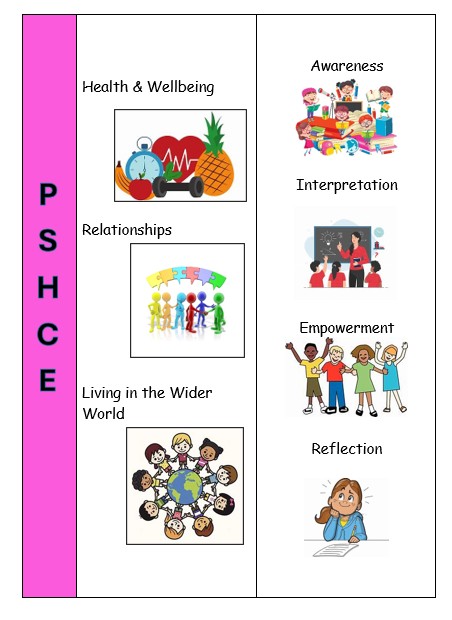

We have been talking and learning about respect and all the different ways to show respect for others.
Today we will learn about a different type of respect, called self-respect. What does this mean?
There are two big ideas under the term self-respect: taking care of yourself and believing in yourself.
What would fall under the idea of taking care of yourself?
 What would fall under the idea of taking care of yourself?
 What would be considered believing in yourself?
Activity
In groups of two write down how we can take care of ourselves and how we can believe in ourselves.
Brain template - believe in ourselves
Body template - take care of ourselves

Why Is It Hard to Say Sorry?
Theme: Courage and responsibility
British Values: Individual liberty; rule of law; mutual respect
UNCRC: Articles 12 and 19
Opening thought:
Which takes more courage: admitting that you made a mistake or pretending that you didn't?
Sometimes “sorry” can feel like one of the hardest words to say.
Perhaps we're embarrassed. Perhaps we're worried about getting into trouble. We might think, But they started it! Sometimes our pride gets in the way, or we try to explain our behaviour instead of taking responsibility for it.
Imagine two friends argue during a game. One says something deliberately hurtful. Afterwards, they think, I shouldn't have said that, but if I apologise, they'll think they've won.
Is apologising really about winning and losing?
Actually, admitting a mistake can show strength. It takes courage to say: I made the wrong choice. I hurt you. I'm sorry.
We can disagree about what happened while still taking responsibility for our own actions.
Reflection:
Think about these questions: What sometimes stops me from apologising? Am I worried about being wrong? Am I embarrassed? Am I waiting for the other person to apologise first?
Take-away:
Being brave doesn't mean never getting things wrong. Sometimes bravery means admitting when we have.
British Values link: Individual liberty means being able to make our own choices, while the rule of law reminds us that choices have consequences. Mutual respect means taking responsibility when our choices affect someone else.
UNCRC link: Children have the right to express their views, but everyone also has the right to feel safe. We can use our voices honestly without using them to hurt others.