


Thursday 17th September 2026
Morning work:
Add inverted commas (speech marks) into the sentences to show when someone is speaking. Also add in comma, question mark or exclamation mark where needed.
- What are you doing asked Jack.
- I can't find my pencil said Amira.
- Stop shouted Dad.
- I'll meet you at lunchtime replied Tom.
- Where is the library asked Mrs Smith.

Thursday 17th September 2026
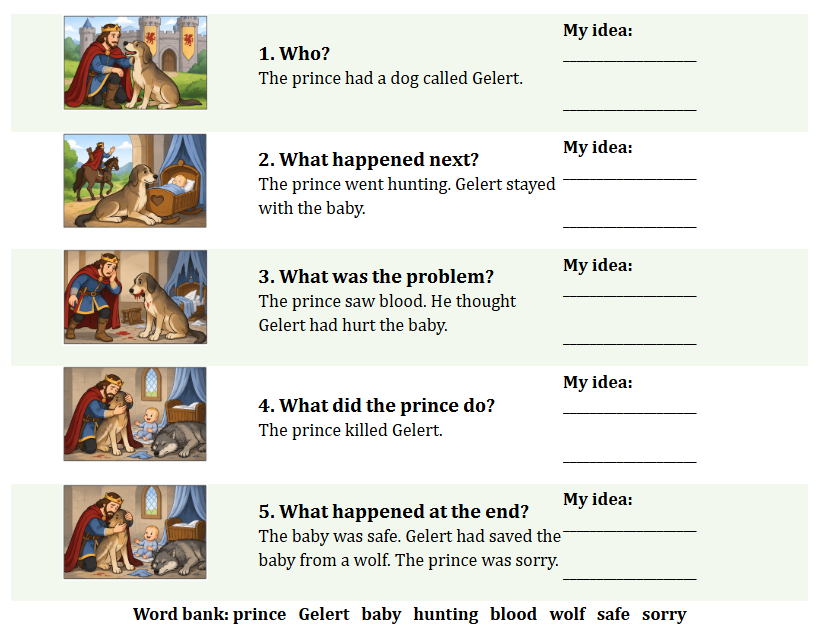
LC: To note and develop ideas for planning.
Grammar Warm Up
LC: to create complex sentences with a relative clause for 'who'


Your legend must have:
A main character 
A loyal companion

A precious object to be protected

A punishment for the loyal companion 
An ending to the story
a) Choose one from each box.
b) Make sure your choices fit together.
c) Write a paragraph to summarise what will happen in your story.
My story will be about Princess Maddox who lives in her palace with her loyal sheepdog, Geffin.


Adapted:
LC: To plan a narrative.
17.09.2026
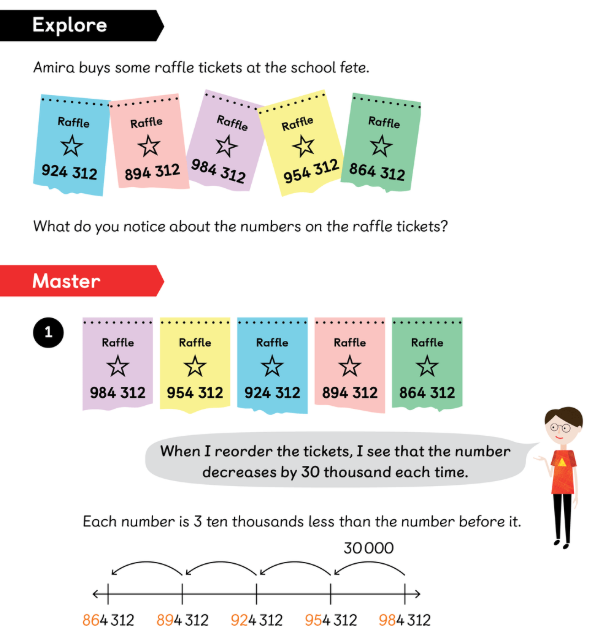
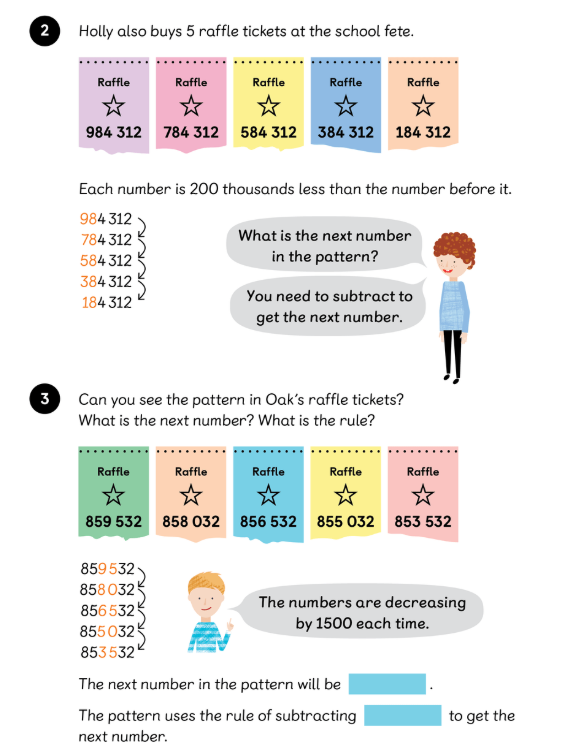
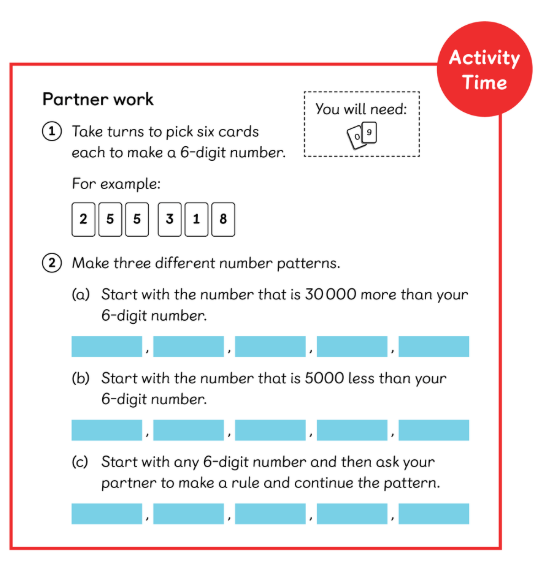
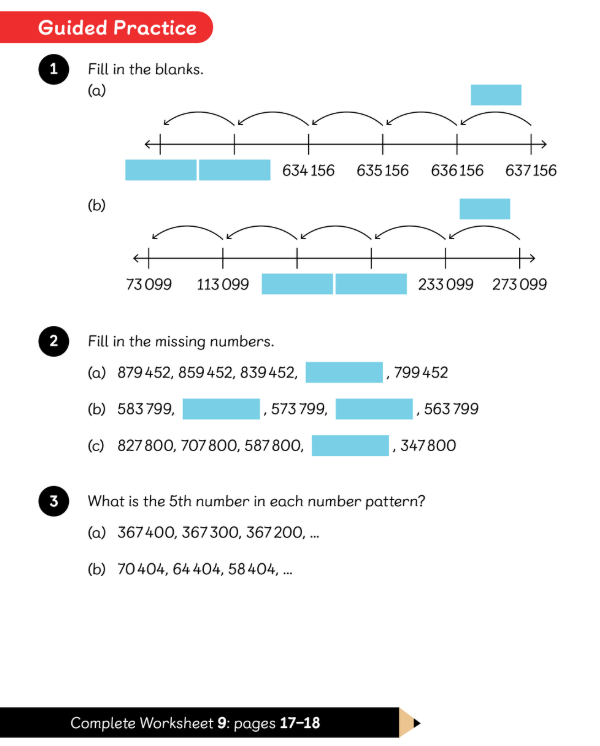
LC: To be able to make number patterns that decrease in multiples of 10 000 or 100 000.
Adapted:
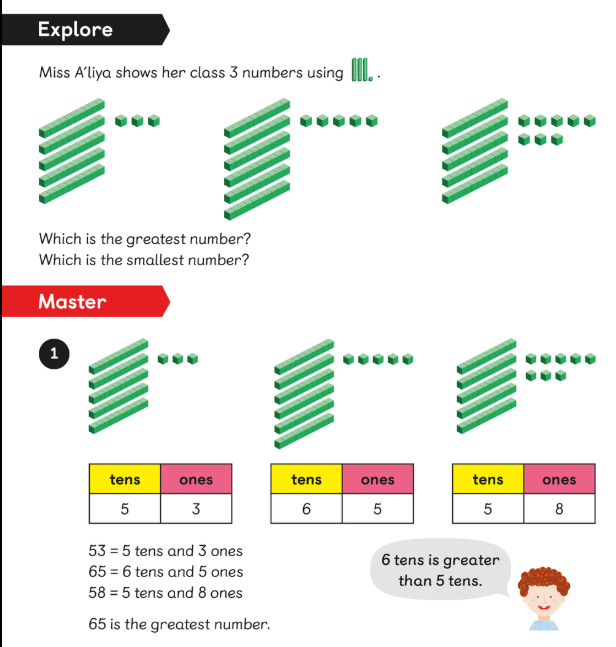
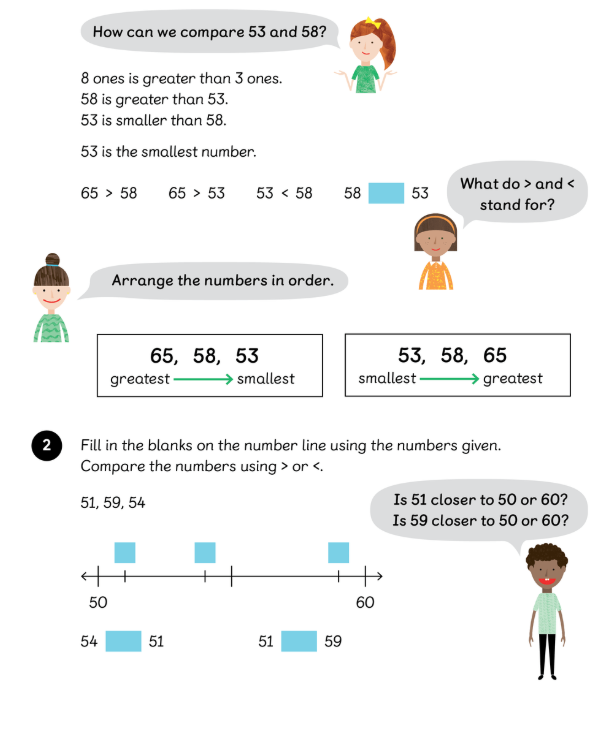
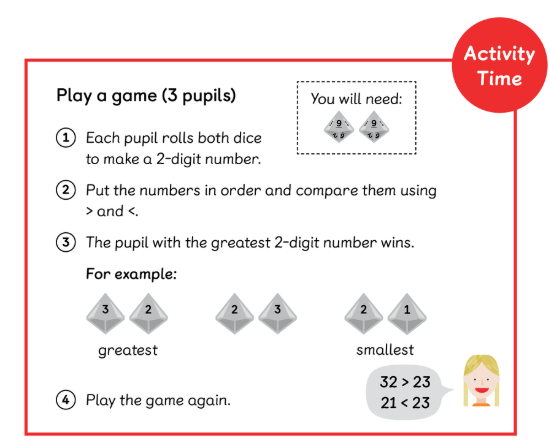
LC: To be able to compare numbers from 0 to 100 using > and < signs.
Why Is It Good to Say Sorry?
Theme: Repairing relationships
British Values: Mutual respect; democracy
UNCRC: Articles 12, 15 and 19 – being heard, meeting with others, and being protected from harm
Opening thought:
Imagine that a friendship is like a piece of string connecting two people. An unkind action can put a knot in that string. What might help to untangle it?
A sincere apology cannot make something disappear. If we hurt someone's feelings, saying sorry doesn't magically make those feelings go away.
But an apology can be the beginning of repairing the harm.
When we apologise properly, we're saying: I recognise what happened. Your feelings matter to me. I want to make things better.
That can help rebuild trust.
There is an important difference between:
“Sorry you got upset.”
and
“I'm sorry I said that. It was unkind, and I understand why it upset you.”
The second apology takes responsibility.
Reflection:
Imagine someone gives you a genuine apology. What might you need from them afterwards? Perhaps changed behaviour, some space, honesty or an attempt to put things right.
Now consider: When I apologise, do my actions afterwards show that I mean it?
Take-away:
Sorry is important, but changed behaviour gives an apology meaning.
British Values link: Mutual respect helps communities work through disagreements. Democracy also depends on people listening to different viewpoints and finding fair ways forward.
UNCRC link: Children have the right to be heard and to have safe relationships with others. Good apologies help create a community where people's feelings and voices are taken seriously.