



Wednesday 10th June 2026
Wednesday 10th June 2026
Retrieve and record information from a fiction text.
Quickfire questions (RIC)
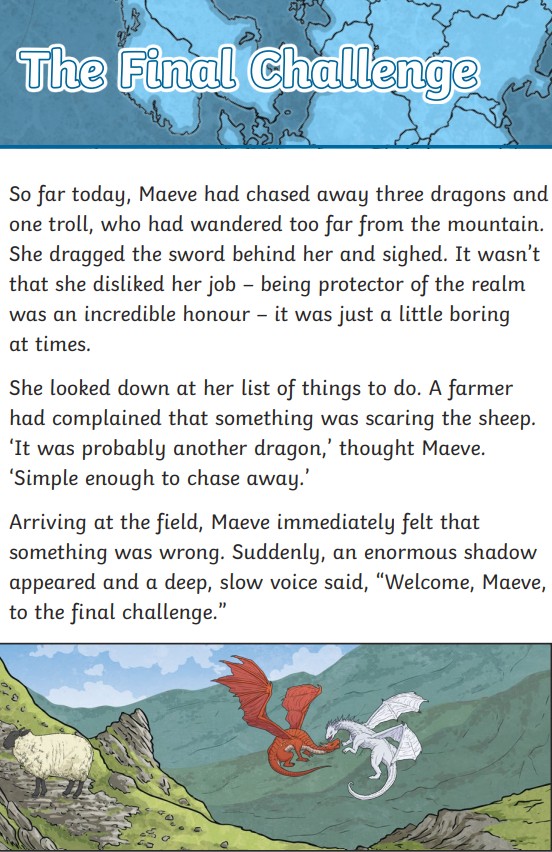
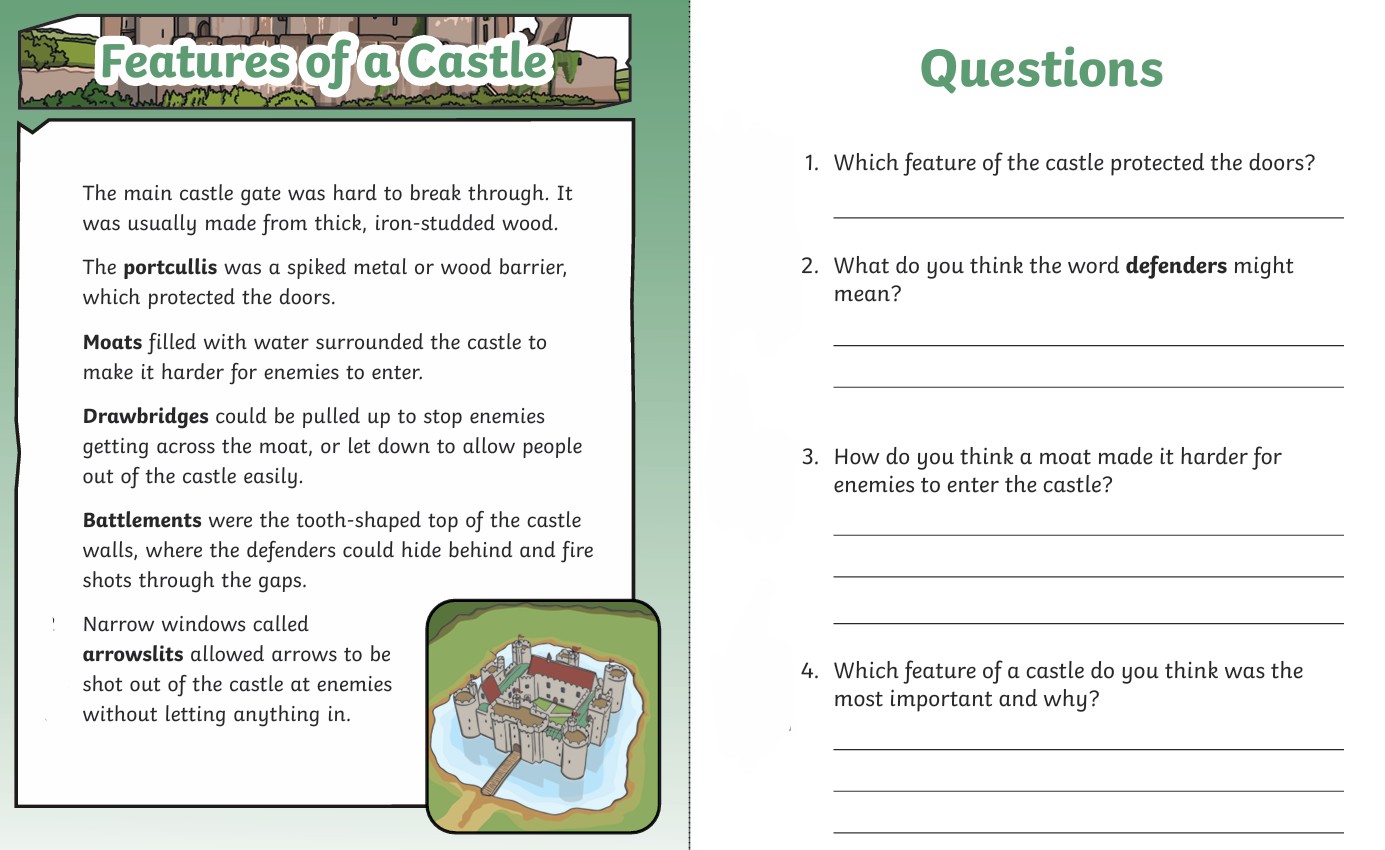
R What is Maeve’s job?
I How do you think Maeve gets rid of dragons and trolls?
C What effect do the words 'deep, slow voice' have on the reader?
Stig of the Dump
Retrieval
What skills do we use to find information that is stated in a text?
Let's apply these skills.
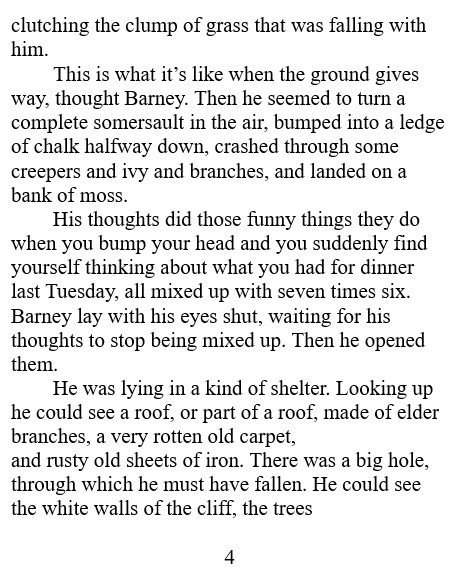
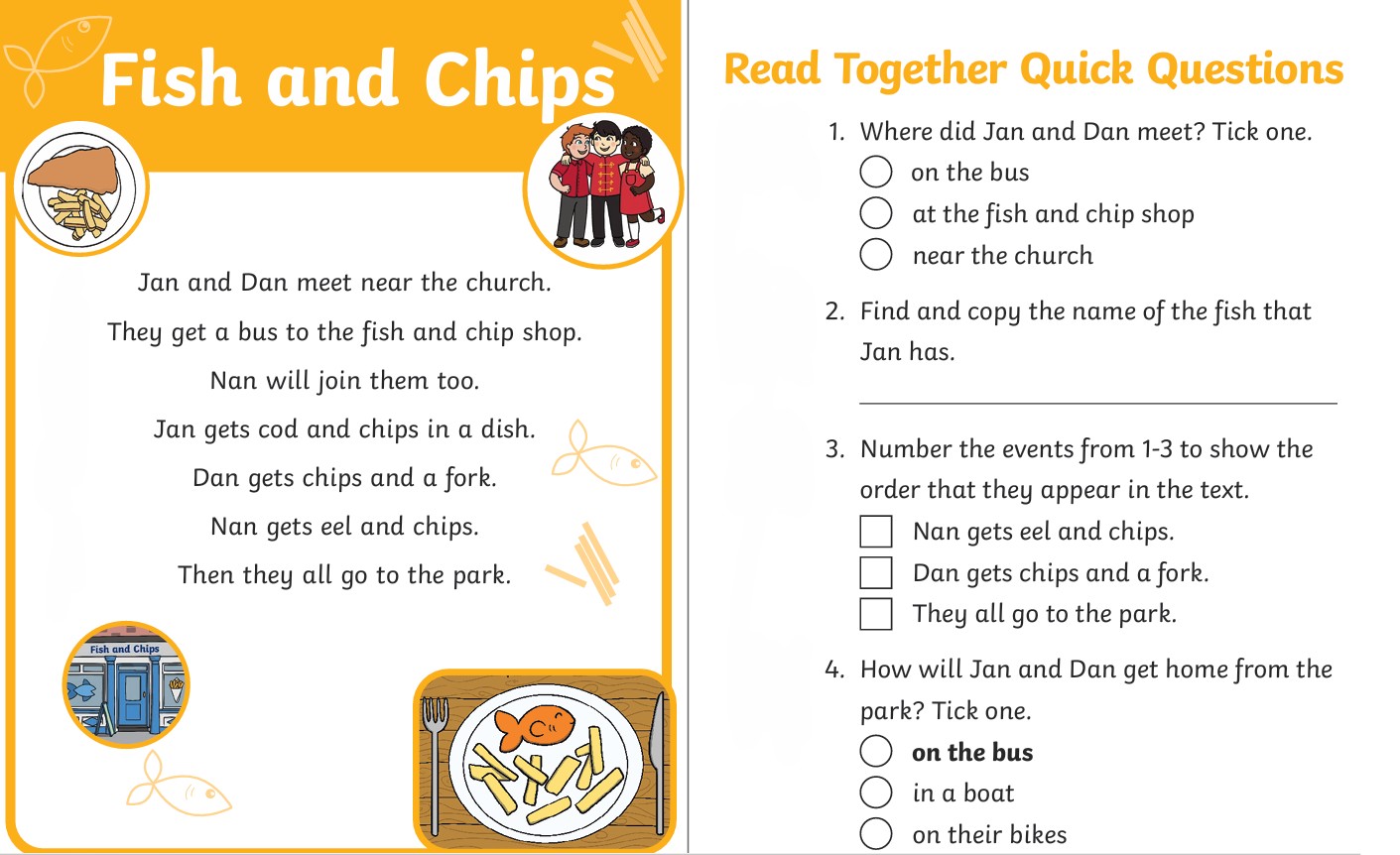
Where did Barney land when he stopped falling?
_________________________________
__________________________________
__________________________________
What did he see when he opened his eyes?
__________________________________
__________________________________
__________________________________
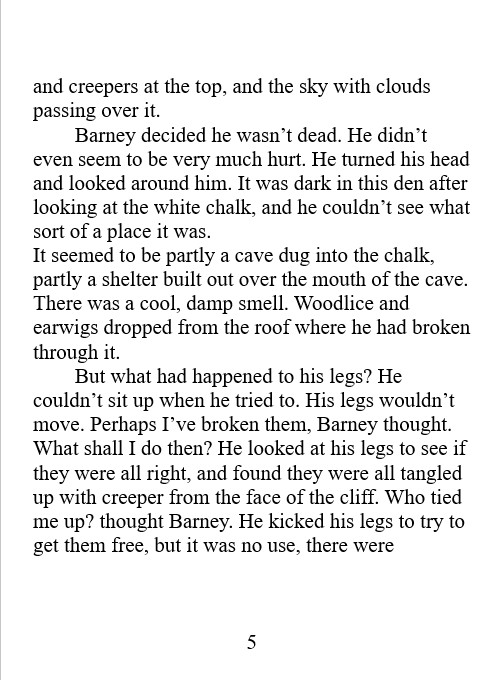 Why couldn't he see what kind of place it was?
__________________________________
__________________________________
__________________________________
__________________________________
Your turn:
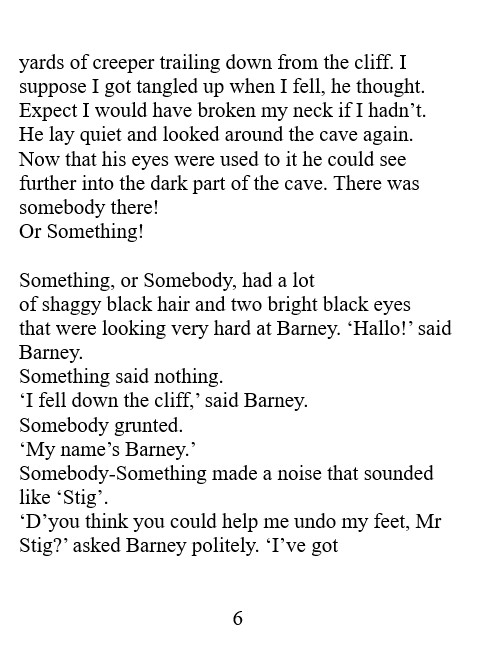
Why couldn't Barney move his legs?
What did the Something or Somebody look like?
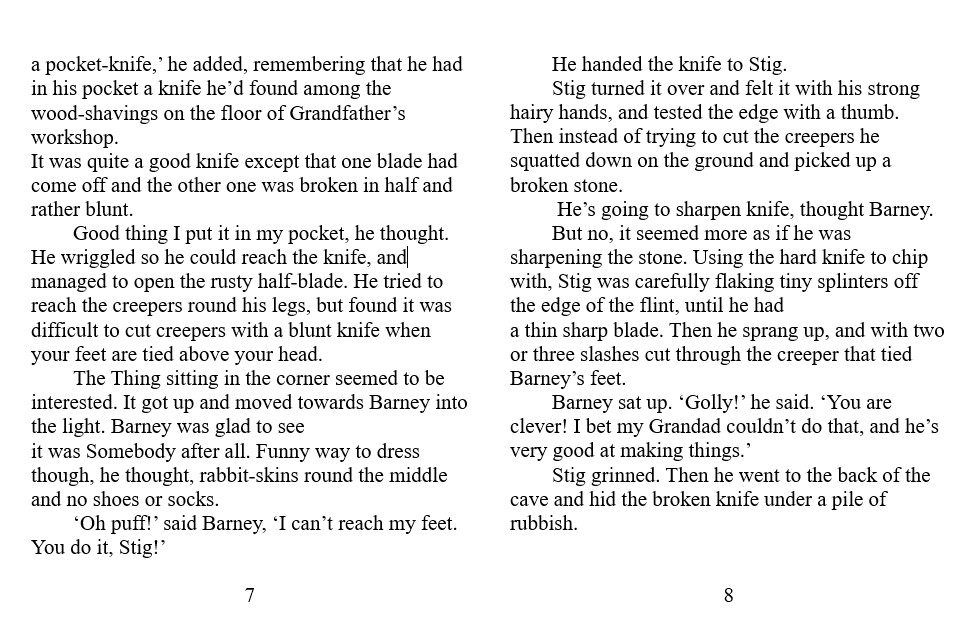
Where had Barney found the pocket knife?
How was The Thing dressed?
What did Stig do with the knife first?
What did Stig do with the knife next?
Adapted 1
Adapted 2
Wednesday 10th June 2026
LC: To discuss and record ideas for writing a transcript.
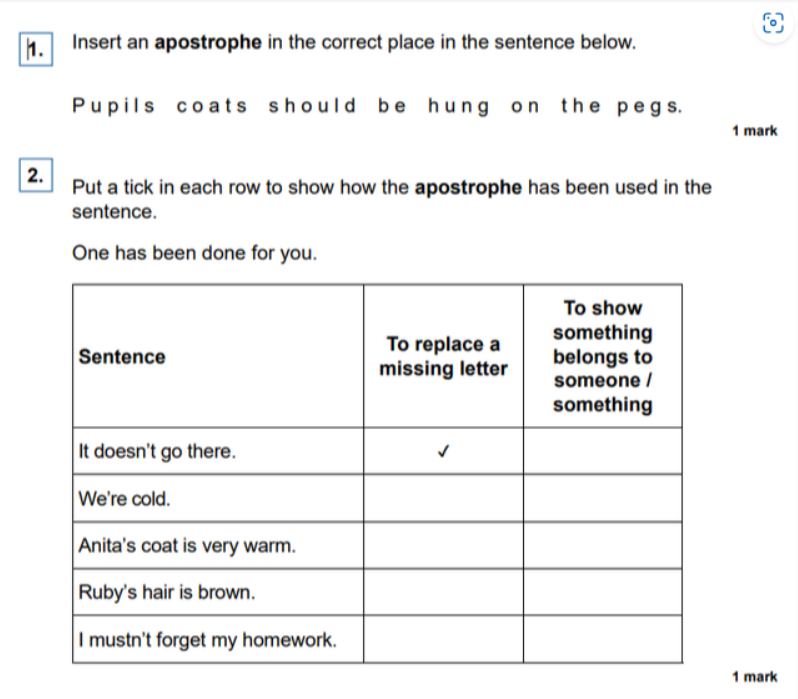
Grammar
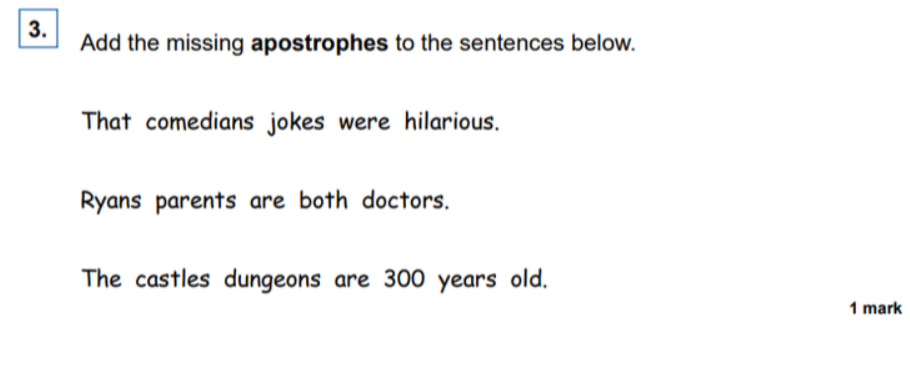
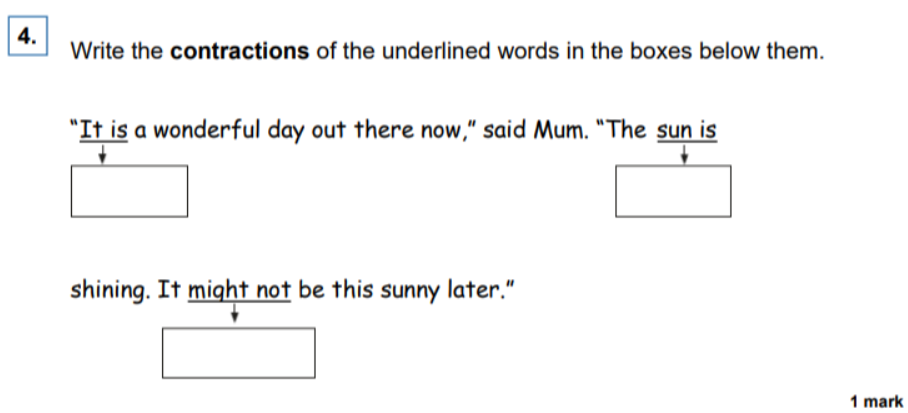
Teacher model: Whole class plan.
news report transcript plan 1 .pdf
What can we call the cat?
Cat names: Dexter, Fudge, Willow, Casper.
Objects the cat could steal:
Socks
Jewellery
Hats
Books
Shoes
Keys
Kitchen utensils
Your task: Using the whole class model plan your own transcript using the sheet provided. Remember to provide as much detail as possible, this will help you with your independent write.
Adapted:
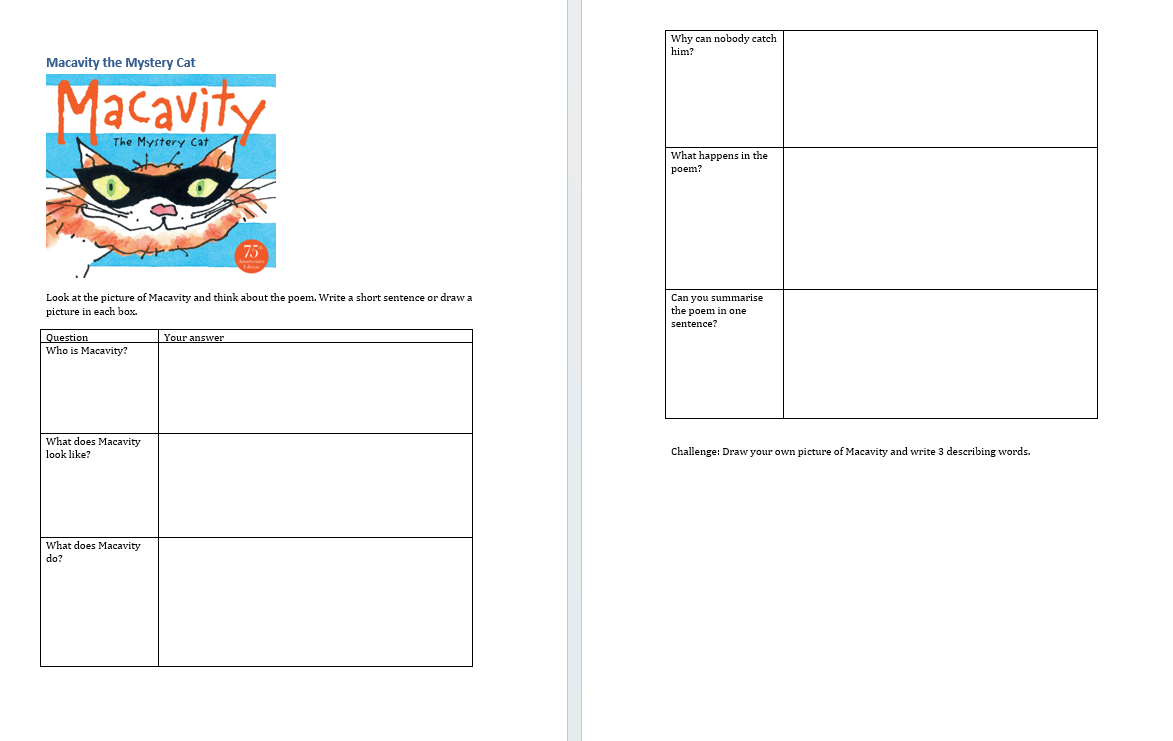
10.06.25
LC: To be able to use knowledge of Roman numerals to solve problems.
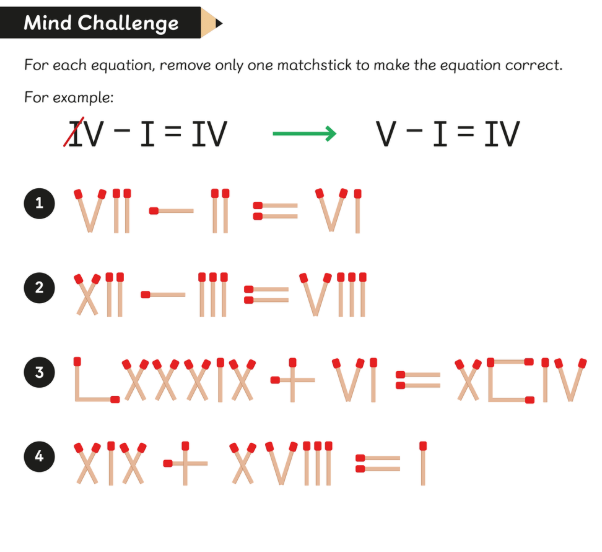
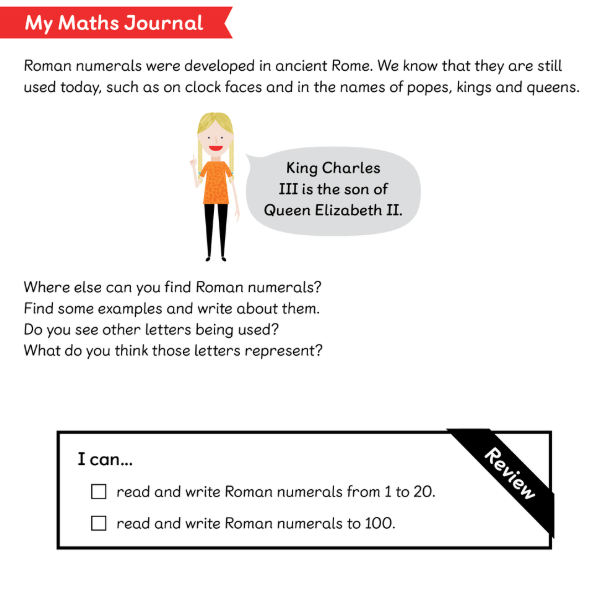
Adapted
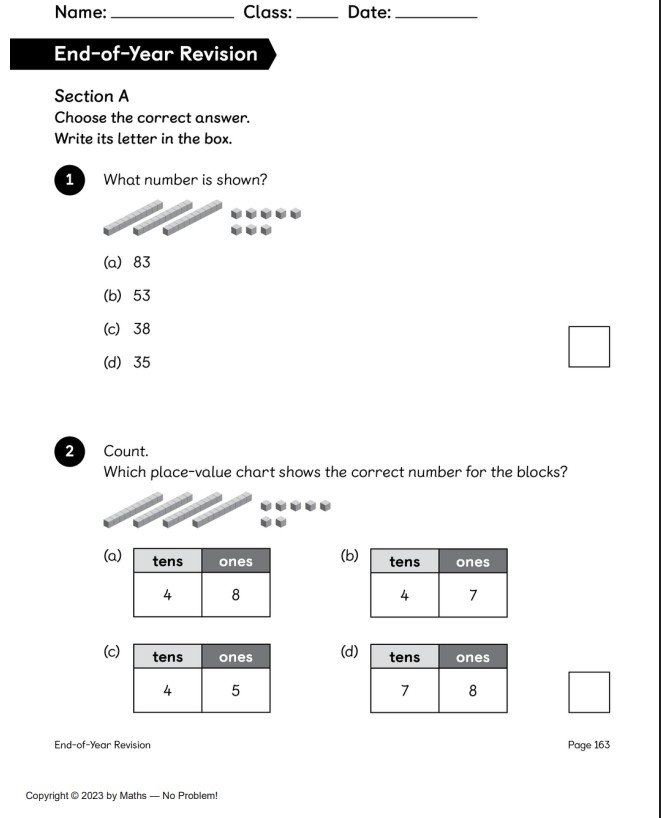
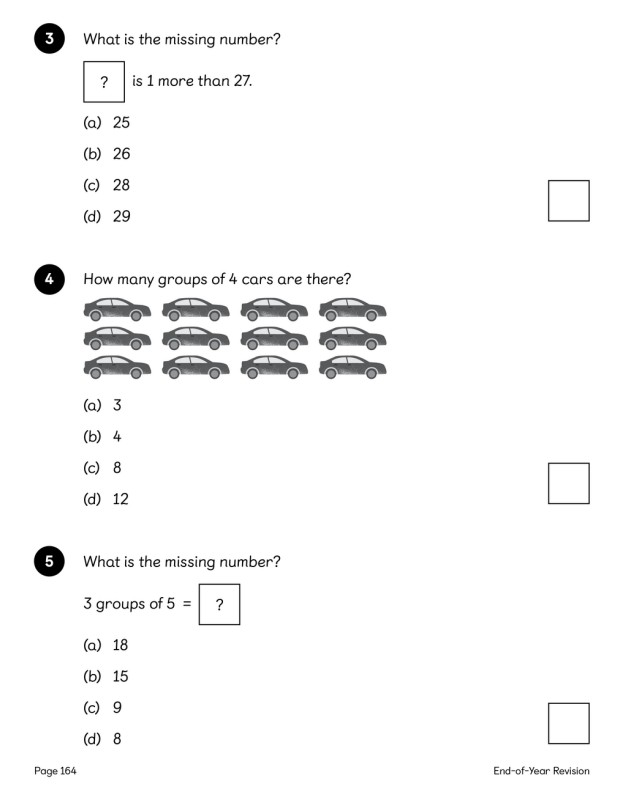
Review
accident business exercise favourite
knowledge medicine particular separate
strength although
Use any of the sticky word strategies to practise spelling these words.
Learning
Focus: Check spelling and meaning in a dictionary with a focus on Y4 Statutory Words.
My turn
Remind me how to use a dictionary.
Remind me how to locate the word recent in the dictionary:
Listen to the definition. What are the word class and example sentences provided?
Here are two sentences applying the word.
In a recent history lesson, we learned facts about Ancient Egypt.
The theme of our recent school assembly was antibullying.
I will write the word recent three times to help my brain and my hand remember how to spell it.
Your turn:
Locate the word remember in the dictionary.
What is the importance of the first, second and third letter in helping locate a word in the dictionary.
Share definitions and any example sentences provided.
Write the word remember three times.
Practise and Apply
Fastest Finger First
Using individual copies of a dictionary, who can be the first to find the definition of the Y4 Statutory Words:
important
favourite
probably
Use the Sticky Word Strategy Read, Turn, Write, Check to practise spelling the words
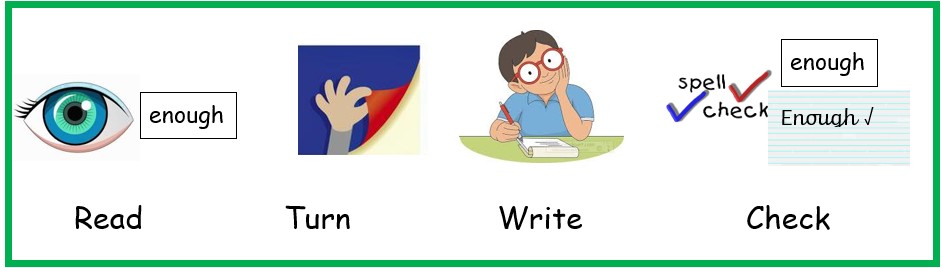
Can you apply the words in sentences, both orally and in writing?
Wednesday 10th June 2026
LC- To understand how sound is made.
LC- To understand how sound travels to the ear.
You are all going to get an elastic band. We know you are all going to play with it but watch what happens when you play with it.
Now, let's focus.
Put the band around your fingers like this.

Pluck the band. Your teacher will show you how. Do you notice anything?
Now instead of you finger, put the band around some card. Pluck the band again. What do you notice?
Experiment a little. Can you make a tune? We will take pictures of you for our wall.
Now, in pairs, flick a ruler on the end of the table. The picture below shows you how. Don't flick too hard, we don't want to break the ruler. What do you notice. Move the ruler backwards and forwards. What do you notice now?

Talk to the people around you about what happened and how you think sound is made.
Who is brave enough to share their ideas with the class?
We will now watch the following video. Listen carefully. How accurate were your explanations?
As a class, we will now watch a few videos to see if we can learn more about how sounds are made.
How Do We Hear?
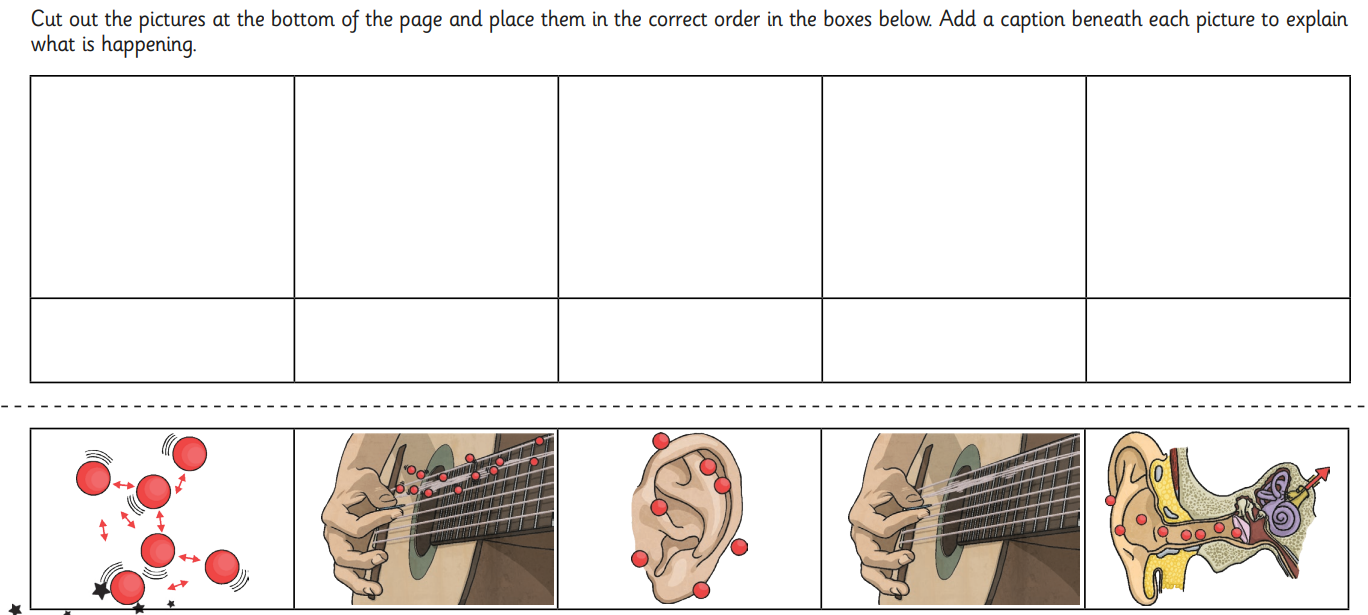
Sounds are made when objects vibrate.
The vibration makes the air around the object vibrate and the air vibrations enter your ear - you hear them as sounds.
You cannot always see the vibrations, but if something is making a sound, some part of it is always vibrating.
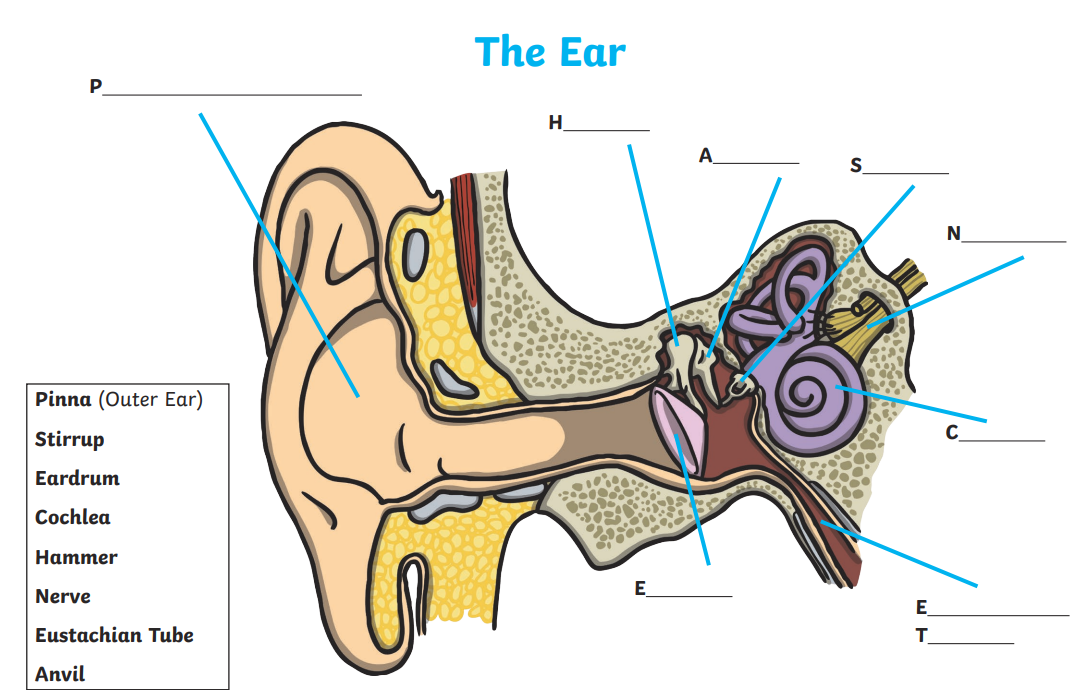
Sound waves travel through the air down the ear to the ear drum. When the vibrations hit the ear drum, this sends a message to the brain that changes the vibrations into sounds.
Now, let's have a go at labelling the ear.
Your turn.
Draw lines to label the ear and explain how sound is made and travels to the ear.
Task 2:
Eco Activity:
Create an advertisement for a healthy snack or drink.