



Quick fire questions (RIC)
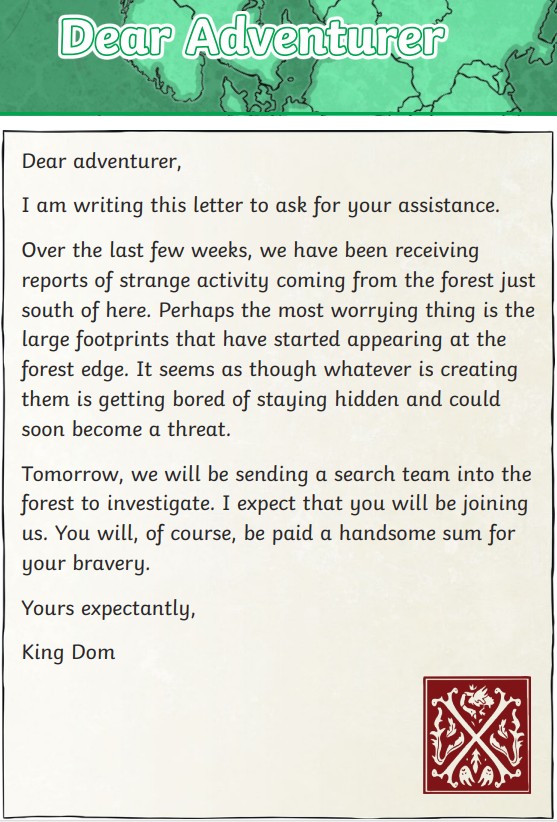
R In which direction is the forest?
I What do you think will happen tomorrow? (What is your evidence?)
C Find and copy one word which means the same as ‘help’.
Friday 5th June 2026
LC: Predict what might happen from details stated and implied.
Our focus text in reading lessons for this half term is Stig of the Dump, by Clive King.
Retrieval practice:
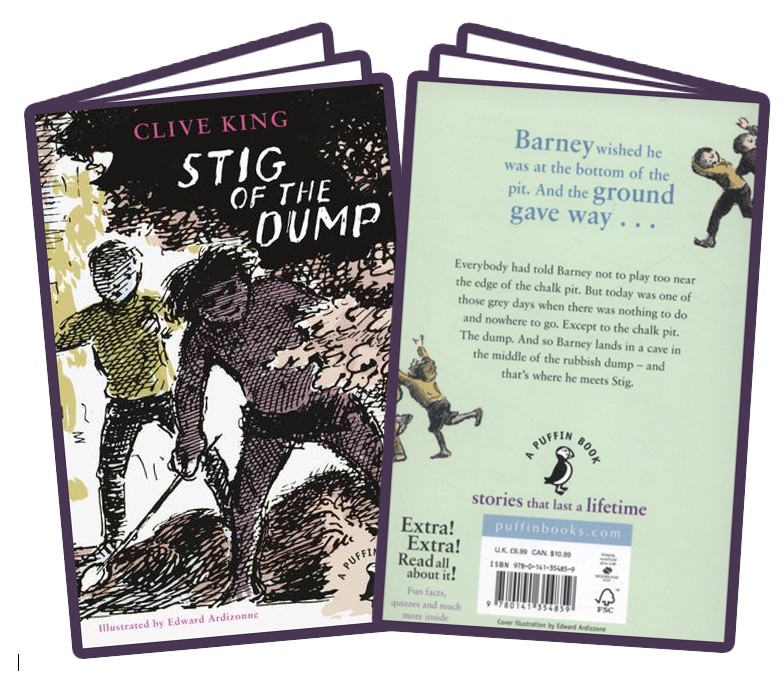
Who drew the pictures for Stig of the Dump?
Where was Barney warned not to play.
Find a word that means the same as 'collapsed'.
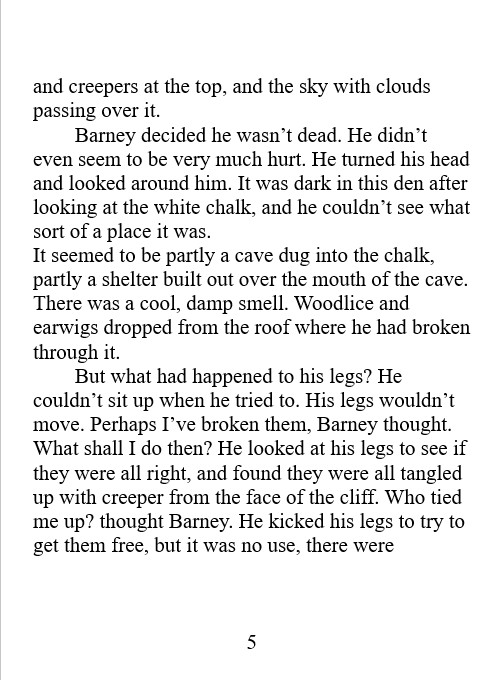
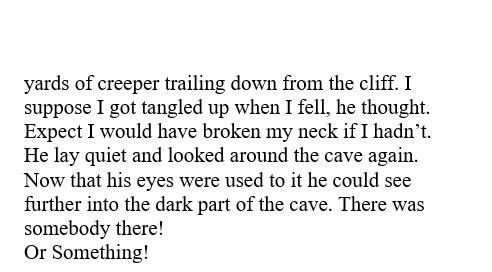
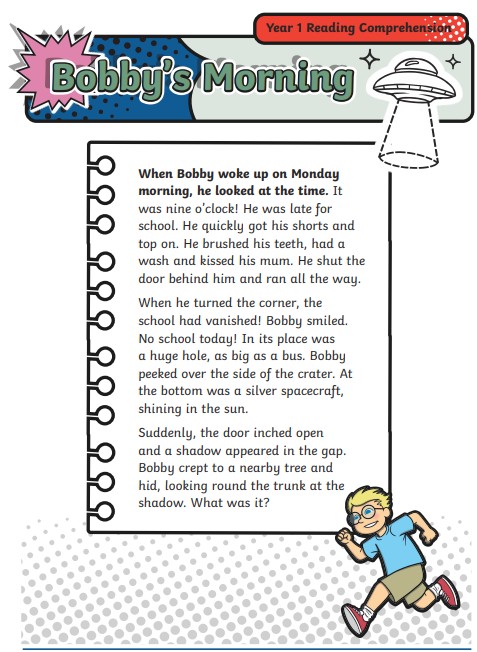
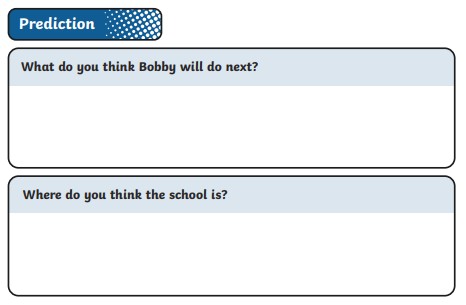
Now we are going to practise making predictions. What is a prediction?

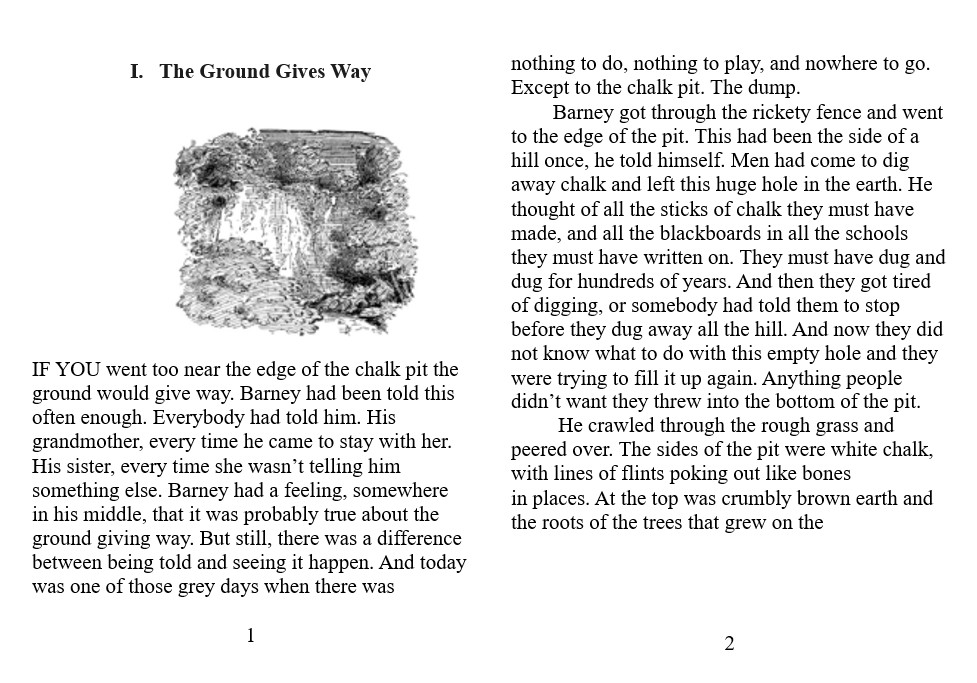
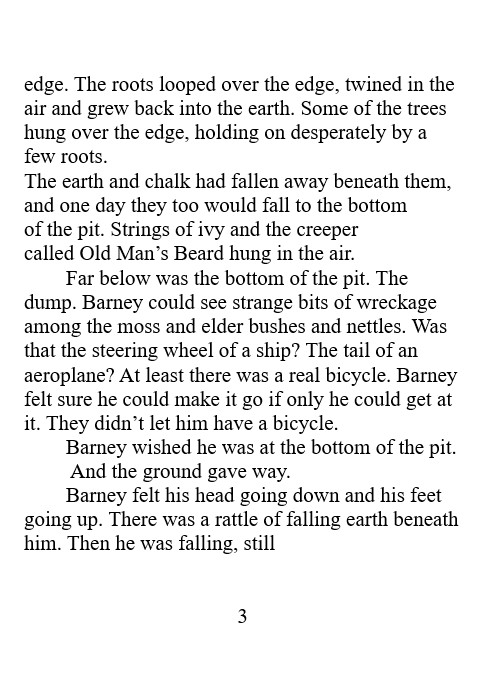
My turn:
I predict that _____________________________
_________________________________
_________________________________
_________________________________
_________________________________
_________________________________
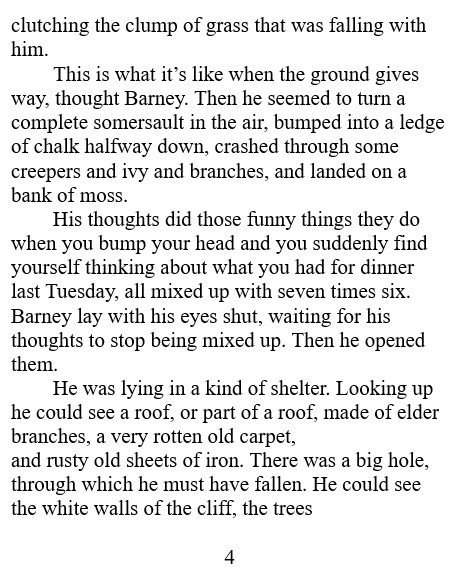
Your turn talk:
What do you predict will happen next? Share.
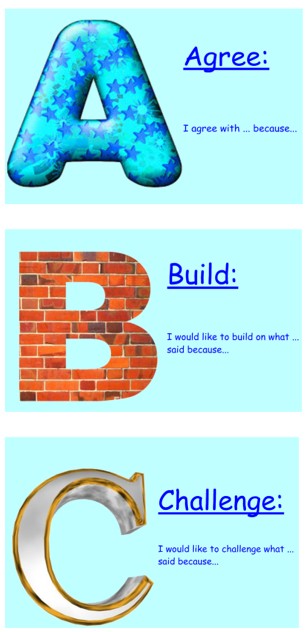
Do you agree, want to build on someone's ideas or challenge them courteously?
Your turn write:
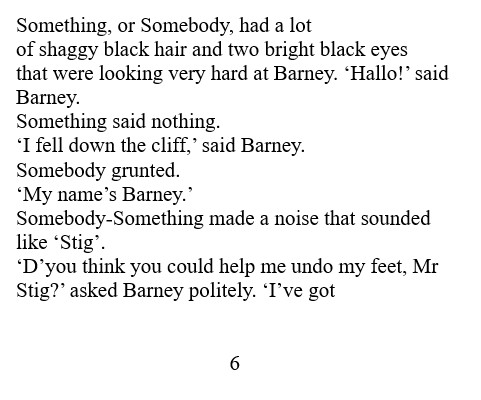
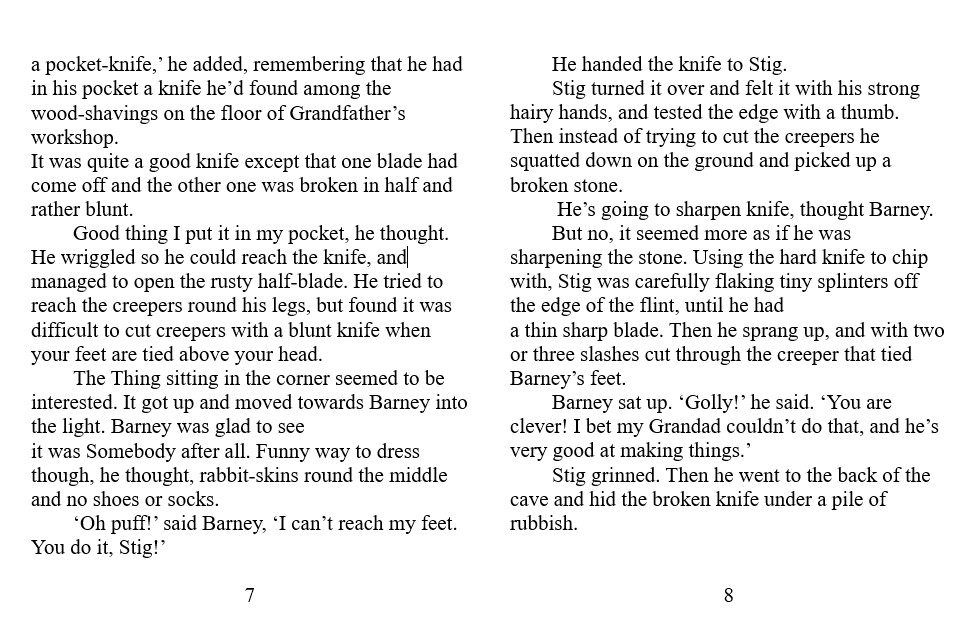
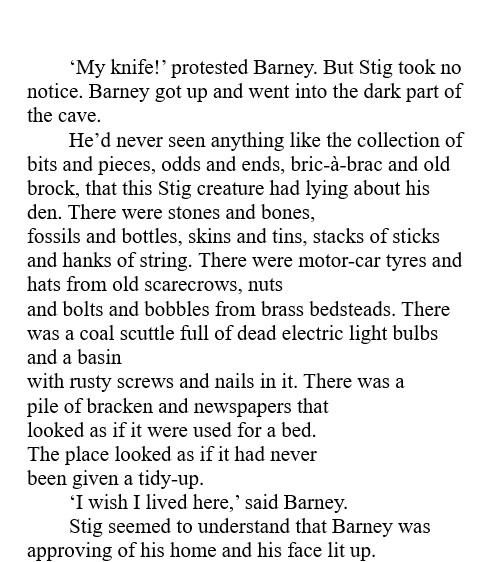
Write your prediction of what will happen next.
Adapted 1
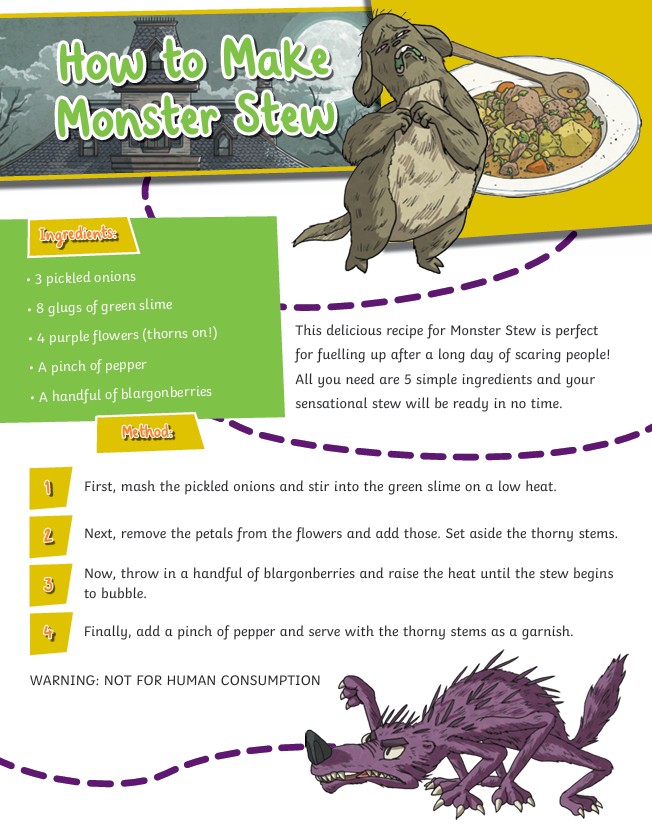
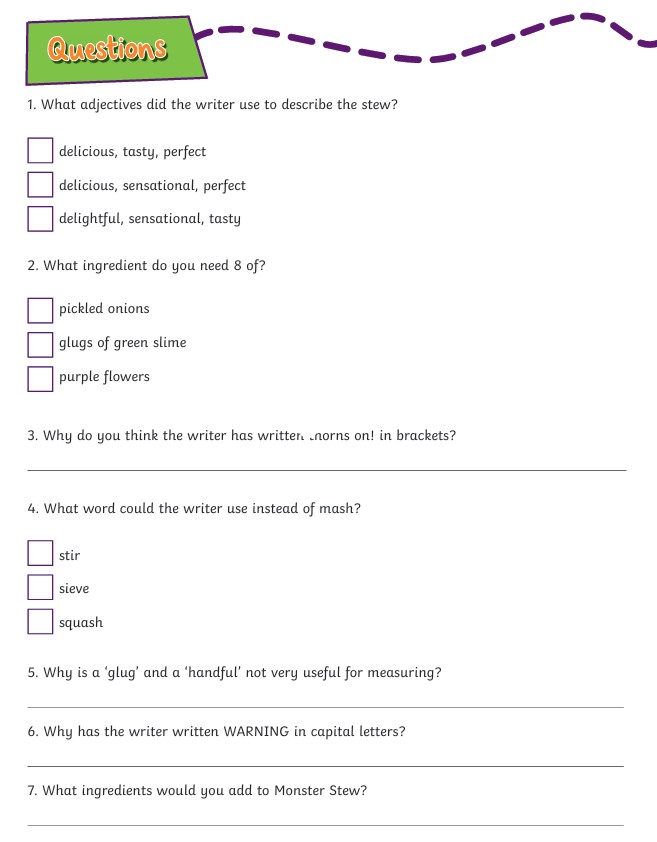
Adapted 2

Friday 5th June 2026
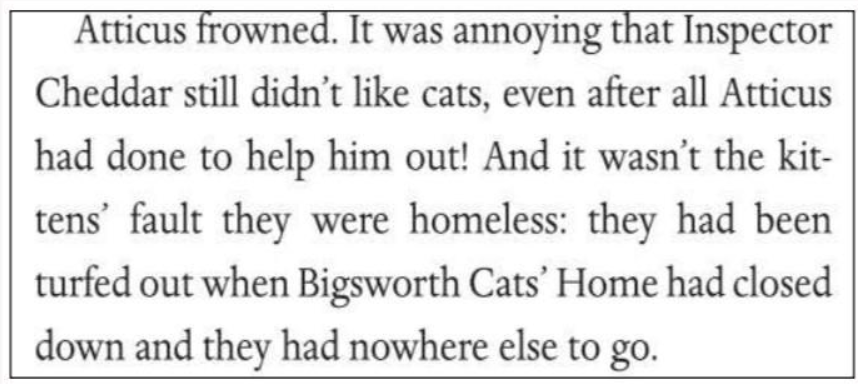
LC: To draw inferences around characters thoughts, feelings, actions and motives and justify with evidence using point and evidence.
Grammar
LC: To use apostrophes for singular and plural possession.
Read the passage below, can you spot the apostrophes?
Read through the information link and have a go at the quiz.
Using apostrophes to show possession - BBC Bitesize
Task:
The sleigh belonging to Santa was being pulled by his reindeer.
The sweets belonging to Emma were very tasty.
The collar on the dog was very smart.
Find the owner: Whose sleigh is it?
Whose sweets are they?
Whose collar is it?
Plural possession:
The room where the boys change for football.
Whose room is it?
The barn where the cows are milked.
Whose barn is it?
Teacher model: If the noun which owns the things or object represents more than one person or thing, the apostrophe goes after the final s in the owning word, NOT the thing which is owned.
One owner = ’s More than one owner = s’
Men and women are exceptions. These words are all plural but when they are the owning word, they have the apostrophe before the final s. the children’s classroom the men’s Wimbledon final the women’s 200 metre race.
Mini test:
Place the possessive apostrophe in the correct place. Some are singular, (before the final s); some are plural, (after the final s) and some are exceptions, (plural but before the final s.)
Remember to ask the questions: Who or what is the owner? How many owners – singular or plural? Is it an exception?
The elephants trunk was wrapped around a branch.
Tigers claws are very sharp.
Swimmers goggles stop water getting into their eyes.
Todays date is January 1st.
Babies hands and feet are very small.
Town hall Drama- Talk to Write.
Task:
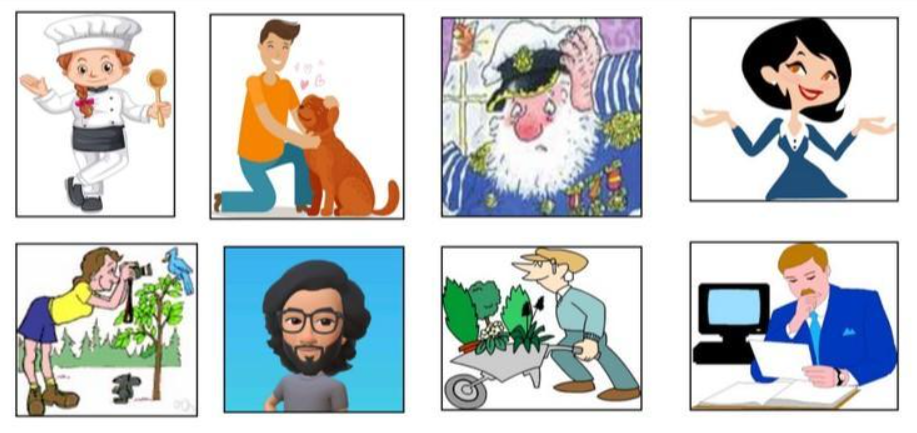
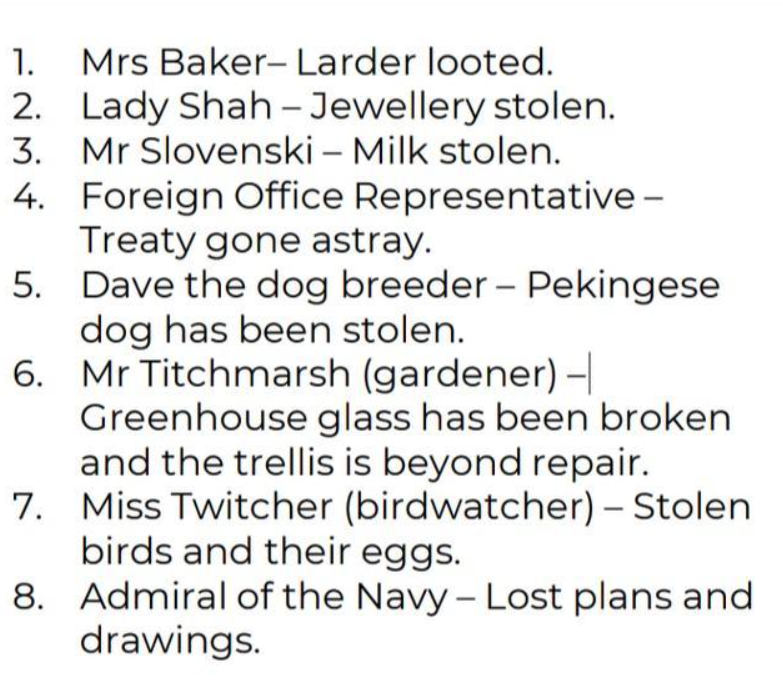
You will be in groups of 4 and will each be given a crime and victim.
Drama: Town Hall Meeting, led by chief detective, to consult with all of the victims.
Remember you will need your notes from yesterday's English lesson about the crimes Macavity has committed.
Teacher Model:
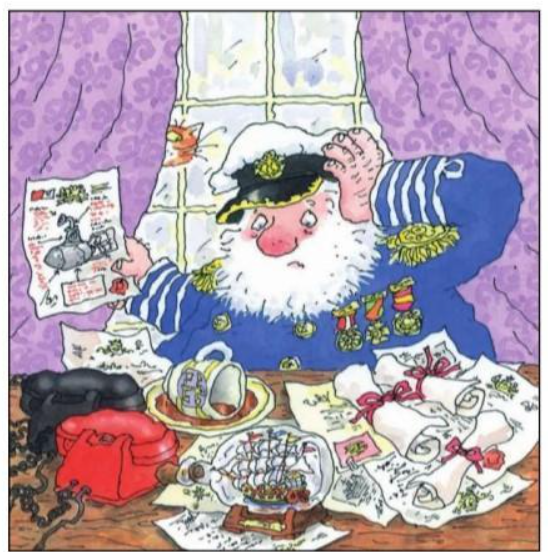
Think about what statements, questions or exclamations the admiral might make once he discovers Macavity's crime.
Task in books: For your character (the person and crime you have rehearsed during your drama task) write down:
- questions they may have.
- statements they have made at the town hall meeting.
- comments they have said.
Adapted.
Take on the role of Lady Shah who has had her jewellery stolen by Macavity. What would she say?
Prompts:
Lady Shah might say:
- "Oh dear! My jewellery is gone!"
- "Who took my beautiful jewels?"
- "I cannot find my necklace!"
- "My jewellery has been stolen!"
- "Where are my shiny jewels?"
- "I am very upset."
- "Someone has taken my treasure!"
- "I think Macavity did it!"
- "Please help me find my jewellery!"
- "Macavity has been causing trouble again!"

Adapted
O5.06.26
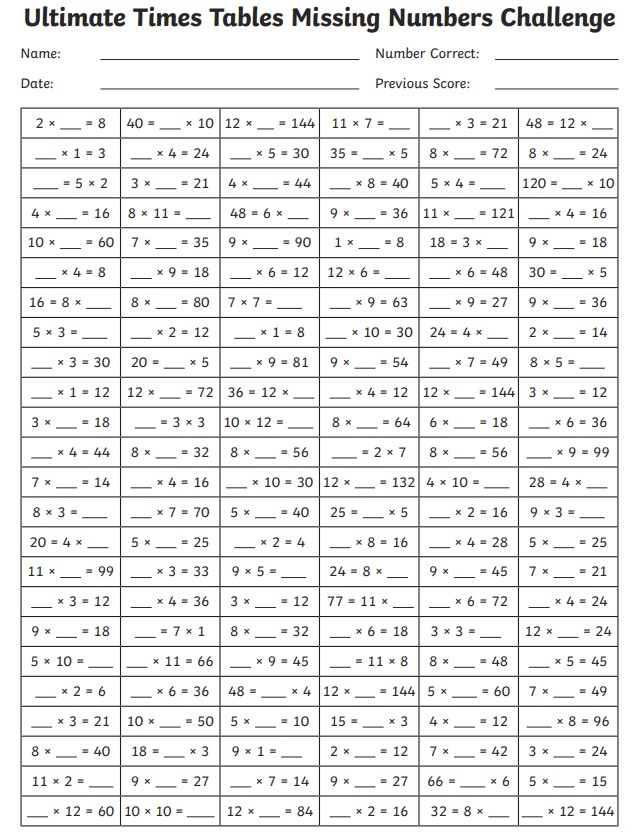
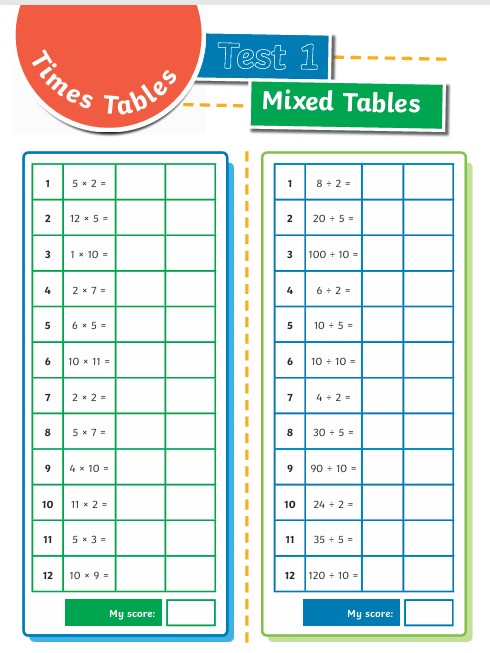
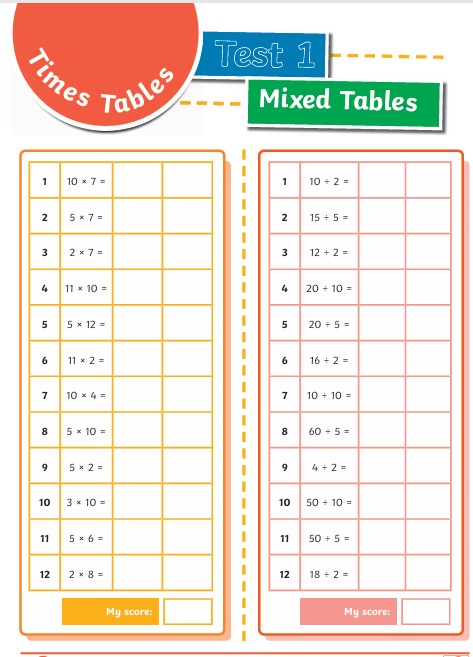
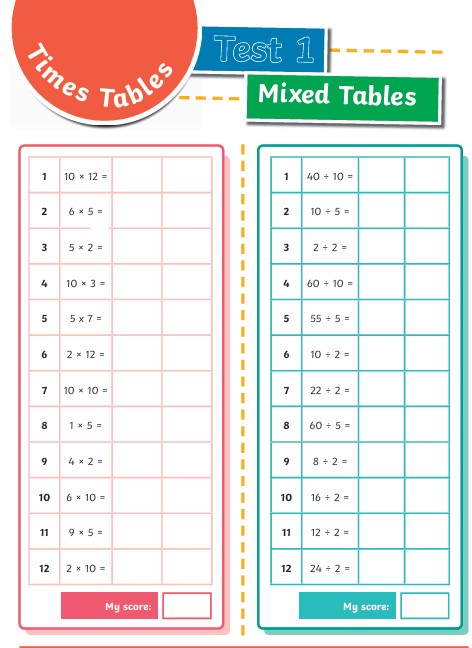
LC: Become increasingly more confident with quick recall of multiplication and division facts for all x table.
Complete these tasks independently as quicklly and accurately as you can.
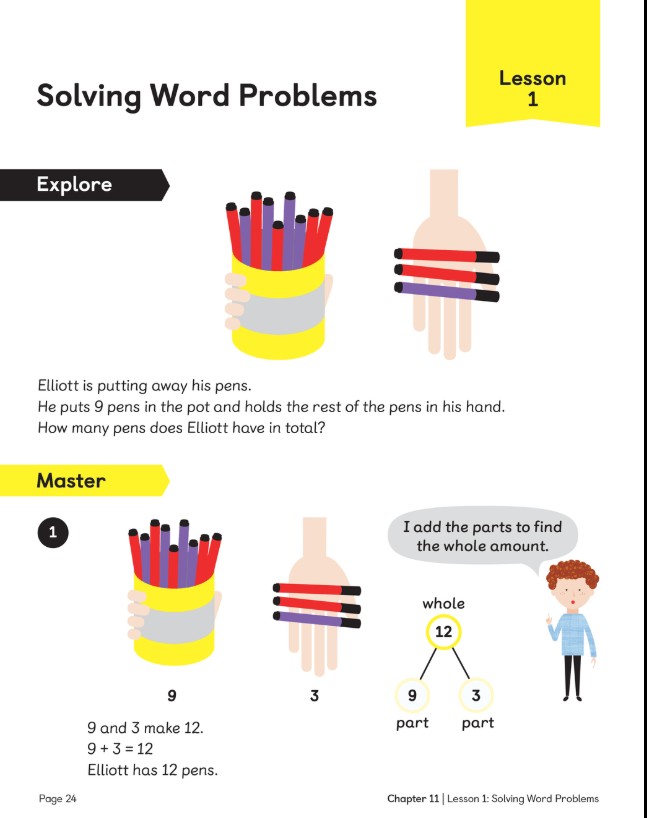
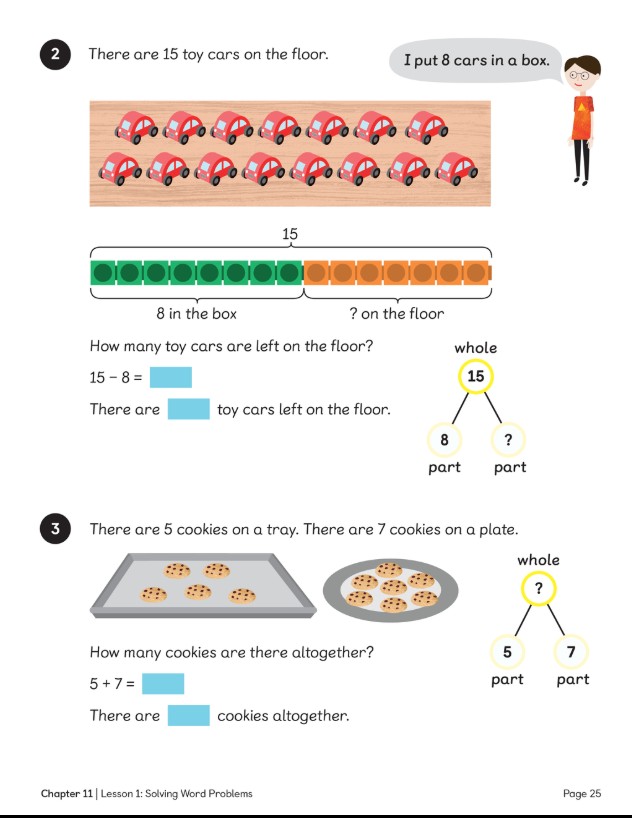
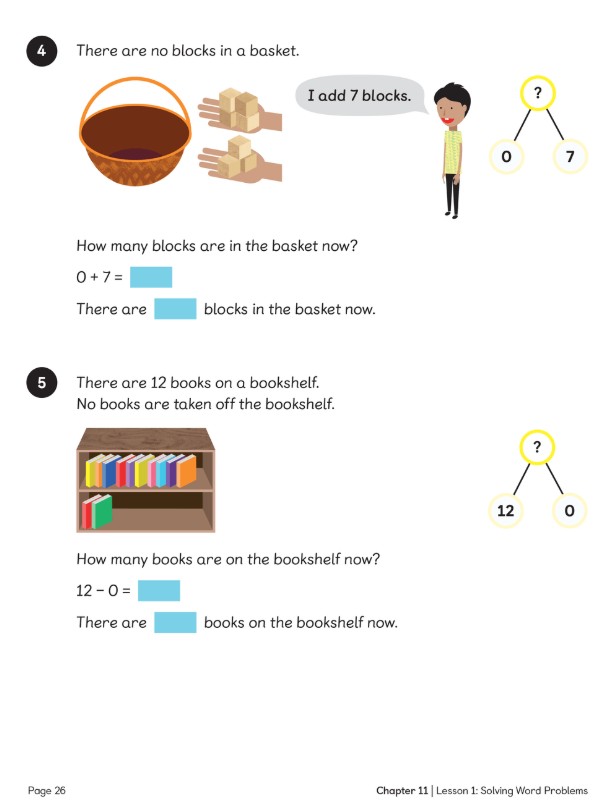
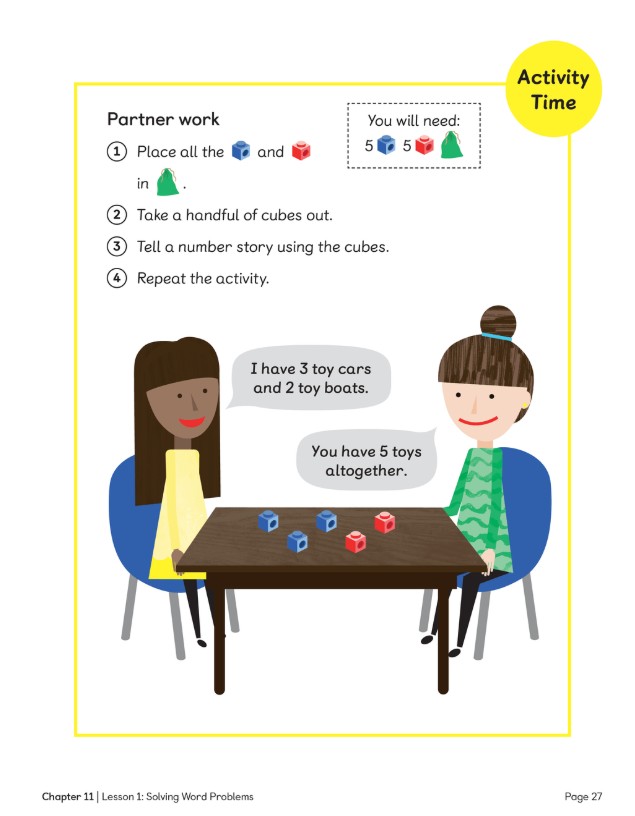
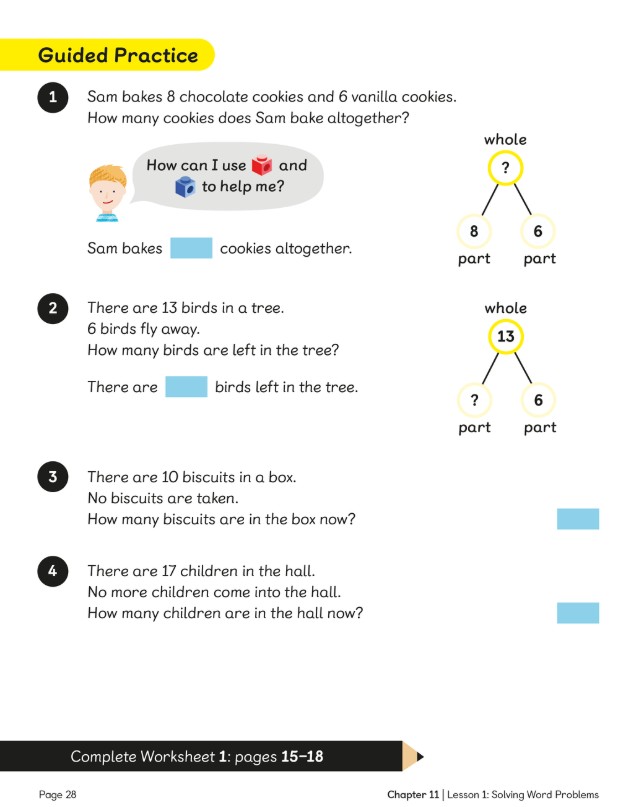
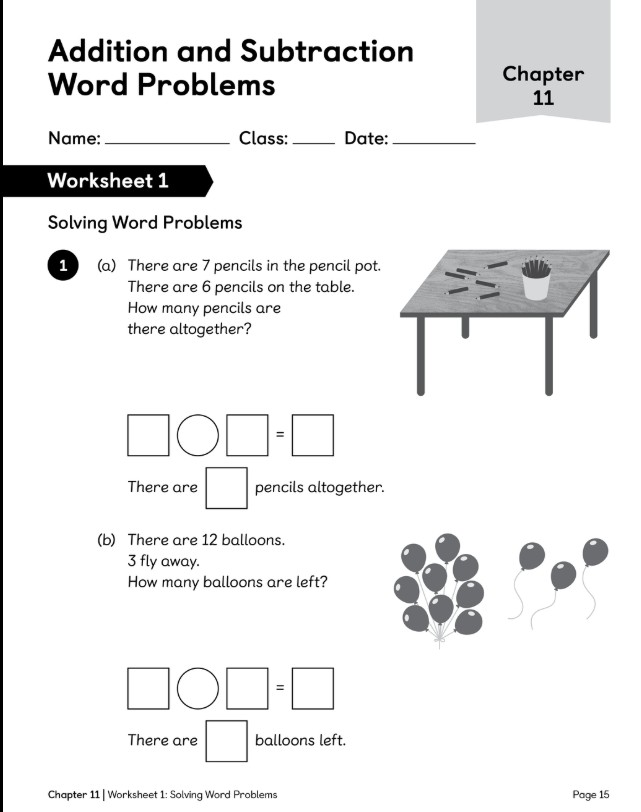
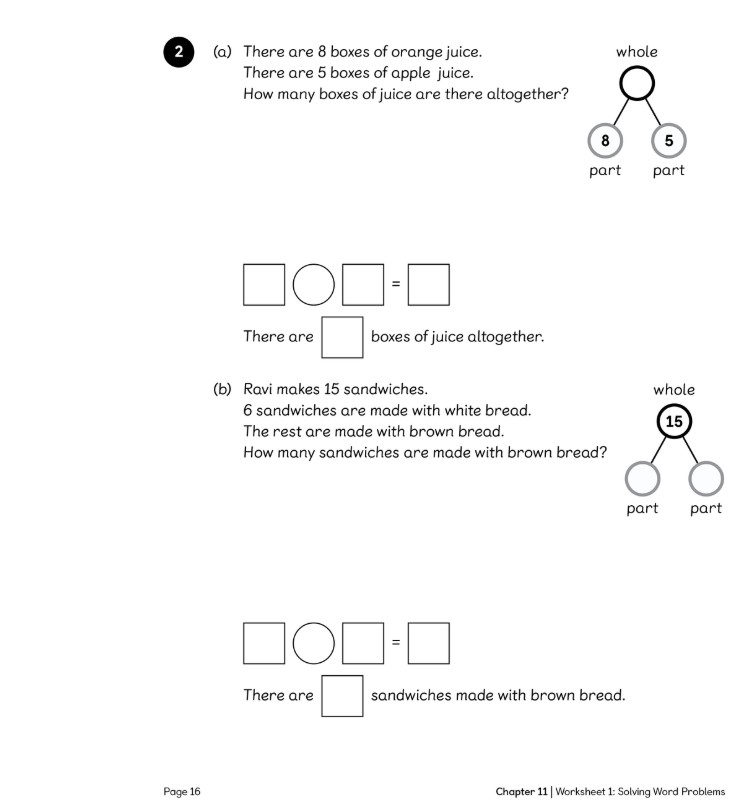
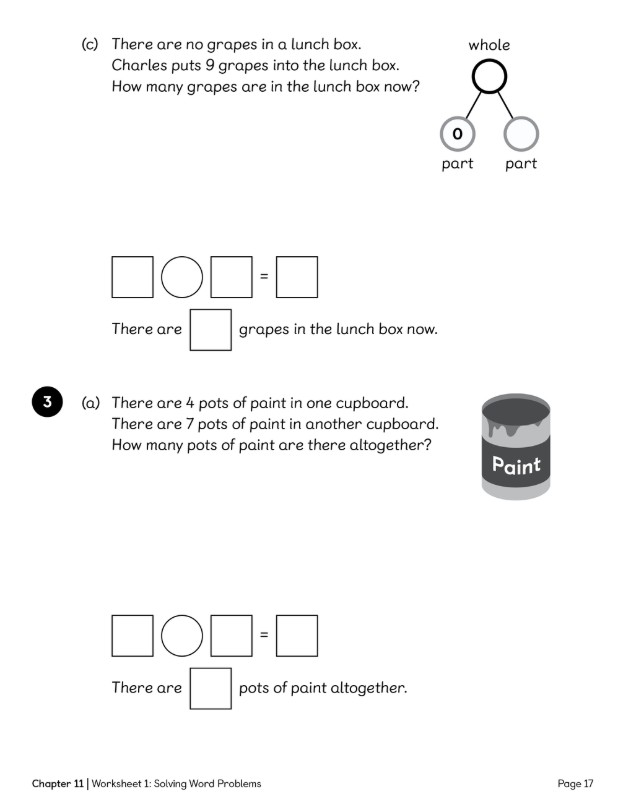
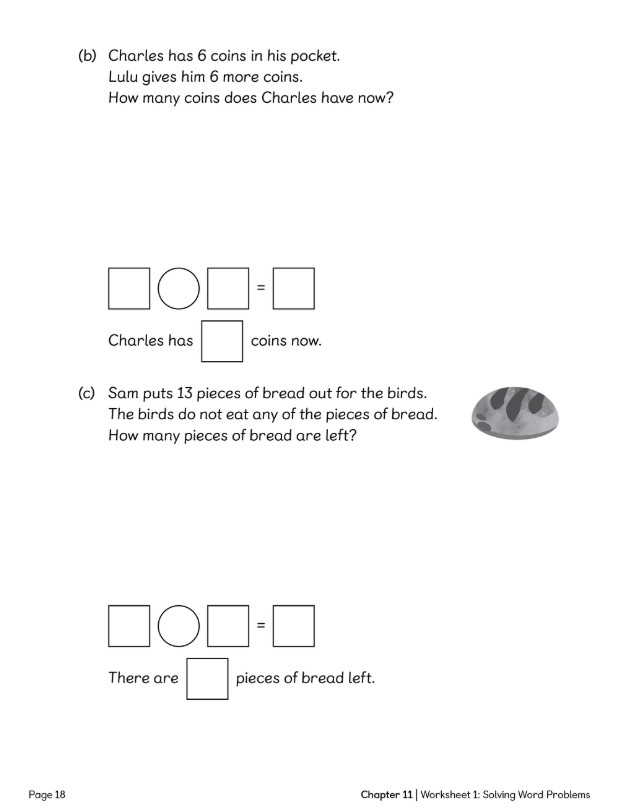
LC: To be able to decide whether addition or subtraction is the most appropriate operation. To be able to use and apply number bonds and visual representations to solve word problems.
Review
What letter are missing from these Year 4 words?
br_ _ _ th
pos _ _ _ _ _
po_ _ e _ _
po_ _ e _ _ _ _ _
na_ _ _ _ _
_ pp _ s _ _ _
_ _ _ _ ness
th _ _ _ for _
Learning
Use the Sticky Word Strategy Sticky Note Spelling to practise spelling these Y4 Statutory Words or any other Year 4 words that you know you need to learn.
strength
busy
business
therefore
ordinary
separate
Practise and Apply
Say then write a sentence for each of the words. Take care to spell all of the words in the sentence correctly.

/i/video/4K_Fathima/Running_Stitch.mp4
Assembly 2: Knowing Your Roots
LC: Family history, culture, traditions, and respecting diversity.
Last time we talked about roots and how they help us grow.
Today we're thinking about knowing our roots.
What Does "Knowing Your Roots" Mean?
Knowing your roots means understanding:
- Where your family comes from
- The stories that have been passed down
- Traditions and celebrations
- Values that are important to your family
Everyone's roots are different, and that's something to celebrate.
Our Different Roots
Some families may have lived in the same area for generations.
Others may have connections to different parts of the UK or countries around the world.
Some families have special traditions, foods, languages, festivals, or stories.
These differences make our school community richer and more interesting.
Interactive Questions
Put your hand up if:
- You enjoy a family tradition.
- You know a story about your grandparents or older relatives.
- Your family celebrates a special festival or holiday.
- You have family connections to another town, city, or country.
Why Knowing Our Roots Matters
Knowing our roots can:
- Help us understand who we are.
- Give us pride in our family and culture.
- Help us learn from the past.
- Encourage us to respect other people's backgrounds and traditions.
Key Message
We all have roots, and every person's roots matter.
When we learn about our own roots and respect the roots of others, we build a kinder and stronger community.
Closing Reflection
Think about one question you could ask a parent, grandparent, carer, or family member this week about your family's story.
You might discover something new about your roots.
Final Message:
"Our roots tell our story, and our story helps us grow."