



Tuesday 14th April 2026
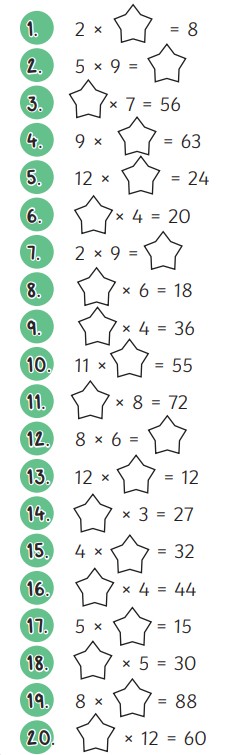
Complete each calculation.
Tuesday 14th April 2026
LC- Locate countries of Europe and find their capital cities.
Look at the following map. What can you remember about your learning in Geography in Years Two and Three?
Can you name the continents and oceans?
Do you know the name of any countries and where they are?

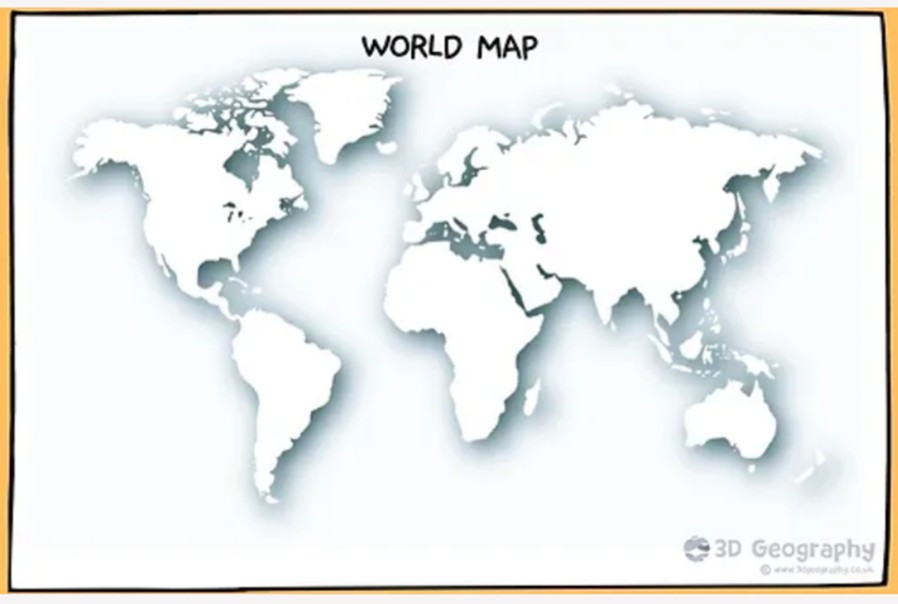
Today we are going to learn more about the continent Europe.
Can you spot it on the map?
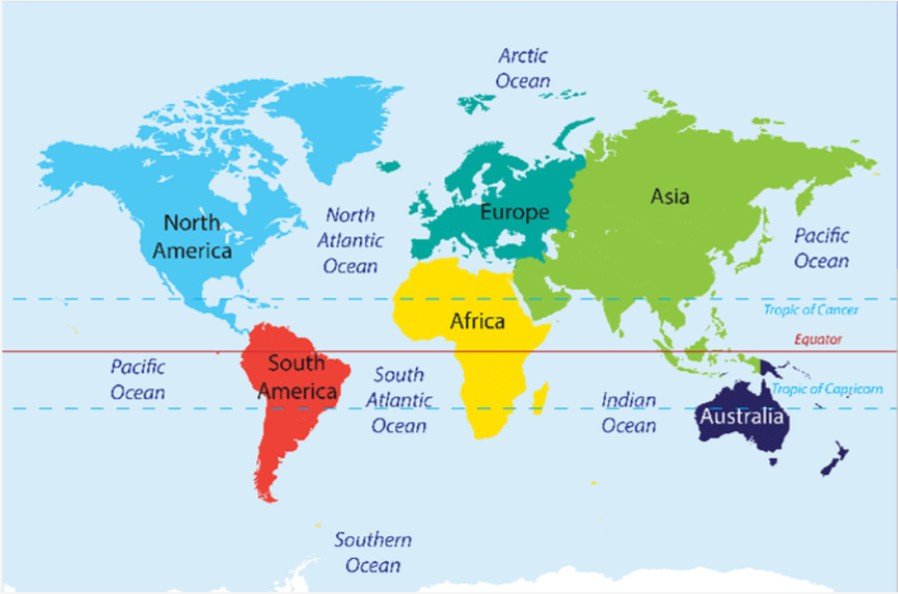
Do you know already know anything about Europe?
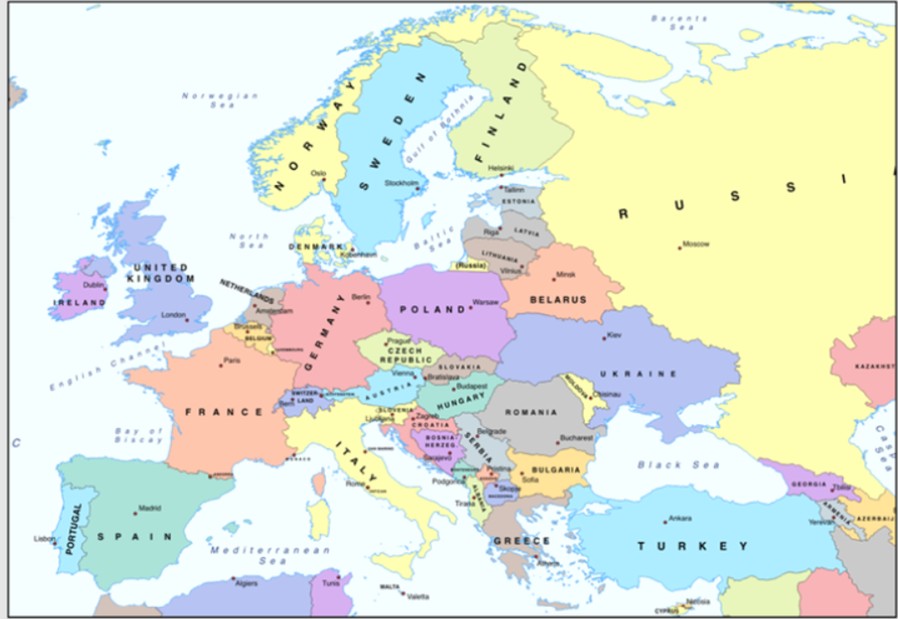
Europe is made up of many different countries. Use the map below and an atlas to identify some of them.
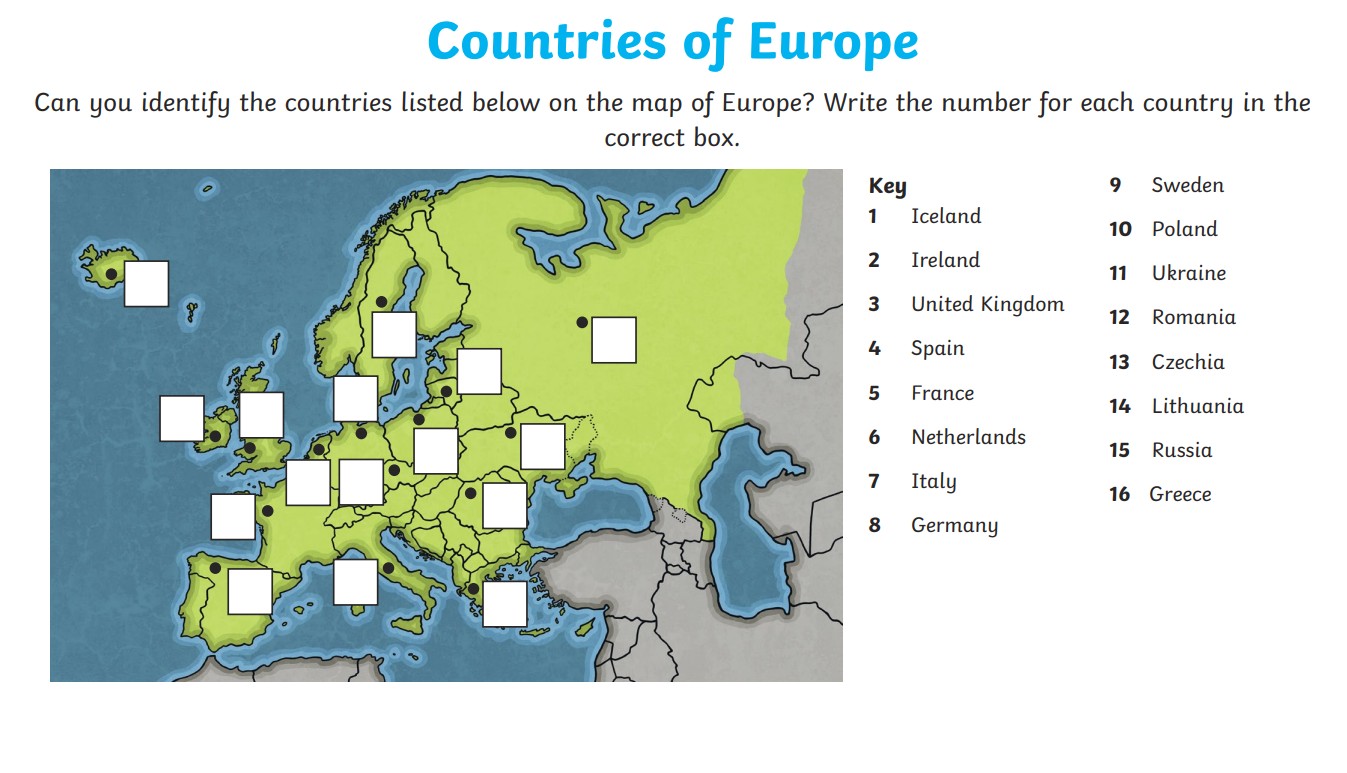 Challenge
A capital city is the main city of a country where the government is based.
Can you use your atlas to find the capital city of each country?
In your book, underneath the map activity, record the capital cities like this
Country Capital City
United Kingdom London
France
Tuesday 14th April 2026
LC: To explore and discuss characters introduced in the text.
Grammar: Adverb sentence starters
Immerse.
Cautiously, April approached the bear.
Gratefully, the bear lifted up his head and roared.
Quietly, April spread antiseptic cream over the bear’s paw.
Eagerly, the bear gobbled up the oat biscuits and peanut butter.
Story with an issue and a dilemma
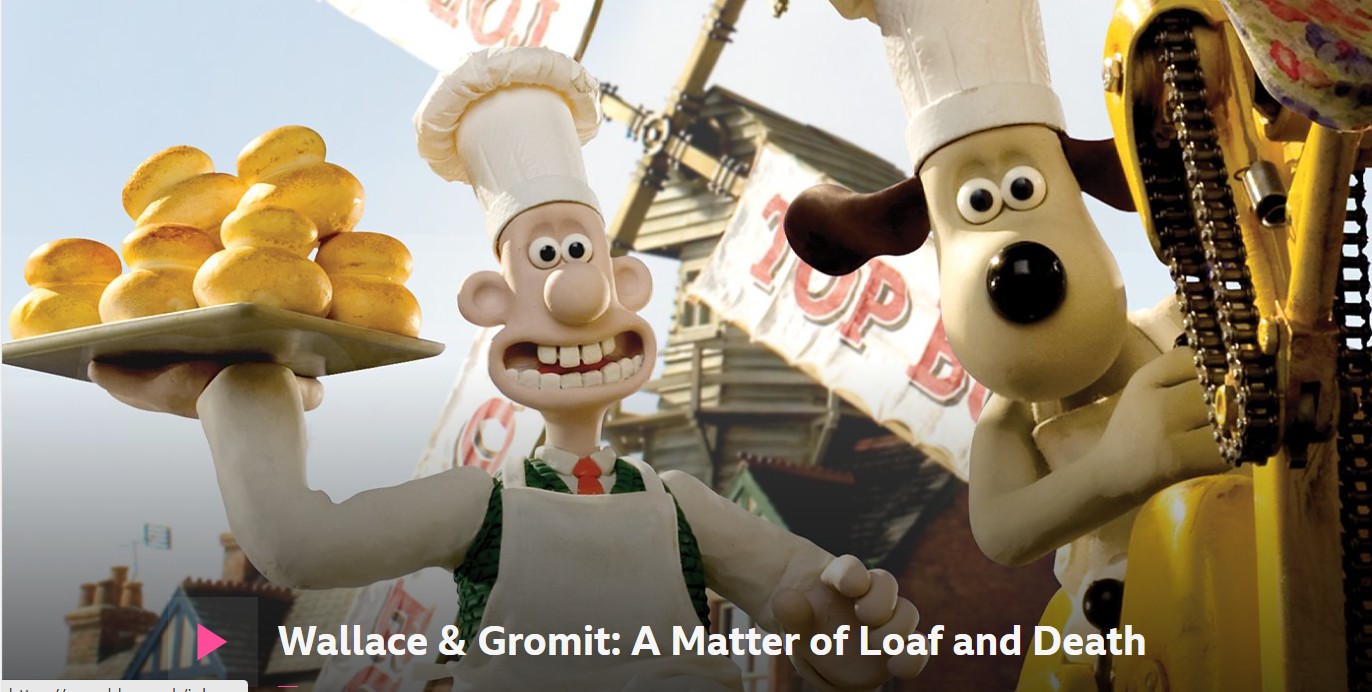
Can we summarise the story so far for our learning wall?
Now let's think about the characters.
Which characters have we been introduced to?
What do we know about each character?
Who is the main character? How do you know?
What do you think of each character so far?
What do you think each character will do next?
How does each character behave?
If you could choose to be a character who would you be and why?
Adapted
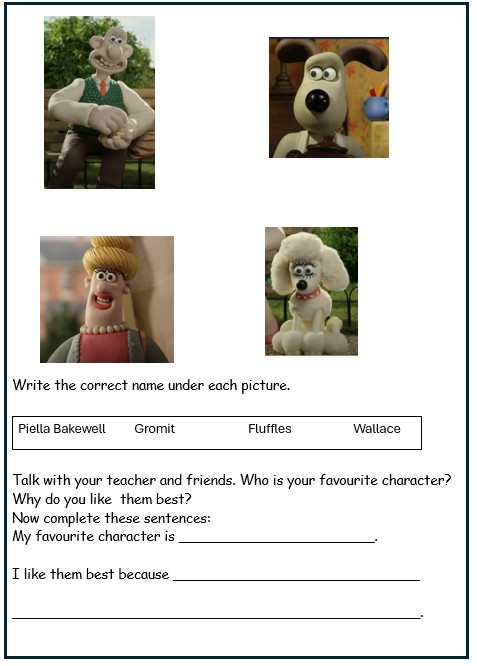
14.04.26
LC: To have a realistic idea of the volume common items can hold.
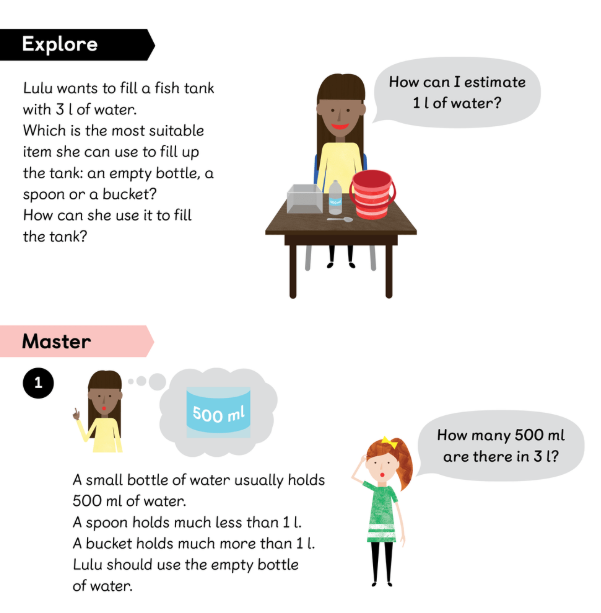
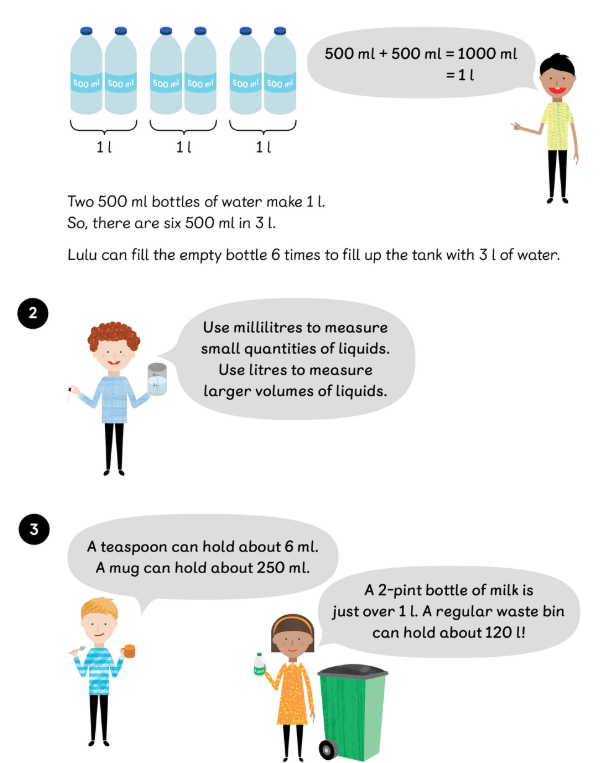
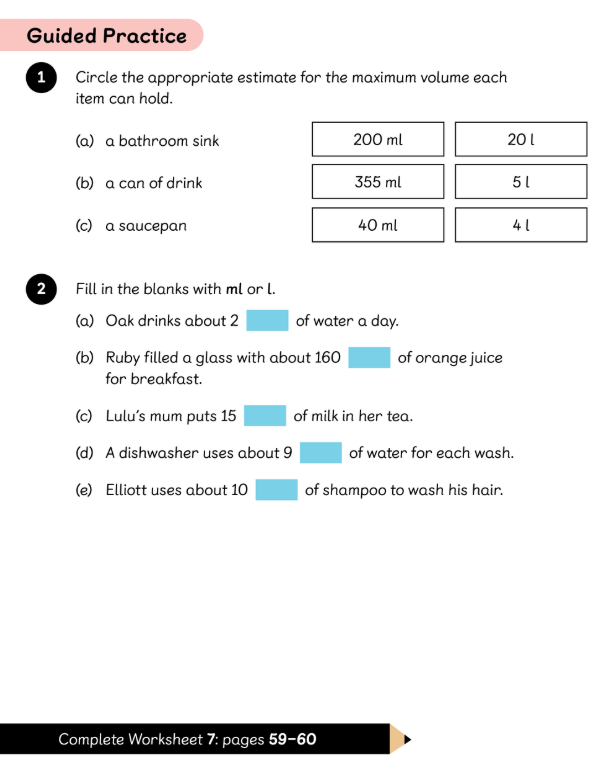
Adapted:
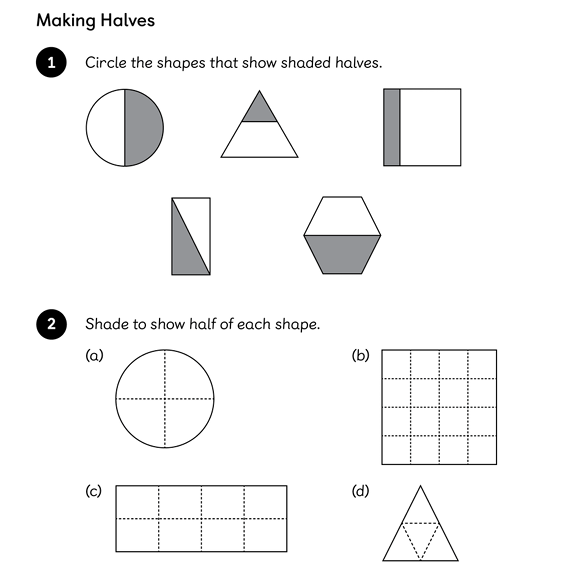
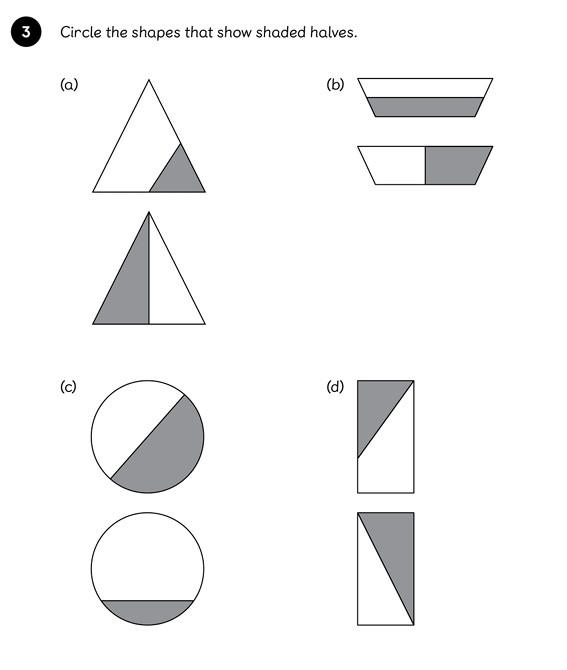
Fractions.
LC: Finding halves
LC: To practise stitching.
/i/video/4K_Fathima/Running_Stitch.mp4
Learning From Our Mistakes
Key Message
Mistakes help us improve.
Starter
Show or describe:
- A messy piece of work vs improved version
Ask:
- “Which one is better? Why?”
Main Idea
Explain:
When we make a mistake, we can:
- Stop
- Think
- Try again
Tell a short example:
“A child spelled a word wrong. Instead of giving up, they practised it. The next time, they got it right!”
Activity
Ask children:
- “What can you do when you make a mistake?”
Collect answers:
- Try again
- Ask for help
- Practise
Key Phrase
👉 “Try, learn, improve.”
Reflection
- What is something you want to get better at?