


Thursday
Grammar warmup
Subject/verb agreement
Have or has?
I have It has
You have He has
We have She has
They have
The .................s (plural) have
The/a .................. (single) has
A square has four equal sides and four right angles.
They have hung their coats up.
He has read and quizzed on ten books this term.
The girls have all remembered their swimming kit.
Have you had a good weekend?
Thursday 1st October 2026
LC: To make inferences about a character using point and evidence.
This is one of our new focus texts. What kind of text is it? How do you know? What genre do you think it is? What clues are there?

Here is the blurb. Do we learn anything else?

The main characters in the story are Ishbel and Kenneth.
What words can we use to describe them? What do these pictures tell us?


01.10.26
LC: To be able to add two numbers with renaming in the tens and ones columns.



Thursday 1st October 2026
LC: To explain why Hadrian’s Wall was built and know who lived there.

Watch the video again. On your whiteboard note the key points.
Write the key points in your book.
Who lived at Hadrian's wall?


What was life like for the soldiers who lived by the wall?




Archaeologists are scientists who dig up evidence from the past. Objects that they find in their digs are called artefacts. These artefacts were found near to Hadrian's Wall.

Thursday 1st October 2026
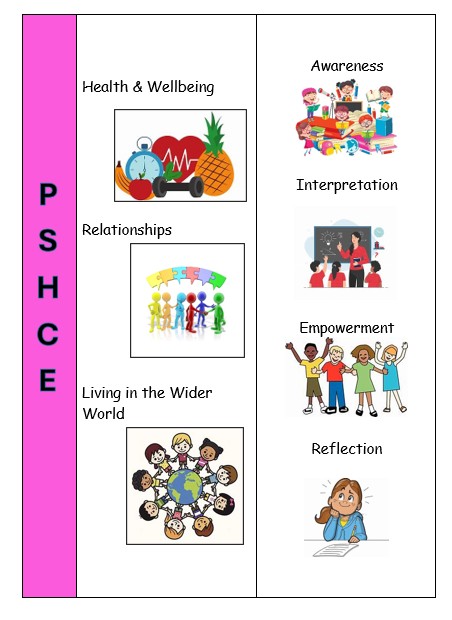
LC: Understand what it means to be treated and to treat others politely
Discuss in pairs: What does the word politeness mean to you?
 Politeness is demonstrating behaviour that is respectful and considerate of other people.
Manners are words and actions that we should use when interacting with others. They are ways to show people that we are polite and courteous. It is important to be polite and use our manners whenever possible because it helps the flow of conversation, encourages other people to interact with us and trust us, and results in friendly conversations. If manners are not used people may think that you are rude or even aggressive. Sometimes the meaning of your words or gestures can be misunderstood and can put people off from interacting with you.
What types of behaviour can you think of that you do or come across everyday that shows politeness in school?
Work in threes. Choose one situation in school that shows the children in our school are polite. Two of you role play the situation. One of you film it. Airdrop your video to your teacher.
What types of behaviour can you think of that you do or come across everyday that shows politeness at home or in the community?
Look at the scenarios below. Do they show good manners or bad manners? Why?


Review
Alphabet Scramble
Write these words in your spelling books in alphabetical order:
quarter actually earth describe
question believe decide century
enough answer
Can you write each word three times?
New Learning
Look at this dictionary page. What can you see?

Practice
Fastest Finger First
Who can be the first to find:
page . . .
a word beginning with . . .
a word beginning with . . .
the definition of . . .
the definition of . . .
the definition of . . .