


Thursday
Develop and demonstrate their understanding of main characters by drawing on language from the text.
Today we are going to be looking at the 2 main characters from our story and create a role on the wall together as a class!
The giant.
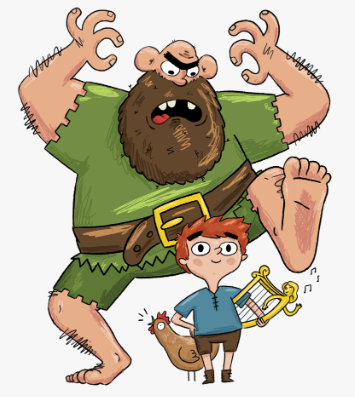 Lets think about the giant from the story. What words can we use to describe him. How can describe his feelings throughout the book? Think about how he looks?
Lets share our ideas and add it to our class role on the wall!
Jack
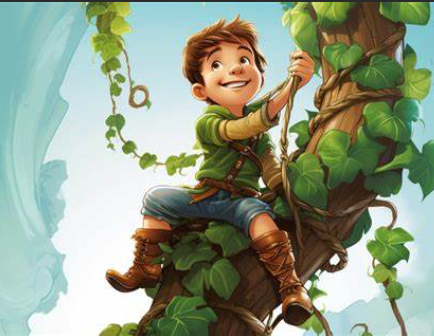
Lets think about Jack from the story. What words can we use to describe him. How can describe his feelings throughout the book? Think about how he looks?
Lets share our ideas and add it to our class role on the wall!
In our books we are going to write some sentences about the giant and Jack using our role on the wall we have created as a class.
I will model it first then it is your turn!
Remember when we write sentences we need to add:
- capital letters at the start and for names.
- full stop
- finger spaces
- we use our wonderful handwriting
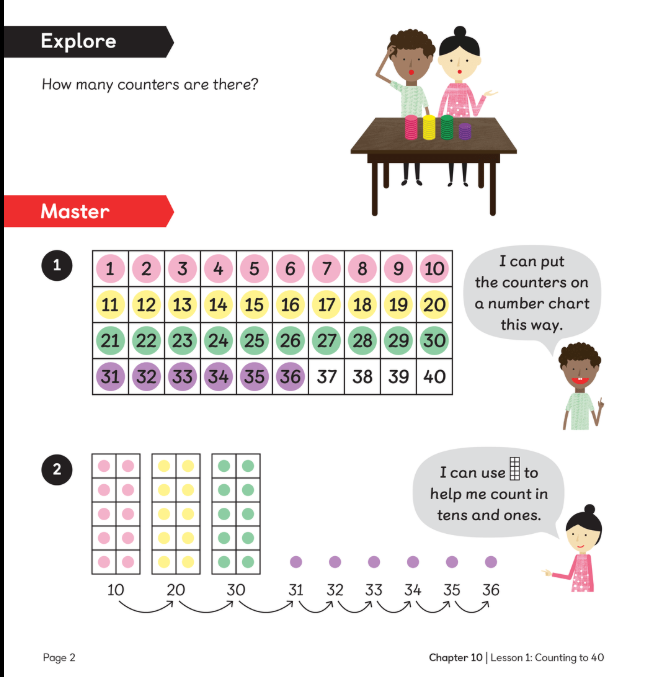
To be able to represent numbers on a number line. To be able to use the making 10 strategy to count numbers above 10.
Count to 40 in 1's, count to 40 in 10's
Give the children some bricks to share with their talk partner. (at least 20)
Count them, how could you count them? Is there a quicker way to count them?
Discuss grouping the cubes of 10 and counting them.
Explore counting in 10's and 1s.



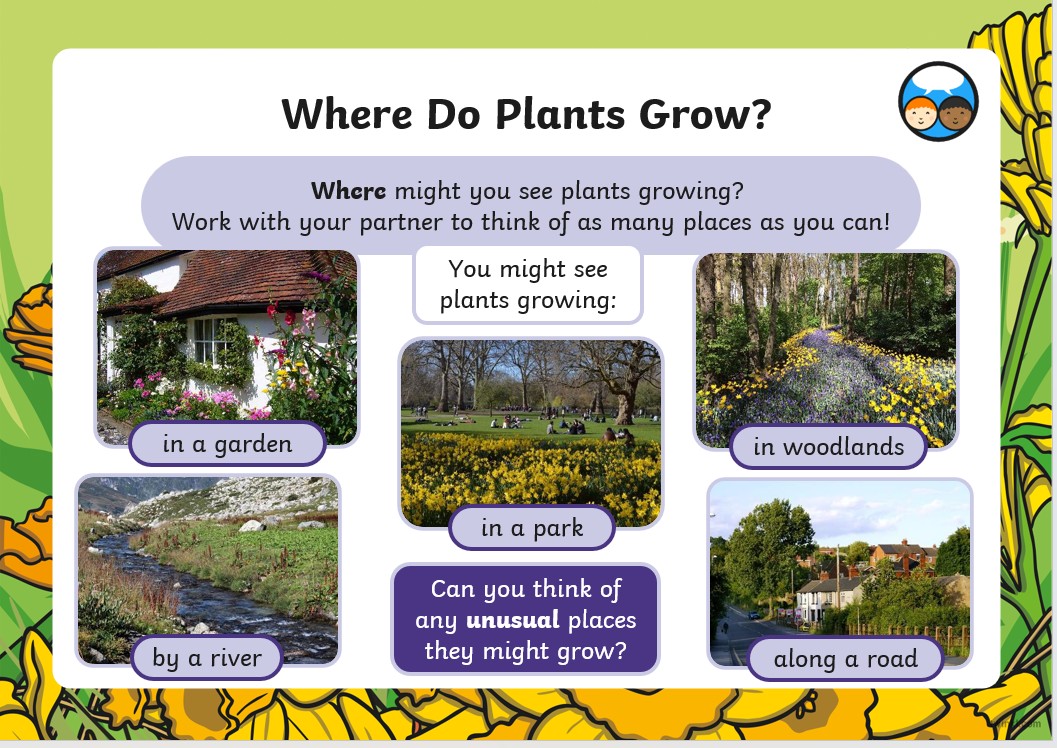
Can we identify and name a variety of common wild and garden plants?
What do plants need to grow?
Listen to A Little Seed 🌱 | Kids Songs & Nursery Rhymes Ms Apple (Ezra's favourite song!)
Do you know any names of plants?
What are wild plants?
A wild plant is one that grows by itself. The seed of a wild plant grows where it falls. This means it doesn’t need to be planted and doesn’t need to be cared for.
Weeding is removing unwanted plants from an area e.g. flower bed.
Y1-Wild and Garden Plants
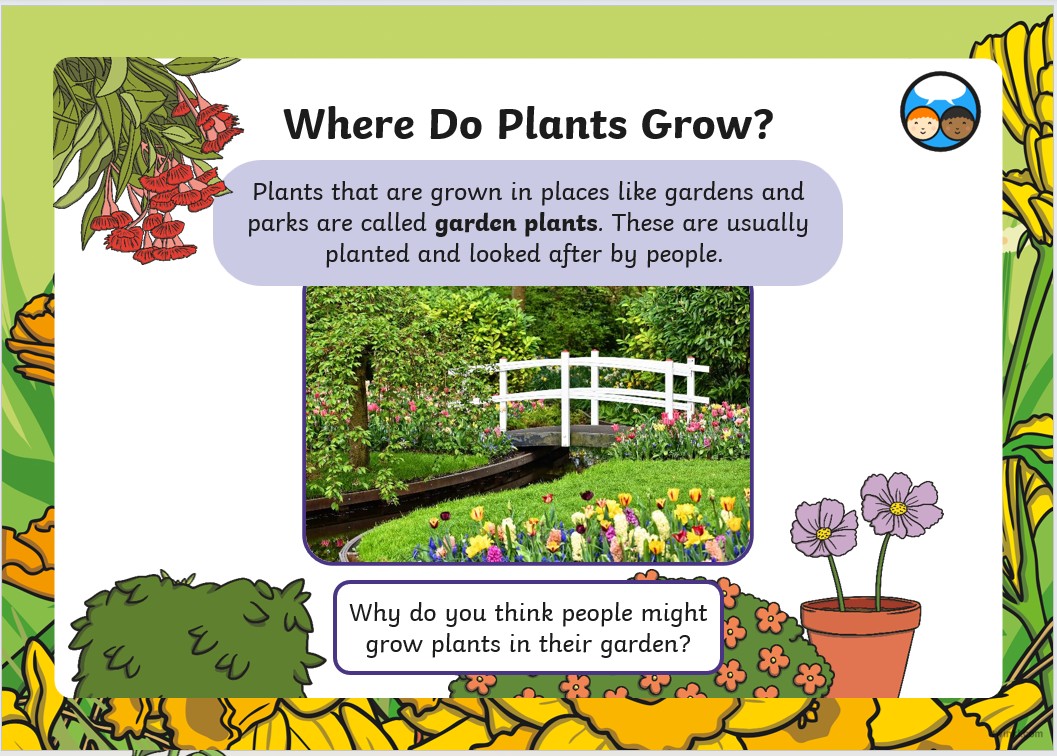
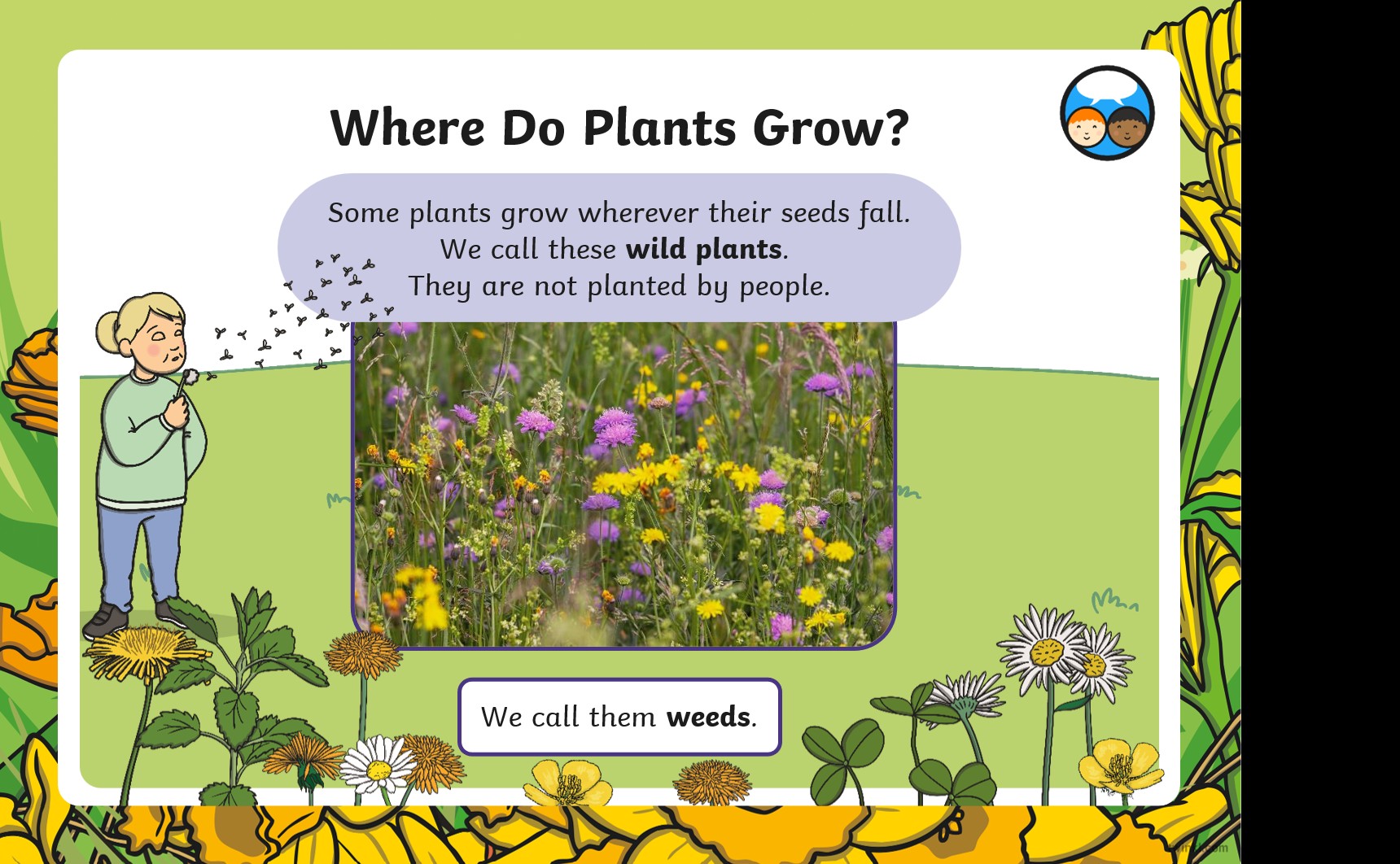
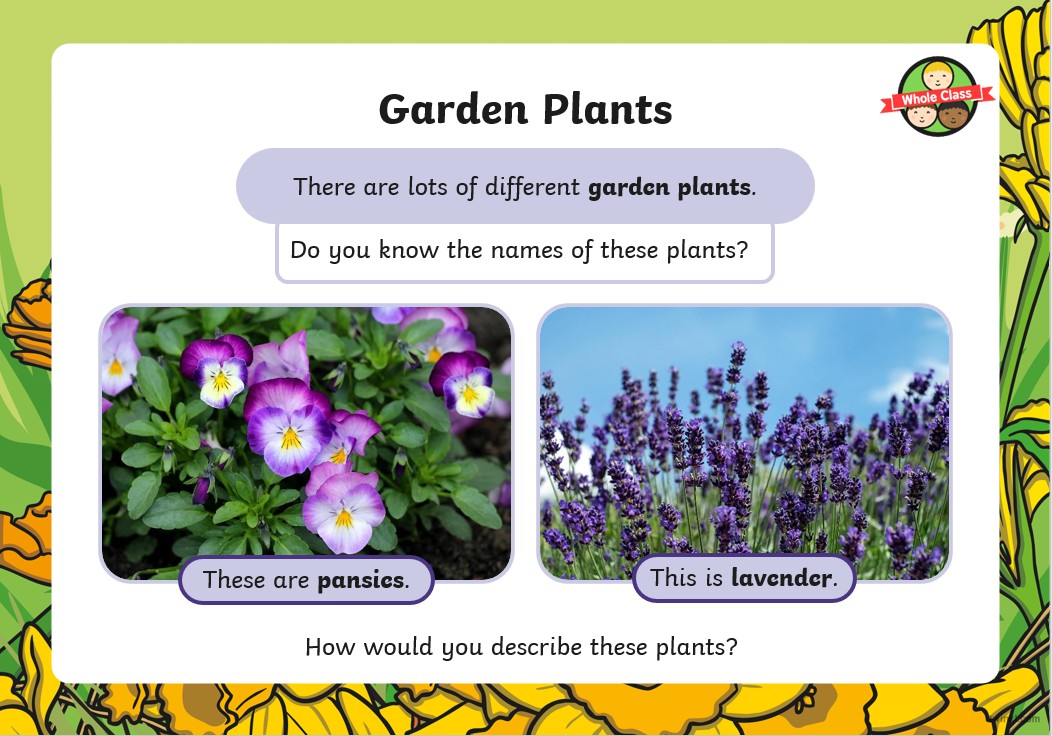
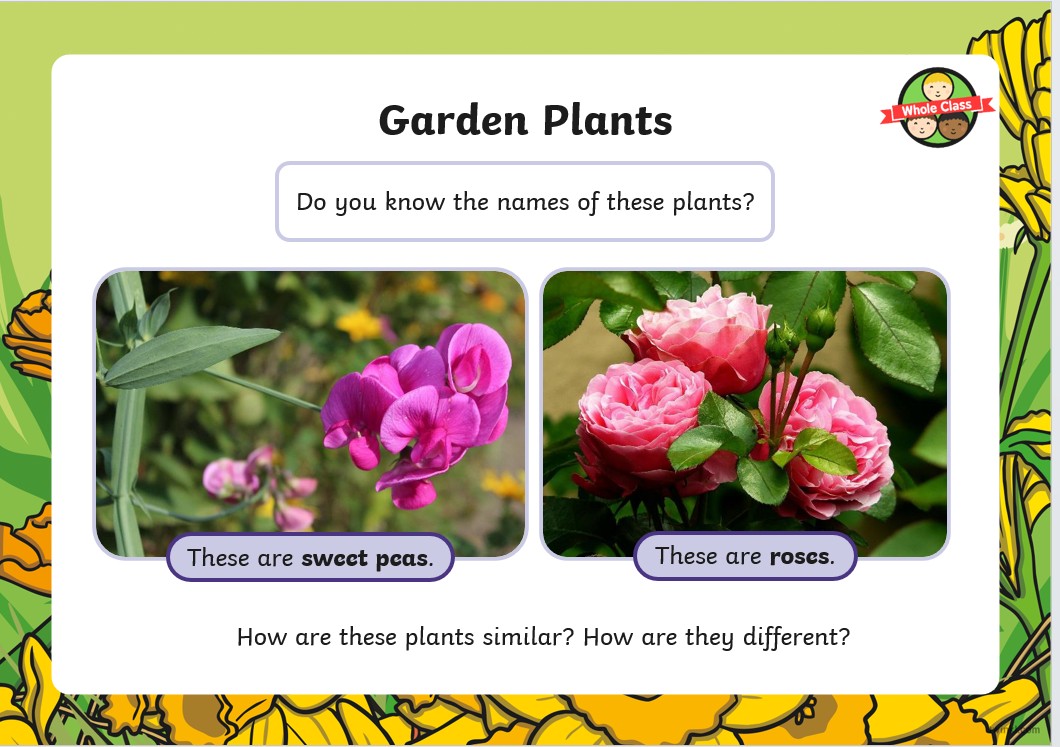
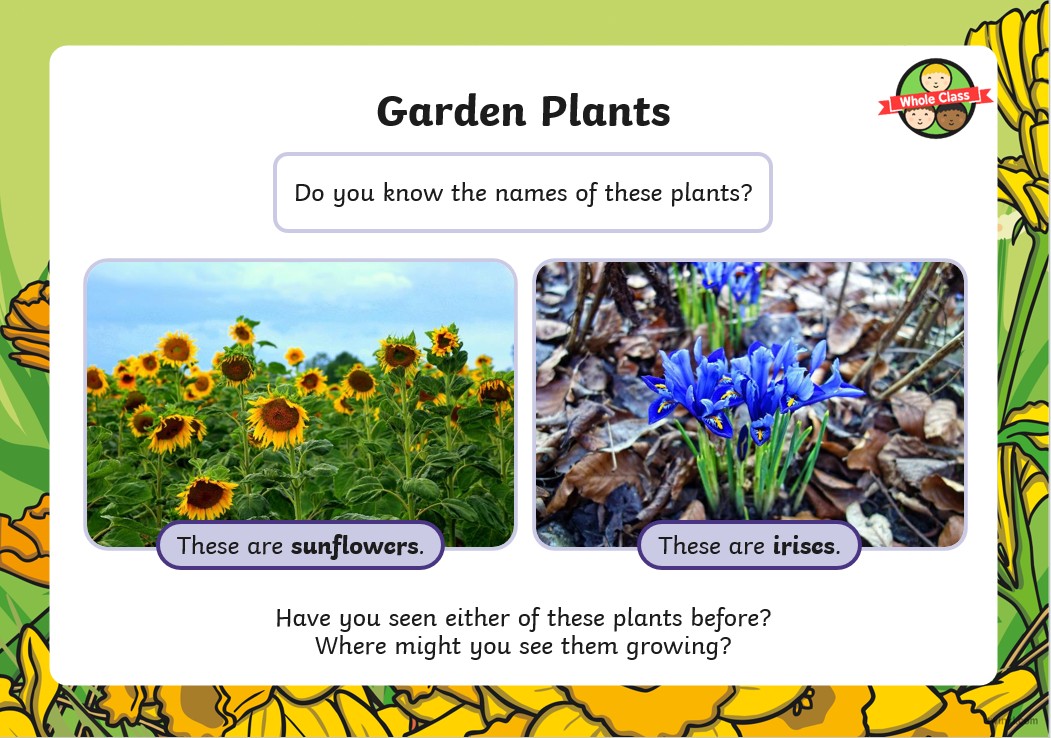
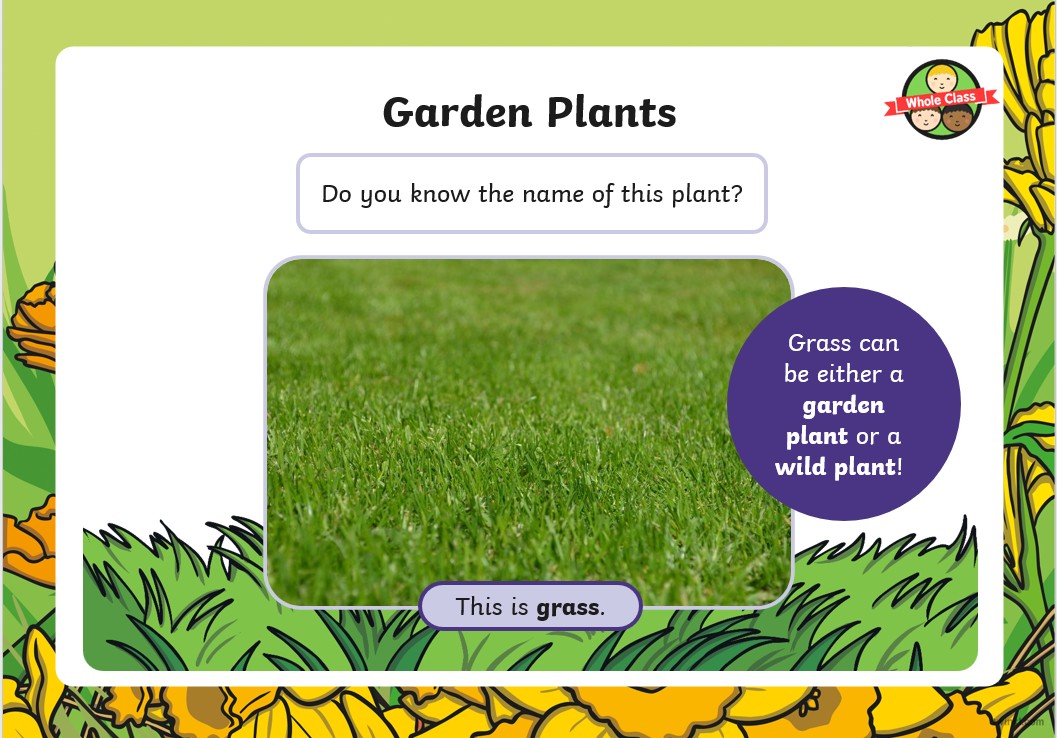
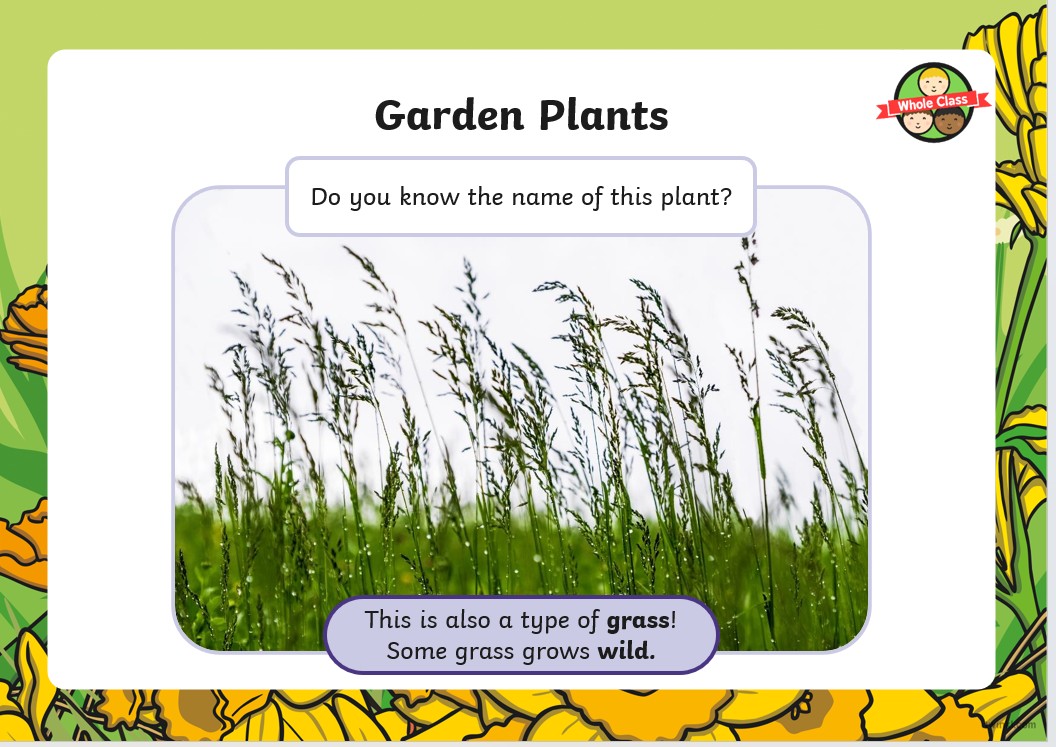
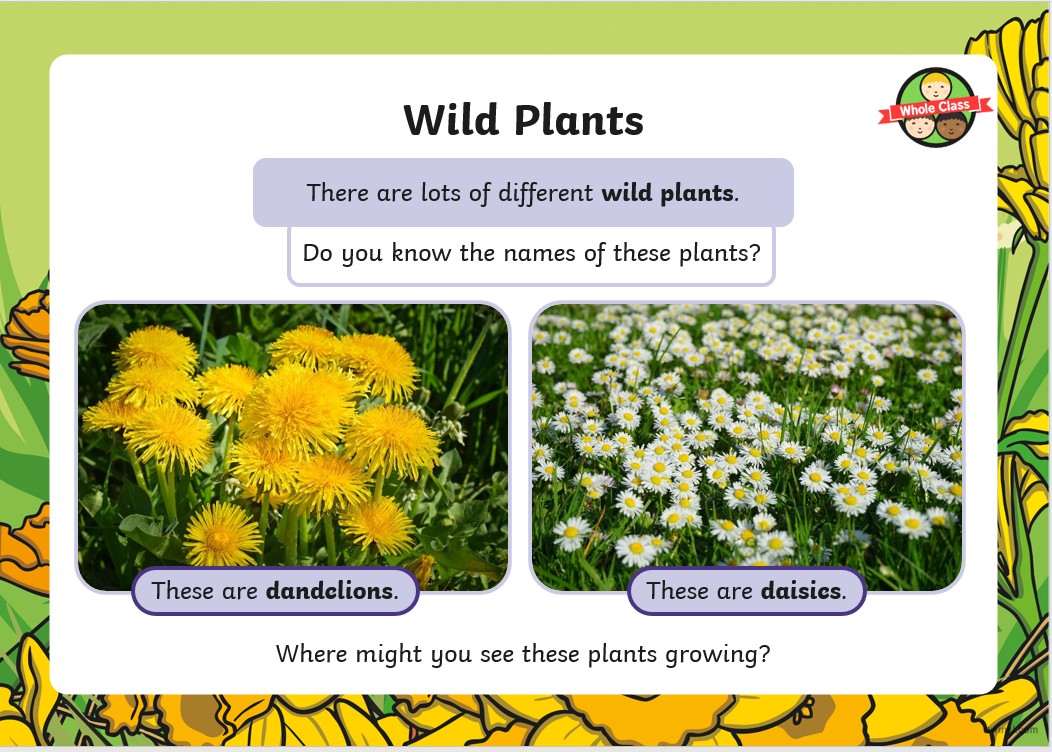
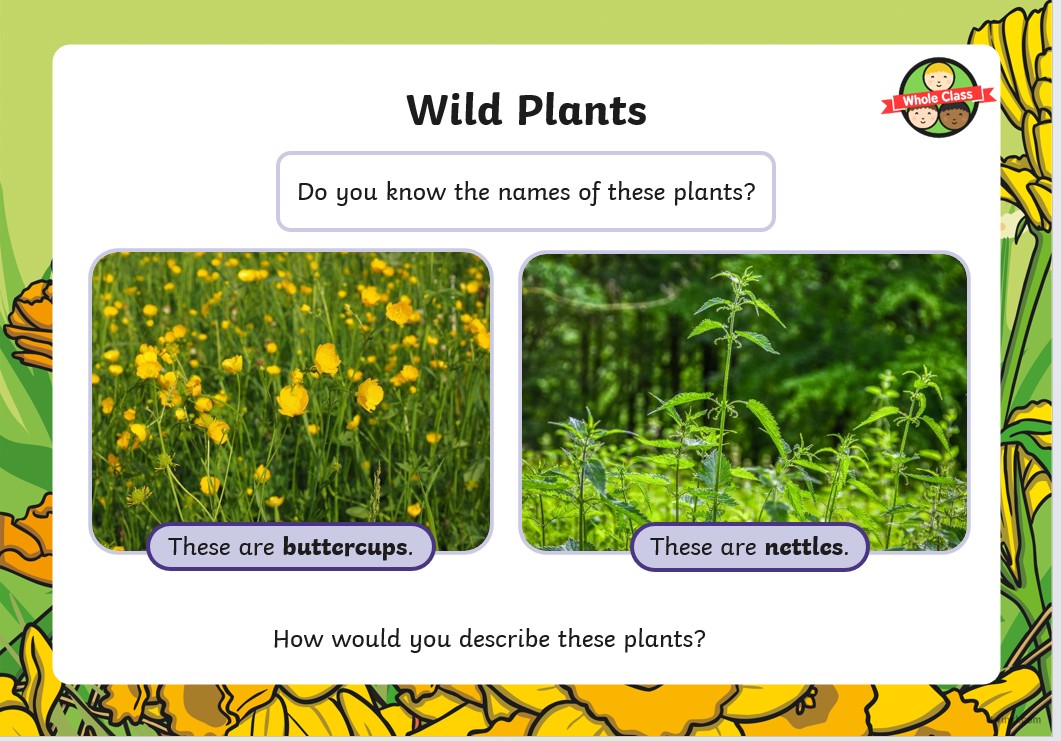
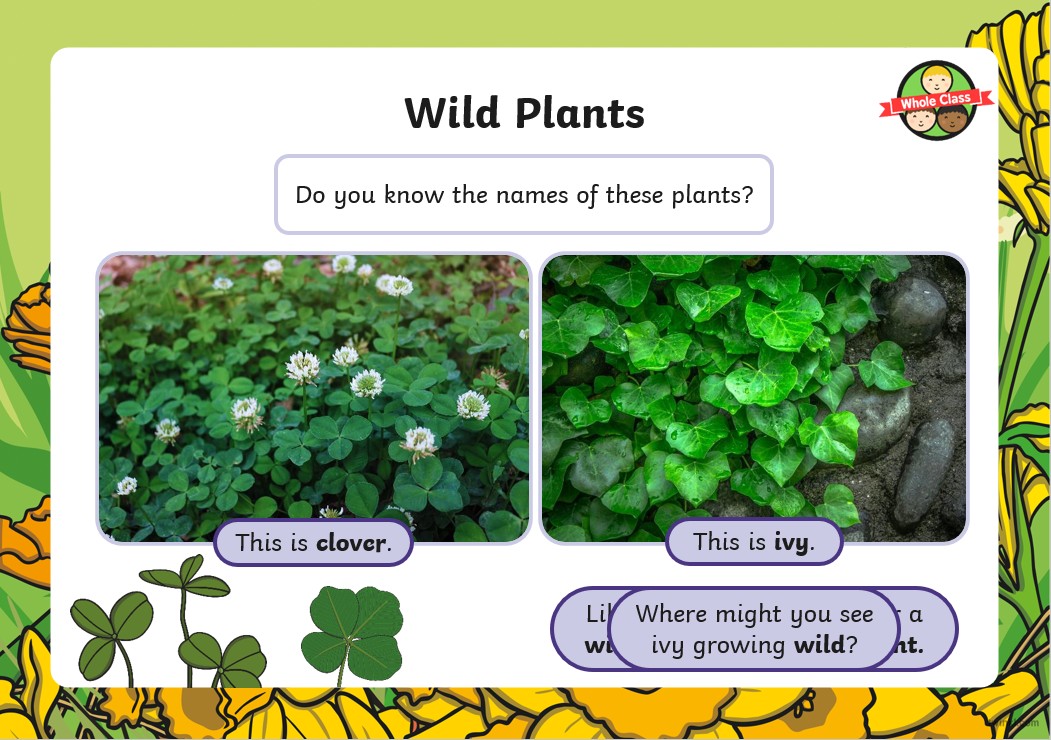
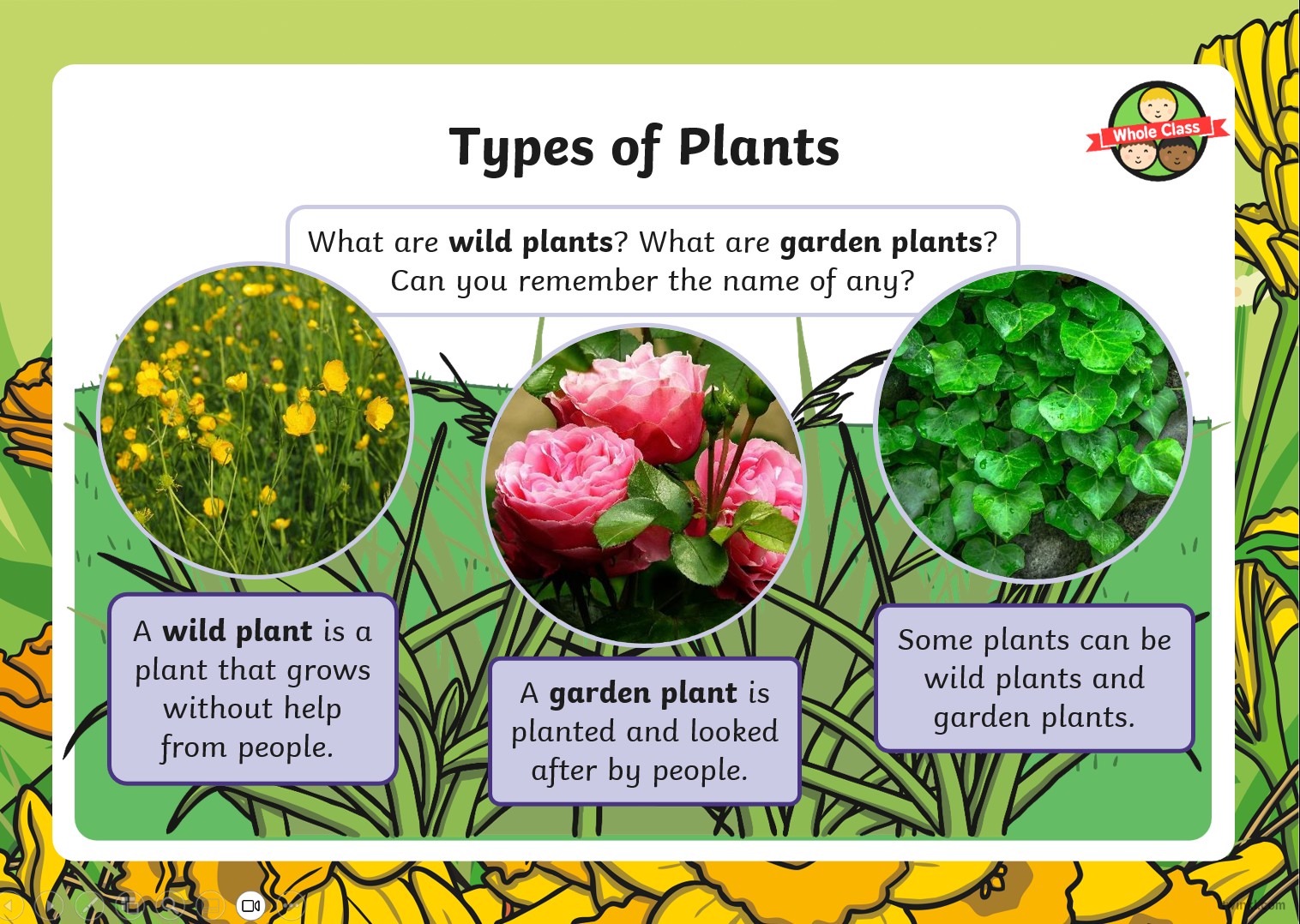
Complete the cut and stick sorting wild and garden plants.
Can we use a range of sources to ask questions about Burnley high street in the past and present?
Does CHANGE always make things better?
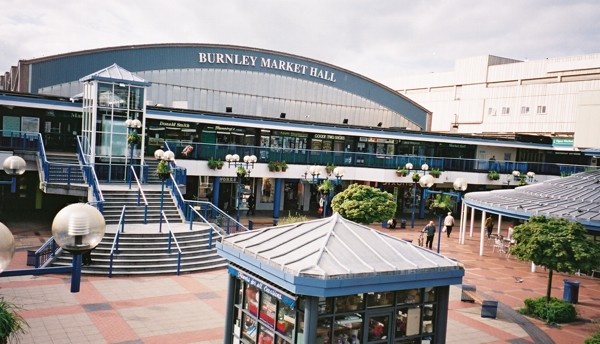
Talk partners:
- Where is this?
- Have you been there? If so, what did you do there?
Just like you change classes as you get older, places change over time.
As Historians, we need to find out about those changes by looking at photos and videos, asking people questions or visiting museums.
Today we are going to look at a picture of Burnley town centre from a long time ago, in the past and a picture of the present.
Past - something that has already happened
Present- now
Tell your partner what you can see from these pictures.
I can see... tell me more.
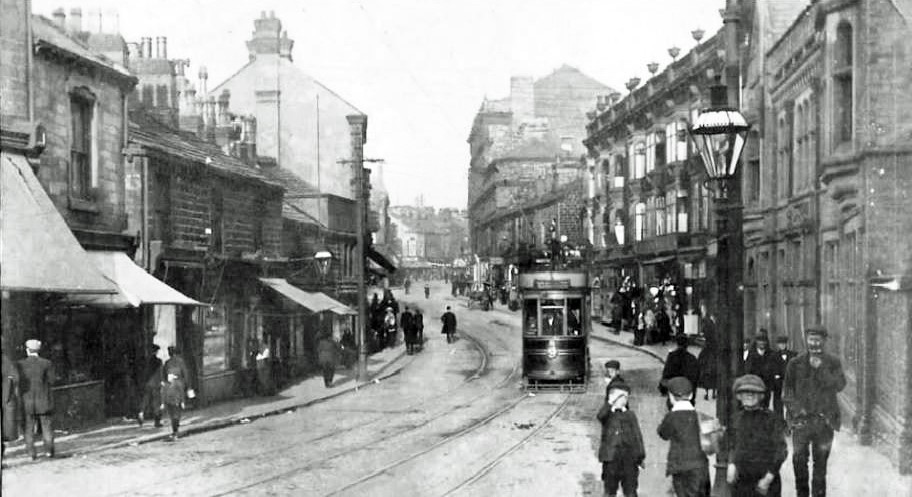
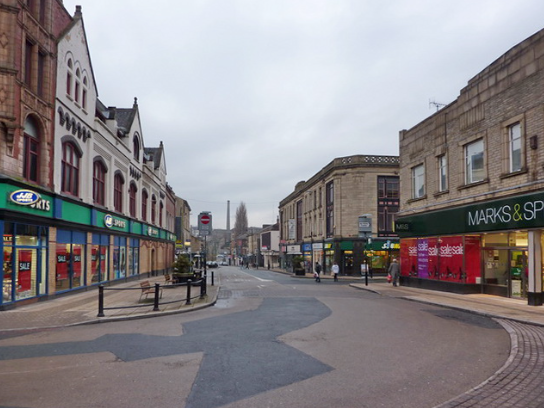
As Historians, we can use questions to find out more information.
We can use these words to begin our questions.

In your History books, write a question about what you would like to find out about Burnley in the past, remember what questions need to start with and what they need at the end.