



Thursday
I can use full stops at the end of a simple sentence.
To orally plan and rehearse ideas.
We are going to learn a part story off by heart using our story map and actions to help us remember it.
You are going to help your teacher to draw the pictures and think of actions for each part of the story.
We will practice as a class, with your partner and outside!


Can you create textures using pastels?
Key vocabulary:
Texture • rough • smooth • soft • scratchy • pattern • blend • layer • pastel
🌿 Starter – What does it feel like?
Show children different natural objects such as leaves, bark, stones, grass and shells.
Ask:
- What does it feel like?
- Is it rough, smooth, soft or bumpy?
- What marks could we use to show how it feels?
Artists can use different marks, colours and patterns to make something look textured.
Robert Gillmor artwork uses bold lines, shapes, patterns and areas of colour inspired by the natural world.


🖍️ Teacher demonstration
Demonstrate how to create different textures using pastels:
- Rough: short, broken lines
- Smooth: gently blend the pastel
- Bumpy: small circles or repeated marks
- Grass: lots of thin lines
- Bark: thick and thin wiggly lines
- Leaves: curved lines and repeated patterns
- Hatching: Draw lines close together.
- Dabbing/Stippling: Create textured effects for leaves, grass, or feathers.
Show children how they can layer different colours and use the side and tip of the pastel to create different effects.
🎨 Main Activity – Texture Hunt
Give each child a sheet divided into 4 or 6 sections.
Children create a texture collection using pastels. Each section should show a different texture inspired by nature.
For example:
🍃 Leaf texture
🌳 Tree bark
🪨 Rock texture
🌱 Grass texture
🌊 Water texture
🌸 Flower texture
They don't need to draw the actual objects. The focus is on experimenting with marks and textures.
Review 1
Today you will be completing your review 1 pages 20-24!
Reviews are done independently, so we can see how you know and have learned, or if you need any extra help!
Remember to read the questions carefully and take your time!

When can weather become dangerous?
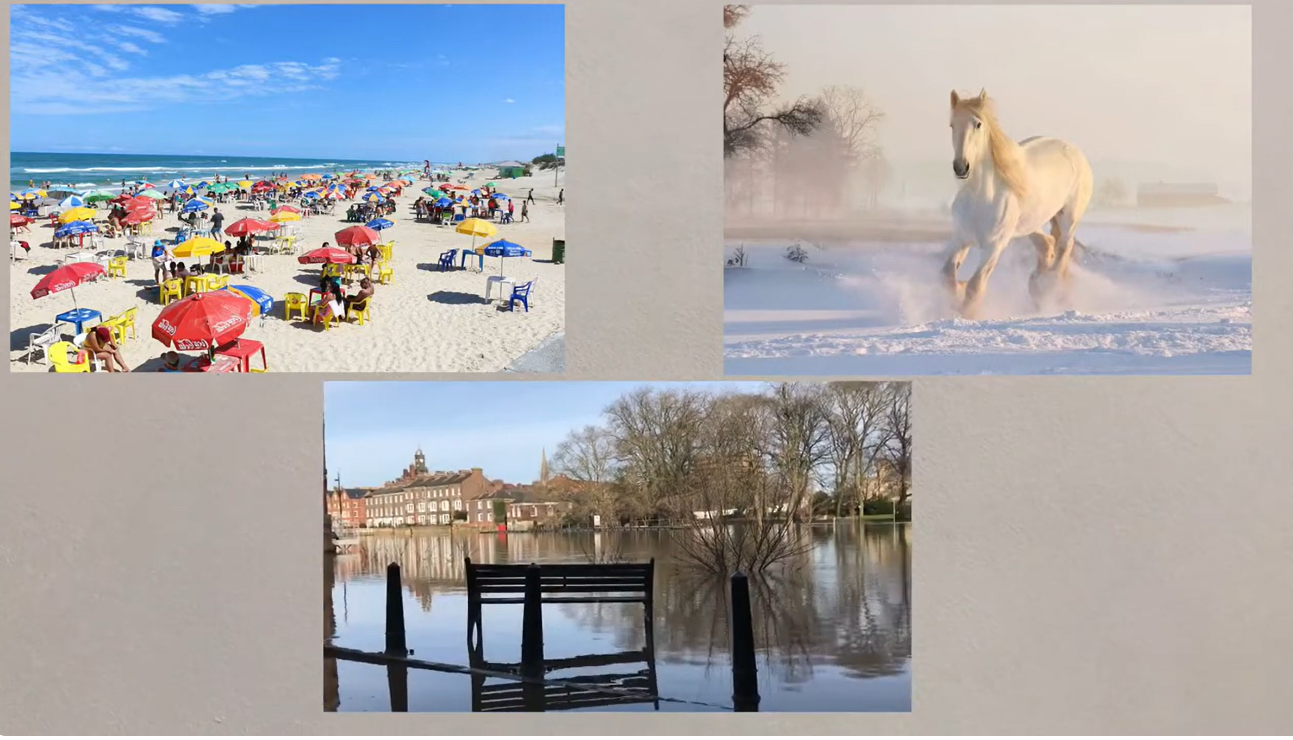
Talk partners-What type of weather could be dangerous in the UK?
Weather can sometimes be dangerous but we can learn how to stay safe.
Discuss heatwaves, cold spells including snow and flooding.
Watch the video below
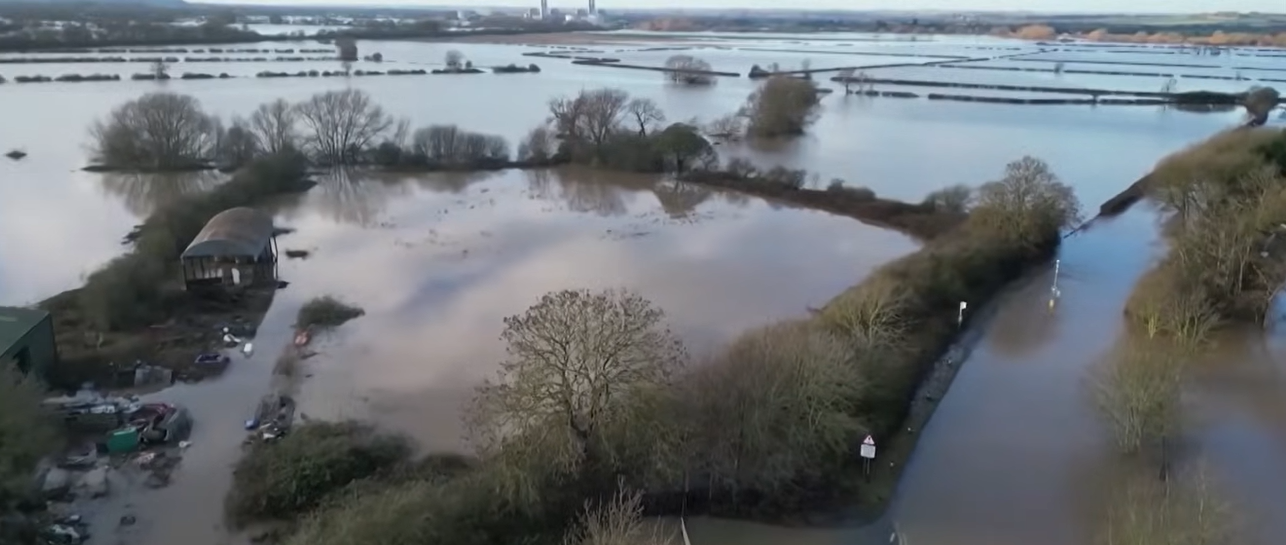
What's it like living with flooding | Children tell their story | Newsround
Discuss how to stay safe in floods, cold weather and heatwaves
- “I don't go near flood water.”
- “I wear a coat when it is cold and wet.”
- “I drink water when it is very hot.”
Cut and stick- can you sort the weathers into safe and dangerous?
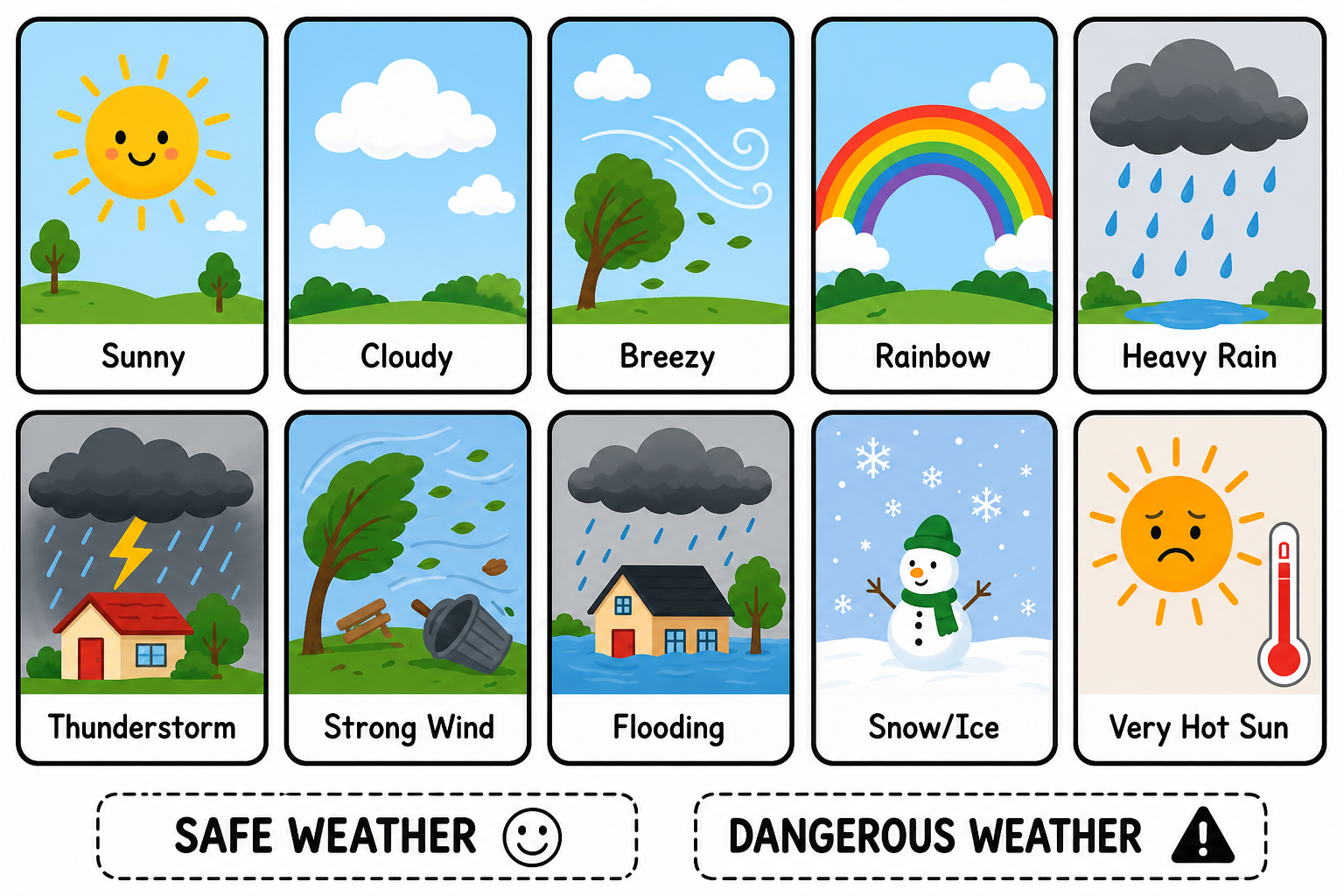 Challenge- choose a dangerous weather and write how they can stay safe.